Who Believes in Evolution?

evolution

This chart comes from a new Pew Research Cen­ter study that looks at the world­wide accep­tance of evo­lu­tion 150 years after Dar­win’s On the Ori­gin of Species by Means of Nat­ur­al Selec­tion. At least in the Unit­ed States, only a minor­i­ty of the pub­lic believes in evo­lu­tion, large­ly because evan­gel­i­cal protes­tants (a large por­tion of the Amer­i­can pop­u­la­tion) resist Dar­win’s think­ing far more strong­ly than oth­er world pop­u­la­tions. (The chart makes that sim­ple fact fair­ly clear.) A piece new­ly pub­lished by the Pew Cen­ter goes on to add:

Recent pub­lic opin­ion polls indi­cate that chal­lenges to Dar­win­ian evo­lu­tion have sub­stan­tial sup­port among the Amer­i­can peo­ple. Accord­ing to an August 2006 sur­vey by the Pew Research Cen­ter’s Forum on Reli­gion & Pub­lic Life and the Pew Research Cen­ter for the Peo­ple & the Press, 63 per­cent of Amer­i­cans believe that humans and oth­er ani­mals have either always exist­ed in their present form or have evolved over time under the guid­ance of a supreme being. Only 26 per­cent say that life evolved sole­ly through process­es such as nat­ur­al selec­tion. A sim­i­lar Pew Research Cen­ter poll, released in August 2005, found that 64 per­cent of Amer­i­cans sup­port teach­ing cre­ation­ism along­side evo­lu­tion in the class­room.

For more infor­ma­tion, see the Pew Cen­ter’s larg­er web col­lec­tion ded­i­cat­ed to the Dar­win debate. Also see a new Gallup poll that puts Amer­i­can belief in evo­lu­tion at 39%.

via The Dai­ly Dish

by | Permalink | Make a Comment ( 6 ) |

The Odds on America’s Collapse

jdiamond1Jared Dia­mond became a house­hold name with his Pulitzer Prize-win­ning book Guns, Germs & Steel (2003). Lat­er, the UCLA geo­g­ra­ph­er climbed the charts again with Col­lapse: How Soci­eties Choose to Fail or Suc­ceed (2005). Now, based on this last book, he’s putting odds on whether the Unit­ed States will sur­vive this cri­sis, and he’s putting them only at 51–49. Not too great. And he goes on to say that our best chance of sur­viv­ing is if Amer­i­ca’s wealthy elite suf­fers far more than it already has. For more, lis­ten here.

via Big Think’s Twit­ter Feed. Get our Twit­ter Feed here.

by | Permalink | Make a Comment ( 2 ) |

Watch Educational Videos Offline with YouTube

It’s anoth­er good day for the open edu­ca­tion move­ment. As part of an exper­i­ment, YouTube has part­nered with a select num­ber of uni­ver­si­ties (Stan­fordUC Berke­leyDuke, and UCLA) to make lec­tures, cours­es and oth­er videos avail­able for free down­load. This gives edu­ca­tors and life­long learn­ers the free­dom to watch edu­ca­tion­al videos offline, when­ev­er and wher­ev­er they want, includ­ing air­planes or class­rooms with lim­it­ed con­nec­tiv­i­ty. The videos (all high-res­o­lu­tion mp4s) can be watched on any com­put­er loaded with Quick­Time and also on many portable devices, includ­ing new­er iPods. When I spoke with the YouTube team today, they flagged anoth­er perk: the videos are being dis­trib­uted under a Cre­ative Com­mons license, which means that you can reuse them under cer­tain non-com­mer­cial con­di­tions.

For some­one who has helped devel­op cours­es appear­ing in Stan­ford’s YouTube col­lec­tion, today’s news was cer­tain­ly wel­come. These cours­es are not cheap to devel­op, and we do it as a pub­lic ser­vice. So we’re always hap­py when we encounter new ways of get­ting the edu­ca­tion­al con­tent to a broad­er audi­ence. This new down­load capa­bil­i­ty does just that. It extends our reach just a lit­tle more, and it’s hard to quib­ble with that.

As a prac­ti­cal note, if you’re won­der­ing how to down­load the YouTube videos men­tioned above, here’s what to do. Find a video from Stan­fordUC Berke­leyDuke, or UCLA, look at the low­er left-hand cor­ner of the video, click the “Down­load this video” link, and you should be good to go.

Relat­ed Con­tent: 

  • To quick­ly find intel­li­gent video col­lec­tions appear­ing on YouTube, vis­it this page.

by | Permalink | Make a Comment ( 1 ) |

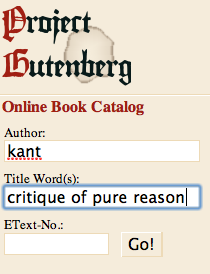
A Guide to E‑Books (and 100 E‑Text Classics)

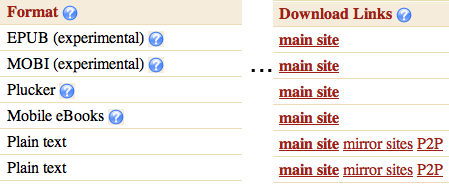
A quick fyi: Mark Glaser at PBS’s Medi­aShift has just pub­lished a handy guide to e‑books. It cov­ers the his­to­ry of e‑books, the com­pet­ing e‑book read­ers, the pros and cons of work­ing with e‑books, what Google and Apple are now doing in this space, and more. Good stuff.

Sep­a­rate­ly, I also want­ed to flag a col­lec­tion that fea­tures e‑texts of 100 major lit­er­ary clas­sics. You’ll find it over at universitiesandcolleges.org.

Neil deGrasse Tyson Explains What Would Happen If You Fell into a Black Hole

Per­haps you’ve pon­dered your own mor­tal­i­ty. But have you ever imag­ined per­ish­ing as you fall into a black hole? Prob­a­bly not. But if you’re intrigued by this admit­ted­ly unlike­ly sce­nario, then watch the clip above. Neil deGrasse Tyson, an astro­physi­cist who heads up the Hay­den Plan­e­tar­i­um in NYC, breaks down the scene for you step-by-step and in a fair­ly humor­ous way. This talk is based on his well-reviewed book, Death by Black Hole: And Oth­er Cos­mic Quan­daries.

If you would like to sign up for Open Culture’s free email newslet­ter, please find it here. It’s a great way to see our new posts, all bun­dled in one email, each day.

If you would like to sup­port the mis­sion of Open Cul­ture, con­sid­er mak­ing a dona­tion to our site. It’s hard to rely 100% on ads, and your con­tri­bu­tions will help us con­tin­ue pro­vid­ing the best free cul­tur­al and edu­ca­tion­al mate­ri­als to learn­ers every­where. You can con­tribute through Pay­Pal, Patre­on, and Ven­mo (@openculture). Thanks!

by | Permalink | Make a Comment ( 11 ) |

Our Rapidly Changing Digital World

In case you need­ed a reminder, we’re no longer liv­ing in your grand­fa­ther’s world. This video makes that plain­ly clear. Every­thing is chang­ing in a blink, and edu­ca­tion offers you and your kids the best way to nav­i­gate it all. Don’t take it for grant­ed.

via The Dig­i­tal­Blur. Thanks Jil­lian for the tip on this one.

Remem­ber to catch us on Twit­ter.

by | Permalink | Make a Comment ( 1 ) |

Bridging the Science-Religion Divide

Is there “a philo­soph­i­cal incom­pat­i­bil­i­ty between reli­gion and sci­ence. Does the empir­i­cal nature of sci­ence con­tra­dict the rev­e­la­to­ry nature of faith? Are the gaps between them so great that the two insti­tu­tions must be con­sid­ered essen­tial­ly antag­o­nis­tic?” These were the ques­tions raised by Jer­ry Coyne, a pro­fes­sor at the Uni­ver­si­ty of Chica­go, in a long and meaty book review (“See­ing and Believ­ing”) appear­ing in The New Repub­lic. Over at the Edge.org, a num­ber of sci­en­tif­ic thinkers, who reg­u­lar­ly engage with these essen­tial ques­tions, have offered their own thoughts on the mat­ter. You’ll find short pieces by Stephen Pinker, Daniel Den­nett, Sam Har­ris, George Dyson and oth­ers. This one pas­sage by Karl Giber­son par­tic­u­lar­ly struck me (though it’s not exact­ly a reflec­tion of my world­view):

Empir­i­cal sci­ence does indeed trump revealed truth about the world as Galileo and Dar­win showed only too clear­ly. But empir­i­cal sci­ence also trumps oth­er empir­i­cal sci­ence. Ein­stein’s dethrone­ment of New­ton was not the whole­sale under­min­ing of the sci­en­tif­ic enter­prise, even though it showed that sci­ence was clear­ly in error. It was, rather, a glo­ri­ous and appro­pri­ate­ly cel­e­brat­ed advance for sci­ence, albeit one not under­stood by most peo­ple. Why is this dif­fer­ent than mod­ern the­ol­o­gy’s near uni­ver­sal rejec­tion of the tyran­ni­cal anthro­po­mor­phic deity of the Old Tes­ta­ment, so elo­quent­ly skew­ered by Dawkins? How is it that “sci­ence” is allowed to toss its his­tor­i­cal bag­gage over­board when its best informed lead­ers decide to do so, even though the ideas con­tin­ue to cir­cu­late on main street, but reli­gion must for­ev­er be defined by the ancient bag­gage car­ried by its least informed?

The world dis­closed by sci­ence is rich and mar­velous, but most peo­ple think there is more to it. Our reli­gious tra­di­tions embody our fit­ful and imper­fect reflec­tions on this mys­te­ri­ous and tran­scen­dent intuition—an intu­ition that, as artic­u­lat­ed by some of our most pro­found thinkers, seeks an under­stand­ing of the world that is goes beyond the empir­i­cal.


by | Permalink | Make a Comment ( 2 ) |

Milton Friedman on Greed

The new Trea­sury Sec­re­tary unveiled his plan this morn­ing, and appar­ent­ly the mar­kets hate it, which pret­ty much guar­an­tees that we’ll be liv­ing with our finan­cial mess for a good while longer. As we know, this cri­sis could have been avoid­ed. But greed got the bet­ter of us. So, I won­der what read­ers think when they see Mil­ton Fried­man’s 1979 defense of cap­i­tal­ism and greed. Is it a mod­el, a line of argu­ment, that’s now dis­cred­it­ed? Or do we grudg­ing­ly con­cede his points and say that cap­i­tal­ism is the worst eco­nom­ic mod­el except for all the oth­ers that have been tried (a cheap play here on Churchill), and then fig­ure out how to mop it up?

via Andrew Sul­li­van’s Dai­ly Dish

by | Permalink | Make a Comment ( 3 ) |

The Obama “Hope” Poster & The New Copyright Controversy

obamaposter-198x300By now, every­one knows the famous Oba­ma “Hope” poster pro­duced by Shep­ard Fairey. Recent­ly, Fairey has acknowl­edged that the poster was orig­i­nal­ly inspired by a pho­to­graph belong­ing to the AP Press, and now the AP is claim­ing that Fairey has infringed on its copy­right and wants “pay­ment for the use of the pho­to and a por­tion of any mon­ey he makes from it.” (see arti­cle in the New York Times). In response, Fairey has filed a pre­emp­tive law­suit, claim­ing that he used the AP pho­to as a mere start­ing point and then trans­formed it into a “stun­ning, abstract­ed and ide­al­ized visu­al image that cre­at­ed pow­er­ful new mean­ing and con­veys a rad­i­cal­ly dif­fer­ent mes­sage.” If you put the two images side by side (see here), it’s pret­ty instant­ly clear that Fairey took an admit­ted­ly well done news pho­to and did some­thing quite trans­for­ma­tive with it, which makes things fair game. That’s obvi­ous to almost any­one (includ­ing hope­ful­ly judges), and it’s a shame to see the AP, which lives by its First Amend­ment rights, look­ing to use the copy­right clause to lim­it free­dom of expres­sion. Bad move guys.

As a quick side note, Fairey is being rep­re­sent­ed in court by The Fair Use Project at Stan­ford Law School’s Cen­ter for Inter­net and Soci­ety (to which I have zero con­nec­tion.)

Relat­ed Con­tent:

The Sto­ry Behind the Icon­ic Oba­ma Cam­paign Poster

by | Permalink | Make a Comment ( 4 ) |

Elizabeth Gilbert on Creative Genius

Eliz­a­beth Gilbert, author of Eat, Pray, Love, talked at last week’s TED Con­fer­ence about writ­ers, their “genius,” and the expec­ta­tions that we place on it. I know that Gilbert — or at least her last book — has a lot of fans. And that’s why I’m post­ing this here. Per­son­al­ly, I’m not so much a fan. She just does­n’t do it for me. But that’s just me … and so hope­ful­ly this work for you.

by | Permalink | Make a Comment ( 2 ) |

Bill Gates on Changing the World

The 2009 TED con­fer­ence, which fea­tured a long list of well-known speak­ers, wrapped up on Fri­day. And now you can watch two of the key pre­sen­ta­tions online. First, and fea­tured above, you’ll get Bill Gates, Microsoft founder and now major phil­an­thropist, talk­ing about how to change the world through edu­ca­tion and dis­ease pre­ven­tion. It’s a good 20 min­utes, and it will par­tic­u­lar­ly inter­est any edu­ca­tors who read this blog. Next, Bill Gross, founder of Ide­al­ab, gives you 20 min­utes on the ground­break­ing work being done in solar ener­gy.

We’ve added the Gates talk to our list of YouTube Favorites. Also, you’ll find videos from TED on our list: YouTube Edu­ca­tion: 80 Intel­li­gent Video Col­lec­tions.

by | Permalink | Make a Comment ( 1 ) |


  • Great Lectures

  • Sign up for Newsletter

  • About Us

    Open Culture scours the web for the best educational media. We find the free courses and audio books you need, the language lessons & educational videos you want, and plenty of enlightenment in between.


    Advertise With Us

  • Archives

  • Search

  • Quantcast