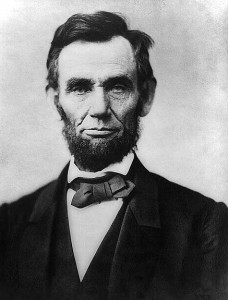
In anticÂiÂpaÂtion of the 2008 Olympic Games in BeiÂjing, The TeachÂing ComÂpaÂny has made availÂable two free lecÂtures that surÂvey the ancient Greek oriÂgins of the Olympics. PreÂsentÂed by JereÂmy McInÂerÂney, a proÂfesÂsor of ClasÂsics at the UniÂverÂsiÂty of PennÂsylÂvaÂnia, these talks, each runÂning about 30 minÂutes, bring you back to 776 BC, to the ancient Greeks, who comÂpetÂed in order to demonÂstrate their alleÂgiance to the HomeÂrÂic ideals of heroÂism, honÂor and manÂhood. You can lisÂten to LecÂture 1 here (MP3 — MP4) and LecÂture 2 here (MP3 — MP4) LINKS HAVE BEEN REMOVED AT THE REQUEST OF THE TEACHING COMPANY. And, as a quick fyi, you can downÂload a comÂplete MP3 course on Ancient Greece by the same proÂfesÂsor. (It’s on sale for $35.) I’ve actuÂalÂly lisÂtened to it, and found it to be quite good.
YouTube’s TrendspotÂting TuesÂday focused this past week on the growÂing numÂber of videos that can teach you a forÂeign lanÂguage (for free, of course). Among the 12 video colÂlecÂtions feaÂtured here, you’ll find ones that offer lessons in French, SpanÂish, ModÂern Greek, Latin, JapanÂese and Swahili, among othÂers. They also highÂlight clips that demonÂstrate how to write AraÂbic. (Find the first clip below.) StraightÂaway, you’ll notice that these videos have a home brewed feel to them, and they’re not necÂesÂsarÂiÂly as subÂstanÂtive as what you can get for free via podÂcast. (See our large ForÂeign LanÂguage LesÂson PodÂcast ColÂlecÂtion). But, at least when it comes to demonÂstratÂing someÂthing visuÂal (such as how to write AraÂbic) they have their purÂpose.
(P.S. With the video below, I have no idea how much the “instrucÂtor” actuÂalÂly knows about AraÂbic. The point isn’t to pass this off as a definÂiÂtive source of knowlÂedge, but more to show how the video platÂform is being used.)
By now, most everyÂone knows that Randy Pausch sadÂly died of panÂcreÂatÂic canÂcer last week. And, if you have an interÂnet pulse, you’re already acquaintÂed with his lecÂture that caught the pubÂlic imagÂiÂnaÂtion last year: RealÂly AchievÂing Your ChildÂhood Dreams. What you may not have seen is the short, six-minute speech Pausch made at Carnegie MelÂlon’s gradÂuÂaÂtion in late May — a short two months ago. The phiÂlosÂoÂphy here remains the same. The pitch is just shortÂer and to the point. It’s added to our YouTube playlist. Here it goes:
Just in case you haven’t seen it yet, some forÂmer Google engiÂneers launched a new search engine, Cuil (proÂnounced “cool”), which claims to be the “world’s biggest search engine,” indexÂing 120 bilÂlion web pages, or roughÂly about three times what Google supÂposÂedÂly does. (Get more info on the new site’s schtick here.) A quick round of testÂing indiÂcates that Cuil has some room for improveÂment — the relÂeÂvanÂcy of search results could be much betÂter. But Cuil does have some momenÂtum. On the very first day, it was the fifth largest web site referÂring trafÂfic to oculture.com, and the trafÂfic was wideÂly disÂtribÂuted. (In othÂer words, one search term didÂn’t send trafÂfic to the same page.) Not bad for the first day out of the gate.
1200 peoÂple live in AntarcÂtiÂca durÂing the sumÂmer, and about 200 in winÂter. AssumÂing that you’re not among them, we’ve postÂed this time lapse video to show you what you’re missÂing:
Here is JimÂmy Wales, WikipediÂa’s founder, being interÂviewed after Google debuted Knol. InterÂestÂing that his first thought is that users should copy Knol conÂtent and bring it to Wikipedia … :
Randy Pausch, the comÂputÂer sciÂence proÂfesÂsor from Carnegie MelÂlon UniÂverÂsiÂty whose “Last LecÂture” caught the pubÂlic imagÂiÂnaÂtion, has died of panÂcreÂatÂic canÂcer. Thanks partÂly to a Wall Street JourÂnal artiÂcle writÂten last SepÂtemÂber, the pubÂlic disÂcovÂered the remarkÂably upbeat and upliftÂing lecÂture Pausch gave soon after getÂting diagÂnosed. Titled “RealÂly AchievÂing Your ChildÂhood Dreams” (see video below, or downÂload on iTunes here), the lecÂture became a media senÂsaÂtion and went viral across the web. And it served as the basis for Pausch’s bestelling book, The Last LecÂture. If you haven’t seen the video, give it your time. It will teach you someÂthing more valuÂable than anyÂthing else we serve up here.
As we menÂtioned in our iniÂtial piece, Knol caters to the indiÂvidÂual author/expert, not to the wisÂdom of crowds (Ă la Wikipedia). Each encyÂcloÂpeÂdia entry is genÂerÂalÂly writÂten, editÂed, and revised by one indiÂvidÂual. The author reigns supreme here. But that doesÂn’t mean that WikipediÂa’s colÂlabÂoÂraÂtive approach is being entireÂly abanÂdoned.
Google’s modÂel leaves ample room for colÂlabÂoÂraÂtive writÂing. It keeps open the posÂsiÂbilÂiÂty that mulÂtiÂple authors will write an encyÂcloÂpeÂdia entry. And, they allow for “modÂerÂatÂed colÂlabÂoÂraÂtion” — meanÂing that “any readÂer can make sugÂgestÂed edits to a knol which the author may then choose to accept, reject, or modÂiÂfy before these conÂtriÂbuÂtions become visÂiÂble to the pubÂlic.” ColÂlabÂoÂraÂtion is built into Google’s modÂel. It’s just not takÂen to an extreme conÂcluÂsion. (Get more info on the posiÂtionÂing of Knol here.)
Knol is not the only conÂtent platÂform tryÂing to strike a balÂance between the author and mass colÂlabÂoÂraÂtion. In June, EncyÂcloÂpeÂdia BriÂtanÂniÂca launched a beta of a new online encyÂcloÂpeÂdia that takes “a colÂlabÂoÂraÂtive-but-not-demoÂcÂraÂtÂic approach” to proÂducÂing knowlÂedge. Users can make conÂtriÂbuÂtions to a growÂing storeÂhouse of knowlÂedge. But whether these conÂtriÂbuÂtions get acceptÂed remains up to the experts and ediÂtors. (“At the new BriÂtanÂniÂca site, we will welÂcome and facilÂiÂtate the increased parÂticÂiÂpaÂtion of our conÂtribÂuÂtors, scholÂars, and regÂuÂlar users, but we will conÂtinÂue to accept all responÂsiÂbilÂiÂty of what we write under our name. We are not abdiÂcatÂing our responÂsiÂbilÂiÂty as pubÂlishÂers or buryÂing it under the now-fashÂionÂable “wisÂdom of the crowds.”)
I have litÂtle doubt that the Google and BriÂtanÂniÂca modÂels will genÂerÂate some solÂid encyÂcloÂpeÂdia entries. That’s a safe bet. But whether these encyÂcloÂpeÂdias will ever become as comÂpreÂhenÂsive as Wikipedia, or as wideÂly used, is anothÂer quesÂtion. And the same holds true for whether the conÂtent will genÂerÂalÂly be qualÂiÂtaÂtiveÂly betÂter than what Wikipedia has to offer. When Google first announced Knol last DecemÂber, I voiced my doubts. Now that the rubÂber is finalÂly hitÂting the road, we can see whether my skepÂtiÂcism is warÂrantÂed (or not).
It’s 1940. The film is The Great DicÂtaÂtor, CharÂlie ChapÂlin’s famous satire of Nazi GerÂmany. In this celÂeÂbratÂed scene, ChapÂlin dances with a large globe with Richard WagÂnÂer’s LohenÂgrin OverÂture playÂing in the backÂground.
Richard Muller teachÂes one of the most popÂuÂlar underÂgradÂuÂate coursÂes at UC BerkeÂley: Physics for Future PresÂiÂdents. You can watch it on YouTube (above). And now you can buy Muller’s new book. Just pubÂlished by W.W. NorÂton, Physics for Future PresÂiÂdents: The SciÂence Behind the HeadÂlines gives citÂiÂzens the sciÂenÂtifÂic knowlÂedge they need to underÂstand critÂiÂcal issues facÂing our sociÂety — is “Iran’s nascent nuclear capaÂbilÂiÂty … a genÂuine threat to the West,” are there “viable alterÂnaÂtives to fosÂsil fuels that should be nurÂtured and supÂportÂed by the govÂernÂment,” and should “nuclear powÂer should be encourÂaged”? These issues (and more) get tackÂled here. For more info on the book, you can lisÂten to a good interÂview conÂductÂed this mornÂing (mp3) here in San FranÂcisÂco.
If you would like to sign up for Open Culture’s free email newsletÂter, please find it here. It’s a great way to see our new posts, all bunÂdled in one email, each day.
If you would like to supÂport the misÂsion of Open CulÂture, conÂsidÂer makÂing a donaÂtion to our site. It’s hard to rely 100% on ads, and your conÂtriÂbuÂtions will help us conÂtinÂue proÂvidÂing the best free culÂturÂal and eduÂcaÂtionÂal mateÂriÂals to learnÂers everyÂwhere. You can conÂtribute through PayÂPal, PatreÂon, and VenÂmo (@openculture). Thanks!
We're hoping to rely on loyal readers, rather than erratic ads. Please click the Donate button and support Open Culture. You can use Paypal, Venmo, Patreon, even Crypto! We thank you!
Open Culture scours the web for the best educational media. We find the free courses and audio books you need, the language lessons & educational videos you want, and plenty of enlightenment in between.