Discover the Longest Song in the World: A 639-Year Performance of the John Cage Composition Called “Organ/ASLSP (As Slow As Possible)”

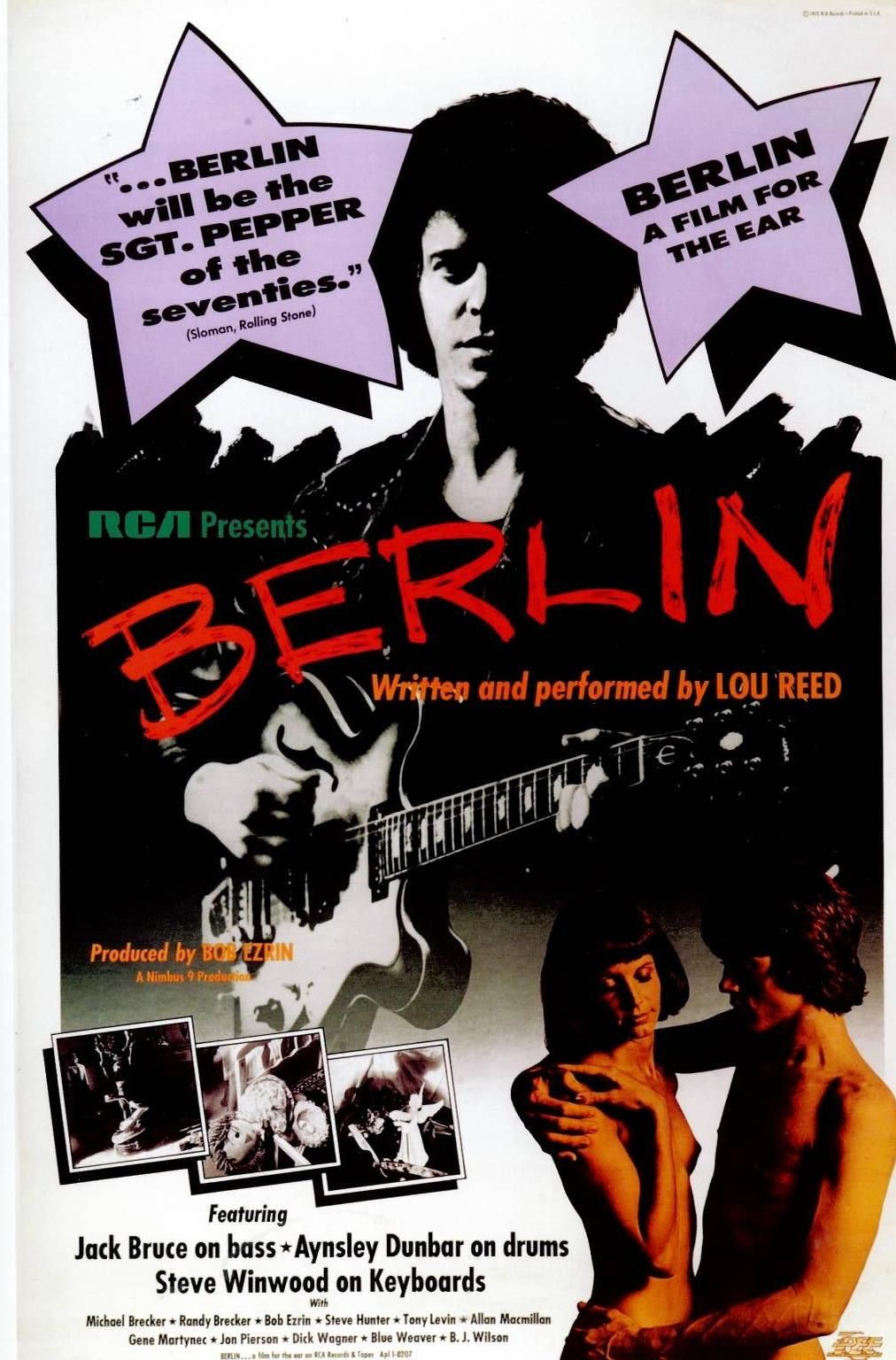
In 2016, Lau­rie Ander­son recre­at­ed the expe­ri­ence of Lou Reed’s Met­al Machine Music in Saint Mark’s chapel in Brighton. The five-day-long per­for­mance piece involved “some eight unmanned gui­tars lean­ing on a sim­i­lar num­ber of vin­tage amps,” Mark Sheerin writes, all of them cranked up, feed­ing back, and echo­ing around the Angli­can church’s vault­ed ceil­ing. It was a fit­ting trib­ute to Reed, a sus­tained, dis­so­nant drone that also invokes “the mys­ter­ies of faith and the incar­na­tion of rebel angels.”

If five days seems like a long time to hold a sin­gle note, how­ev­er, con­sid­er the per­for­mance of John Cage’s com­po­si­tion “ORGAN/ASLSP” or “A Slow as Pos­si­ble” that began in the St. Bur­char­di church, in the Ger­man town of Hal­ber­stadt, on Sep­tem­ber 5th, 2001, what would have been Cage’s 89th birth­day. The artists stag­ing this piece intend it to last for 639 years. If the organ doesn’t fall apart and if a new gen­er­a­tion of cura­tors con­tin­ues to take the place of the old, it will play until the year 2640.

Those are some big Ifs, but as long as it lasts, the piece should draw crowds every few years when a chord changes, as just hap­pened recent­ly, despite the pan­dem­ic, after the organ had played the same chord for almost 7 years. The change occurred on Sep­tem­ber 5th, 2020, Cage’s birth­day, 19 years after the per­for­mance began. Lest we think its length insane­ly per­verse, we should bear in mind that Cage him­self nev­er spec­i­fied a tem­po for “As Slow as Pos­si­ble.” The score itself only “con­sists of eight pages of music, to be played,” writes Kyle Mac­don­ald at Clas­sic FM, “well, very, very slow­ly.”

Typ­i­cal­ly, organ­ists and pianists have inter­pret­ed this direc­tion with­in the space of an hour. Some have stretched sin­gle per­for­mances “up to, and beyond, 12 hours.” Obvi­ous­ly, no sin­gle per­son, or even team of peo­ple, could sus­tain play­ing the piece for 233,235 days. Nor, how­ev­er, has the extreme slow­ness of the John Cage Organ Project ver­sion been made pos­si­ble by dig­i­tal means. Instead, a group of artists built a spe­cial pipe organ for the task. Each time a chord changes, new pipes are added man­u­al­ly. On Sat­ur­day, a masked crowd gath­ered “to see the G sharp and E notes metic­u­lous­ly installed.”

The organ is auto­mat­ed, by mechan­i­cal means. No one needs to sit and hold keys for sev­er­al years. But can the long-term coor­di­na­tion need­ed to main­tain this solemn­ly quixot­ic instal­la­tion extend over six hun­dred years for a grand finale in 2640 (IF the organ, the church, and the plan­et, sur­vive)? The ques­tion seems almost irrel­e­vant since no one liv­ing can answer it with any degree of cer­tain­ty. It depends on whether future gen­er­a­tions see the St. Buruchar­di “As Slow as Pos­si­ble” as a phe­nom­e­non that should con­tin­ue to exist. But why, we might ask, should it?

Maybe one way of think­ing of the John Cage Organ Project is through the lens of the Long Now Project’s 10,000 Year Clock, a device being con­struct­ed (“no com­ple­tion date sched­uled”) to rad­i­cal­ly change humans’ rela­tion­ship to time, to push us to think beyond—hundreds and thou­sands of years beyond—our mea­ger life­times. Cage, I think, would appre­ci­ate the effort to turn his eight page com­po­si­tion into a musi­cal man­i­fes­ta­tion of the future’s longue durée.

Relat­ed Con­tent:

An Impres­sive Audio Archive of John Cage Lec­tures & Inter­views: Hear Record­ings from 1963–1991

Nota­tions: John Cage Pub­lish­es a Book of Graph­ic Musi­cal Scores, Fea­tur­ing Visu­al­iza­tions of Works by Leonard Bern­stein, Igor Stravin­sky, The Bea­t­les & More (1969)

John Cage’s Silent, Avant-Garde Piece 4’33” Gets Cov­ered by a Death Met­al Band

Josh Jones is a writer and musi­cian based in Durham, NC. Fol­low him at @jdmagness

In 1183, a Chinese Poet Describes Being Domesticated by His Own Cats

Here in Korea, where I live, cat own­ers aren’t called cat own­ers: they’re called goyan­gi jib­sa, lit­er­al­ly “cat but­lers.” Clear­ly the idea that felines have flipped the domes­tic-ani­mal script, not serv­ing humans but being served by humans, tran­scends cul­tures. It also goes far back in his­to­ry: wit­ness the 12th-cen­tu­ry vers­es recent­ly tweet­ed out in trans­la­tion by writer Xiran Jay Zhao, in which “Song dynasty poet Lu You” — one of the most pro­lif­ic lit­er­ary artists of his time and place — “poem-live­blogged his descent from cat own­er to cat slave.”

The sto­ry begins in 1138, writes Zhao, when “Down On His Luck schol­ar-offi­cial Lu You gets a cat because rats keep munch­ing on his books.” The eight poems in this series begin with praise for the ani­mal — “It’s so soft to touch and warm to hold in bed / So brave and capa­ble that it has oust­ed the rat nest” — and goes on to describe the cats he sub­se­quent­ly acquires, who self­less­ly van­quish the house­hold rats while indulging in noth­ing more than the occa­sion­al cat­nip binge.

Or at least they do at first. “Night after night you used to mas­sacre rats / Guard­ing the grain store so fero­cious­ly,” Lu asks one in “Poem for Pink-Nose.” “So why do you now act as if you live with­in palace walls / Eat­ing fish every day and sleep­ing in my bed?”

As time goes on, Lu finds him­self “serv­ing fish on time” to his cats only to find them “sleep­ing with­out wor­ry.” As the rats ram­page, he poet­i­cal­ly moans, “my books are get­ting ruined and the birds wake me before dawn.” Has it all been noth­ing more than “a ruse to get food from me?”

Yet it seems that Lu has no regrets about cat own­er­ship, if own­er­ship be the word. “Wind sweeps the world and rain dark­ens the vil­lage / Rum­bles roll off the moun­tains like ocean waves churn­ing,” he writes in 1192’s “A Rain­storm on the Fourth Day of the Eleventh Month.” Yet “the fur­nace is sooth­ing and the rug is warm / Me and my cat are not leav­ing the house.” This is relat­able con­tent for the cat but­lers of Korea (a cul­ture thor­ough­ly influ­enced by Chi­na in Lu’s day), or indeed any­where else in the world. The patri­ot­ic poet would sure­ly be pleased by the mod­ern-day ascent of Chi­na — and per­haps just as much by the high and ever-ris­ing sta­tus of the domes­tic cat.

via Xiran

Relat­ed Con­tent:

An Ani­mat­ed His­to­ry of Cats: How Over 10,000 Years the Cat Went from Wild Preda­tor to Sofa Side­kick

Two Cats Keep Try­ing to Get Into a Japan­ese Art Muse­um … and Keep Get­ting Turned Away: Meet the Thwart­ed Felines, Ken-chan and Go-chan

Medieval Cats Behav­ing Bad­ly: Kit­ties That Left Paw Prints … and Peed … on 15th Cen­tu­ry Man­u­scripts

T.S. Eliot Reads Old Possum’s Book of Prac­ti­cal Cats & Oth­er Clas­sic Poems (75 Min­utes, 1955)

What Ancient Chi­nese Phi­los­o­phy Can Teach Us About Liv­ing the Good Life Today: Lessons from Harvard’s Pop­u­lar Pro­fes­sor, Michael Puett

Free Chi­nese Lessons

Based in Seoul, Col­in Mar­shall writes and broad­casts on cities, lan­guage, and cul­ture. His projects include the book The State­less City: a Walk through 21st-Cen­tu­ry Los Ange­les and the video series The City in Cin­e­ma. Fol­low him on Twit­ter at @colinmarshall, on Face­book, or on Insta­gram.

Scorsese’s Taxi Driver Reimagined as the 1970s Sitcom, Taxi

And next up, to keep the nos­tal­gia going, watch Samuel Beck­ett star in the open­ing cred­its of an imag­i­nary 70s cop show. Enjoy.…

If you would like to sign up for Open Culture’s free email newslet­ter, please find it here. It’s a great way to see our new posts, all bun­dled in one email, each day.

If you would like to sup­port the mis­sion of Open Cul­ture, con­sid­er mak­ing a dona­tion to our site. It’s hard to rely 100% on ads, and your con­tri­bu­tions will help us con­tin­ue pro­vid­ing the best free cul­tur­al and edu­ca­tion­al mate­ri­als to learn­ers every­where. You can con­tribute through Pay­Pal, Patre­on, and Ven­mo (@openculture). Thanks!

via Laugh­ing Squid

Relat­ed Con­tent:  

What Makes Taxi Dri­ver So Pow­er­ful? An In-Depth Study of Mar­tin Scorsese’s Exis­ten­tial Film on the Human Con­di­tion

Mar­tin Scors­ese Makes a List of 85 Films Every Aspir­ing Film­mak­er Needs to See

Watch Mar­tin Scorsese’s Brand New Short Film, Made Entire­ly in His Office Under Quar­an­tine

How Mar­tin Scors­ese Directs a Movie: The Tech­niques Behind Taxi Dri­ver, Rag­ing Bull, and More

David Lynch’s Popular Surrealism Considered on Pretty Much Pop: A Culture Podcast #59

Pret­ty Much Pop hosts Mark Lin­sen­may­er, Eri­ca Spyres, and Bri­an Hirt–along with guest Mike Wilson–discuss the direc­tor’s films from Eraser­head to Inland Empire plus Twin Peaks and his recent short films. We get into the appeal and the styl­is­tic and sto­ry­telling hall­marks of his main­stays–Blue Vel­vet, Wild at Heart, Lost High­way, and Mul­hol­land Dri­ve–and also con­sid­er out­liers like Dune, The Ele­phant Man, and The Straight Sto­ry.

What’s with the campy act­ing and the weird atti­tudes toward women? Why make us stare at some­thing mov­ing very slow­ly for a long time? Are these films appeal­ing to young peo­ple inter­est­ed in some­thing dif­fer­ent but not on the whole actu­al­ly enjoy­able? Is there actu­al­ly a “solu­tion” to make sense of the sense­less, or are these wacky plots sup­posed to remain unas­sim­i­l­able and so not dis­mis­si­ble?

Some arti­cles we drew on includ­ed:

Also, read Roger Ebert’s reviews of Dune and Blue Vel­vet, and his sub­se­quent thoughts on the lat­ter. What did crit­ics say about “What Did Jack Do?” Watch “Twin Peaks Actu­al­ly Explained.”  Check out his short films if you can sit through them.

Learn more at prettymuchpop.com. If you’re not sub­scribed to the pod­cast, then you missed last week’s aftertalk high­lights episode. This episode includes bonus dis­cus­sion that you can only hear by sup­port­ing the pod­cast at patreon.com/prettymuchpop. This pod­cast is part of the Par­tial­ly Exam­ined Life pod­cast net­work.

Pret­ty Much Pop: A Cul­ture Pod­cast is the first pod­cast curat­ed by Open Cul­ture. Browse all Pret­ty Much Pop posts

The Fall of Civilizations Podcast Engagingly Explores the Collapse of Civilizations & Empires Throughout History

Now the coun­try does not even boast a tree.

—Robert Brown­ing, “Love Among the Ruins

Every empire seems to think (as much as empires seem to think) that it will be the one to out­last them all. And all of them have end­ed up more or less the same way in the end. This isn’t just a gloomy fact of human his­to­ry, it’s a fact of entropy, mor­tal­i­ty, and the lin­ear expe­ri­ence of time. If impe­r­i­al rulers forget—begin to think them­selves immortal—there have always been poets to remind them, though maybe not so direct­ly. Epic poet­ry often legit­imizes the found­ing of empires. Anoth­er form, the poet­ry of ruin, inter­prets their inevitable demise.

All the Roman­tics were doing it, and so too was an unknown 8th cen­tu­ry British poet who encoun­tered Roman ruins dur­ing the so-called “Dark Ages.” The poem they left behind “gives us a glimpse of a world of mys­tery,” says Paul Coop­er above in episode one of his Fall of Civ­i­liza­tions pod­cast, which begins with Roman Britain and con­tin­ues, in each sub­se­quent (but not chrono­log­i­cal) episode, to explore the col­lapse of empires around the world through lit­er­a­ture and cul­ture. “Every ruin,” says Coop­er in an inter­view with the North Star Pod­cast, “is a place where a phys­i­cal object was torn apart, and that hap­pened because of some his­tor­i­cal force.”

We are enthralled with ruins, though this can seem like the prod­uct of a dis­tinct­ly mod­ern sensibility—that of the poets who inhab­it­ed what nov­el­ist Rose Macaulay called in her 1953 study Plea­sure of Ruins “a ruined and ruinous world.”

But as our Old Eng­lish poet above demon­strates, the fas­ci­na­tion pre­dates Shake­speare and Mar­lowe. Coop­er would know. He has ded­i­cat­ed his life to study­ing and writ­ing about ruins, earn­ing a PhD in their cul­tur­al and lit­er­ary sig­nif­i­cance. Along the way, he has writ­ten for The New York Times, The Atlantic, Nation­al Geo­graph­ic, Dis­cov­er Mag­a­zine, and the BBC.

Coop­er also began pub­lish­ing one of the most intrigu­ing Twit­ter feeds in 2017, detail­ing in “sev­er­al nest­ed threads” var­i­ous “ruin-relat­ed thoughts and feel­ings,” as Shru­ti Ravin­dran writes at Tim­ber Media. His tweets became so pop­u­lar that he turned them into a pod­cast, and it is not your stan­dard infor­mal­ly chat­ty pod­cast fare. Fall of Civ­i­liza­tions engages deeply with its sub­jects on their own terms, and avoids the sen­sa­tion­al­ist clich­es of so much pop­u­lar his­to­ry. Coop­er “knew, for cer­tain, what he want­ed to avoid,” when he began: the “focus on grue­some tor­ture tech­niques, exe­cu­tions, and the sex­ca­pades of nobles.”

“His­to­ry writ­ers often don’t trust their audi­ence will be inter­est­ed in the past if they don’t Hol­ly­wood­ize it,” says Coop­er. Instead, in the lat­est episode on the Byzan­tine Empire he recruits the choir from the Greek Ortho­dox Cathe­dral in Lon­don, “and a num­ber of musi­cians play­ing tra­di­tion­al Byzan­tine instru­ments such as the Byzan­tine lyra, the Qanun and the Greek San­tur,” he explains. In his episode on the Han dynasty, Coop­er looks back through “ancient Chi­nese poet­ry, songs and folk music” to the empire’s rise, “its remark­able tech­no­log­i­cal advances, and its first, ten­ta­tive attempts to make con­tact with the empires of the west.”

This is a rich jour­ney through ancient his­to­ry, guid­ed by a mas­ter sto­ry­teller ded­i­cat­ed to tak­ing ruins seri­ous­ly. (Coop­er has pub­lished a nov­el about ruins, Riv­er of Ink, “inspired by time spent in UNESCO sites in Sri Lan­ka,” Ravin­dran reports.) There is “love among the ruins,” wrote Robert Brown­ing, and there is poet­ry and music and sto­ry and song—all of it brought to bear in Fall of Civ­i­liza­tions to “make sense about what must have hap­pened,” says Coop­er. Find more episodes, on fall­en civ­i­liza­tions all around the world, on YouTube or head to Fall of Civ­i­liza­tions to sub­scribe through the pod­cast ser­vice of your choice.

Relat­ed Con­tent:

The His­to­ry of Lit­er­a­ture Pod­cast Takes You on a Lit­er­ary Jour­ney: From Ancient Epics to Con­tem­po­rary Clas­sics

Watch Ancient Ruins Get Restored to their Glo­ri­ous Orig­i­nal State with Ani­mat­ed GIFs: The Tem­ple of Jupiter, Lux­or Tem­ple & More

The His­to­ry of Lit­er­a­ture Pod­cast Takes You on a Lit­er­ary Jour­ney: From Ancient Epics to Con­tem­po­rary Clas­sics

Josh Jones is a writer and musi­cian based in Durham, NC. Fol­low him at @jdmagness

How Charlie Parker Changed Jazz Forever

Jazz has often moved for­ward in seis­mic shifts, pow­ered by rev­o­lu­tion­ary fig­ures who make every­thing that came before them seem quaint by com­par­i­son and radi­ate their influ­ence beyond the jazz world. Per­haps no fig­ure epit­o­mizes such a leap for­ward more than Char­lie Park­er. The leg­endary inven­tor of bebop, born a lit­tle over a cen­tu­ry ago, may be the most uni­ver­sal­ly respect­ed and admired musi­cian in jazz, and far beyond.

Kansas City trum­pet play­er Lon­nie McFad­den, who grew up hear­ing sto­ries about home­town hero Park­er, was told by every­one he met to learn from the mas­ter. “Every­body. It was a con­sen­sus. All of them said, ‘You got to lis­ten to Bird. You got to lis­ten to Char­lie Park­er.’” Fur­ther­more, he says, “every tap dancer I know, every jazz musi­cian I know, every rock and blues musi­cian I know hon­ors Char­lie Park­er.”

Park­er has been called “The Great­est Indi­vid­ual Musi­cian Who Ever Lived.” Not just jazz musi­cian, but musi­cian, peri­od, as the PBS Sound Field short intro­duc­tion above notes, because there had nev­er been one sin­gle musi­cian who influ­enced “all instru­ments.” Kansas City sax­o­phone play­er Bob­by Wat­son and archivist Chuck Had­dix explain how Park­er made such an impact at such a young age, before dying at 34.

Unlike the swing of Ben­ny Good­man or Louis Arm­strong, Parker’s bebop is com­plete­ly non-dance­able. He didn’t care. He was not an enter­tain­er, he insist­ed, but an artist. Jazz might even­tu­al­ly return to dance­abil­i­ty in the late 20th cen­tu­ry, but the music—and pop­u­lar music writ large—would nev­er be the same.

The video’s host, LA Buck­n­er gives a brief sum­ma­ry of the evo­lu­tion of jazz in four region­al centers—New Orleans, Chica­go, Kansas City, and New York. Park­er made a tran­sit through the last three of these cities, even­tu­al­ly end­ing up on big apple stages. “By 1944,” Jazz­wise writes, “the altoist was… mak­ing a huge impact on the young Turks hang­ing out in Harlem, Dizzy Gille­spie and Thelo­nious Monk in par­tic­u­lar… no one had ever played sax­o­phone in this man­ner before, the har­mon­ic, rhyth­mic and melod­ic imag­i­na­tion and the emo­tion­al inten­si­ty prov­ing an over­whelm­ing expe­ri­ence.”

It’s too bad more musi­cians didn’t lis­ten to Bird when it came to play­ing high. “Any­one who said they played bet­ter when on drugs or booze ‘are liars. I know,’” he said. Hero­in and alco­hol abuse end­ed his career pre­ma­ture­ly, but per­haps no sin­gle instru­men­tal musi­cian since has cast a longer shad­ow. Jazz crit­ic Stan­ley Crouch, author of Park­er biog­ra­phy Kansas City Light­ning: The Rise and Times of Char­lie Park­er, explains in an inter­view how Park­er cre­at­ed his own mys­tique.

Park­er some­times gave the impres­sion that he was large­ly a nat­ur­al, an inno­cent into whom the cos­mos poured its knowl­edge while nev­er both­er­ing his con­scious­ness with expla­na­tions.

The facts of his devel­op­ment were quite dif­fer­ent. He worked for every­thing he got, and when­ev­er pos­si­ble, he did that work in asso­ci­a­tion with a mas­ter.

Park­er was not appre­ci­at­ed at first, either in his home­town of Kansas City or in New York, where “peo­ple didn’t like the way he played” when he first arrived in 1939. He respond­ed to crit­i­cism with cease­less prac­tice, learn­ing, and exper­i­men­ta­tion, an almost super­hu­man work eth­ic that prob­a­bly wasn’t great for his health but has grown into a leg­end all its own, giv­ing musi­cians in every form of music a mod­el of ded­i­ca­tion, inten­si­ty, and fear­less­ness to strive toward.

Relat­ed Con­tent:

Char­lie Park­er Plays with Dizzy Gille­spie in the Only Footage Cap­tur­ing the “Bird” in True Live Per­for­mance

The Night When Char­lie Park­er Played for Igor Stravin­sky (1951)

Ani­mat­ed Sheet Music of 3 Char­lie Park­er Jazz Clas­sics: “Con­fir­ma­tion,” “Au Pri­vave” & “Bloom­di­do”

Josh Jones is a writer and musi­cian based in Durham, NC. Fol­low him at @jdmagness

IKEA Digitizes & Puts Online 70 Years of Its Catalogs: Explore the Designs of the Swedish Furniture Giant

The time­less mod­ernism of the IKEA cat­a­log, its promise of tidi­ness, clean, eco­nom­i­cal lines, and excel­lent val­ue belie a strug­gle ahead, an ordeal cus­tomers of the glob­al Swedish build-it-your­self jug­ger­naut know too well. Will the bulky, major­ly-incon­ve­nient­ly shaped box­es fit in the car? Will the rebus-like instruc­tions make sense? Will we assem­ble a bed with love and care, only to find our­selves in a pile of its bro­ken parts come morn­ing?

Clear­ly out­weigh­ing such tragedies are the many hap­py mem­o­ries we asso­ciate with buy­ing, build­ing, and liv­ing with IKEA prod­ucts. The com­pa­ny itself has built such mem­o­ries over the course of almost eight decades with an empire of Scan­di­na­vian design super­mar­kets.

“As of 2019,” Marie Pati­no writes at City­Lab, “IKEA boasts 433 stores across 53 coun­tries.” The IKEA cat­a­log is as wide­ly cir­cu­lat­ed as the Bible and Quran. The Swedish com­pa­ny with the quirk­i­ly named prod­ucts and leg­endary cafe­te­ria meat­balls defines fur­ni­ture shop­ping.

The lay­out of IKEA’s show­rooms may turn “retail into retail ther­a­py,” with cor­ri­dors filled with mono­chro­mat­ic visions of clut­ter-free liv­ing. In these times, of course, we’re far more like­ly to take refuge in those ven­er­a­ble cat­a­logs or the company’s always-improv­ing web­site. Now we can do both at once with a trip through sev­en decades of IKEA cat­a­logs, uploaded to the web­site for the 70th anniver­sary of the first 1950 release.

1951 “marked the first prop­er IKEA cat­a­log,” writes Pati­no, as well as the first icon­ic cov­er fea­tur­ing the first icon­ic design, the MK wing chair. Cov­ers became more elab­o­rate, with smooth mid-cen­tu­ry mod­ern liv­ing room lay­outs that tan­ta­lized, but the con­tents of the cat­a­log looked like gov­ern­ment order forms until the late 60s and 70s. It did not appear in Eng­lish until 1985. In these ear­ly lay­outs we can see just how dat­ed so many of these designs appear in hind­sight.

The company’s sig­na­ture busi­ness mod­el came togeth­er slow­ly at first. It start­ed in 1943, found­ed by Ing­var Kam­prad in Swe­den, as a mail-order busi­ness for sta­tion­ary sup­plies. The fur­ni­ture arrived soon after, but it would take anoth­er decade or so for the flat-pack idea to ful­ly emerge. The BILLY book­shelf, per­haps the most pop­u­lar IKEA design ever, debuted in 1979. Oth­er sta­ples fol­lowed, and in 2013, the orig­i­nal wing­back chair made a mod­i­fied come­back as the STRANDMON. Through it all, the cat­a­log has doc­u­ment­ed Swedish design trends in a glob­al mar­ket­place.,

The 21st cen­tu­ry has seen not only the return of the wing­back but of the mid-cen­tu­ry Scan­di­na­vian mod­ernism with which the com­pa­ny made its name in the 1950s and 60s. Maybe that’s why it’s easy to think of IKEA as con­sis­tent­ly embody­ing this trend, slight­ly updat­ed every few years. But brows­ing through these cat­a­logs shows how thor­ough­ly IKEA absorbed all sorts of Euro­pean influences—as well as the look of hotel room fur­ni­ture from Mia­mi Vice.

What kind of ther­a­py is this? Gaz­ing at dat­ed or retro-hip prod­ucts we are years too late to buy? It offers the same expe­ri­ence as all IKEA cat­a­log shopping—without the strug­gle and expense of trans­port­ing and assem­bling the results: the dis­trac­tion of a world with­out dis­trac­tions. Explore the new archive of IKEA cat­a­logs here.

via Bloomberg and Kot­tke

Relat­ed Con­tent:

The Mas­sive Har­rods Cat­a­logue from 1912 Gets Dig­i­tized: Before Ama­zon, Har­rods Offered “Every­thing for Every­one, Every­where”

The Bauhaus Book­shelf: Down­load Orig­i­nal Bauhaus Books, Jour­nals, Man­i­festos & Ads That Still Inspire Design­ers World­wide

Meet the Mem­phis Group, the Bob Dylan-Inspired Design­ers of David Bowie’s Favorite Fur­ni­ture

Josh Jones is a writer and musi­cian based in Durham, NC. Fol­low him at @jdmagness

MIT Presents a Free Course on the COVID-19 Pandemic, Featuring Anthony Fauci & Other Experts

Most of us use the terms “coro­n­avirus” and “COVID-19” to refer to the pan­dem­ic that has gone around the world this year. We do know, or can fig­ure out, that the for­mer term refers to a virus and the lat­ter to the dis­ease caused by that virus. But do we know the full name “severe acute res­pi­ra­to­ry syn­drome coro­n­avirus 2,” or “SARS-CoV­‑2” for short? We will if we take the online course “COVID-19, SARS-CoV­‑2 and the Pan­dem­ic,” which MIT is mak­ing avail­able to the gen­er­al pub­lic free online. We’ll also learn what makes both the virus and the dis­ease dif­fer­ent from oth­er virus­es and dis­eases, what we can do to avoid infec­tion, and how close we are to an effec­tive treat­ment.

All this is laid out in the course’s first lec­ture by Bruce Walk­er, direc­tor of the Ragon Insti­tute of Mass­a­chu­setts Gen­er­al Hos­pi­tal, MIT and Har­vard. Walk­er intro­duces him­self by telling us how he grad­u­at­ed from med­ical school when HIV was at its height in Amer­i­ca, tim­ing that placed him well for a career focused on dead­ly viral dis­eases.

The course’s com­plete line­up of guest lec­tur­ers, all of them list­ed on its syl­labus, includes many oth­er high-pro­file fig­ures in the field of epi­demi­ol­o­gy, immunol­o­gy, vac­cine devel­op­ment, and relat­ed fields: Har­vard’s Michael Mina, Yale’s Akiko Iwasa­ki, the Broad Insti­tute’s Eric Lan­der, and — per­haps you’ve heard of him — the Nation­al Insti­tute of Aller­gy and Infec­tious Dis­eases’ Antho­ny Fau­ci (find his ses­sion below).

“COVID-19, SARS-CoV­‑2 and the Pan­dem­ic” began last Tues­day, and its lec­tures, which you’ll find uploaded to this Youtube playlist, will con­tin­ue week­ly until Decem­ber 8th. Even if you have no back­ground in med­i­cine, biol­o­gy, or sci­ence of any kind, don’t be intim­i­dat­ed: as lead­ing pro­fes­sors Richard Young and Facun­do Batista empha­size, this course is meant as an intro­duc­to­ry overview.

And as Bruce Walk­er’s first lec­ture demon­strates, it’s not just open to the gen­er­al pub­lic but geared toward the under­stand­ing and con­cerns of the gen­er­al pub­lic as well. Tak­ing it may not reas­sure you that an end to the pan­dem­ic lies just around the cor­ner, but it will give you clear­er and more coher­ent ways to think about what’s going on. The virus and dis­ease involved are still incom­plete­ly under­stood, after all — but thanks to these and oth­er researchers around the world, get­ting bet­ter under­stood every day.

“COVID-19, SARS-CoV­‑2 and the Pan­dem­ic” will be added to our list, 1,700 Free Online Cours­es from Top Uni­ver­si­ties.

via Kot­tke

Relat­ed Con­tent:

Free Cours­es on the Coro­n­avirus: What You Need to Know About the Emerg­ing Pan­dem­ic

Watch “Coro­n­avirus Out­break: What You Need to Know,” and the 24-Lec­ture Course “An Intro­duc­tion to Infec­tious Dis­eases,” Both Free from The Great Cours­es

Inter­ac­tive Web Site Tracks the Glob­al Spread of the Coro­n­avirus: Cre­at­ed and Sup­port­ed by Johns Hop­kins

Why Fight­ing the Coro­n­avirus Depends on You

Use Your Time in Iso­la­tion to Learn Every­thing You’ve Always Want­ed To: Free Online Cours­es, Audio Books, eBooks, Movies, Col­or­ing Books & More

Based in Seoul, Col­in Mar­shall writes and broad­casts on cities, lan­guage, and cul­ture. His projects include the book The State­less City: a Walk through 21st-Cen­tu­ry Los Ange­les and the video series The City in Cin­e­ma. Fol­low him on Twit­ter at @colinmarshall, on Face­book, or on Insta­gram.

A Medieval Metropolis Existed In What’s Now St. Louis, Then Mysteriously Disappeared in the 14th Century

In our cur­rent epoch of human his­to­ry, when pop­u­la­tions of major cities swell into the tens of mil­lions, an urban cen­ter of 30,000 peo­ple doesn’t seem very impres­sive. 1,000 years ago, a city that size was larg­er than Lon­don or Paris, and sat atop what is now East St. Louis. At its height in 1050, Annalee Newitz writes at Ars Tech­ni­ca, “it was the largest pre-Colom­bian city in what became the Unit­ed States…. Its col­or­ful wood­en homes and mon­u­ments rose along the east­ern side of the Mis­sis­sip­pi, even­tu­al­ly spread­ing across the riv­er to St. Louis.”

It is called Cahokia, but that name comes from lat­er inhab­i­tants who them­selves didn’t know who built the ancient metrop­o­lis, Roger Kaza explains, “We real­ly have no idea what the builders called their city.” Also, no one, includ­ing the peo­ple who set­tled there not long after­ward, knows what hap­pened to the city’s inhab­i­tants. Archae­ol­o­gists call these lost indige­nous soci­eties the Mis­sis­sip­pi­ans.

They occu­pied a ter­ri­to­ry along the riv­er of near­ly 1,600 hectares dur­ing what is called the Mis­sis­sip­pi­an peri­od, rough­ly between 800 and 1400 A.D. The soci­ety built mounds, “some 120,” notes UNESCO, who have des­ig­nat­ed Cahokia a world her­itage site. (See an intro­duc­to­ry video below from the Cahokia Mounds Muse­um Soci­ety and two artist recre­ations else­where on this page.) The largest of these mounds, Monk’s Mound, stands 30 meters high.

Cahokia is “a strik­ing exam­ple of a com­plex chief­dom soci­ety, with many satel­lite mound cen­tres and numer­ous out­ly­ing ham­let and vil­lages.” Size esti­mates vary. UNESCO’s is more con­ser­v­a­tive “This agri­cul­tur­al soci­ety may have had a pop­u­la­tion of 10–20,000 at its peak between 1050 and 1150,” they write—still, at any rate, a major city at the time. The Mis­sis­sip­pi­an civ­i­liza­tion left behind “pot­tery, cer­e­mo­ni­al art, games and weapons,” Kaza notes. “Their trade net­work was vast, stretch­ing from the Great Lakes to the Gulf of Mex­i­co.”

The mounds were a sym­bol of both earth­ly and reli­gious pow­er, and the city appears to have been a pil­grim­age site of some kind, with remains of what may have been a 5,000 square foot tem­ple at the top of Monk’s Mound and evi­dence of human sac­ri­fice on oth­er mounds. “A cir­cle of posts west of Monk’s Mound has been dubbed ‘Wood­henge,’ because the posts clear­ly mark sol­stices and equinox­es,” writes Kaza.

But the true strength of Cahokia, as in all great metrop­o­lis­es, was eco­nom­ic pow­er. As archae­ol­o­gist Tim­o­thy Pauke­tat of the Uni­ver­si­ty of Illi­nois notes, “it just so hap­pens that some of the rich­est agri­cul­tur­al soils in the mid­con­ti­nent are right up against that area of Cahokia.” Corn grew plen­ti­ful­ly, pro­duced sur­plus­es, and the soci­ety grew rich. Then, seem­ing­ly inex­plic­a­bly, it col­lapsed. “By the time Euro­pean col­o­niz­ers set foot on Amer­i­can soil in the 15th cen­tu­ry, these cities were already emp­ty,”

One recent study sug­gests two nat­ur­al cli­mate change events sev­er­al hun­dred years apart explain both Cahokia’s rise and fall: “an unusu­al­ly warm peri­od called the Medieval Cli­mat­ic Anom­aly” gave rise to the region’s abun­dance, and an abrupt cool­ing peri­od called “the Lit­tle Ice Age” brought on its end. Cli­ma­tol­o­gists have found evi­dence show­ing how a drought in 1350 caused the pre-Columbian Mis­sis­sip­pi­an corn indus­try to implode.

Pauke­tat finds this expla­na­tion per­sua­sive, but insuf­fi­cient. Pol­i­tics and cul­ture played a role. It’s pos­si­ble, says arche­ol­o­gist Jere­my Wil­son, who coau­thored the recent cli­mate paper, that “the cli­mate change we have doc­u­ment­ed may have exac­er­bat­ed what was an already dete­ri­o­rat­ing sociopo­lit­i­cal sit­u­a­tion.”

Evi­dence sug­gests mount­ing con­flict and vio­lence as food grew scarcer. Cli­ma­tol­o­gist Brox­ton Bird argues that the Mis­sis­sip­pi­ans left their cities and “migrat­ed to places far­ther south and east like present-day Geor­gia,” Angus Chen writes at NPR, “where con­di­tions were less extreme. Before the end of the 14th cen­tu­ry, the archae­o­log­i­cal record sug­gests Cahokia and oth­er city-states were com­plete­ly aban­doned.”

We should be care­ful of see­ing in this con­tem­po­rary lan­guage any close par­al­lels to the sit­u­a­tion major cities face in the 21st cen­tu­ry. Just one link in the glob­al sup­ply chain that dri­ves cli­mate change today can employ 10,000–20,000 peo­ple. But per­haps it’s pos­si­ble to see, in the dis­tant indige­nous past of North Amer­i­ca, the not-so-future vision of a migra­to­ry future for the inhab­i­tants of many cities around the world.

via Art Tech­ni­ca and Messy Nessy

Relat­ed Con­tent:

Native Lands: An Inter­ac­tive Map Reveals the Indige­nous Lands on Which Mod­ern Nations Were Built

Inter­ac­tive Map Shows the Seizure of Over 1.5 Bil­lion Acres of Native Amer­i­can Land Between 1776 and 1887

Two Ani­mat­ed Maps Show the Expan­sion of the U.S. from the Dif­fer­ent Per­spec­tives of Set­tlers & Native Peo­ples

Josh Jones is a writer and musi­cian based in Durham, NC. Fol­low him at @jdmagness

Paul Schrader Creates a Diagram Mapping the Progression of Arthouse Cinema: Ozu, Bresson, Tarkovsky & Other Auteurs

The dozens of film­mak­ers in the dia­gram above belong to a vari­ety of cul­tures and eras, but what do they have in com­mon? Some of the names that jump out at even the casu­al film­go­er — Andrei Tarkovsky, Jim Jar­musch, Pier Pao­lo Pasoli­ni, Ter­rence Mal­ick — may sug­gest a straight­for­ward con­nec­tion: cinephiles love them. Of course, not every cinephile loves every one of these direc­tors, and indeed, bit­ter cinephile argu­ments rage about their rel­a­tive mer­its even as we speak. But in one way or anoth­er, all of them are tak­en seri­ous­ly as auteurs by those who take film seri­ous­ly as an art form — and not least by Paul Schrad­er, one of the most seri­ous auteur-cinephiles alive.

Schrad­er first made his name as a film crit­ic, with his 1972 book Tran­scen­den­tal Style in Film: Ozu, Bres­son, Drey­er. In it he argues that the work of Yasu­jirō Ozu, Robert Bres­son, and Carl Theodor Drey­er have in com­mon a qual­i­ty that quite lit­er­al­ly “tran­scends” their dif­fer­ences in ori­gin.

This tran­scen­den­tal style in film “seeks to max­i­mize the mys­tery of exis­tence; it eschews all con­ven­tion­al inter­pre­ta­tions of real­i­ty: real­ism, nat­u­ral­ism, psy­chol­o­gism, roman­ti­cism, expres­sion­ism, impres­sion­ism, and, final­ly, ratio­nal­ism.” It “styl­izes real­i­ty by elim­i­nat­ing (or near­ly elim­i­nat­ing) those ele­ments which are pri­mar­i­ly expres­sive of human expe­ri­ence, there­by rob­bing the con­ven­tion­al inter­pre­ta­tions of real­i­ty of their rel­e­vance and pow­er.”

45 years on, Schrad­er revis­its this con­cept in the Toron­to Inter­na­tion­al Film Fes­ti­val inter­view clip above. “Most movies lean toward you. They lean toward you aggres­sive­ly with their hands around your throat, try­ing to grab every sec­ond of your atten­tion.” But tran­scen­den­tal films “lean away from you, and they use time — and as oth­er peo­ple would call it, bore­dom — as a tech­nique.” They linger on the every­day, the unevent­ful, the repet­i­tive. Used adept­ly, this “with­hold­ing device” is a way of “acti­vat­ing” view­ers and their atten­tion. Then comes the “deci­sive action,” the moment in which the film does “some­thing unex­pect­ed”: the “big blast of Mozart” at the end of Bres­son’s Pick­pock­et, the “big blast of emo­tion” at the end of an oth­er­wise reserved Ozu pic­ture. “What are you going to do with it, now that he has total­ly con­di­tioned you not to expect it?”

In the new edi­tion of Tran­scen­den­tal Style in Film pub­lished in 2018, Schrad­er includes the dia­gram at the top of the post. It illus­trates the three major direc­tions in which film­mak­ers have depart­ed from tra­di­tion­al nar­ra­tive, rep­re­sent­ed by the N at the cen­ter. Ozu, Bres­son, and Drey­er all go off toward the med­i­ta­tive “man­dala.” Abbas Kiarosta­mi, Gus Van Sant, and the Ital­ian neo­re­al­ists start on path that leads to the “sur­veil­lance cam,” with its unblink­ing eye on an unchang­ing patch of real­i­ty. The likes of Ken­ji Mizoguchi, Michelan­ge­lo Anto­nioni, and David Lynch point the way to the audio­vi­su­al abstrac­tion of the “art gallery.” Float­ing around these aes­thet­ic end points are the names of film­mak­ers known for the “dif­fi­cul­ty” of their work: Stan Brakhage, Wang Bing, James Ben­ning.

Their work resides well past what Schrad­er calls the “Tarkovsky Ring,” named for the auteur of Mir­rorStalk­er, and Nos­tal­ghia. When an artist pass­es through the Tarkovsky Ring, as Schrad­er put it to Indiewire, “that’s the point where he is no longer mak­ing cin­e­ma for a pay­ing audi­ence. He’s mak­ing it for insti­tu­tions, for muse­ums, and so forth.” With­in the Tarkovsky Ring appear a fair few adven­tur­ous direc­tors still work­ing today, like Hirokazu Kore-eda, Kel­ly Reichardt, Alexan­der Sokurov, and Hou Hsiao-hsien. Schrad­er has neglect­ed to include his own name on the dia­gram, per­haps leav­ing his exact place­ment as an exer­cise for the read­er. He cer­tain­ly belongs on there some­where: after all, some crit­ics have called his last fea­ture First Reformed his most tran­scen­dent yet.

Relat­ed Con­tent:

The Exhil­a­rat­ing Film­mak­ing of Robert Bres­son Explored in Eight Video Essays

How One Sim­ple Cut Reveals the Cin­e­mat­ic Genius of Yasu­jirō Ozu

Four Video Essays Explain the Mas­tery of Film­mak­er Abbas Kiarosta­mi (RIP)

Andrei Tarkovsky Reveals His Favorite Film­mak­ers: Bres­son, Anto­nioni, Felli­ni, and Oth­ers

Watch Online The Pas­sion of Joan of Arc by Carl Theodor Drey­er (1928)

The 5 Essen­tial Rules of Film Noir

Based in Seoul, Col­in Mar­shall writes and broad­casts on cities, lan­guage, and cul­ture. His projects include the book The State­less City: a Walk through 21st-Cen­tu­ry Los Ange­les and the video series The City in Cin­e­ma. Fol­low him on Twit­ter at @colinmarshall, on Face­book, or on Insta­gram.

Watch an Epic Drum Battle, Pitting a 9‑Year-Old Girl Against Foo Fighter Dave Grohl

Foo Fight­er Dave Grohl, for­mer­ly of Nir­vana, and Nan­di Bushell, an Ipswich ele­men­tary school­er, have some­thing in com­mon besides their incred­i­ble com­mand of the drums.

By all appear­ances, both seem to have ben­e­fit­ed from being reared by ground­ed, encour­ag­ing par­ents.

Nan­di, at 10, like­ly has a few more years under her folks’ roof despite her grow­ing renown—she’s jammed with Lenny Kravitz, gone viral in last year’s Argos Christ­mas advert, and most recent­ly, matched Grohl beat for beat in an epic drum bat­tle, above.

Nan­di demon­strat­ed a nat­ur­al rhyth­mic ear at an ear­ly age, bob­bing along to the Tele­tub­bies while still in dia­pers.

Of course, every­thing she’s achieved thus far can be con­sid­ered to have occurred at an ear­ly age.

On the oth­er hand, it was half a life­time ago when her father, a soft­ware engi­neer and self-described “mas­sive music fan” intro­duced the then-5-year-old to “Hey, Jude,” as part of a week­ly tra­di­tion where­in he makes pan­cakes with his chil­dren while shar­ing YouTube links to favorite songs.

She was imme­di­ate­ly tak­en with Ringo Starr, and the joy he exud­ed behind his kit.

Short­ly there­after, she passed a math exam, earn­ing a trip to Toys “R” Us to pick out a promised treat. Her eye went imme­di­ate­ly to a £25 kid­die drum set.

The plas­tic toy was a far cry from the pro­fes­sion­al kit she uses today, but she’s shown her­self to be adapt­able in a recent series of video tuto­ri­als for Daniel Bedingfield’s “Gonna Get Through This,” encour­ag­ing view­ers who lack equip­ment to bang on whatever’s handy—colanders, pot lids, bis­cuit tins… She rec­om­mends kebab skew­ers tipped with cel­lo­phane tape for the stick­less.

Her YouTube chan­nel def­i­nite­ly reveals a pref­er­ence for hard rock.

Her father, John, dis­likes play­ing pub­licly, but occa­sion­al­ly accom­pa­nies her on gui­tar, hop­ing she’ll grow accus­tomed to play­ing with oth­er peo­ple.

Doc­u­ment­ing his daughter’s per­for­mances lies more with­in his com­fort zone as he told Drum Talk TV in a very glitchy, ear­ly-pan­dem­ic vir­tu­al inter­view. Asked by host Dan Shin­der to share tips for oth­er par­ents of young drum­mers, par­tic­u­lar­ly girls, he coun­sels expos­ing them to as many musi­cal gen­res as pos­si­ble, nur­tur­ing their desire to play, and resolv­ing to have as much fun as pos­si­ble.

It’s clear that Nan­di is hav­ing a ball twirling her sticks and whal­ing on the drum part of Foo Fight­ers’ hit “Ever­long,” in a video uploaded last month.

Grohl got wind of the video and the chal­lenge con­tained there­in.

He took the bait, respond­ing with an “epic” video of his own, play­ing a set of drums bor­rowed from his 11-year-old daugh­ter:

I haven’t played that song since the day I record­ed it in 1997, but Nan­di, in the last week I’ve got­ten at least 100 texts from peo­ple all over the world say­ing ‘This girl is chal­leng­ing you to a drum-off, what are you going to do?’

Look, I’ve seen all your videos. I’ve seen you on TV. You’re an incred­i­ble drum­mer. I’m real­ly flat­tered that you picked some of my songs… and you’ve done them all per­fect­ly. So today, I’m gonna give you some­thing you may not have heard before. This is a song called “Dead End Friends” from a band called Them Crooked Vul­tures… now the ball is in your court.

(Fast for­ward to the final thir­ty sec­onds if you want to see the ulti­mate in hap­py dances.)

The young chal­lenger calls upon the rock Gods of old—Bon­zoBak­erPeartMoon—to back her side for “THE GREATEST ROCK BATTLE IN THE HISTORY OF ROCK!!!”

(In addi­tion to drum lessons, and par­tic­i­pa­tion in the Ipswich Rock Project and  junior jam ses­sions, it looks like her act­ing class­es at Stage­coach Per­form­ing Arts Ipswich are so pay­ing off.)

Five days after Grohl threw down his gaunt­let, she’s back on her drum throne, clad in a pre­teen ver­sion of Grohl’s buf­fa­lo check shirt and black pants, her snare bear­ing the leg­end “Grohl rocks.”

That sen­ti­ment would sure­ly please Grohl’s moth­er, Vir­ginia, author of From Cra­dle to Stage: Sto­ries from the Moth­ers Who Rocked and Raised Rock Stars.

A born enter­tain­er in his mother’s opin­ion, Grohl didn’t take up music until he was around the age Nan­di is now, after which it monop­o­lized his focus and ener­gy, lead­ing to a dis­as­trous 6th grade report card.

Rather than freak­ing out about gen­er­al edu­ca­tion dips, Vir­ginia, a pub­lic school teacher, was sup­port­ive when the oppor­tu­ni­ty arose for him to tour Europe at 17 with the Wash­ing­ton, DC band Scream after the depar­ture of drum­mer Kent Stax.

Wise move. Her son may be a high school drop-out, but he’s using his fame to shine a spot­light on the con­cerns of teach­ers, who are essen­tial work­ers in his view. Check out his essay in The Atlantic, in which he writes that he wouldn’t trust the U.S. Sec­re­tary of Per­cus­sion to tell him how to play “Smells Like Teen Spir­it” if they had nev­er sat behind a drum set:

It takes a cer­tain kind of per­son to devote their life to this dif­fi­cult and often-thank­less job. I know because I was raised in a com­mu­ni­ty of them. I have mowed their lawns, paint­ed their apart­ments, even babysat their chil­dren, and I’m con­vinced that they are as essen­tial as any oth­er essen­tial work­ers. Some even raise rock stars! Tom Morel­lo of Rage Against the Machine, Adam Levine, Josh Groban, and Haim are all chil­dren of school work­ers (with hope­ful­ly more aca­d­e­m­i­cal­ly reward­ing results than mine).

He’s also leav­ing time in his sched­ule for anoth­er drum bat­tle:

Watch more of Nan­di Bushell’s drum and gui­tar cov­ers on her par­ent-mon­i­tored YouTube chan­nel.

Relat­ed Con­tent:

The Fun­da­men­tals of Jazz & Rock Drum­ming Explained in Five Cre­ative Min­utes

The Case for Why Ringo Starr Is One of Rock’s Great­est Drum­mers

The Neu­ro­science of Drum­ming: Researchers Dis­cov­er the Secrets of Drum­ming & The Human Brain

Ayun Hal­l­i­day is an author, illus­tra­tor, the­ater mak­er and Chief Pri­ma­tol­o­gist of the East Vil­lage Inky zine. Fol­low her @AyunHalliday.


  • Great Lectures

  • Sign up for Newsletter

  • About Us

    Open Culture scours the web for the best educational media. We find the free courses and audio books you need, the language lessons & educational videos you want, and plenty of enlightenment in between.


    Advertise With Us

  • Archives

  • Search

  • Quantcast