The Curious Score for John Cage’s “Silent” Zen Composition 4′33″

Cage_433_1-900

In most of the per­for­mances of John Cage’s famous­ly silent com­po­si­tion 4’33”, the per­former sits in front of what appears to be sheet music (as in the per­for­mance below). The audi­ence, gen­er­al­ly pre­pared for what will fol­low, name­ly noth­ing, may some­times won­der what could be print­ed on those pages. Prob­a­bly also noth­ing? Now we have a chance to see what Cage envi­sioned on the page as he com­posed this piece. Start­ing on Octo­ber of this month, New York’s Muse­um of Mod­ern Art will exhib­it Cage’s 1952 score “4’33” (In Pro­por­tion­al Nota­tion).” You can see the first page above.

As you might imag­ine, sub­se­quent pages (view­able here) look noth­ing like a typ­i­cal score, but they are not blank, nor do they con­tain blank staves; instead they are tra­versed by care­ful­ly hand-drawn ver­ti­cal lines that seem to denote the units of time as units of space. In fact, this is exact­ly what Cage did (hence pro­por­tion­al nota­tion). On the fourth page of the score, Cage writes the fol­low­ing for­mu­la: “1 page=7 inches=56 sec­onds.” Artist Irwin Kre­men, to whom Cage ded­i­cat­ed the piece, has this to say about the unusu­al score:

In this score, John made exact, rather than rel­a­tive, dura­tion, the only musi­cal char­ac­ter­is­tic. In effect, real time is here the fun­da­men­tal dimen­sion of music, its very ground. And where time is pri­ma­ry, change, process itself, defines the nature of things. That apt­ly describes the silent piece — an unfixed flux of sound through time, a flux from per­for­mance to per­for­mance.

Inter­preters of Cage have fre­quent­ly tak­en his “silent” piece as a play­ful bit of con­cep­tu­al per­for­mance art. For exam­ple, philoso­pher Julian Dodd emphat­i­cal­ly declares that 4’33” is not music, a dis­tinc­tion he takes to mean that it is instead ana­lyt­i­cal, “a work about music…,” that it is “a wit­ty, pro­found work… of con­cep­tu­al art.” Think­ing of Cage’s piece as a kind of meta-analy­sis of music seems to miss the point, how­ev­er. Kre­men and many oth­ers, includ­ing Cage him­self, call this notion into ques­tion. In the inter­view below, for exam­ple, Cage does make an impor­tant dis­tinc­tion between “music” and “sound.” He favors the lat­ter for its chance, imper­son­al qual­i­ties, but also, impor­tant­ly, because it is nei­ther ana­lyt­i­cal nor emo­tion­al. Sound, says Cage, does not cri­tique, inter­pret, or elaborate—it does not “talk.” It sim­ply is. But the dis­tinc­tion between music and not-music soon col­laps­es, and Cage cites Emmanuel Kant in say­ing that music “doesn’t have to mean any­thing,” any more than the chance occur­rences of sound.

Cage’s rejec­tion of mean­ing in music may have played out in a rejec­tion of tra­di­tion­al forms, but it seems mis­tak­en to think of 4’33” as a high con­cept joke or intel­lec­tu­al exer­cise. Per­haps it makes more sense to think of the piece as a Zen exer­cise, care­ful­ly designed to awak­en what Suzu­ki Roshi called “the true drag­on.” In a 1968 lec­ture, the Zen mas­ter tells the fol­low­ing sto­ry:

In Chi­na there was a man named Seko, who loved drag­ons. All his scrolls were drag­ons, he designed his house like a drag­on-house, and he had many pic­tures of drag­ons. So the real drag­on thought, “If I appear in his house, he will be very pleased.” So one day the real drag­on appeared in his room and Seko was very scared of it. He almost drew his sword and killed the real drag­on. The drag­on cried, “Oh my!” and hur­ried­ly escaped from Seko’s room. Dogen Zen­ji says, “Don’t be like that.”

The sub­ject of Suzuki’s lec­ture is zazen, or Zen med­i­ta­tion, a prac­tice that very much influ­enced Cage through his study of anoth­er Zen inter­preter, D.T. Suzu­ki. Instead of prac­tic­ing zazen, how­ev­er, Cage prac­ticed what he called his “prop­er dis­ci­pline.” He describes this him­self in a quo­ta­tion from a biog­ra­phy by Kay Larsen:

[R]ather than tak­ing the path that is pre­scribed in the for­mal prac­tice of Zen Bud­dhism itself, name­ly, sit­ting cross-legged and breath­ing and such things, I decid­ed that my prop­er dis­ci­pline was the one to which I was already com­mit­ted, name­ly, the mak­ing of music. And that I would do it with a means that was as strict as sit­ting cross-legged, name­ly, the use of chance oper­a­tions, and the shift­ing of my respon­si­bil­i­ty from the mak­ing of choic­es to that of ask­ing ques­tions.

Cage, who loved Zen para­bles and was him­self a sto­ry­teller, would appre­ci­ate Suzu­ki Roshi’s telling of Zen­ji’s true drag­on sto­ry. While much of his com­po­si­tion­al work seems to skirt the edges of music, focus­ing on the neg­a­tive space around it, for Cage, this space is no less impor­tant that what we think of as music. As Suzu­ki inter­prets the sto­ry: “For peo­ple who can­not be sat­is­fied with some form or col­or, the true drag­on is an imag­i­nary ani­mal which does not exist. For them some­thing which does not take some par­tic­u­lar form or col­or is not a true being. But for Bud­dhists, real­i­ty can be under­stood in two ways: with form and col­or, and with­out form and col­or.” Read against this back­drop, Cage’s “silent” piece is as much a way of under­stand­ing reality—as much a true being—as a musi­cal com­po­si­tion express­ly designed pro­duce spe­cif­ic for­mal effects. And while his pub­lished col­lec­tion of lec­tures and writ­ings is titled Silence, as Cage him­self said of 4’33”, in a remark that pro­vides the title for the MoMA’s exhib­it, “there will nev­er be silence.” In the absence of for­mal­ized music, 4′33″ asks us to hear the true drag­on of sound.

Relat­ed Con­tent:

Hear Joey Ramone Sing a Piece by John Cage Adapt­ed from James Joyce’s Finnegans Wake

Watch a Sur­pris­ing­ly Mov­ing Per­for­mance of John Cage’s 1948 “Suite for Toy Piano”

Woody Guthrie’s Fan Let­ter To John Cage and Alan Hov­haness (1947)

Josh Jones is a writer and musi­cian based in Durham, NC. Fol­low him at @jdmagness

Richard Dawkins and Jon Stewart Debate Whether Science or Religion Will Destroy Civilization

One of the sad facts of human psy­chol­o­gy is that knowl­edge can be used for evil just as eas­i­ly as it can be used for good. If the human race had nev­er fig­ured out how to use fire, for exam­ple, we would­n’t have to wor­ry about those pesky arson­ists.

If some peo­ple are will­ing to use the fruits of knowl­edge to hurt peo­ple, should we stop acquir­ing knowl­edge? It sounds absurd, but that’s a ques­tion that is often asked, though it’s invari­ably couched in dif­fer­ent lan­guage.

When Richard Dawkins, the evo­lu­tion­ary biol­o­gist and out­spo­ken athe­ist, made an appear­ance on The Dai­ly Show last week to pro­mote his new mem­oir, host Jon Stew­art asked: “Do you believe that the end of our civ­i­liza­tion will be through reli­gious strife or sci­en­tif­ic advance­ment?”  The answer, Dawkins said, is prob­a­bly both. “Sci­ence pro­vides, in the form of tech­nol­o­gy, weapons which hith­er­to have been avail­able only to rea­son­ably respon­si­ble gov­ern­ments,” said Dawkins, and those weapons “are like­ly to become avail­able to nut­cas­es who believe that their god requires them to wreak hav­oc and destruc­tion.”

The con­ver­sa­tion then moves beyond reli­gious fanati­cism. “Sci­ence is the most pow­er­ful way to do what­ev­er it is you want to do,” said Dawkins, “and if you want to do good, it’s the most pow­er­ful way of doing good. If you want to do evil, it’s the most pow­er­ful way to do some­thing evil.”

Dawkin­s’s last state­ment echoes the words of Albert Ein­stein, who warned that the sci­en­tif­ic method is only a means to an end, and that the wel­fare of human­i­ty depends ulti­mate­ly on shared goals. You can hear Ein­stein make his point by vis­it­ing our post, “Lis­ten as Albert Ein­stein Reads ‘The Com­mon Lan­guage of Sci­ence’ (1941)”.

Relat­ed Con­tent:

Grow­ing Up in the Uni­verse: Richard Dawkins Presents Cap­ti­vat­ing Sci­ence Lec­tures for Kids (1991)

Jon Stewart’s William & Mary Com­mence­ment Address: The Entire World is an Elec­tive

Richard Dawkins Explains Why There Was Nev­er a First Human Being

Mark Twain’s Advice to Little Girls: Witty Counsel to Young Ladies of 1865

Mark Twain

Every Amer­i­can has appre­ci­at­ed at least a lit­tle bit of the oeu­vre of late-19th- and ear­ly-20th-cen­tu­ry humorist Samuel Clemens, bet­ter known as Mark Twain. Some only man­age to get through the chap­ters of The Adven­tures of Huck­le­ber­ry Finn their Eng­lish class­es test them on, but even those give them the inkling that they hold before them the work of a writer worth read­ing. Oth­ers go as far as to become enthu­si­asts of all things Twain, but per­haps stop just short of read­ing his “Advice to Lit­tle Girls,” a brief piece that offers the fol­low­ing points of coun­sel to the young ladies of 1865:

  • Good lit­tle girls ought not to make mouths at their teach­ers for every tri­fling offense. This retal­i­a­tion should only be resort­ed to under pecu­liar­ly aggra­vat­ed cir­cum­stances.
  • If you have noth­ing but a rag-doll stuffed with saw­dust, while one of your more for­tu­nate lit­tle play­mates has a cost­ly Chi­na one, you should treat her with a show of kind­ness nev­er­the­less. And you ought not to attempt to make a forcible swap with her unless your con­science would jus­ti­fy you in it, and you know you are able to do it.
  • You ought nev­er to take your lit­tle broth­er’s “chew­ing-gum” away from him by main force; it is bet­ter to rope him in with the promise of the first two dol­lars and a half you find float­ing down the riv­er on a grind­stone. In the art­less sim­plic­i­ty nat­ur­al to this time of life, he will regard it as a per­fect­ly fair trans­ac­tion. In all ages of the world this emi­nent­ly plau­si­ble fic­tion has lured the obtuse infant to finan­cial ruin and dis­as­ter.
  • If at any time you find it nec­es­sary to cor­rect your broth­er, do not cor­rect him with mud—never, on any account, throw mud at him, because it will spoil his clothes. It is bet­ter to scald him a lit­tle, for then you obtain desir­able results. You secure his imme­di­ate atten­tion to the lessons you are incul­cat­ing, and at the same time your hot water will have a ten­den­cy to move impu­ri­ties from his per­son, and pos­si­bly the skin, in spots.
  • If your moth­er tells you to do a thing, it is wrong to reply that you won’t. It is bet­ter and more becom­ing to inti­mate that you will do as she bids you, and then after­ward act qui­et­ly in the mat­ter accord­ing to the dic­tates of your best judg­ment.
  • You should ever bear in mind that it is to your kind par­ents that you are indebt­ed for your food, and for the priv­i­lege of stay­ing home from school when you let on that you are sick. There­fore you ought to respect their lit­tle prej­u­dices, and humor their lit­tle whims, and put up with their lit­tle foibles until they get to crowd­ing you too much.
  • Good lit­tle girls always show marked def­er­ence for the aged. You ought nev­er to “sass” old peo­ple unless they “sass” you first.

“Amer­i­can children’s lit­er­a­ture in those days was most­ly didac­tic,” writes chil­dren’s-book author and illus­tra­tor Vladimir Radun­sky in a post at the New York Review of Books. It was often addressed to some imag­i­nary read­er, an ide­al girl or boy, who, “upon read­ing the sto­ry, would imme­di­ate­ly adopt its heroes as role mod­els. Twain did not squat down to be heard and under­stood by chil­dren, but asked them to stand on their tip­toes — to absorb the kind of lan­guage and humor suit­able for adults.” And Twain also under­stood that, humor, at the height of the craft, lim­its itself to no one audi­ence in par­tic­u­lar. Just as any­one, even today, can enjoy Huck­le­ber­ry Finn — any­one, that is, with­out a teacher look­ing over their shoul­der — “Advice to Lit­tle Girls” plays, like every­thing Twain wrote, to both girls and boys, to both the lit­tle and the big, at once irre­sistibly enter­tain­ing and vicious­ly sat­i­riz­ing the whole of what he called “the damned human race.”

Then again, Twain also knew, as any mas­ter humorist does, that noth­ing fun­ny ever ben­e­fit­ed from too much expla­na­tion. We’ll thus leave you with a link to Project Guten­berg’s col­lec­tion of 216 free e‑books of his work, among which a bit of time spent should turn any one of us into enthu­si­asts of all things Twain.

via the NYRB

Relat­ed Con­tent:

Mark Twain Shirt­less in 1883 Pho­to

Mark Twain Wrote the First Book Ever Writ­ten With a Type­writer

Mark Twain Drafts the Ulti­mate Let­ter of Com­plaint (1905)

Mark Twain Cap­tured on Film by Thomas Edi­son in 1909. It’s the Only Known Footage of the Author.

Col­in Mar­shall hosts and pro­duces Note­book on Cities and Cul­ture and writes essays on lit­er­a­ture, film, cities, Asia, and aes­thet­ics. He’s at work on a book about Los Ange­lesA Los Ange­les Primer. Fol­low him on Twit­ter at @colinmarshall.

David Bowie’s Top 100 Books

Image by Avro, via Wiki­me­dia Com­mons

“David Bowie Is,” the exten­sive ret­ro­spec­tive exhib­it of the artist and his fab­u­lous cos­tumes, hit Toron­to last Fri­day (see our post from ear­li­er today), and as many peo­ple have report­ed, in addi­tion to those costumes—and pho­tos, instru­ments, set designs, lyric sheets, etc.—the show includes a list of Bowie’s favorite books. Described as a “vora­cious read­er” by cura­tor Geof­frey Marsh, Bowie’s top 100 book list spans decades, from Richard Wright’s raw 1945 mem­oir Black Boy to Susan Jacoby’s 2008 analy­sis of U.S. anti-intel­lec­tu­al­ism in The Age of Amer­i­can Unrea­son.

Bowie’s always had a com­pli­cat­ed rela­tion­ship with the U.S., but his list shows a lot of love to Amer­i­can writ­ers, from the afore­men­tioned to Tru­man Capote, Hubert Sel­by, Jr., Saul Bel­low, Junot Diaz, Jack Ker­ouac and many more. He’s also very fond of fel­low Brits George Orwell, Ian McE­wan, and Julian Barnes and loves Mishi­ma and Bul­gakov.  You can read the full list below or over at Open Book Toron­to, who urges you to “grab one of these titles and set­tle in to read — and just think, some­where, at some point, David Bowie (or, to be more accu­rate, the man behind David Bowie, David Jones) was doing the exact same thing.” If that sort of thing inspires you to pick up a good book, go for it. You could also peruse the list, then puz­zle over the lit­er­ate Bowie’s lyrics to “I Can’t Read.” You can also explore a new relat­ed book–Bowie’s Book­shelf: The Hun­dred Books that Changed David Bowie’s Life.

  1. Inter­views With Fran­cis Bacon by David Sylvester
  2. Bil­ly Liar by Kei­th Water­house
  3. Room At The Top by John Braine
  4. On Hav­ing No Head by Dou­glass Hard­ing
  5. Kaf­ka Was The Rage by Ana­tole Bro­yard
  6. A Clock­work Orange by Antho­ny Burgess
  7. City Of Night by John Rechy
  8. The Brief Won­drous Life Of Oscar Wao by Junot Diaz
  9. Madame Bovary by Gus­tave Flaubert
  10. Ili­ad by Homer
  11. As I Lay Dying by William Faulkn­er
  12. Tadanori Yokoo by Tadanori Yokoo
  13. Berlin Alexan­der­platz by Alfred Döblin
  14. Inside The Whale And Oth­er Essays by George Orwell
  15. Mr. Nor­ris Changes Trains by Christo­pher Ish­er­wood
  16. Halls Dic­tio­nary Of Sub­jects And Sym­bols In Art by James A. Hall
  17. David Bomberg by Richard Cork
  18. Blast by Wyn­d­ham Lewis
  19. Pass­ing by Nel­la Lar­son
  20. Beyond The Bril­lo Box by Arthur C. Dan­to
  21. The Ori­gin Of Con­scious­ness In The Break­down Of The Bicam­er­al Mind by Julian Jaynes
  22. In Bluebeard’s Cas­tle by George Stein­er
  23. Hawksmoor by Peter Ack­royd
  24. The Divid­ed Self by R. D. Laing
  25. The Stranger by Albert Camus
  26. Infants Of The Spring by Wal­lace Thur­man
  27. The Quest For Christa T by Christa Wolf
  28. The Song­lines by Bruce Chatwin
  29. Nights At The Cir­cus by Angela Carter
  30. The Mas­ter And Mar­gari­ta by Mikhail Bul­gakov
  31. The Prime Of Miss Jean Brodie by Muriel Spark
  32. Loli­ta by Vladimir Nabokov
  33. Her­zog by Saul Bel­low
  34. Puck­oon by Spike Mil­li­gan
  35. Black Boy by Richard Wright
  36. The Great Gats­by by F. Scott Fitzger­ald
  37. The Sailor Who Fell From Grace With The Sea by Yukio Mishi­ma
  38. Dark­ness At Noon by Arthur Koestler
  39. The Waste Land by T.S. Elliot
  40. McTeague by Frank Nor­ris
  41. Mon­ey by Mar­tin Amis
  42. The Out­sider by Col­in Wil­son
  43. Strange Peo­ple by Frank Edwards
  44. Eng­lish Jour­ney by J.B. Priest­ley
  45. A Con­fed­er­a­cy Of Dunces by John Kennedy Toole
  46. The Day Of The Locust by Nathanael West
  47. 1984 by George Orwell
  48. The Life And Times Of Lit­tle Richard by Charles White
  49. Awop­bopaloobop Alop­bam­boom: The Gold­en Age of Rock by Nik Cohn
  50. Mys­tery Train by Greil Mar­cus
  51. Beano (com­ic, ’50s)
  52. Raw (com­ic, ’80s)
  53. White Noise by Don DeLil­lo
  54. Sweet Soul Music: Rhythm And Blues And The South­ern Dream Of Free­dom by Peter Gural­nick
  55. Silence: Lec­tures And Writ­ing by John Cage
  56. Writ­ers At Work: The Paris Review Inter­views edit­ed by Mal­colm Cow­ley
  57. The Sound Of The City: The Rise Of Rock And Roll by Char­lie Gillette
  58. Octo­bri­ana And The Russ­ian Under­ground by Peter Sadecky
  59. The Street by Ann Petry
  60. Won­der Boys by Michael Chabon
  61. Last Exit To Brook­lyn By Hubert Sel­by, Jr.
  62. A People’s His­to­ry Of The Unit­ed States by Howard Zinn
  63. The Age Of Amer­i­can Unrea­son by Susan Jaco­by
  64. Met­ro­pol­i­tan Life by Fran Lebowitz
  65. The Coast Of Utopia by Tom Stop­pard
  66. The Bridge by Hart Crane
  67. All The Emperor’s Hors­es by David Kidd
  68. Fin­ger­smith by Sarah Waters
  69. Earth­ly Pow­ers by Antho­ny Burgess
  70. The 42nd Par­al­lel by John Dos Pas­sos
  71. Tales Of Beat­nik Glo­ry by Ed Saun­ders
  72. The Bird Artist by Howard Nor­man
  73. Nowhere To Run The Sto­ry Of Soul Music by Ger­ri Hir­shey
  74. Before The Del­uge by Otto Friedrich
  75. Sex­u­al Per­son­ae: Art And Deca­dence From Nefer­ti­ti To Emi­ly Dick­in­son by Camille Paglia
  76. The Amer­i­can Way Of Death by Jes­si­ca Mit­ford
  77. In Cold Blood by Tru­man Capote
  78. Lady Chatterly’s Lover by D.H. Lawrence
  79. Teenage by Jon Sav­age
  80. Vile Bod­ies by Eve­lyn Waugh
  81. The Hid­den Per­suaders by Vance Packard
  82. The Fire Next Time by James Bald­win
  83. Viz (com­ic, ear­ly ’80s)
  84. Pri­vate Eye (satir­i­cal mag­a­zine, ’60s – ’80s)
  85. Select­ed Poems by Frank O’Hara
  86. The Tri­al Of Hen­ry Kissinger by Christo­pher Hitchens
  87. Flaubert’s Par­rot by Julian Barnes
  88. Mal­doror by Comte de Lautréa­mont
  89. On The Road by Jack Ker­ouac
  90. Mr. Wilson’s Cab­i­net of Won­der by Lawrence Weschler
  91. Zanoni by Edward Bul­w­er-Lyt­ton
  92. Tran­scen­den­tal Mag­ic, Its Doc­trine and Rit­u­al by Eliphas Lévi
  93. The Gnos­tic Gospels by Elaine Pagels
  94. The Leop­ard by Giuseppe Di Lampe­dusa
  95. Infer­no by Dante Alighieri
  96. A Grave For A Dol­phin by Alber­to Den­ti di Pira­jno
  97. The Insult by Rupert Thom­son
  98. In Between The Sheets by Ian McE­wan
  99. A People’s Tragedy by Orlan­do Figes
  100. Jour­ney Into The Whirl­wind by Euge­nia Ginzburg

If you would like to sign up for Open Culture’s free email newslet­ter, please find it here. It’s a great way to see our new posts, all bun­dled in one email, each day.

If you would like to sup­port the mis­sion of Open Cul­ture, con­sid­er mak­ing a dona­tion to our site. It’s hard to rely 100% on ads, and your con­tri­bu­tions will help us con­tin­ue pro­vid­ing the best free cul­tur­al and edu­ca­tion­al mate­ri­als to learn­ers every­where. You can con­tribute through Pay­Pal, Patre­on, and Ven­mo (@openculture). Thanks!

Relat­ed Con­tent:

Bri­an Eno Lists 20 Books for Rebuild­ing Civ­i­liza­tion & 59 Books For Build­ing Your Intel­lec­tu­al World

Bowie’s Book­shelf: A New Essay Col­lec­tion on The 100 Books That Changed David Bowie’s Life

David Bowie Releas­es Vin­tage Videos of His Great­est Hits from the 1970s and 1980s

David Bowie Recalls the Strange Expe­ri­ence of Invent­ing the Char­ac­ter Zig­gy Star­dust (1977)

Josh Jones is a writer and musi­cian based in Durham, NC. Fol­low him at @jdmagness

94-Year-Old Pete Seeger Sings “This Land is Your Land” at Farm Aid

On Sep­tem­ber 21, Pete Seeger per­formed the Woody Guthrie clas­sic, “This Land is Your Land,” at Farm Aid while being joined on stage by John Mel­len­camp, Willie Nel­son, Dave Matthews and Neil Young. “Friends,” he told the audi­ence, “at 94, I don’t have much of a voice left. But here’s a song I think you know, and if you sing it, why, we’ll make a good sound.” And that’s just what the singer and audi­ence did. Seeger, who still has his wits about him, even impro­vised a bit and added a new verse, “New York was made to be frack free!” Bless him.

For some vin­tage Seeger, don’t miss this film fea­tur­ing the folk leg­end when he was only 27 years old. Released in 1946, To Hear Your Ban­jo Play is an engag­ing 16-minute intro­duc­tion to Amer­i­can folk music, writ­ten and nar­rat­ed by Alan Lomax.

Relat­ed Con­tent:

Willie Nel­son, Pete Seeger, and Arlo Guthrie at Occu­py Wall Street

House of Earth: Hear Woody Guthrie’s Lost Nov­el, Pub­lished by John­ny Depp, as an Audio Book

17-Year-Old Joan Baez Per­forms at Famous “Club 47″ in Cam­bridge, MA (1958)

Woody Guthrie’s Fan Let­ter To John Cage and Alan Hov­haness (1947)

Alan Lomax’s Music Archive Hous­es Over 17,400 Folk Record­ings From 1946 to the 1990s

by | Permalink | Make a Comment ( 1 ) |

“David Bowie Is” — The First Major Exhibit Dedicated to Bowie Spans 50 Years & Features 300 Great Objects

Atten­tion David Bowie fans: If you’re going to be in Toron­to between now and Novem­ber 27th, you’re in for quite a treat. AGO, the Art Gallery of Ontario, just opened the exhib­it “David Bowie Is,” a huge­ly com­pre­hen­sive mul­ti­me­dia show “Span­ning five decades and fea­tur­ing more than 300 objects from Bowie’s per­son­al archive,” includ­ing hand­writ­ten lyrics, instru­ments, pho­tos like that of Bowie and William Bur­roughs below, and lots and lots of cos­tumes like the body­suit at the bot­tom. Orig­i­nat­ing at London’s Vic­to­ria and Albert Muse­um, this is the first inter­na­tion­al exhib­it sole­ly devot­ed to Bowie.

David-Bowie-and-William-B-slide

If you can’t make it to the show, you can see a brief pre­view here and at AGO’s own site. In the short video at the top, Cura­tor Vic­to­ria Broack­es describes the title of the exhib­it as “both an unfin­ished sen­tence and a state­ment.” The exhib­it, she says, illus­trates “Bowie’s own belief that we all have with­in us so many dif­fer­ent per­son­al­i­ties, and we should work hard to fig­ure out what they are and bring them out.” It’s dif­fi­cult to imag­ine any­one but Bowie bring­ing out so many unique­ly fas­ci­nat­ing per­son­al­i­ties as he has in one life­time. As Broack­es’ fel­low cura­tor Geof­frey Marsh com­ments, Bowie is “an aston­ish­ing­ly hard work­er” who “per­formed on aver­age once every 11 nights” for 32 years, all while record­ing album after album and becom­ing an inter­na­tion­al movie star. Bowie may inspire, but he also blows most per­form­ers away with his seem­ing­ly end­less sup­plies of cre­ative ener­gy and sin­gle-mind­ed focus.

ART AGO Bowie

H/T Ken

Relat­ed Con­tent:

David Bowie Releas­es Vin­tage Videos of His Great­est Hits from the 1970s and 1980s

David Bowie Recalls the Strange Expe­ri­ence of Invent­ing the Char­ac­ter Zig­gy Star­dust (1977)

David Bowie Cel­e­brates 66th Birth­day with First New Song in a Decade, Plus Vin­tage Videos

Josh Jones is a writer and musi­cian based in Durham, NC. Fol­low him at @jdmagness

Alan Lomax’s Music Archive Houses Over 17,400 Folk Recordings From 1946 to the 1990s

The work of folk­lorists and musi­col­o­gists like Alan Lomax, Stet­son Kennedy, and Har­ry Smith has long been revered in coun­ter­cul­tur­al com­mu­ni­ties and libraries; and it occa­sion­al­ly reach­es main­stream audi­ences in, for exam­ple, the Coen Brother’s 2000 film Oh Broth­er, Where Art Thou? and its atten­dant sound­track, or the playlists of purists on col­lege radio and NPR. But their record­ings are much more than his­tor­i­cal nov­el­ties.

Archives like Lomax’s Asso­ci­a­tion for Cul­tur­al Equi­ty—which we’ve fea­tured before—help remind us of our ori­gins as much as bot­tom-up accounts like Howard Zinn’s A People’s His­to­ry of the Unit­ed States. Lomax and his col­leagues believed that folk art and music infuse and renew “high” art and pro­vide bul­warks against the cyn­i­cal des­ti­tu­tion of mass-mar­ket com­mer­cial media that can seem so dead­en­ing and inescapable.

That is not to say that notions of authen­tic­i­ty aren’t fraught with their own prob­lems of exploita­tion. Approach­ing folk art as tourists, we can demean it and our­selves. But the prob­lem is less, I think, one of gen­tri­fi­ca­tion than of neglect: it’s sim­ply far too easy to lose touch, a much-remarked-upon irony of the age of social net­work­ing. Lomax under­stood this. He found­ed ACE “to explore and pre­serve the world’s expres­sive tra­di­tions with human­is­tic com­mit­ment and sci­en­tif­ic engage­ment.” The orga­ni­za­tion resides at NYC’s Hunter Col­lege and, since Lomax’s retire­ment in 1996, has been over­seen by his daugh­ter, Anna Lomax Wood. Through an arrange­ment with the Library of Con­gress, which hous­es the orig­i­nals, ACE has access to all of Lomax’s col­lec­tion of field record­ings and can dis­sem­i­nate them online to the pub­lic. Lomax’s asso­ci­a­tion has also long been active in repa­tri­at­ing record­ed arti­facts to libraries and archives in their places of ori­gin, giv­ing local com­mu­ni­ties access to cul­tur­al his­to­ries that may oth­er­wise be lost to them.

Lomax under­scored the sig­nif­i­cance of his organization’s name in a 1972 essay enti­tled “An Appeal for Cul­tur­al Equi­ty,” in which he lays out the impor­tance of pre­serv­ing cul­tur­al diver­si­ty against the “oppres­sive dull­ness and psy­chic dis­tress” imposed upon “those areas where cen­tral­ized music indus­tries, exploit­ing the star sys­tem and con­trol­ling the com­mu­ni­ca­tion sys­tem, put the local musi­cian out of work and silence folk song.” Are we any more improved forty years lat­er for the shock­ing monop­o­liza­tion of mass media in the hands of a few con­glom­er­ates? I’d answer unequiv­o­cal­ly no but for one impor­tant qual­i­fi­ca­tion: mass media in the form of open online archives allows us unprece­dent­ed access to, for exam­ple, the awe­some late-sev­en­ties film of R.L. Burn­side (top), who like many Mis­sis­sip­pi Delta blues­men before him, would only achieve recog­ni­tion much lat­er in life. Or we can see native North Car­olin­ian Cas Wallin (above) sing a ver­sion of folk song “Pret­ty Saro” in 1982, a song Bob Dylan record­ed and only recent­ly released. Then there’s one of my favorites, “Make Me A Pal­let On Your Floor,” picked and sung below by Mis­sis­sip­pi­an Sam Chatmon—a song played and record­ed by count­less black and white blues and coun­try artists like Mis­sis­sip­pi John Hurt and Gillian Welch.

These and thou­sands of oth­er exam­ples from the ACE archive bring musi­col­o­gists, his­to­ri­ans, folk­lorists, activists, edu­ca­tors, and every­one else clos­er to Lomax’s ideal—that we “learn how we can put our mag­nif­i­cent mass com­mu­ni­ca­tions tech­nol­o­gy at the ser­vice of each and every branch of the human fam­i­ly.” The ACE cat­a­log con­tains over 17,400 dig­i­tal files, begin­ning with Lomax’s first tape record­ings in 1946, to his dig­i­tal work in the 90s. The archive includes songs, sto­ries, jokes, ser­mons, inter­views and oth­er audio arti­facts from the Amer­i­can South, Appalachia, the Caribbean, and many more locales. The archive fea­tures record­ings from famous names like Woody Guthrie and Lead Bel­ly but pri­mar­i­ly con­sists of folk music from anony­mous folk, rep­re­sent­ing a vari­ety of lan­guages and eth­nic­i­ties. And the archive is ever-expand­ing as it con­tin­ues to dig­i­tize rare record­ings, and to upload vin­tage film, like the videos above, to its YouTube chan­nel.

Relat­ed Con­tent:

Leg­endary Folk­lorist Alan Lomax: ‘The Land Where the Blues Began’

Woody Guthrie at 100: Cel­e­brate His Amaz­ing Life with a BBC Film

Hear Zora Neale Hurston Sing the Bawdy Prison Blues Song “Uncle Bud” (1940)

Josh Jones is a writer and musi­cian based in Durham, NC. Fol­low him at @jdmagness

Stanley Kubrick to Ingmar Bergman: “You Are the Greatest Filmmaker at Work Today” (1960)


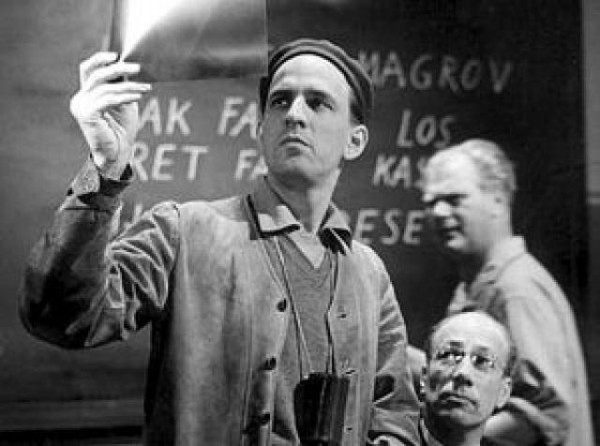
If you saw our post on Stan­ley Kubrick­’s ten favorite films in 1963, you may remem­ber that Ing­mar Bergman ranked high on his list, specif­i­cal­ly with 1957’s Wild Straw­ber­ries. Three years ear­li­er, Kubrick had mailed the Swedish film­mak­er a fan let­ter prais­ing his “vision of life,” “cre­ation of mood and atmos­phere,” “avoid­ance of the obvi­ous,” and “truth­ful­ness and com­plete­ness of char­ac­ter­i­za­tion.” Could a screen­ing of Wild Straw­ber­ries, a film which stands as evi­dence of all those qual­i­ties, have moved the 31-year-old Kubrick to write to Bergman such words of appre­ci­a­tion about his “unearth­ly and bril­liant” work? The dream sequence above, made haunt­ing in a way only Bergman could do it, show­cas­es just one of the many facets of that pic­ture’s mood, atmos­phere, and unearth­li­ness.

Along­side Vic­tor Sjöström as the bad-dream­ing pro­fes­sor Isak Borg, Wild Straw­ber­ries stars Ingrid Thulin as his con­temp­tu­ous daugh­ter-in-law Mar­i­anne. Kubrick sin­gles Thulin out as one of the Bergman reg­u­lars who “live vivid­ly in my mem­o­ry,” though she may also have attained her place in that cre­ative­ly hyper­ac­tive mind on the strength of her gen­der bound­ary-cross­ing per­for­mance in 1958’s The Magi­cian, view­able just above. Read all that Kubrick wrote to Bergman below, or vis­it the orig­i­nal post fea­tur­ing it at Let­ters of Note. You’ll notice that Kubrick also name-checks Max von Sydow, as any seri­ous Bergman enthu­si­ast should: not only did the man appear in both Wild Straw­ber­ries and The Magi­cian, but by 1960 he’d also starred as a venge­ful father in Bergman’s The Vir­gin Spring and, of course, as the Cru­sades-weary knight Anto­nius Block in The Sev­enth Seal, which would become a sig­na­ture film for both actor and direc­tor. Whether those par­tic­u­lar per­for­mances cap­tured Kubrick­’s imag­i­na­tion I don’t know, but I feel sure of one thing: play chess with Death, and you right­ful­ly earn the admi­ra­tion of the next big auteur.

Feb­ru­ary 9, 1960

Dear Mr. Bergman,

You have most cer­tain­ly received enough acclaim and suc­cess through­out the world to make this note quite unnec­es­sary. But for what­ev­er it’s worth, I should like to add my praise and grat­i­tude as a fel­low direc­tor for the unearth­ly and bril­liant con­tri­bu­tion you have made to the world by your films (I have nev­er been in Swe­den and have there­fore nev­er had the plea­sure of see­ing your the­ater work). Your vision of life has moved me deeply, much more deeply than I have ever been moved by any films. I believe you are the great­est film-mak­er at work today. Beyond that, allow me to say you are unsur­passed by any­one in the cre­ation of mood and atmos­phere, the sub­tle­ty of per­for­mance, the avoid­ance of the obvi­ous, the truth­full­ness and com­plete­ness of char­ac­ter­i­za­tion. To this one must also add every­thing else that goes into the mak­ing of a film. I believe you are blessed with won­der­full actors. Max von Sydow and Ingrid Thulin live vivid­ly in my mem­o­ry, and there are many oth­ers in your act­ing com­pa­ny whose names escape me. I wish you and all of them the very best of luck, and I shall look for­ward with eager­ness to each of your films.

Best Regards,

(Signed, ‘Stan­ley Kubrick’)

Stan­ley Kubrick

via Let­ters of Note

Relat­ed Con­tent:

Stan­ley Kubrick’s List of Top 10 Films (The First and Only List He Ever Cre­at­ed)

Rare 1960s Audio: Stan­ley Kubrick’s Big Inter­view with The New York­er

Stan­ley Kubrick’s Very First Films: Three Short Doc­u­men­taries

Ing­mar Bergman’s Soap Com­mer­cials Wash Away the Exis­ten­tial Despair

Col­in Mar­shall hosts and pro­duces Note­book on Cities and Cul­ture and writes essays on lit­er­a­ture, film, cities, Asia, and aes­thet­ics. He’s at work on a book about Los Ange­lesA Los Ange­les Primer. Fol­low him on Twit­ter at @colinmarshall.

Statistics Explained Through Modern Dance: A New Way of Teaching a Tough Subject

You want a gen­tle intro­duc­tion to sta­tis­tics, and maybe those Khan Acad­e­my videos aren’t quite work­ing out for you. Well, here’s anoth­er approach: sta­tis­tics explained with mod­ern dance. That’s the nov­el approach explored by Lucy Irv­ing (Mid­dle­sex Uni­ver­si­ty) and Andy Field (Uni­ver­si­ty of Sus­sex), who pro­duced four short films demon­strat­ing dif­fer­ent sta­tis­ti­cal con­cepts through dance. The films touch on Cor­re­la­tion, Fre­quen­cy Dis­tri­b­u­tions, Sam­pling and Stan­dard Error, and Vari­ance. Speak­ing about the project, Irv­ing explained: “We worked with the chore­o­g­ra­ph­er and exper­i­ment­ed with the dancers to find ways of com­mu­ni­cat­ing the con­cepts.  Our hope is that, as well as being fun and edu­ca­tion­al, the films will demys­ti­fy and take some of the fear out of sta­tis­tics.  Stu­dents often report that ‘the stats’ are the most dif­fi­cult part of their psy­chol­o­gy degree and these the films aim to chal­lenge this by demon­strat­ing that think­ing about them in new ways may make them eas­i­er to com­pre­hend.” You can fol­low Lucy on Twit­ter at @statsdancer.

Fre­quen­cy Dis­tri­b­u­tions:

Sam­pling and Stan­dard Error

Vari­ance

Relat­ed Con­tent:

Free Math Cours­es from Great Uni­ver­si­ties

Cal­cu­lus Life­saver: A Free Online Course from Prince­ton

Har­vard Thinks Big 4 Offers TED-Style Talks on Stats, Milk, and Traf­fic-Direct­ing Mimes

by | Permalink | Make a Comment ( 4 ) |

The James Merrill Digital Archive Lets You Explore the Creative Life of a Great American Poet

wul_eh_merrill_shoot_2013_2

The Oui­ja-inspired poet­ry of Pulitzer Prize-win­ning poet James Mer­rill (1926–1995) comes alive in a new­ly launched dig­i­tal archive from Wash­ing­ton Uni­ver­si­ty in St. Louis. Vis­i­tors to the site can explore note­book after note­book bear­ing Merrill’s hand­writ­ten notes in all caps—col­or­ful tran­scripts from his “Thou­sand and One Evenings Spent/ With [part­ner] David Jack­son at the Oui­ja Board/ In Touch with Ephraim Our Famil­iar Spir­it.” Mer­rill, the son of Charles E. Mer­rill, cofounder of the Mer­rill Lynch invest­ment firm, was con­sid­ered one of the most sig­nif­i­cant Amer­i­can poets of his gen­er­a­tion.

The occult was cen­tral to all of Merrill’s lat­er work, includ­ing “The Book of Ephraim,” which is the cur­rent focus of the James Mer­rill Dig­i­tal Archive. Merrill’s com­plex and high­ly unusu­al cre­ative process is evi­dent in the mate­ri­als pre­sent­ed, all of them drawn from the exten­sive James Mer­rill Papers housed in the university’s Spe­cial Col­lec­tions.

In a descrip­tion on the site, project col­lab­o­ra­tor and grad­u­ate stu­dent Annelise Duer­den (pic­tured at cen­ter below) points out that “the open­ing to ‘The Book of Ephraim’ clam­ors for a medi­um ‘that would reach / The widest pub­lic in the short­est time,’ and we hope that dig­i­tal archiv­ing can pro­vide such an entrance to Merrill’s work, and to the rich­ness of the process behind his fin­ished poem.”

wul_eh_merrill_shoot_2013_10

Duer­den, her­self an active poet, says she was impressed by Merrill’s “imag­i­na­tive force” and “relent­less ener­gy for revi­sion” while help­ing build the archive this past sum­mer along with staff from Wash­ing­ton Uni­ver­si­ty Libraries and the Human­i­ties Dig­i­tal Work­shop.

“Mer­rill orig­i­nal­ly imag­ined con­struct­ing his sto­ry of Ephraim in the form of a nov­el,” she says. “He planned to write it for some time, began work on it, then lost the pages in a taxi, and gave up on the idea of the nov­el of Ephraim, instead writ­ing it in poet­ic form. In a Oui­ja ses­sion, Ephraim lat­er claimed cred­it for los­ing the nov­el.”

“The Book of Ephraim” was first pub­lished in Merrill’s book Divine Come­dies in 1976 and lat­er as the first install­ment of his apoc­a­lyp­tic epic The Chang­ing Light at San­dover, one of the longest poems in any lan­guage and fea­tur­ing voic­es rang­ing from the then-recent­ly deceased poet W. H. Auden to the Archangel Michael.

Evie Hemphill (@evhemphill) is a writer and pho­tog­ra­ph­er for Wash­ing­ton Uni­ver­si­ty Libraries in St. Louis.

by | Permalink | Make a Comment ( 1 ) |

Virginia Woolf on James Joyce’s Ulysses, “Never Did Any Book So Bore Me.” Shen Then Quit at Page 200

woolf joyce

Image via Wiki­me­dia Com­mons

Goodreads, that social net­work for the book­ish, recent­ly post­ed on its blog the results of a sur­vey tak­en among its 20 mil­lion mem­bers with the melan­choly title “The Psy­chol­o­gy of Aban­don­ment.” Com­plete with info­graph­ic, the sur­vey gives us, among oth­er things, a list of the “Top Five Aban­doned Clas­sics.” James Joyce’s Ulysses is third on the list, and I’m not at all sur­prised to find it there. One must know Ulysses, it seems, to mer­it con­sid­er­a­tion as a cul­tur­al­ly lit­er­ate per­son. But Ulysses, per­haps more than any work of mod­ern lit­er­a­ture, can eas­i­ly dis­cour­age. It presents us with a land­scape so psy­cho­log­i­cal­ly com­plex, so dense with lit­er­ary and his­tor­i­cal allu­sion and con­tem­po­rary cul­tur­al ref­er­ence, that I can­not say I would have known what to do with it had I not read it under the aus­pices of an august Irish Joyce schol­ar and with Don Gifford’s guide­book Ulysses Anno­tat­ed ready at hand. I had nowhere near the breadth and depth of read­ing Joyce seems to assume of his ide­al read­er. Few peo­ple do.

Two of Joyce’s con­tem­po­raries, how­ev­er, had such a grasp of lit­er­a­ture and lan­guage: T.S. Eliot and Vir­ginia Woolf. And the two had quite a lot to say about the book, much of it to each oth­er. Eliot rec­om­mend­ed Joyce’s nov­el to Woolf, and very soon after its 1922 pub­li­ca­tion, she pur­chased her own copy. At the time, Woolf was hard at work on her sto­ry “Mrs. Dal­loway on Bond Street,” which would even­tu­al­ly grow into her next nov­el, Mrs. Dal­loway. She was also immersed in Proust’s epic Remem­brance of Things Past, just begin­ning the sec­ond vol­ume. Accord­ing to Dartmouth’s James Hef­fer­nan, Woolf “chafes at the thought of Ulysses,” writ­ing haugh­ti­ly:

Oh what a bore about Joyce! Just as I was devot­ing myself to Proust—Now I must put aside Proust—and what I sus­pect is that Joyce is one of those unde­liv­ered genius­es, whom one can’t neglect, or silence their groans, but must help them out, at con­sid­er­able pains to one­self.

Hef­fer­nan chron­i­cles Woolf’s read­ing of Ulysses, which she doc­u­ment­ed in her diary in a “with­er­ing assess­ment” as the work of “a self-taught work­ing man… ego­tis­tic, insis­tent, raw, strik­ing, & ulti­mate­ly nau­se­at­ing.” “When one can have cooked flesh,” she writes, “why have the raw?”

This pri­vate crit­i­cal opin­ion Woolf record­ed after read­ing only 200 pages of the nov­el. Hef­fer­nan makes the case that she read no more there­after. Though she claimed to have “fin­ished Ulysses,” he takes her to mean she had fin­ished with the book, putting it aside like those bewil­dered, bored, or exas­per­at­ed Goodreads mem­bers. Nev­er­the­less, Woolf could not shake Joyce. She con­tin­ued to write about him, to Eliot and her­self. “Nev­er did any book so bore me,” she would write, and many more very dis­parag­ing remarks about her bril­liant con­tem­po­rary.

Over and again she sav­aged Joyce in her diaries; so much so that it seems to Hef­fer­nan and Woolf schol­ar Suzette Henke that hers is a case of protest­ing too much against an author whom, Henke alleges, was her “artis­tic ‘dou­ble,’ a male ally in the mod­ernist bat­tle for psy­cho­log­i­cal real­ism.” This may indeed be so. In the midst of her char­ac­ter­i­za­tions of Joyce as uncouth, bor­ing, “under­bred” and worse, she admits in her diary that what she attempt­ed in her fic­tion was “prob­a­bly being bet­ter done by Mr. Joyce.” While hard­ly any read­er of Ulysses—among those who fin­ish it and those who don’t—can say they are attempt­ing some­thing near what he accom­plished, we might all find some solace in know­ing that a read­er as sharp as Vir­ginia Woolf found his mod­ernist mas­ter­piece either so bor­ing or so intim­i­dat­ing that even she may not have been able to fin­ish it.

Relat­ed Con­tent:

On Blooms­day, Hear James Joyce Read From his Epic Ulysses, 1924

Read Ulysses Seen, A Graph­ic Nov­el Adap­ta­tion of James Joyce’s Clas­sic

Watch Pat­ti Smith Read from Vir­ginia Woolf, and Hear the Only Sur­viv­ing Record­ing of Woolf’s Voice

James Joyce’s Ulysses: Down­load the Free Audio Book (also find in our col­lec­tion of Free eBooks)

Josh Jones is a writer and musi­cian based in Durham, NC. Fol­low him at @jdmagness


  • Great Lectures

  • Sign up for Newsletter

  • About Us

    Open Culture scours the web for the best educational media. We find the free courses and audio books you need, the language lessons & educational videos you want, and plenty of enlightenment in between.


    Advertise With Us

  • Archives

  • Search

  • Quantcast