10 Unexpected Uses of the iPod

New tech­nolo­gies often have unin­tend­ed uses. Take the Ipod as a case in point. It was devel­oped with the inten­tion of play­ing music (and lat­er videos), but its appli­ca­tions now go well beyond that. Here are 10 rather unfore­seen, even sur­pris­ing, uses:

1. Train Doc­tors to Save Lives: A new study pre­sent­ed at the annu­al meet­ing of the Amer­i­can Col­lege of Car­di­ol­o­gy indi­cates that iPods can dou­ble interns’ abil­i­ty to iden­ti­fy heart sounds that are indica­tive of seri­ous heart prob­lems (i.e., aor­tic or mitral steno­sis). By using the iPod to repeat­ed­ly lis­ten to record­ings of nor­mal and abnor­mal heart beat pat­terns, interns can effec­tive­ly hear when some­thing is going awry.

Or how about this for anoth­er med­ical appli­ca­tion: Will Gilbert, who heads up the bioin­for­mat­ics group in the Hub­bard Cen­ter for Genome Stud­ies, stores the entire human genome on his iPod. As you can read in Wired, he has found that the iPod is a great way to store the gene sequence, all 3 bil­lion chem­i­cal let­ters of it, and, com­pared to using a net­work, he can access data more quick­ly with the lit­tle Apple gad­get. [Thanks to one of our read­ers for point­ing this one out.]

2. Bring Crim­i­nals to Jus­tice: On an exper­i­men­tal basis, a Unit­ed States fed­er­al dis­trict court has start­ed using iPods to hold copies of wire­tap trans­mis­sions in a large drug-con­spir­a­cy case. Why? Because it’s eas­i­er than stor­ing the record­ings on cas­sette tapes or CDRoms; the defen­dants and attor­neys can access and work through the record­ings with ease; and it can all be done in a secure envi­ron­ment.

3. Get Your­self Into Seri­ous Shape: Many jog­gers love how their iPods can pro­vide enter­tain­ment that will spice up a monot­o­nous rou­tine. But prob­a­bly few know that you can use the iPod to plan train­ing routes for their runs. Trail­Run­ner lets run­ners do pre­cise­ly that. This free pro­gram helps you plan your route and then loads your iPod with maps, dis­tances, and time goals.

4. Tour Around Great Cities: iSub­wayMaps lets you down­load sub­way maps from 24 major cities across the globe. They range from New York City, Paris and Berlin to Moscow, Tokyo and Hong Kong. (Get the full list here.) To take advan­tage of these maps, your iPod will need to sup­port pho­tos, but that should­n’t be a prob­lem for most recent iPods.

We’ve also talked recent­ly about a ven­ture called Sound­walk that pro­vides engag­ing, some­what off­beat audio tours of New York and Paris (plus Varanasi in India). In New York, they offer indi­vid­ual tours of Lit­tle Italy, the Low­er East Side, Times Square and the Meat Pack­ing Dis­trict, among oth­er places. In Paris, they take you through the Marais, St. Ger­main, Pigalle, Belleville, and the Palais Roy­al. Each audio tour is nar­rat­ed by a celebri­ty of sorts and can be down­loaded for about $12.
[ad]

5. Cal­cu­late the Right Tip: If you’re a lit­tle math chal­lenged, you can use your iPod when you’re out to din­ner to cal­cu­late the cor­rect tip. Tip­Kalc helps you fig­ure out both the tip and the grand total on your bill, and it even lets you split your check up to five dif­fer­ent ways.

6. Record Flight data: Accord­ing to a report in Flight Glob­al, a com­pa­ny called LoPresti Speed Mer­chants has announced plans to use iPods as flight data recorders in light air­craft. The lit­tle white box will serve as the “black box” with­in the air­planes and will have the abil­i­ty to record over 500 hours of flight time data. Does this mean that iPods can sur­vive plane crash­es? Who would have thunk it.

7. Throw a Mean­er Curve­ball: Jason Jen­nings, a pitch­er for the Hous­ton Astros, start­ed using a video iPod last year to review his pitch­ing frame by frame and to improve his over­all tech­nique. He also reviews video of all oppos­ing bat­ters before each game. Since incor­po­rat­ing the iPod into his train­ing, he has since seen his ERA go down, and oth­er teams — notably the Mar­lins and Mariners — have looked into using the iPod in sim­i­lar ways.

8. Learn For­eign Lan­guages: iPods are becom­ing more com­mon­place in uni­ver­si­ty class­rooms, with stu­dents using them to record lec­tures, take notes, and even cre­ate elec­tron­ic flash cards. (See in depth arti­cle here.) The gad­gets are also being used to help stu­dents for­mal­ly study music and learn for­eign lan­guages. Now, if you’re a reg­u­lar Open Cul­ture read­er, you’ll know that you don’t need to be a uni­ver­si­ty stu­dent to learn for­eign lan­guages with the help of an iPod. With the help of our pod­casts col­lec­tion, you can pick up most any lan­guage on your own.

9. Learn to Love and Buy Wine: Here’s a nov­el way to get intro­duced to wine. For $35, you can down­load an audio file called Mark Phillips Wine Guide onto your iPod. This primer will, among oth­er things, teach you how to describe, taste, and buy wine, and you’ll come away with a cer­tain je ne sais quoi.

10. Test Cheat­ing: Yes, unfor­tu­nate­ly tech­nol­o­gy can be used for bad as well as good. It was wide­ly report­ed just this past week that stu­dents are appar­ent­ly using the iPod to cheat on exams. Dur­ing tests, they’ll appar­ent­ly sneak ear­buds into their ears and tap into valu­able for­mu­las, class notes, voic­es record­ings, etc. Oth­ers will even write out crib notes and enmesh them with­in song lyrics.

Bonus: The iPod as Flash­light: Dur­ing the major black­out in 2003, many New York­ers impro­vised after night­fall and used the light gen­er­at­ed by their iPods to get around their apart­ments. It was a makeshift way of doing things. But now there is a more for­mal way of using your iPod to light your way. For about $13, you can pur­chase Griffin’s iBeam, an attach­ment that will quick­ly turn your iPod into a com­bo flash­light and laser point­er. As they say, be pre­pared.

by | Permalink | Make a Comment ( 54 ) |

Authors@Google: Video Talks From the Epicenter of the Universe

More good news for book fans: Google has launched a new col­lec­tion of videos called Authors@Google. The videos fea­ture talks by authors, writ­ing across many gen­res (lit­er­ary fic­tion to sci­ence fic­tion, soci­ol­o­gy to tech­nol­o­gy, pol­i­tics to busi­ness) who have made recent vis­its to Google campuses.You can access the talks via a new home­page, or just go imme­di­ate­ly to the video archive itself. And there, you’ll find talks by Mar­tin Amis (House of Meet­ings) and Jonathan Lethem (You Don’t Love Me Yet: A Nov­el), but also ones by Strobe Tal­bott, Bob & Lee Woodruff, Sen­a­tor Hillary Clin­ton, and Car­ly Fiorina.To get a bet­ter feel for Authors@Google, we’ve includ­ed a clip below from Jonathan Lethem, who wrote Moth­er­less Brook­lyn, a favorite of mine that offers a tru­ly unique, lit­er­ary take on the tra­di­tion­al detec­tive nov­el, and which always leaves me feel­ing a bit home­sick for Brook­lyn. For more infor­ma­tion on Authors@Google, click here.Tell a Friend About Open Cul­ture

by | Permalink | Make a Comment ( 2 ) |

David Halberstam’s Last Speech and Supper

      HalberstamAs many know by now, David Hal­ber­stam, the Pulitzer Prize-win­ning jour­nal­ist, was killed in a car acci­den­ton Mon­day just a few short miles from the Stan­ford cam­pus. As the obits were all quick to point out, Hal­ber­stam made his name dur­ing an era that par­al­leled our own, dur­ing the Viet­nam War. And he did it by report­ing facts and truths about the war that incon­ve­nient­ly con­tra­dict­ed the rosy, disin­gen­u­ous claims that were offi­cial­ly com­ing out of Wash­ing­ton. As The New York Times said about its for­mer cor­re­spon­dent, “His dis­patch­es infu­ri­at­ed Amer­i­can mil­i­tary com­man­ders and pol­i­cy­mak­ers in Wash­ing­ton, but they accu­rate­ly reflect­ed the real­i­ties on the ground.” Hal­ber­stam’s account of how Amer­i­ca got it wrong in Viet­nam were all famous­ly recount­ed in 1972 best­seller The Best and the Bright­est.

Hal­ber­stam spent this past Sat­ur­day night din­ning in the com­pa­ny of fel­low jour­nal­ists from UC Berke­ley, just after giv­ing a speech (mp3 — tran­script) at the uni­ver­si­ty (see orig­i­nal event page here). On Wednes­day, Radio Open Source (mp3) talked with Hal­ber­stam’s sup­per guests — Orville Schell, dean of the Berke­ley grad­u­ate pro­gram in jour­nal­ism; Mark Dan­ner of The New York Review of Books; and Sandy Tolan of NPR — and they recon­struct­ed their din­ner con­ver­sa­tions, which touched on the Iraq war, the com­par­a­tive state of jour­nal­ism dur­ing Viet­nam and Iraq, and Hal­ber­stam’s sense of mor­tal­i­ty fol­low­ing his heart attack last year. They also recalled Hal­ber­stam’s dogged approach to jour­nal­ism and how he resist­ed the temp­ta­tion to line up behind the gov­ern­ment posi­tion dur­ing times of war, even when faced with the threat of being called unpa­tri­ot­ic. Of course, if you watched Bill Moy­er’s PBS expose on Wednes­day, you’ll know that we’re not see­ing enough of this these days.

Give this seg­ment a lis­ten (get mp3 here), and also spend some time watch­ing the video clip below. Here, you get Hal­ber­stam reflect­ing on his days as a 28-year old reporter in Viet­nam and the sig­nif­i­cant pres­sures that the Amer­i­can gov­ern­ment brought to bear against him, all of which leaves you think­ing — plus ça change, plus c’est la même chose.

by | Permalink | Make a Comment ( 1 ) |

Richard Dawkins on Bill O’Reilly: How It Went Down

When­ev­er you put athe­is­m’s most promi­nent spokesper­son on Fox News, you’d expect the fur to fly. But that’s not how it turned out. The fur end­ed up stay­ing on the cats when Bill O’Reil­ly inter­viewed Richard Dawkins, author of the best­selling The God Delu­sion, this week, as you can see above.

by | Permalink | Make a Comment ( 2 ) |

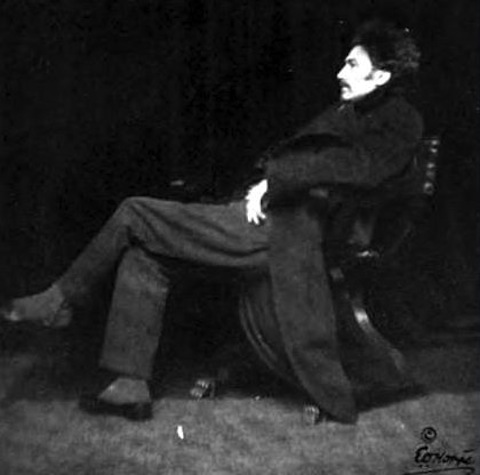
Rare Ezra Pound Recordings Now Online

EzraPound_Pavannes

Here’s a quick fyi for poet­ry fans: PennSound has released on its site rare audio record­ings by mod­ernist poet, Ezra Pound (Octo­ber 30, 1885 – Novem­ber 1, 1972) and, along with them, a help­ful essay called The Sound of Pound: A Lis­ten­er’s Guide by Richard Sieburth. The audio clips large­ly come out of two major record­ing ses­sions, one at Har­vard in 1939, the oth­er in Wash­ing­ton in 1958. They also include Pound’s 1942 read­ing of Can­to XLVI, a read­ing of his “Con­fu­cian Odes” in 1970, and a pri­vate record­ing of three Can­tos. Based at the Uni­ver­si­ty of Penn­syl­va­nia, PennSound hous­es, they claim, the largest archive of dig­i­tal poet­ry record­ings, all acces­si­ble online. For more infor­ma­tion on the Pound record­ings and PennSound, click here.

If you would like to sup­port the mis­sion of Open Cul­ture, con­sid­er mak­ing a dona­tion to our site. It’s hard to rely 100% on ads, and your con­tri­bu­tions will help us con­tin­ue pro­vid­ing the best free cul­tur­al and edu­ca­tion­al mate­ri­als to learn­ers every­where. You can con­tribute through Pay­Pal, Patre­on, and Ven­mo (@openculture). Thanks!

Relat­ed Con­tent:

1,000 Free Audio Books: Down­load Great Books for Free

Free Online Lit­er­a­ture Cours­es

Hear Ezra Pound Read From His “Can­tos,” Some of the Great Poet­ic Works of the 20th Cen­tu­ry

by | Permalink | Make a Comment ( 1 ) |

A Better Way to Read News and Blogs


These days, if you spend enough time on the web, you’ll inevitably hear talk about RSS feeds, feed read­ers, and sub­scrib­ing to feeds – talk that can seem fair­ly obscure and off-putting if you’re not already famil­iar with these terms.

If this has been your expe­ri­ence, then you should real­ly watch this short video below. This instruc­tive, even amus­ing, video uses sim­ple lan­guage and images to demon­strate how to use feeds and feed read­ers. In a mat­ter of min­utes, all of this will be demys­ti­fied, and you’ll dis­cov­er a much quick­er, more effi­cient and pow­er­ful way to access news and blog con­tent, includ­ing sto­ries from Open Cul­ture. You can sub­scribe to our feed here. And if you’re look­ing for a good feed read­er, def­i­nite­ly give Google Read­er a look.

by | Permalink | Make a Comment ( 2 ) |

The Pirates of Silicon Valley Courtesy (?) of Google Video

One of the most book­marked items this week­end on del.icio.us was a streamed ver­sion of The Pirates of Sil­i­con Val­ley. It’s a well-regard­ed tele­vi­sion movie, based on the book Fire in the Val­ley, which looks at the ear­ly days of Bill Gates and Steve Jobs, the respec­tive founders of Microsoft and Apple Com­put­er. The video pro­mot­ed by del.icio.us is itself host­ed by Google Video, a fact that has a cou­ple of lay­ers of irony to it.

Irony #1. Back when the film was made in 1999, Google was bare­ly on any­one’s radar screen. Nowa­days, it’s the 800 lb goril­la in the tech sec­tor. In a few short years, it has elbowed Yahoo out of its lead­er­ship posi­tion on the web, and you can bet it will soon be eat­ing Microsoft­’s lunch. If any com­pa­ny is dom­i­nat­ing Sil­i­con Val­ley right now, it’s Google, although a re-invent­ed Apple is cer­tain­ly hav­ing a nice run.

Irony #2. The Pirates of Sil­i­con Val­ley makes a point of under­scor­ing how Microsoft built its busi­ness by “bor­row­ing” from Apple. Mean­while, Google, which now owns YouTube, has been locked in a law­suit with Hol­ly­wood stu­dios (most notably Via­com) for let­ting its video ser­vices dis­trib­ute, yes, pirat­ed con­tent. It stands to rea­son that the Google-host­ed ver­sion of The Pirates of Sil­i­con Val­ley falls in that cat­e­go­ry, though we could be wrong. But giv­en how long the video has been post­ed on Google Video (since last Novem­ber) and how many times it has been viewed (352,988 at last count), you have to won­der how much the stu­dio (Turn­er Home Enter­tain­ment) par­tic­u­lar­ly cares. This is all entire­ly spec­u­la­tive, but per­haps their log­ic is sim­ply this: The res­o­lu­tion of Youtubesque video is so poor that few view­ers will see the movie as a real sub­sti­tute for the orig­i­nal film, and per­haps users will be moti­vat­ed to buy the film in DVD once they get a taste of the plot. (This is essen­tial­ly the same log­ic, by the way, put for­ward by those who argue for releas­ing books in free e‑book ver­sions and fee-based paper ver­sions.) To get a sense of what I’m talk­ing about, you can watch the video below, but you’ll pret­ty quick­ly see that it’s worth pony­ing up a lit­tle cash and watch­ing a watch­able ver­sion. (You can buy one here.)

Long-term some of this think­ing may fig­ure into any deal that Google works out with Hol­ly­wood. A deal could look like this: Hol­ly­wood agrees to upload low res­o­lu­tion con­tent that Google gets to mon­e­tize. In turn, Google agrees to let users make con­tex­tu­al pur­chas­es of DVDs, or at least down­load high res­o­lu­tion ver­sions of videos for a fee. And then every­one can go home hap­py.

Stanford Rolls Out Another Podcast Course and a New iTunes Look


Virgil_2Stan­ford re-launched its iTunes site last week, rolling out a new sleek look and a host of new pod­casts.

Among the new releas­es, you’ll find the lat­est in a series of full-fledged cours­es ready to be down­loaded to your iPod for free. (See the pre­vi­ous cours­es we’ve men­tioned here, here and here.) This time around, you can access a short course, Vir­gil’s Aeneid: Anato­my of a Clas­sic (get it on iTunes), which takes a close look at one of the cen­tral texts in the West­ern tra­di­tion.  (You can pur­chase a copy of the book ref­er­enced in the course here, or down­load free web ver­sions in Eng­lish or Latin, though they won’t fol­low the cor­rect pag­i­na­tion.) Pre­sent­ed by Susan­na Braund, a Stan­ford clas­sics pro­fes­sor, the course is divid­ed into 5 install­ments, each run­ning about two hours. For the moment, you can only down­load the first part. But rest assured that the remain­ing ones are set to be issued in the weeks to come. The course was orig­i­nal­ly pre­sent­ed in Stan­ford’s Con­tin­u­ing Stud­ies pro­gram. To learn more about the course, take a look at the course descrip­tion below.

“The cen­tral text in the canon of Latin lit­er­a­ture is Virgil’s Aeneid, an epic poem in twelve books com­posed more than two thou­sand years ago under the Roman emper­or Augus­tus. The poem was an instant hit. It became a school text imme­di­ate­ly and has remained cen­tral to stud­ies of Roman cul­ture to the present day. How can a poem cre­at­ed in such a remote lit­er­ary and social envi­ron­ment speak so elo­quent­ly to sub­se­quent ages? In this course we will dis­cov­er what kind of poem this is and what kind of hero Aeneas is. Our stud­ies will focus chiefly on the poem itself and on wider aspects of Roman cul­ture. It will be essen­tial to com­mit to read­ing the poem ahead of time, at a rate of about 100 pages per week. We will use the ener­getic trans­la­tion by Robert Fitzger­ald.”

Find many more Uni­ver­si­ty Pod­casts here.

See all of Open Cul­ture’s Pod­cast Col­lec­tions:

Arts & Cul­ture — Audio Books — For­eign Lan­guage Lessons — News & Infor­ma­tion — Sci­ence — Tech­nol­o­gy — Uni­ver­si­ty (Gen­er­al) — Uni­ver­si­ty (B‑School) — Pod­cast Primer


by | Permalink | Make a Comment ( 2 ) |

20 Audio Lessons That Will Teach You Spanish, French, Italian and German

As we’ll men­tion in an upcom­ing piece, Euro­pean lan­guages dom­i­nate the list of most pop­u­lar edu­ca­tion­al pod­casts. So we thought that we’d high­light the key pod­casts that will teach you the major Euro­pean lan­guages — Span­ish, French, Ital­ian and Ger­man. Mean­while, if you want to learn Eng­lish online, please see our piece below. Bonne chance.

For our com­plete col­lec­tion, see How to Learn Lan­guages for Free: Span­ish, Eng­lish, Chi­nese & Beyond.

French

  • French for Begin­ners iTunes Feed Web Site
    • Fun, effec­tive lessons for begin­ners. Pro­vid­ed by the French Ecole.
  • Le Jour­nal en français facile iTunes Feed Web Site
    • Night­ly news from RFI pre­sent­ed in slow­ly spo­ken French to assist you with your com­pre­hen­sion.
  • Learn French by Pod­cast iTunes Feed Web Site
    • A well-reviewed series of lessons for begin­ners and those who want to brush up on their French.
  • Learn French with Dai­ly Pod­casts iTunes Feed Web Site
    • These lessons are brought to you by French teach­ers from Paris. They are best suit­ed for those who already have some begin­ning French under their belts.
  • The French Pod Class iTunes Feed Web Site
    • A very pop­u­lar col­lec­tion that teach­es stu­dents the French lan­guage and dif­fer­ent facets of French cul­ture.
  • The Ver­b­cast — French Verbs by Relax­ation iTunes Feed Web Site
    • A four-week series of lessons that will allow you to refine your knowl­edge of French verbs.

Ger­man

  • Deutsch — warum nicht?
  • Slow­ly Spo­ken News iTunes Feed
    • Deutsche Welle pro­vides a night­ly news broad­cast in Ger­man that’s spo­ken slow­ly so that you can work on your com­pre­hen­sion.
  • GerG­er­man­Gram­mar iTunes Feed Web Site
    • Ger­man gram­mar lessons aimed at Amer­i­can stu­dents.
  • Ler­nen Wir Deutsch iTunes Feed Web Site
    • Pre­sent­ed in video, these “vod­casts” get high marks for being not only edu­ca­tion­al but also very enter­tain­ing.
  • MyDailyPhrase.com iTunes Feed Web Site
    • Learn Ger­man phrase by phrase over a course of 20 weeks. The pod­casts will cov­er all the lan­guage you need to know to get by on a vis­it to a Ger­man-speak­ing coun­try. This series is put togeth­er by the same peo­ple cre­at­ed the pop­u­lar series “Cof­fee Break Span­ish.”

Ital­ian

  • LearnItalianPod.com iTunes Feed Web Site
    • A series of Ital­ian lan­guage lessons that will get you up and run­ning. I have per­son­al­ly used them and found them effec­tive.
  • Let’s Speak Ital­ian iTunes Feed Web Site
    • This col­lec­tion will help you learn Ital­ian in small, man­age­able 5‑minute bites.
  • MyDailyPhrase.com iTunes Web Site
    • Learn Ital­ian step by step over a course of 20 weeks. The pod­casts will cov­er all the lan­guage you need to know to get by on a vis­it to a Ital­ian-speak­ing coun­try. Cre­at­ed by the same peo­ple who put togeth­er the pop­u­lar series “Cof­fee Break Span­ish.”
  • World Lan­guages Pod­cast­ing — Ital­ian Pod­cast iTunes Feed Web Site
    • It’s admit­ted­ly a bit of an untra­di­tion­al way to learn Ital­ian. This pod­cast lets you lis­ten to con­ver­sa­tions about Aus­tralian cul­ture in Ital­ian.

Span­ish

  • Cof­fee Break Span­ish iTunes Feed Web Site
    • Learn Span­ish in a low-key, effec­tive way. Cur­rent­ly the #2 over­all favorite in iTunes’ pod­cast col­lec­tion. They must be loaded on iPods every­where.
  • Final­ly Learn Span­ish — Beyond the Basics iTunes Feed Web Site
    • If you’ve had some Span­ish class­es and you need expe­ri­ence lis­ten­ing to and speak­ing the lan­guage, then Final­ly Learn Span­ish has a col­lec­tion of pod­casts for you.
  • Insta Span­ish Lessons iTunes Feed Web Site
    • Week­ly com­pre­hen­sion and gram­mar exer­cis­es for stu­dents of all lev­els. One of the more pop­u­lar pod­casts on iTunes.
  • Learn Span­ish Sur­vival Guide iTunes Feed
    • If you’re plan­ning a trip to a Span­ish speak­ing coun­try, and if you don’t know the lan­gu­gage, this will help get you up to speed.

by | Permalink | Make a Comment ( 23 ) |

Where the American Press Went Wrong on the Iraq War: Bill Moyers Returns to TV Next Week


Next Wednes­day, at 9 pm, respect­ed jour­nal­ist Bill Moy­ers will return to PBS and air a 90-minute pre­sen­ta­tion called Buy­ing the War. Along the way, he’ll look at how the main­stream Amer­i­can press wound up cheer­lead­ing for the Bush admin­is­tra­tion’s dri­ve toward war in Iraq rather than doing their real job — ask­ing tough ques­tions and pro­vid­ing par­ti­san-free report­ing.

Below, you can find a video excerpt from next week’s show. To briefly set the stage, Bob Simon of of 60
Min­utes talks here about “the report­ing he
was see­ing and read­ing out of the belt­way, and John Wal­cott and War­ren
Stro­bel of Knight Rid­der news­pa­pers (now The McClatchy Com­pa­ny),
dis­cuss their work bur­row­ing deep into the intel­li­gence agen­cies to
deter­mine whether there was any evi­dence for the Bush Admin­is­tra­tion’s
case for war.” (Note:
You can get more infor­ma­tion on the expose from this PBS page, and you can sub­scribe to feeds for Bill Moy­er’s pod­casts here.)

How Web 2.0 Will Transform the Humanities

Digital_campus_2Con­trary to pop­u­lar belief, there are a few pro­fes­sors out there who actu­al­ly have their own accounts on Face­Book, much to the hor­ror of their stu­dents. Now you can hear their take on new media and the uni­ver­si­ty in a biweek­ly pod­cast, Dig­i­tal Cam­pus.
The series fea­tures a pan­el of new media schol­ars at George Mason Uni­ver­si­ty dis­cussing how Web 2.0 techonolo­gies will change human­i­ties teach­ing and research. Top­ics so far have includ­ed Wikipedia, YouTube and this week’s episode on social net­work­ing (mp3 — feed — web­site). As the most recent show points out, Web 2.0 is rapid­ly mak­ing it to the aca­d­e­m­ic primetime–the Uni­ver­si­ty of Michi­gan now offers a mas­ter’s degree in social com­put­ing.

The flip side of new media tech­nolo­gies is how they will trans­form research into more tra­di­tion­al human­i­ties sub­jects. The Dig­i­tal Cam­pus crew are all involved in the emerg­ing field of dig­i­tal human­i­ties. On the pod­cast they dis­cuss many of the chal­lenges of trans­fer­ring old media knowl­edge to dig­i­tal archives and struc­tur­ing those archives to make search­ing easy. In addi­tion to air­ing these ques­tions in the pod­cast, Dig­i­tal Cam­pus is pro­mot­ing a new wiki designed for new­com­ers and vet­er­ans alike.


  • Great Lectures

  • Sign up for Newsletter

  • About Us

    Open Culture scours the web for the best educational media. We find the free courses and audio books you need, the language lessons & educational videos you want, and plenty of enlightenment in between.


    Advertise With Us

  • Archives

  • Search

  • Quantcast