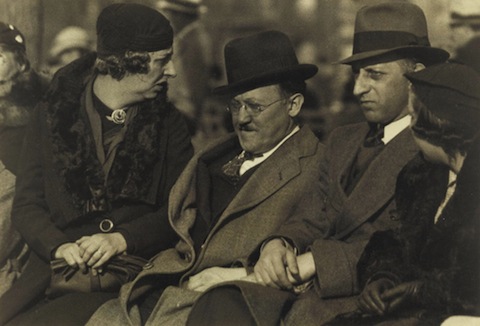
Listen as Albert Einstein Calls for Peace and Social Justice in 1945

einstein justice

Here is a rare record­ing of Albert Ein­stein read­ing his speech on the imme­di­ate after­math of World War II, “The War is Won, But the Peace is Not”:

The speech was deliv­ered on Decem­ber 10, 1945, at the Fifth Nobel Anniver­sary Din­ner at the Hotel Astor in New York. Only four months ear­li­er, the Unit­ed States had dropped atom­ic bombs on civil­ian pop­u­la­tions in the Japan­ese cities of Hiroshi­ma and Nagasa­ki. Ein­stein did­n’t work on the atom­ic bomb, but in 1939 he had signed a let­ter to Pres­i­dent Franklin D. Roo­sevelt urg­ing him to pro­cure ura­ni­um and accel­er­ate nuclear research. In his speech, Ein­stein draws a com­par­i­son between con­tem­po­rary physi­cists and the founder of the Nobel Prize, who invent­ed dyna­mite.

Physi­cists find them­selves in a posi­tion not unlike that of Alfred Nobel him­self. Alfred Nobel invent­ed the most pow­er­ful explo­sive ever known up to his time, a means of destruc­tion par excel­lence. In order to atone for this, in order to relieve his human con­science, he insti­tut­ed his awards for the pro­mo­tion of peace and for achieve­ments of peace. Today, the physi­cists who par­tic­i­pat­ed in forg­ing the most for­mi­da­ble and dan­ger­ous weapon of all times are harassed by an equal feel­ing of respon­si­bil­i­ty, not to say guilt. And we can­not desist from warn­ing, and warn­ing again, we can­not and should not slack­en in our efforts to make the nations of the world, and espe­cial­ly their gov­ern­ments, aware of the unspeak­able dis­as­ter they are cer­tain to pro­voke unless they change their atti­tude toward each oth­er and toward the task of shap­ing the future.

But Ein­stein says he is trou­bled by what he sees in the months fol­low­ing World War II.

The war is won, but the peace is not. The great pow­ers, unit­ed in fight­ing, are now divid­ed over the peace set­tle­ments. The world was promised free­dom from fear, but in fact fear has increased tremen­dous­ly since the ter­mi­na­tion of the war. The world was promised free­dom from want, but large parts of the world are faced with star­va­tion while oth­ers are liv­ing in abun­dance. The nations were promised lib­er­a­tion and jus­tice. But we have wit­nessed, and are wit­ness­ing even now, the sad spec­ta­cle of “lib­er­at­ing” armies fir­ing into pop­u­la­tions who want their inde­pen­dence and social equal­i­ty, and sup­port­ing in those coun­tries, by force of arms, such par­ties and per­son­al­i­ties as appear to be most suit­ed to serve vest­ed inter­ests. Ter­ri­to­r­i­al ques­tions and argu­ments of pow­er, obso­lete though they are, still pre­vail over the essen­tial demands of com­mon wel­fare and jus­tice.

Ein­stein then goes on to talk about a spe­cif­ic case: the plight of his own peo­ple, the Euro­pean Jews.

While in Europe ter­ri­to­ries are being dis­trib­uted with­out any qualms about the wish­es of the peo­ple con­cerned, the remain­ders of Euro­pean Jew­ry, one-fifth of its pre­war pop­u­la­tion, are again denied access to their haven in Pales­tine and left to hunger and cold and per­sist­ing hos­til­i­ty. There is no coun­try, even today, that would be will­ing or able to offer them a place where they could live in peace and secu­ri­ty. And the fact that many of them are still kept in the degrad­ing con­di­tions of con­cen­tra­tion camps by the Allies gives suf­fi­cient evi­dence of the shame­ful­ness and hope­less­ness of the sit­u­a­tion.

Ein­stein con­cludes by call­ing for “a rad­i­cal change in our whole atti­tude, in the entire polit­i­cal con­cept.” With­out doing so, he says, “human civ­i­liza­tion will be doomed.”

Note: The full text of “The War is Won, But the Peace is Not” is avail­able in the Ein­stein antholo­gies Out of My Lat­er Years and Ideas and Opin­ions.

Atheist Ira Glass Believes Christians Get the Short End of the Media Stick

So, an athe­ist and a devout Chris­t­ian walk into a Taco­ma hotel restau­rant-bar…

Wait, though, it’s not what you think! The athe­ist in ques­tion is pub­lic radio star Ira Glass, ami­ably sit­ting for an inter­view with ama­teur spir­i­tu­al anthro­pol­o­gist and for­mer This Amer­i­can Life guest Jim Hen­der­son. The mutu­al respect is refresh­ing. Hen­der­son makes it his mis­sion to seek out influ­en­tial peo­ple who are “unusu­al­ly inter­est­ed in oth­ers,” and will­ing to “stay in the room with dif­fer­ence.” Glass’ relaxed and chat­ty demeanor trans­lates to mis­sion accom­plished.

The non-believ­ing child of sec­u­lar Jews does his tribe proud by vol­un­teer­ing the opin­ion that Chris­tians get a bum rap in the nation­al media. The por­tray­al of Chris­tians as “doc­tri­naire crazy hot­head peo­ple” does­n’t square with fond rec­ol­lec­tions of for­mer pub­lic radio col­leagues who kept Bibles on their desks and invit­ed him to screen­ings of Rap­ture movies (At WBEZ? Real­ly?).

The civil­i­ty of the dis­course could renew your faith in mankind, what­ev­er your beliefs.

You can watch oth­er parts of the longer inter­view on YouTube here.

Relat­ed Con­tent:

Ira Glass on the Art and Craft of Telling Great Radio Sto­ries

The Unbe­liev­ers, A New Film Star­ring Richard Dawkins, Lawrence Krauss, Wern­er Her­zog, Woody Allen, & Cor­mac McCarthy

Does God Exist? Christo­pher Hitchens Debates Chris­t­ian Philoso­pher William Lane Craig

Alain de Bot­ton Wants a Reli­gion for Athe­ists: Intro­duc­ing Athe­ism 2.0

Ayun Hal­l­i­day is in Ira’s camp. Fol­low her @AyunHalliday

Alfred Hitchcock Talks with Dick Cavett About Sabotage, Foreign Correspondent & Laxatives (1972)

On the list of the most inter­view­able auteurs in film his­to­ry, Alfred Hitch­cock must rank par­tic­u­lar­ly high. I would­n’t nec­es­sar­i­ly want to find myself on the busi­ness end of that sar­don­ical­ly stern gaze myself, but when Hitch­cock agreed to sit down and talk, he real­ly sat down and talked. For the ulti­mate case in point, we have his big inter­view with cin­e­mat­ic col­league François Truf­faut, avail­able both as twelve hours of MP3s and, in book form, as that main­stay of the cinephile’s shelf, Hitchcock/Truffaut. Those two film­mak­ers had their immor­tal series of inter­views in 1962; a decade lat­er, Hitch­cock would turn up on nation­al tele­vi­sion for a chat with that auteur of the nation­al chat show, Dick Cavett. You can watch choice seg­ments of their con­ver­sa­tion on Youtube.

At the top of the post, Hitch­cock tells Cavett about the for­ma­tive trau­ma vis­it­ed upon him by his moth­er. “I think my moth­er scared me when I was 3 months old,” he recalls. “You see, she said, ‘Boo!’ It gave me the hic­cups. And she appar­ent­ly was very sat­is­fied.” (No prizes for guess­ing what effect it made this mas­ter of sus­pense want his work to have on audi­ences.) Just above, you can hear Hitch­cock­’s thoughts on a lax­a­tive com­mer­cial that ran dur­ing one of the show’s breaks: “I won­der why all those peo­ple doing sports and all that sort of thing — where they would need a lax­a­tive after such vig­or­ous move­ment all over the place.” Rest assured that he does get around to talk­ing film­mak­ing, specif­i­cal­ly about the process­es behind For­eign Cor­re­spon­dent (below) and Sab­o­tage, but per­haps noth­ing here reveals the work­ings of Hitch­cock­’s mind more than his con­vic­tion that “puns are the high­est form of lit­er­a­ture.”

Relat­ed Con­tent:

Alfred Hitch­cock: The Secret Sauce for Cre­at­ing Sus­pense

Alfred Hitchcock’s Rules for Watch­ing Psy­cho (1960)

Ing­mar Bergman Vis­its The Dick Cavett Show, 1971

Woody Allen on The Dick Cavett Show Cir­ca 1970

Alfred Hitchcock’s Sev­en-Minute Edit­ing Mas­ter Class

Col­in Mar­shall hosts and pro­duces Note­book on Cities and Cul­ture and writes essays on lit­er­a­ture, film, cities, Asia, and aes­thet­ics. He’s at work on a book about Los Ange­lesA Los Ange­les Primer. Fol­low him on Twit­ter at @colinmarshall.

Patrick Stewart Talks Candidly About Domestic Violence in a Poignant Q&A Session at Comicpalooza

Patrick Stew­art came to Comic­palooza (aka The Texas Inter­na­tion­al Com­ic Con­ven­tion) as a spe­cial guest. It’s not hard to imag­ine why, espe­cial­ly giv­en his roles on Star Trek: The Next Gen­er­a­tion and the X‑Men film series.

Dur­ing a Q&A ses­sion with con­ven­tion atten­dees, Stew­art field­ed a ques­tion that asked every­one to leave behind the fan­ta­sy world and con­front some cold real­i­ties. Since 2006, Stew­art has worked with Amnesty Inter­na­tion­al and Refuge, a UK char­i­ty for abused women, to make a mean­ing­ful dent in the lev­els of domes­tic vio­lence expe­ri­enced in our soci­eties. Still haunt­ed, Stew­art per­son­al­ly wit­nessed domes­tic vio­lence in his own home as a child. As a young­ster, he felt pow­er­less to stop it. But, as an adult, he can now put his celebri­ty on the line and ask men to be part of the solu­tion, not the prob­lem. The video, which gets more mov­ing as it goes along, also makes the case for improv­ing treat­ment of PTSD — a prob­lem unto itself, and also some­thing that con­tributes to domes­tic vio­lence, espe­cial­ly dur­ing times of pro­longed war.

Note: the influ­en­tial speech ref­er­enced in the con­ver­sa­tion appears below.

via Red­dit

Relat­ed Con­tent:

Acclaimed BBC Pro­duc­tion of Ham­let, Star­ring David Ten­nant (Doc­tor Who) and Patrick Stew­art (Star Trek)

Shakespeare’s Satir­i­cal Son­net 130, As Read By Stephen Fry and Patrick Stew­art

by | Permalink | Make a Comment ( 2 ) |

Oprah Winfrey’s Harvard Commencement Speech: Failure is Just Part of Moving Through Life

If you watch enough com­mence­ment speech­es, if you gath­er the col­lec­tive wis­dom of peo­ple who “have made it” in life, you start to see a trend. The key to life isn’t being smarter than the rest, though that does­n’t hurt. The key is resilience — your abil­i­ty to deal with inevitable fail­ures, learn from your mis­takes, dust your­self off emo­tion­al­ly, phys­i­cal­ly or finan­cial­ly, and then move for­ward. It’s eas­i­er said than done, but essen­tial. J.K. Rowl­ing, who went from home­less­ness to writ­ing Har­ry Pot­ter, deliv­ered that mes­sage at Har­vard sev­er­al years ago. Now Oprah Win­frey, who emerged from the Jim Crow South to become Amer­i­ca’s most endur­ing TV per­son­al­i­ty, returns to Har­vard to tell stu­dents her ver­sion of that sto­ry:

There is no such thing as fail­ure. Fail­ure is just life try­ing to move us in anoth­er direc­tion. Now, when you’re down there in the hole, it looks like fail­ure. … Give your­self time to mourn what you think you may have lost, but then here’s the key: Learn from every mis­take because every expe­ri­ence, encounter and par­tic­u­lar­ly your mis­takes are there to teach you and force you into being more who you are. And then fig­ure out what is the next right move. And the key to life is to devel­op an inter­nal moral, emo­tion­al GPS that can tell you which way to go.

For more insights into con­struc­tive­ly man­ag­ing fail­ure, you can vis­it these talks below:

Paulo Coel­ho on The Fear of Fail­ure

Conan O’Brien’s Har­vard Grad­u­a­tion Speech

Stephen Fry: What I Wish I Knew When I Was 18

via Har­vard Gazette

by | Permalink | Make a Comment ( 19 ) |

Carl Jung’s Fascinating 1957 Letter on UFOs

jung

Deities, con­spir­a­cies, pol­i­tics, space aliens: you don’t actu­al­ly have to believe in these to find them inter­est­ing. Just focus your atten­tion not on the things them­selves, but in how oth­er peo­ple regard them, what they say when they talk about them, and why they think about them the way they do. Psy­chother­a­pist and one­time Freud pro­tégé Carl Gus­tav Jung treat­ed UFOs this way when he wrote his book Fly­ing Saucers: A Mod­ern Myth of Things Seen in the Skies, which exam­ines “not the real­i­ty or unre­al­i­ty” of the tit­u­lar phe­nom­e­na, but their “psy­chic aspect,” and “what it may sig­ni­fy that these phe­nom­e­na, whether real or imag­ined, are seen in such num­bers just at a time” — the Cold War — “when humankind is men­aced as nev­er before in his­to­ry.” As what Jung called a “mod­ern myth,” UFOs qual­i­fy as real indeed.

In 1957, with Fly­ing Saucers to appear the fol­low­ing year, New Repub­lic edi­tor Gilbert A. Har­ri­son want­ed to get this Jun­gian per­spec­tive on UFOs in his mag­a­zine. At the top of this post, you can see (via The Awl) a scan of Jung’s response to Har­rison’s query, the text of which fol­lows:

the prob­lem of the Ufos is, as you right­ly say, a very fas­ci­nat­ing one, but it is as puz­zling as it is fas­ci­nat­ing; since, in spite of all obser­va­tions I know of, there is no cer­tain­ty about their very nature. On the oth­er side, there is an over­whelm­ing mate­r­i­al point­ing to their leg­endary or mytho­log­i­cal aspect. As a mat­ter of fact the psy­cho­log­i­cal aspect is so impres­sive, that one almost must regret that the Ufos seem to be real after all. I have fol­lowed up the lit­er­a­ture as much as pos­si­ble and it looks to me as if some­thing were seen and even con­firmed by radar, but nobody knows exact­ly what is seen. In con­sid­er­a­tion of the psy­cho­log­i­cal aspect of the phe­nom­e­non I have writ­ten a book­let about it, which is soon to appear. It is also in the process of being trans­lat­ed into Eng­lish. Unfor­tu­nate­ly being occu­pied with oth­er tasks I am unable to meet your propo­si­tion. Being rather old, I have to econ­o­mize my ener­gies.

Jung, as you can see, dou­bled his own inter­est in the sub­ject by not only con­sid­er­ing fly­ing saucers a social phe­nom­e­non, but as a real phys­i­cal phe­nom­e­non as well. Seri­ous enthu­si­asts of both Jung and UFOs might con­sid­er bid­ding on the orig­i­nal let­ter, now up for auc­tion. Esti­mat­ed sale price: $2,000 to 3,000.

Relat­ed Con­tent:

Face to Face with Carl Jung: ‘Man Can­not Stand a Mean­ing­less Life’

Carl Gus­tav Jung Explains His Ground­break­ing The­o­ries About Psy­chol­o­gy in Rare Inter­view (1957)

Carl Gus­tav Jung Pon­ders Death

Col­in Mar­shall hosts and pro­duces Note­book on Cities and Cul­ture and writes essays on lit­er­a­ture, film, cities, Asia, and aes­thet­ics. He’s at work on a book about Los Ange­lesA Los Ange­les PrimerFol­low him on Twit­ter at @colinmarshall.

Watch Phish Play All of The Rolling Stones’ Classic Album, Exile on Main Street, Live in Concert

I’m rid­ing a mighty big band­wag­on when I tell you that Exile on Main Street is my favorite Stones record. It’s like cham­pi­oning the virtues of Sgt. Pepper’s or Dark Side of the Moon. Real­ly, those are great albums? Wow, who knew. But here’s the thing… my favorite Stones songs—“Street Fight­ing Man,” “No Expec­ta­tions,” “Get off of My Cloud” (hell, I even love “Shattered”)—do not appear on Exile. It is a per­fect (dou­ble) album with­out one per­fect sin­gle on all of its 18 tracks. Exile is a string of beau­ti­ful­ly flawed pearls—gospel sketch­es, coun­try weep­ers, bar­room stom­pers, bare-bones blues. And this is why I think that any band approach­ing the album with ideas about cov­er ver­sions should just go ahead and play the whole damn thing.

This is what Pussy Galore, one of my favorite New York scuzz-rock bands, did in 1986, with a cas­sette-only release that “sounds like it was record­ed in the tank of a Low­er East Side toi­let.” If that seems like hyper­bole, you have no idea how trashy, and thus, in a way, how per­fect­ly apt, their take on the 1972 clas­sic is (find out here). But now let’s take the case of Phish, who offer their own live ver­sion of Exile (above) from their 2009 “Fes­ti­val 8” tour. I’ve nev­er been much of a Phish fan, I’ll aver, but I must also cop to a grudg­ing respect for them. Part­ly that’s due to their respect for music not their own. Per a long­stand­ing tra­di­tion, Phish dons a dif­fer­ent musi­cal “cos­tume” every Hal­loween show, play­ing a full album from a band they admire. For exam­ple, we’ve pre­vi­ous­ly fea­tured their 1996 live cov­er of the Talk­ing Heads’ clas­sic Remain in Light. Does it work? Not entire­ly, but their love for the mate­r­i­al shines through.

They seem much more at home with the Stones, and the almost note-for-note live set is a hell of a lot of fun to watch, I have to say. Phish is not by any stretch a hip band, and they avoid any kind of exper­i­men­ta­tion in this lov­ing trib­ute. But that’s kind of what makes it great. While the unpre­ten­tious enthu­si­asm, tight musi­cian­ship, and pro­fes­sion­al­ism might seem to mark this as the antithe­sis of what L.A. Times Ran­dall Roberts calls Pussy Galore’s “crim­i­nal­ly unprac­ticed rock and roll stunt,” what unites them both is that both groups “obvi­ous­ly loved the orig­i­nal album,” whether their take on it is man­gled par­o­dy or well-rehearsed, fun-lov­ing rock out.

The orig­i­nal Exile is, yes, a mas­ter­piece. It’s also a great con­ver­sa­tion piece. Ask any die-hard Stones fan about its record­ing and you’re sure to hear anec­dote after deca­dent anec­dote (as ful­ly doc­u­ment­ed in the 2010 film Stones in Exile). The band record­ed the album in 1971 at Kei­th Richards’ rent­ed vil­la, Nell­côte, in the South of France, where they’d relo­cat­ed to evade tax­es in Britain. Dur­ing months of all-night ses­sions, thou­sands of dol­lars of hero­in flowed through the house, along with vis­i­tors like William S. Bur­roughs, Ter­ry South­ern, and Stones’ coun­try-rock muse Gram Par­sons (who man­aged to get him­self thrown out). It’s a true tes­ta­ment to the band’s for­ti­tude and razor-sharp cre­ative focus that their extend­ed stay in a rock star play­ground pro­duced such a bril­liant­ly eco­nom­i­cal record, instead of the bloat­ed mess it could have been.

Relat­ed Con­tent:

Watch Phish Play the Entire­ty of the Talk­ing Heads’ Remain in Light (1996)

Jean-Luc Godard Films The Rolling Stones Record­ing “Sym­pa­thy for the Dev­il” (1968)

Kei­th Richards Wax­es Philo­soph­i­cal, Plays Live with His Idol, the Great Mud­dy Waters

Josh Jones is a writer and musi­cian based in Wash­ing­ton, DC. Fol­low him at @jdmagness

Dexter Gordon’s Elegant Version of the Jazz Standard ‘What’s New,’ 1964

In 1964, when this per­for­mance was giv­en, the tenor sax­o­phon­ist Dex­ter Gor­don was in the sec­ond year of his Euro­pean exile.

Gor­don had risen to promi­nence in the ear­ly 1940s, after join­ing the Lionel Hamp­ton band at the age of 17. He was one of the pio­neer trans­la­tors of the bebop idiom to the tenor sax. And he was an ear­ly influ­ence on the play­ing of John Coltrane and Son­ny Rollins.

“Dex­ter made a great con­tri­bu­tion to the bebop lan­guage,” Rollins once said. “In fact, I think he defined it dur­ing a cer­tain peri­od. He tran­scribed a lot of the stuff that Bird was doing, and brought that approach to the tenor with­out being a copi­er. He was an impor­tant fig­ure in bring­ing peo­ple along. Coltrane at one time sound­ed like Dex­ter, and I still hear that lin­eage.”

But by the 1950s Gor­don was addict­ed to hero­in. He checked him­self into the hos­pi­tal sev­er­al times but always fell back. In 1960 he was arrest­ed in Los Ange­les on drug charges and spent three months in prison. When he got out he had trou­ble find­ing gigs. Even though he had com­plete­ly kicked his habit by 1962, New York police refused to issue him a cabaret card to play in the city’s night­clubs. An offer to play in Europe changed his life. “I  went for three months and stayed for 14 years,” Gor­don told Peo­ple mag­a­zine in 1986. “I came alive over there.”

Gor­don had clear­ly hit his stride again by July 29, 1964, when this scene was record­ed for Dutch tele­vi­sion in Amers­foort, Hol­land. Gor­don is play­ing the 1939 Bob Hag­gart and John­ny Burke stan­dard, “What’s New?” His Euro­pean quar­tet includes George Gruntz on piano, Guy Ped­er­sen on bass and Daniel Humair on drums. The per­for­mance is avail­able as part of the Jazz Icons DVD, Dex­ter Gor­don: Live in ’63 & ’64. In the lin­er notes, Gor­don’s for­mer pro­duc­er Michael Cus­cu­na describes him as being in peak form when this film was made: “His tone res­onates with pow­er and beau­ty, his chops enable him to exe­cute what­ev­er occurs to him and his ideas flow seam­less­ly.”

Gor­don learned from his idol Lester Young that it was a good idea to know the lyrics of a song if you want to under­stand its essence. One of Gor­don’s idio­syn­crasies was to recite a few lines from the lyrics before play­ing the song. In this scene, the six-foot, six-inch-tall sax­o­phon­ist steps up to the micro­phone and, in his deep bari­tone voice, recites the open­ing lines to “What’s New?” before launch­ing into a beau­ti­ful instru­men­tal ver­sion. Sum­ming up Gor­don’s dis­tinc­tive play­ing, a biog­ra­ph­er at the New Grove Dic­tio­nary of Jazz writes: “His rich, vibrant sound, har­mon­ic aware­ness, behind-the-beat phras­ing, and his predilec­tion for humor­ous quo­ta­tions com­bine to cre­ate a unique style.”

Relat­ed Con­tent:

Advice From the Mas­ter: Thelo­nious Monk Scrib­bles a List of Tips for Play­ing a Gig

The Nazis’ 10 Con­trol-Freak Rules for Jazz Per­form­ers: A Strange List from World War II

Watch 1959: The Year that Changed Jazz

Tilda Swinton Recites Poem by Rumi While Reeking of Vetiver, Heliotrope & Musk

If any­one should ask you how to pro­mote a celebri­ty fra­grance with­out los­ing face, click play and whis­per, “Like This.”

It helps if the celeb in ques­tion is gen­er­al­ly acknowl­edged to be a class act. Imag­ine a drunk­en star­let emerg­ing from her limo sans-draw­ers to stum­ble through her favorite poem by a 13th cen­tu­ry Sufi mys­tic. Which would you rather smell like?

(Per­son­al­ly, I’d go with Team Swin­ton! )

Some schol­ars quib­ble with the accu­ra­cy of this Til­da Swin­ton-approved trans­la­tion, but there’s no deny­ing that Cole­man Barks’ “per­fect sat­is­fac­tion of all our sex­u­al want­i­ng” stands to move a lot more scent than A.J. Arber­ry’s terse ref­er­ence to Houris, virig­i­nal and numer­ous though they may  be.

Speak­ing of com­par­isons, take a peek at how anoth­er celebri­ty pro­motes her fra­grance in a video of sim­i­lar length.

Team Swin­ton for the win. Def­i­nite­ly.

Relat­ed Con­tent:

The Moby Dick Big Read: Celebri­ties and Every­day Folk Read a Chap­ter a Day from the Great Amer­i­can Nov­el

Til­da Swin­ton and Bar­ry White Lead 1500 Peo­ple in Dance-Along to Hon­or Roger Ebert

Hear Sylvia Plath Read Fif­teen Poems From Her Final Col­lec­tion, Ariel, in 1962 Record­ing

Ayun Hal­l­i­day marks her ter­ri­to­ry @AyunHalliday

Bach’s Brandenburg Concerto #4, Visualized by the Great Music Animation Machine

Yes­ter­day we fea­tured videos visu­al­iz­ing Igor Stravin­sky’s now hun­dred-year-old The Rite of Spring. They came from acknowl­edged mas­ter of music visu­al­iza­tion Stephen Mali­nows­ki, inven­tor of the Music Ani­ma­tion Machine. Have a look at Mali­nowski’s Youtube page and you’ll find oth­er videos show­cas­ing how his soft­ware, by trans­lat­ing musi­cal sounds into instinc­tive­ly under­stand­able graph­ics, allows us to bet­ter grasp the intri­cate work­ings of famous pieces. Today, let’s go back not just one hun­dred but about three hun­dred years, to Johann Sebas­t­ian Bach’s Bran­den­burg Con­cer­tos, the inge­nious intri­ca­cy of which has, since the Baroque peri­od, only won more and more devo­tion from musi­cal schol­ars.

At the top, you can hear, and more impor­tant­ly see, the first move­ment of Bach’s fourth Bran­den­burg con­cer­to. Just above, you’ll find its sec­ond move­ment, below, its third. (This video presents the move­ment whole.) Watch as you lis­ten, and you can expe­ri­ence through shape and col­or (I can only imag­ine the kick synes­thetes get out of this sort of thing) the way that the con­cer­to’s var­i­ous voic­es, meant for vio­lins, vio­la, cel­lo, vio­lone, and bas­so con­tin­uo, trade off, over­lap, inter­act, giv­ing each move­ment, and the whole piece, its shape. Though Bach’s musi­cal accom­plish­ments can some­times seem impres­sive to the point of feel­ing for­bid­ding, Mali­nowski’s graph­i­cal scores offer a way into com­pre­hen­sion, espe­cial­ly for the visu­al­ly inclined.

Relat­ed Con­tent:

Stravin­sky’s The Ride of Spring, Visu­al­ized in a Com­put­er Ani­ma­tion for its 100th Anniver­sary

The Genius of J.S. Bach’s “Crab Canon” Visu­al­ized on a Möbius Strip

Visu­al­iz­ing Bach: Alexan­der Chen’s Impos­si­ble Harp

Col­in Mar­shall hosts and pro­duces Note­book on Cities and Cul­ture and writes essays on lit­er­a­ture, film, cities, Asia, and aes­thet­ics. He’s at work on a book about Los Ange­lesA Los Ange­les PrimerFol­low him on Twit­ter at @colinmarshall.

James Brown, the Godfather of Soul, Extols Some Odd Virtues of Ronald Reagan in New Animated Video

“Sir,” says James Brown to a reporter who had just made the mis­take of call­ing him James, “I’m going to call you by your last name as long as you call me by mine. One thing I fought for was respect, Okay? I did­n’t have that all the time.”

So begins the lat­est ani­mat­ed fea­ture from Blank on Blank, a non­prof­it project that brings for­got­ten inter­views back to life. In this episode, ABC radio jour­nal­ist Roc­ci Fisch takes us back to a lit­tle inter­view he and a few oth­er reporters had with Brown before a con­cert in 1984. The loca­tion was Wash­ing­ton D.C., so per­haps it should come as no sur­prise when the brief inter­view veers into pol­i­tics. At one point Fisch asks Brown what he thinks of the man who was pres­i­dent then, Ronald Rea­gan.

“I think he’s the most intelligent…I think he’s the most well-coor­di­nat­ed pres­i­dent we’ve ever had in his­to­ry,” says Brown.

“You think he’s going to win again?” says Fisch.

“I’m not here to endorse. I just know he’s the most well-orga­nized pres­i­dent we’ve ever had in his­to­ry. His act­ing abil­i­ty taught him the whole struc­ture of the coun­try.”

“Com­mu­ni­ca­tion, you mean?”

“Huh?”

“Com­mu­ni­ca­tion?”

“He knows what every­body wants. You see, every Amer­i­can, every Amer­i­can man is still a cow­boy. See you’ve got to remem­ber that.”

Relat­ed con­tent:

James Brown Brings Down the House at the Paris Olympia, 1971

Ani­ma­tions Revive Lost Inter­views with David Fos­ter Wal­lace, Jim Mor­ri­son & Dave Brubeck


  • Great Lectures

  • Sign up for Newsletter

  • About Us

    Open Culture scours the web for the best educational media. We find the free courses and audio books you need, the language lessons & educational videos you want, and plenty of enlightenment in between.


    Advertise With Us

  • Archives

  • Search

  • Quantcast