Tom Lehrer’s Mathematically and Scientifically Inclined Singing and Songwriting, Animated

I went through child­hood lis­ten­ing to Tom Lehrer’s “New Math”. The 1965 song, per­formed in part like stan­dard spo­ken-word com­e­dy, made me laugh every time. “In the new approach,” the satirist says of the rev­o­lu­tion­ary math­e­mat­ics he pur­ports to teach us, “the impor­tant thing is to under­stand what you’re doing rather than to get the right answer.” Work­ing aloud through a sub­trac­tion prob­lem at the piano, Lehrer sings the oper­a­tions: “And so you’ve got thir­teen tens and you take away sev­en and that leaves five. Well, six, actu­al­ly, but the idea’s the impor­tant thing.” This struck me at the time as noth­ing more than an amus­ing­ly goofy numer­ic riff, and per­haps one with harsh impli­ca­tions for the flaky edu­ca­tion­al fads of the nineties my peers and I then endured. Only years lat­er did I find out that Cold War Amer­i­ca of the ear­ly six­ties actu­al­ly went through a New Math phase, shak­en hard enough by Sput­nik to des­per­ate­ly foist abstract, set the­o­ry-dri­ven math text­books upon its ele­men­tary school­ers.

Lehrer, who turned 85 on Tues­day, knows the sub­ject well: he holds degrees in math­e­mat­ics from Har­vard, has co-authored such papers as “Ran­dom walks with restrain­ing bar­ri­er as applied to the biased bina­ry counter” and “The dis­tri­b­u­tion of the num­ber of local­ly max­i­mal ele­ments in a ran­dom sam­ple”, and, after retir­ing from music in the ear­ly sev­en­ties, taught math class­es at the Uni­ver­si­ty of Cal­i­for­nia, San­ta Cruz. Leg­end has it that he would incor­po­rate rel­e­vant songs from his cat­a­log into lec­tures. But he nev­er sang only about math­e­mat­ics; he also sang about physics, as you can see in the ani­mat­ed ver­sion of his 1959 song “The Ele­ments” above, a trib­ute simul­ta­ne­ous­ly to the peri­od­ic table and The Pirates of Pen­zance. Nobody can deny the impor­tance of learn­ing how to sub­tract or how to tell one ele­ment from anoth­er, but we’d do well to keep Lehrer’s sharp human insights, present implic­it­ly in all his music and explic­it­ly in some of it, in mind. So put one of his records on the next time you have a birth­day of your own, tak­ing a brac­ing shot of his wit before you con­tin­ue, as he put it in “Bright Col­lege Days”, “slid­ing down the razor blade of life.”

Col­in Mar­shall hosts and pro­duces Note­book on Cities and Cul­ture and writes essays on lit­er­a­ture, film, cities, Asia, and aes­thet­ics. He’s at work on a book about Los Ange­lesA Los Ange­les Primer. Fol­low him on Twit­ter at @colinmarshall.

Watch 10-Year-Old Bruce Lee in His First Starring Role (1950)

Bruce Lee has remark­able stay­ing pow­er. Forty years after his untime­ly death, he’s still cel­e­brat­ed as a charis­mat­ic and influ­en­tial lethal weapon. Remem­ber how Pelé ush­ered in Amer­i­ca’s soc­cer craze? Bruce did the same for kung fu. For those of us who came of age in the 70’s, he was Evel Kniev­el, the Fonz, and Sylvester Stal­lone’s Rocky rolled into one.

His star qual­i­ties were in place long before those rock hard mus­cles. Take a look at this clip from The Kid (aka Xi Lu Xiang, Kid Che­ung, and My Son A‑Chang), a 1950 Can­tonese dra­ma based on Kid­dy Che­ung, a pop­u­lar and social­ly con­scious com­ic strip of the 40s. The 10-year-old Lee brings irre­sistable Lit­tle Ras­cals-esque panache to his por­tray­al of a wily, slum-dwelling orphan in the thrall of a gang­ster named Flash Blade Lee. The part pro­vides ample oppor­tu­ni­ty to swag­ger and strut, but just when things are threat­en­ing to turn phys­i­cal, the Lit­tle Drag­on is best­ed by pen­cil-necked char­ac­ter actor Yee Chau-Sui, who shames him for falling in with the local toughs. Lee upholds his rep­u­ta­tion by pulling a knife, but the pose is more than he can main­tain.

As Rosey Gri­er would sing the year after Enter the Drag­on was released, It’s All Right to Cry

Watch the com­plete film here.

Relat­ed Con­tent:

Bruce Lee Audi­tions for The Green Hor­net (1964)

Bruce Lee: The Lost TV Inter­view

- Ayun Hal­l­i­day had the Dyna­mite mag­a­zine with Bruce Lee on the cov­er. Fol­low her @AyunHalliday

John Bonham’s Isolated Drum Track For Led Zeppelin’s ‘Fool in the Rain’

His play­ing was as loud as thun­der and as fast as light­ning. John Bon­ham of Led Zep­pelin was arguably the great­est of rock-and-roll drum­mers. When Rolling Stone asked its read­ers in 2011 to name the great­est drum­mer of all time, Bon­ham won by a land­slide. Drum­mer­world says of his play­ing:

Imi­ta­tors are usu­al­ly left frus­trat­ed, since Bon­ham made it look so easy–not only in his play­ing but also in the incred­i­ble drum sound he achieved. His leg­endary right foot (on his bass ped­al) and light­ning-fast triplets were his instant trade­mark. He lat­er refined his style from the hard skin-bash­ing approach to a more del­i­cate wrist-con­trolled one–which pro­duced an even more pow­er­ful and loud­er sound with less effort.

Bon­ham’s lat­er play­ing is on dis­play in this iso­lat­ed drum track (above) from “Fool in the Rain,” a sin­gle from the 1979 album In Through the Out Door, the last album released by Zep­pelin before Bon­ham’s death in 1980. The record­ing above includes about one-third of the entire drum track, end­ing just before the sam­ba-style break­down in the mid­dle.

Bon­ham is play­ing a vari­ant of the half-time Pur­die Shuf­fle, a pat­tern devel­oped by the leg­endary ses­sion drum­mer Bernard Pur­die, who began play­ing it when he was a young­ster try­ing to imi­tate the dynam­ics of a train. “The way a loco­mo­tive kind of push­es and pulls,” Pur­die said in a 2011 Mus­i­cRadar inter­view, “that’s what I was feel­ing.”

Vari­a­tions of the Pur­die Shuf­fle can be heard across pop­u­lar music. Pur­die him­self played it on Steely Dan’s “Home at Last.” More recent­ly, Death Cab for Cutie’s Jason McGerr played it on “Grapevine Fires.” Per­haps the most famous vari­a­tion is the so-called “Rosan­na Shuf­fle” played by the late Jeff Por­caro of Toto on the sin­gle “Rosan­na,” which blend­ed ele­ments of Pur­die’s orig­i­nal shuf­fle, Bon­ham’s “Fool in the Rain” pat­tern and the Bo Did­dley Beat.

For more on Bernard Pur­die and his trade­mark shuf­fle, see the 2009 video below from the New York Times. In the accom­pa­ny­ing arti­cle, David Segal writes: “Cre­at­ed with six bass, high-hat and snare tones, the Pur­die Shuf­fle is a groove that seems to spin in con­cen­tric cir­cles as it lopes for­ward. The result is a Tilt-a-Whirl of sound, and if you can lis­ten with­out shak­ing your hips, you should prob­a­bly see a doc­tor.”

via That Eric Alper

Relat­ed Con­tent:

‘Stair­way to Heav­en’: Watch a Mov­ing Trib­ute to Led Zep­pelin at The Kennedy Cen­ter

Jim­my Page Tells the Sto­ry of Kash­mir

Kei­th Moon, Drum­mer of The Who, Pass­es Out at 1973 Con­cert; 19-Year-Old Fan Takes Over

The “Amen Break”: The Most Famous 6‑Second Drum Loop & How It Spawned a Sam­pling Rev­o­lu­tion

The Film Before the Film: An Introduction to the History of Title Sequences in 10 Minutes

Some watch the Super Bowl for just the com­mer­cials. Oth­ers watch films for the title sequences that book­end a movie. Title sequences can be “engag­ing or wild­ly enter­tain­ing … or sim­ply drop dead beau­ti­ful.” They can “ooze with visu­al poet­ry and sophis­ti­cat­ed imagery,” or they can put the audi­ence in the right mood for the movie, or close it in the right way, writes the web site For­get the Films, Watch the Titles.

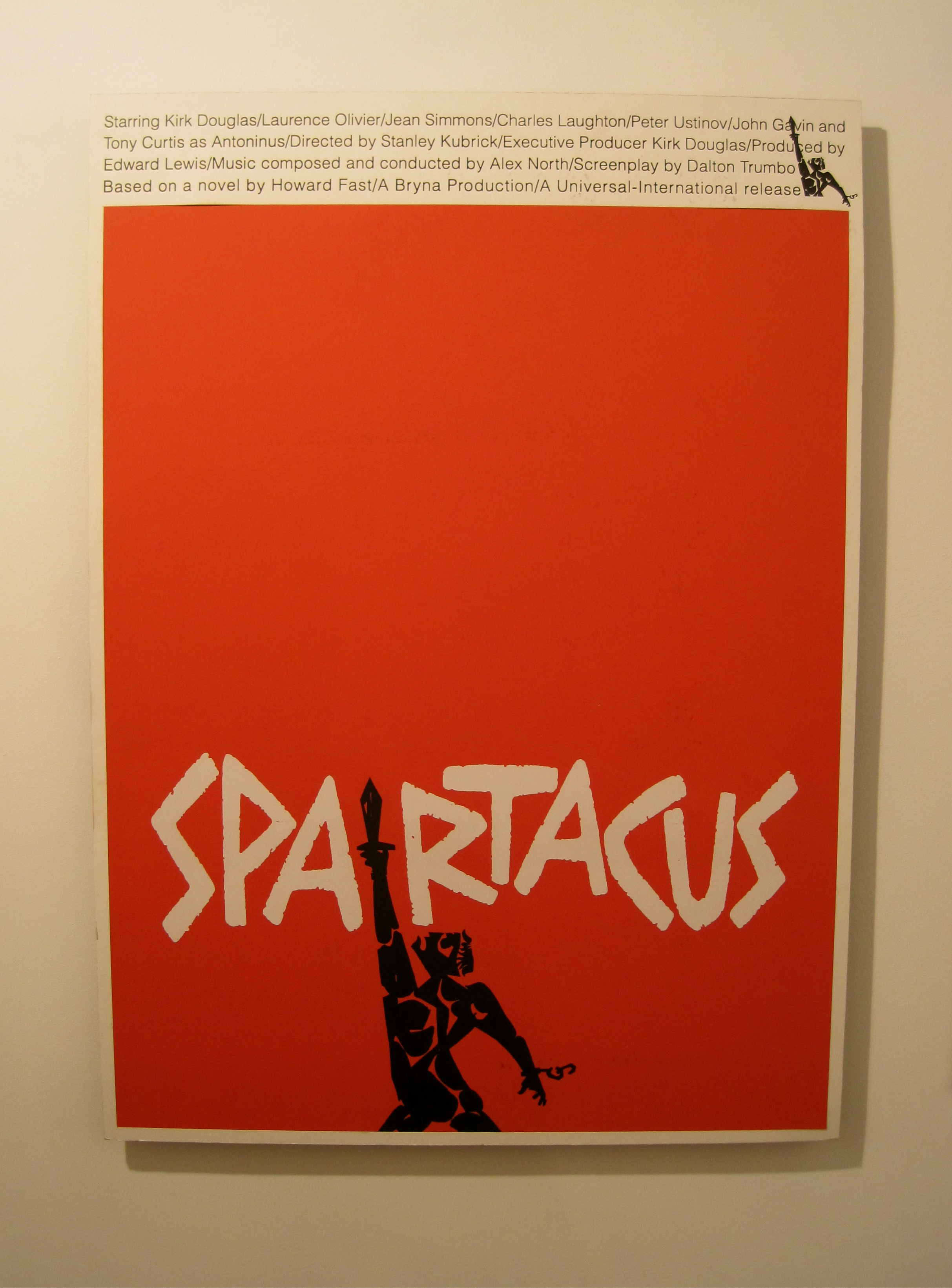
But it has­n’t always been this way. Dur­ing the ear­ly days of cin­e­ma, title sequences were often crude and infor­ma­tion­al. That start­ed to change with the advent of sound film, when title sequences took on aes­thet­ic dimen­sions they had­n’t known before. By the 1950s and 1960s, they became a high art form, espe­cial­ly in the hands of the icon­ic graph­ic design­er Saul Bass. The his­to­ry, phi­los­o­phy and aes­thet­ics of the title sequence — espe­cial­ly the open­ing cred­its — all get cov­ered by The Film Before the Film, a short, infor­ma­tive film born out of a research project at the Berlin­er Tech­nis­che Kun­sthochschule. It runs 9 to 11 min­utes, depend­ing on whether you count the clos­ing title sequence!

Fol­low us on Face­bookTwit­ter and Google Plus and share intel­li­gent media with your friends! They’ll thank you for it.

If Astronauts Cry in Space, Will Their Tears Fall?

The astro­nauts aboard the Inter­na­tion­al Space Sta­tion work every day on all kinds of exper­i­ments, from work­ing with robots to prepar­ing for space­walks. But when they get a break, they often field ques­tions from school chil­dren and adults about life in space.

Com­man­der Chris Had­field recent­ly video­taped him­self demon­strat­ing a sim­ple exper­i­ment inspired by a com­mon ques­tion: If an astro­naut cries in space, do their tears fall?

On Earth, of course, it’s grav­i­ty that caus­es tears to roll down the cheek. In a micro­grav­i­ty envi­ron­ment, if an astro­naut is sad or gets some­thing in his/her eye, tears will cer­tain­ly well up, but there will be none of what Smokey Robinson’s tears made on his face.

Had­field, pos­si­bly the most social media-savvy astro­naut ever with more than 500,000 Twit­ter fol­low­ers, game­ly demon­strates that tears do pool under the eye but they make no tracks. Squirt­ing water into his right eye, he rolls his head around, caus­ing the pud­dle of “tears” to shift back and forth and even roll over the bridge of his nose.

Tears don’t fall, he con­cludes, so bring a han­ky.

Had­field is no stranger to demon­strat­ing, or dis­cussing, human bod­i­ly func­tions in space. Speak­ing before the Ontario Space Cen­tre a few years ago, he dis­cussed some­thing that you may have won­dered about: going to the bath­room in space.

Kate Rix writes about dig­i­tal media and edu­ca­tion. Vis­it her web­site: .

A Shirtless Slavoj Žižek Explains the Purpose of Philosophy from the Comfort of His Bed

Non-philoso­phers some­times charge philoso­phers with talk­ing and writ­ing volu­mi­nous­ly to no par­tic­u­lar end, get­ting noth­ing done, solv­ing no prob­lems. But Slavoj Žižek, clown prince of aca­d­e­m­ic super­star­dom, has a response: “Phi­los­o­phy does not solve prob­lems,” he claims in the clip above. “The duty of phi­los­o­phy is not to solve prob­lems, but to rede­fine prob­lems, to show how what we expe­ri­ence as a prob­lem is a false prob­lem. If what we expe­ri­ence as a prob­lem is a true prob­lem, then you don’t need phi­los­o­phy.” He uses the hypo­thet­i­cal exam­ples of dead­ly comets and virus­es from space. Against such clear, present, and direct threats, he argues, we have no use for phi­los­o­phy, just “good sci­ence.” Žižek con­tin­ues the argu­ment from his bed: “I don’t think philoso­phers ever pro­vid­ed answers, but I think this was the great­ness of phi­los­o­phy.”

To Žižek’s mind, the pur­suit of phi­los­o­phy involves ask­ing as many ques­tions as pos­si­ble, but not broad ones about absolute truths. “Phi­los­o­phy is not what some peo­ple think,” he says, ges­tic­u­lat­ing while propped up by pil­lows. “It just asks, when we use cer­tain notions, when we do cer­tain acts, and so on, what is the implic­it hori­zon of under­stand­ing? It does­n’t ask these stu­pid ide­al ques­tions: ‘Is there truth?’ The ques­tion is, ‘What do you mean when you say this is true?’ ” He con­ceives of phi­los­o­phy as a mod­est dis­ci­pline, not a grand one. This clip comes by way of the invalu­able Bib­liok­lept.

Relat­ed con­tent:

After a Tour of Slavoj Žižek’s Pad, You’ll Nev­er See Inte­ri­or Design in the Same Way

Philoso­pher Slavoj Zizek Inter­prets Hitchcock’s Ver­ti­go in The Pervert’s Guide to Cin­e­ma (2006)

Bed Peace Revis­its John Lennon & Yoko Ono’s Famous Anti-Viet­nam Protests

Slavoj Žižek Demys­ti­fies the Gang­nam Style Phe­nom­e­non

Col­in Mar­shall hosts and pro­duces Note­book on Cities and Cul­ture and writes essays on lit­er­a­ture, film, cities, Asia, and aes­thet­ics. He’s at work on a book about Los Ange­lesA Los Ange­les Primer. Fol­low him on Twit­ter at @colinmarshall.

A View From the Room Where Melville Wrote Moby Dick (Plus a Free Celebrity Reading of the Novel)

melville roomIt’s in Pitts­field, Mass­a­chu­setts, right in the midst of the Berk­shires. Need­less to say, not a drop of water in sight.

Now that I’ve got your atten­tion, let me give you an update on The Moby Dick Big Read project. Since we high­light­ed the project last fall, all 135 chap­ters of the great Amer­i­can nov­el have been read by celebri­ties like Til­da Swin­ton, Stephen Fry, Mary Oliv­er, and Simon Cal­low. And now the com­plete set of audio record­ings are online and ready for free down­load. Get them here:  iTunesSound­cloudRSS Feed, or the Big Read web site itself.

We start you off with Tilda’s read­ing of Chap­ter 1 right below.

Pho­to above comes to us via @stevesilberman

by | Permalink | Make a Comment ( 1 ) |

William Shatner Sings Nearly Blasphemous Version of “Lucy in the Sky with Diamonds” (1968)

On a lazy sum­mer week­end last year, we asked for a lit­tle help from our friends. We asked: “What are the worst Bea­t­les’ cov­ers you’ve ever heard — ones so bad, they’re good?” And boy did you deliv­er. You rat­tled off 15 cringe-induc­ing cov­ers, includ­ing Bill Cos­by singing “Sgt. Pepper’s Lone­ly Hearts Club Band;” Sean Con­nery talk­ing his way through “In My Life;” Wing screech­ing “I Wan­na Hold Your Hand;” Tiny Tim doing dam­age to “Nowhere Man;” and much more. Look­ing back, I’m still per­son­al­ly drawn (in a it’s-so-cheesy-it’s-great kind of way) to William Shat­ner’s ver­sion of “Lucy in the Sky with Dia­monds.” Rid­ing high on his Star Trek fame, Shat­ner record­ed the song for his first music album, The Trans­formed Man, a 1968 con­cept album that jux­ta­posed clas­sic lit­er­a­ture with mod­ern pop lyrics. For exam­ple, he put lines from Cyra­no de Berg­er­ac next to Bob Dylan’s “Mr. Tam­bourine Man.” Years lat­er, in a 2001 inter­view, Paul McCart­ney laugh­ing­ly gave props to Shat­ner’s per­for­mance.

When you’re done with this piece of work, I’d encour­age to vis­it The 15 Worst Cov­ers of Bea­t­les Songs.

by | Permalink | Make a Comment ( 3 ) |

Artist Shepard Fairey Curates His Favorite YouTube Videos

In a video for MOCA, the “defin­ing muse­um of con­tem­po­rary art” in Los Ange­les, Shep­ard Fairey, the graph­ic design­er and illus­tra­tor best known for the Oba­ma Hope poster of 2008, spent a few min­utes rap­ping about the YouTube videos that have inspired him, both per­son­al­ly and pro­fes­sion­al­ly. He starts with one we’ve fea­tured here before  — Saul Bass’ Pitch for the Redesign of Ma Bel­l’s Logo. Read all about that fas­ci­nat­ing 1969 project here.

Next up comes the 1981 music video for Blondie’s “Rap­ture” — momen­tous because it was the first rap video ever aired on MTV and because it fea­tures an appear­ance by graf­fi­ti artist Jean-Michel Basquiat, who stepped in for Grand­mas­ter Flash when he inex­plic­a­bly went MIA.

Now let’s roll George Clin­ton’s video for “Atom­ic Dog” (1982), an inspi­ra­tion to Fairey because it lay­ers 1980s-video game imagery on top of prison scenes, cre­at­ing a “tem­plate for what a lot of gang­ster rap­pers would embrace lat­er.” Call it the ur-gangs­ta rap video.

Final­ly, Shep­ard refers to videos by The Sex Pis­tols, the Eng­lish punk band formed in 1975. But when it comes to select­ing a par­tic­u­lar clip, he leaves us hang­ing. So, giv­en that curat­ing YouTube videos is our every­day gig, hope you don’t mind if we lay some “God Save the Queen” on you. Enjoy.

via Boing Boing


Watch Werner Herzog Eat His Shoe, Cooked by Chef Alice Waters (1980)

Les Blank made qui­et, affec­tion­ate films about quirky sub­jects. Many of his films paid homage to the music and food he loved—The Blues Accordin’ to Light­nin Hop­kins and Yum Yum Yum! A Taste of Cajun and Cre­ole Cook­ing. Blank was a lover of many tra­di­tion­al Amer­i­can musi­cal forms. Some of his movies are the only known filmed doc­u­ments of artists who are now gone.

Blank died April 7 at his home in Berke­ley, Cal­i­for­nia. He leaves behind a cat­a­log of films that seem small but in fact take on the biggest sub­jects: human­i­ty, love, com­mit­ment, joy and indi­vid­u­al­ism.

In Gap-Toothed Women, Blank cre­ates a sin­gu­lar love let­ter to women who shun ortho­don­tics and embrace their diastema (the gap between the two front teeth). The film explores the ori­gins of the belief that women with this fea­ture are unusu­al­ly lusty (think of Chaucer’s “gap-toothed wife of Bath”) and ends up cel­e­brat­ing uncon­ven­tion­al beau­ty.

One of his most inter­est­ing works devel­oped out of an inside joke. Blank was a friend of the direc­tor Wern­er Her­zog. Her­zog, in turn, had men­tored the young film­mak­er Errol Mor­ris, who was mak­ing his first film, Gates of Heav­en. In a char­ac­ter­is­ti­cal­ly dark attempt to be encour­ag­ing, Her­zog quipped that he would eat his shoe if Mor­ris com­plet­ed the film.

A man of his word, Her­zog lat­er ate the shoe in front of an audi­ence inside Berkeley’s U.C. The­ater. Food pio­neer Alice Waters cooked the shoe for five hours in gar­lic and wine. Blank filmed the event in 1980 and, true to his style, stepped back from the sub­ject and cre­at­ed a film about mak­ing hon­est art. You can watch it above.

Kate Rix writes about dig­i­tal media and edu­ca­tion. Vis­it her web­site: .

If you would like to sign up for Open Culture’s free email newslet­ter, please find it here. It’s a great way to see our new posts, all bun­dled in one email, each day.

If you would like to sup­port the mis­sion of Open Cul­ture, con­sid­er mak­ing a dona­tion to our site. It’s hard to rely 100% on ads, and your con­tri­bu­tions will help us con­tin­ue pro­vid­ing the best free cul­tur­al and edu­ca­tion­al mate­ri­als to learn­ers every­where. You can con­tribute through Pay­Pal, Patre­on, and Ven­mo (@openculture). Thanks!

Relat­ed Con­tent:

Wern­er Her­zog and Cor­mac McCarthy Talk Sci­ence and Cul­ture

Errol Mor­ris: Two Essen­tial Truths About Pho­tog­ra­phy

Por­trait Wern­er Her­zog: The Director’s Auto­bi­o­graph­i­cal Short Film from 1986

Ernest Hemingway Appears on Cuban TV in 1954; Talks About Winning The Nobel Prize

Ernest Hem­ing­way lived in Cuba much longer than he lived in Paris or Key West. From 1939 until 1960–the year before his death–he lived on a farm out­side Havana, in the vil­lage of San Fran­cis­co de Paula, called Fin­ca Vigía, or “Look­out Farm.”

It was not the most fruit­ful peri­od of Hem­ing­way’s life as a writer. His 1950 nov­el, Across the Riv­er and Into the Trees, was sav­aged by the crit­ics, and many were begin­ning to think he was fin­ished. But in 1952 Hem­ing­way came roar­ing back with The Old Man and the Sea, set in Cuba, an ele­men­tal sto­ry of a lone­ly old fish­er­man’s strug­gle to catch a big fish and bring it back to shore through shark-infest­ed waters. With The Old Man and the Sea, William Faulkn­er said, Hem­ing­way had found God. “Time may show it to be the best sin­gle piece of any of us,” said Faulkn­er,” I mean his and my con­tem­po­raries.”

In 1953 the nov­el was award­ed the Pulitzer Prize, and in 1954 Hem­ing­way received the Nobel Prize in Fic­tion. Short­ly after­ward he was vis­it­ed at the Fin­ca Vigía by reporter Juan Manuel Martínez and a cam­era­man from the Cuban tele­vi­sion net­work CMQ. In a mix­ture of Castil­ian Span­ish and Cuban ver­nac­u­lar, Hem­ing­way tells Martínez that he is over­joyed at being the first Cubano sato, or “half-breed Cuban” to receive a Nobel Prize. “The use of the adjec­tive ‘sato’ by Ernest Hem­ing­way shows he had a deep rela­tion­ship with ordi­nary Cubans,” writes Guiomar Vene­gas Del­ga­do in a 2009 arti­cle in enVi­vo, the jour­nal of Cuban radio and tele­vi­sion, “and that as an artist he knew to lis­ten and assim­i­late their idioms and slang.”

To hear Ernest Hem­ing­way read his 1954 Nobel Prize accep­tance speech from Cuba, see our July 2011 post, “Remem­ber­ing Ernest Hem­ing­way, Fifty Years After His Death.”

Relat­ed Con­tent:

Sev­en Tips From Ernest Hem­ing­way on How to Write Fic­tion

Ernest Hem­ing­way Reads “In Harry’s Bar in Venice”

James Joyce in Paris: “Deal With Him, Hem­ing­way!”


  • Great Lectures

  • Sign up for Newsletter

  • About Us

    Open Culture scours the web for the best educational media. We find the free courses and audio books you need, the language lessons & educational videos you want, and plenty of enlightenment in between.


    Advertise With Us

  • Archives

  • Search

  • Quantcast