Borges: Profile of a Writer Presents the Life and Writings of Argentina’s Favorite Son, Jorge Luis Borges

“Al otro, a Borges, es a quien le ocur­ren las cosas,” begins the very short sto­ry “Borges y yo”. That trans­lates to “It’s to the oth­er man, to Borges, that things hap­pen” in Eng­lish. The tale’s author, Jorge Luis Borges, lived his life between Eng­lish and his native Span­ish, just as he lived between his pub­lic and pri­vate per­sonas. No sur­prise, then, that his writ­ing gen­er­ates so much ener­gy from mat­ters of iden­ti­ty, lan­guage, and thought, and thus makes you want to learn more about the mind behind it. Here at Open Cul­ture, we par­tic­u­lar­ly enjoy doing our learn­ing through Are­na, the BBC’s intel­lec­tu­al­ly omniv­o­rous and artis­ti­cal­ly lib­er­at­ed tele­vi­sion doc­u­men­tary series. The 1983 broad­cast above, takes as its sub­ject the imag­i­na­tive Argen­tine mas­ter of the short sto­ry. The show has always done well by what we might call cult writ­ers (see also its episode on the no less imag­i­na­tive Philip K. Dick), and the cult of Borges now seems broad­er and more enthu­si­as­tic than ever. If you count your­self as a mem­ber, this episode “Borges and I” makes for required view­ing.

Sit­ting down with Are­na, the elder­ly Borges speaks with­out hes­i­ta­tion on his rela­tion­ship to lan­guage, his dis­cov­ery of his own lim­i­ta­tions as a writer, the regimes that have ruled his home­land, his pro­fes­sion­al life spent at libraries (includ­ing his time as direc­tor of Argenti­na’s Bib­liote­ca Nacional), and his accel­er­at­ing blind­ness. We see scenes of life in Borges’ beloved Buenos Aires. We see the writer step­ping care­ful­ly through the city streets, cane in one hand, feel­ing the build­ings with the oth­er. We see, per­haps most fas­ci­nat­ing­ly of all, dra­ma­tized pas­sages of Borges’ most famous sto­ries: “Funes the Mem­o­ri­ous”, about a peas­ant con­demned to remem­ber every­thing per­fect­ly, los­ing his abil­i­ty to gen­er­al­ize, and thus to think; “The Cir­cu­lar Ruins”, about a man attempt­ing to dream anoth­er human being into exis­tence, detail by minute detail; “Death and the Com­pass”, about a detec­tive who either acci­den­tal­ly or delib­er­ate­ly walks straight into a vil­lain’s elab­o­rate, tetra­gram­ma­ton-based trap. Borges’ fans tend to think of his sto­ries as thor­ough­ly wrapped up in, and insep­a­ra­ble from, the text that con­sti­tute them, but some of these seg­ments con­vince me that, as movies, they would­n’t turn out half-bad.

Relat­ed Con­tent:

Jorge Luis Borges’ 1967–8 Nor­ton Lec­tures On Poet­ry (And Every­thing Else Lit­er­ary)

Borges: The Task of Art

Jorge Luis Borges: The Mir­ror Man

Col­in Mar­shall hosts and pro­duces Note­book on Cities and Cul­ture and writes essays on lit­er­a­ture, film, cities, Asia, and aes­thet­ics. He’s at work on a book about Los Ange­les, A Los Ange­les Primer. Fol­low him on Twit­ter at @colinmarshall.

David Bowie Releases 36 Music Videos of His Classic Songs from the 1970s and 1980s

Last month, David Bowie released The Next Dayhis first new album in a decade. That’s a long time to go with­out an album — long enough that fans could per­haps use a refresh­er, a reminder of why they should splurge for the new mate­r­i­al. So, in con­junc­tion with the release of The Next Day, Bowie has opened the vaults and put online a won­der­ful set of videos record­ed dur­ing his gold­en years. It’s a visu­al and aur­al treat. Today, I’ve pulled togeth­er my per­son­al favorites, all from the 1970s. That’s how I roll. But, if you’re an 80s Bowie fan, there’s some­thing there for you too. Fash­ion, Ash­es to Ash­esChi­na Girl, a duet with Mick Jag­ger record­ed for Live Aid in 85 — they’re all includ­ed in the col­lec­tion of 36 videos.

Now watch a few of these clips — we’re start­ing you off above with “Life on Mars?” — and then ask your­self: Are you ready to down­load The Next Day?

Space Odd­i­ty (1972)

Star­man (1972)

The Jean Genie (1972)

Heroes (1977)

Relat­ed Con­tent:

How “Space Odd­i­ty” Launched David Bowie to Star­dom: Watch the Orig­i­nal Music Video From 1969

The Sto­ry of Zig­gy Star­dust: How David Bowie Cre­at­ed the Char­ac­ter that Made Him Famous

Lis­ten to Fred­die Mer­cury and David Bowie on the Iso­lat­ed Vocal Track for the Queen Hit ‘Under Pres­sure,’ 1981

David Bowie & Bing Cros­by Sing “The Lit­tle Drum­mer Boy” (1977)

by | Permalink | Make a Comment ( 15 ) |

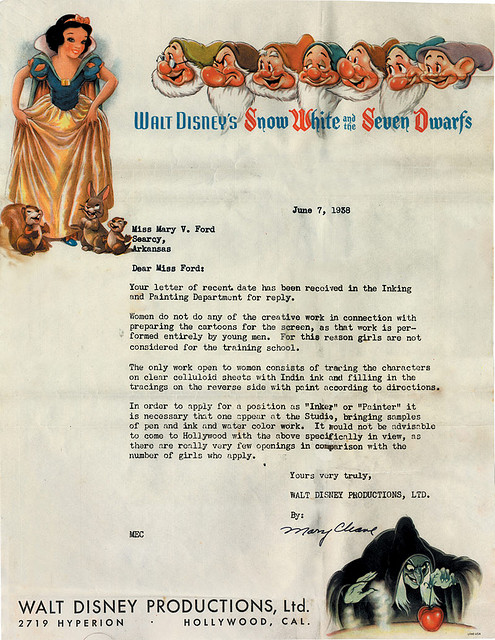
Read the Original Letters Where Charles Darwin Worked Out His Theory of Evolution

darwin letter2

So much has been writ­ten about hand-writ­ten let­ters, most­ly lament­ing their death. What else can be added about the beau­ti­ful vul­ner­a­bil­i­ty of hand­writ­ing and the sat­is­fy­ing feel of paper sta­tion­ary and envelopes, not to men­tion the mir­a­cle of let­ter deliv­ery? Think of all those heart­sick sol­diers in wars old and mod­ern receiv­ing an actu­al let­ter from home, thou­sands of miles away.

The only news about let­ter writ­ing is that we con­tin­ue to dis­cov­er its val­ue. Just recent­ly Cam­bridge Uni­ver­si­ty pub­lished some 1,200 let­ters exchanged between Charles Dar­win and his clos­est friend, the botanist Joseph Dal­ton Hook­er. The let­ters span 40 years of Darwin’s work­ing life, from 1843 to his death in 1882, and join the oth­er let­ters in the Dar­win Cor­re­spon­dence Project.

There is so much to appre­ci­ate about these let­ters. Call it 19th cen­tu­ry bro­mance, if you must, but the cor­re­spon­dence between Dar­win and Hook­er touched on near­ly every sub­ject, sci­en­tif­ic and per­son­al. Dar­win wrote Hook­er for his help nego­ti­at­ing with pub­lish­ers, for his opin­ion about whether seeds from islands with­out four-legged ani­mals are ever hook-shaped, and for his sup­port after his 6‑year-old daugh­ter Maria died.

From a sci­en­tif­ic point of view the most impor­tant let­ter may be the one Dar­win wrote Hook­er on Jan­u­ary 11, 1844. Writ­ing from his home, Down House in Kent, Dar­win fires ques­tions at Hook­er about seeds, seashells and Arc­tic species—his mind obvi­ous­ly a blur of activity—and then describes that his work has tak­en a “pre­sump­tu­ous” turn. After years of research and col­lect­ing spec­i­mens, he was begin­ning to form an idea that “species are not (it is like con­fess­ing a mur­der) immutable.”

Fif­teen years lat­er Dar­win pub­lished On the Ori­gin of Species. (Find it on our Free Audio Books and Free eBooks col­lec­tions.)

In his let­ters to Hook­er, him­self a great botanist and explor­er, Dar­win works out and wor­ries over his ideas. In one let­ter he express­es impa­tience with all oth­er exist­ing expla­na­tions for the geo­graph­i­cal dis­tri­b­u­tion of plants.

The Cor­re­spon­dence Project has archived more than 7,500 of Darwin’s let­ters alto­geth­er, includ­ing the mail he sent home while at sea aboard The Bea­gle. Dar­win was 22 when he joined a team to chart the coast of South Amer­i­ca, a trip that was planned for two years but which stretched into five. After a bout of sea­sick­ness, Dar­win wrote home to his father.

A quick aside to those who long for the days of long let­ters and who believe that our IQs drop a point with each text: Take note of Darwin’s lib­er­al use of amper­sands, numer­als and quaint 19th cen­tu­ry con­trac­tions (sh’d for should, etc.). IMHO, these are all just Vic­to­ri­an short­cuts to speed up the process of hand­writ­ing when the mind can work so much more quick­ly.

Kate Rix writes about edu­ca­tion and dig­i­tal media. Vis­it her web­site: .

A Young, Clean Cut Jim Morrison Appears in a 1962 Florida State University Promo Film

Here’s a weird one: weirdo Doors front­man Jim Mor­ri­son, native of Flori­da, the weird­est state in the Union (well, it is!), stars in a pro­mo film for Flori­da State Uni­ver­si­ty. Morrison’s char­ac­ter gets a bum­mer of a let­ter inform­ing him that he has been reject­ed from FSU, and lat­er meets with an admin­is­tra­tor who gives him the low­down. Of course, as one YouTube com­menter quips, “when one door clos­es, The Doors open” (heh). So, fine, Mor­ri­son didn’t need Flori­da State—he lived fast, died young, and left the most famous grave in his­to­ry.

Morrison mug_shot

But as his fans know, the well-read Mor­ri­son was no intel­lec­tu­al slouch; he start­ed the Doors while study­ing film at UCLA, to which he’d trans­ferred from Flori­da State, where he enrolled in 1962. In addi­tion to get­ting cast in the pro­mo above, while at FSU Mor­ri­son got arrest­ed for a school prank (see his ’63 mugshot at left), made some short films, and did his share of carous­ing. One fel­low stu­dent, Ger­ry McClain, remem­bers Mor­ri­son from his FSU days in an inter­view with the site Amer­i­can Leg­ends:

He hung around with a bohemi­an crowd: peo­ple who liked to wear pants with holes in them. Jim posed as a mod­el for the art depart­ment, and they would all sell blood to the Red Cross to get a few bucks. Once, I saw Jim go around the col­lege cof­fee shop eat­ing scraps off tables. I felt he–and the others–were liv­ing an image–the starv­ing young artist.

But Mor­ri­son was­n’t exact­ly a starv­ing artist. He was, in fact, the son of Rear Admi­ral George Stephen Mor­ri­son, com­man­der of the U.S. Naval forces in the inci­dent that sparked the Viet­nam War. Weird, right? Watch the elder Mor­ri­son and Jim’s sis­ter Anne in inter­view remem­brances of Jim in the video below.

Relat­ed Con­tent:

See Jimi Hendrix’s First TV Appear­ance, and His Last as a Back­ing Musi­cian (1965)

A Young Frank Zap­pa Plays the Bicy­cle on The Steve Allen Show (1963)

Jim­my Page, 13, Plays Gui­tar on BBC Tal­ent Show (1957)

Josh Jones is a writer and musi­cian based in Wash­ing­ton, DC. Fol­low him @jdmagness

Albert Einstein on Individual Liberty, Without Which There Would Be ‘No Shakespeare, No Goethe, No Newton’

We recent­ly post­ed a rare audio record­ing of Albert Ein­stein read­ing his essay, “The Com­mon Lan­guage of Sci­ence.” Today we have a sim­i­lar­ly rare treat: filmed excerpts from a speech on indi­vid­ual lib­er­ty that Ein­stein gave short­ly after the Nazis rose to pow­er and he became a refugee from his native Ger­many. With­out free­dom for the indi­vid­ual, Ein­stein said, “life to a self-respect­ing man is not worth liv­ing.”

Ein­stein deliv­ered the speech on Octo­ber 3, 1933 at the Roy­al Albert Hall in Lon­don. As it turned out, the speech was some­thing of a farewell address to his native con­ti­nent. Four days lat­er Ein­stein board­ed a ship to Amer­i­ca and nev­er returned to Europe. The speech was orga­nized by the Aca­d­e­m­ic Assis­tance Coun­cil (now the Coun­cil for Assist­ing Refugee Aca­d­e­mics) and oth­er aid groups to help the hun­dreds of Ger­man intel­lec­tu­als, many of them Jews, who were fired from their uni­ver­si­ty jobs by the Nazis.

Although the Albert Hall now has a max­i­mum allowed capac­i­ty of 5,544, accord­ing to his­tor­i­cal accounts more than 10,000 peo­ple crowd­ed into the old hall to hear Ein­stein, who warned of a com­ing cat­a­stro­phe in Europe that would rival the Great War. “Today,” he said, “the ques­tions which con­cern us are: How can we save mankind and its spir­i­tu­al acqui­si­tions of which we are the heirs? How can we save Europe from a new dis­as­ter?” Ein­stein remind­ed the audi­ence to keep clear­ly in mind what is ulti­mate­ly at stake: indi­vid­ual lib­er­ty. The speech was lat­er pub­lished in a dif­fer­ent form in Ein­stein’s book, Out of My Lat­er Years, and you can open a PDF tran­script of the orig­i­nal by click­ing here. The film clip is cut into four short excerpts. In heav­i­ly accent­ed Eng­lish, Ein­stein says:

I am glad that you have me giv­en the oppor­tu­ni­ty of express­ing to you here my deep sense of grat­i­tude as a man, as a good Euro­pean, and as a Jew.

It can­not be my task today to act as a judge of the con­duct of a nation which for many years has con­sid­ered me as her own.

We are con­cerned not mere­ly with the tech­ni­cal prob­lem of secur­ing and main­tain­ing peace, but also with the impor­tant task of edu­ca­tion and enlight­en­ment.

With­out such free­dom there would have been no Shake­speare, no Goethe, no New­ton, no Fara­day, no Pas­teur, and no Lis­ter.

Relat­ed con­tent:

Lis­ten as Albert Ein­stein Reads ‘The Com­mon Lan­guage of Sci­ence’ (1941)

Ein­stein Explains His Famous For­mu­la, E=mc², in Orig­i­nal Audio

Albert Ein­stein Archive Now Online, Bring­ing 80,000+ Doc­u­ments to the Web

Find Cours­es on Ein­stein in the Physics Sec­tion of our Free Online Cours­es Col­lec­tion

Nico Sings “Chelsea Girls” in the Famous Chelsea Hotel

Ah, the Hotel Chelsea: home, in its hey­day, to all man­ner of New York City writ­ers, artists, rock­ers, and rogues. You can’t move in anymore—the man­age­ment insti­tut­ed a short stay-only pol­i­cy even before clos­ing for ren­o­va­tions in 2011—but even if you could, sure­ly the lega­cy of so many 20th-cen­tu­ry artis­tic lumi­nar­ies would weigh heav­i­ly indeed. Read up on Bob Dylan, Charles Bukows­ki, Janis Joplin, Leonard Cohen, Iggy Pop, Dylan Thomas, or Arthur C. Clarke, and you’ll find out about their extend­ed stays at the Chelsea. Read Pat­ti Smith’s mem­oir Just Kids, and you’ll learn even more about the place from Smith’s remem­brance of her days there with pho­tog­ra­ph­er Robert Map­plethor­pe. Watch Andy Warhol’s Chelsea Girls and you’ll glimpse the lives of the askew ingénues Warhol housed at the hotel, includ­ing Vel­vet Under­ground singer Nico.

Dig into Nico’s solo career, and you’ll soon hear her album Chelsea Girl. The clip above comes from a doc­u­men­tary includ­ing Warhol’s Chelsea Girls, and fea­tures Nico singing the almost-title track “Chelsea Girls” from that album. The film, Nico’s record, and the sem­i­nal Vel­vet Under­ground & Nico all appeared in the coun­ter­cul­tur­al­ly pro­duc­tive year of 1967. Rid­ing the wave of fame gen­er­at­ed by her time as a Warhol “Super­star,” Nico would spend the next twen­ty years record­ing five more solo albums, act­ing in sev­en pic­tures by film­mak­er Philippe Gar­rel, mak­ing her musi­cal come­back onstage at CBGB, and get­ting hooked on and sub­se­quent­ly kick­ing hero­in before pass­ing away in 1988. A bit lat­er in the video, an inter­view­er asks if she con­sid­ers her­self the one who made the Hotel Chelsea famous. “I am one of the per­sons,” replies the Ger­man-born Nico. “Aside from the peo­ple that are now in heav­en… or in hell, or… not stay­ing here.”

Relat­ed Con­tent:

Warhol’s Screen Tests: Lou Reed, Den­nis Hop­per, Nico, and More

Hear New­ly-Released Mate­r­i­al from the Lost Acetate Ver­sion of The Vel­vet Under­ground & Nico (1966)

Andy Warhol Quits Paint­ing, Man­ages The Vel­vet Under­ground (1965)

Col­in Mar­shall hosts and pro­duces Note­book on Cities and Cul­ture and writes essays on lit­er­a­ture, film, cities, Asia, and aes­thet­ics. He’s at work on a book about Los Ange­lesA Los Ange­les Primer. Fol­low him on Twit­ter at @colinmarshall.

Anne Bancroft and Mel Brooks Sing “Sweet Georgia Brown” Live…and in Polish

The Cap­tain and Tenille. 

Son­ny and Cher.

Shields and Yarnell.

Ban­croft and Brooks?

Not exact­ly, but one thing’s cer­tain. Had mar­ried cou­ple Anne Ban­croft and Mel Brooks under­tak­en to co-host a tele­vi­sion vari­ety show in the 70’s or 80’s, they would’ve mopped up the era’s com­pe­ti­tion faster than you can say Mr Clean Sun­shine Fresh.

Our best evi­dence is this clip from the 1983 Brooks-host­ed episode of the BBC vari­ety hour, An Audi­ence with…  All the tropes of the once pop­u­lar form—the celebri­ty ‘as audi­ence plant, the staged spon­tane­ity, the audi­ence eager­ly fol­low­ing direction—are on dis­play in the lead up to the big pay off, a light-foot­ed live ren­di­tion of Sweet Geor­gia Brown…in heav­i­ly accent­ed Pol­ish.

It def­i­nite­ly leaves one want­i­ng more. (In which case, you could try your luck with Brooks’ remake of To Be or Not to Be, in which he and Ban­croft play roles orig­i­nat­ed by Jack Ben­ny and Car­ole Lom­bard).

Relat­ed Con­tent:

The Crit­ic: Hilar­i­ous Oscar-Win­ning Film Nar­rat­ed by Mel Brooks (1963)

John­ny Cash: Singer, Out­law, and, Briefly, Tele­vi­sion Host

Woody Allen Box­es a Kan­ga­roo, 1966

Ayun Hal­l­i­day’s will be per­form­ing live in Brook­lyn Brain Frame lat­er this month.  Fol­low her @AyunHalliday

A Look Back at Jim Carroll: How the Poet and Basketball Diaries Author Finally Finished His First Novel

Like so many denizens of the New York that pro­duced Warhol and The Vel­vet Under­ground, then grit­ty punk rock, hip-hop, and no wave, poet Jim Car­roll didn’t fare so well into Bloomberg-era NYC, a developer’s par­adise and des­ti­na­tion for urban pro­fes­sion­als and tourists, but not so much a haven for strug­gling artists. As the city changed, its cre­ative char­ac­ters either rose above its shift­ing demo­graph­ics, moved away, or—as Car­roll did—retreated. Car­roll, who died in 2009 at 60, spent his last years in the upper Man­hat­tan neigh­bor­hood of Inwood—once a bustling Irish-Catholic enclave—living in the same build­ing where he’d grown up and writ­ing against time to fin­ish his first and only nov­el, The Pet­ting Zoo. His last years were by no means trag­ic, how­ev­er. Giv­en the tumult of his ear­ly years as an addict, and the long list of friends from the down­town New York scene that Car­roll lost along the way—to over­dos­es, AIDS, can­cer, suicide—I’d say he was a lit­er­ary sur­vivor, who died (at his writ­ing desk, it’s said) doing what he loved most.

Car­roll came to main­stream con­scious­ness with the release of a 1995 film star­ring Leonar­do DiCaprio, based on the book Carroll’s most known for: the 1978 mem­oir The Bas­ket­ball Diaries, a col­lec­tion of teenage jour­nal entries from his dou­ble life as a high school bas­ket­ball star and junkie hus­tler. But even with that movie’s nods to Carroll’s mature years as a poet and musi­cian, it’s doubt­ful that few peo­ple came away with much more than a vague sense of what the street-wise Catholic school­boy DiCaprio char­ac­ter had gone on to do. Which is a shame, because Car­roll real­ly was a ter­rif­ic writer, from his debut poet­ry pub­li­ca­tions in the 60s and on through­out the next three decades. Even in the obscu­ri­ty and semi-seclu­sion of his lat­er years, he wrote wise, inci­sive essays and crit­i­cism (such as this 2002 review of Kurt Cobain’s pub­lished Jour­nals for the Los Ange­les Times). And despite the mem­oir and film’s pop­u­lar­i­ty, Car­roll con­sid­ered him­self pri­mar­i­ly a poet, in the sym­bol­ist tra­di­tion of his lit­er­ary heroes Rilke, Rim­baud, and Ash­bery. (See Car­roll at top, in his harsh New York accent, read from his 1986 col­lec­tion of poems, The Book of Nods.)

In a man­ner of speak­ing, Car­roll suf­fered the curse of one-hit-won­derism, except in his case, he was lucky enough to have two hits—the mem­oir (and lat­er film) and the song, “Peo­ple Who Died,” from Catholic Boy, his debut album with the Jim Car­roll Band (video above), which even made it onto the E.T. sound­track (giv­ing Car­roll roy­al­ties for life). The band came about with the encour­age­ment of Carroll’s fel­low poet and for­mer room­mate Pat­ti Smith, after Car­roll kicked hero­in and moved to Cal­i­for­nia. Car­roll wrote songs for Blue Oys­ter Cult and Boz Scaggs and col­lab­o­rat­ed with Ran­cid, Son­ic Youth’s Lee Ranal­do, Pat­ti Smith gui­tarist Lenny Kaye, and gui­tarist Anton Sanko (on his 1998 return to music, Pools of Mer­cury). His years in rock and roll trans­mut­ed through most of the nineties into dra­mat­ic read­ings, spo­ken word per­for­mances, and live­ly mono­logues, such as those col­lect­ed on the 1991 release Pray­ing Man­tis. In the track below, “The Loss of Amer­i­can Inno­cence,” Car­roll deliv­ers some sham­bling, and pret­ty fun­ny, sto­ries about the char­ac­ters in his nov­el-in-progress.

Car­roll had been telling these sto­ries about Bil­ly the down­town painter and a cer­tain chat­ty raven since the late 80s. As the mono­logues crys­tal­lized into short prose pieces, he slow­ly, painstak­ing­ly assem­bled them into The Pet­ting Zoo, which saw pub­li­ca­tion in 2010. It took him twen­ty years, and he didn’t live to see it pub­lished, but he left a final lega­cy behind, and it’s a flawed but seri­ous work worth read­ing. In 2010, Carroll’s long­time friends Pat­ti Smith and Lenny Kaye cel­e­brat­ed the novel’s pub­li­ca­tion with read­ings and per­for­mances at the Barnes and Noble in Union Square. Below, see Smith read an excerpt from The Pet­ting Zoo. The sound’s a bit tin­ny and the cam­era shakes, but it’s worth it to see liv­ing leg­end Smith read from Carroll’s leg­endary final song.

Relat­ed Con­tent:

Pat­ti Smith Reads Her Final Words to Robert Map­plethor­pe

The Life and Con­tro­ver­sial Work of Pho­tog­ra­ph­er Robert Map­plethor­pe Pro­filed in 1988 Doc­u­men­tary

Rock and Roll Heart, 1998 Doc­u­men­tary Retraces the Remark­able Career of Lou Reed

Josh Jones is a writer and musi­cian based in Wash­ing­ton, DC. Fol­low him @jdmagness

The Big Problem for MOOCs Visualized

mooc completionMOOCs — they’re get­ting a lot of hype, in part because they promise so much, and in part because you hear about stu­dents sign­ing up for these cours­es in mas­sive num­bers. 60,000 signed up for Duke’s Intro­duc­tion to Astron­o­my on Cours­era. 28,500 reg­is­tered for Intro­duc­tion to Sol­id State Chem­istry on edX. Impres­sive fig­ures, to be sure. But then the shine comes off a lit­tle when you con­sid­er that 3.5% and 1.7% of stu­dents com­plet­ed these cours­es respec­tive­ly. That’s accord­ing to a Visu­al­iza­tion of MOOC Com­ple­tion Rates assem­bled by edu­ca­tion­al researcher Katy Jor­dan, using pub­licly avail­able data. Accord­ing to her research, MOOCs have gen­er­at­ed 50,000 enroll­ments on aver­age, with the typ­i­cal com­ple­tion rate hov­er­ing below 10%. Put it some­where around 7.5%, or 3,700 com­ple­tions per 50,000 enroll­ments. If you click the image above, you can see inter­ac­tive data points for 27 cours­es.

If you’re a ven­ture cap­i­tal­ist, you’re prob­a­bly a lit­tle less wowed by 3,700 stu­dents tak­ing a free course. And if you’re a uni­ver­si­ty, you might be under­whelmed by these fig­ures too, see­ing that the aver­age MOOC costs $15,000-$50,000 to pro­duce, while pro­fes­sors typ­i­cal­ly invest 100 hours in build­ing a MOOC, and anoth­er 8–10 hours per week teach­ing the mas­sive course. And then don’t for­get the wince-induc­ing con­tract terms offered by MOOC providers like edX — terms that make it hard to see how a uni­ver­si­ty will recoup any­thing on their MOOCs in the com­ing years.

Right now, uni­ver­si­ties are pro­duc­ing MOOCs left and right, and it’s a great deal for you, the stu­dents. (See our list of 300 MOOCs.) But I’ve been around uni­ver­si­ties long enough to know one thing — they don’t shell out this much cash light­ly. Nor do pro­fes­sors sink 100 hours into cre­at­ing cours­es that don’t count toward their required teach­ing load. We’re in a hon­ey­moon peri­od, and, before it’s over, the raw num­ber of stu­dents com­plet­ing a course will need to go up — way up. Remem­ber, the MOOC is free. But it’s the fin­ish­ers who will pay for cer­tifi­cates and get placed into jobs for a fee. In short, it’s the fin­ish­ers who will cre­ate the major rev­enue streams that MOOC cre­ators and providers are cur­rent­ly rely­ing on.

We have our own thoughts on what the MOOC providers need to do. But today we want to hear from those who start­ed a MOOC and opt­ed not to fin­ish. In the com­ments sec­tion below, please tell us what kept you from reach­ing the end. You’ll get extra points for hon­esty!

via O’Reil­ly

by | Permalink | Make a Comment ( 56 ) |

Revisit The Life & Music of Sister Rosetta Tharpe: ‘The Godmother of Rock and Roll’

Sure, Kei­th Richards bor­rowed some of his best licks from Chuck Berry. But do you know who Chuck Berry bor­rowed from? Sis­ter Roset­ta Tharpe. Tharpe was one of the pio­neers of 20th cen­tu­ry music, a flam­boy­ant, larg­er-than-life fig­ure who fused gospel and blues into some­thing new. “Lis­ten to her record­ings,” said singer-song­writer Joan Osborne, “and you can hear all the build­ing blocks of rock and roll.” Lit­tle Richard, Elvis Pres­ley and John­ny Cash each named Tharpe as one of their fond­est child­hood influ­ences. “Sis­ter Roset­ta Tharpe was any­thing but ordi­nary and plain,” said Bob Dylan on his radio pro­gram. “She was a big, good-look­ing woman and divine, not to men­tion sub­lime and splen­did. She was a pow­er­ful force of nature–a gui­tar-play­ing, singing evan­ge­list.”

Yet despite the enor­mi­ty of her influ­ence, Tharpe has been vir­tu­al­ly for­got­ten by the main­stream cul­ture. For many years fol­low­ing her death in 1973, she lay in an unmarked grave. In the last decade, though, there has been a slow resur­gence of appre­ci­a­tion for Tharpe. In 2004 Osborne, Maria Mul­daur, Bon­nie Rait and oth­er artists joined togeth­er for a trib­ute album called Shout, Sis­ter, Shout! A biog­ra­phy of the same name, by Gayle Wald, was pub­lished in 2007. And in 2011–the same year Tharpe’s grave final­ly received a head­stone, thanks to a fundrais­ing con­cert– film­mak­er Mike Csaky direct­ed a doc­u­men­tary called The God­moth­er of Rock & Roll: Sis­ter Roset­ta Tharpe, which aired this Feb­ru­ary on PBS as part of the Amer­i­can Mas­ters series. You can watch the full 53-minute film below.

And for a quick exam­ple of Tharpe’s stun­ning artistry and stage pres­ence, you can start by watch­ing the short clip above, from a 1960s Sun­day-morn­ing tele­vi­sion pro­gram pro­duced in Chica­go and dis­trib­uted by NBC called TV Gospel Time, in which Tharpe sings the gospel stan­dard “Up Above My Head.” Sources dif­fer on the exact year of the per­for­mance (TV Gospel Time was broad­cast from late 1962 until 1966.) but PBS gives it as 1964–1965. Two-thirds of the way into the song is the famous elec­tric gui­tar solo that was fea­tured in the French film Amelie. “Tharpe did­n’t just play the gui­tar,” writes her biog­ra­ph­er Wald, “she owned it. Like a snake-charmer, she coaxed sounds out of the instru­ments, turn­ing wood and met­al into lome­thing alive yet com­plete­ly under her con­trol. her con­tem­po­raries referred to this as mak­ing a gui­tar ‘talk.’ Some­times, too, they said she played ‘like a man,’ as though a woman was­n’t capa­ble of pro­ject­ing such command–or a woman-in-gospel con­vey­ing such pal­pa­ble eroti­cism.”

Also fea­tur­ing Sis­ter Roset­ta Tharpe:

“Mud­dy Waters and Friends on the Blues and Gospel Train, 1964”

James Brown Gives You Danc­ing Lessons: From The Funky Chick­en to The Booga­loo

The Alan Lomax Sound Archive Now Online: Fea­tures 17,000 Record­ings

Orson Welles Teaches Baccarat, Craps, Blackjack, Roulette, and Keno at Caesars Palace (1978)

I’ve nev­er gone near Las Vegas’ Cae­sars Palace. The very idea of a gam­bling com­plex of such labyrinthine vast­ness, slick lux­u­ry, and rel­a­tive­ly recent construction—especially giv­en the ancient-Rome sim­u­lacrum it goes for here and there—frightens me. Then again, so does the idea of Las Vegas itself; I’ve nev­er gone near the city either. Per­haps you feel the same way. The video above promis­es, by lead­ing us straight into the bel­ly of the beast, to alle­vi­ate such fears. Not only does it offer a view of the milder, some­what less audio­vi­su­al­ly aggres­sive casi­no of 1978 (though the era’s col­lars, lapels, and hair­styles com­pen­sate with an aggres­sion of their own), it explains such pop­u­lar games of chance as bac­carat, craps, black­jack, roulette, and Keno. Give the Cae­sars Guide to Gam­ing with Orson Welles this: it cer­tain­ly picks a strik­ing Vir­gil.

“I’ve been asked by Cae­sars Palace to tell you a lit­tle about gam­ing,” Welles says. “I guess they’ve asked me because I know a lit­tle about cards, a lit­tle about his­to­ry, and, well, because I’ve been known to take a long shot or two.” And indeed, he pep­pers his lessons on bet­ting with anec­dotes about Posei­don, Zeus, shield-spin­ning Greek sol­diers, and the prim­i­tive bone-toss­ing games of ancient man. The Cae­sars Guide to Gam­ing with Orson Welles appeared five years after F for Fake, Welles’ final the­atri­cal fea­ture. I need hard­ly high­light the fact that F for Fake this ain’t, nor Welles’ abun­dance of awk­ward late-career projects and appear­ances. Still, you’ll learn a great deal more from it that you will from play­ing that frozen peas com­mer­cial record­ing ses­sion one more time.

via Metafil­ter

Relat­ed Con­tent:

Watch Orson Welles’ The Stranger Free Online, Where 1940s Film Noir Meets Real Hor­rors of WWII

Orson Welles Nar­rates Plato’s Cave Alle­go­ry, Kafka’s Para­ble, and Free­dom Riv­er

Orson Welles’ Last Inter­view and Final Moments Cap­tured on Film

Col­in Mar­shall hosts and pro­duces Note­book on Cities and Cul­ture and writes essays on lit­er­a­ture, film, cities, Asia, and aes­thet­ics. He’s at work on a book about Los Ange­lesA Los Ange­les Primer. Fol­low him on Twit­ter at @colinmarshall.


  • Great Lectures

  • Sign up for Newsletter

  • About Us

    Open Culture scours the web for the best educational media. We find the free courses and audio books you need, the language lessons & educational videos you want, and plenty of enlightenment in between.


    Advertise With Us

  • Archives

  • Search

  • Quantcast