What If We’re Wrong?: An Animated Video Challenges Our Most Deeply Held Beliefs–With the Help of a Ludwig Wittgenstein Thought Experiment

Philoso­pher Lud­wig Wittgen­stein asked us to imag­ine a rope stretched around the earth at the equa­tor (and imag­ine the earth as a per­fect sphere). Were we to add one more yard to the rope, then stretch it out taut again, would any­one be able to notice the dif­fer­ence? Most of us will intu­it that it couldn’t pos­si­bly be so, a yard would dis­ap­pear in the immen­si­ty of the Earth’s cir­cum­fer­ence.

Some geom­e­try and alge­bra show, in fact, that the rope would hov­er about 6 inch­es off the ground, becom­ing a haz­ardous trip­wire span­ning the globe. The video above from the Cen­ter for Pub­lic Phi­los­o­phy at the Uni­ver­si­ty of Cal­i­for­nia, San­ta Cruz begins with this odd thought exper­i­ment and ends with a call to action: to apply more skep­ti­cism to our polit­i­cal posi­tions.

If we can be so wrong about a prob­lem with a math­e­mat­i­cal proof, we’re asked, “how should an open-mind­ed hon­est per­son regard her own cer­tain­ty in areas where there are often no proofs, like pol­i­tics, phi­los­o­phy, ethics, or aes­thet­ics? Maybe we should be a lot less con­fi­dent in our beliefs. After all, we might be wrong more than we real­ize.” Maybe so. But it seems there’s some slip­pery use of ter­mi­nol­o­gy here.

In any case, the short video is not, we should point out, a rep­re­sen­ta­tion of Wittgenstein’s thought, only a riff on his imag­in­ing a rope around the world. What did Wittgen­stein him­self have to say about skep­ti­cism and cer­tain­ty? It’s com­pli­cat­ed. Attempt­ing to char­ac­ter­ize his thought in brief might be an impos­si­ble task. He can seem like a high­ly con­tra­dic­to­ry thinker, refut­ing the ideas in his first book, the Trac­ta­tus Logi­co-Philo­soph­i­cus, in his posthu­mous­ly pub­lished Philo­soph­i­cal Inves­ti­ga­tions, for exam­ple.

But per­haps it is more so the case—as A.C. Grayling writes of anoth­er posthu­mous­ly pub­lished Wittgen­stein col­lec­tion, On Cer­tain­ty—that the stages of the enig­mat­ic thinker’s career were each “a col­lec­tion of pro­vi­sion­al notes, record­ing a jour­ney not an arrival.” He had begun in the Trac­ta­tus by con­sid­er­ing phi­los­o­phy “a spu­ri­ous enter­prise.” Most famous­ly, Wittgen­stein wrote, “Where­of one can­not speak, there­of one must be silent,” sweep­ing away with one lofty ges­ture all meta­physics and abstract spec­u­la­tion.

In On Cer­tain­ty, he appears to final­ly accept philosophy’s “legit­i­ma­cy.” Any con­flict with his ear­li­er posi­tions does not trou­ble him at all. Wittgen­stein attempts to refute skep­ti­cism, return­ing to the image of a “world pic­ture” that recurs again and again in his work, build­ing his case with apho­risms like “I have a world pic­ture. Is it true or false? Above all it is the sub­stra­tum of all my enquir­ing and assert­ing.” Draw­ing on the foun­da­tion­al­ism of G.E. Moore, Wittgen­stein deploys rhetoric that sounds down­right fun­da­men­tal­ist:

If I say ‘we assume that the earth has exist­ed for many years past’ (or some­thing sim­i­lar), then of course it sounds strange that we should assume such a thing. But in the entire sys­tem of our lan­guage-games it belongs to the foun­da­tions. The assump­tion, one might say, forms the basis of action, and there­fore, nat­u­ral­ly, of thought.

Isn’t the ques­tion this: ‘What if you had to change your opin­ion even on these most fun­da­men­tal things?’ And to that the answer seems to me to be: ‘You don’t have to change. That is just what their being “fun­da­men­tal” is.’

This does not sound like a per­son like­ly to ever change their mind about what one might call their “strong­ly-held beliefs.” Wittgen­stein con­structs anoth­er view at the very same time. His sec­ond argu­ment “is not com­fort­ably con­sis­tent with—perhaps, indeed, under­mines” the first. While defend­ing cer­tain­ty, he argues for “rel­a­tivism… the view that truth and knowl­edge are not absolute or invari­able, but depen­dent upon view­point, cir­cum­stances or his­tor­i­cal con­di­tions.”

Our thoughts about the world, or our “world-pic­ture,” writes Wittgen­stein, “might be part of a kind of mythol­o­gy…. The mythol­o­gy may change back into a state of flux, the riv­er-bed of thoughts may shift.” Our beliefs change as the “lan­guage-game” changes. We put on new dis­cur­sive cloth­ing, con­tin­gent on our present cir­cum­stances. “The dif­fi­cul­ty,” writes the philoso­pher, with almost a hint of sym­pa­thy, “is to real­ize the ground­less­ness of our believ­ing.”

Nei­ther of these positions—that we are jus­ti­fied in believ­ing “fun­da­men­tal,” self-evi­dent propo­si­tions because they’re fun­da­men­tal; or that we change our beliefs because of a change in rel­a­tive “language-games”—fit neat­ly with the idea that we should try to be less cer­tain and more open to chang­ing our minds. Nor is any ref­er­ence in Wittgen­stein like­ly to help resolve our polit­i­cal dis­agree­ments.

We may find it a com­fort, or a deeply unset­tling propo­si­tion, that cer­tain beliefs might be anchored more deeply than proof or skep­ti­cism can reach. Or as Wittgen­stein put it: “And now if I were to say ‘It is my unshake­able con­vic­tion that etc.,’ this means in the present case too that I have not con­scious­ly arrived at the con­vic­tion by fol­low­ing a par­tic­u­lar line of thought, but that it is anchored in all my ques­tions and answers, so anchored that I can­not touch it.” Yet, per­haps it is the case that we share more of these con­vic­tions than we know.

via Aeon

Relat­ed Con­tent:

An Ani­mat­ed Intro­duc­tion to Lud­wig Wittgen­stein & His Philo­soph­i­cal Insights on the Prob­lems of Human Com­mu­ni­ca­tion

Hear Wittgenstein’s Trac­ta­tus Logi­co-Philo­soph­i­cus Sung as a One-Woman Opera

Lud­wig Wittgenstein’s Short, Strange & Bru­tal Stint as an Ele­men­tary School Teacher

In Search of Lud­wig Wittgenstein’s Seclud­ed Hut in Nor­way: A Short Trav­el Film

Josh Jones is a writer and musi­cian based in Durham, NC. Fol­low him at @jdmagness.

Watch John Bonham’s Blistering 13-Minute Drum Solo on “Moby Dick,” One of His Finest Moments Live Onstage (1970)

Some­times I play air drums, when at home before a roar­ing pair of speak­ers. No one would know it, but I’m not half bad. Except when it comes to jazz. Then it’s too ridicu­lous even for soli­tary goof­ing off. But I’m just com­pe­tent enough to fake most basic rock beats… most… that is, but those of the most loud­ly sung drum­mers in clas­sic rock: Kei­th Moon and John Bon­ham.

In cat­e­gories all their own, it’s no sur­prise both drum­mers loved jazz, espe­cial­ly the hyper­ki­net­ic Gene Kru­pa. (Trag­i­cal­ly, they also shared an inter­est in fatal overindul­gence.) They took some com­mon influ­ences, how­ev­er, in very dif­fer­ent direc­tions.

For one thing, Moon hat­ed drum solos, that sta­ple of the jazz drummer’s kit. The one excep­tion to his rule may be Moon’s last appear­ance onstage in 1977, play­ing per­cus­sion in a cameo on Bonham’s solo on “Moby Dick,” one of the Led Zep­pelin drummer’s finest moments. “Bon­ham was known to solo on this song for up to 30 min­utes live!” writes Drum! mag­a­zine. It’s even said he “some­times drew blood per­form­ing ‘Moby Dick’ from using his bare hands to beat his snare and tom toms.”

The live ver­sion above, clock­ing in at a mere 15 min­utes, comes from a 1970 show at Roy­al Albert Hall. Robert Plant intro­duces the drum­mer with his full name, John Hen­ry Bon­ham, before he even names the song. Then, after a minute of Page, Bon­ham, and Jones play­ing the open­ing riff togeth­er, the solo begins.

Bon­ham leads us in slow­ly at first, then, with jaw-drop­ping skill, puts on dis­play what made him “a very spe­cial drum­mer” indeed, as the site Clas­sic Rock writes: “doing things with a bass ped­al that it took two of James Brown’s drum­mers to try and emulate—and they knew a bit about rhythm.”

His “pio­neer­ing use of bass drum triplets” is only a small part of his “impor­tant dis­cov­ery that all drum­ming is just triplets, or should be,” declares Michael Fowler’s rev­er­ent­ly tongue-in-cheek McSweeney’s trib­ute. “The next step, he saw, was in speed­ing up the beat with­out los­ing the basic triplet pat­tern… fly­ing around the kit with blind­ing speed, hit­ting every drum and cym­bal in those neg­li­gi­ble spaces.”

Bonham’s ridicu­lous­ly fast and com­plex patterns—whether deployed in half-hour solos or five-sec­ond drum fills (as above in “Achilles Last Stand” from 1979)—“shouldn’t be human­ly pos­si­ble,” Dave Grohl once said. But they were pos­si­ble for the great John Bon­ham, born on May 31st, 1948.

“Let’s face it,” writes Fowler, “no one else does or ever will” sound like Led Zeppelin’s drum­mer. Cel­e­brate his just-belat­ed birth­day by revis­it­ing more of his great­est live moments at Drum! and, just below, hear Robert Plant sing “Hap­py Birth­day” to his cel­e­brat­ed band­mate in 1973.

Relat­ed Con­tent:

What Makes John Bon­ham Such a Good Drum­mer? A New Video Essay Breaks Down His Inim­itable Style

John Bonham’s Iso­lat­ed Drum Track For Led Zeppelin’s ‘Fool in the Rain’

Kei­th Moon Plays Drums Onstage with Led Zep­pelin in What Would Be His Last Live Per­for­mance (1977)

Josh Jones is a writer and musi­cian based in Durham, NC. Fol­low him at @jdmagness.

Why You Should Read The Master and Margarita: An Animated Introduction to Bulgakov’s Rollicking Soviet Satire

Which are the essen­tial Russ­ian nov­els? Quite a few unde­ni­able con­tenders come to mind right away: Fathers and SonsCrime and Pun­ish­mentWar and PeaceAnna Karen­i­naThe Broth­ers Kara­ma­zovDr. Zhiva­goOne Day in the Life of Ivan Deniso­vich. But among seri­ous enthu­si­asts of Russ­ian lit­er­a­ture, nov­els don’t come much less deni­able than The Mas­ter and Mar­gari­ta, Mikhail Bul­gakov’s tale of the Dev­il’s vis­it to Sovi­et Moscow in the 1930s. This “sur­re­al blend of polit­i­cal satire, his­tor­i­cal fic­tion, and occult mys­ti­cism,” as Alex Gendler describes it in the ani­mat­ed TED-Ed video above, “has earned a lega­cy as one of the 20th century’s great­est nov­els — and one of its strangest.”

The Mas­ter and Mar­gari­ta con­sists of two par­al­lel nar­ra­tives. In the first, “a meet­ing between two mem­bers of Moscow’s lit­er­ary elite is inter­rupt­ed by a strange gen­tle­man named Woland, who presents him­self as a for­eign schol­ar invit­ed to give a pre­sen­ta­tion on black mag­ic.” Then, “as the stranger engages the two com­pan­ions in a philo­soph­i­cal debate and makes omi­nous pre­dic­tions about their fates, the read­er is sud­den­ly trans­port­ed to first-cen­tu­ry Jerusalem,” where “a tor­ment­ed Pon­tius Pilate reluc­tant­ly sen­tences Jesus of Nazareth to death.”

The nov­el oscil­lates between the sto­ry of the his­tor­i­cal Jesus — though not quite the one the Bible tells — and that of Woland and his entourage, which includes an enor­mous cat named Behe­moth with a taste for chess, vod­ka, wise­cracks, and firearms. Dark humor flows lib­er­al­ly from their antics, as well as from Bul­gakov’s depic­tion of “the USSR at the height of the Stal­in­ist peri­od. There, artists and authors worked under strict cen­sor­ship, sub­ject to impris­on­ment, exile, or exe­cu­tion if they were seen as under­min­ing state ide­ol­o­gy.”

The dev­il­ish Woland plays this over­bear­ing bureau­crat­ic life like a fid­dle, and “as heads are sep­a­rat­ed from bod­ies and mon­ey rains from the sky, the cit­i­zens of Moscow react with pet­ty-self inter­est, illus­trat­ing how Sovi­et soci­ety bred greed and cyn­i­cism despite its ideals.” Such con­tent would nat­u­ral­ly ren­der a book unpub­lish­able at the time, and though Bul­gakov’s ear­li­er satire The Heart of a Dog (in which a sur­geon trans­plants human organs into a dog and then insists he behave as a human) cir­cu­lat­ed in samiz­dat form, he could­n’t even com­plete The Mas­ter and Mar­gari­ta before his death in 1940.

“Bulgakov’s expe­ri­ences with cen­sor­ship and artis­tic frus­tra­tion lend an auto­bi­o­graph­i­cal air to the sec­ond part of the nov­el, when we are final­ly intro­duced to its name­sake,” says Gendler. “The Mas­ter is a name­less author who’s worked for years on a nov­el but burned the man­u­script after it was reject­ed by pub­lish­ers — just as Bul­gakov had done with his own work. Yet the true pro­tag­o­nist is the Master’s mis­tress Mar­gari­ta,” whose “devo­tion to her lover’s aban­doned dream bears a strange con­nec­tion to the dia­bol­i­cal company’s escapades — and car­ries the sto­ry to its sur­re­al cli­max.”

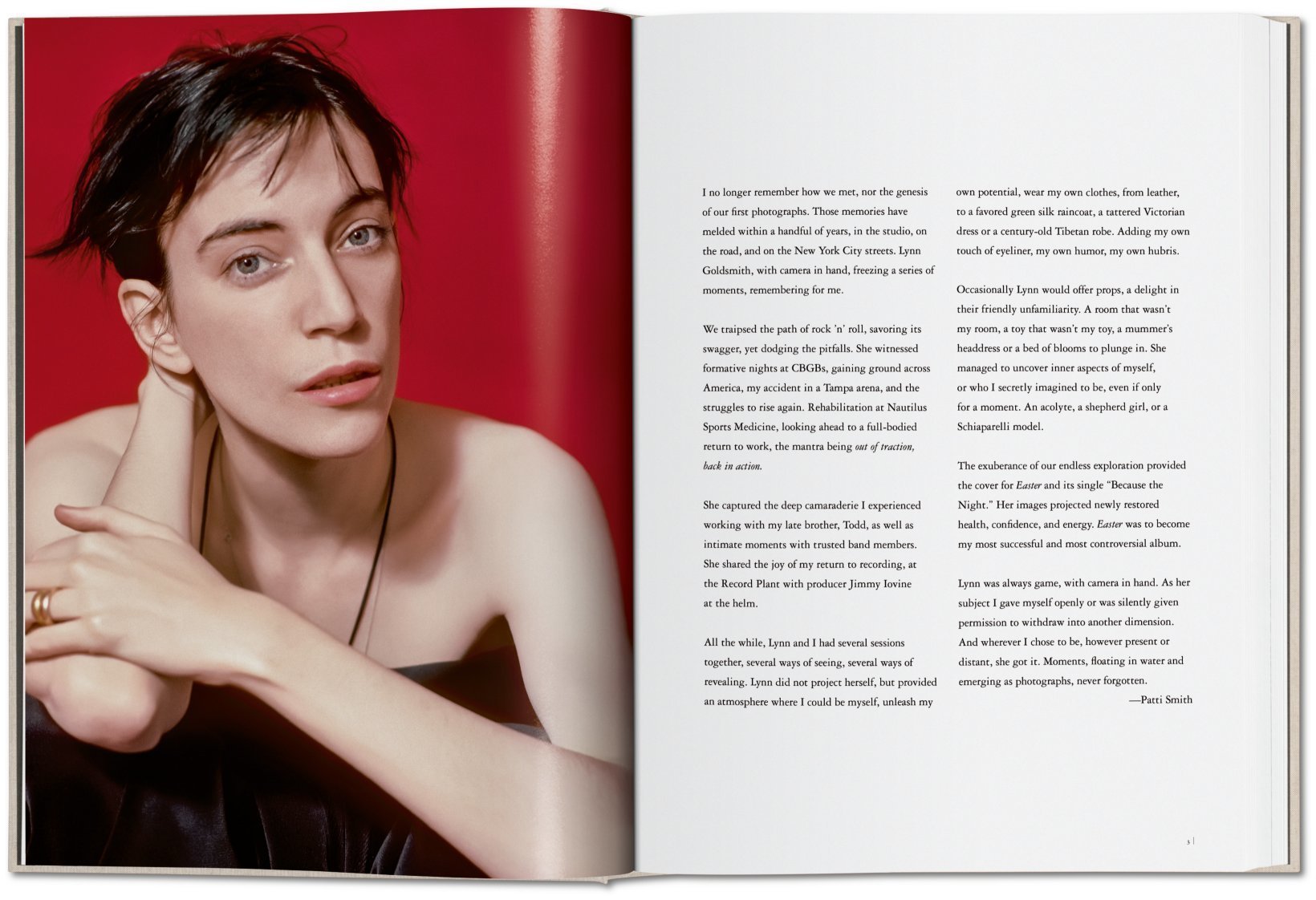
In the event, a cen­sored ver­sion of The Mas­ter and Mar­gari­ta was first pub­lished in the 1960s, and an as-com­plete-as-pos­si­ble ver­sion even­tu­al­ly appeared in 1973. Against the odds, the man­u­script that Bul­gakov left behind sur­vived him to become a mas­ter­piece that has inspired not just oth­er Russ­ian writ­ers, but cre­ators like the Rolling StonesPat­ti Smith, and (in a per­haps less than safe-for-work man­ner) H.R. Giger as well. Per­haps the author him­self had some pre­mo­ni­tion of the book’s poten­tial: man­u­scripts, as he famous­ly has Woland say to the Mas­ter, don’t burn.

Look­ing for free, pro­fes­sion­al­ly-read audio books from Audible.com? (This could include The Mas­ter and Mar­gari­ta.) Here’s a great, no-strings-attached deal. If you start a 30 day free tri­al with Audible.com, you can down­load two free audio books of your choice. Get more details on the offer here.

Relat­ed Con­tent:

Mikhail Bulgakov’s The Mas­ter and Mar­gari­ta, Ani­mat­ed in Two Min­utes

Pat­ti Smith’s Musi­cal Trib­utes to the Russ­ian Greats: Tarkovsky, Gogol & Bul­gakov

Why You Should Read Crime and Pun­ish­ment: An Ani­mat­ed Intro­duc­tion to Dostoevsky’s Moral Thriller

Why Should We Read Ray Bradbury’s Fahren­heit 451? A New TED-Ed Ani­ma­tion Explains

Why You Should Read One Hun­dred Years of Soli­tude: An Ani­mat­ed Video Makes the Case

Watch the Sur­re­al­ist Glass Har­mon­i­ca, the Only Ani­mat­ed Film Ever Banned by Sovi­et Cen­sors (1968)

Based in Seoul, Col­in Mar­shall writes and broad­casts on cities, lan­guage, and cul­ture. His projects include the book The State­less City: a Walk through 21st-Cen­tu­ry Los Ange­les and the video series The City in Cin­e­ma. Fol­low him on Twit­ter at @colinmarshall, on Face­book, or on Insta­gram.

Elton John Takes Us Through the Creative Process of His Early Hit “Tiny Dancer” (1970)

We all have our favorites from Elton John’s vast cat­a­log, and I’ll admit that 1970’s “Tiny Dancer” has nev­er been one of mine.

Call me crass, but I tend to get it con­fused with 1973’s “Can­dle in the Wind,” which John retooled so swift­ly for Princess Diana’s 1997 funer­al.

But then Sir Elton—or “Reg” as close friends and long-time lyri­cist Bernie Taupin call the artist for­mer­ly known as Regi­nald Ken­neth Dwight—has always had a knack for work­ing quick­ly, as Taupin explains above.

I’d nev­er been curi­ous enough to inves­ti­gate, but assumed, cor­rect­ly, that the lyric “seam­stress for the band” referred to an actu­al per­son.

John actu­al­ly seems a bit blasé, explain­ing that it’s about Taupin’s then girl­friend and even­tu­al first wife, Max­ine Feibel­man, whom I must thank for inad­ver­tent­ly sup­ply­ing the title of my favorite track, “The Bitch is Back,” which was her code phrase for “Elton’s in a mood.”

As per Sir Elton, “Tiny Dancer”’s lyrics informed the sound, which is more bal­le­ri­na than pirate smile.

And while the orig­i­nal lin­er notes’ ded­i­ca­tion sug­gests that “Tiny Dancer” is indeed a trib­ute to Feibel­man, three wives lat­er, Taupin revised things a bit, telling author Gavin Edwards:

We came to Cal­i­for­nia in the fall of 1970, and sun­shine radi­at­ed from the pop­u­lace. I was try­ing to cap­ture the spir­it of that time, encap­su­lat­ed by the women we met—especially at the clothes stores up and down the Strip in L.A. They were free spir­its, sexy in hiphug­gers and lacy blous­es, and very ethe­re­al, the way they moved. So dif­fer­ent from what I’d been used to in Eng­land. And they all want­ed to sew patch­es on your jeans. They’d moth­er you and sleep with you—it was the per­fect Oedi­pal com­plex.

Writer-direc­tor Cameron Crowe must’ve absorbed that mes­sage, to go by his mem­o­rable use of the song in Almost Famous’ tour bus scene,

Those com­mu­nal good vibes per­me­ate direc­tor Max Weiland’s win­ning entry in a recent John-spon­sored con­test on The Cut, which, like the open­ing scene of La La Land, gets a lot of mileage from LA’s rep­u­ta­tion for traf­fic jams.

Can tick­et buy­ers expect to find the song fea­tured promi­nent­ly in the just released John biopic, Rock­et­man?

No.

(Just kid­ding. Why else would John and his Rock­et­man dop­pel­gänger, actor Taron Egerton choose that one for a duet at John’s annu­al Oscar par­ty?)

Relat­ed Con­tent:

A New Christ­mas Com­mer­cial Takes You on a Sen­ti­men­tal Jour­ney Through Elton John’s Rich Musi­cal Life

Elton John Sings His Clas­sic Hit ‘Your Song’ Through the Years

Elton John Proves He Can Turn any Text into a Song: Watch Him Impro­vise with Lines from Hen­rik Ibsen’s Play, Peer Gynt

Ayun Hal­l­i­day is an author, illus­tra­tor, the­ater mak­er and Chief Pri­ma­tol­o­gist of the East Vil­lage Inky zine.  Join her in New York City this June for the next install­ment of her book-based vari­ety show, Necro­mancers of the Pub­lic Domain. Fol­low her @AyunHalliday.

The Cure Performed the Entire “Disintegration” Album on the 30th Anniversary of Its Release: Watch The Complete Concert Online

30 years after its orig­i­nal release, The Cure per­formed the entire­ty of their 1989 album Dis­in­te­gra­tion at a con­cert held this past Thurs­day at The Syd­ney Opera House. Dis­in­te­gra­tion remains the band’s best-sell­ing album to date, and it now ranks #326 on Rolling Stone’s list of the “500 Great­est Albums of All Time.” You can watch the show, from start to fin­ish, above. Find a setlist, with time­stamps, below.

17:15 Deliri­ous Night

23:44 Fear of Ghosts

30:45 No Heart

34:20 Esten

38:17 2 Late

41:10 Out of Mind

44:46 Bab­ble

54:42 Plain­song

59:25 Pic­tures of You

1:06:44 Close­down

1:11:00 Lovesong

1:14:40 Last Dance

1:19:52 Lul­la­by

1:24:46 Fas­ci­na­tion Street

1:29:47 Prayers for Rain

1:35:34 The Same Deep Water as You

1:44:47 Dis­in­te­gra­tion

1:53:11 Home­sick

2:00:16 Unti­tled

2:10:55 Burn @​

2:17:52 Three Imag­i­nary Boys

2:21:30 Pirate Ships

via Laugh­ing Squid

If you would like to sign up for Open Culture’s free email newslet­ter, please find it here. It’s a great way to see our new posts, all bun­dled in one email, each day.

If you would like to sup­port the mis­sion of Open Cul­ture, con­sid­er mak­ing a dona­tion to our site. It’s hard to rely 100% on ads, and your con­tri­bu­tions will help us con­tin­ue pro­vid­ing the best free cul­tur­al and edu­ca­tion­al mate­ri­als to learn­ers every­where. You can con­tribute through Pay­Pal, Patre­on, and Ven­mo (@openculture). Thanks!

Relat­ed Con­tent:

Watch The Cure’s First TV Appear­ance in 1979 … Before The Band Acquired Its Sig­na­ture Goth Look

Three-Hour Mix­tape Offers a Son­ic Intro­duc­tion to Under­ground Goth Music

Stream 15 Hours of the John Peel Ses­sions: 255 Tracks by Syd Bar­rett, David Bowie, Siouxsie and the Ban­shees & Oth­er Artists

A His­to­ry of Alter­na­tive Music Bril­liant­ly Mapped Out on a Tran­sis­tor Radio Cir­cuit Dia­gram: 300 Punk, Alt & Indie Artists

by | Permalink | Make a Comment ( 2 ) |

The First Museum Dedicated to Japanese Folklore Monsters Is Now Open

As any enthu­si­ast of Godzil­la movies knows, nobody does mon­sters quite like the Japan­ese. The cul­tur­al tra­di­tion of giant crea­tures lay­ing waste to cities is known as kai­jūa com­bi­na­tion of kai (怪), “strange,” and  (獣), “beast.” The well of kai­jū goes deep, but the well of Japan­ese mon­ster­hood itself goes much deep­er. Take yōkai, the cat­e­go­ry of mon­sters, spir­its, and demons whose his­to­ry goes all the way back to the first cen­tu­ry. But it was­n’t until the medieval era that depic­tions of yōkai —whose name com­bines the char­ac­ters  (妖), with its con­no­ta­tions of attrac­tion, bewitch­ment, and calami­ty, and kai (怪), which can indi­cate some­thing sus­pi­cious, a mys­tery, or an appari­tion — turned into pop­u­lar enter­tain­ment.

Most yōkai pos­sess super­nat­ur­al pow­ers, some­times used for good but often not so much. Some look human, while oth­ers, such as the tur­tle-like kap­pa and the intel­li­gent if dis­solute rac­coons called tanu­ki (stars of Stu­dio Ghi­b­li ani­ma­tor Isao Taka­ha­ta’s Pom Poko), resem­ble ani­mals. But the wide world of yōkai also includes shapeshifters as well as only seem­ing­ly inan­i­mate objects. You can famil­iar­ize your­self with all of them — from the gong-bang­ing bake ichō no sei who hang around under gingko trees to the cloth drag­on shi­ro uneri born of a dishrag to the “tem­ple-peck­er” ter­at­sut­su­ki who lives among Bud­dhist priests and on a diet of rage — at the Eng­lish-lan­guage data­base Yokai.com.

Demand for yōkai sto­ries increased dur­ing the ear­ly 17th to the mid-18th cen­tu­ry Edo peri­od, which saw the intro­duc­tion of the print­ing press to Japan. One pop­u­lar tale of that era, Ino Mononoke Roku, tells of a young boy who must under­go 30 days of con­fronta­tions with var­i­ous yōkai in the city of Miyoshi. It’s no coin­ci­dence that the very first muse­um ded­i­cat­ed to yōkai has just opened in that same place. “The Miyoshi Mononoke Muse­um, or for­mal­ly the Yumo­to Koichi Memo­r­i­al Japan Yokai Muse­um, opened in the city of Miyoshi after Koichi Yumo­to, a 68-year-old eth­nol­o­gist and yokai researcher in Tokyo, donat­ed some 5,000 items from his col­lec­tion in 2016,” says the Japan Times. “The muse­um dis­plays about 160 items from Yumoto’s col­lec­tion, which includes a scroll paint­ing of the famous folk­tale and crafts.”

Locat­ed in Hiroshi­ma Pre­fec­ture (also home to the Onomichi Muse­um of Art and its famous cats Ken-chan and Go-chan), the Miyoshi Mononoke Muse­um fea­tures “about 160 items from Yumoto’s col­lec­tion, which includes a scroll paint­ing of the famous folk­tale and crafts,” an “inter­ac­tive dig­i­tal pic­ture book of yōkai” as well as oppor­tu­ni­ties to “take pho­tos with the mon­sters using a spe­cial cam­era set up at the site.” You’ll find a suit­ably odd ani­mat­ed pro­mo­tion­al video for the muse­um, which turns into a yōkai dance par­ty, at the top of the post. Whether or not you believe that these attrac­tive, bewitch­ing, calami­tous, sus­pi­cious, mys­te­ri­ous appari­tions real­ly inhab­it the world today, you have to acknowl­edge their knack for inhab­it­ing every form of media that has arisen over the cen­turies.

Relat­ed Con­tent:

Bam­bi Meets Godzil­la: #38 on the List of The 50 Great­est Car­toons of All Time

Mar­i­lyn Mon­roe & Elvis Pres­ley Star in an Action-Packed Pop Art Japan­ese Mon­ster Movie

Dis­cov­er the Japan­ese Muse­um Ded­i­cat­ed to Col­lect­ing Rocks That Look Like Human Faces

Two Cats Keep Try­ing to Get Into a Japan­ese Art Muse­um … and Keep Get­ting Turned Away: Meet the Thwart­ed Felines, Ken-chan and Go-chan

Watch “The Mid­night Par­a­sites,” a Sur­re­al Japan­ese Ani­ma­tion Set in the World of Hierony­mus Bosch’s The Gar­den of Earth­ly Delights (1972)

Based in Seoul, Col­in Mar­shall writes and broad­casts on cities, lan­guage, and cul­ture. His projects include the book The State­less City: a Walk through 21st-Cen­tu­ry Los Ange­les and the video series The City in Cin­e­ma. Fol­low him on Twit­ter at @colinmarshall, on Face­book, or on Insta­gram.

The Art & Cooking of Frida Kahlo, Salvador Dali, Georgia O’Keeffe, Vincent Van Gogh & More

Mex­i­can cui­sine is as time-con­sum­ing as it is deli­cious.

Fri­da Kahlo fans attract­ed to the idea of dupli­cat­ing some dish­es from the ban­quet served at her wed­ding to fel­low artist Diego Rivera should set aside ample time, so as to tru­ly enjoy the expe­ri­ence of mak­ing chiles rel­lenos and nopales sal­ad from scratch.

Sarah Urist Green’s Kahlo-themed cook­ing les­son, above, adapt­ed from Marie-Pierre Colle and Frida’s step­daugh­ter Guadalupe Rivera’s 1994 cook­book Frida’s Fies­tas: Recipes and Rem­i­nis­cences of Life with Fri­da Kahlo, is refresh­ing­ly frank about the chal­lenges of tack­ling these types of dish­es, espe­cial­ly for those of us whose grand­mas ran more toward Jell‑O sal­ad.

Her self-dep­re­ca­tion should go a long way toward reas­sur­ing less-skilled cooks that per­fec­tion is not the goal.

As she told Nuvo’s Dan Gross­man:

The art cook­ing videos are immense­ly fun to make… And what I’m try­ing to do is reach peo­ple who aren’t nec­es­sar­i­ly out­ward­ly into art or don’t know whether they’re into art so they’re not going to click on a video that’s strict­ly about art. But if you can present art ideas through a cook­ing tuto­r­i­al per­haps they’ll be more open to it. I love to cook. And I love to think about that side of art his­to­ry.

To that end, she takes a cou­ple of bite-sized art breaks, to intro­duce view­ers to Frida’s life and work, while the toma­toes are roast­ing.

As tempt­ing as it is for old Fri­da hands to skip this well-chart­ed ter­rain, doing so will not make din­ner ready any faster. Why not enjoy the non-cook­ing relat­ed sec­tions with the eas­i­est item on the menu—a tequi­la shot?

Don’t trick your­self into think­ing there’s noth­ing more to learn.

For instance, I did not know the Span­ish for “I can’t get over this hang­over,” but Frida’s pet par­rot did. (Didn’t know that either.)

Green also offers some quick how-tos that could come in handy for oth­er, less time-con­sum­ing dish­es, like a sand­wich or a plate of home­made pasta—everything from how to make home­made toma­to sauce  to denud­ing prick­ly pear cac­tus pads of their non-edi­ble spines.

If you’re undaunt­ed by the Fri­da recipes, per­haps you should pro­ceed to Sal­vador Dali’s tow­er­ing Bush of Cray­fish in Viking herbs, or the Futur­ists’ high­ly sug­ges­tive Meat Sculp­ture. Oth­er recipes come from Vin­cent Van Gogh and Geor­gia O’Ke­effe. See above.

Books ref­er­enced in the videos include: Din­ner with Geor­gia O’Ke­effe; A Painter’s Kitchen: Recipes from the Kitchen of Geor­gia O’Ke­effe; Dal­i’s Les Din­ers de GalaVan Gogh’s Table at the Auberge Ravoux: Recipes From the Artist’s Last Home and Paint­ings of Cafe Life; and again Frida’s Fies­tas: Recipes and Rem­i­nis­cences of Life with Fri­da Kahlo.

View the full playlist of The Art Assignment’s Art Cook­ing episodes here.

Relat­ed Con­tent:

The Futur­ist Cook­book (1930) Tried to Turn Ital­ian Cui­sine into Mod­ern Art

MoMA’s Artists’ Cook­book (1978) Reveals the Meals of Sal­vador Dalí, Willem de Koon­ing, Andy Warhol, Louise Bour­geois & More

Sal­vador Dalí’s 1973 Cook­book Gets Reis­sued: Sur­re­al­ist Art Meets Haute Cui­sine

Ayun Hal­l­i­day is an author, illus­tra­tor, the­ater mak­er and Chief Pri­ma­tol­o­gist of the East Vil­lage Inky zine.  Join her in New York City this June for the next install­ment of her book-based vari­ety show, Necro­mancers of the Pub­lic Domain. Fol­low her @AyunHalliday.

Metallica, REM, Led Zeppelin & Queen Sung in the Style of Gregorian Chant

Gre­go­ri­an chants became a thing very briefly in the ear­ly 1990s, when Ger­man elec­tron­ic group Enig­ma com­bined them with the Soul II Soul “Keep On Movin’” drum loop and that ever­p­re­sent shakuhachi sam­ple for “Sad­ness Part One”. And then that song was *every­where* for the first half of the 90s, giv­ing rise to chill­out music like the Orb and The Future Sound of Lon­don.

Gre­go­ri­an music fad­ed away as a trend in dance music, but it’s nev­er real­ly gone away. Bol­stered by some claims that the sooth­ing voic­es help increase alpha waves in the brain, groups like Gre­go­ri­an (cre­at­ed by Enigma’s Frank Peter­son) set about arrang­ing pop songs in the Gre­go­ri­an style, start­ing in 1999.

Oth­ers have fol­lowed suit, or should I say fol­lowed cowl (such as Aus­cul­tate, which cre­at­ed the Queen cov­er below).

But Gre­go­ri­an (the group) is the king of them all, and Petersen’s project has gone on to sell over 5.5 mil­lion albums.

Corny or not, the project is immense­ly pop­u­lar world­wide, and has pro­duced ten “Mas­ters of Chant” albums, along with Christ­mas CDs and such. And while our cur­rent pop stars have to get into ath­let­ic con­di­tion for their Vegas-like shows, there’s some­thing to be said for a group of blokes just stand­ing around on stage singing in uni­son like they’re in a crypt. Looks like a decent gig. Here’s a full con­cert:

Relat­ed Con­tent:

A YouTube Chan­nel Com­plete­ly Devot­ed to Medieval Sacred Music: Hear Gre­go­ri­an Chant, Byzan­tine Chant & More

The His­to­ry of Clas­si­cal Music in 1200 Tracks: From Gre­go­ri­an Chant to Górec­ki (100 Hours of Audio)

Expe­ri­ence the Mys­ti­cal Music of Hilde­gard Von Bin­gen: The First Known Com­pos­er in His­to­ry (1098 – 1179)

Ted Mills is a free­lance writer on the arts who cur­rent­ly hosts the artist inter­view-based FunkZone Pod­cast and is the pro­duc­er of KCR­W’s Curi­ous Coast. You can also fol­low him on Twit­ter at @tedmills, read his oth­er arts writ­ing at tedmills.com and/or watch his films here.

Take a Visual Journey Through 181 Years of Street Photography (1838–2019)

All of us here in the 2010s have, at one time or anoth­er, been street pho­tog­ra­phers. But up until 1838, nobody had ever been a street pho­tog­ra­ph­er. In that year when cam­era phones were well beyond even the ken of sci­ence fic­tion, Louis Daguerre, the inven­tor of the daguerreo­type process and one of the fathers of pho­tog­ra­phy itself, took the first pho­to of a human being. In so doing he also became the first street pho­tog­ra­ph­er, cap­tur­ing as his pic­ture did not just a human being but the urban envi­ron­ment inhab­it­ed by that human being, in this case Paris’ Boule­vard du Tem­ple. Daguer­re’s pic­ture begins the his­tor­i­cal jour­ney through 181 years of street pho­tog­ra­phy, one street pho­to per year all sound­tracked with peri­od-appro­pri­ate songs, in the video above.

From the dawn of the prac­tice, street pho­tog­ra­phy (unlike smile-free ear­ly pho­to­graph­ic por­trai­ture) has shown life as it’s actu­al­ly lived. Like the lone Parisian who hap­pened to be stand­ing still long enough for Daguer­re’s cam­era to cap­ture, the peo­ple pop­u­lat­ing these images go about their busi­ness with no con­cern for, or even aware­ness of, being pho­tographed.

The ear­li­est street pho­tographs come most­ly from Europe — Lon­don’s Trafal­gar Square, Copen­hagen’s for­mer Ulfeldts Plads (now Gråbrø­dretorv), Rome’s Via di Ripet­ta — but as pho­tog­ra­phy spread, so spread street pho­tog­ra­phy. Rapid­ly indus­tri­al­iz­ing cities in Amer­i­ca and else­where in the for­mer British Empire soon get in on the action, and a few decades lat­er scenes from the cities of Asia, Africa, and the Mid­dle East begin to appear.

Each of these 181 street pho­tographs was tak­en for a rea­son, though most of those rea­sons are now unknown to us. But some pic­tures make it obvi­ous, espe­cial­ly in the case of the star­tling­ly com­mon sub­genre of post-dis­as­ter street pho­tog­ra­phy: we see the after­math of an 1858 brew­ery fire in Mon­tre­al, an 1866 explo­sion in Syd­ney, an 1874 flood in Pitts­burgh, a 1906 earth­quake in San Fran­cis­co, and a 1920 bomb­ing in New York. Each of these pic­tures tells a sto­ry of a moment in the life of a par­tic­u­lar city, but togeth­er they tell the sto­ry of the city itself, as it has over the past two cen­turies grown out­ward, upward, and in every oth­er way nec­es­sary to accom­mo­date grow­ing pop­u­la­tions; trans­porta­tion tech­nolo­gies like bicy­cles, street­cars, auto­mo­biles; spaces like squares, cin­e­mas, and cafés; and above all, the ever-diver­si­fy­ing forms of human life lived with­in them.

Relat­ed Con­tent:

Humans of New York: Street Pho­tog­ra­phy as a Cel­e­bra­tion of Life

19-Year-Old Stu­dent Uses Ear­ly Spy Cam­era to Take Can­did Street Pho­tos (Cir­ca 1895)

Vivian Maier, Street Pho­tog­ra­ph­er, Dis­cov­ered

Pris­tine Footage Lets You Revis­it Life in Paris in the 1890s: Watch Footage Shot by the Lumière Broth­ers

See the First Pho­to­graph of a Human Being: A Pho­to Tak­en by Louis Daguerre (1838)

The His­to­ry of Pho­tog­ra­phy in Five Ani­mat­ed Min­utes: From Cam­era Obscu­ra to Cam­era Phone

Based in Seoul, Col­in Mar­shall writes and broad­casts on cities, lan­guage, and cul­ture. His projects include the book The State­less City: a Walk through 21st-Cen­tu­ry Los Ange­les and the video series The City in Cin­e­ma. Fol­low him on Twit­ter at @colinmarshall, on Face­book, or on Insta­gram.

When Boris Pasternak Won–and Then the Soviets Forced Him to Decline–the Nobel Prize (1958)

Behind the award­ing of the Nobel Prize in Lit­er­a­ture, there are sto­ries upon sto­ries, some as juicy as those in the work of win­ners like William Faulkn­er or Gabriel Gar­cía Márquez—and some just as dev­as­tat­ing to the par­ties involved. Last year’s award was post­poned after sex­u­al assault alle­ga­tions lead to sev­er­al mem­bers to resign­ing. (There will be two prizes award­ed for 2019.) The charges need­ed to be aired, but if you’re look­ing for details about how the secre­tive com­mit­tee selects the nom­i­nees and win­ners, you’ll have to wait a while.

“The Swedish Acad­e­my keeps all infor­ma­tion about nom­i­na­tions and selec­tions for the pres­ti­gious award secret for 50 years,” writes Alli­son Flood at The Guardian. New­ly unsealed doc­u­ments from the Acad­e­my have shone light on Jean-Paul Sartre’s rejec­tion of the prize in 1964, and the shun­ning of Samuel Beck­ett in 1968 by com­mit­tee chair­man Anders Öster­ling, who found his work too nihilis­tic (Beck­ett won the fol­low­ing year), and of Vladimir Nabokov, whose Loli­ta Öster­ling declared “immoral.”

Per­haps the sad­dest of Nobel sto­ries has tak­en on even more vivid detail, not only through new­ly opened files of the Nobel Prize com­mit­tee, but also recent­ly declas­si­fied CIA doc­u­ments that show how the agency used Boris Pasternak’s Doc­tor Zhiva­go as a pro­pa­gan­da tool (hand­ing out hasty re-trans­la­tions into Russ­ian to Sovi­et vis­i­tors at the World’s Fair). In Octo­ber 1958, the author was award­ed the Nobel Prize in Lit­er­a­ture. He had, as The Guardian report­ed in Octo­ber of that year, intend­ed to “accept it in per­son in Stock­holm next month.” He may have had lit­tle rea­son to think he could not do so.

Despite his role as a per­pet­u­al thorn in the side of the Sovi­et gov­ern­ment, and their attempts to sup­press his work and refusal to allow Doc­tor Zhiva­go to be pub­lished, the repres­sive regime most­ly gave Paster­nak his rel­a­tive free­dom, even after the nov­el was smug­gled abroad, trans­lat­ed, and released to an inter­na­tion­al read­er­ship. Whether or not the Nobel com­mit­tee chose him as an anti-Com­mu­nist state­ment, as some have alleged, made no dif­fer­ence to his rep­u­ta­tion around the world as a pen­e­trat­ing real­ist in the great Russ­ian nov­el­is­tic tra­di­tion.

The award might have been per­ceived as a val­i­da­tion of Russ­ian let­ters, but the Sovi­ets saw it as a threat. They had “raged” against Doc­tor Zhiva­go and its “anti-Marx­ist” pas­sages, “but that only increased its pop­u­lar­i­ty,” writes Ben Panko at Smith­son­ian. Paster­nak had already been “repeat­ed­ly nom­i­nat­ed for the Nobel Prize” and the “world­wide buzz around his new book pushed him to the top of the list in 1958.” Upon learn­ing of the win, he sent a telegram to the com­mit­tee that read, in part, “Thank­ful, glad, proud, con­fused.”

Days lat­er, as The Guardian wrote, Paster­nak decid­ed to decline the award “with­out hav­ing con­sult­ed even his friends.” He sent a short telegram to the Swedish Acad­e­my read­ing:

Con­sid­er­ing the mean­ing this award has been giv­en in the soci­ety to which I belong, I must reject this unde­served prize which has been pre­sent­ed to me. Please do not receive my vol­un­tary rejec­tion with dis­plea­sure. — Paster­nak.

The author’s “deci­sion” was not as abrupt as it might have seemed. In the days after his win, a storm raged, as he put it. Even before the declas­si­fied trove of infor­ma­tion, read­ers around the world could fol­low the sto­ry, “which had more twists and turns than a Cold War-era spy nov­el,” Tina Jor­dan writes at The New York Times. It played out in the papers “with one front-page sto­ry after anoth­er.” Paster­nak angered the Sovi­ets by express­ing his “delight” at win­ning the prize in an inter­view. He was denounced in Sovi­et news­pa­pers, called by a Prav­da edi­tor a “malev­o­lent Philis­tine” and “libel­er,” and his book described as “low-grade reac­tionary hack­work.”

Paster­nak faced exile in the days after he gave up the prize and issued a forced pub­lic apol­o­gy in Prav­da on Novem­ber 6. The Acad­e­my held the cer­e­mo­ny in his absence and placed his award in trust “in case he may some day have a chance to accept them,” the Times report­ed. Paster­nak had hoped to be rein­stat­ed to the Sovi­et Writer’s Union, which had expelled him, and had hoped that his nov­el would be pub­lished in his own coun­try and lan­guage in his life­time.

Nei­ther of these things occurred. The events sur­round­ing the Nobel broke him. His health began to fail and he died two years lat­er in 1960. Pasternak’s son Yevge­ny describes in mov­ing detail see­ing his father the night after he turned down the Nobel. “I couldn’t rec­og­nize my father when I saw him that evening. Pale, life­less face, tired painful eyes, and only speak­ing about the same thing: ‘Now it all doesn’t mat­ter, I declined the Prize.’” Doc­tor Zhiva­go was pub­lished in the Sovi­et Union in 1988. “The fol­low­ing year,” notes Panko, “Yevge­ny was allowed to go to Oslo and retrieve his father’s denied prize.”

Look­ing for free, pro­fes­sion­al­ly-read audio books from Audible.com? That could include  Doc­tor Zhiva­go. Here’s a great, no-strings-attached deal. If you start a 30 day free tri­al with Audible.com, you can down­load two free audio books of your choice. Get more details on the offer here.

Relat­ed Con­tent:

Jean-Paul Sartre Rejects the Nobel Prize in Lit­er­a­ture in 1964: “It Was Mon­strous!”

Hear Albert Camus Deliv­er His Nobel Prize Accep­tance Speech (1957)

How the Inven­tor of Dyna­mite, Alfred Nobel, Read an Obit­u­ary That Called Him “The Mer­chant of Death” and Made Amends by Cre­at­ing the Nobel Prize

Josh Jones is a writer and musi­cian based in Durham, NC. Fol­low him at @jdmagness.

The Story of Pure Hell, the “First Black Punk Band” That Emerged in the 70s, Then Disappeared for Decades

In the mid-sev­en­ties, many peo­ple felt exclud­ed from and dis­dained by the main­stream of rock and roll, which had large­ly come to rep­re­sent itself as a straight white boys and girls club full of super­rich rock stars. The nar­row image fos­tered atti­tudes of implic­it racism and homo­pho­bia that explod­ed in the 1979 “Dis­co Sucks” back­lash. This despite the fact that rock and roll began as inter­ra­cial music built on the flam­boy­ant­ly ambigu­ous sex­u­al­i­ty of Lit­tle Richard, the racy short sto­ries of Chuck Berry, the grooves of Chub­by Check­er, the edgy beats of Bo Did­dley, and a great many unsung black female per­form­ers.

Now we tend to remem­ber 70s rock dif­fer­ent­ly, not so much as the era of KISS or the Eagles, but as the trans­gres­sive time of David Bowie, Iggy Pop, Lou Reed, and Fred­die Mer­cury, of the huge com­mer­cial and cre­ative tri­umphs of women-led bands like Fleet­wood Mac and Heart, of punk and new wave out­siders set­ting the tem­plate for four decades of alter­na­tive rock: The Ramones, Pat­ti Smith, the Sex Pis­tols, Blondie, The Clash, Joy Divi­sion, Talk­ing Heads, Gary Numan, Kraftwerk…. We remem­ber it, still, as a time when rock was most­ly white, and when black artists most­ly record­ed dis­co, funk, soul, and R&B.

The record indus­try and radio mar­kets had seg­re­gat­ed, and it would stay that way into the 80s, though jazz artists like Miles Davis made seri­ous inroads into rock exper­i­men­ta­tion, bands like Parliament/Funkadelic released hard rock psy­che­delia, Prince chan­neled both Lit­tle Richard and Chuck Berry, and ear­ly punks like Detroit’s Death and Philadelphia’s Pure Hell made ground­break­ing punk and met­al. The for­mer escaped crit­i­cal notice, but the lat­ter became famous, then dis­ap­peared from rock his­to­ry for decades.

Death, the vision­ary trio of broth­ers who were recent­ly redis­cov­ered and cel­e­brat­ed, nev­er real­ly made it in their time out­side of a small cir­cle. Pure Hell, on the oth­er hand, were an inte­gral part of the New York punk scene and stars in Europe, and have been for­got­ten by most offi­cial punk his­to­ries. They “lived with the New York Dolls and played with Sid Vicious,” writes Cas­sidy George at Dazed, “but they’ve been large­ly writ­ten out of cul­tur­al his­to­ry.” They are some­times writ­ten back in, just as, to their dis­may, they were pro­mot­ed: as the “first black punk band.” But there’s far more to their his­to­ry than that.

“I don’t want to be remem­bered just because we were black,” says singer Ken­ny “Stinker” Gor­don. “I want to be remem­bered for being a part of the first tier of punk in the 70s.” He is not exag­ger­at­ing. New York Dolls gui­tarist John­ny Thun­ders pro­mot­ed the band, lead­ing to gigs as Max’s Kansas City and a fea­ture in Andy Warhol’s Inter­view mag­a­zine, “mark­ing their ‘place’ in a scene of cul­tur­al influ­encers.” They appeared in a 1978 issue of Melody Mak­er dur­ing their UK tour, in a pho­to with Sid Vicious, who wears his swasti­ka t‑shirt and pad­lock and chain. (Gor­don also wore a swasti­ka t‑shirt onstage.) Just one of many sec­ond-page write-ups in Melody Mak­er, NME, and the Euro­pean press.

All of the hype sur­round­ing the band is part of the his­tor­i­cal record, for those who look through back­pages and archives, but their music has most­ly gone unheard for over a gen­er­a­tion, large­ly because their album Noise Addic­tion only came out in 2006. After they released their first sin­gle in ‘78, then refused to change their sound for a record deal, their man­ag­er Cur­tis Knight abscond­ed with the mas­ter tapes and refused to release them. Lis­ten to their debut sin­gle, a cov­er of “These Boots Are Made for Walk­ing,” above. Melody Mak­er called it, with a wink, “the for­mer Nan­cy Sina­tra hit.” The song reached num­ber four on the UK alter­na­tive charts.

Pure Hell describe their jour­ney through the mid-sev­en­ties New York punk scene in the mon­tage of inter­view clips at the top, scored by wicked, riff-laden record­ings of their songs. The sto­ry began with four friends from a tough neigh­bor­hood in West Philadel­phia. “We dressed in drag and wore wigs, basi­cal­ly dar­ing peo­ple to both­er us. Peo­ple in the neigh­bor­hood would say, ‘Don’t go into hous­es with those guys, you may not come out!’” They were pres­sured to join a gang, says bassist Lenny “Steel” Boles, but refused. They packed up a U‑Haul and moved into the Chelsea Hotel, then played their first show across the street at Mother’s.

Leg­endary sto­ries about the band abound. (They played Sid Vicious’ last appear­ance onstage and were caught up in the media cir­cus sur­round­ing Nan­cy Spungen’s death). What’s most inter­est­ing about them is the music and their last­ing influ­ence, despite what Boles describes as being “snubbed” by record labels unless they agreed to “do this Motown thing, say­ing like, ‘You guys are black so you’ve got­ta do some­thing that’s dance­able.” After los­ing their man­ag­er and their mas­ters, they set­tled in L.A., where they played with the Germs and the Cramps but “lost their momen­tum,” writes George.

“It was total­ly over by 1980,” says Gor­don. All the same, their heavy pro­to-met­al sound, draw­ing from reg­gae and Hen­drix as much as from Bowie and Nan­cy Sina­tra, sparked the admi­ra­tion of many emerg­ing punk bands, includ­ing Wash­ing­ton, DC leg­ends Bad Brains, who acknowl­edge the debt their furi­ous reggae/metal thrash owes to Pure Hell. Bad Brains broke col­or bar­ri­ers in New York a few years lat­er, and got most of the cred­it for it, large­ly because Pure Hell left behind noth­ing but a mys­te­ri­ous sin­gle and a “rumor,” says Hen­ry Rollins, “that they had made an album and that it was sit­ting in a clos­et.”

After the tapes resur­faced, near­ly every­one who heard the record became an instant fan, includ­ing Rollins. “If the album had come out when they made it, that would have been a game chang­er,” he says. “I believe [it] would have had a tremen­dous impact. It’s one of those missed oppor­tu­ni­ty sto­ries.” But it is also a found oppor­tu­ni­ty sto­ry. They are now get­ting recog­ni­tion for their music and his­tor­i­cal role. In 2012 they reformed to play their first show since 1979, with Ran­cid, Buz­zcocks, Pub­lic Image Ltd, and Social Dis­tor­tion. Pure Hell will find their way back into the sto­ry of New York punk, and it will be a more inter­est­ing sto­ry for their redis­cov­ery.

Relat­ed Con­tent:

CBGB’s Hey­day: Watch The Ramones, The Dead Boys, Bad Brains, Talk­ing Heads & Blondie Per­form Live (1974–1982)

New Doc­u­men­tary Brings You Inside Africa’s Lit­tle-Known Punk Rock Scene

Four Female Punk Bands That Changed Women’s Role in Rock

Josh Jones is a writer and musi­cian based in Durham, NC. Fol­low him at @jdmagness


  • Great Lectures

  • Sign up for Newsletter

  • About Us

    Open Culture scours the web for the best educational media. We find the free courses and audio books you need, the language lessons & educational videos you want, and plenty of enlightenment in between.


    Advertise With Us

  • Archives

  • Search

  • Quantcast