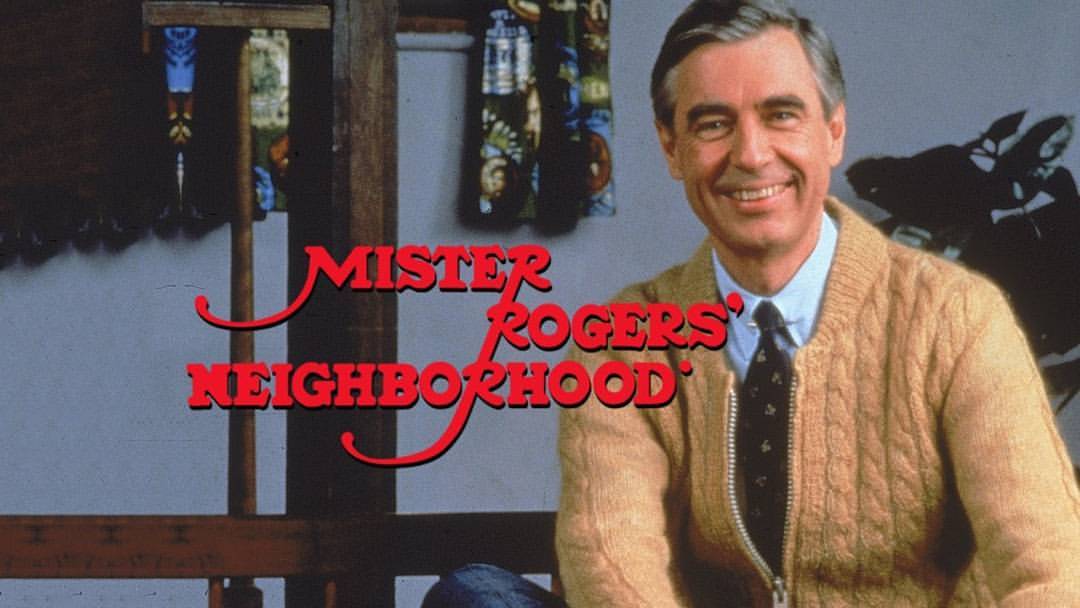
Mr. Rogers’ Nine Rules for Speaking to Children (1977)

The max­im “chil­dren need rules” does not nec­es­sar­i­ly describe either a right-wing posi­tion or a left­ist one; either a polit­i­cal or a reli­gious idea. Ide­al­ly, it points to observ­able facts about the biol­o­gy of devel­op­ing brains and psy­chol­o­gy of devel­op­ing per­son­al­i­ties. It means cre­at­ing struc­tures that respect kids’ intel­lec­tu­al capac­i­ties and sup­port their phys­i­cal and emo­tion­al growth. Sub­sti­tut­ing “struc­ture” for rules sug­gests even more strong­ly that the “rules” are main­ly require­ments for adults, those who build and main­tain the world in which kids live.

Grown-ups must, to the best of their abil­i­ties, try and under­stand what chil­dren need at their stage of devel­op­ment, and try to meet those needs. When Susan Sontag’s son David was 7 years old, for exam­ple, the writer and film­mak­er made a list of ten rules for her­self to fol­low, touch­ing on con­cerns about his self-con­cept, rela­tion­ship with his father, indi­vid­ual pref­er­ences, and need for rou­tine. Her first rule serves as a gen­er­al head­ing for the pre­scrip­tions in the oth­er nine: “Be con­sis­tent.”

Sontag’s rules only emerged from her jour­nals after her death. She did not turn them into pub­lic par­ent­ing tips. But near­ly ten years after she wrote them, a man appeared on tele­vi­sion who seemed to embody their exac­ti­tude and sim­plic­i­ty. From the very begin­ning in 1968, Fred Rogers insist­ed that his show be built on strict rules. “There were no acci­dents on Mr. Rogers’ Neigh­bor­hood,” says for­mer pro­duc­er Arthur Green­wald. Or as Maxwell King, author of a recent biog­ra­phy on Rogers, writes at The Atlantic:

He insist­ed that every word, whether spo­ken by a per­son or a pup­pet, be scru­ti­nized close­ly, because he knew that children—the preschool-age boys and girls who made up the core of his audience—tend to hear things lit­er­al­ly…. He took great pains not to mis­lead or con­fuse chil­dren, and his team of writ­ers joked that his on-air man­ner of speak­ing amount­ed to a dis­tinct lan­guage they called “Fred­dish.”

In addi­tion to his con­sis­ten­cy, almost to the point of self-par­o­dy, Rogers made sure to always be absolute­ly crys­tal clear in his speech. He under­stood that young kids do not under­stand metaphors, most­ly because they haven’t learned the com­mon­ly agreed-upon mean­ings. Preschool-age chil­dren also have trou­ble under­stand­ing the same uses of words in dif­fer­ent con­texts. In one seg­ment on the show, for exam­ple, a nurse says to a child wear­ing a blood-pres­sure cuff, “I’m going to blow this up.”

Rogers had the crew redub the line with “’I’m going to puff this up with some air.’ ’Blow up’ might sound like there’s an explo­sion,” Green­wald remem­bers, “and he didn’t want kids to cov­er their ears and miss what would hap­pen next.” In anoth­er exam­ple, Rogers wrote a song called “You Can Nev­er Go Down the Drain,” to assuage a com­mon fear that very young chil­dren have. There is a cer­tain log­ic to the think­ing. Drains take things away, why not them?

Rogers “was extra­or­di­nar­i­ly good at imag­in­ing where children’s minds might go,” writes King, explain­ing to them, for exam­ple, that an oph­thal­mol­o­gist could not look into his mind and see his thoughts. His care with lan­guage so amused and awed the show’s cre­ative team that in 1977, Green­wald and writer Bar­ry Head cre­at­ed an illus­trat­ed satir­i­cal man­u­al called “Let’s Talk About Fred­dish.” Any­one who’s seen the doc­u­men­tary Won’t You Be My Neigh­bor? knows Rogers could take a good-natured joke at his expense, like­ly includ­ing the imag­i­na­tive recon­struc­tion of his meth­ods below.

  1. “State the idea you wish to express as clear­ly as pos­si­ble, and in terms preschool­ers can under­stand.” Exam­ple: It is dan­ger­ous to play in the street.
  2. “Rephrase in a pos­i­tive man­ner,” as in It is good to play where it is safe.
  3. “Rephrase the idea, bear­ing in mind that preschool­ers can­not yet make sub­tle dis­tinc­tions and need to be redi­rect­ed to author­i­ties they trust.” As in, “Ask your par­ents where it is safe to play.”
  4. “Rephrase your idea to elim­i­nate all ele­ments that could be con­sid­ered pre­scrip­tive, direc­tive, or instruc­tive.” In the exam­ple, that’d mean get­ting rid of “ask”: Your par­ents will tell you where it is safe to play.
  5. “Rephrase any ele­ment that sug­gests cer­tain­ty.” That’d be “will”: Your par­ents can tell you where it is safe to play.
  6. “Rephrase your idea to elim­i­nate any ele­ment that may not apply to all chil­dren.” Not all chil­dren know their par­ents, so: Your favorite grown-ups can tell you where it is safe to play.
  7. “Add a sim­ple moti­va­tion­al idea that gives preschool­ers a rea­son to fol­low your advice.” Per­haps: Your favorite grown-ups can tell you where it is safe to play. It is good to lis­ten to them.
  8. “Rephrase your new state­ment, repeat­ing the first step.” “Good” rep­re­sents a val­ue judg­ment, so: Your favorite grown-ups can tell you where it is safe to play. It is impor­tant to try to lis­ten to them.
  9. “Rephrase your idea a final time, relat­ing it to some phase of devel­op­ment a preschool­er can under­stand.” Maybe: Your favorite grown-ups can tell you where it is safe to play. It is impor­tant to try to lis­ten to them, and lis­ten­ing is an impor­tant part of grow­ing.

His crew respect­ed him so much that even their par­o­dies serve as slight­ly exag­ger­at­ed trib­utes to his con­cerns. Rogers adapt­ed his philo­soph­i­cal guide­lines from the top psy­chol­o­gists and child-devel­op­ment experts of the time. The 9 Rules (or maybe 9 Stages) of “Fred­dish” above, as imag­ined by Green­wald and Head, reflect their work. Maybe implied in the joke is that his metic­u­lous pro­ce­dure, con­sid­er­ing the pos­si­ble effects of every word, would be impos­si­ble to emu­late out­side of his script­ed encoun­ters with chil­dren, prepped for by hours of con­ver­sa­tion with child-devel­op­ment spe­cial­ist Mar­garet McFar­land.

Such is the kind of expe­ri­ence par­ents, teach­ers, and oth­er care­tak­ers nev­er have. But Rogers under­stood and acknowl­edged the unique pow­er and priv­i­lege of his role, more so than most every oth­er children’s TV pro­gram­mer. He made sure to get it right, as best he could, each time, not only so that kids could bet­ter take in the infor­ma­tion, but so the grown-ups in their lives could make them­selves bet­ter under­stood. Rogers want­ed us to know, says Green­wald, “that the inner life of chil­dren was dead­ly seri­ous to them,” and thus deserv­ing of care and recog­ni­tion.

via Men­tal Floss

Relat­ed Con­tent:

Watch a Marathon Stream­ing of All 856 Episodes of Mis­ter Rogers Neigh­bor­hood, and the Mov­ing Trail­er for the New Doc­u­men­tary, Won’t You Be My Neigh­bor?

Mis­ter Rogers Accepts a Life­time Achieve­ment Award, and Helps You Thank Every­one Who Has Made a Dif­fer­ence in Your Life

When Fred Rogers and Fran­cois Clem­mons Broke Down Race Bar­ri­ers on a His­toric Episode of Mis­ter Rogers’ Neigh­bor­hood (1969)

Josh Jones is a writer and musi­cian based in Durham, NC. Fol­low him at @jdmagness

Why the World’s Best Mathematicians Are Hoarding Japanese Chalk

Here’s the lat­est from Great Big Sto­ry: “Once upon a time, not long ago, the math world fell in love … with a chalk. But not just any chalk! This was Hagoro­mo: a Japan­ese brand so smooth, so per­fect that some won­dered if it was made from the tears of angels. Pen­cils down, please, as we tell the tale of a writ­ing imple­ment so irre­place­able, pro­fes­sors stock­piled it.”

Head over to Ama­zon and try to buy it, and all you get is: “Cur­rent­ly unavail­able. We don’t know when or if this item will be back in stock.” Indeed, they’ve stock­piled it all.

If you would like to sup­port the mis­sion of Open Cul­ture, con­sid­er mak­ing a dona­tion to our site. It’s hard to rely 100% on ads, and your con­tri­bu­tions will help us con­tin­ue pro­vid­ing the best free cul­tur­al and edu­ca­tion­al mate­ri­als to learn­ers every­where. You can con­tribute through Pay­Pal, Patre­on, and Ven­mo (@openculture). Thanks!

Relat­ed Con­tent:

Stephen Hawking’s Lec­tures on Black Holes Now Ful­ly Ani­mat­ed with Chalk­board Illus­tra­tions

The Map of Math­e­mat­ics: Ani­ma­tion Shows How All the Dif­fer­ent Fields in Math Fit Togeth­er

Free Online Math Cours­es

by | Permalink | Make a Comment ( 2 ) |

Pioneering Computer Scientist Grace Hopper Shows Us How to Visualize a Nanosecond (1983)

Human imag­i­na­tion seems seri­ous­ly lim­it­ed when faced with the cos­mic scope of time and space. We can imag­ine, through stop-motion ani­ma­tion and CGI, what it might be like to walk the earth with crea­tures the size of office build­ings. But how to wrap our heads around the fact that they lived hun­dreds of mil­lions of years ago, on a plan­et some four and a half bil­lion years old? We trust the sci­ence, but can’t rely on intu­ition alone to guide us to such mind-bog­gling knowl­edge.

At the oth­er end of the scale, events mea­sured in nanosec­onds, or bil­lionths of a sec­ond, seem incon­ceiv­able, even to some­one as smart as Grace Hop­per, the Navy math­e­mati­cian who invent­ed COBOL and helped built the first com­put­er. Or so she says in the 1983 video clip above from one of her many lec­tures in her role as a guest lec­tur­er at uni­ver­si­ties, muse­ums, mil­i­tary bod­ies, and cor­po­ra­tions.

When she first heard of “cir­cuits that act­ed in nanosec­onds,” she says, “bil­lionths of a sec­ond… Well, I didn’t know what a bil­lion was…. And if you don’t know what a bil­lion is, how on earth do you know what a bil­lionth is? Final­ly, one morn­ing in total des­per­a­tion, I called over the engi­neer­ing build­ing, and I said, ‘Please cut off a nanosec­ond and send it to me.” What she asked for, she explains, and shows the class, was a piece of wire rep­re­sent­ing the dis­tance a sig­nal could trav­el in a nanosec­ond.

Now of course it wouldn’t real­ly be through wire — it’d be out in space, the veloc­i­ty of light. So if we start with a veloc­i­ty of light and use your friend­ly com­put­er, you’ll dis­cov­er that a nanosec­ond is 11.8 inch­es long, the max­i­mum lim­it­ing dis­tance that elec­tric­i­ty can trav­el in a bil­lionth of a sec­ond.

Fol­low the rest of her expla­na­tion, with wire props, and see if you can bet­ter under­stand a mea­sure of time beyond the reach­es of con­scious expe­ri­ence. The expla­na­tion was imme­di­ate­ly suc­cess­ful when she began using it in the late 1960s “to demon­strate how design­ing small­er com­po­nents would pro­duce faster com­put­ers,” writes the Nation­al Muse­um of Amer­i­can His­to­ry. The bun­dle of wires below, each about 30cm (11.8 inch­es) long, comes from a lec­ture Hop­per gave muse­um docents in March 1985.

Pho­to via the Nation­al Muse­um of Amer­i­can His­to­ry

Like the age of the dinosaurs, the nanosec­ond may only rep­re­sent a small frac­tion of the incom­pre­hen­si­bly small units of time sci­en­tists are even­tu­al­ly able to measure—and com­put­er sci­en­tists able to access. “Lat­er,” notes the NMAH, “as com­po­nents shrank and com­put­er speeds increased, Hop­per used grains of pep­per to rep­re­sent the dis­tance elec­tric­i­ty trav­eled in a picosec­ond, one tril­lionth of a sec­ond.”

At this point, the map becomes no more reveal­ing than the unknown ter­ri­to­ry, invis­i­ble to the naked eye, incon­ceiv­able but through wild leaps of imag­i­na­tion. But if any­one could explain the increas­ing­ly inex­plic­a­ble in terms most any­one could under­stand, it was the bril­liant but down-to-earth Hop­per.

via Kot­tke

Relat­ed Con­tent:

Meet Grace Hop­per, the Pio­neer­ing Com­put­er Sci­en­tist Who Helped Invent COBOL and Build the His­toric Mark I Com­put­er (1906–1992)

The Map of Com­put­er Sci­ence: New Ani­ma­tion Presents a Sur­vey of Com­put­er Sci­ence, from Alan Tur­ing to “Aug­ment­ed Real­i­ty”

Free Online Com­put­er Sci­ence Cours­es 

Josh Jones is a writer and musi­cian based in Durham, NC. Fol­low him at @jdmagness

Venerable Female Artists, Musicians & Authors Give Advice to the Young: Patti Smith, Laurie Anderson & More

To the Louisiana Chan­nel and the Louisiana Muse­um of Mod­ern Art, on behalf of mature women every­where: Thank you. You have excel­lent taste.

We’ve weath­ered invis­i­bil­i­ty and Mom jeans jokes, as rep­re­sen­ta­tives from our demo­graph­ic are judged more harsh­ly in cat­e­gories that nev­er seem to apply to their male coun­ter­parts in pol­i­tics and the per­form­ing arts.

You’ll find plen­ty of cel­e­brat­ed male artists con­tribut­ing advice to emerg­ing artists in the Louisiana Project’s video series, but the Gueril­la Girls will be grat­i­fied to see how robust­ly rep­re­sent­ed these work­ing women are.

Noth­ing beats author­i­ty con­ferred by decades of pro­fes­sion­al expe­ri­ence.

And while young women are sure to be inspired by these ven­er­a­ble inter­vie­wees, let’s not sell any­one short.

We may have assem­bled a playlist titled Women Artists’ Advice to the Young (watch it from front to back at the bot­tom of the post), but let’s agree that their advice is good for emerg­ing artists of all gen­ders.

Author, poet, and God­moth­er of Punk Pat­ti Smith (born 1946) serves up her ver­sion of to thine own self be true.

Avant-garde com­pos­er and musi­cian Lau­rie Ander­son (born 1947) coun­sels against the sort of nar­row self-def­i­n­i­tion that dis­cour­ages artis­tic explo­ration. Be loose, like a goose.

Author Her­b­jørg Wass­mo (born 1942) wants young artists to pre­pare for the inevitable days of low moti­va­tion and self-doubt by resolv­ing to work regard­less.

Oth­er nota­bles include film­mak­er Shirin Neshat (born 1957), author Lydia Davis (born 1947), artist Joyce Pen­sato (born 1941), and per­for­mance artist Mari­na Abramović (born 1946).

The old­est inter­vie­wee in the col­lec­tion, artist Yay­oi Kusama (born 1929), refus­es to sad­dle up and come up with any teacher­ly  advice, but could cer­tain­ly be con­sid­ered a walk­ing exam­ple of what it means to be “liv­ing as an artist with a wish to cre­ate a beau­ti­ful world with human love.”

Enjoy the full playlist here:

Relat­ed Con­tent:

Toni Mor­ri­son Dis­pens­es Sound Writ­ing Advice: Tips You Can Apply to Your Own Work

74 Essen­tial Books for Your Per­son­al Library: A List Curat­ed by Female Cre­atives

A Space of Their Own, a New Online Data­base, Will Fea­ture Works by 600+ Over­looked Female Artists from the 15th-19th Cen­turies

Ayun Hal­l­i­day is an author, illus­tra­tor, the­ater mak­er and Chief Pri­ma­tol­o­gist of the East Vil­lage Inkyzine.  Join her in New York City May 13 for the next install­ment of her book-based vari­ety show, Necro­mancers of the Pub­lic Domain. Fol­low her@AyunHalliday.

What Is Performance Art?: We Explain It with Video Introductions and Classic Performances

If you asked me to define per­for­mance art, I’d prob­a­bly stum­ble into a cou­ple of clichés—you know it when you see it, you kind of have to be there, etc. Such vague cri­te­ria could mean vir­tu­al­ly any event can be called per­for­mance art, and maybe it can. But the prece­dents set in the art world over the course of the 20th cen­tu­ry nar­row things a bit. PBS’s The Art Assign­ment primer above tells us that per­for­mance art is “a term used to describe art in which the body is the medi­um or live action is in some way involved.”

Still, this is mighty broad, encom­pass­ing all the­ater, dance, musi­cal, and rit­u­al per­for­mance through­out human his­to­ry. And that’s kind of the point. Per­for­mance art is some­times seen as an intru­sion of a for­eign body into the art world.

But the his­to­ry above implies that the real anom­aly is the recent ten­den­cy to think of art pri­mar­i­ly as a sta­t­ic visu­al medi­um that excludes the body. The term “per­for­mance art” only took on mean­ing when it had an antag­o­nist to rebel against. Some of those ear­ly rebels includ­ed the Ital­ian Futur­ists, who staged noise con­certs and chaot­ic the­ater pieces to shake things up.

Dada, Bauhaus, Antonin Artaud’s The­ater of Cru­el­ty, the work of John Cage, Mer­ce Cun­ning­ham, ambi­tious Japan­ese per­for­mance pieces, action paint­ing, hap­pen­ings, Fluxus…. In just its first half, The Art Assign­ment video cov­ers the key move­ments using per­for­mance to con­fuse, amuse, offend, and chal­lenge audi­ences. In the 60s and 70s, per­for­mance art became more explic­it­ly polit­i­cal, and more direct­ly con­fronta­tion­al. It also became far more dan­ger­ous for the artist.

In Yoko Ono’s 1965 Cut Piece, for exam­ple, the artist sits motion­less and expres­sion­less on stage, as audi­ence mem­bers are invit­ed to come up one by one, pick up a pair of scis­sors, and cut away any part of her cloth­ing that they want­ed. Most par­tic­i­pants were well-behaved, but one man made men­ac­ing ges­tures with the scis­sors before cut­ting away his piece.

Oth­er artists have gone much further—performing death-defy­ing stunts and real acts of rit­u­al or sym­bol­ic vio­lence on them­selves. (Watch Chris Bur­den get shot for the sake of art below.) Per­for­mance artists “want­ed to make art that could not eas­i­ly be bought or sold,” says the nar­ra­tor of the short intro­duc­tion from the Tate, fur­ther up. “The term per­for­mance came to define art that had a live ele­ment and was wit­nessed by an audi­ence.”

Although we have hours of footage doc­u­ment­ing per­for­mance art pieces through­out the 20th and 21st cen­turies, we real­ly do have to be there, because as part of the audi­ence, we are part of the piece. In some way, if you’ve nev­er par­tic­i­pat­ed in per­for­mance art, you’ve also nev­er real­ly seen it.

This vagary might bring us back to the ques­tion that inevitably arose when per­for­mance was no longer avant-garde: “What isn’t per­for­mance?” The adjec­tive “per­for­ma­tive” cov­ers broad­er ter­ri­to­ry, nam­ing aspects, for exam­ple, of pho­tog­ra­phy, film, sculp­ture, or oth­er media that sim­u­late or stim­u­late action with­out actu­al­ly being live per­for­mance them­selves.

But we should not get lost in abstrac­tions when talk­ing about a type of art—or a way of doing art—that relies on the utmost speci­fici­ty: the irre­ducible con­crete­ness of moments nev­er to be repeat­ed again. This is the nature of work from the most well-known per­for­mance artists, among them Mari­na Abramović—who end­ed up per­form­ing her famous “The Artist is Present” in a pro­found, unex­pect­ed reunion with her for­mer part­ner Ulay in 2010 (fur­ther up).

Ger­man artist Joseph Beuys test­ed his audi­ences’ resolve in absur­dist actions like 1965’s How to Explain Pic­tures to a Dead Hare, in which the artist lit­er­al­ly walks around a gallery with a dead rab­bit, his head cov­ered in hon­ey and gold foil, whis­per­ing to the ani­mal’s corpse while doing a sort of tor­tured dance. The audi­ence watched this through the win­dows of the gallery for three hours. Then they were let in to watch Beuys hold the dead hare with his back to them. Not only do we get but a tiny frac­tion of the per­for­mance, less than a minute in the clip above, but we also see it in a way we nev­er could have if we were there.

A less dis­cussed, but crit­i­cal, aspect of per­for­mance art is the stag­ing. The block­ing and chore­og­ra­phy of live per­for­mance pieces not only induce effects in the audience—discomfort, anger, anx­i­ety, dis­gust, or sheer bewilderment—but are also, in a sense, the very mate­r­i­al of the piece. Per­for­mance pieces aim to shock and con­found expectations—they are nev­er coy about it. But to see them only as out­landish ploys for atten­tion or elab­o­rate pranks, though they can be both, is to lose sight of how they go about upset­ting or oth­er­wise mov­ing peo­ple.

Jen­nifer Hartley’s Last Sup­per uses high­ly expres­sive, the­atri­cal move­ment in a piece designed, the artist her­self writes, as “a dis­cus­sion on opu­lence and the giv­ing of one­self as an act of auto can­ni­bal­ism.” If we take a cue from this descrip­tion about how we might expe­ri­ence the per­for­mance, we could ask, what is the vocab­u­lary of this dis­cus­sion? What are its key phras­es and recur­ring themes, enact­ed through the move­ments of the artist’s body? Or would we even know them if we saw them? Can we rec­og­nize and appre­ci­ate art that doesn’t look the way we are taught art is sup­posed to look?

Relat­ed Con­tent:

Mari­na Abramović and Ulay’s Adven­tur­ous 1970s Per­for­mance Art Pieces

Per­for­mance Artist Mari­na Abramović Describes Her “Real­ly Good Plan” to Lose Her Vir­gin­i­ty

Watch Chris Bur­den Get Shot for the Sake of Art (1971)

Josh Jones is a writer and musi­cian based in Durham, NC. Fol­low him at @jdmagness

The Shifting Power of the World’s Largest Cities Visualized Over 4,000 Years (2050 BC-2050 AD)

“When Rome fell….” The expres­sion seems designed to con­jure the Tarot card Tow­er that illus­trates it, a sud­den attack, a reck­on­ing. “Fell,” in the case of most ancient empires, means declined, changed, and trans­formed over cen­turies. As all great cities do, Rome suf­fered many vio­lent shocks dur­ing its fall, as it tran­si­tioned from a pagan to a Chris­t­ian empire. The sack­ing of Rome in 410 left Romans reel­ing, try­ing to make mean­ing from upheaval. They found it in the pagan reli­gion of their ances­tors.

To which the defend­er of the one true faith—by his lights—Augus­tine of Hip­po, answered with a rather odd defense of the new order. Rather than write a the­o­log­i­cal trea­tise or a fire-and-brim­stone ser­mon, though it is these things as well, he wrote a book about cities: the City of God, pit­ted against the Earth­ly City (which is, you guessed it, aligned with the Dev­il). The medieval idea of cities as vehi­cles for the grudge match­es of princes must have derived from this strange text, as well as from the emer­gent feu­dal order that turned dis­mem­bered empires into uneasy patch­works of cities. Rome did­n’t fall, it decen­tral­ized, diver­si­fied, and prop­a­gat­ed.

Augus­tine saw the city not only as a metaphor but also as the height of human pow­er: doomed to fall in the final analy­sis, yet built to pose a for­mi­da­ble chal­lenge to divine rule. But what is a city? Is it mere­ly a strong­hold for cor­rup­tion and com­merce or some­thing more right­eous? Is it an expres­sion of class pow­er, the work­er bees who run it or just cogs in a machine, a la Metrop­o­lis? Is it an “assem­blage,” defined by Gilles Deleuze and Felix Guat­tari as “a mul­ti­plic­i­ty which is made up of many het­eroge­nous terms and which estab­lish­es liaisons, rela­tions between them, across ages, sex­es and reigns”?

In our post-post-mod­ern moment, we find all of these ideas—the hier­ar­chi­cal and the horizontal—operating. Pop­u­lar books like Ian Morris’s Why the West Rules—For Now seem to spring from an impulse com­mon to apol­o­gists and sec­u­lar­ists alike—the will to lin­ear cer­tain­ty. There is a sense in which 21st cen­tu­ry thought has turned back to the­ol­o­gy, stripped of the trap­pings of belief, to make sense of the rise and decline of the West. This faith demands not blind alle­giance, but data, more and more and more data—to answer the burn­ing ques­tion of 2001’s Plan­et of the Apes: “How’d these apes get like this?”

Then there’s the internet—a space for shar­ing gifs, a func­tion­al assem­blage, and maybe some­day, a city. Glob­al cir­cum­stances seem to war­rant reflec­tion. Like the Romans, we want a sto­ry about how it came to pass, and we want to make and share ani­mat­ed info­graph­ic gifs about it. The gif at the top of the post is such a gif. Draw­ing on the sweep­ing, sev­er­al-thou­sand-year his­tor­i­cal argu­ment of Morris’s book, and data from the UN Pop­u­la­tion Divi­sion, its cre­ator whisks us through a visu­al nar­ra­tive of suprema­cy-by-city over the course of rough­ly four-thou­sand years.

Sheer size, in this visu­al account, deter­mines the winners—a sim­plis­tic cri­te­ria, but the mod­el here is sim­pli­fied for effect. It dra­ma­tizes argu­ments made and data gath­ered else­where. To get the full effect, you’d prob­a­bly do well to read Morris’s book and, while you’re reach­ing for your wal­let, the orig­i­nal arti­cle, behind a pay­wall at The Aus­tralian, for which this gif was made. Its title? “Why Rome is the World’s Best City.” The gif’s design­er admits in a Red­dit post, “We are deal­ing with his­toric demo­graph­ic data here which are always debat­ed among schol­ars…. I acknowl­edge that oth­er schol­ars would add or delete cer­tain cities that pop up in my map.”

For more on the idea of the city as assem­blage, see Euro­pean Grad­u­ate School pro­fes­sor Manuel DeLanda’s lec­ture “A Mate­ri­al­ist His­to­ry of Cities” and his book Assem­blage The­o­ry. Augus­tine insist­ed we view the city through the eye of faith—his faith. In the 21st cen­tu­ry, DeLanda’s intel­lec­tu­al ges­tures, like Mor­ris’s, are as grand, but he sug­gests throw­ing out West­ern schemat­ics in a return to ear­li­er reli­gious prac­tices. To under­stand  a city, he sug­gests, we might need “tools to manip­u­late these inten­si­ties… in the form of a grow­ing vari­ety of psy­choac­tive chem­i­cals that can be deployed to go beyond the actu­al world, and pro­duce at least a descrip­tive phe­nom­e­nol­o­gy of the vir­tu­al.”

Relat­ed Con­tent:

Get the His­to­ry of the World in 46 Lec­tures, Cour­tesy of Colum­bia Uni­ver­si­ty

Watch the His­to­ry of the World Unfold on an Ani­mat­ed Map: From 200,000 BCE to Today

A Crash Course in World His­to­ry

Josh Jones is a writer and musi­cian based in Durham, NC. Fol­low him at @jdmagness

The Rise and Fall of Western Empires Visualized Through the Artful Metaphor of Cell Division

We can hard­ly under­stand how the mod­ern world arrived at its cur­rent shape with­out under­stand­ing the his­to­ry of colo­nial empire. But how best to under­stand the his­to­ry of colo­nial empire? In ani­ma­tion above, visu­al­iza­tion design­ers Pedro M. Cruz and Penousal Macha­do por­tray it through a bio­log­i­cal lens, ren­der­ing the four most pow­er­ful empires in the West­ern world of the 18th and 19th cen­turies as cells. The years pass, and at first these four cells grow in size, but we all know the sto­ry must end with their divi­sion into dozens and dozens of the coun­tries we see on the world map today — a geopo­lit­i­cal process for which mito­sis pro­vides an effec­tive visu­al anal­o­gy.

Cruz and Macha­do hap­pen to hail from Por­tu­gal, a nation that com­mand­ed one of those four empires and, in Aeon’s words, “con­trolled vast ter­ri­to­ries across the globe through a com­bi­na­tion of seapow­er, eco­nom­ic con­trol and brute force.” We may now regard Por­tu­gal as a small and pleas­ant Euro­pean coun­try, but it once held ter­ri­to­ry all around the world, from Mozam­bique to Macau to the some­what larg­er land known as Brazil.

And the oth­er three empires, French, Span­ish, and British, grow even larg­er in their respec­tive hey­days. That’s espe­cial­ly true of the British Empire, whose dom­i­nance in cell form becomes stark­ly obvi­ous by the time the ani­ma­tion reach­es the 1840s, even though the Unit­ed States of Amer­i­ca has at that point long since drift­ed beyond its walls and float­ed away.

Would­n’t the U.S. now be the biggest cell of all? Not under the strict def­i­n­i­tion of empire used a few cen­turies ago, when one coun­try tak­ing over and direct­ly rul­ing over a remote land was con­sid­ered stan­dard oper­at­ing pro­ce­dure (and even, in some quar­ters, a glo­ri­ous and nec­es­sary mis­sion). But attempts have also been made to more clear­ly under­stand inter­na­tion­al rela­tions in the late 20th and ear­ly 21st cen­turies by redefin­ing the very term “empire” to include the kind of influ­ence the U.S. exerts all around the world. It makes a kind of sense to do that, but as Cruz and Machado’s ani­ma­tion may remind us, we also still live very much in the cul­tur­al, lin­guis­tic, polit­i­cal, and eco­nom­ic world — or rather, petri dish — that those four mighty empires cre­at­ed.

via Aeon

Relat­ed Con­tent:

Get the His­to­ry of the World in 46 Lec­tures, Cour­tesy of Colum­bia Uni­ver­si­ty

Watch the His­to­ry of the World Unfold on an Ani­mat­ed Map: From 200,000 BCE to Today

Ani­mat­ed Map Shows How the Five Major Reli­gions Spread Across the World (3000 BC – 2000 AD)

5‑Minute Ani­ma­tion Maps 2,600 Years of West­ern Cul­tur­al His­to­ry

The His­to­ry of Civ­i­liza­tion Mapped in 13 Min­utes: 5000 BC to 2014 AD

Watch the Rise and Fall of the British Empire in an Ani­mat­ed Time-Lapse Map ( 519 A.D. to 2014 A.D.)

Based in Seoul, Col­in Mar­shall writes and broad­casts on cities, lan­guage, and cul­ture. His projects include the book The State­less City: a Walk through 21st-Cen­tu­ry Los Ange­les and the video series The City in Cin­e­ma. Fol­low him on Twit­ter at @colinmarshall or on Face­book.

How to Make a Medieval Manuscript: An Introduction in 7 Videos

All of us came of age in the era of mass-mar­ket books, bun­dles of text on paper print­ed quick­ly, cheap­ly, and in large quan­ti­ties. Noth­ing about that would have been con­ceiv­able to the many vari­eties of arti­san involved in the cre­ation of just one man­u­script in the Mid­dle Ages. Even here in the 21st cen­tu­ry we mar­vel at the beau­ty of medieval man­u­scripts, but we should also mar­vel at the sheer amount of spe­cial­ized labor that went into mak­ing them.

We might best appre­ci­ate that labor by see­ing it per­formed up close before our eyes, and a new video series allows us to do just that. “The British Library has released a set of sev­en videos to look at the process of cre­at­ing medieval man­u­scripts,” says Medievalists.net.

“Patri­cia Lovett, a pro­fes­sion­al cal­lig­ra­ph­er and illu­mi­na­tor, hosts these 2–3 minute videos, which fol­low the process from the tools used to the tech­niques employed in design­ing an illu­mi­nat­ed page.”

Lovett cov­ers every step in the mak­ing of a medieval book: “how to make quill pens from bird feath­ers”; “the com­plex process behind mak­ing ink for writ­ing in man­u­scripts” (which involves wasps); “how ani­mal skins were select­ed and pre­pared for use in medieval man­u­scripts”; “the tools for rul­ing and line mark­ing in medieval books”; “the vari­ety of pig­ments that were in use in the Mid­dle Ages” to apply vivid col­or to the pages; “how medieval artists paint­ed the beau­ti­ful illus­tra­tions in their books”; and “the work behind paint­ing and embell­ish­ing man­u­scripts and repro­duc­ing a lav­ish­ly illu­mi­nat­ed page.”

“The word ‘man­u­script’ derives from the Latin for writ­ten (scrip­tus) by hand (manu),” writes Lovett and British Library illu­mi­nat­ed man­u­script cura­tor Kath­leen Doyle, and who among us will for­get that, after we’ve wit­nessed the care­ful man­u­al labor on dis­play in these videos? For fur­ther insight into the medieval man­u­script-mak­ing process, have a look at the Get­ty Muse­um’s series of videos on the sub­ject fea­tured last year here on Open Cul­ture.

We’ve also fea­tured the alche­my of the pig­ments used to col­or the pages of medieval man­u­scripts; the pages of a medieval monk’s sketch­book that shows what went into the designs for these man­u­scripts’ illu­mi­na­tion; and a look into the mak­ing of The Book of Kells, the Irish cul­tur­al trea­sure that stands as one of the very finest sur­viv­ing exam­ples of the illu­mi­nat­ed man­u­script form. (And since you’ll sure­ly get curi­ous about it soon­er or lat­er, we’ve also put up an expla­na­tion of why so many mar­gin­al draw­ings in medieval man­u­scripts include killer rab­bits.)

Just as the books we read today — whether the afore­men­tioned mass-mar­ket prod­ucts or the rel­a­tive­ly arti­sanal small-press cre­ations or even the e‑books — reveal impor­tant qual­i­ties about the world we live in, so medieval man­u­scripts have much to say about the beliefs, the tech­nol­o­gy, and soci­etal struc­tures of the times that pro­duced them. But for those who actu­al­ly devel­oped the skills for and ded­i­cat­ed the time and effort to that pro­duc­tion, these man­u­scripts also showed some­thing else. As Lovett and Doyle quote the 12th-cen­tu­ry scribe Ead­wine as pro­claim­ing about his Ead­wine Psalter, “The beau­ty of this book dis­plays my genius.”

via Medievalists.net

Relat­ed Con­tent:

How Illu­mi­nat­ed Medieval Man­u­scripts Were Made: A Step-by-Step Look at this Beau­ti­ful, Cen­turies-Old Craft

How the Bril­liant Col­ors of Medieval Illu­mi­nat­ed Man­u­scripts Were Made with Alche­my

Behold the Beau­ti­ful Pages from a Medieval Monk’s Sketch­book: A Win­dow Into How Illu­mi­nat­ed Man­u­scripts Were Made (1494)

The Medieval Mas­ter­piece, the Book of Kells, Is Now Dig­i­tized & Put Online

800 Illu­mi­nat­ed Medieval Man­u­scripts Are Now Online: Browse & Down­load Them Cour­tesy of the British Library and Bib­lio­thèque Nationale de France

Killer Rab­bits in Medieval Man­u­scripts: Why So Many Draw­ings in the Mar­gins Depict Bun­nies Going Bad

Based in Seoul, Col­in Mar­shall writes and broad­casts on cities, lan­guage, and cul­ture. His projects include the book The State­less City: a Walk through 21st-Cen­tu­ry Los Ange­les and the video series The City in Cin­e­ma. Fol­low him on Twit­ter at @colinmarshall or on Face­book.

The Last Duel Took Place in France in 1967, and It’s Caught on Film

Anoth­er man insults your hon­or, leav­ing you no choice but to chal­lenge him to a high­ly for­mal­ized fight to the death: in the 21st cen­tu­ry, the very idea strikes us as almost incom­pre­hen­si­bly of the past. And duel­ing is indeed dead, at least in all the lands that his­tor­i­cal­ly had the most enthu­si­asm for it, but it has­n’t been dead for as long as we might assume. The last record­ed duel per­formed not with pis­tols but swords (specif­i­cal­ly épées, the largest type of swords used in fenc­ing) took place in France in 1967 — the year of the Sat­urn V and the Boe­ing 737, the Detroit riots and the Six-Day War, Sgt. Pep­per’s Lone­ly Hearts Club Band and the Sum­mer of Love.

The duelists were Mar­seilles may­or Gas­ton Def­ferre and anoth­er politi­cian names Rene Ribière. “After a clash in the Nation­al Assem­bly, Def­ferre yelled ‘Taisez-vous, abru­ti!’ at Ribiere and refused to apol­o­gize,” writes pro­fes­sion­al stage-and-screen fight coor­di­na­tor Jared Kir­by. “Ribière chal­lenged and Def­ferre accept­ed. The duel took place with épées in a pri­vate res­i­dence in Neuil­ly-sur-Seine, and it was offi­ci­at­ed by Jean de Lip­kowski­in.”

Height­en­ing the dra­ma, Ribière was to be mar­ried the fol­low­ing day, though he could expect to live to see his own wed­ding, Def­ferre hav­ing vowed not to kill him but “wound him in such a way as to spoil his wed­ding night very con­sid­er­ably.”

You can see the sub­se­quent action of this rel­a­tive­ly mod­ern-day duel in the news­reel footage at the top of the post. Def­ferre did indeed land a cou­ple of touch­es on Ribière, both in the arm. Ribière, the younger man by twelve years, seems to have tak­en the event even more seri­ous­ly than Def­ferre: he insist­ed not only on using sharp­er épées than the ones Def­ferre orig­i­nal­ly offered, but on con­tin­u­ing the duel after Def­ferre first struck him. Lip­kowski­in put an end to the com­bat after the sec­ond time, and both Def­ferre and Ribière went on to live full lives, the for­mer into the 1980s and the lat­ter into the 1990s. Just how con­sid­er­able an effect Ribière’s duel­ing injuries had on his wed­ding night, how­ev­er, his­to­ry has not record­ed.

via Messy Nessy

Relat­ed Con­tent:

Watch a Wit­ty, Grit­ty, Hard­boiled Retelling of the Famous Aaron Burr-Alexan­der Hamil­ton Duel

Drunk His­to­ry: An Intox­i­cat­ed Look at the Famous Alexan­der Hamil­ton – Aaron Burr Duel

A Demon­stra­tion of Per­fect Samu­rai Swords­man­ship

Based in Seoul, Col­in Mar­shall writes and broad­casts on cities, lan­guage, and cul­ture. His projects include the book The State­less City: a Walk through 21st-Cen­tu­ry Los Ange­les and the video series The City in Cin­e­ma. Fol­low him on Twit­ter at @colinmarshall or on Face­book.

53 Years of Nuclear Testing in 14 Minutes: A Time Lapse Film by Japanese Artist Isao Hashimoto

It’s strange what can make an impact. Some­times a mes­sage needs to be loud and over-the-top to come across, like punk rock or the films of Oliv­er Stone. In oth­er cas­es, cool and qui­et works much bet­ter.

Take the new time lapse map cre­at­ed by Japan­ese artist Isao Hashimo­to. It is beau­ti­ful in a sim­ple way and eerie as it doc­u­ments the 2,053 nuclear explo­sions that took place between 1945 and 1998.

It looks like a war room map of the world, black land­mass­es sur­round­ed by deep blue ocean. It starts out slow, in July of 1945, with a blue blip and an explo­sion sound in the Amer­i­can southwest—the Man­hat­tan Project’s “Trin­i­ty” test near Los Alam­os. Just one month lat­er come the explo­sions at Hiroshi­ma and Nagasa­ki.

From there the months click by—condensed down to seconds—on a dig­i­tal clock. Each nation that has explod­ed a nuclear bomb gets a blip and a flash­ing dot when they det­o­nate a weapon, with a run­ning tal­ly kept on the screen.

Eeri­est of all is that each nation gets its own elec­tron­ic sound pitch: low tones for the Unit­ed States, high­er for the Sovi­et Union—beeping to the metronome of the months tick­ing by.

What starts out slow picks up by 1960 or so, when all the cold neu­tral beeps and flash­es become over­whelm­ing.

If you’re like me, you had no idea just how many det­o­na­tions the Unit­ed States is respon­si­ble for (1,032—more than the rest of the coun­tries put togeth­er). The sequence ends with the Pak­istani nuclear tests of May 1998.

Hashimo­to worked for many years as a for­eign exchange deal­er but is now an art cura­tor. He says the piece express­es “the fear and fol­ly of nuclear weapons.”

Note: An ear­li­er ver­sion of this post appeared on our site in 2012.

If you would like to sup­port the mis­sion of Open Cul­ture, con­sid­er mak­ing a dona­tion to our site. It’s hard to rely 100% on ads, and your con­tri­bu­tions will help us con­tin­ue pro­vid­ing the best free cul­tur­al and edu­ca­tion­al mate­ri­als to learn­ers every­where. You can con­tribute through Pay­Pal, Patre­on, and Ven­mo (@openculture). Thanks!

Relat­ed Con­tent:

The “Shad­ow” of a Hiroshi­ma Vic­tim, Etched into Stone Steps, Is All That Remains After 1945 Atom­ic Blast

63 Haunt­ing Videos of U.S. Nuclear Tests Now Declas­si­fied and Put Online

Kurt Von­negut Gives a Ser­mon on the Fool­ish­ness of Nuclear Arms: It’s Time­ly Again (Cathe­dral of St. John the Divine, 1982)

Haunt­ing Unedit­ed Footage of the Bomb­ing of Nagasa­ki (1945)

How a Clean, Tidy Home Can Help You Sur­vive the Atom­ic Bomb: A Cold War Film from 1954

When American Financiers and Business Leaders Plotted to Overthrow Franklin D. Roosevelt and Install a Fascist Government in the U.S. (1933)

Econ­o­mist and colum­nist Paul Krug­man recent­ly wrote about a cur­rent nom­i­nee for the Fed­er­al Reserve’s Board of Gov­er­nors who called cities like Cincin­nati and Cleve­land “armpits of Amer­i­ca” to laughs from an audi­ence of busi­ness lead­ers. This same nom­i­nee has made head­lines for say­ing “cap­i­tal­ism is a lot more impor­tant than democ­ra­cy” and call­ing the 16th Amend­ment estab­lish­ing the income tax the “most evil” law passed in the 20th cen­tu­ry.

As crude as the com­ments are, many wealthy peo­ple who make deci­sions of con­se­quence in the U.S. do not seem like “big believ­ers in democ­ra­cy,” as the nom­i­nee put it. It’s messy and incon­ve­nient for those who would pre­fer not to answer to an elect­ed gov­ern­ment. The same atti­tudes were shared by right-wing bankers, busi­ness lead­ers, and con­ser­v­a­tive politi­cians dur­ing the worst eco­nom­ic cri­sis the coun­try has seen.

Despite the fail­ure of lais­sez-faire finan­cial cap­i­tal­ism after the crash of 1929, financiers, econ­o­mists, and politi­cians refused to admit their prin­ci­ples might have been very bad­ly flawed. But in 1933, when Franklin Roo­sevelt was first elect­ed, “the econ­o­my was stag­ger­ing, unem­ploy­ment was ram­pant and a bank­ing cri­sis threat­ened the entire mon­e­tary sys­tem,” writes NPR, in a descrip­tion of the Great Depres­sion that reads as dri­ly under­stat­ed.

Still, Roosevelt’s elec­tion went too far for his oppo­nents (and not far enough for pro­gres­sives to his left). West Vir­ginia Repub­li­can Sen­a­tor Hen­ry Hat­field wrote to a col­league, in a series of ever­green expres­sions, char­ac­ter­iz­ing FDR’s his­toric First Hun­dred Days as “despo­tism”:

This is tyran­ny, this is the anni­hi­la­tion of lib­er­ty. The ordi­nary Amer­i­can is thus reduced to the sta­tus of a robot. The pres­i­dent has not mere­ly signed the death war­rant of cap­i­tal­ism, but has ordained the muti­la­tion of the Con­sti­tu­tion, unless the friends of lib­er­ty, regard­less of par­ty, band them­selves togeth­er to regain their lost free­dom.

Wall Street agreed, except for all that stuff about the Con­sti­tu­tion and the wel­fare of the ordi­nary Amer­i­can.

In what became known as the “Busi­ness Plot” (or the “Wall Street Putsch”)—a group of bankers and busi­ness lead­ers alleged­ly cre­at­ed a con­spir­a­cy to over­throw the pres­i­dent and install a dic­ta­tor friend­ly to their inter­ests. The con­spir­a­tors includ­ed invest­ment banker and future Con­necti­cut Sen­a­tor Prescott Bush (father of George H.W. Bush), bond sales­man Ger­ald MacGuire, and Bill Doyle com­man­der of the Mass­a­chu­setts Amer­i­can Legion.

The plot was famous­ly exposed by Major Gen­er­al Smed­ley D. But­ler, who tes­ti­fied under oath about his knowl­edge of a plan to form an orga­ni­za­tion of 500,000 vet­er­ans who could take over the func­tions of gov­ern­ment, as you can see But­ler him­self say in the 1935 news­reel footage above. The mem­bers of the Busi­ness Plot believed But­ler would lead this irreg­u­lar force in a coup. He had pre­vi­ous­ly been “an influ­en­tial fig­ure in the so-called Bonus Army,” writes Matt Davis at Big Think, “a group of 43,000 marchers—among them many World War I veterans—who were camped at Wash­ing­ton to demand the ear­ly pay­ment of the veteran’s bonus promised to them.”

Butler’s will­ing­ness to chal­lenge the gov­ern­ment did not make him sym­pa­thet­ic to a coup. He heard the con­spir­a­tors out, then turned them in. But his alle­ga­tions were imme­di­ate­ly dis­missed by The New York Times, who wrote that the sto­ry was a “gigan­tic hoax,” “per­fect moon­shine!,” “a fan­ta­sy,” and “a pub­lic­i­ty stunt.” A con­gres­sion­al inves­ti­ga­tion cor­rob­o­rat­ed Smedley’s claims, to an extent. The con­spir­a­tors may have had weapons, vio­lent intent, and mil­lions of dol­lars. But no one was ever pros­e­cut­ed. Many, like New York May­or Fiorel­lo La Guardia, waved the coup attempt away as “a cock­tail putsch.”

The same atti­tudes that let the con­spir­a­tors suf­fer no con­se­quences, and let them go on to serve in high office, also seemed to dri­ve their way of think­ing. Roo­sevelt could be brought to see rea­son, they believed. Since his class inter­ests aligned with theirs, he would see that fas­cism best served those inter­ests. Sal­ly Den­ton, inves­tiga­tive reporter and author of a book about the mul­ti­ple plots against FDR (The Plots Against the Pres­i­dent: FDR, A Nation in Cri­sis, and the Rise of the Amer­i­can Right), explains in an inter­view with All Things Con­sid­ered:

They thought that they could con­vince Roo­sevelt, because he was of their, the patri­cian class, they thought that they could con­vince Roo­sevelt to relin­quish pow­er to basi­cal­ly a fas­cist, mil­i­tary-type gov­ern­ment.

What MacGuire pro­posed was more cor­po­ratist than mil­i­tarist in appear­ance, at least, notes Davis. The Pres­i­dent could remain as a fig­ure­head, but “the real pow­er of the gov­ern­ment would be held in the hands of a Sec­re­tary of Gen­er­al Affairs, who would be in effect a dic­ta­tor,” but whose job descrip­tion, as MacGuire put it, was “a sort of super sec­re­tary.”

As for But­ler, not only did he call the plot trea­son, but he also came to feel con­sid­er­able regret for his ser­vice as “a high-class mus­cle man for Big Busi­ness, for Wall Street and the bankers,” as he lat­er wrote in his essay “War is a Rack­et,” pub­lished in the social­ist mag­a­zine Com­mon Sense. “I was a rack­e­teer,” he con­fessed, “a gang­ster for cap­i­tal­ism.” In expos­ing the plot, he decid­ed to side with the flawed, but func­tion­al democ­ra­cy of our own coun­try over the will of cap­i­tal­ists bent on hold­ing pow­er by any means.

via Big Think

Relat­ed Con­tent:

20,000 Amer­i­cans Hold a Pro-Nazi Ral­ly in Madi­son Square Gar­den in 1939: Chill­ing Video Re-Cap­tures a Lost Chap­ter in US His­to­ry

How Warn­er Broth­ers Resist­ed a Hol­ly­wood Ban on Anti-Nazi Films in the 1930s and Warned Amer­i­cans of the Dan­gers of Fas­cism

Umber­to Eco Makes a List of the 14 Com­mon Fea­tures of Fas­cism

Josh Jones is a writer and musi­cian based in Durham, NC. Fol­low him at @jdmagness


  • Great Lectures

  • About Us

    Open Culture scours the web for the best educational media. We find the free courses and audio books you need, the language lessons & educational videos you want, and plenty of enlightenment in between.


    Advertise With Us

  • Archives

  • Search

  • Quantcast