Hear Demos of Keith Richards Singing Lead Vocals on Rolling Stones Classics: “Gimme Shelter,” “Wild Horses” & More

In the ear­ly sev­en­ties, at the height of their pow­ers, unfor­get­table hits seemed to tum­ble out one after anoth­er from The Rolling Stones, solid­i­fy­ing Jag­ger and Richards’ rep­u­ta­tion for ele­men­tal, imme­di­ate song­writ­ing that seemed to cut through more baroque stu­dio pro­duc­tions of the late six­ties and sev­en­ties and deliv­er the goods raw. As Bri­an Jones’ influ­ence waned, Richards’ dark, raunchy riffs took over the band’s sound, and even when Jag­ger’s vocals are near incom­pre­hen­si­ble, as in much of Exile on Main Street, his pecu­liar intonation—part fake Delta blues­man, part sneer­ing delin­quent schoolboy—gets across every­thing you need to know about the Rolling Stones’ ethos.

The imme­di­a­cy of the Stones’ record­ings is large­ly an arti­fact of their tri­al-and-error method in the stu­dio. Unafraid of last-minute inspi­ra­tion and unortho­dox tech­ni­cal exper­i­ments, they built songs like “Gimme Shel­ter” from inspired demos to pow­er­ful anthems over the course of many ver­sions and mix­es. We’ve told the sto­ry of that song’s last-minute inclu­sion of Mer­ry Clayton’s stir­ring vocal per­for­mance. Now, at the top, hear an ear­ly demo of the song lack­ing not only her voice, but Jagger’s as well—at least in the lead spot. Every­thing else is there: the tremo­lo-soaked open­ing riff, the haunt­ing, reverb-drenched “Oooo”’s. But instead of Jagger’s faux-South­ern drawl sud­den­ly break­ing the ten­sion, we get the much more sub­dued voice of Richards, pushed rather far back in the mix and sound­ing pret­ty under­whelm­ing next to the final album ver­sion.

It’s not that Richards is a bad singer—here he almost cap­tures the cadences of Jag­ger, if not the pro­jec­tion (we do hear Jagger’s voice back­ing his). It’s just that we’ve come to asso­ciate the song so close­ly with Jagger’s quirks that hear­ing any­one else deliv­er the lyrics is a lit­tle jar­ring. On the oth­er hand, Richard’s unadorned acoustic demo of “Wild Hors­es,” above, gets right to the heart of the song, sound­ing more like his friend Gram Par­sons’ mourn­ful ear­ly ver­sion than the lat­er 1971 release on Sticky Fin­gers. (Hear anoth­er acoustic demo here, with Jag­ger on vocals.)

These two tracks rep­re­sent rare oppor­tu­ni­ties to hear Richards take the vocal lead on Stones tracks, though he would begin releas­ing solo work in 1978 and front­ed his own band, the X‑pensive Winos, in 1987, assem­bled in trib­ute to his hero Chuck Berry. Just the year pre­vi­ous, the Stones released Dirty Work, a high point in an oth­er­wise cre­ative slump for the band. The album’s first track, “One Hit (to the Body),” became its sec­ond big hit, and you can hear a scratchy, lo-fi demo ver­sion, with Kei­th on lead vocals, above. A thread at the Steve Hoff­man Music Forums points us toward many more demos of Stones songs with Keith’s vocals, from out­takes and demos of Voodoo Lounge, Talk is Cheap and oth­er albums. Many of these record­ings show how much Richards was respon­si­ble for the band’s vocal melodies as well their sig­na­ture gui­tar tones and rhythms. Amidst all these demos—of vary­ing degrees of sound qual­i­ty and states of inebriation—one song in par­tic­u­lar stands out, and it’s not a Stones song.

Above, Richards’ deliv­ers a Bour­bon Street take on “Some­where Over the Rain­bow.” His qui­et voice haunts the song, again pushed so far back in the mix you have to strain to hear him at all as he trails in and out. The record­ing, from 1977, leaked in 2008, along with Richards cov­ers of oth­er stan­dards by Hoagy Carmichael and Per­ry Como. “The songs,” writes The Guardian, “fea­ture melan­choly piano, an even more melan­choly Keef and sound like he’s doing an impres­sion of ear­ly Tom Waits.” Fit­ting, then, that Richards would col­lab­o­rate with Waits in 2006, on a record­ing that sounds like he’d been prac­tic­ing for it his entire career.

Relat­ed Con­tent:

Tom Waits and Kei­th Richards Sing Sea Song “Shenan­doah” for New Pirate-Themed CD: Lis­ten Online

The Rolling Stones Release a Soul­ful, Nev­er-Heard Acoustic Ver­sion of “Wild Hors­es”

Mick Jag­ger Tells the Sto­ry Behind ‘Gimme Shel­ter’ and Mer­ry Clayton’s Haunt­ing Back­ground Vocals

Josh Jones is a writer and musi­cian based in Durham, NC. Fol­low him at @jdmagness

Jared Diamond Identifies the Real, Unexpected Risks in Our Everyday Life (in a Psychedelic Animated Video)

Jared Dia­mond is a true poly­math. He got his start research­ing how the gall blad­der absorbed salt and then moved on to oth­er fields of study – ornithol­o­gy, anthro­pol­o­gy, lin­guis­tics. His wild­ly diverse inter­ests have giv­en him a unique per­spec­tive of how and why our species evolved. His Pulitzer Prize-win­ning book Germs, Guns and Steel makes a pret­ty con­vinc­ing argu­ment about why Europe — and not Chi­na or South Amer­i­ca — end­ed up dom­i­nat­ing the world. The answer, it turns not, has every­thing to do with geog­ra­phy and lit­tle to do with any kind of cul­tur­al supe­ri­or­i­ty.

Back in 2013, Dia­mond spoke at The Roy­al Insti­tu­tion about how we think of risk in the first world ver­sus those who live in remote New Guinea. The RI has tak­en a por­tion of that hour and a half talk and set it to some glo­ri­ous ani­ma­tion. You can watch it above.

Ear­ly in Diamond’s career, he was in the jun­gle with his New Guinean guides. He found what he thought was a per­fect spot to pitch camp – under a mas­sive dead tree. His guides refused to sleep there, fear­ing that the tree might fall in the mid­dle of the night. He thought that they were being over­ly para­noid until he start­ed see­ing things from their per­spec­tive.

Every night you’re in New Guinea sleep­ing in a for­est, you hear a tree fall some­where and then you go do the num­bers. Sup­pose the risk of that tree falling on me tonight is 1 in 1000. If I sleep under dead trees for 1000 nights, in three years I’m going to be dead. … The New Guinea atti­tude is sen­si­tive to the risks of things you are going to do reg­u­lar­ly. Each time they car­ry a low risk but if you are not cau­tious it will catch up with you.

Dia­mond then extrap­o­lat­ed this real­iza­tion to mod­ern life. He notes that he is 76 years old and will sta­tis­ti­cal­ly speak­ing prob­a­bly live anoth­er 15 or so years. Yet if the risk of tak­ing a fall in the show­er is rough­ly the same as get­ting brained by a dead tree in the jun­gles of New Guinea (1 in 1000), then Dia­mond fig­ures he could kill him­self 5 ½ times over his the course of those 15 years.

“And so I’m care­ful about show­ers,” he says in the full video of the talk. “I’m care­ful about side­walks. I’m care­ful about steplad­ders. It dri­ves many of my Amer­i­can friends crazy but I will sur­vive and they won’t.”

Peo­ple in the first world are ter­ri­fied by the wrong things, Dia­mond argues. The real dan­ger isn’t ter­ror­ism, ser­i­al killers or sharks, which kill a very, very small per­cent­age of peo­ple annu­al­ly. The real risks are those things that we do dai­ly that car­ry a low risk but that even­tu­al­ly catch up with you – dri­ving, tak­ing stairs, using step lad­ders.

You can watch the full inter­view, which is fas­ci­nat­ing, below.

Relat­ed Con­tent:

Jared Dia­mond Explains Haiti’s Endur­ing Pover­ty

The Evo­lu­tion of Reli­gions: A Talk by Jared Dia­mond

“Pro­fes­sor Risk” at Cam­bridge Uni­ver­si­ty Says “One of the Biggest Risks is Being Too Cau­tious”

MIT’s Intro­duc­tion to Pok­er The­o­ry: A Free Online Course

Jonathan Crow is a Los Ange­les-based writer and film­mak­er whose work has appeared in Yahoo!, The Hol­ly­wood Reporter, and oth­er pub­li­ca­tions. You can fol­low him at @jonccrow. And check out his blog Veep­to­pus, fea­tur­ing lots of pic­tures of vice pres­i­dents with octo­pus­es on their heads.  The Veep­to­pus store is here.

Philosophy Explained With Donuts

philosophy donuts

We’ve all seen them, on the board­walks of Venice Beach or of the Jer­sey Shore: poop-joke t‑shirts that state the gist of var­i­ous world reli­gions or philoso­phies by ref­er­ence to the afore­men­tioned bod­i­ly func­tion. Clever they aren’t, but the form adapts to anoth­er, more taste­ful for­mu­la­tion (pun most def­i­nite­ly intend­ed) in the list above, which briefly describes the philo­soph­i­cal pro­grams of six­teen promi­nent West­ern thinkers with ref­er­ence to that uni­ver­sal­ly beloved food, the donut. To wit: pre-Socrat­ic Greek philoso­pher Her­a­cli­tus gets summed up with “You can’t eat the same donut twice,” a twist on one of his famous few apho­risms. Lud­wig Wittgen­stein’s phi­los­o­phy becomes an ellip­ti­cal series of pos­si­ble donuts in var­i­ous lan­guage games: “Fried Pas­try, Zero, Park­ing lot spin, Spare tire.” And so on.

No need to point out the over­sim­pli­fi­ca­tion inher­ent in this strat­e­gy; that’s kind of the point. It’s a joke, after all, but one the author—whoever that is—clearly intends as a means of break­ing the ice and get­ting down to more seri­ous explo­rations. But what if the donut is the seri­ous explo­ration? Such is the case in a 2001 arti­cle pub­lished in the jour­nal Basic Objects: Case Stud­ies in The­o­ret­i­cal Prim­i­tives by Colum­bia phi­los­o­phy pro­fes­sor Achille C. Varzi.

Sim­ply titled (in the British spelling) “Dough­nuts,” Varzi’s paper explores the donut, or “torus” in the lan­guage of topog­ra­phers, as a the­o­ret­i­cal object for an onto­log­i­cal thought exper­i­ment. In short, he asks whether or not we can say that the donut hole is an actu­al exist­ing enti­ty or sim­ply a fig­ure of speech, a “façon de par­ler.” In the tra­di­tion­al view, that of the topog­ra­phers, who prac­tice “a sort of rub­bery geom­e­try…. The only thing that mat­ters is the edi­ble stuff. The hole is a mere façon de par­ler.”

On anoth­er, more three-dimen­sion­al view of the rela­tion­ship “between void and mat­ter,” things look dif­fer­ent: “We must be very seri­ous about treat­ing them [donut holes] as ful­ly-fledged enti­ties, on a par with the mate­r­i­al objects that sur­round them.” The real exis­tence of the hole can­not be eas­i­ly dis­missed with­out run­ning into a prob­lem, “the dilem­ma of every elim­i­na­tive strat­e­gy: if suc­cess­ful, it ends up elim­i­nat­ing every­thing just in order to elim­i­nate noth­ings.” No hole, no donut. (Though, as Simone De Beau­voir appar­ent­ly rec­og­nized, “Patri­archy is respon­si­ble for the shape of the donut.”) The donut hole the­sis also forms part of the argu­ment in an aca­d­e­m­ic phi­los­o­phy paper from 2012 enti­tled “Being Pos­i­tive About Neg­a­tive Facts” from Phi­los­o­phy & Phe­nom­e­no­log­i­cal Research. On the way to show­ing that “neg­a­tive facts exist in the usu­al sense of exis­tence,” authors Stephen Bark­er and Mark Jago, both of the Uni­ver­si­ty of Not­ting­ham, come to sim­i­lar con­clu­sions about the donut, with ref­er­ence to ear­li­er work by Varzi:

Holes pose some­thing of a philo­soph­i­cal quandary and, per­haps as a result of their mys­tery, are often treat­ed as imma­te­r­i­al enti­ties (Casati and Varzi 1994). Yet we seem to be able to per­ceive holes, gaps, dents and the like. The view of holes as imma­te­r­i­al objects is, we think, very much in line with think­ing of the neg­a­tive as the meta­phys­i­cal­ly undead. Giv­en our accep­tance of neg­a­tive facts, we can offer a sto­ry about holes on which they are mate­r­i­al enti­ties. If there is a donut hole then there is a spa­tial region involv­ing the instan­ti­a­tion of donut-dough which is inti­mate­ly con­nect­ed with an absence there­of.

Make of these claims what you will, but I think what we see in both essays is that seri­ous inter­est in a friv­o­lous object can pro­duce illu­mi­nat­ing dis­cus­sion. That describes the the­sis of the site Improb­a­ble Research, who bring us both of these donut exam­ples; their motto—“Research that makes peo­ple LAUGH and then THINK.” I don’t know if either essay—or even the donut joke at the top of the page—really makes for ha-ha laughs so much, but these argu­ments about the mate­r­i­al exis­tence of the imma­te­r­i­al space of donut holes cer­tain­ly chal­lenged my think­ing.

via Improb­a­ble Research

Relat­ed Con­tents:

140+ Free Online Phi­los­o­phy Cours­es

Phi­los­o­phy Ref­er­ee Hand Sig­nals

Mon­ty Python’s Best Phi­los­o­phy Sketch­es

The Epis­te­mol­o­gy of Dr. Seuss & More Phi­los­o­phy Lessons from Great Children’s Sto­ries

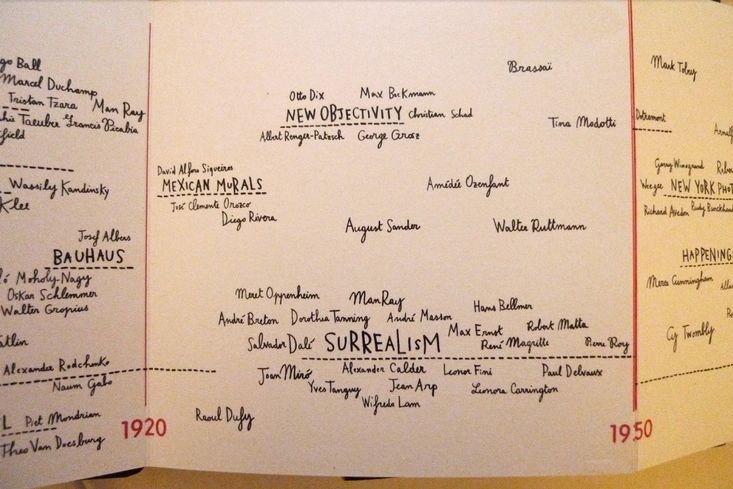
The His­to­ry of Phi­los­o­phy, from 600 B.C.E. to 1935, Visu­al­ized in Two Mas­sive, 44-Foot High Dia­grams

Josh Jones is a writer and musi­cian based in Durham, NC. Fol­low him at @jdmagness

Marshall McLuhan’s 1969 Deck of Cards, Designed For Out-of-the-Box Thinking

dewline_cards

Image via EricMcluhan.com

Six years before Bri­an Eno and Peter Schmidt designed their first pack of Oblique Strate­gies cards—a set of ran­dom apho­risms meant to clear cre­ative blocks—communication the­o­rist and philoso­pher Mar­shall McLuhan had designed a very sim­i­lar deck in 1969, this one with a more direct nod to the clas­sic play­ing card deck.

mcluhan cards

The name of the card deck, Dis­tant Ear­ly Warn­ing, was a ref­er­ence to the 3,000 mile long DEW Line, a sys­tem of 63 radar sta­tions that act­ed as an ear­ly detec­tion inva­sion buffer dur­ing the Cold War. And in his 1964 book Under­stand Media, McLuhan explained,

“I think of art, at its most sig­nif­i­cant, as a DEW line, a Dis­tant Ear­ly Warn­ing sys­tem that can always be relied on to tell the old cul­ture what is begin­ning to hap­pen to it.”

And so with help from adver­tis­ing and pub­lish­ing guru Eugene Schwartz, The Mar­shall McLuhan DEW-Line Newslet­ter and its spin­off deck of cards was born. Schwartz saw the newslet­ter much like we see blogs today: a very imme­di­ate way of dis­sem­i­nat­ing infor­ma­tion, deep­er than tele­vi­sion and faster than books. The newslet­ter last­ed only two years, came in sev­er­al forms (one issue was a set of slides, anoth­er a record), and rep­re­sents the height of “McLuhan Mania” in Amer­i­can cul­ture. Busi­ness and thought lead­ers were its tar­get audi­ence.

dew line cards3

Much like Oblique Strate­gies (you can still find vin­tage ver­sions online), the instruc­tions for Dis­tant Ear­ly Warn­ing (also avail­able online here) sug­gest that the user think of a per­son­al or busi­ness prob­lem, shuf­fle the deck, choose a card and inter­pret its mean­ing. Although div­ina­to­ry cards have long been a part of west­ern cul­ture, the idea of inde­ter­mi­na­cy and con­sult­ing the I Ching was very much in vogue through artists like John Cage.

dew line 4

The cards con­tain plays on apho­risms, like “The Vic­tor Belongs to the Spoils” or “Thanks for the Mam­maries.” Some­times they quote Vic­to­ri­an nov­el­ist Samuel But­ler, like “The chick­en was the egg’s idea for get­ting more eggs” or W.C. Fields (“How do you like kids?” “Well cooked,” he said stern­ly), or John Cage (“Silence is all the sounds of the envi­ron­ment at once.”) Many are McLuhan’s own quotes.

dew line 5

McLuhan and Schwartz’ ideas can still be felt in any num­ber of TED talks or when­ev­er a busi­ness leader talks about think­ing out­side the box. Steve Jobs was a walk­ing deck of these cards.

Should you feel like push­ing your brain lat­er­al­ly, check out the full deck here at this Flickr feed, and if you long to own a phys­i­cal copy, it can still be had for Cana­di­an dol­lars at the site run by McLuhan’s son.

via Flash­bak

Relat­ed con­tent:

The Vision­ary Thought of Mar­shall McLuhan, Intro­duced and Demys­ti­fied by Tom Wolfe

McLuhan Said “The Medi­um Is The Mes­sage”; Two Pieces Of Media Decode the Famous Phrase

Nor­man Mail­er & Mar­shall McLuhan Debate the Elec­tron­ic Age

Ted Mills is a free­lance writer on the arts who cur­rent­ly hosts the FunkZone Pod­cast. You can also fol­low him on Twit­ter at @tedmills, read his oth­er arts writ­ing at tedmills.com and/or watch his films here.

A Wonderfully Illustrated 1925 Japanese Edition of Aesop’s Fables by Legendary Children’s Book Illustrator Takeo Takei

10-takei-takeo-aesop-1925-japan-50watts.jpg_900

Most of us have inter­nal­ized the con­tent of a fair few of Aesop’s fables but have long since for­got­ten the source — if, indeed, we read it close to the source in the first place. Whether or not we’ve had any real aware­ness of the ancient Greek sto­ry­teller him­self, we’ve cer­tain­ly encoun­tered his sto­ries in count­less much more recent inter­pre­ta­tions over the decades. My per­son­al favorite ren­di­tions came, skewed, in the form of the “Aesop and Son” seg­ments on Rocky and Bull­win­kle, but this 1925 Japan­ese edi­tion of Aesop’s Fables, illus­trat­ed by huge­ly respect­ed chil­dren’s artist Takeo Takei, must cer­tain­ly rank in the same league.

06-takei-takeo-aesop-1925-japan-50watts.jpg_900

Takei began his career in the ear­ly 1920s, illus­trat­ing chil­dren’s mag­a­zine cov­ers, col­lec­tions of Japan­ese folk­tales and orig­i­nal sto­ries, and even young­ster-ori­ent­ed writ­ings of his own. Even in that ear­ly peri­od, he showed a pro­fes­sion­al inter­est in giv­ing new aes­thet­ic life to not just old sto­ries but old non-Japan­ese sto­ries, such as The Thou­sand and One Nights and Hans Chris­t­ian Ander­sen’s fairy tales. It was dur­ing that time that he took on the chal­lenge of putting his own aes­thet­ic stamp on Aesop.

25-takei-takeo-aesop-1925-japan-50watts.jpg_900

You can see quite a few of Takei’s Aesop illus­tra­tions at the book design and illus­tra­tion site 50watts, whose author notes that he found the images in the data­base of Japan’s Nation­al Diet Library. Even if you can’t read the Japan­ese, you’ll know the fables in ques­tion — “The Tor­toise and the Hare,” “The North Wind and the Sun,” “The Wolf and the Crane” — after noth­ing more than a glance at Takei’s live­ly art­work, which takes Aesop’s well-known char­ac­ters (often ani­mals or nat­ur­al forces per­son­i­fied) and dress­es them up in the nat­ty style of jazz-age Tokyo high soci­ety.

32-takei-takeo-aesop-1925-japan-50watts.jpg_900

Takei would go on to enjoy a long career after illus­trat­ing Aesop’s Fables. A decade after its pub­li­ca­tion, he would begin pro­duc­ing his best-known series of works, the “kam­pon” (in Japan­ese, “pub­lished book”). With these 138 vol­umes, he explored the form of the illus­trat­ed chil­dren’s book in every way he pos­si­bly could, using, accord­ing to rarebook.com, “tra­di­tion­al meth­ods of let­ter­press, wood­block, wood engrav­ing, sten­cil, etch­ing and lith­o­g­ra­phy,” as well as clay block-prints and “def­i­nite­ly non-tra­di­tion­al images of woven labels, paint­ed glass, ceram­ic, and cel­lo-slides — trans­paren­cies com­posed of bright cel­lo­phane paper.” He would con­tin­ue work­ing work­ing right up until his death in 1983, leav­ing a lega­cy of influ­ence on Japan­ese visu­al cul­ture as deep as the one Aesop left on sto­ry­telling.

02-takei-takeo-aesop-1925-japan-50watts

via 50watts

Relat­ed Con­tent:

Ear­ly Japan­ese Ani­ma­tions: The Ori­gins of Ani­me (1917–1931)

Adver­tise­ments from Japan’s Gold­en Age of Art Deco

Glo­ri­ous Ear­ly 20th-Cen­tu­ry Japan­ese Ads for Beer, Smokes & Sake (1902–1954)

Vin­tage 1930s Japan­ese Posters Artis­ti­cal­ly Mar­ket the Won­ders of Trav­el

Col­in Mar­shall writes on cities, lan­guage, Asia, and men’s style. He’s at work on a book about Los Ange­les, A Los Ange­les Primer, and the video series The City in Cin­e­ma. Fol­low him on Twit­ter at @colinmarshall or on Face­book.

Walt Whitman’s Poem “A Noiseless Patient Spider” Brought to Life in Three Animations

How can a mod­ern edu­ca­tor go about get­ting a stu­dent to con­nect to poet­ry?

For­get the emo kid pour­ing his heart out into a spi­ral jour­nal.

Dit­to the youth­ful slam poet­ess, wield­ing pro­nun­ci­a­tion like a cud­gel.

Think of some­one tru­ly hard to reach, a reluc­tant read­er per­haps, or maybe just some­one (doesn’t have to be a kid) who’s con­vinced all poet­ry sucks.

You could stage a rap bat­tle.

Take the drudgery out of mem­o­riza­tion by find­ing a pop melody well suit­ed to singing Emi­ly Dick­in­son stan­zas.

Or appeal to the YouTube gen­er­a­tion via short ani­ma­tions, as edu­ca­tor Justin Moore does in the TED-Ed les­son, above.

Ani­ma­tion, like poet­ry, is often a mat­ter of taste, and Moore’s les­son hedges its bets by enlist­ing not one, but three ani­ma­tor-nar­ra­tor teams to inter­pret Walt Whit­man’s “A Noise­less Patient Spi­der.”

Orig­i­nal­ly pub­lished as part of the poem “Whis­pers of Heav­en­ly Death,” and includ­ed in the 1891 “deathbed edi­tion” of Leaves of Grass, the poem equates the soul’s des­per­ate strug­gle to con­nect with some­thing or some­one with that of a spi­der, seek­ing to build a web in a less than ide­al loca­tion.

Two of the ani­ma­tors, Jere­mi­ah Dick­ey and Lisa LaBra­cio launch them­selves straight toward the “fil­a­ment, fil­a­ment, fil­a­ment.” Seems like a sol­id plan. An indus­tri­ous spi­der indus­tri­ous­ly squirt­ing threads out of its nether region cre­ates a cool visu­al that echoes both Charlotte’s Web and the rep­e­ti­tion with­in the poem.

Mahogany Browne’s nar­ra­tion of Dickey’s paint­ing on glass mines the stri­den­cy of slam. Nar­ra­tor Rives gives a more low key per­for­mance with LaBracio’s scratch­board inter­pre­ta­tion.

In-between is Joan­na Hoffman’s spi­der­less exper­i­men­tal video, voiced with a wee bit of vocal fry by Joan­na Hoff­man. Were I to pick the one least like­ly to cap­ture a student’s imag­i­na­tion…

Once the stu­dent has watched all three ani­ma­tions, it’s worth ask­ing what the poem means. If no answer is forth­com­ing, Moore sup­plies some ques­tions that might help stuck wheels start turn­ing. Ques­tion num­ber five strikes me as par­tic­u­lar­ly ger­mane, know­ing the ruinous effect the teenage ten­den­cy to gloss over unfa­mil­iar vocab­u­lary has on com­pre­hen­sion.

Ulti­mate­ly, I pre­fer the below inter­pre­ta­tion of Kristin Sirek, who uses her YouTube chan­nel to read poet­ry, includ­ing her own, out loud, with­out any bells or whis­tles what­so­ev­er.

A noise­less patient spi­der,
I mark’d where on a lit­tle promon­to­ry it stood iso­lat­ed,
Mark’d how to explore the vacant vast sur­round­ing,
It launch’d forth fil­a­ment, fil­a­ment, fil­a­ment, out of itself,
Ever unreel­ing them, ever tire­less­ly speed­ing them.
And you O my soul where you stand,
Sur­round­ed, detached, in mea­sure­less oceans of space,
Cease­less­ly mus­ing, ven­tur­ing, throw­ing, seek­ing the spheres to con­nect them,
Till the bridge you will need be form’d, till the duc­tile anchor hold,
Till the gos­samer thread you fling catch some­where, O my soul.

 Relat­ed Con­tent:

Hys­ter­i­cal Lit­er­a­ture: Art & Sex­u­al­i­ty Col­lide in Read­ings of Whit­man, Emer­son & Oth­er Greats (NSFW)

Orson Welles Reads From America’s Great­est Poem, Walt Whitman’s “Song of Myself” (1953)

Mar­i­lyn Mon­roe Reads Walt Whitman’s Leaves of Grass (1952)

Ayun Hal­l­i­day is an author, illus­tra­tor, and Chief Pri­ma­tol­o­gist of the East Vil­lage Inky zine. Fol­low her @AyunHalliday

The New York Times Makes 17,000 Tasty Recipes Available Online: Japanese, Italian, Thai & Much More

My pile of night­stand books at the moment includes Tim Fer­riss’ The Four-Hour Chef (avail­able as a free audio­book here), a flashy tome meant in part to teach the sim­plest cook­ing tech­niques that yield high degrees of ver­sa­til­i­ty, impres­sive­ness, and deli­cious­ness. But its real inter­est lies in the sub­ject of learn­ing itself, and so it also cov­ers rea­son­able-invest­ment-high-return tech­niques for mas­ter­ing oth­er things, like lan­guages. As I read Fer­riss’ account of his own expe­ri­ence devel­op­ing strate­gies to quick­ly learn the Japan­ese lan­guage right next to so many pho­tographs of food and the prepa­ra­tion there­of, my brain could­n’t help but com­bine those two chunks of infor­ma­tion — and then pro­ceed to make me hun­gry.

I had a mind to go straight to Cook­pad, Japan’s biggest gen­er­al recipe site that we fea­tured back in 2013, when it had just launched an Eng­lish-lan­guage ver­sion. Now we have anoth­er rich recipe resource in the form of The New York Times Cook­ing data­base, an archive of 17,000 recipes, also acces­si­ble through its very own free iPhone app. Call up Japan­ese food, and you get a vari­ety of appeal­ing dish­es and sauces from the sim­ple and easy (chick­en teriya­ki, yak­iso­ba, egg­plant with miso) to the more elab­o­rate (squid sal­ad with cucum­bers, almonds, and pick­led plum dress­ing; and Jean-Georges Vongerichten’s fried sushi cakes) to the new-wave (miso but­ter­scotch, Nak­a­gawa’s Cal­i­for­nia sushi, and Japan­ese burg­ers with wasabi ketchup). Above, we have a video that accom­pa­nies the Yak­iso­ba With Pork and Cab­bage recipe.

Have a look around, and you’ll see that the site also offers a num­ber of use­ful func­tions for those who make a free account there, such as the abil­i­ty to save the recipes you want to make lat­er and a rec­om­men­da­tion engine to give you sug­ges­tions as to what to make next. But still, even though sites like these guar­an­tee that none of us will ever go hun­gry for lack of a recipe, we can only do as well by any of them as our actu­al, phys­i­cal cook­ing skills allow. For­tu­nate­ly, the Times also has our back on that: as we post­ed last year, you can get a han­dle on all of that with their 53 instruc­tion­al videos on essen­tial cook­ing tech­niques. And so we real­ly have no excus­es left not to learn how to make Japan­ese food — or any oth­er kind. As for all those lan­guages, now…

Relat­ed Con­tent:

Cook­pad, the Largest Recipe Site in Japan, Launch­es New Site in Eng­lish

53 New York Times Videos Teach Essen­tial Cook­ing Tech­niques: From Poach­ing Eggs to Shuck­ing Oys­ters

Michael Pol­lan Explains How Cook­ing Can Change Your Life; Rec­om­mends Cook­ing Books, Videos & Recipes

MIT Teach­es You How to Speak Ital­ian & Cook Ital­ian Food All at Once (Free Online Course)

Sci­ence & Cook­ing: Har­vard Profs Meet World-Class Chefs in Unique Online Course

How to Make Instant Ramen Com­pli­ments of Japan­ese Ani­ma­tion Direc­tor Hayao Miyaza­ki

Col­in Mar­shall writes on cities, lan­guage, Asia, and men’s style. He’s at work on a book about Los Ange­les, A Los Ange­les Primer, and the video series The City in Cin­e­ma. Fol­low him on Twit­ter at @colinmarshall or on Face­book.

A‑ha’s “Take On Me” Performed by North Korean Kids with Accordions

This week, 1,000 North Kore­ans wit­nessed the first live per­for­mance by a West­ern pop act on its soil. And it was per­haps a bit anti-cli­mat­ic.

The East Ger­mans got their first taste of West­ern rock in 1988 when Bruce Spring­steen played a mas­sive gig in East Berlin. (See video here.) The North Kore­ans had to set­tle for the Sloven­ian indus­tri­al rock band, Laibach. Accord­ing to The New York Times, their set includ­ed a “ ‘Sound of Music’ med­ley. A cov­er of the Bea­t­les’ ‘Across the Uni­verse.’ [And a] mar­tial-sound­ing ver­sion of the are­na rock anthem ‘The Final Count­down.’ ” You can watch short clips of the con­cert just below.

Laibach’s his­toric North Kore­an gig was appar­ent­ly arranged by Morten Traavik, a Nor­we­gian artist who pre­vi­ous­ly made the Inter­net gyrate when he released a clip of young North Kore­an accor­dion play­ers per­form­ing A‑ha’s 1984 hit, “Take On Me.” In 2012, Traavik met the musi­cians from the Kum Song Music School while trav­el­ing in North Korea. He told the BBC, “I lent them a CD of Take on Me on a Mon­day morn­ing. By the fol­low­ing Wednes­day morn­ing they had mas­tered the song, with no anno­ta­tion and no out­side help. It showed incred­i­ble skill.” And, says Traavik, it all just goes to show, “you can have fun in North Korea.”

Relat­ed Con­tent:

Watch 98 Kore­an Fea­ture Films Free Online, Thanks to the Kore­an Film Archive

Watch Jimi Hendrix’s ‘Voodoo Chile’ Per­formed on a Gayageum, a Tra­di­tion­al Kore­an Instru­ment

Pak­istani Musi­cians Play Amaz­ing Ver­sion of Dave Brubeck’s Jazz Clas­sic, “Take Five”

Meet America & Britain’s First Female Tattoo Artists: Maud Wagner (1877–1961) & Jessie Knight (1904–1994)

Maud_Wagner_The_United_States_First_Known_Female_Tattoo_Artist

For a cer­tain peri­od of time, it became very hip to think of clas­sic tat­too artist Nor­man “Sailor Jer­ry” Collins as the epit­o­me of WWII era retro cool. His name has become a promi­nent brand, and a house­hold name in tat­tooed households—or those that watch tat­too-themed real­i­ty shows. But I sub­mit to you anoth­er name for your con­sid­er­a­tion to rep­re­sent the height of vin­tage rebel­lion: Maud Wag­n­er (1877–1961).

No, “Maud” has none of the rak­ish charm of “Sailor Jer­ry,” but nei­ther does the name Nor­man. I mean no dis­re­spect to Jer­ry, by the way. He was a pro­to­typ­i­cal­ly Amer­i­can char­ac­ter, tai­lor-made for the mar­ket­ing hagiog­ra­phy writ­ten in his name. But so, indeed, was Maud Wag­n­er, not only because she was the first known pro­fes­sion­al female tat­too artist in the U.S., but also because she became so, writes Mar­go DeMel­lo in her his­to­ry Inked, while “work­ing as a con­tor­tion­ist and acro­bat­ic per­former in the cir­cus, car­ni­val, and world fair cir­cuit” at the turn of the cen­tu­ry.

gus and maud wagner

Aside from the cow­boy per­haps, no spir­it is freer in our mythol­o­gy than that of the cir­cus per­former. The real­i­ty of that life was of course much less roman­tic than we imag­ine, but Maud’s life—as a side show artist and tattooist—involves a romance fit for the movies. Or so the sto­ry goes. She learned to tat­too from her hus­band, Gus Wag­n­er, an artist she met at the St. Louis World’s Fair, who offered to teach her in exchange for a date. As you can see in her 1907 pic­ture at the top, after giv­ing her the first tat­too, he just kept going (see the two of them above). “Maud’s tat­toos were typ­i­cal of the peri­od,” writes DeMel­lo, “She wore patri­ot­ic tat­toos, tat­toos of mon­keys, but­ter­flies, lions, hors­es, snakes, trees, women, and had her own name tat­tooed on her left arm.”

Maud Wagner family

Unfor­tu­nate­ly there seem to be no images of Maud’s own hand­i­work about, but her lega­cy lived on in part because Gus and Maud had a daugh­ter, giv­en the endear­ing name Lovet­ta (see the fam­i­ly above), who also became a tat­too artist. Unlike her moth­er, how­ev­er, Lovet­ta did not become a can­vas for her father’s work or any­one else’s. Accord­ing to tat­too site Let’s Ink, “Maud had for­bid­den her hus­band to tat­too her and, after Gus died, Lovet­ta decid­ed that if she could not be tat­tooed by her father she would not be tat­tooed by any­one.” Like I said, roman­tic sto­ry. Unlike Sailor Jer­ry, the Wag­n­er women tat­tooed by hand, not machine. Lovet­ta gave her last tat­too, in 1983, to mod­ern-day celebri­ty artist, mar­ket­ing genius, and Sailor Jer­ry pro­tégée Don Ed Hardy.

Olive Oatman, 1858. After her family was killed by Yavapais Indians on a trip West in the 1850s, she was adopted and raised by Mohave Indians, who gave her a traditional tribal tattoo. When she was ransomed back, at age nineteen, she became a celebrity. Credit: Arizona Historical Society.

The cul­tur­al his­to­ry of tat­tooed and tat­too­ing women is long and com­pli­cat­ed, as Mar­got Mif­flin doc­u­ments in her 1997 Bod­ies of Sub­ver­sion: A Secret His­to­ry of Women and Tat­too. For the first half of the twen­ti­eth cen­tu­ry, heav­i­ly-inked women like Maud were cir­cus attrac­tions, sym­bols of deviance and out­sider­hood. Mif­flin dates the prac­tice of dis­play­ing tat­tooed white women to 1858 with Olive Oat­man (above), a young girl cap­tured by Yava­pis Indi­ans and lat­er tat­tooed by the Mohave peo­ple who adopt­ed and raised her. At age nine­teen, she returned and became a nation­al celebri­ty.

Tat­tooed Native women had been put on dis­play for hun­dreds of years, and by the turn of the 20th cen­tu­ry World’s Fair, “natives… whether tat­tooed or not, were shown,” writes DeMel­lo, in staged dis­plays of prim­i­tivism, a “con­struc­tion of the oth­er for pub­lic con­sump­tion.” While these spec­ta­cles were meant to rep­re­sent for fair­go­ers “the enor­mous progress achieved by the West through tech­no­log­i­cal advance­ments and world con­quest,” anoth­er bur­geon­ing spec­ta­cle took shape—the tat­tooed lady as both pin-up girl and rebel­lious thumb in the eye of impe­ri­al­ist Vic­to­ri­an­ism and its cult of wom­an­hood.

jessie-knight-backtat

And here I sub­mit anoth­er name for your con­sid­er­a­tion: Jessie Knight (above, with a tat­too of her fam­i­ly crest), Britain’s first female tat­too artist and also one­time cir­cus per­former, who, accord­ing to Jezebel, worked in her father’s sharp shoot­ing act before strik­ing out on her own as a tat­tooist. The Mary Sue quotes an unnamed source who writes that her job was “to stand before [her father] so that he could hit a tar­get that was some­times placed on her head or on an area of her body.” Sup­pos­ed­ly, one night he “acci­den­tal­ly shot Jesse in the shoul­der,” send­ing her off to work for tat­too artist Char­lie Bell. As the nar­ra­tor in the short film below from British Pathe puts it, Knight (1904–1994), “was once the tar­get in a sharp shoot­ing act. Now she’s at the busi­ness end of the tar­get no more.”

The remark sums up the kind of agency tat­too­ing gave women like Knight and the inde­pen­dence tat­tooed women rep­re­sent­ed. Pop­u­lar stereo­types have not always endorsed this view. “Over the last 100 years,” writes Amelia Klem Osterud in Things & Ink mag­a­zine, “a stig­ma has devel­oped against tat­tooed women—you know the mis­con­cep­tions, women with tat­toos are sluts, they’re ‘bad girls,’ just as false as the myth that only sailors and crim­i­nals get tat­toos.”

jessie-knight2

Jesse Knight—as you can see from the Pathe film and the pho­to above from 1951—was por­trayed as a con­sum­mate pro­fes­sion­al, and in fact won 2nd place in a “Cham­pi­on Tat­too Artist of all Eng­land” in 1955. See sev­er­al more pho­tos of her at work at Jezebel, and see a gallery of tattooed—and tattooist—ladies from Mifflin’s book at The New York­er, includ­ing such char­ac­ters as Bot­ti­cel­li and Michelan­ge­lo-tat­tooed Anna Mae Burling­ton Gib­bons, Bet­ty Broad­bent, the tat­tooed con­tes­tant in the first tele­vised beau­ty pageant, and Aus­tralian tat­too artist Cindy Ray, “The Classy Lassy with the Tat­tooed Chas­sis.” Now there’s a name to remem­ber.

Relat­ed Con­tent:

A Daz­zling Gallery of Clock­work Orange Tat­toos

Why Tat­toos Are Per­ma­nent? New TED Ed Video Explains with Ani­ma­tion

Josh Jones is a writer and musi­cian based in Durham, NC. Fol­low him at @jdmagness

Discover The Backwards Brain Bicycle: What Riding a Bike Says About the Neuroplasticity of the Brain

Like most of us, engi­neer Des­tin San­dlin, cre­ator of the edu­ca­tion­al sci­ence web­site Smarter Every Day, learned how to ride a bike as a child. Archival footage from 1987 shows a con­fi­dent, mul­let-haired San­dlin pilot­ing a two-wheel­er like a boss.

Flash for­ward to the present day, when a welder friend threw a major wrench in Sandlin’s cycling game by tweak­ing a bike’s handlebar/front wheel cor­re­spon­dence. Turn the han­dle­bars of the “back­wards bike” to the left, and the wheel goes to the right. Steer right, and the front wheel points left.

San­dlin thought he’d con­quer this beast in a mat­ter of min­utes, but in truth it took him eight months of dai­ly prac­tice to con­quer his brain’s cog­ni­tive bias as to the expect­ed oper­a­tion. This led him to the con­clu­sion that knowl­edge is not the same thing as under­stand­ing.

He knew how to ride a nor­mal bike, but had no real grasp of the com­plex algo­rithm that kept him upright, a simul­ta­ne­ous bal­let of bal­ance, down­ward force, gyro­scop­ic pro­ces­sion, and nav­i­ga­tion.

As he assures fans of his Youtube chan­nel, it’s not a case of the stereo­typ­i­cal unco­or­di­nat­ed sci­ence geek—not only can he jug­gle, when he took the back­wards bike on tour, a glob­al ros­ter of audi­ence vol­un­teers’ brains gave them the exact same trou­ble his had.

Inter­est­ing­ly, his 6‑year-old son, who’d been rid­ing a bike for half his young life, got the hang of the back­wards bike in just two weeks. Children’s brain’s pos­sess much more neu­ro­plas­tic­i­ty than those of adults, whose senior­i­ty means habits and bias­es are that much more ingrained.

It couldn’t have hurt that San­dlin bribed the kid with a trip to Aus­tralia to meet an astro­naut.

Did the ardu­ous­ness of mas­ter­ing the back­wards bike ruin San­dlin for nor­mal­ly con­fig­ured bicy­cles? Watch the video above all the way to the end for an incred­i­ble spon­ta­neous moment of mind over mat­ter.

Relat­ed Con­tent:

The Physics of the Bike

The Mys­te­ri­ous Physics Behind How Bikes Ride by Them­selves

Sci­ence Behind the Bike: Four Videos from the Open Uni­ver­si­ty on the Eve of the Tour de France

The Neu­ro­science of Drum­ming: Researchers Dis­cov­er the Secrets of Drum­ming & The Human Brain

Ayun Hal­l­i­day is an author, illus­tra­tor, and Chief Pri­ma­tol­o­gist of the East Vil­lage Inky zine. Fol­low her @AyunHalliday

Karaoke-Style, Stephen Colbert Sings and Struts to The Rolling Stones’ “Brown Sugar”

Lit­tle known fact, dur­ing his high school days, Stephen Col­bert was the front man of a Rolling Stones cov­er band. And, appear­ing on Howard Stern on Tues­day, just weeks before tak­ing over The Late Show, Col­bert proved it, singing and doing a jig to “Brown Sug­ar.” He moves like Jag­ger, and it’s fun to watch.

The Late Show with Stephen Col­bert starts Tues­day, Sep­tem­ber 8th — right after Labor Day.

Relat­ed Con­tent

Stephen Col­bert & Neil deGrasse Break Down Our Awe­some 3 Bil­lion-Mile Jour­ney to Plu­to

Stephen Col­bert Reads Ray Brad­bury Clas­sic Sci-Fi Sto­ry “The Veldt”

Stephen Col­bert & Louis CK Recite The Get­tys­burg Address, With Some Help from Jer­ry Sein­feld


  • Great Lectures

  • Sign up for Newsletter

  • About Us

    Open Culture scours the web for the best educational media. We find the free courses and audio books you need, the language lessons & educational videos you want, and plenty of enlightenment in between.


    Advertise With Us

  • Archives

  • Search

  • Quantcast