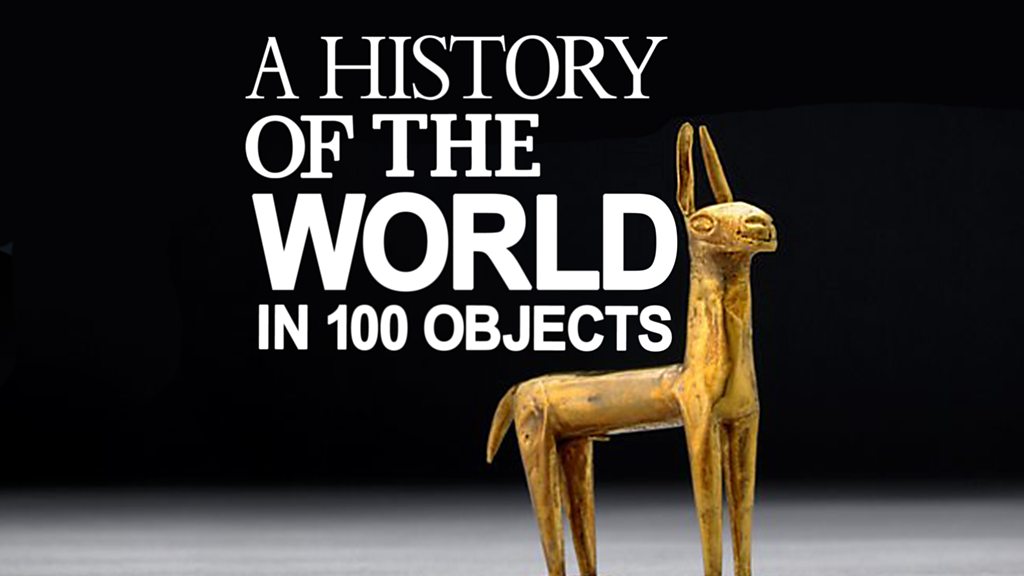
Working with the BBC, Neil MacGregor, the Director of the British Museum, has launched a downright smart project. A History of the World in 100 Objects uses important pieces from the museum’s collections to recount the long history of humanity. Throughout the year, the serialized radio program will air 100 episodes, each averaging 15 minutes, and they will cover two million years of human innovation and artistic creation. Below, I’ve included a recent episode that revisits the Olduvai hand axe, a tool invented some 1.2 million years ago that proved vital to human evolution and our migration out of Africa. You can access the full series in audio via iTunes, RSS Feed, as well as other formats found here. A big thanks to Stephen in the UK for flagging this production for us.




Thank you for this.. I grew up in London and would often visit the British Museum which was just a bus ride from my secondary school. I knew it was a bit special and that I was surrounded by cultural artefacts from around the world. I never realised that something as simple as the stone axes which I probably rushed by in order to see the Aztec exhibition or the ancient Egyptian Gallery, were, without doubt the most successful technological invention in the history of man. Well done B.B.C. and the British Museum and well done Open Culture for publicising these programmes and the website that goes along with it.
Thank you for this post on the “History of the World in 100 objects”…
A quality programme…
thanks for this, and it certainly is a totally wonderful and important series. Huge & important expansion of the cultural commons. However I am concerned, and have blogged, that it is at least in part about strengthening the case for keeping the objects in the BM, as it is about what they have to tell us, and this should be part of the discourse about the programme. Despite all the glitz, I think the very technology used actually makes the opposite case.
Fascinating piece on Croesus. You might mentioned, however, that chrusos (approximate transcription)is Greek for gold…
I have a metal dog collar on which it says “If on my Collar Look to See Whose Dog I be I am JOHN COULMANS Dog and no Prest man You See Iam Entered on Bord the——-A Volunteer for Life both to Serve my Master and his Good Wife 1771.” We do not know anything about John Coulman. My grandmother found this collar in Brecon, mid Wales in the 1920s or 1930s. It is interesting as it shows a little about sailing in the 1700s.