Stephen King on the Magic Moment When a Young Writer Reads a Published Book and Says: “This Sucks. I Can Do Better.”

Go to a book­store.

Tell the clerk you’re an aspir­ing writer.

You’ll be direct­ed to a shelf—possibly an entire section—brimming with prompts, exer­cis­es, for­mu­lae, and Jedi mind tricks. Round out your pur­chase with a jour­nal, a fan­cy pen, or an inspi­ra­tional quote in book­mark form.

Few of author Stephen King’s books would be at home in this sec­tion, but his 2000 mem­oir, On Writ­ing, a com­bi­na­tion of per­son­al his­to­ry and prac­ti­cal advice, cer­tain­ly is. The writ­ing rules list­ed there­in are numer­ous enough to yield a top 20. He makes no bones about read­ing being a manda­to­ry activ­i­ty:

If you don’t have time to read, you don’t have the time (or the tools) to write. Sim­ple as that.

Not sur­pris­ing­ly, giv­en his prodi­gious out­put, he also believes that writ­ers must write dai­ly. Prac­tice helps shape a writer’s voice. Dai­ly prac­tice keeps him or her on inti­mate terms with char­ac­ters and plot.

Got that?

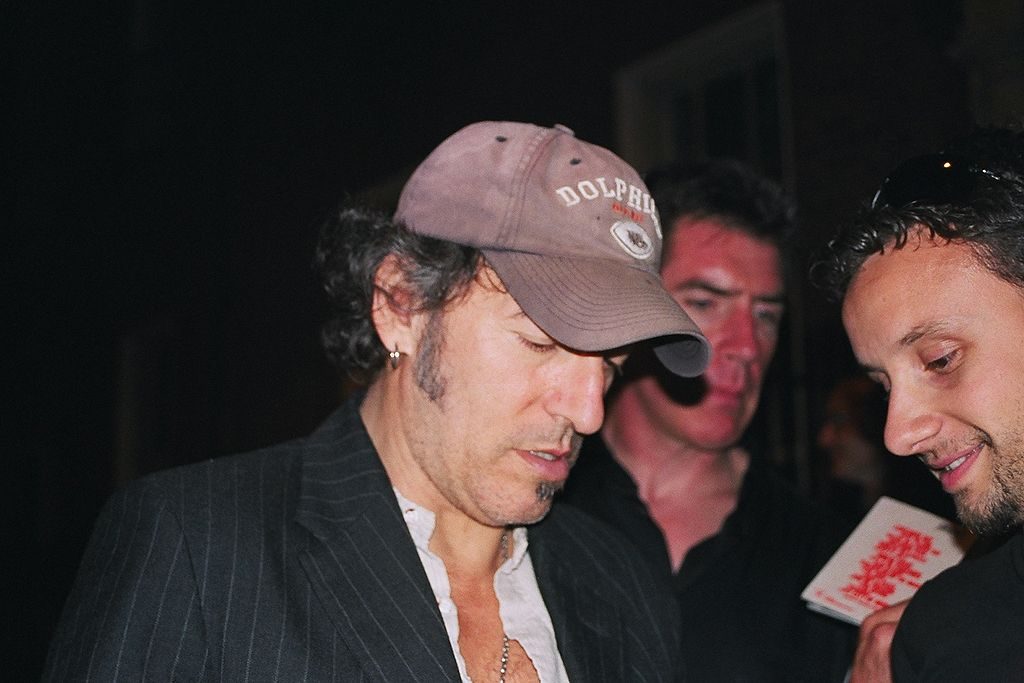
Nose to the grind­stone, young writer! Quit look­ing for fairy god­moth­ers and mak­ing excus­es! Though you might be able to fast track to the mag­i­cal moment King revealed in a 2003 speech at Yale, above.

Go back to the book­store.

Ask the clerk to point you toward the shelves of what­ev­er genre has tra­di­tion­al­ly made your flesh crawl. Chick litvam­pire erot­i­caman­ly air­plane reads. Select the most odi­ous seem­ing title. Buy it. Read it. And heed the words of King:

There’s a mag­ic moment, a real­ly mag­ic moment if you read enough, it will always come to you if you want to be a writer, when you put down some book and say, This real­ly sucks. I can do bet­ter than this, and this got pub­lished!

(It’s real­ly more of a spon­ta­neous­ly occur­ring rite of pas­sage than mag­ic moment, but who are we to fault Stephen King for giv­ing it a crowd-pleas­ing super­nat­ur­al spin?)

Relat­ed Con­tent:

Stephen King’s Top 20 Rules for Writ­ers

Stephen King Cre­ates a List of 96 Books for Aspir­ing Writ­ers to Read

Stephen King Cre­ates a List of 82 Books for Aspir­ing Writ­ers (to Sup­ple­ment an Ear­li­er List of 96 Rec­om­mend Books)

Ayun Hal­l­i­day is an author, illus­tra­tor, and Chief Pri­ma­tol­o­gist of the East Vil­lage Inky zine. Fol­low her @AyunHalliday.

Test Your Literary Mettle: Take a 50 Question Quiz from The Strand Bookstore

640px-Strand_Bookstore

Image by Beyond My Ken via Wiki­me­dia Com­mons

Think you know lit­er­a­ture inside and out? If you’re feel­ing con­fi­dent, then we’d sug­gest tak­ing the lit­er­ary match­ing quizzes that the great Strand Book­store (locat­ed in New York City, of course) has giv­en to its prospec­tive employ­ees since the 1970s. Click here, and you can take a series of 5 quizzes (each with 10 ques­tions) where you’re asked to match authors and titles. When you’re done, let us know how you did in the com­ments sec­tion below. Best of luck.

If you would like to sign up for Open Culture’s free email newslet­ter, please find it here. It’s a great way to see our new posts, all bun­dled in one email, each day.

If you would like to sup­port the mis­sion of Open Cul­ture, con­sid­er mak­ing a dona­tion to our site. It’s hard to rely 100% on ads, and your con­tri­bu­tions will help us con­tin­ue pro­vid­ing the best free cul­tur­al and edu­ca­tion­al mate­ri­als to learn­ers every­where. You can con­tribute through Pay­Pal, Patre­on, and Ven­mo (@openculture). Thanks!

Relat­ed Con­tent:

Down­load 55 Free Online Lit­er­a­ture Cours­es: From Dante and Mil­ton to Ker­ouac and Tolkien

1,000 Free Audio Books: Down­load Great Books for Free.

800 Free eBooks for iPad, Kin­dle & Oth­er Devices

by | Permalink | Make a Comment ( 12 ) |

What Are the Most Stolen Books? Bookstore Lists Feature Works by Murakami, Bukowski, Burroughs, Vonnegut, Kerouac & Palahniuk

most-stolen-books

In 1971, Abbie Hoff­man pub­lished his coun­ter­cul­tur­al how-to/”hip Boy Scout hand­book,” Steal This Book. Since then, mil­lions of peo­ple have queued up to pay for it. Did they mis­read the very clear instruc­tion in the title? Or did most of Hoffman’s read­ers think of it as anoth­er Yip­pie hoax, not to be tak­en any more seri­ous­ly than Piga­sus, the 145-pound pig Hoff­man and his mer­ry band of pranksters nom­i­nat­ed for pres­i­dent in 1968? Seems to me Hoff­man was dead seri­ous about the pig, and about his call for shoplift­ing, or “inven­to­ry shrink.”

Nev­er­the­less, mil­lions of peo­ple have need­ed no unam­bigu­ous prod­ding from the Andy Kauf­man of polit­i­cal the­ater to steal mil­lions of oth­er books from shops world­wide, to the detri­ment of pub­lish­ers and book­sellers and the edi­fi­ca­tion of penu­ri­ous read­ers. The books most stolen from book­stores hap­pen to also be those that might best appeal to the kind of rad­i­cal anar­cho-hip­pies Hoff­man addressed, includ­ing Jack Kerouac’s On the Road and any­thing by Bukows­ki and Bur­roughs.

Also high on the list is Haru­ki Murakami’s The Wind-Up Bird Chron­i­cle, not a nov­el we nec­es­sar­i­ly asso­ciate with dump­ster-divers and box­car-hop­pers, but one of many Murakamis book thieves have tak­en to lift­ing nonethe­less. Kurt Von­negut ranks high­ly, includ­ing his very pop­u­lar Cat’s Cra­dle and Break­fast of Cham­pi­ons. Oth­er favorite authors include hyper-mas­cu­line seers of soci­etal deca­dence, Chuck Palah­niuk and Brett Eas­t­on Ellis.

How do we know this? One source is sim­ply an image, above, tweet­ed out by Vintage/Anchor Books—a pho­to of a “Most Stolen Books” shelf at an unnamed book­store. We might assume whichev­er store it is has all the evi­dence it needs from a con­sis­tent­ly shrink­ing inven­to­ry of these titles. And anoth­er major book­store con­firms much of the anony­mous shelf above.

Melis­sa MacAulay at The Edit­ing Com­pa­ny blog writes that dur­ing a part-time gig at Cana­di­an giant Indi­go books, Palahniuk’s Fight Club end­ed up behind the counter. Read­ers look­ing for a copy instead found “a small sign direct­ing you to ‘please ask for assis­tance.’” In addi­tion to Palah­niuk, Indigo’s big three most stolen authors are Muraka­mi, Kurt Von­negut, and Bukows­ki, who tops out as the “reign­ing king of ‘Shoplift Lit.’”

In yet anoth­er “Most Stolen” list, blog­ger Can­dice Huber—inspired by Markus Zusak’s 2013 nov­el The Book Thiefunder­took her own infor­mal research and came up with sim­i­lar results, with Bukows­ki and Bur­roughs in the top spot and Ker­ouac at num­ber two. “All of the books list­ed,” notes Kot­tke, “are by men and most by ‘man­ly’ men” (what­ev­er that means). See her list, with com­men­tary, below.

Any­thing by Charles Bukows­ki or William S. Bur­roughs. Book sell­ers tend to keep books by these authors behind the counter because they get swiped so often.

On the Road by Jack Ker­ouac. If you notice a theme here, Bukows­ki, Bur­roughs, and Ker­ouac books all share, shall I put it blunt­ly, con­tent of sex and drugs. It seems that those most like­ly to com­mit a reck­less act (steal­ing) are also inter­est­ed in read­ing about reck­less acts.

Graph­ic Nov­els. The major­i­ty of book thieves are young, white males, and this is what they read.

The Great Gats­by by F. Scott Fitzger­ald. Which was actu­al­ly one of the most com­mon­ly stolen books long before the movie came out.

Var­i­ous Selec­tions from Ernest Hem­ing­way, includ­ing A Move­able Feast and The Sun Also Ris­es.

Naked and Me Talk Pret­ty One Day by David Sedaris. David Sedaris? Real­ly?

The New York Tril­o­gy by Paul Auster. I wouldn’t have thought this was the stuff of the five-fin­ger dis­count.

Steal this Book did not crack the top sev­en, though it did receive hon­or­able men­tion, along with Hunter S. Thompson’s Fear and Loathing in Las Vegas, Jef­frey Eugenides’ The Vir­gin Sui­cides, Paulo Coelho’s The Alchemist, and “any­thing by Mar­tin Amis.” Hav­ing been a poor col­lege stu­dent myself once (not that I lift­ed my books!), and hav­ing taught many a cash-strapped under­grad, I’d assume a good num­ber of the miss­ing Fitzger­alds and Hem­ing­ways left book­stores in the hands of thieves bear­ing syl­labi.

A 2009 Guardian list gives us an entire­ly dif­fer­ent image of British book thieves with a pen­chant for box­er Lenny McLean’s mem­oirs, Yolan­da Celbridge’s “mod­ern S&M clas­sic” The Tam­ing of Tru­di, com­ic books Tintin and Aster­ix, Banksy’s cof­fee table book Wall and Piece, and Har­ry Pot­ter. Hoff­man comes in at num­ber six.

When it comes to books stolen from libraries, on the oth­er hand, Huber points out this dynam­ic: “library theft leans more toward the prac­ti­cal than the pop­u­lar, where­as book­store theft leans toward the pop­u­lar.” The top sev­en here include expen­sive art books, The Bible, The Guin­ness Book of World Records, textbooks/reference books/exam prep books, and, nat­u­ral­ly, books on uni­ver­si­ty read­ing lists. Also, Sports Illus­trat­ed Swim­suit Edi­tion and “oth­er racy books/magazines”—many stolen, per­haps, to avoid the embar­rass­ment of pry­ing librar­i­an eyes.

We do not assume that you, dear upstand­ing read­er, have ever stolen a book, or any­thing else. And yet, did you find any­thing on these lists sur­pris­ing? (I thought Hen­ry Miller might make the cut.…) What books would you expect to see stolen often that didn’t appear? What about a list of “most bor­rowed” (and maybe nev­er returned) books from friends/acquaintances/family/roommates? Let us know your thoughts below.

via Vintage/Anchor/Kot­tke

Relat­ed Con­tent:

The 20 Most Influ­en­tial Aca­d­e­m­ic Books of All Time: No Spoil­ers

28 Impor­tant Philoso­phers List the Books That Influ­enced Them Most Dur­ing Their Col­lege Days

The 10 Great­est Books Ever, Accord­ing to 125 Top Authors (Down­load Them for Free)

Josh Jones is a writer and musi­cian based in Durham, NC. Fol­low him at @jdmagness

Hear Maggie Gyllenhaal Read the Opening Lines of Anna Karenina: The Beginning of a 36-Hour, New Audio Book

maggie reads karenina

Back in 2007, J. Ped­er Zane asked 125 top writers–everyone from Stephen King and Jonathan Franzen, to Claire Mes­sud, Annie Proulx, and Michael Chabon–to name their favorite 10 books of all time. Zane then pub­lished each author’s list in his edit­ed col­lec­tion, The Top Ten: Writ­ers Pick Their Favorite BooksAnd he capped it off with one meta list, “The Top Top Ten.”  When you boil 125 lists down to one, it turns out [SPOILER ALERT] that Leo Tol­stoy’s Anna Karen­i­na is the very best of the best. If you’ve read the nov­el, you’ll like­ly under­stand the pick. If you haven’t, you’re miss­ing out.

Above, you can hear actress Mag­gie Gyl­len­haal (The Dark Knight, The Hon­ourable Woman, etc.) read the open­ing lines of Anna Karen­i­na, which famous­ly begins “All hap­py fam­i­lies are alike; each unhap­py fam­i­ly is unhap­py in its own way.” Gyl­len­haal spent 120 hours in the stu­dio, mak­ing a record­ing that runs close to 36 hours in total. A lot more than she orig­i­nal­ly bar­gained for. Although avail­able for pur­chase online, you can down­load the read­ing for free if you sign up for a 30-Day Free Tri­al with Audi­ble. We have more infor­ma­tion on that pro­gram here.

Relat­ed Con­tent:

The 10 Great­est Books Ever, Accord­ing to 125 Top Authors (Down­load Them for Free)

1,000 Free Audio Books: Down­load Great Books for Free.

800 Free eBooks for iPad, Kin­dle & Oth­er Devices.

The Vatican Digitizes a 1,600-Year-Old Illuminated Manuscript of the Aeneid

It’s fair to say that every peri­od which has cel­e­brat­ed the lit­er­a­ture of antiq­ui­ty has held epic Roman poet Vir­gil in extreme­ly high regard, and that was nev­er more the case than dur­ing the ear­ly Chris­t­ian and medieval eras. Born in 70 B.C.—writes Clyde Pharr in the intro­duc­tion to his schol­ar­ly Latin text—“Vergil was ardent­ly admired even in his own day, and his fame con­tin­ued to increase with the pass­ing cen­turies. Under the lat­er Roman Empire the rev­er­ence for his works reached the point where the Sortes Vir­gilianae came into vogue; that is, the Aeneid was opened at ran­dom, and the first line on which the eyes fell was tak­en as an omen of good or evil.”

This cult of Vir­gil only grew until “a great cir­cle of leg­ends and sto­ries of mir­a­cles gath­ered around his name, and the Vergil of his­to­ry was trans­formed into the Vergil of mag­ic.” The spelling of his name also trans­formed from Vergil to Vir­gil, “thus asso­ci­at­ing the great poet with the mag­ic or prophet­ic wand, vir­go.” Pharr quotes from J.S. Tunison’s Mas­ter Vir­gil, a study of the poet “as he seemed in the Mid­dle Ages”:

The medieval world looked upon him as a poet of prophet­ic insight, who con­tained with­in him­self all the poten­tial­i­ties of wis­dom. He was called the Poet, as if no oth­er exist­ed; the Roman, as if the ide­al of the com­mon­wealth were embod­ied in him; the Per­fect in Style, with whom no oth­er writer could be com­pared; the Philoso­pher, who grasped the ideas of all things…

Vir­gil, after all, act­ed as the wise guide through the Infer­no for late medieval poet Dante, who was accord­ed a sim­i­lar degree of rev­er­ence in the ear­ly mod­ern peri­od.

We should keep the cult of Vir­gil, and of his epic poem The Aeneid, in mind as we sur­vey the text you see rep­re­sent­ed here—an illu­mi­nat­ed man­u­script from Rome cre­at­ed some­time around the year 400 (view the full, dig­i­tized man­u­script here). Begin­ning at the end of anoth­er great epic—The Ili­ad—Virgil’s long poem con­nects the world of Homer to his own through Aeneas and his com­pan­ions, Tro­jan refugees and myth­i­cal founders of Rome. It is some­what iron­ic that the Chris­t­ian world came to ven­er­ate the poem for centuries—claiming that Vir­gil pre­dict­ed the birth of Christ—since the Roman poet’s pur­pose, writes Pharr, was “to see effect­ed… a revival of faith in the old-time religion”—the old-time pagan reli­gion, that is.

But the care­ful preser­va­tion of this ancient man­u­script, some 1,600 years old, tes­ti­fies to the Catholic church’s pro­found respect for Vir­gil. “Known as the Vergilius Vat­i­canus,” writes Hyper­al­ler­gic, it’s one of the world’s old­est ver­sions of the Latin epic poem, and you can browse it for free online” at Digi­ta Vat­i­ca, a non­prof­it affil­i­at­ed with the Vat­i­can Library.

Writ­ten by a sin­gle mas­ter scribe in rus­tic cap­i­tals, an ancient Roman cal­li­graph­ic script, and illus­trat­ed by three dif­fer­ent painters, Vergilius Vat­i­canus is one of only three illu­mi­nat­ed man­u­scripts of clas­sic lit­er­a­ture. Gran­u­lat­ed gold, applied with a brush, high­lights metic­u­lous­ly col­ored images of famous scenes from the poem: Creusa as she tries to keep her hus­band Aeneas from going into bat­tle; the islands of the Cyclades and the city of Pergamea destroyed by pesti­lence and drought; Dido on her funer­al pyre, speak­ing her final solil­o­quy.

Hyper­al­ler­gic describes the painstak­ing care a Tokyo-based firm took in dig­i­tiz­ing the frag­ile text. Digi­ta Vat­i­cana is cur­rent­ly in the midst of scan­ning its entire col­lec­tion of 80,000 del­i­cate, ancient man­u­scripts, a process expect­ed to take 15 years and cost 50 mil­lion euros.

Should you wish to con­tribute to the effort, you can make a dona­tion to the project. The first 200 donors will­ing and able to fork over at least 500 euros (cur­rent­ly about $533), will receive a print­ed repro­duc­tion of the Vergilius Vat­i­canus, sure to impress the clas­sics lovers in your life. Should you wish to read the Aeneid in its orig­i­nal lan­guage, a true under­tak­ing of love, you can’t go wrong with Pharr’s excel­lent schol­ar­ly text of the first six books (or see an online Latin text here). If you’d rather skip the gen­uine­ly dif­fi­cult and labo­ri­ous trans­la­tion, you can always read John Dryden’s trans­la­tion free online.

You can vis­it the illu­mi­nat­ed man­u­script online here.

via Hyper­al­ler­gic

Relat­ed Con­tent:

1,000-Year-Old Man­u­script of Beowulf Dig­i­tized and Now Online

Hear Homer’s Ili­ad Read in the Orig­i­nal Ancient Greek

Learn Latin, Old Eng­lish, San­skrit, Clas­si­cal Greek & Oth­er Ancient Lan­guages in 10 Lessons

Josh Jones is a writer and musi­cian based in Durham, NC. Fol­low him at @jdmagness

See How The Gutenberg Press Worked: Demonstration Shows the Oldest Functioning Gutenberg Press in Action

Peo­ple have spo­ken for decades, and with great cer­tain­ty, of the impend­ing death of print. But even here into the 21st cen­tu­ry, press­es con­tin­ue to run around the world, putting out books and peri­od­i­cals of all dif­fer­ent shapes, sizes, and print runs. The tech­nol­o­gy has endured so well in part because it has had so long to evolve. Every­one knows that print­ing began with some­thing called the Guten­berg Press, and many know that Guten­berg him­self (Johannes, a Ger­man black­smith) unveiled his inven­tion in 1440, intro­duc­ing mov­able type to the world. Ten years lat­er came the Guten­berg Bible, the first major book print­ed using it, still con­sid­ered among the most beau­ti­ful books ever mass-pro­duced.

But how did the Guten­berg press actu­al­ly work? In the video above, you can watch a demon­stra­tion of “the most com­plete and func­tion­ing Guten­berg Press in the world” at the Cran­dall His­tor­i­cal Print­ing Muse­um in Pro­vo, Utah. While it cer­tain­ly marked a vast improve­ment in effi­cien­cy over the hand-copy­ing used to make books before, it still required no small amount of labor on the part of an entire staff spe­cial­ly trained to apply the ink, square up the paper, and turn a not-that-easy-to-turn lever. The guide, who’s clear­ly put in the years mas­ter­ing his rou­tine, has both clear expla­na­tions and plen­ty of corny jokes at hand through­out the process.

One can hard­ly over­state the impor­tance of the machine we see in action here, which facil­i­tat­ed the spread of ideas all around Europe and the world and turned the book into what no less a technophile than Stephen Fry calls “the build­ing block of our civ­i­liza­tion.” He says that in an episode of the BBC series The Medieval Mind in which he explores the world of Guten­berg print­ing in even greater depth. We’ve grown so accus­tomed to the near-instan­ta­neous trans­fer of infor­ma­tion over the inter­net that deal­ing with print can feel like a has­sle. I myself just recent­ly resent­ed hav­ing to buy a print­er for work rea­sons, even though its sheer speed and clar­i­ty would have seemed like a mir­a­cle to Guten­berg, whose inven­tion — and the labor of the count­less skilled work­ers who oper­at­ed it — set in motion the devel­op­ments that let us spread ideas so impos­si­bly fast on sites like this today.

via Kot­tke

Relat­ed Con­tent:

Oxford Uni­ver­si­ty Presents the 550-Year-Old Guten­berg Bible in Spec­tac­u­lar, High-Res Detail

How Ink is Made: A Volup­tuous Process Revealed in a Mouth-Water­ing Video

The Art of Col­lo­type: See a Near Extinct Print­ing Tech­nique, as Lov­ing­ly Prac­ticed by a Japan­ese Mas­ter Crafts­man

Based in Seoul, Col­in Mar­shall writes and broad­casts on cities and cul­ture. He’s at work on a book about Los Ange­les, A Los Ange­les Primer, the video series The City in Cin­e­ma, the crowd­fund­ed jour­nal­ism project Where Is the City of the Future?, and the Los Ange­les Review of Books’ Korea Blog. Fol­low him on Twit­ter at @colinmarshall or on Face­book.

Laurie Anderson’s Top 10 Books to Take to a Desert Island

Her avant-garde per­for­mance art endeared her to the New York art world long before she dat­ed, then mar­ried, one of the most influ­en­tial men in rock and roll. Her work has at times been over­shad­owed by her more con­ven­tion­al­ly famous part­ner and col­lab­o­ra­tor, but after his death, she con­tin­ues to make chal­leng­ing, far ahead-of-its-time work and rede­fine her­self as a cre­ative force.

No, I don’t mean Yoko Ono, but the for­mi­da­ble Lau­rie Ander­son. In addi­tion to her exper­i­men­tal art, Ander­son is a film­mak­er, sculp­tor, pho­tog­ra­ph­er, writer, com­pos­er, and musi­cian. Her sur­prise elec­tron­ic hit “O Super­man” (above) from her debut 1982 album Big Sci­ence, “warns of ever-present death from the air in an era of jin­go­ism,” writes David Gra­ham at The Atlantic.

Ander­son her­self explains the song as based on a “beau­ti­ful 19th-cen­tu­ry aria by Massenet… a prayer to author­i­ty. The lyrics are a one-sided con­ver­sa­tion, like a prayer to God. It sounds sinister—but it is sin­is­ter when you start talk­ing to pow­er.”

“O Super­man” speaks, mock­ing­ly, to Amer­i­can mil­i­tary hege­mo­ny and to a par­tic­u­lar his­tor­i­cal event, the Iran hostage cri­sis. As such, it is rep­re­sen­ta­tive of much of her work, meld­ing clas­si­cal instincts and musi­cian­ship with elec­tron­ic exper­i­men­ta­tion and a dark­ly com­ic sen­si­bil­i­ty that she often wields like a crit­i­cal scalpel on U.S. polit­i­cal attitudes—from her huge, five-record 1984 live album Unit­ed States (with songs like “Yan­kee See” and “Demo­c­ra­t­ic Way”) to her 2010 project Home­land.

One of Anderson’s most recent pieces, Dirt­day, “responds,” she says above, to “a very trag­ic sit­u­a­tion… a decade after 9/11… so much fear. Dirt­day was real­ly inspired by try­ing to look at that fear… almost from a point of view of ‘what is it when a whole nation gets hyp­no­tized?’” Her art may be polit­i­cal­ly oppo­si­tion­al, but she also admits, that “as a sto­ry­teller, I find my ‘col­leagues’ in pol­i­tics, you know, a lit­tle bit clos­er than I thought.” The admis­sion belies Anderson’s abil­i­ty to incor­po­rate mul­ti­ple per­spec­tives into her com­plex nar­ra­tives, as all great writ­ers do. And great writ­ers begin as read­ers, their work in dia­logue with the books that move and shape them.

So what does Lau­rie Ander­son read? Below, you’ll find a list of her top ten books, curat­ed by One Grand, a “book­store in which cel­e­brat­ed thinkers, writ­ers, artists, and oth­er cre­ative minds share the ten books they would take to their metaphor­i­cal desert island.” Her choic­es include great com­ic sto­ry­tellers, like Lau­rence Sterne, and chron­i­clers of the lum­ber­ing beast that is the U.S., like Her­man Melville. Oth­er well-known nov­el­ists, like Nabokov and Annie Dil­lard, sit next to Bud­dhist texts and cre­ative non­fic­tion. It’s a fas­ci­nat­ing list, and if you’re as intrigued and inspired by Ander­son­’s work as I am, you’ll want to read, or re-read, every­thing on it.

Skip on over to One Grand to read Anderson’s com­plete, wit­ty com­men­taries on each of her choic­es.

Also check out, UBUweb, which has a nice col­lec­tion of Lau­rie Ander­son­’s ear­ly video work.

via The New York Times Mag­a­zine

Relat­ed Con­tent:

Pat­ti Smith’s List of Favorite Books: From Rim­baud to Susan Son­tag

David Fos­ter Wallace’s Sur­pris­ing List of His 10 Favorite Books, from C.S. Lewis to Tom Clan­cy

David Bowie’s Top 100 Books

Josh Jones is a writer and musi­cian based in Durham, NC. Fol­low him at @jdmagness

Hear Anaïs Nin Read From Her Celebrated Diary: A 60-Minute Vintage Recording (1966)

Image by George Leite, via Wiki­me­dia Com­mons

At one time, writer Anaïs Nin’s rep­u­ta­tion large­ly rest­ed on her pas­sion­ate, long-term love affair with nov­el­ist Hen­ry Miller, whom she also finan­cial­ly sup­port­ed while he wrote his best-known nov­els and became, writes Sady Doyle, a “dar­ling of the avant-garde.” Nin her­self was a mar­gin­al­ized, “unfash­ion­able” writer, whose “frank por­tray­als of ille­gal abor­tions, extra­mar­i­tal affairs and incest” brought such crit­i­cal oppro­bri­um down on her that “by 1954, Nin believed the entire pub­lish­ing indus­try saw her as a joke.” She had good rea­son to think so.

Miller’s noto­ri­ous­ly cen­sored books won him cult lit­er­ary sta­tus, and inspired the Beats, Nor­man Mail­er, Philip Roth, and many more hedo­nis­tic male writ­ers seek­ing to turn their lives into art. Nin’s equal­ly explic­it work was met, she lament­ed, “with indif­fer­ence, with insults.” Crit­ics either ignored her nov­els, sev­er­al of them self-pub­lished, or dis­missed them as vul­gar, art­less, and worse. One head­line, Doyle notes, called Nin “a mon­ster of self-cen­tered­ness whose artis­tic pre­ten­tions now seem grotesque.”

All of that changed when Nin pub­lished the first vol­ume of her diary in 1966. There­after, she achieved glob­al fame as a fem­i­nist icon, and the next ten years saw the pub­li­ca­tion of an addi­tion­al six vol­umes of her jour­nals, then sev­er­al more excerpts after her death in 1977. Most notably, Hen­ry and June appeared in 1986 (sub­se­quent­ly made into a film by Philip Kauf­man), a book which—in con­junc­tion with the pub­li­ca­tion of her and Miller’s let­ters the fol­low­ing year—fur­ther added to the mythol­o­gy of the two pas­sion­ate­ly erot­ic writ­ers.

Nin had kept her diaries reli­gious­ly since age 11, and has become known as “modernity’s most pro­lif­ic and per­cep­tive diarist,” writes Maria Popo­va, a dis­tinc­tion that has led to a tremen­dous resur­gence in pop cul­ture pop­u­lar­i­ty in our time, when well-craft­ed self-rev­e­la­tion is de rigeur for artists, activists, online per­son­al­i­ties, and aspi­rants of all kinds. Hen­ry Miller is now “a mar­gin­al­ized and large­ly for­got­ten Amer­i­can writer” (or so claims his biog­ra­ph­er Arthur Hoyle), and Nin has become a “patron saint of social media,” writes Doyle, a “pro­to-Lena-Dun­ham.” Pithy quo­ta­tions from her diaries—properly cred­it­ed or not—constantly cir­cu­late on Tum­blr, Face­book, and Twit­ter.

A new gen­er­a­tion just dis­cov­er­ing Anaïs Nin can access her work in any num­ber of ways—from hip, meme-heavy Tum­blr accounts like Fuck Yeah Anais Nin to more for­mal online venues like the Anais Nin Blog, which aggre­gates biogra­phies, pod­casts, schol­ar­ship, bib­li­ogra­phies, con­tro­ver­sies, and any­thing else one might want to know about the author. Anaïs Nin fans can also hear the author her­self read from her famous diary in the audio here. At the top of the post, hear Nin’s read­ing, record­ed in ’66, the year of the first volume’s pub­li­ca­tion. The com­plete record­ing runs about 60 min­utes.

After the acclaim of Nin’s diaries, and the celebri­ty she enjoyed in her last decade, her rep­u­ta­tion once again suf­fered, posthu­mous­ly, as biog­ra­phers and crit­ics sav­aged her life and work in moral­is­tic tor­rents of what would today be called “slut-sham­ing.” But Nin is now once again right­ly revered as a writer ful­ly ded­i­cat­ed to the art, no mat­ter the recep­tion or the audi­ence. The aston­ish­ing stream of words that flowed from her, record­ing every detail of her expe­ri­ences, “seems noth­ing less than phe­nom­e­nal,” wrote Noel Young of Nin’s non­stop let­ter writ­ing. When it came to the detailed, insight­ful, and acute­ly philo­soph­i­cal record­ing of her life, “the act of writ­ing may have even sur­passed the act of liv­ing.”

Relat­ed Con­tent:

Simone de Beau­voir Explains “Why I’m a Fem­i­nist” in a Rare TV Inter­view (1975)

Hen­ry Miller Makes a List of “The 100 Books That Influ­enced Me Most”

Josh Jones is a writer and musi­cian based in Durham, NC. Fol­low him at @jdmagness

« Go BackMore in this category... »
Quantcast