John Austen’s Haunting Illustrations of Shakespeare’s Hamlet: A Masterpiece of the Aesthetic Movement (1922)

austen-hamlet-1

We’ve pop­u­lar­ly come to think of the Vic­to­ri­an era as one in which a prud­ish, sen­ti­men­tal con­ser­vatism ruled with impe­r­i­al force over the arts and cul­ture. But that broad pic­ture ignores the strong coun­ter­cur­rent of weird eroti­cism in the work of aes­thetes like Dante Ros­set­ti, Oscar Wilde, and Aubrey Beard­s­ley.

hamlet-austen

Beardsley’s ele­gant, bawdy illus­tra­tions of Wilde’s erot­ic play Salome scan­dal­ized British soci­ety, as did the play itself. His pen­chant for occult sub­jects and a wicked­ly sen­su­ous style res­onat­ed well into the 20th cen­tu­ry. Salome was a high­light of the Aes­thet­ic move­ment,” writes the Met, “and an ear­ly man­i­fes­ta­tion of Art Nou­veau in Eng­land.” By the 1920s, Beard­s­ley was per­haps one of the most influ­en­tial of lit­er­ary illus­tra­tors.

 austen-hamlet-2

Irish artist Har­ry Clarke took direct­ly from Beard­s­ley in work like his rich­ly-detailed 1926 edi­tion of Goethe’s Faust. And in 1922, British artist John Austen mod­ern­ized Ham­let by draw­ing on Clarke’s ear­li­er work, as well as, quite clear­ly, on Beard­s­ley. As artist John Coulthart remarks, “If you’re going to bor­row a style then you may as well take from the best.” Like Beardsley’s Salome and Clarke’s Faust, Austen’s Ham­let “is often rat­ed as his chef d’oeuvre, and with good rea­son, he man­ages to lend some visu­al splen­dor to a play whose con­cerns are a lot more intro­spec­tive than the usu­al illus­tra­tion stan­dards of The Tem­pest and A Mid­sum­mer Night’s Dream” (just as T.S. Eliot had crit­i­cal­ly argued two years ear­li­er).

austen-hamlet-3

Pub­lished by Dover’s Calla Edi­tions (and recent­ly back in print), Austen’s illus­trat­ed Ham­let takes the fine, spare lines of Beardsley—well rep­re­sent­ed in his Poe edi­tion—and clothes them, so to speak, with Clarke’s “man­ga faces, spiny fin­gers and swathes of black.” Each of the three artists has a dif­fer­ent take on the macabre: Beardsley’s sub­tle sym­bol­ism giv­ing way to Clarke’s sur­re­al­ism and the heavy iconog­ra­phy in Austen’s Ham­let, per­me­at­ed by the play’s arche­typ­al images of “masks, swords and skulls.” Austen would soon leave behind the influ­ence of both artists, adopt­ing a much block­i­er style for lit­er­ary illus­tra­tions lat­er in the decade. In many ways, he rep­re­sents a bridge between the ele­gant Art Nou­veau aes­thet­ics of Beard­s­ley and the mod­ernism of Art Deco, by way of Clarke’s unique goth­ic style.

austen-hamlet-4

You can view and down­load all of the Austen illus­tra­tions online: The Fol­ger Shake­speare Library hosts all 121 orig­i­nal draw­ings in high res­o­lu­tion scans, each of which is down­load­able in res­o­lu­tions up to 3072px. Coulthart excerpts sev­er­al of these images at his blog {feuil­leton}. And at fulltable.com, you can see the Austen illus­tra­tions in con­text with the play’s text in high res­o­lu­tion scans. There, you’ll also find more mod­ernist illus­tra­tions Austen con­tributed to edi­tions of Tris­tram Shandy, Byron’s Don Juan and E.C. Lefroy’s Echoes from The­ocri­tus, and a 1937 instruc­tion­al book on pen and ink draw­ing. In at least one oth­er instance, how­ev­er, Austen retained the styl­ized, Sym­bol­ist Clarke and Beard­s­ley approach—an erot­ic pen draw­ing of She­herezade that pays full homage to Beardsley’s sen­su­al Salome illus­tra­tions.

austen-hamlet-5

Relat­ed Con­tent:

Oscar Wilde’s Play Salome Illus­trat­ed by Aubrey Beard­s­ley in a Strik­ing Mod­ern Aes­thet­ic (1894)

Har­ry Clarke’s 1926 Illus­tra­tions of Goethe’s Faust: Art That Inspired the Psy­che­del­ic 60s

Aubrey Beardsley’s Macabre Illus­tra­tions of Edgar Allan Poe’s Short Sto­ries (1894)

Josh Jones is a writer and musi­cian based in Durham, NC. Fol­low him at @jdmagness

400 Ways to Make a Sandwich: A 1909 Cookbook Full of Creative Recipes

Good news for any­one look­ing to escape the tired old sar­dine sand­wich rut — The Up-To-Date Sand­wich Book: 400 Ways to Make a Sand­wich, above, boasts no few­er than ten vari­a­tions, plus a hand­ful of canapĂ©s.

The omega-3-rich fish­es may be swim­ming their way back onto trendy 21st-cen­tu­ry lunch menus, but back in 1909, when The Up-To-Date Sand­wich Book was pub­lished, con­vinc­ing din­ers to order them wasn’t such an uphill bat­tle.

Oth­er pop­u­lar ingre­di­ents of the peri­od include tongue, Eng­lish wal­nuts, flow­ers, and of course, cheese, with nary an avo­ca­do in sight.

Author Eva Greene Fuller had a clear pref­er­ence for spread­able con­sis­ten­cies, an insis­tence on “per­fect bread in suit­able con­di­tion” and an eye for detail, evi­dent in such sug­gest­ed gar­nish­es as smi­lax and maid­en­hair fern.

Nat­u­ral­ly, there are some mis­fires amid the 400, at least as far as mod­ern palates and sen­si­bil­i­ties are con­cerned.

The Mex­i­can Sand­wich calls for a spoon­ful of baked beans mixed with cat­sup and but­ter, served atop a large square crack­er.

The Ori­en­tal Sand­wich fea­tures a spread made of cream cheese, maple syrup, and sliced maraschi­no cher­ries.  

The Dys­pep­tic Sand­wich is the only one to use gluten-free bread… sprin­kled with brown bread crumbs. 

The Pop­corn Sand­wich sounds quite tasty except for the tit­u­lar ingre­di­ent, which is passed through a meat chop­per and com­bined with sar­dines, pri­or to being spread with Parme­san and slid under the broil­er.

As for peanut but­ter, it’s a mix-your-own affair, using chopped peanuts and the cook’s choice of may­on­naise, sweet­ened whipped cream, sher­ry or port wine.

And chil­dren are sure to approve of the School Sand­wich, a sim­ple con­coc­tion of but­tered white bread and brown sug­ar.

Below is a taste to get you start­ed, though all 400 recipes can be browsed above. The ini­ti­at­ed may also be inter­est­ed in the ety­mol­o­gy of the word “sand­wich” on the Pub­lic Domain Review, who brought this cook­book to our atten­tion, 

Can­ni­bal Sand­wich

Chop raw beef and onions very fine, sea­son with salt and pep­per and spread on light­ly but­tered brown bread.

Bum­mers Cus­tard Sand­wich

Take a cake of Roque­fort cheese and divide in thirds; moist­en one third with brandy, anoth­er third with olive oil and the oth­er third with Worces­ter­shire sauce. mix all togeth­er and place between split water bis­cuits toast­ed. Good for a stag lunch. 

Aspic Jel­ly Sand­wich

Soak one box (two ounces) of gelatin in one cup of chick­en liquor until soft­ened; add three cup­fuls of chick­en stock sea­soned with a lit­tle pars­ley, cel­ery, three cloves, a blade of mace and a dash of salt and pep­per. Strain into a dish and add a lit­tle shred­ded breast of chick­en; set in a cold place to hard­en; when cold, slice in fan­cy shaped and place on slight­ly but­ter whole wheat bread. Gar­nish with a stick of cel­ery.  

Vio­let Sand­wich

Cov­er the but­ter with vio­lets over night; slice white bread thin and spread with the but­ter. Put slices togeth­er and cov­er with the petals of the vio­lets.

via Pub­lic Domain Review

Relat­ed Con­tent:

An Archive of 3,000 Vin­tage Cook­books Lets You Trav­el Back Through Culi­nary Time

Food­ie Alert: New York Pub­lic Library Presents an Archive of 17,000 Restau­rant Menus (1851–2008)

The New York Times Makes 17,000 Tasty Recipes Avail­able Online: Japan­ese, Ital­ian, Thai & Much More

Ayun Hal­l­i­day is an author, illus­tra­tor, the­ater mak­er and Chief Pri­ma­tol­o­gist of the East Vil­lage Inky zine.  She will serv­ing as both emcee and ref­er­ee in this weekend’s Brook­lyn Book Fes­ti­val Illus­tra­tor Smack­down. Fol­low her @AyunHalliday.

Enter an Archive of 6,000 Historical Children’s Books, All Digitized and Free to Read Online

5 Little PIgs

We can learn much about how a his­tor­i­cal peri­od viewed the abil­i­ties of its chil­dren by study­ing its chil­dren’s lit­er­a­ture. Occu­py­ing a space some­where between the pure­ly didac­tic and the non­sen­si­cal, most children’s books pub­lished in the past few hun­dred years have attempt­ed to find a line between the two poles, seek­ing a bal­ance between enter­tain­ment and instruc­tion. How­ev­er, that line seems to move clos­er to one pole or anoth­er depend­ing on the pre­vail­ing cul­tur­al sen­ti­ments of the time. And the very fact that children’s books were hard­ly pub­lished at all before the ear­ly 18th cen­tu­ry tells us a lot about when and how mod­ern ideas of child­hood as a sep­a­rate cat­e­go­ry of exis­tence began.

ABCs

“By the end of the 18th cen­tu­ry,” writes New­cas­tle Uni­ver­si­ty pro­fes­sor M.O. Gren­by, “children’s lit­er­a­ture was a flour­ish­ing, sep­a­rate and secure part of the pub­lish­ing indus­try in Britain.” The trend accel­er­at­ed rapid­ly and has nev­er ceased—children’s and young adult books now dri­ve sales in pub­lish­ing (with 80% of YA books bought by grown-ups for them­selves).

Gren­by notes that “the rea­sons for this sud­den rise of children’s lit­er­a­ture” and its rapid expan­sion into a boom­ing mar­ket by the ear­ly 1800s “have nev­er been ful­ly explained.” We are free to spec­u­late about the social and ped­a­gog­i­cal winds that pushed this his­tor­i­cal change.

Afloat with Nelson

Or we might do so, at least, by exam­in­ing the children’s lit­er­a­ture of the Vic­to­ri­an era, per­haps the most inno­v­a­tive and diverse peri­od for children’s lit­er­a­ture thus far by the stan­dards of the time. And we can do so most thor­ough­ly by sur­vey­ing the thou­sands of mid- to late 19th cen­tu­ry titles at the Uni­ver­si­ty of Florida’s Bald­win Library of His­tor­i­cal Children’s Lit­er­a­ture. Their dig­i­tized col­lec­tion cur­rent­ly holds over 6,000 books free to read online from cov­er to cov­er, allow­ing you to get a sense of what adults in Britain and the U.S. want­ed chil­dren to know and believe.

Zig Zag

Sev­er­al gen­res flour­ished at the time: reli­gious instruc­tion, nat­u­ral­ly, but also lan­guage and spelling books, fairy tales, codes of con­duct, and, espe­cial­ly, adven­ture stories—pre-Hardy Boys and Nan­cy Drew exam­ples of what we would call young adult fic­tion, these pub­lished prin­ci­pal­ly for boys. Adven­ture sto­ries offered a (very colo­nial­ist) view of the wide world; in series like the Boston-pub­lished Zig Zag and Eng­lish books like Afloat with Nel­son, both from the 1890s, fact min­gled with fic­tion, nat­ur­al his­to­ry and sci­ence with bat­tle and trav­el accounts. But there is anoth­er dis­tinc­tive strain in the children’s lit­er­a­ture of the time, one which to us—but not nec­es­sar­i­ly to the Victorians—would seem con­trary to the impe­ri­al­ist young adult nov­el.

Bible Picture Book

For most Vic­to­ri­an stu­dents and read­ers, poet­ry was a dai­ly part of life, and it was a cen­tral instruc­tion­al and sto­ry­telling form in children’s lit. The A.L.O.E.’s Bible Pic­ture Book from 1871, above, presents “Sto­ries from the Life of Our Lord in Verse,” writ­ten “sim­ply for the Lord’s lambs, rhymes more read­i­ly than prose attract­ing the atten­tion of chil­dren, and fas­ten­ing them­selves on their mem­o­ries.” Chil­dren and adults reg­u­lar­ly mem­o­rized poet­ry, after all. Yet after the explo­sion in children’s pub­lish­ing the for­mer read­ers were often giv­en infe­ri­or exam­ples of it. The author of the Bible Pic­ture Book admits as much, beg­ging the indul­gence of old­er read­ers in the pref­ace for “defects in my work,” giv­en that “the vers­es were made for the pic­tures, not the pic­tures for the vers­es.”

Elfin Rhymes

This is not an author, or per­haps a type of lit­er­a­ture, one might sus­pect, that thinks high­ly of children’s aes­thet­ic sen­si­bil­i­ties.  We find pre­cise­ly the oppo­site to be the case in the won­der­ful Elfin Rhymes from 1900, writ­ten by the mys­te­ri­ous “Nor­man” with “40 draw­ings by Car­ton Moorepark.” Who­ev­er “Nor­man” may be (or why his one-word name appears in quo­ta­tion marks), he gives his read­ers poems that might be mis­tak­en at first glance for unpub­lished Christi­na Ros­set­ti vers­es; and Mr. Moorepark’s illus­tra­tions rival those of the finest book illus­tra­tors of the time, pre­sag­ing the high qual­i­ty of Calde­cott Medal-win­ning books of lat­er decades. Elfin Rhymes seems like a rare odd­i­ty, like­ly pub­lished in a small print run; the care and atten­tion of its lay­out and design shows a very high opin­ion of its read­ers’ imag­i­na­tive capa­bil­i­ties.

Elfin Rhymes 2

This title is rep­re­sen­ta­tive of an emerg­ing genre of late Vic­to­ri­an children’s lit­er­a­ture, which still tend­ed on the whole, as it does now, to fall into the trite and for­mu­la­ic. Elfin Rhymes sits astride the fan­ta­sy boom at the turn of the cen­tu­ry, her­ald­ed by huge­ly pop­u­lar books like Frank L. Baum’s Wiz­ard of Oz series and J.M. Barrie’s Peter Pan. These, the Har­ry Pot­ters of their day, made mil­lions of young peo­ple pas­sion­ate read­ers of mod­ern fairy tales, rep­re­sent­ing a slide even fur­ther away from the once quite nar­row, “remorse­less­ly instruc­tion­al… or deeply pious” cat­e­gories avail­able in ear­ly writ­ing for chil­dren, as Gren­by points out.

All Around the Moon

Where the bound­aries for kids’ lit­er­a­ture had once been nar­row­ly fixed by Latin gram­mar books and Pilgrim’s Progress, by the end of the 19th cen­tu­ry, the influ­ence of sci­ence fic­tion like Jules Verne’s, and of pop­u­lar super­nat­ur­al tales and poems, pre­pared the ground for com­ic books, YA dystopias, magi­cian fic­tion, and dozens of oth­er children’s lit­er­a­ture gen­res we now take for grant­ed, or—in increas­ing­ly large numbers—we buy to read for our­selves. Enter the Bald­win Library of His­tor­i­cal Children’s Lit­er­a­ture here, where you can browse sev­er­al cat­e­gories, search for sub­jects, authors, titles, etc, see full-screen, zoomable images of book cov­ers, down­load XML ver­sions, and read all of the over 6,000 books in the col­lec­tion with com­fort­able read­er views. Find more clas­sics in our col­lec­tion, 800 Free eBooks for iPad, Kin­dle & Oth­er Devices.

Relat­ed Con­tent:

The First Children’s Pic­ture Book, 1658’s Orbis Sen­su­al­i­um Pic­tus

The Anti-Slav­ery Alpha­bet: 1846 Book Teach­es Kids the ABCs of Slavery’s Evils

The Inter­na­tion­al Children’s Dig­i­tal Library Offers Free eBooks for Kids in Over 40 Lan­guages

Josh Jones is a writer and musi­cian based in Durham, NC. Fol­low him at @jdmagness

The 5 Books on President Obama’s 2016 Summer Reading List

readinglist2016_1200

As he kicked off a sum­mer vaca­tion, Pres­i­dent Oba­ma released last week a free 39-song playlist for a sum­mer day–essen­tial­ly a sound­track for a sum­mer vaca­tion. He also shared his sum­mer read­ing list–five books which offer, notes the White House, “a mix of fic­tion and non-fic­tion, includ­ing a Pulitzer Prize-win­ning surf mem­oir, a psy­cho­log­i­cal thriller, and a sci­ence fic­tion nov­el. They include:


For any­one inter­est­ed in revis­it­ing Pres. Oba­ma’s five picks from last sum­mer, we have them here:

If you would like to sign up for Open Culture’s free email newslet­ter, please find it here. It’s a great way to see our new posts, all bun­dled in one email, each day.

If you would like to sup­port the mis­sion of Open Cul­ture, con­sid­er mak­ing a dona­tion to our site. It’s hard to rely 100% on ads, and your con­tri­bu­tions will help us con­tin­ue pro­vid­ing the best free cul­tur­al and edu­ca­tion­al mate­ri­als to learn­ers every­where. You can con­tribute through Pay­Pal, Patre­on, and Ven­mo (@openculture). Thanks!

Relat­ed Con­tent:

Ta-Nehisi Coates’ List of 13 Rec­om­mend­ed Books

Pat­ti Smith’s List of Favorite Books: Camus, Shake­speare, Woolf, Wilde & More

David Bowie’s Top 100 Books

800 Free eBooks for iPad, Kin­dle & Oth­er Devices

Werner Herzog Tells a Book Club Why The Peregrine Is One of His Favorite Books, a 20th-Century Masterpiece

In the past, we’ve told you about Wern­er Her­zog’s Rogue Film School, which offers an uncon­ven­tion­al crash-course in auteur­ship, teach­ing stu­dents every­thing from â€śthe art of lock-pick­ing,” to â€śthe cre­ation of one’s own shoot­ing per­mits,” to the “ath­let­ic side of film­mak­ing.” As with any good cur­ricu­lum, Her­zog pro­vides a required read­ing list, which asks stu­dents to pore over some unex­pect­ed books. When was the list time a film pro­fes­sor asked stu­dents to read Virgil’s Geor­gics, Hemingway’s “The Short Hap­py Life of Fran­cis Macomber,” or J.A. Baker’s The Pere­grine?

If you haven’t heard of it, Her­zog con­sid­ers The Pere­grine one of the great mas­ter­pieces of the 20th cen­tu­ry. First pub­lished in 1967, this clas­sic of British nature writ­ing has â€śan inten­si­ty and beau­ty of prose that is unprece­dent­ed, it is one of the finest pieces of prose you can ever see any­where,” says Her­zog. Ear­li­er this year, the film­mak­er paid a vis­it to Stan­ford Uni­ver­si­ty and had a wide-rang­ing con­ver­sa­tion with Prof. Robert Har­ri­son (host of the pod­cast Enti­tled Opin­ions) about what makes The Pere­grine such a won­drous work. The event was host­ed by Stan­ford Con­tin­u­ing Stud­ies and â€śAnoth­er Look Book Club,” which intro­duces you to the best books you’ve nev­er read.

The con­ver­sa­tion with Her­zog offi­cial­ly begins at the 3:00 minute mark.

If you would like to sign up for Open Culture’s free email newslet­ter, please find it here. It’s a great way to see our new posts, all bun­dled in one email, each day.

If you would like to sup­port the mis­sion of Open Cul­ture, con­sid­er mak­ing a dona­tion to our site. It’s hard to rely 100% on ads, and your con­tri­bu­tions will help us con­tin­ue pro­vid­ing the best free cul­tur­al and edu­ca­tion­al mate­ri­als to learn­ers every­where. You can con­tribute through Pay­Pal, Patre­on, and Ven­mo (@openculture). Thanks!

Relat­ed Con­tent

Wern­er Her­zog Cre­ates Required Read­ing & Movie View­ing Lists for Enrolling in His Film School

Wern­er Her­zog Will Teach His First Online Course on Film­mak­ing

Enti­tled Opin­ions, the “Life and Lit­er­a­ture” Pod­cast That Refus­es to Dumb Things Down

Book Readers Live Longer Lives, According to New Study from Yale University

Urval av de böcker som har vunnit Nordiska rådets litteraturpris under de 50 år som priset funnits

Image by Johannes Jans­son, via Wiki­me­dia Com­mons

What are the keys to longevi­ty? If you ask Dan Buet­tner, the author of The Blue Zones: Lessons for Liv­ing Longer From the Peo­ple Who’ve Lived the Longest, he’d list nine key fac­tors. They range from slow down and don’t stress out, to have a clear pur­pose in life, to eat main­ly plant based foods and put fam­i­ly first. Nowhere on his list, how­ev­er, does he sug­gest sit­ting down and read­ing good books.

And yet a new study by researchers at Yale Uni­ver­si­ty’s School of Pub­lic Health indi­cates that peo­ple who read books (but not so much mag­a­zines and news­pa­pers) live two years longer, on aver­age, than those who don’t read at all. Bec­ca R. Levy, a pro­fes­sor of epi­demi­ol­o­gy at Yale, is quot­ed in The New York Times as say­ing, â€śPeo­ple who report as lit­tle as a half-hour a day of book read­ing had a sig­nif­i­cant sur­vival advan­tage over those who did not read.” “And the sur­vival advan­tage remained after adjust­ing for wealth, edu­ca­tion, cog­ni­tive abil­i­ty and many oth­er vari­ables.” Pre­cise­ly how book read­ing con­tributes to increased longevi­ty is not spelled out. You can read the abstract for the new study here.

via NYTimes

If you would like to sign up for Open Culture’s free email newslet­ter, please find it here. It’s a great way to see our new posts, all bun­dled in one email, each day.

If you would like to sup­port the mis­sion of Open Cul­ture, con­sid­er mak­ing a dona­tion to our site. It’s hard to rely 100% on ads, and your con­tri­bu­tions will help us con­tin­ue pro­vid­ing the best free cul­tur­al and edu­ca­tion­al mate­ri­als to learn­ers every­where. You can con­tribute through Pay­Pal, Patre­on, and Ven­mo (@openculture). Thanks!

Relat­ed Con­tent:

How to Live to Be 100 and Beyond: 9 Diet & Lifestyle Tips

Study Finds That Read­ing Tol­stoy & Oth­er Great Nov­el­ists Can Increase Your Emo­tion­al Intel­li­gence

New Study: Immers­ing Your­self in Art, Music & Nature Might Reduce Inflam­ma­tion & Increase Life Expectan­cy

by | Permalink | Make a Comment ( 4 ) |

The Last Bookstore: A Short Documentary on Perseverance & the Love of Books

It takes some guts to open an inde­pen­dent, bricks-and-mor­tar book­store these days. But that’s what Josh Spencer did. He’s the pro­pri­etor of â€śThe Last Book­store,” the play­ful­ly-named shop locat­ed in down­town Los Ange­les.

The short doc­u­men­tary above takes you into Josh’s world. And it tells the sto­ry of per­se­ver­ance. Straight­away, you dis­cov­er that Josh is a para­plegic. He sur­vived a ter­ri­ble acci­dent, bat­tled depres­sion, and spent time liv­ing on wel­fare and food stamps. Then, he per­se­vered. The Last Book­store flour­ish­es while so many indie book­stores floun­der. If you’re in LA, pay The Last Book­store a vis­it. Find their loca­tion here.

If you would like to sign up for Open Culture’s free email newslet­ter, please find it here. It’s a great way to see our new posts, all bun­dled in one email, each day.

If you would like to sup­port the mis­sion of Open Cul­ture, con­sid­er mak­ing a dona­tion to our site. It’s hard to rely 100% on ads, and your con­tri­bu­tions will help us con­tin­ue pro­vid­ing the best free cul­tur­al and edu­ca­tion­al mate­ri­als to learn­ers every­where. You can con­tribute through Pay­Pal, Patre­on, and Ven­mo (@openculture). Thanks!

Relat­ed Con­tent:

A Secret Book­store in a New York City Apart­ment: The Last of a Dying Breed

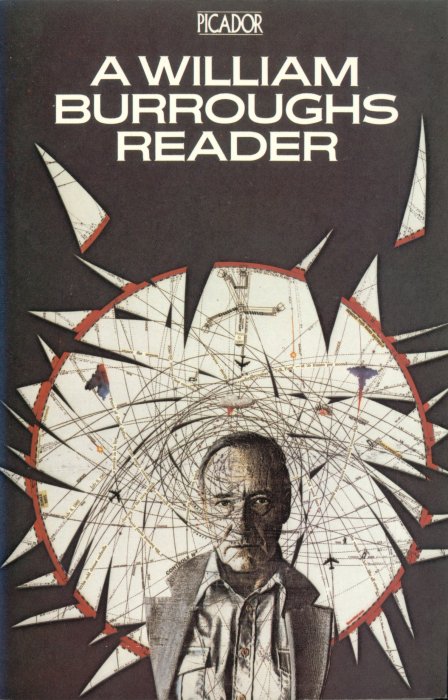
What Are the Most Stolen Books? Book­store Lists Fea­ture Works by Muraka­mi, Bukows­ki, Bur­roughs, Von­negut, Ker­ouac & Palah­niuk

Test Your Lit­er­ary Met­tle: Take a 50 Ques­tion Quiz from The Strand Book­store

Get a Free Pocket Edition of the U.S. Constitution (Now #2 on the Amazon Bestseller List)

we the people

Going into the Demo­c­ra­t­ic Nation­al Con­ven­tion, who would have thought that the speech we’d all remem­ber this week would belong to Khazir Khan, the father of a Mus­lim-Amer­i­can sol­dier who died fight­ing for the Unit­ed States in Iraq? Khan’s rebuke of Don­ald Trump’s divi­sive pres­i­den­tial cam­paign was sting­ing, and it came capped with these lines:

Don­ald Trump, you are ask­ing Amer­i­cans to trust you with our future. Let me ask you: Have you even read the U.S. Con­sti­tu­tion? I will glad­ly lend you my copy. In this doc­u­ment, look for the words “lib­er­ty” and “equal pro­tec­tion of law.”

Have you ever been to Arling­ton Ceme­tery? Go look at the graves of the brave patri­ots who died defend­ing Amer­i­ca — you will see all faiths, gen­ders, and eth­nic­i­ties.

You have sac­ri­ficed noth­ing and no one.

This pri­vate cit­i­zen suc­ceed­ed in doing what Hillary Clin­ton, Bill Clin­ton, Pres­i­dent Oba­ma, Joe Biden and maybe even Michael Bloomberg could not. In his own mod­est, under­stat­ed way, he put Trump on the defen­sive. And when Trump lashed out, you could final­ly hear the whis­pers: Have you no sense of decen­cy, Don­ald, at long last?

Khizr Khan may be to Don­ald Trump what Joseph Welch was to Joe McCarthy. That would be one pos­i­tive out­come of Khan’s speech. The oth­er is that sales of the U.S. Con­sti­tu­tion (as Elec­tric Lit­er­a­ture not­ed) have gone through the roof. The U.S. Con­sti­tu­tion is cur­rent­ly #2 on Ama­zon’s list of best­selling books, right behind the new Har­ry Pot­ter book. Fath­om that.

You, too, can buy a pock­et edi­tion of the Con­sti­tu­tion. But why not get it for free? Through Novem­ber 8, the ACLU is run­ning a pro­mo­tion which will let you snag a free pock­et-sized Constitution–one that can fit in your back­pack, glove com­part­ment, or back pock­et. It mea­sures 3/12” x 5.5” and fea­tures “the full text of the Con­sti­tu­tion, the Amend­ments, includ­ing the Bill of Rights, as well as a Know Your Rights series: What to do if you’re stopped by the police.”

Head to this page, and use the coupon code POCKETRIGHTS.

If you would like to sign up for Open Culture’s free email newslet­ter, please find it here. It’s a great way to see our new posts, all bun­dled in one email, each day.

If you would like to sup­port the mis­sion of Open Cul­ture, con­sid­er mak­ing a dona­tion to our site. It’s hard to rely 100% on ads, and your con­tri­bu­tions will help us con­tin­ue pro­vid­ing the best free cul­tur­al and edu­ca­tion­al mate­ri­als to learn­ers every­where. You can con­tribute through Pay­Pal, Patre­on, and Ven­mo (@openculture). Thanks!

Relat­ed Con­tent:

R Crumb, the Father of Under­ground Comix, Takes Down Don­ald Trump in a NSFW 1989 Car­toon

J.K. Rowl­ing Defends Don­ald Trump’s Right to Be “Offen­sive and Big­ot­ed”

Noam Chom­sky on Whether the Rise of Trump Resem­bles the Rise of Fas­cism in 1930s Ger­many

by | Permalink | Make a Comment ( 14 ) |

« Go BackMore in this category... »
Quantcast