The Creators Project Presents the Future of Art and Design, Brought to You by Intel and Vice Magazine

The Cre­ators Project, a col­lab­o­ra­tion between Intel and Vice Mag­a­zine, pro­duces behind-the-scenes short films with con­tem­po­rary artists, musi­cians, and film­mak­ers. Call­ing itself “a glob­al cel­e­bra­tion of art and tech­nol­o­gy,” the three-year-old project offers per­haps the best way to keep up with incred­i­ble advances in visu­al and audio tech­nol­o­gy in the arts. The project also spon­sors new work (from, for exam­ple, visu­al artists Mick Rock and Bar­ney Clay and musi­cians J. Space­man and Karen O) and hosts glob­al events and meet-ups.

I per­son­al­ly check in with the project’s YouTube chan­nel on a semi-dai­ly basis, and I nev­er fail to find some­thing cap­ti­vat­ing, whether an intro­duc­tion to a new artist or new work from an old favorite (if you pre­fer Vimeo, they’ve got you cov­ered there too). Most recent­ly I’ve dis­cov­ered the aston­ish­ing work of a per­for­mance artist/photographer from Bei­jing, Li Wei, whose work involves Buster Keaton-style stunts—or, more pre­cise­ly, Kung Fu-film high-wire action—captured on cam­era in ver­ti­go-induc­ing images of impos­si­bil­i­ty. In the short film above, Li Wei walks us through his process and his phi­los­o­phy, which begins with the unset­tling notion, “We are all con­trolled by some­one else. Our thoughts and actions are con­trolled by unseen forces.” His work is a high-tech attempt to out­wit one of those forces for brief moments, ren­dered time­less by pho­tog­ra­phy and the mag­ic of Pho­to­shop.

In the video below, a for­mer aero­space engi­neer for NASA, James Pow­der­ly, now occu­pies strange ter­ri­to­ry between design and engi­neer­ing. Inspired by anoth­er cor­po­rate engi­neer­ing dropout, Pow­der­ley left aero­space engi­neer­ing for a res­i­den­cy at New York art and tech­nol­o­gy cen­ter Eye­beam to refine his visu­al aes­thet­ic, which he’s tak­en all over the world.

Final­ly, in the short video below, The Cre­ators Project vis­it­ed Min­Suk Cho, founder of futur­is­tic Seoul archi­tec­ture firm Mass Stud­ies. Cho describes the vision and pur­pose of Mass Stud­ies over a mind-blow­ing series of images of archi­tec­tur­al designs from worlds you’ve nev­er seen before but (if you’re like me) always hoped exist­ed some­where.

http://vimeo.com/44749711

Josh Jones is a doc­tor­al can­di­date in Eng­lish at Ford­ham Uni­ver­si­ty and a co-founder and for­mer man­ag­ing edi­tor of Guer­ni­ca / A Mag­a­zine of Arts and Pol­i­tics.

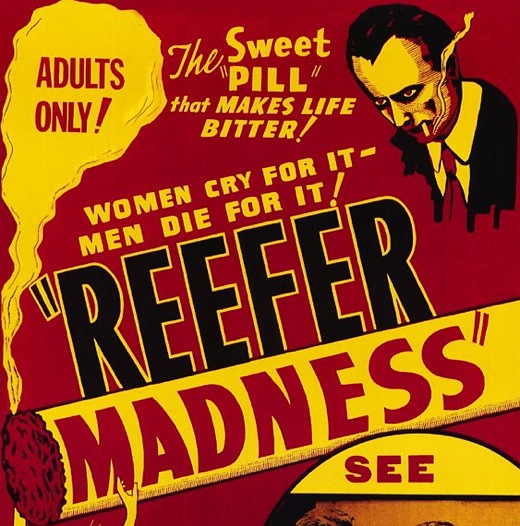
Reefer Madness, 1936’s Most Unintentionally Hilarious “Anti-Drug” Exploitation Film, Free Online

reefermadness

The motion pic­ture you are about to wit­ness may star­tle you. It would not have been pos­si­ble, oth­er­wise, to suf­fi­cient­ly empha­size the fright­ful toll of the new drug men­ace which is destroy­ing the youth of Amer­i­ca in alarm­ing­ly increas­ing num­bers. Mar­i­hua­na is that drug — a vio­lent nar­cot­ic — an unspeak­able scourge — The Real Pub­lic Ene­my Num­ber One! Or at least that’s how the open­ing crawl of Reefer Mad­ness tells it.

Also known, in oth­er forms, as Tell Your Chil­dren, The Burn­ing Ques­tion, Dope Addict, Doped Youth and Love Mad­ness, the film has spent the past forty years accru­ing cult cred­i­bil­i­ty on the (high­ly over­lap­ping) mid­night-movie and cannabis-cul­ture cir­cuits. That pecu­liar spelling of what we know as mar­i­jua­na reveals only a whiff of its dis­tinc­tive blend of hand-wring­ing sala­cious­ness, aggres­sive square­ness, and sheer igno­rance. Kei­th Stroup, founder of the Nation­al Orga­ni­za­tion for the Reform of Mar­i­jua­na Laws, spot­ted the movie’s unin­tend­ed comedic poten­tial back in 1971, when he bought a print and began col­lege-cam­pus screen­ings. It today draws more pro­longed, dis­be­liev­ing guf­faws and chor­tles than ever before.


Since Reefer Mad­ness has fall­en into the pub­lic domain, you can hold your own mid­night screen­ing near­ly with­out effort by watch­ing it online. Behold the deeply askew motion pic­ture that began as a church-fund­ed moral­i­ty play, got into the hands of ear­ly exploita­tion-film icon Dwain Esper (he of 1934’s Mani­ac, 1937’s How to Undress in Front of Your Hus­band, and 1938’s Sex Mad­ness), and wound up as an uproar­i­ous main­stay of hazy uni­ver­si­ty audi­to­ria. While the film clear­ly knows noth­ing of mar­i­jua­na or its real effects — or, seem­ing­ly, of the real effects of any nar­cot­ic — that does­n’t stop its script from yield­ing a host of res­o­nant lines. These run from the “straight­for­ward ques­tion” of whether “you have, per­haps unwill­ing­ly, acquired a cer­tain habit through asso­ci­a­tion with cer­tain unde­sir­able peo­ple” to the rec­ol­lec­tion of hav­ing been “high enough to take over the marines and the navy” to that immor­tal imper­a­tive, “Bring me some reefers!” Laugh if you must, but bear in mind the final words from the solemn Dr. Car­roll: “The next tragedy may be that of your daugh­ter’s… or your son’s… or yours… or yours… or yours!

You can always find Reefer Mad­ness in our col­lec­tion, 4,000+ Free Movies Online: Great Clas­sics, Indies, Noir, West­erns, Doc­u­men­taries & More.

Relat­ed con­tent:

This is What Oliv­er Sacks Learned on LSD and Amphet­a­mines

Bela Lugosi Dis­cuss­es His Drug Habit as He Leaves the Hos­pi­tal in 1955

Beyond Tim­o­thy Leary: 2002 Film Revis­its His­to­ry of LSD

Col­in Mar­shall hosts and pro­duces Note­book on Cities and Cul­ture. Fol­low him on Twit­ter at @colinmarshall.

Monsterpiece Theater Presents Waiting for Elmo, Calls BS on Samuel Beckett

Through­out the years, Sesame Street aired 37 episodes of Mon­ster­piece The­ater, a fun-lov­ing par­o­dy of PBS’s long-run­ning dra­ma series Mas­ter­piece The­atre. In this par­tic­u­lar episode, the host Alis­tair Cook­ie (aka Cook­ie Mon­ster) intro­duces “a mod­ern mas­ter­piece, a play so mod­ern and so bril­liant that it makes absolute­ly no sense to any­body.” Yes, we’re talk­ing about Wait­ing for Elmo, a two-minute clip that lam­poons — or dare I say polite­ly calls bull$hit on — Samuel Beck­et­t’s absur­dist 1953 play, Wait­ing for Godot. If you’ve nev­er expe­ri­enced the orig­i­nal play, you can watch a stag­ing that Beck­ett direct­ed in 1985 or read the orig­i­nal play here.

In the mean­time, it unfor­tu­nate­ly looks like we’re all going to be wait­ing for Elmo a bit longer … or, then again, maybe not.

via Bib­liok­lept

by | Permalink | Make a Comment ( 2 ) |

Venice is Way Under Water…

Venice is made up of 124 islands, 183 canals and 438 bridges, with water con­stant­ly flow­ing in and around it. As the video below explains, the city has his­tor­i­cal­ly devel­oped an elab­o­rate way of defend­ing itself against the seas. But occa­sion­al­ly moth­er nature wins out, and floods take their toll on the city. This year it’s par­tic­u­lar­ly bad. Heavy rains and strong winds have left Venice 70% sub­merged, with water lev­els reach­ing 60 inch­es. It marks the sixth worst flood record­ed in the past 150 years. You can find footage above, and a pret­ty remark­able pho­to gallery over at The Atlantic. And then anoth­er  com­pelling set at Boston.com.

via @eugenephoto

by | Permalink | Make a Comment ( 2 ) |

Meryl Streep Shrooms Her Way Through Modern Alice in Wonderland

Beware the Jub­jub bird…

Beware post-70s the­atri­cal exper­i­men­ta­tion…

Beware a chil­dren’s clas­sic — Alice in Won­der­land, in a mod­ern musi­cal update …

Beware a grown woman cast as a lit­tle girl…

On the oth­er hand, what if we’re talk­ing about Meryl Streep? Specif­i­cal­ly the Deer Hunter / Kramer vs. Kramer-era Streep, star­ring in Alice in Con­certplay­wright Eliz­a­beth Swa­dos and direc­tor Joe Pap­p’s 1981 adap­ta­tion of Lewis Car­rol­l’s orig­i­nal trip­py tale. If Alice at the Palace, a slight­ly restaged for tele­vi­sion ver­sion, is any evi­dence, Amer­i­ca’s Most Seri­ous Actress had a blast, bound­ing around in bag­gy over­alls, doing every­thing in her con­sid­er­able pow­er to upend the pris­sy pinafore-sport­ing Dis­ney stan­dard. She jigged. She pout­ed. She slew the Jab­ber­wock and almost imme­di­ate­ly regret­ted it.

Not sur­pris­ing­ly, giv­en the con­text, she also got to play stoned. Her spacey mean­der­ings ush­ered in the most fan­tas­ti­cal­ly para­noid inter­pre­ta­tion of the Jab­ber­wocky you’re ever like­ly to hear, cour­tesy of a sup­port­ing ensem­ble that includ­ed Mark Linn-Bak­er and the late Michael Jeter. Sud­den­ly, that which has long proved mad­den­ing starts to make sense.

It’s  a feat all around.

Relat­ed Con­tent:

Pho­to: The Real Alice in Won­der­land Cir­ca 1862

Alice in Won­der­land: The 1903 Orig­i­nal Film

Lewis Car­rol­l’s Alice in Won­der­land avail­able in our Free Audio Books and Free eBooks col­lec­tions.

Watch Night of the Living Dead, the Seminal Zombie Movie, Free Online

Hal­loween has long since passed, grant­ed. But giv­en the over­abun­dance of Christ­mas dec­o­ra­tions even now aris­ing all around us, a brac­ing splash of hor­ror won’t go amiss. This goes dou­ble when the splash comes from George A. Romero’s Night of the Liv­ing Dead, urtext of the mod­ern zom­bie movie. It goes triple when you can watch it free online. (It’s been uploaded in high-def­i­n­i­tion video, no less, an absolute essen­tial for lo-fi, low-bud­get gorefests.) Though only released in 1968, the movie appears on the inter­net legal­ly due to its dis­trib­u­tor not indi­cat­ing their copy­right on the film prints. They removed the orig­i­nal title cards, which dis­played the con­sid­er­ably less catchy orig­i­nal title Night of the Flesh Eaters, but for­got to put the copy­right state­ment back in with the new ones.

If Night of the Liv­ing Dead strikes you as some­what déclassé for a site like Open Cul­ture, ask your­self whether you’ve actu­al­ly seen the movie. If you haven’t, then it seems you suf­fer from a vast gap — a vast, zom­bie filled gap — in your aware­ness of twen­ti­eth-cen­tu­ry cin­e­ma cul­ture. The film has even won insti­tu­tion­al val­i­da­tion. Just read the titles of these real arti­cles: “Rewrit­ing the Dead: The Ten­sion between Nos­tal­gia and Per­ver­sion in George A. Romero’s Night of the Liv­ing Dead,” “Inner-City Exhi­bi­tion and the Genre Film: Dis­trib­ut­ing Night of the Liv­ing Dead,” “Greek Gifts: Vision and Revi­sion in Two Ver­sions of Night of the Liv­ing Dead,” “A Mod­ern Med­i­ta­tion on Death: Iden­ti­fy­ing Bud­dhist Teach­ings in George A. Romero’s Night of the Liv­ing Dead.” If you’re look­ing for a PhD. the­sis top­ic, you may have turned up too late to this par­tic­u­lar movie. But it’ll cer­tain­ly take your mind off gift shop­ping.

You can always find Night of the Liv­ing Dead in our col­lec­tion, 4,000+ Free Movies Online: Great Clas­sics, Indies, Noir, West­erns, Doc­u­men­taries & More. Look in the Noir, Thriller, Hor­ror and Hitch­cock sec­tion.

If you would like to sign up for Open Culture’s free email newslet­ter, please find it here. It’s a great way to see our new posts, all bun­dled in one email, each day.

If you would like to sup­port the mis­sion of Open Cul­ture, con­sid­er mak­ing a dona­tion to our site. It’s hard to rely 100% on ads, and your con­tri­bu­tions will help us con­tin­ue pro­vid­ing the best free cul­tur­al and edu­ca­tion­al mate­ri­als to learn­ers every­where. You can con­tribute through Pay­Pal, Patre­on, and Ven­mo (@openculture). Thanks!

Relat­ed con­tent:

Watch the Quin­tes­sen­tial Vam­pire Film Nos­fer­atu Free Online as Hal­loween Approach­es

Where Hor­ror Film Began: The Cab­i­net of Dr. Cali­gari

The First Unin­tend­ed Hor­ror Film (1895)?

Tro­ma Enter­tain­ment, the Mak­er of Acclaimed B‑Movies, Puts 150 Free Films on YouTube

Col­in Mar­shall hosts and pro­duces Note­book on Cities and Cul­ture. Fol­low him on Twit­ter at @colinmarshall.

Alfred Molina Plays Merciless Children’s Theatre Critic, Comedy Ensues

In 1997 David Sedaris pub­lished a fun­ny sto­ry called “Front Row Cen­ter with Thad­deus Bris­tol,” nar­rat­ed by a mer­ci­less dra­ma crit­ic who takes it upon him­self to expose the appalling­ly low the­atri­cal stan­dards of ele­men­tary and mid­dle school Christ­mas plays. The sto­ry is sub­ti­tled “Trite Christ­mas: Scotts­field­’s young hams offer the bland­est of hol­i­day fare,” and it goes like this:

In the role of Mary, six-year-old Shan­non Burke just bare­ly man­ages to pass her­self off as a vir­gin. A cloy­ing, preen­ing stage pres­ence, her per­for­mance seemed based on noth­ing but an annoy­ing pro­cliv­i­ty toward lift­ing her skirt and, on rare occa­sions, open­ing her eyes. As Joseph, sec­ond-grade stu­dent Dou­glas Traz­zare need­ed to be remind­ed that, although his char­ac­ter did not tech­ni­cal­ly impreg­nate the vir­gin moth­er, he should behave as though he were capa­ble of doing so. Thrown into the mix were a hand­ful of inat­ten­tive shep­herds and a trio of gift-bear­ing sev­en-year-olds who could prob­a­bly give the Three Stooges a run for their mon­ey. As for the light­ing, Sacred Heart Ele­men­tary chose to rely on noth­ing more than the flash­bulbs ignit­ed by the obnox­ious stage moth­ers and fathers who had cre­at­ed those zom­bies stag­ger­ing back and forth across the linoleum-floored din­ing hall. Under cer­tain cir­cum­stances parental pride is under­stand­able but it has no place in the the­ater, where it tends to encour­age a child to believe in a tal­ent that, more often than not, sim­ply fails to exist.

In the same spir­it of uncom­pro­mis­ing ser­vice to the sanc­ti­ty of the dra­mat­ic arts, Fun­ny Or Die intro­duces Arthur H. Cartwright, Chil­dren’s The­atre Crit­ic. (See above.) Alfred Moli­na plays the per­pet­u­al­ly scowl­ing Cartwright, who bul­lies a cast of pre­pu­bes­cent medi­oc­ri­ties. “The direc­tion was staid, the sets ram­shackle and the cos­tumes unremarkable–hardly worth the free admis­sion,” he says. “But we tried hard,” says a cute lit­tle girl. “Try telling that to the spir­its of Ibsen and Brecht,” says Cartwright, “because you’ve just tram­pled all over them!”

Speak­ing of Brecht, don’t miss our post from ear­li­er today: Bertolt Brecht Tes­ti­fies Before the House Un-Amer­i­can Activ­i­ties Com­mit­tee (1947)

via Gal­l­ey­Cat

Bertolt Brecht Testifies Before the House Un-American Activities Committee (1947)

Ger­man poet, play­wright, and the­o­reti­cian, Bertolt Brecht—author of such famous works as The Three­pen­ny Opera (1928) and Moth­er Courage and Her Chil­dren (1938)—was a com­mit­ted Marx­ist who pro­posed a new the­ater to shat­ter what he saw as the com­fort­able mid­dle-class con­ven­tions of both trag­ic and real­ist dra­ma. His the­o­ry of “epic the­ater” under­lay his prac­tice, an attempt to shock audi­ences out of com­pla­cen­cy through what he called Ver­frem­dungsef­fekt (“defa­mil­iar­iza­tion” or “dis­tanc­ing effect”).

Brecht’s enor­mous influ­ence was felt not only through­out Europe, but also in the Unit­ed States, where he set­tled for a short time along with many oth­er Ger­man artists and intel­lec­tu­als flee­ing Nazi per­se­cu­tion. In 1943, Brecht col­lab­o­rat­ed with fel­low exiles Fritz Lang and com­pos­er Hanns Eisler on the film Hang­men Also Die!, his only Hol­ly­wood script, loose­ly based on the assas­si­na­tion of num­ber-two leader of the SS, Rein­hard Hey­drich.

Despite Brecht’s anti-Nazi activ­i­ties, in 1947 he was nonethe­less called before the House Un-Amer­i­can Activ­i­ties Com­mit­tee (HUAC) and accused of writ­ing “a num­ber of very rev­o­lu­tion­ary poems, plays, and oth­er writ­ings.” HUAC, fueled by post­war Com­mu­nist and sub­ver­sive para­noia, inves­ti­gat­ed dozens of artists and pro­vid­ed the mod­el for Sen­a­tor Joseph McCarthy’s witch hunts of the 1950s. Brecht’s friend Eisler was also called to tes­ti­fy, hav­ing been denounced by his own sis­ter. Brecht was crit­i­cized by many for his appear­ance. As part of the “Hol­ly­wood Nine­teen,” a group of screen­writ­ers sub­poe­naed by HUAC, he was one of eleven who actu­al­ly appeared, and the only mem­ber of the group who chose to answer ques­tions. The remain­ing ten, includ­ing even­tu­al­ly black­list­ed writ­ers Dal­ton Trum­bo and Ring Lard­ner, invoked their Fifth Amend­ment rights against self-incrim­i­na­tion. But Brecht was also the only for­eign­er in the group, as he put it, a “guest” in the coun­try, and feared that his return trip to Europe would be delayed if he did­n’t coop­er­ate. After his tes­ti­mo­ny, Brecht wrote in a let­ter to Eisler:

“I see from some news­pa­per clip­pings that cer­tain jour­nal­ists thought I behaved arro­gant­ly in Wash­ing­ton; the truth is that I sim­ply had to obey my six lawyers, who advised me to tell the truth and noth­ing else. Not being a cit­i­zen either, I could no more refuse to tes­ti­fy than you could.”

Brecht’s tes­ti­mo­ny (excerpt above) has become some­what leg­endary. The man who invent­ed the the­ater of alien­ation turns this hear­ing into some­thing of a piece of the­ater. Brecht did not lie to the com­mit­tee; he denied offi­cial mem­ber­ship of any Com­mu­nist Par­ty, which was true. But his pol­i­tics were decid­ed­ly prob­lem­at­ic for HUAC. Instead of dis­cussing them direct­ly, Brecht gave answers that were often equiv­o­cal, iron­ic, or seem­ing­ly eva­sive, turn­ing (like Bill Clinton’s post-Lewin­sky tes­ti­mo­ny) on small mat­ters of def­i­n­i­tion, or mak­ing use of the ambi­gu­i­ties of trans­la­tion. For exam­ple, Chief Inves­ti­ga­tor Robert Stripling asks Brecht about a song enti­tled “For­ward We’ve Not For­got­ten” (from his play, The Deci­sion) then reads an Eng­lish trans­la­tion of the song. Asked if he had writ­ten it, Brecht responds, “No, I wrote a Ger­man poem, but that is very dif­fer­ent from this thing,” pro­vok­ing laugh­ter among the audi­ence. In response to the ques­tion about his “rev­o­lu­tion­ary” writ­ings, Brecht clev­er­ly responds: “I have writ­ten a num­ber of poems and songs and plays in the fight against Hitler, and of course they can be con­sid­ered there­fore as rev­o­lu­tion­ary, ‘cause I of course was for the over­throw of that gov­ern­ment.”

The com­plete tran­script of Brecht’s tes­ti­mo­ny is avail­able here, and an audio excerpt is online here. Brecht’s tes­ti­mo­ny is a fas­ci­nat­ing his­tor­i­cal doc­u­ment of a time when cen­sor­ship and polit­i­cal per­se­cu­tion were very much Amer­i­can activ­i­ties.

Josh Jones is a doc­tor­al can­di­date in Eng­lish at Ford­ham Uni­ver­si­ty and a co-founder and for­mer man­ag­ing edi­tor of Guer­ni­ca / A Mag­a­zine of Arts and Pol­i­tics.

« Go BackMore in this category... »
Quantcast