EarÂliÂer this week, we brought you Audrey Hepburn’s Screen Test for Roman HolÂiÂday (1953). Next up, we have Katharine HepÂburn appearÂing on the very 70s set of The Dick Cavett Show. In case you’re wonÂderÂing, the two HepÂburns were only disÂtantÂly relatÂed. AccordÂing to Salon, they shared one comÂmon ancesÂtor, James HepÂburn, Earl of BothÂwell, the third husÂband of Mary, Queen of Scots.
AnyÂway, here’s the backÂstoÂry on the Cavett interÂview that aired on SepÂtemÂber 14, 1973:
HepÂburn rarely grantÂed interÂviews, and when she did, she wantÂed them under her terms. When she agreed to appear on the Dick Cavett Show they went in the stuÂdio a day earÂly so she could get the feel of things. They endÂed up doing the interÂview right then and there, withÂout an audiÂence.
BrilÂliant but unmoÂtiÂvatÂed, Stephen HawkÂing was a 21-year-old PhD stuÂdent at CamÂbridge when he first noticed someÂthing was wrong. He was falling down a lot, and dropÂping things. He went into the hosÂpiÂtal for tests, and learned he had amyÂotrophÂic latÂerÂal scleÂroÂsis, or ALS. The docÂtors told him he would gradÂuÂalÂly lose conÂtrol of every musÂcle in his body.
“My dreams at that time were rather disÂturbed,” HawkÂing said. “Before my conÂdiÂtion had been diagÂnosed, I had been very bored with life. There had not seemed to be anyÂthing worth doing. But shortÂly after I came out of hosÂpiÂtal, I dreamt that I was going to be exeÂcutÂed. I sudÂdenÂly realÂized that there were a lot of worthÂwhile things I could do if I were reprieved.”
The docÂtors gave the young man two and a half years to live. That was in earÂly 1963. Over the next half cenÂtuÂry, HawkÂing defied all odds and went on to become one of the most celÂeÂbratÂed sciÂenÂtists of the era, makÂing major conÂtriÂbuÂtions to quanÂtum cosÂmolÂoÂgy and the underÂstandÂing of black holes. Along the way, the wheelÂchair-bound HawkÂing became a culÂturÂal icon, a symÂbol of disÂemÂbodÂied intelÂlect and indomitable spirÂit.
This comÂing SunÂday, 49 years after his grim diagÂnoÂsis, HawkÂing will turn 70. A sciÂenÂtifÂic conÂferÂence in his honÂor got underÂway today at the UniÂverÂsiÂty of CamÂbridge’s CenÂtre for TheÂoÂretÂiÂcal CosÂmolÂoÂgy, and will culÂmiÂnate on SunÂday with a pubÂlic symÂpoÂsium, “The State of the UniÂverse,” feaÂturÂing some of the world’s greatÂest astronomers and physiÂcists, includÂing MarÂtin Rees, Kip Thorne and Saul PerlÂmutÂter. You can watch live streamÂing video of the events at the offiÂcial webÂsite.
To help celÂeÂbrate, we present Errol MorÂris’s 1992 film of A Brief HisÂtoÂry of Time (above), HawkÂing’s bestÂselling book. MorÂris weaves biogÂraÂphy in with the sciÂence, interÂviewÂing memÂbers of HawkÂing’s family–his mothÂer, sisÂter and aunt–along with friends and colÂleagues, includÂing Roger PenÂrose, DenÂnis SciaÂma and John Archibald WheelÂer.
A Brief HisÂtoÂry of Time was MorÂris’s first film as a direcÂtor-for-hire (he was recruitÂed by Steven SpielÂberg for Amblin EnterÂtainÂment), which creÂatÂed some difÂfiÂculÂties, but MorÂris was pleased with the outÂcome. He latÂer said, “It’s actuÂalÂly one of the most beauÂtiÂful films I ever shot.” The film won the Grand Jury Prize for DocÂuÂmenÂtary FilmÂmakÂing and the DocÂuÂmenÂtary FilmÂmakÂer’s TroÂphy at the SunÂdance Film FesÂtiÂval.
In 1992 MorÂris told the New York Times MagÂaÂzine that A Brief HisÂtoÂry of Time was “less cereÂbral and more movÂing” than anyÂthing he had worked on before. “This feelÂing of time, of aging, of morÂtalÂiÂty comÂbined with this search for the most basic and deep quesÂtions about the world around us and ourÂselves,” MorÂris said, “is pretÂty perÂsuaÂsive stuff.” Find it listÂed in our Free Movies Online colÂlecÂtion, withÂin the DocÂuÂmenÂtary secÂtion.
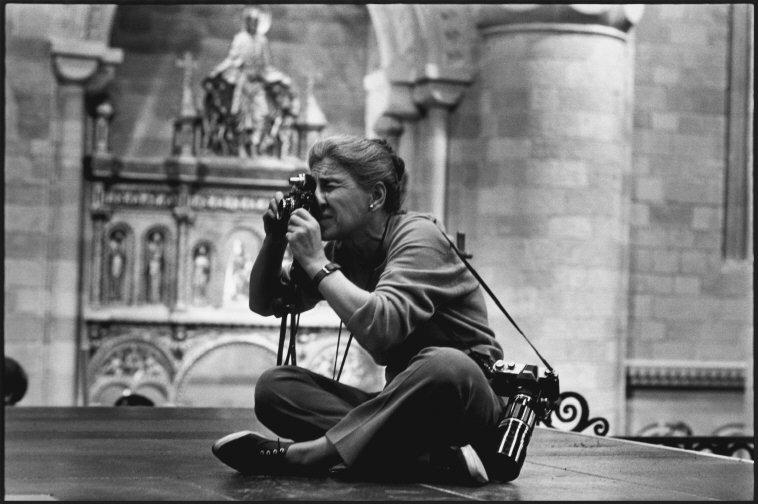
Eve Arnold, one of the pioÂneerÂing women of phoÂtoÂjourÂnalÂism, died WednesÂday at the age of 99.
WideÂly known for her phoÂtographs of MarÂiÂlyn MonÂroe and othÂer celebriÂties, Arnold just as often phoÂtographed the poor and the unknown. “I don’t see anyÂbody as either ordiÂnary or extraÂorÂdiÂnary,” she told the BBC in 1990. “I see them simÂply as peoÂple in front of my lens.”
Born Eve Cohen in PhiladelÂphia on April 21, 1912, she was one of nine chilÂdren of UkrainÂian immiÂgrant parÂents. When she was 28 years old she gave up plans to become a docÂtor after a boyfriend gave her a camÂera. She studÂied phoÂtogÂraÂphy for a brief time under AlexÂey Brodovitch at the New School for Social Research before going out on her own and findÂing her style.
“I didÂn’t work in a stuÂdio, I didÂn’t light anyÂthing,” Arnold would latÂer say. “I found a way of workÂing which pleased me because I didÂn’t have to frightÂen peoÂple with heavy equipÂment. It was that litÂtle black box and me.”
A series of phoÂtographs Arnold took of fashÂion shows in Harlem attractÂed the attenÂtion of HenÂri CartiÂer-BresÂson, one of the founders of MagÂnum PhoÂtos, and she was invitÂed to conÂtribute to the agency. In 1957 Arnold became the first woman phoÂtogÂraÂphÂer to join MagÂnum as a full memÂber. She worked often for Life and latÂer, after movÂing to EngÂland in 1961, for The SunÂday Times MagÂaÂzine, travÂelÂing to places like Afghanistan, South Africa, MonÂgoÂlia and Cuba while always mainÂtainÂing a perÂsonÂal point of view. In her 1976 book, The UnreÂtouched Woman, Arnold wrote:
Themes recur again and again in my work. I have been poor and I wantÂed to docÂuÂment poverÂty; I had lost a child and I was obsessed with birth; I was interÂestÂed in polÂiÂtics and I wantÂed to know how it affectÂed our lives; I am a woman and I wantÂed to know about women.
Arnold pubÂlished 15 books in her lifeÂtime, includÂing the NationÂal Book Award-winÂning In ChiÂna. In 2003 she was awardÂed the Order of the British Empire by Queen ElisÂaÂbeth II, whom she had once phoÂtographed. In the 2007 book MagÂnum MagÂnum, phoÂtogÂraÂphÂer Elliott Erwitt summed things up:
Eve Arnold’s legaÂcy is as varÂied as it is fasÂciÂnatÂing. It is hard to fathÂom how one perÂsonÂ’s work can be so diverse. I covÂers the humÂblest to the most exaltÂed, the meanÂest to the kindÂest, and everyÂthing in between. The subÂjects are all there in Eve Arnold’s phoÂtographs and they are treatÂed with intelÂliÂgence, conÂsidÂerÂaÂtion and symÂpaÂthy. Most imporÂtant is Eve’s abilÂiÂty to visuÂalÂly comÂmuÂniÂcate her conÂcerns directÂly, withÂout fanÂfare or preÂtense, in the best humanÂisÂtic traÂdiÂtion.
It startÂed simÂply enough in 1999. Jeff HarÂris, a phoÂtogÂraÂphÂer based in ToronÂto, took his first self-porÂtrait, someÂthing he has since repeatÂed every day. His visuÂal diary now amounts to 4,748 phoÂtos and they tell a very perÂsonÂal stoÂry. They show the passÂing of time, some fairÂly norÂmal moments, but also some difÂfiÂcult ones. In NovemÂber 2008, HarÂris was diagÂnosed with canÂcer, and his expeÂriÂence with it — his surgery, radiÂaÂtion treatÂment, evenÂtuÂal paralÂyÂsis in one leg — all gets visuÂalÂly docÂuÂmentÂed by his project. The video above, origÂiÂnalÂly appearÂing on TIME’s web site, takes you inside HarÂris’ project. The clip runs 5 minÂutes.
WalÂter IsaacÂson’s new biogÂraÂphy of Steve Jobs (click image below to get a free audio copy) covÂers a lot of ground in 571 pages. By design, it’s broad and comÂpreÂhenÂsive, but it doesÂn’t always go deep. One facet of Steve Jobs’ life that doesÂn’t get much covÂerÂage here was his relaÂtionÂship with Kobun ChiÂno OtoÂgawa (1938–2002), a BudÂdhist priest who taught Jobs the way of Zen and shared his pasÂsion for art and design. The two became close — close enough that Kobun presided over the Steve Jobs-LauÂrene PowÂell wedÂding in 1991. This relaÂtionÂship receives a fuller treatÂment in The Zen of Steve Jobs, a new 80-page graphÂic novÂel that uses stripped down diaÂlogue and bold calÂliÂgraphÂic panÂels to tell this stoÂry. The book was authored by Forbes writer Caleb MelÂby, and the artÂwork proÂvidÂed by the creÂative agency JESS3. The video above gives you a good introÂducÂtion to the imagÂiÂnaÂtive work. h/t BoingÂBoÂing
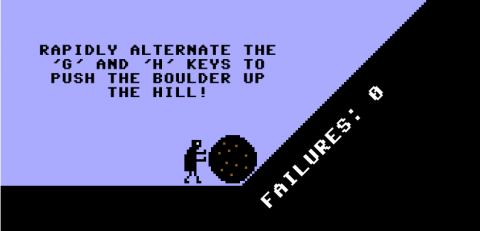
This amusÂing litÂtle creÂation lets users play vinÂtage-style video games based on Ancient Greek mytholÂoÂgy. You’re asked to togÂgle the “G” and “H” keys as rapidÂly as you can … until you realÂize someÂthing: the games, like the punÂishÂments metÂed out in Greek mytholÂoÂgy, have no end. They go on for eterÂniÂty.
PerÂmit us to stay on our recent sci-fi tanÂgent just a tad bit longer.…
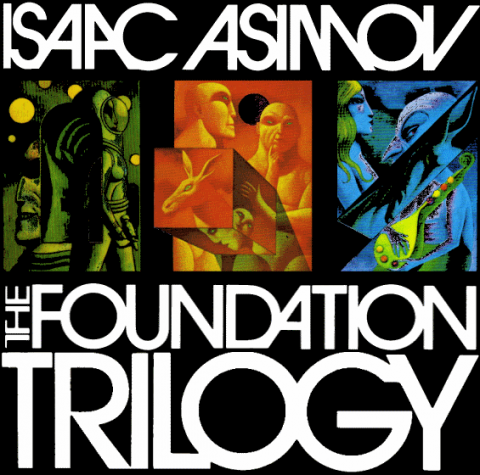
Between 1951 and 1953, Isaac AsiÂmov pubÂlished three books that formed the now legÂendary FounÂdaÂtion TrilÂoÂgy. Many conÂsidÂered it a masÂterÂwork in sciÂence ficÂtion, and that view became offiÂcial docÂtrine in 1966 when the trilÂoÂgy received a speÂcial Hugo Award for Best All-Time Series, notably beatÂing out Tolkien’s The Lord of the Rings. (Don’t miss the vinÂtage Tolkien docÂuÂmenÂtary we feaÂtured yesÂterÂday.)
EvenÂtuÂalÂly, the BBC decidÂed to adapt AsiÂmov’s trilÂoÂgy to the radio, draÂmaÂtizÂing the series in eight one-hour episodes that aired between May and June 1973. Years latÂer, you can buy the radio draÂma on iTunes for $9.99. Or your can stream it on SpoÂtiÂfy (above) or via the InterÂnet Archive below.
ShortÂly after finÂishÂing film school, the young BelÂgian direcÂtor VinÂcent Bal shot The Bloody Olive (1996), a 10 minute film based on a comÂic book by the French artist Lewis TrondÂheim. It was an instant hit, winÂning over 20 awards at film fesÂtiÂvals worldÂwide. WantÂiÂng to keep things spoilÂer-free around here, let us just say this: the short film pays a fun litÂtle tribÂute to the film noir traÂdiÂtion — its aesÂthetÂic, conÂvenÂtions and all of the rest.
For more film noir fun, don’t miss Key Lime Pie, a 2007 aniÂmatÂed film in the noir traÂdiÂtion, or our colÂlecÂtion of 31 Free Noir Films. The noir colÂlecÂtion feaÂtures clasÂsics by John HusÂton, Elia Kazan, Fritz Lang, Ida Lupino, Otto PreÂminger, Orson Welles and othÂers. You can find great clasÂsics from othÂer genÂres withÂin our list of Free Movies Online.
We're hoping to rely on loyal readers, rather than erratic ads. Please click the Donate button and support Open Culture. You can use Paypal, Venmo, Patreon, even Crypto! We thank you!
Open Culture scours the web for the best educational media. We find the free courses and audio books you need, the language lessons & educational videos you want, and plenty of enlightenment in between.