Watch D.O.A., Rudolph Maté’s “Innovative and Downright Twisted” Noir Film (1950)

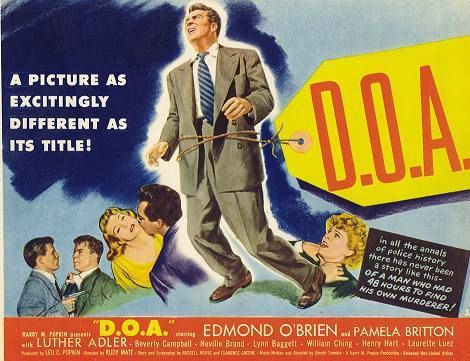
Liv­ing and film­go­ing here in Los Ange­les, I seize every oppor­tu­ni­ty to watch Los Ange­les Plays Itself, Thom Ander­sen’s exten­sive and enter­tain­ing doc­u­men­tary on the uses and abus­es of the city through­out cin­e­ma his­to­ry. In one pas­sage, Ander­sen tracks the strik­ing­ly var­i­ous roles of George Wyman’s 1893 Brad­bury Build­ing down­town: Deckard’s apart­ment in Blade Run­ner, Mar­lowe’s office in Mar­lowe, the place where Tom meets Autumn in (500) Days of Sum­mer. “The movies dis­cov­ered the Brad­bury Build­ing before the archi­tec­tur­al his­to­ri­ans did,” the nar­ra­tion tells us. “In Chi­na Girl, it played the Hotel Royale in Man­dalay, Bur­ma. The fol­low­ing year, in The White Cliffs of Dover, it played a Lon­don mil­i­tary hos­pi­tal over­flow­ing with wound­ed sol­diers.” We then see the cli­mac­tic scene of a film called D.O.A. which, dra­mat­i­cal­ly height­ened even by the stan­dards of film noir, depicts a poi­soned man chas­ing his own mur­der­er up the stairs of the build­ing’s dark­ened but still unmis­tak­able atri­um.

Felixxx999-DOA1950435.flv

“Fatal­ly poi­soned by a lumi­nous tox­in slipped into his drink at a jazz club,” so Ander­sen’s nar­ra­tor sum­ma­rizes, “Frank Bigelow has one day before dying to track down his killer, and he finds him at the Phillips Import-Export Com­pa­ny… Room 427.” Few view­ers of the doc­u­men­tary will already have seen D.O.A.; the rest sure­ly feel intrigued enough to track it down. For­tu­nate­ly, they can watch the com­plete 1950 film free online, since it fell into the pub­lic domain in 1977. Called “one of the most accom­plished, inno­v­a­tive, and down­right twist­ed entrants to the film noir genre” by the BBC’s David Wood, Hun­gar­i­an expat direc­tor Rudolph Maté’s third pic­ture has, like many of its artis­tic rel­a­tives, expe­ri­enced a respect­ful re-eval­u­a­tion since rais­ing groans from crit­ics with, among oth­er things, the claim of being “As Excit­ing­ly Dif­fer­ent As Its Title!” Salon’s Michael Sragow calls it an exam­ple of a “high-con­cept movie before its time,” one that cer­tain­ly does have more to offer you on your film noir Fri­day than just a neat build­ing.

Relat­ed Con­tent:

Free Film Noir Movies

Detour: The Cheap, Rushed Piece of 1940s Film Noir Nobody Ever For­gets

Fritz Lang’s “Licen­tious, Pro­fane, Obscure” Noir Film, Scar­let Street (1945)

100 Great­est Posters of Film Noir

Col­in Mar­shall hosts and pro­duces Note­book on Cities and Cul­ture and writes essays on lit­er­a­ture, film, cities, Asia, and aes­thet­ics. He’s at work on a book about Los Ange­lesA Los Ange­les Primer. Fol­low him on Twit­ter at @colinmarshall.

Leonard Susskind Teaches You “The Theoretical Minimum” for Understanding Modern Physics

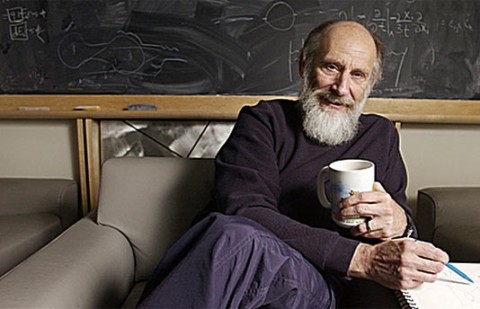
susskind-g For the past decade, Leonard Susskind, one of Amer­i­ca’s pre-emi­nent physi­cists, has taught a series of six cours­es in Stan­ford’s Con­tin­u­ing Stud­ies pro­gram.  The series “explores the essen­tial the­o­ret­i­cal foun­da­tions of mod­ern physics,” help­ing life­long learn­ers (like you) attain the “the­o­ret­i­cal min­i­mum” for think­ing intel­li­gent­ly about mod­ern physics. Over the years, the Con­tin­u­ing Stud­ies pro­gram (where, in full dis­clo­sure, I serve as the direc­tor) has taped the lec­tures and made them avail­able to a glob­al audi­ence on YouTube and iTunes. We’ve even burned the lec­tures onto CDs and shipped them to remote loca­tions in Afghanistan and Nepal where con­nec­tiv­i­ty is still lack­ing. This week, Susskind’s pop­u­lar lec­tures found a new home of sorts with the launch of The The­o­ret­i­cal Min­i­mum, a new web site that presents the six cours­es in a way that’s neat, clean and easy to nav­i­gate. The site also offers a short text sum­ma­ry of each lec­ture, plus relat­ed ref­er­ence mate­ri­als. You can jump into the cours­es and get start­ed on your own intel­lec­tu­al jour­ney via this list:

Note: Susskind’s cours­es, and many oth­ers, also appear in our col­lec­tion of Free Online Physics Cours­es, part of our col­lec­tion of 875 Free Online Cours­es.

Relat­ed Con­tent:

Free: Richard Feynman’s Physics Lec­tures from Cor­nell (1964)

Demys­ti­fy­ing the Hig­gs Boson with Leonard Susskind, the Father of String The­o­ry

Michio Kaku Explains the Physics Behind Absolute­ly Every­thing

Leonard Susskind, Father of String The­o­ry, Warm­ly Remem­bers His Friend, Richard Feyn­man

by | Permalink | Make a Comment ( 5 ) |

‘Beastie Boys on Being Stupid’: An Animated Interview From 1985

Blank on Blank, the non­prof­it group that uses the mag­ic of ani­ma­tion to bring for­got­ten inter­views back to life, has come out with a new episode fea­tur­ing the Beast­ie Boys in their ear­ly days. “Beast­ie Boys on Being Stu­pid” (above) is built on excerpts from a 1985 inter­view with Roc­ci Fisch for ABC Radio. The three mem­bers of the group–Mike Dia­mond, Adam Horowitz and Adam Yauch–were between 19- and 21-years old at the time and had not yet released their first full-length album, Licensed to Ill. They were tour­ing with Madon­na, and just begin­ning to get a taste of the nation­al spot­light. The inter­view is infused with the Boys’ self-dep­re­cat­ing wit.

Roc­ci Fisch: “How did you get your group name, Beast­ie Boys?”

Adam “MCA” Yauch: “It’s from the good old days. We were a hard­core band.”

Mike “Mike D” Dia­mond: “Yeah, we were like–I was like what, 14?”

Adam “MCA” Yauch: “Yeah.”

Mike “Mike D” Dia­mond: “I was like, 14, 15? That’s when we made our first record. We were all going to high school at the time and that’s how we met.”

Adam “MCA” Yauch: “At the time it was the stu­pid­est name that I could pos­si­bly think of. And if you could think of a stu­pid­er name I’d prob­a­bly be pret­ty impressed now. So lay it on me: Can you think of a stu­pid­er name name than the Beast­ie Boys?”

Roc­ci Fisch: “Not real­ly.”

Adam “MCA” Yauch: “So then that answers your ques­tion right there.”

For a full tran­script, go to the Blank on Blank Web site. And for more about Blank on Blank, includ­ing three ear­li­er videos, see our April 19 post, “Ani­ma­tions Revive Lost Inter­views with David Fos­ter Wal­lace, Jim Mor­ri­son & Dave Brubeck.”

Relat­ed Con­tent:

Fight For Your Right Revis­it­ed: Adam Yauch’s 2011 Film Com­mem­o­rates the Beast­ie Boys’ Leg­endary Music Video

Cold­play Cov­ers Fight For Your Right to Par­ty at the Hol­ly­wood Bowl: A Trib­ute to MCA

New Jazz Archive Features Rare Audio of Louis Armstrong & Other Legends Playing in San Francisco

satchmo club hangover

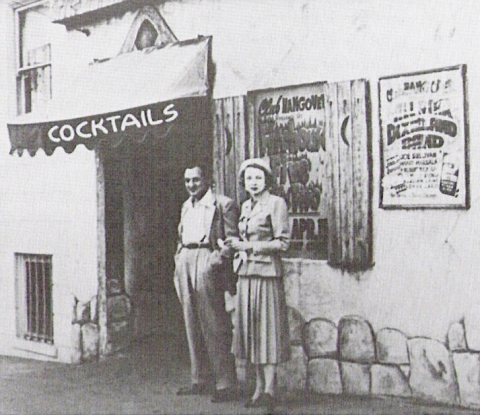
Any inves­ti­ga­tion into San Francisco’s jazz hey­day of the 1950s requires a stop at the Club Hang­over. Oper­at­ed by band­leader Doc Dougher­ty on Bush Street through­out the decade, the club became a Dix­ieland jazz head­quar­ters.

Now home to an adult movie the­ater, the club is long closed. The music lives on how­ev­er in record­ings made at the time, which are now avail­able online, much of it for the first time ever, in com­plete, unedit­ed record­ings.

Using tapes pre­served by radio sta­tion KCBS, jazz broad­cast­er Dave Rad­lauer has archived KCBS broad­casts of Hang­over ses­sions from 1954–58. On-air host Bob Goern­er inter­viewed musi­cians from the KCBS sta­tion using a ded­i­cat­ed phone line that deliv­ered a sig­nal from the club on Nob Hill. Goern­er pre­served the show tapes, which are now housed in the Stan­ford Uni­ver­si­ty Braun Music archive.

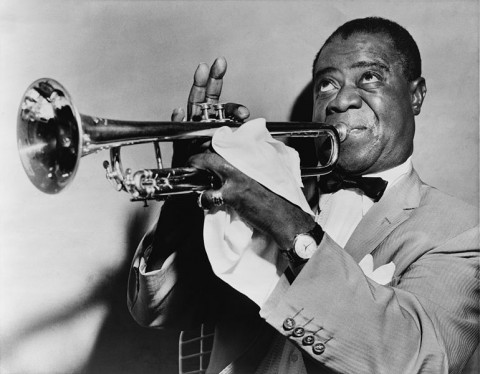
Rad­lauer makes the archive avail­able as .mp3 files, includ­ing one par­tic­u­lar­ly his­toric jam ses­sion star­ring Louis Arm­strong. The sto­ry goes that in Jan­u­ary, 1951 Arm­strong was in San Fran­cis­co to vis­it his friend clar­inetist Pee Wee Rus­sell in the hos­pi­tal and decid­ed to throw Rus­sell a fundrais­er. He brought togeth­er a mas­ter­ful group includ­ing pianist Earl “Fatha” Hines, cred­it­ed with help­ing tran­si­tion jazz piano from stride to swing. The place was packed and $1,500 went into the kit­ty for Russell’s med­ical bills. You can lis­ten to Arm­strong’s rehearsal and per­for­mance below.

Rehearsal:

Per­for­mance:

“Fatha” Hines was quite a per­former him­self. A pop­u­lar head­lin­er, his music ranged from Dix­ieland to bop. Anoth­er favorite at the Hang­over was Mug­gsy Spanier, a cor­netist known for his emo­tion­al solos and mas­ter­ful use of the plunger mute.

These guys lived in the Bay Area: Hines was a res­i­dent of Oak­land, Spanier lived in Sausal­i­to and trom­bon­ist Kid Ory raised chick­ens for a time in Petaluma.

club hangover

via Metafil­ter

Kate Rix writes about edu­ca­tion and dig­i­tal media. Vis­it her web­site: .

Relat­ed Con­tent:

The Nazis’ 10 Con­trol-Freak Rules for Jazz Per­form­ers: A Strange List from World War II

10 Great Per­for­mances From 10 Leg­endary Jazz Artists: Djan­go, Miles, Monk, Coltrane & More

A Child’s Intro­duc­tion to Jazz by Can­non­ball Adder­ley (with Louis Arm­strong & Thelo­nious Monk)

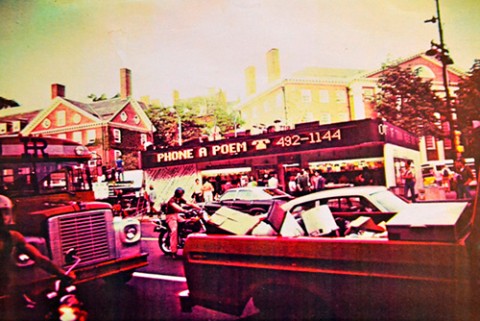
Listen to Recordings of Allen Ginsberg & Other Poets on Phone-a-Poem, the 1970s Poetry Hotline

phone_a_poemMuch of what we once used the tele­phone for, we now use the inter­net for. Con­verse­ly, some tasks to which the inter­net now seems per­fect­ly suit­ed were once per­formed, imper­fect­ly, through the phone. Take the case of hear­ing poet­ry read aloud. Today, online poet­ry resources are read­i­ly avail­able; you can hear a vari­ety of poets read­ing their work with a few well-direct­ed clicks of the mouse (see our list below). But in 1976, you’d have had to rely on Phone-a-Poem. Oper­at­ed out of Cam­bridge, Mass­a­chu­setts by poet Peter Pay­ack, the hot­line offered read­ings by his well-known col­leagues, includ­ing Allen Gins­berg, Denise Lev­er­tov, Don­ald Hall, Charles Bern­stein, For­rest Gan­der, and Anne Wald­man.

Pay­ack mailed these famous poets blank cas­settes to fill with poems and then return; into Pay­ack­’s answer­ing machine the tapes would go for eager dialers to hear auto­mat­i­cal­ly played back. “I gave the aver­age per­son a chance to hear a poem, and if they didn’t like it, they could just hang up,” Pay­ack said to the Har­vard Gazette’s Col­in Man­ning. “Usu­al­ly, if you want­ed to hear the poet’s voice you had to go to poet­ry read­ings, which can be intim­i­dat­ing. But this allowed peo­ple to hear the poet’s voice in their own home, so it wouldn’t be intim­i­dat­ing.” Phone-a-Poem went out of com­mis­sion in 2001, but after a recent exhi­bi­tion of Pay­ack­’s cas­settes at Har­vard Uni­ver­si­ty, you can still hear its poems toll free on, yes, the inter­net, through the playlist embed­ded above.

H/T via @kirstinbutler; image via Har­vard Gazette

Relat­ed Con­tent:

Allen Gins­berg Reads His Famous­ly Cen­sored Beat Poem, Howl

Sylvia Plath Reads “Dad­dy”

Rare 1930s Audio: W.B. Yeats Reads Four of His Poems

“PoemTalk” Pod­cast, Where Impre­sario Al Fil­reis Hosts Live­ly Chats on Mod­ern Poet­ry

Bill Mur­ray Reads Wal­lace Stevens Poems — “The Plan­et on The Table” and “A Rab­bit as King of the Ghosts”

Col­in Mar­shall hosts and pro­duces Note­book on Cities and Cul­ture and writes essays on lit­er­a­ture, film, cities, Asia, and aes­thet­ics. He’s at work on a book about Los Ange­lesA Los Ange­les Primer. Fol­low him on Twit­ter at @colinmarshall.

John Cage Plays Amplified Cacti and Plant Materials with a Feather (1984)

On Jan­u­ary 1, 1984, 25 mil­lion view­ers tuned in to watch Good Morn­ing, Mr. Orwell!, a live satel­lite pro­gram cre­at­ed by the Kore­an-born video artist, Nam June Paik. Accord­ing to reports in The New York Times, Paik cre­at­ed the pro­gram with the hope of prov­ing that tele­vi­sion could be “an instru­ment for inter­na­tion­al under­stand­ing rather than an omi­nous means of thought con­trol,” as George Orwell warned in 1984. And Paik made his pitch with the help of names you’ll rec­og­nize from the 1980s cul­tur­al scene (assum­ing your mem­o­ry goes back that far) — Peter GabrielLau­rie Ander­son, George Plimp­ton, Oin­go Boin­go, Philip Glass, the Thomp­son Twins, Mer­ce Cun­ning­ham and Allen Gins­berg.

Above, we’re fea­tur­ing one mem­o­rable per­for­mance from Good Morn­ing, Mr. Orwell!, which aired on PBS sta­tions across the US: the avant-garde com­pos­er John Cage play­ing ampli­fied cac­ti and plant mate­ri­als with noth­ing but a feath­er. Joined on stage by fel­low com­pos­er Take­hisa Kosu­gi, Cage per­forms an impro­vi­sa­tion that could have accom­pa­nied a Mer­ce Cun­ning­ham dance. Mean­while, George Plimp­ton, a founder of The Paris Review and the host of Good Morn­ing, Mr. Orwell!, pro­vides some nar­ra­tion.

Fol­low Open Cul­ture on Face­book and Twit­ter and share intel­li­gent media with your friends. Or bet­ter yet, sign up for our dai­ly email and get a dai­ly dose of Open Cul­ture in your inbox. And if you want to make sure that our posts def­i­nite­ly appear in your Face­book news­feed, just fol­low these sim­ple steps.

Relat­ed Con­tent:

John Cage Unbound: A New Dig­i­tal Archive Pre­sent­ed by The New York Pub­lic Library

John Cage Per­forms Water Walk on “I’ve Got a Secret” (1960)

The Con­tro­ver­sial Sounds of Silence: John Cage’s 4’33″ Per­formed by the BBC Sym­pho­ny Orches­tra

David Bowie Recalls the Strange Experience of Inventing the Character Ziggy Stardust (1977)

Oh, not anoth­er Bowie post! Oh yes, yes it is. We don’t keep our love for Bowie secret, and along with his first album in ten years comes new archival mate­r­i­al: new to us that is, and maybe to you too.

Now, if your pri­ma­ry expe­ri­ence of Bowie was through his ear­ly 70s char­ac­ter Zig­gy Star­dust—a rock opera cre­ation as much as Hed­wig or Dr. Frank-N-Furter—it would be easy to believe Bowie was Zig­gy. He inhab­it­ed the char­ac­ter so ful­ly that it’s hard to imag­ine he was play­ing a very delib­er­ate part the whole time.

But of course, he was. Zig­gy and the Spi­ders were, as Bowie says above, a “the­ater piece.” Pre­vi­ous­ly, we’ve fea­tured a doc­u­men­tary (see again below) that chron­i­cles the rise of Zig­gy Star­dust, from Bowie’s some­what obscure begin­nings to his break­out as the char­ac­ter. In the 1977 inter­view clip above from the CBC, watch Bowie, as him­self, describe the expe­ri­ence of being Zig­gy.

He talks of his influences—a mélange of kabu­ki the­ater, mime, and New York art rock (“Vel­vet Under­ground, what­ev­er”). He calls the music from Zig­gy Star­dust and the Spi­ders From Mars “a British view of Amer­i­can street ener­gy.” In ret­ro­spect, it’s easy to see the act as just that, but in the moment, Bowie’s fans believed in Zig­gy as sure­ly as they believed any­thing else. Watch, for exam­ple, as starstruck audi­ence mem­bers rap­tur­ous­ly mouth the words to “Moon­age Day­dream” in this clip from D.A. Pennebaker’s Zig­gy Star­dust film.


P
ennebaker’s film caught Bowie’s final per­for­mance as the alien rock star at London’s Ham­mer­smith in 1973. No doubt these fans were hor­ri­bly crushed when Zig­gy announced his retire­ment before the final song. But I’m sure they kept their elec­tric eye on the re-invent­ed Bowie in Berlin, a peri­od he also dis­cuss­es above, when he left L.A. for Ger­many and began work­ing with Bri­an Eno and Iggy Pop.

Relat­ed Con­tent:

The Sto­ry of Zig­gy Star­dust: How David Bowie Cre­at­ed the Char­ac­ter that Made Him Famous

David Bowie Sings ‘I Got You Babe’ with Mar­i­anne Faith­full in His Last Per­for­mance As Zig­gy Star­dust

David Bowie Releas­es Vin­tage Videos of His Great­est Hits from the 1970s and 1980s

Josh Jones is a writer and musi­cian based in Wash­ing­ton, DC. Fol­low him @jdmagness

Obey the Giant: Short Film Presents the True Story of Shepard Fairey’s First Act of Street Art

Street artists: you either love ’em or hate ’em. Or, to put it less blunt­ly, you either find ’em inno­v­a­tive pub­lic icono­g­ra­phers or find ’em puerile pub­lic nui­sances. I sure­ly don’t have to get into the con­tro­ver­sy of appraisal and reap­praisal that swirls end­less­ly around Eng­lish sten­cil-wield­ing satirist Banksy, but even the far less secre­tive and aggres­sive Shep­ard Fairey has detrac­tors as fer­vent as his admir­ers. Yes, I mean the Oba­ma “HOPE” fel­low, though he began launch­ing images into our zeit­geist well before any of us knew the name of the future Pres­i­dent of the Unit­ed States of Amer­i­ca. You can learn much more about his ear­ly, pre-HOPE work by watch­ing Obey the Giant, a brand new twen­ty-minute doc­u­men­tary free to watch online. Among the truths revealed: Fairey also cre­at­ed “Andre the Giant has a posse” stick­ers, those pil­lars of nineties under­ground cul­ture and results of an “exper­i­ment in phe­nom­e­nol­o­gy” that you’ve almost cer­tain­ly been spot­ting ever since.

Direct­ed by for­mer Fairey intern Julian Mar­shall, the short exam­ines the cir­cum­stances sur­round­ing his cre­ation of this prank­ish yet sur­pris­ing­ly long-lived cam­paign. Why appro­pri­ate the image of such a well-known pro­fes­sion­al wrestler? Why cred­it him with a posse? Why start spread­ing the word on the streets of Prov­i­dence? To address these ques­tions, Obey the Giant goes back to Fairey’s years at the Rhode Island School of Design in the late eight­ies and ear­ly nineties, when he hung out with a tight-knit group of hip-hop-lov­ing skaters, known inter­nal­ly as “the Posse,” and need­ed a sam­ple image to try mak­ing a sten­cil out of. The doc­u­men­tary, which crowd­sourced its $65,000 bud­get through Kick­starter, fea­tures a fic­tion­al­ized ver­sion of Fairey por­trayed by an actor. The move seems faint­ly rem­i­nis­cent of Banksy’s real­i­ty-ambigu­ous 2012 film Exit Through the Gift Shop, though the real Fairey does­n’t con­ceal his iden­ti­ty. He even occa­sion­al­ly turns up, so I’ve heard, at the muse­um here in Los Ange­les where my lady works — in the gift shop, as it hap­pens.

Relat­ed Con­tent:

The Oba­ma “Hope” Poster & The New Copy­right Con­tro­ver­sy

Shep­ard Fairey Caves In, Revis­es Occu­py Wall Street Poster

Artist Shep­ard Fairey Curates His Favorite YouTube Videos

Strik­ing Posters From Occu­py Wall Street: Down­load Them for Free

Col­in Mar­shall hosts and pro­duces Note­book on Cities and Cul­ture and writes essays on lit­er­a­ture, film, cities, Asia, and aes­thet­ics. He’s at work on a book about Los Ange­lesA Los Ange­les Primer. Fol­low him on Twit­ter at @colinmarshall.

« Go BackMore in this category... »
Quantcast