23 Cartoonists Unite to Demand Action to Reduce Gun Violence: Watch the Result

The Unit­ed States has only five per­cent of the world’s pop­u­la­tion, but some­where between 35 and 50 per­cent of the world’s pri­vate­ly owned guns. Is it a sur­prise, then, that we have sig­nif­i­cant­ly high­er rates of gun vio­lence?

Accord­ing to research pub­lished by the Nation­al Insti­tutes of Health, homi­cide rates in the U.S. are 6.9 times high­er than they are in oth­er high-income nations. For 15- to 24-year-olds, the homi­cide rate is 42.7 times high­er. Firearm sui­cide rates are 5.8 times high­er in Amer­i­ca than in oth­er coun­tries, even though the over­all sui­cide rates are 30 per­cent low­er.

A suc­ces­sion of high-pro­file massacres–Columbine, Vir­ginia Tech, Sandy Hook–has tak­en place against a base­line of dai­ly gun deaths that rarely make the nation­al head­lines: mur­ders, sui­cides, acci­den­tal killings. Since the Decem­ber 14 mass mur­der at Sandy Hook Ele­men­tary School in New­town, Con­necti­cut, in which 20 chil­dren and six adults were gunned down by a heav­i­ly armed man, there have been well over 3,300 gun-relat­ed deaths in Amer­i­ca. If cur­rent trends con­tin­ue, gun deaths are pro­ject­ed to exceed traf­fic deaths for the first time by the year 2015.

So what is being done? At the fed­er­al lev­el, noth­ing.

Ear­li­er this month the Sen­ate not only struck down leg­is­la­tion to ban assault weapons and high-capac­i­ty gun mag­a­zines, it also struck down–at the will of a 45-mem­ber minority–a bipar­ti­son com­pro­mise to expand back­ground checks for gun buy­ers, a mea­sure sup­port­ed by 90 per­cent of the Amer­i­can peo­ple.

In response to the paral­y­sis (some would say cow­ardice) on Capi­tol Hill, a group of 23 promi­nent car­toon­ists, includ­ing Gar­ry Trudeau, Ruben Bolling, Art Spiegel­man and Tom Tomor­row, have joined forces to fight back against the gun lob­by. The car­toon (above) was orga­nized by May­ors Against Ille­gal Guns, and is nar­rat­ed by actors Julianne Moore and Philip Sey­mour Hoff­man.

“Enough. Demand action,” say Moore and Hoff­man. “As a dad, as a mom, as a hus­band, as a wife, as a fam­i­ly, as a friend. As an Amer­i­can. It’s time. We can’t back down. It’s time for our lead­ers to act right now. Demand action”

If you would like to sign up for Open Culture’s free email newslet­ter, please find it here. It’s a great way to see our new posts, all bun­dled in one email, each day.

If you would like to sup­port the mis­sion of Open Cul­ture, con­sid­er mak­ing a dona­tion to our site. It’s hard to rely 100% on ads, and your con­tri­bu­tions will help us con­tin­ue pro­vid­ing the best free cul­tur­al and edu­ca­tion­al mate­ri­als to learn­ers every­where. You can con­tribute through Pay­Pal, Patre­on, and Ven­mo (@openculture). Thanks!

The Finland Wartime Photo Archive: 160,000 Images From World War II Now Online

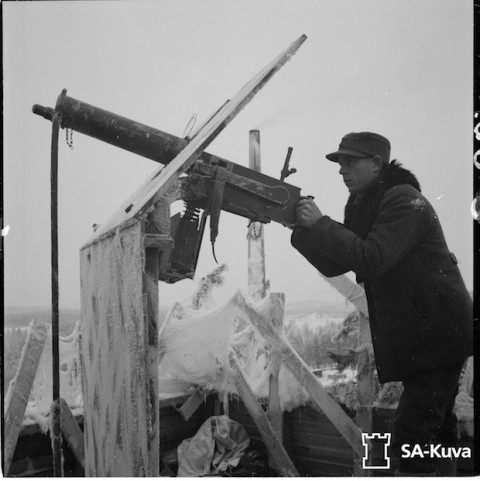
Kuitu Oy:llä konstuoitu IT-tykki.

From the The Finnish Defence Forces comes the Finnish Wartime Pho­to­graph Archive, a col­lec­tion of 160,000 pho­tographs tak­en dur­ing World War II when Fin­land fought to free itself from Nazi Ger­many and the Sovi­et Union. Pre­served in their orig­i­nal state, the pic­tures “por­tray life on the home front, ruins from bomb­ings, the war indus­try and events that hap­pened behind the front lines.” As you can imag­ine, some of the pho­tos can be dis­turb­ing.

On a brighter note, let me add this. You can down­load each and every pho­to, and use them for edu­ca­tion­al pur­pos­es. The archive only asks that you give prop­er attri­bu­tion by men­tion­ing “SA-kuva” as the source. And, indeed, “SA-kuva” should be giv­en cred­it for the image above.

You can enter the com­plete archive here.

via Petapix­el

by | Permalink | Make a Comment ( 3 ) |

Joan Baez Live in 1965: Full Concert

On June 5, 1965, Joan Baez played a spe­cial con­cert at the BBC Tele­vi­sion The­atre in Shep­herd’s Bush, Lon­don. Although her fame at the time was new­ly eclipsed by that of her recent­ly estranged lover Bob Dylan, Baez was very much in her prime.

The con­cert was record­ed less than a month after Dylan’s 1965 tour of Eng­land, chron­i­cled in D.A. Pen­nebak­er’s film Don’t Look Back, in which Dylan failed to invite Baez onstage despite the fact that she had intro­duced him to nation­al audi­ences in Amer­i­ca.

Baez plays sev­er­al Dylan songs in the BBC con­cert, along with oth­er folk and pop songs from her reper­toire. Includ­ed is Baez’s first hit sin­gle, her ver­sion of the Phil Ochs song “There but for For­tune,” which was released the same month in Amer­i­ca but would not come out in the UK until the fol­low­ing month. The con­cert was orig­i­nal­ly broad­cast by the BBC as two sep­a­rate half-hour spe­cials, both end­ing with the clas­sic French love song “Plaisir d’amour.” Baez’s moth­er Joan Senior, or “Big Joan” as she was called (and who died this month at the age of 100), can be seen in the back­ground at the 33:30 and 104:43 marks applaud­ing and smil­ing proud­ly. The set list for the two back-to-back pro­grams is:

  1. “I’m a Ram­bler, I’m a Gam­bler”
  2. “There but for For­tune”
  3. “Cop­per Ket­tle”
  4. “Mary Hamil­ton”
  5. “Don’t Think Twice, it’s Alright”
  6. “I’m Trou­bled and I Don’t Know Why”
  7. “We Shall Over­come”
  8. “With God on Our Side”
  9. “Plaisir d’amour”
  10. “Sil­ver Dag­ger”
  11. “Oh Free­dom”
  12. “She’s a Trou­ble­mak­er”
  13. “The Unqui­et Grave”
  14. “It Ain’t Me Babe”
  15. “Isn’t it Grand”
  16. “500 Miles”
  17. “Te Ador/Ate Aman­ha”
  18. “Plaisir d’amour”

Relat­ed con­tent:

Joan Baez Per­forms at Age 17

Two Leg­ends Togeth­er: A Young Bob Dylan Talks and Plays on The Studs Terkel Pro­gram, 1963

Bob Dylan Shares a Drug-Hazed Taxi Ride with John Lennon (1966)

Rare Miles Davis Live Recordings Capture the Jazz Musician at the Height of His Powers

Very ear­ly in his career as a band­leader, Miles Davis devel­oped a rep­u­ta­tion for a too-cool per­sona on stage. Whether turn­ing his back on the crowd or walk­ing off­stage while his side­men soloed, his refusal to cater to audi­ence expec­ta­tions only enhanced his mys­tique. What­ev­er fans and crit­ics made of Miles’ seem­ing contempt—political state­ment, eccen­tric­i­ty, or daz­zling egotism—his live play­ing trans­fixed those who had the priv­i­lege to see him and con­sis­tent­ly drew the best play­ers in his­to­ry into his orbit.

The six­ties saw him at the peak of his pow­ers as a live per­former. He hit the pop charts in the ear­ly part of the decade with the 1962 two-LP set In Per­son, record­ed over two nights at the Black­hawk in San Fran­cis­co. The very next month he record­ed the Gram­my-nom­i­nat­ed Miles Davis at Carnegie Hall with an orches­tra led by Gil Evans. In 2007, a never‑before released live gem from the 1963 Mon­terey Jazz Fes­ti­val thrilled fans (lis­ten to “So What” from that record­ing above). All of these record­ings cap­ture Davis dur­ing his “tran­si­tion peri­od,” between his first and sec­ond “great quin­tets” (which fea­tured John Coltrane and Wayne Short­er on sax, respec­tive­ly).

Direct­ly above, hear a less­er-known, offi­cial­ly unre­leased record­ing from that tran­si­tion­al peri­od. Cap­tured by French pub­lic broad­cast­ing com­pa­ny ORFT, the ses­sions took place at the Juan-Les-Pins Fes­ti­val in Antibes in July 26–28, 1963, just a few months before Mon­terey. Davis is backed here by the same ensem­ble: George Cole­man on tenor sax, Her­bie Han­cock on piano, Ron Carter on bass, and (then sev­en­teen-year-old) Tony Williams on drums. These record­ings rep­re­sent alter­nates and out­takes from the record orig­i­nal­ly released in ’64 as In Europe, reis­sued in 1989 as Miles in Antibes. The full track­list (below) is book­end­ed by two ver­sions of Kind of Blue open­er “So What,” and it’s inter­est­ing to com­pare these wild­ly fre­net­ic ’63 live iter­a­tions from Mon­terey and Antibes to the clas­sic of laid-back cool from the late 50s.

1. So What (July 26, 1963)

2  Stel­la By Starlight (July 26)

3. Sev­en Steps To Heav­en – Walkin’ (July 26)

4. If I were a Bell (July 28, 1963)

5. So What (July 28)

Davis’ first and sec­ond “great quin­tets” are per­haps his most-loved groups. How­ev­er, the short-lived 1963 ensem­ble above cer­tain­ly pushed him in a new direc­tion. For anoth­er piv­otal moment of tran­si­tion, watch the 1969 return to the Juan-Les-Pins Jazz Fest in the video below, which shows Davis again mov­ing in a very dif­fer­ent direc­tion, pre­sag­ing his ’70s swerves into acid rock and funk. This per­for­mance fea­tures anoth­er all-star ensem­ble, with Wayne Short­er on tenor and sopra­no sax, Chick Corea on elec­tric piano, Dave Hol­land on bass, and Jack DeJohnette on drums.

via Past Dai­ly

Relat­ed Con­tent:

The Miles Davis Sto­ry, the Defin­i­tive Film Biog­ra­phy of a Jazz Leg­end

Miles Davis and His ‘Sec­ond Great Quin­tet,’ Filmed Live in Europe, 1967

‘The Sound of Miles Davis’: Clas­sic 1959 Per­for­mance with John Coltrane

Josh Jones is a writer and musi­cian based in Wash­ing­ton, DC. Fol­low him @jdmagness

Mikhail Bulgakov’s The Master and Margarita, Animated in Two Minutes

You prob­a­bly know Mikhail Bul­gakov through one of two works: Heart of a Dog, his short nov­el about the forced trans­for­ma­tion of a dog into a human being (com­par­isons to the grand Sovi­et project have, indeed, been sug­gest­ed), or The Mas­ter and Mar­gari­ta, his longer, lat­er nov­el about a vis­it paid to Sovi­et Rus­sia by the dev­il him­self. Heart of a Dog, writ­ten in 1925, did­n’t see offi­cial Russ­ian pub­li­ca­tion until 1987; The Mas­ter and Mar­gari­ta, writ­ten between 1928 and 1940, did­n’t come out until 1967. This sug­gests that Bul­gakov’s lit­er­ary per­spec­tive may have touched a nerve with the author­i­ties, but the art­ful­ness with which he expressed it has since lift­ed him to the top of the twen­ti­eth-cen­tu­ry Russ­ian canon.

Oth­er cre­ators have paid to trib­ute to the enor­mous­ly influ­en­tial The Mas­ter and Mar­gari­ta with art­ful­ness of their own. We now have at least five films, two tele­vi­sion series, nine­teen stage pro­duc­tions, two bal­lets, four operas (though the com­pli­cat­ed mate­r­i­al defeat­ed Andrew Lloyd Web­ber’s attempt at adap­ta­tion) and a graph­ic nov­el based in whole or in part on Bul­gakov’s book. At the top of the post, you can watch Svet­lana Petro­va and Natalia Bere­zo­vaya’s Mar­gari­ta, an ani­mat­ed short that, ambi­tious in its own way, attempts to cap­ture The Mas­ter and Mar­gari­ta in two ever-shift­ing min­utes of imagery. (Or, as this Russ­ian ani­ma­tion data­base puts it, “Impu­dent young ani­ma­tors dare to touch Bul­gakov.” ) Though made in 1997, it comes off today as quite a tan­ta­liz­ing “book trail­er,” though I would sub­mit that Bul­gakov’s writ­ing needs none of our inter­net-age mar­ket­ing inno­va­tions.

Relat­ed Con­tent:

18 Ani­ma­tions of Clas­sic Lit­er­ary Works: From Pla­to and Shake­speare, to Kaf­ka, Hem­ing­way and Gaiman

Two Beau­ti­ful­ly-Craft­ed Russ­ian Ani­ma­tions of Chekhov’s Clas­sic Children’s Sto­ry “Kash­tan­ka”

Crime and Pun­ish­ment by Fyo­dor Dos­toyevsky Told in a Beau­ti­ful­ly Ani­mat­ed Film by Piotr Dumala

Col­in Mar­shall hosts and pro­duces Note­book on Cities and Cul­ture and writes essays on lit­er­a­ture, film, cities, Asia, and aes­thet­ics. He’s at work on a book about Los Ange­les, A Los Ange­les Primer. Fol­low him on Twit­ter at @colinmarshall.

Watch the Finals of the Poetry Out Loud Competition, Live Tonight

“Hav­ing oth­ers’ poems in our minds and hearts means we’re nev­er real­ly alone.”
Karen Kovacik, Indi­ana State Poet Lau­re­ate

Youssef Biaz, recit­ing here, was 16 years old when he was named Poet­ry Out Loud Nation­al Cham­pi­on. Biaz won a $20,000 award and $500 worth of poet­ry books for his high school in Auburn, Alaba­ma. He went on to recite poet­ry at the White House along with Rita Dove, Com­mon, and Bil­ly Collins. His favorite poet, Sharon Olds, just won the Pulitzer Prize for Poet­ry.

This past week­end, kids across the coun­try packed their bags and head­ed to Wash­ing­ton, DC, to recite poet­ry in the eighth con­sec­u­tive year of the nation­al com­pe­ti­tion, Poet­ry Out Loud. The recita­tion com­pe­ti­tion, pre­sent­ed by the Poet­ry Foun­da­tion and the Nation­al Endow­ment for the Arts, brings fifty-three Amer­i­can high school stu­dents to the nation’s cap­i­tal to com­pete for the title of 2013 Poet­ry Out Loud Nation­al Cham­pi­on. It will cul­mi­nate tonight in an evening of recita­tion com­pe­ti­tion at 7pm EDT.

If you can’t make it to DC for the free event this year, which fea­tures host Anna Dea­vere Smith and singer-cel­list Ben Sollee, view the live web­cast of Poet­ry Out Loud, or host a view­ing par­ty and bid a cel­e­bra­to­ry adieu to Nation­al Poet­ry Month.

Kristin Gecan is the media asso­ciate at the Poet­ry Foun­da­tion, which is the pub­lish­er of Poet­ry mag­a­zine and an inde­pen­dent lit­er­ary orga­ni­za­tion com­mit­ted to a vig­or­ous pres­ence for poet­ry in our cul­ture. The site also fea­tures an archive of more than 10,000 poems. Fol­low the Poet­ry Foun­da­tion on Twit­ter, Tum­blr, Face­book, or Pin­ter­est

Willie Nelson Auditions for The Hobbit Film Sequel, Turns 80 Today

Willie Nel­son, Amer­i­ca’s icon­ic coun­try music singer, has logged lots of miles. And, today, he turns 80, with more than 60 stu­dio albums, 10 live albums, and 27 col­lab­o­ra­tions to his cred­it. Recent­ly, Nel­son showed that he has a lit­tle more tread on his tires when, while vis­it­ing Conan O’Brien’s show, he shot a short audi­tion reel for Peter Jack­son, hop­ing to land the role of Gan­dalf in The Hob­bit sequel. It’s doubt­ful that, wher­ev­er he is, Ian McKel­lan is break­ing a sweat.

For more Tolkien trea­sures don’t miss:

Lis­ten to J.R.R. Tolkien Read a Lengthy Excerpt from The Hob­bit (1952)

Down­load Eight Free Lec­tures on The Hob­bit by “The Tolkien Pro­fes­sor,” Corey Olsen

Dis­cov­er J.R.R. Tolkien’s Per­son­al Book Cov­er Designs for The Lord of the Rings Tril­o­gy

Steven Spielberg’s Obama, Starring Daniel Day Lewis as the President

Sarah Palin did­n’t like the 2013 White House Cor­re­spon­dents’ Din­ner. In a cranky tweet, she wrote: “That #WHCD was pathet­ic. The rest of Amer­i­ca is out there work­ing our ass­es off while these DC ass­clowns throw them­selves a #nerd­prom.” But I have to dis­agree with Amer­i­ca’s most dis­tin­guished half-term gov­er­nor. Some­where in Wash­ing­ton, a hard-work­ing writer imag­ined Barack Oba­ma play­ing Daniel Day Lewis play­ing Barack Oba­ma and had the gump­tion to fol­low the joke entire­ly through. Who­ev­er’s respon­si­ble for real­iz­ing that com­ic moment, we salute you.

Spiel­berg’s Oba­ma aired dur­ing the Cor­re­spon­dents’ Din­ner. You can watch Conan O’Brien’s full com­e­dy rou­tine at the WHCD here.

Relat­ed Con­tent:

Steven Spiel­berg on the Genius of Stan­ley Kubrick

Watch Steven Spielberg’s Debut: Two Films He Direct­ed as a Teenag­er

525 Free Movies Online: Great Clas­sics, Indies, Noir, West­erns, etc.

Inside Break­ing Bad: Watch Conan O’Brien’s Extend­ed Inter­view with the Show’s Cast and Cre­ator

by | Permalink | Make a Comment ( 1 ) |

« Go BackMore in this category... »
Quantcast