The Beauty of Space Photography

So many of the images we see of out­er space are either cold and flat—a plan­et sphere sur­round­ed by scores of pin­point stars against the back­drop of black space—or they’re artists’ ren­der­ings.

The pic­tures fea­tured in The Beau­ty of Space Pho­tog­ra­phy are nei­ther of those. They’re more like con­cep­tu­al art: beau­ti­ful, mys­te­ri­ous, and intrigu­ing.

The video above is the lat­est episode of PBS’s Off Book, a web series that explores new Inter­net cul­ture. In this episode, the pro­duc­ers inter­view three astro­physi­cists, and they are any­thing but the pock­et-pro­tec­tor types. These sci­en­tists are artic­u­late, thought­ful, and pas­sion­ate about space and about pho­tograph­ing what they see through super-pow­er­ful tele­scopes.

Work­ing for dif­fer­ent insti­tu­tions, each sci­en­tist uses pho­tog­ra­phy as a major tool to study space. The images have func­tion­al val­ue of course, to assist with mea­sur­ing and doc­u­ment­ing find­ings. But there’s no deny­ing their beau­ty. Astro­physics also touch­es on philo­soph­i­cal ques­tions, so the pic­tures trig­ger a sense of awe that bor­ders on the exis­ten­tial.

The blue and pink swirls of cloud dust and deep spi­ral-shaped galax­ies in these pic­tures are breath­tak­ing because, as astro­physi­cist Emi­ly Rice says, we know what they are and yet they are unfath­omable.

The images are of such high qual­i­ty that they con­vey some of the depth and grandeur of space. The pic­tures seem to con­tain the unbe­liev­able immen­si­ty and allow us to focus in on just a small, beau­ti­ful piece of what is all around out there.

But that’s just part of the fun of this short video. Lis­ten­ing to the sci­en­tists talk about their work is like hav­ing an expert guide you through the uni­verse, a docent who’s excit­ed and edu­cat­ed about things that none of us can tru­ly com­pre­hend even as we gape at their beau­ty.

The oth­er sci­en­tists fea­tured in this short are David Hogg (NYU) and Zolt Lev­ay (Space Tele­scope Sci­ence Insti­tute).

Relat­ed Con­tent:

Find Cours­es on Astron­o­my and Physics in our Col­lec­tion of 700 Free Online Cours­es

125 Great Sci­ence Videos: From Astron­o­my to Physics & Psy­chol­o­gy

The Won­der, Thrill & Mean­ing of See­ing Earth from Space. Astro­nauts Reflect on The Big Blue Mar­ble

An Ani­mat­ed Visu­al­iza­tion of Every Observed Mete­orite That Has Hit Earth Since 861 AD

Kate Rix writes about dig­i­tal media and edu­ca­tion. Vis­it her web­site or fol­low her on Twit­ter @mskaterix.

Hear Sylvia Plath Read 18 Poems From Her Final Collection, Ariel, in a 1962 Recording

“Add to the avail­able accounts of Plath (there are so many) this, please: nobody brought a house to life the way she did.” So writes Dan Chi­as­son in a Feb­ru­ary New York­er piece com­mem­o­rat­ing the fifti­eth anniver­sary of Sylvia Plath’s death. Chiasson’s plea is made all the more poignant by his care­ful read­ings of the tenderness—amidst the pain and horror—in Plath’s final col­lec­tion, Ariel, which she left sit­ting on the kitchen table to be found along with her body. (The col­lec­tion has recent­ly been restored to cor­re­spond to Plath’s final wish­es).

Chiasson’s refo­cus­ing of Plath’s lega­cy feels nec­es­sary, giv­en that, as James Park­er writes in The Atlantic, “Her short life has been tram­pled and retram­pled under the biographer’s hoof, her opus viewed and skewed through every con­ceiv­able lens of inter­pre­ta­tion.” It is some­times dif­fi­cult to con­nect with work—even with that as stun­ning­ly accom­plished and res­o­nant as Plath’s—through this thick haze of sen­sa­tion­al­ism and cult fan­dom. Even if many of the poems in Ariel—most famous­ly “Lady Lazarus”—seem to request this kind of scruti­ny, many oth­ers, Chi­as­son writes, includ­ing the title poem, need to be approached afresh, with­out the mor­bid celebri­ty bag­gage Plath’s name car­ries.

Is this pos­si­ble? Per­haps one way to recon­nect with the poet­ry is to hear Plath her­self read­ing it. In these record­ings, you can hear her read fif­teen poems from Ariel, her New Eng­land Brah­min vow­els inflect­ing every line, draw­ing out inter­nal rhymes and asso­nance, then clip­ping at caesuras like a well-bred horse’s trot­ting hooves.

The title poem “Ariel”—which Chi­as­son eulo­gizes as “a per­fect poem, per­fect in its excess­es and stray blasphemies”—is, in fact, part­ly named after Plath’s favorite horse. Also enfold­ed in the title is the cap­tive sprite bound to per­form tricks for Shakespeare’s mage Pros­pero in The Tem­pest, and an Old Tes­ta­ment name giv­en to Jerusalem, mean­ing “lion of God” (the sec­ond stan­za begins “God’s lioness…”). Plath’s poet­ic self-under­stand­ing is as com­plex as this allu­sive lay­er­ing sug­gests, and the poem’s jar­ring ellipses demand very close atten­tion.

The read­ings here are from record­ings made on Octo­ber 20, 1962. Poems include: “The Rab­bit Catch­er,” “A Birth­day Present,” “A Secret,” “The Appli­cant,” “Dad­dy,” “Medusa,” “Stopped Dead,” “Fever 103°,” “Amne­si­ac,” “Cut,” “Ariel,” “Pop­pies In Octo­ber,” “Nick And The Can­dle­stick,” “Pur­dah,” and “Lady Lazarus.”

Relat­ed Con­tent:

On 50th Anniver­sary of Sylvia Plath’s Death, Hear Her Read ‘Lady Lazarus’

For Sylvia Plath’s 80th Birth­day, Hear Her Read ‘A Birth­day Present’

The Art of Sylvia Plath: Revis­it Her Sketch­es, Self-Por­traits, Draw­ings & Illus­trat­ed Let­ters

525 Free Audio Books: Down­load Great Books for Free

Josh Jones is a writer and musi­cian based in Wash­ing­ton, DC. Fol­low him at @jdmagness

Stravinsky’s The Rite of Spring, Visualized in a Computer Animation

Even those of us who only took half a music appre­ci­a­tion course in col­lege know about the impact of Igor Stravin­sky’s The Rite of Spring, the orches­tral bal­let that near­ly caused a brawl at its debut. Ah, but how times have changed in the exact­ly one hun­dred years since that May evening at the Théâtre des Champs-Élysées. Now no music, no mat­ter how rad­i­cal­ly it breaks from tra­di­tion, caus­es any­thing like a riot; at worst, lis­ten­ers shuf­fle out ear­ly, and that’s mak­ing the debat­able assump­tion that such a piece would draw an audi­ence in the first place. Today’s musi­cophiles like what they like, often to the point of obses­sion, and sim­ply ignore what they don’t. The past cen­tu­ry, of course, has proven Stravin­sky’s com­po­si­tion­al instincts ahead of their time, now that we all know the name of the The Rite of Spring, and the com­plex work itself has attract­ed plen­ty of obses­sive musi­cophiles of its own.

Some have gone as far as to turn the music into imagery. In 1913, we had no more tech­no­log­i­cal­ly advanced way to visu­al­ize a piece of music than through dance, such as The Rite of Spring’s bal­let. In 2013, the art of com­put­er graph­ics great­ly expands the quest for an ever more per­fect way to rep­re­sent music not just to the ear, but to the eye. Com­pos­er, pianist and soft­ware engi­neer Stephen Mali­nows­ki has long led the way with the var­i­ous iter­a­tions of his Music Ani­ma­tion Machine. At the top of the post, you can see a visu­al­iza­tion of The Rite of Spring’s first part, “The Ado­ra­tion of the Earth.” Just above appears its sec­ond part, “The Exalt­ed Sac­ri­fice.” “I was not aware of the kind of har­mon­ic things Stravin­sky has going on,” Mali­nows­ki told NPR, explain­ing what he learned about the piece in the process. “It’s incred­i­ble — Stravin­sky con­tin­u­al­ly torques you, star­tles you, and frus­trates your antic­i­pa­tions.” Imag­ine how it would have blown those ear­ly-twen­ti­eth-cen­tu­ry Parisian minds to see this at the debut.

Relat­ed Con­tent:

The Genius of J.S. Bach’s “Crab Canon” Visu­al­ized on a Möbius Strip

Visu­al­iz­ing Bach: Alexan­der Chen’s Impos­si­ble Harp

Stephen Hawking’s Uni­verse: A Visu­al­iza­tion of His Lec­tures with Stars & Sound

Col­in Mar­shall hosts and pro­duces Note­book on Cities and Cul­ture and writes essays on lit­er­a­ture, film, cities, Asia, and aes­thet­ics. He’s at work on a book about Los Ange­lesA Los Ange­les PrimerFol­low him on Twit­ter at @colinmarshall.

The Religious Affiliation of Comic Book Heroes

Atheist comics

Spi­der-Man, he was appar­ent­ly a Protes­tant. The Hulk, a lapsed Catholic. Thor, a wor­ship­per of a Teu­ton­ic deity. The X‑Men, an assem­blage of Catholics and Epis­co­palians. And Stan­ley Lee, the cre­ator of these famous com­ic book fig­ures, he’s Jew­ish. If you’re a com­ic book fan with a thing for triv­ia, you can peruse this data­base of over 10,000 char­ac­ters and fig­ure out the reli­gious affil­i­a­tion of Bat­man and Won­der Woman, plus less­er-known char­ac­ters like Chameleon BoySwamp Thing, and Poi­son Ivy.

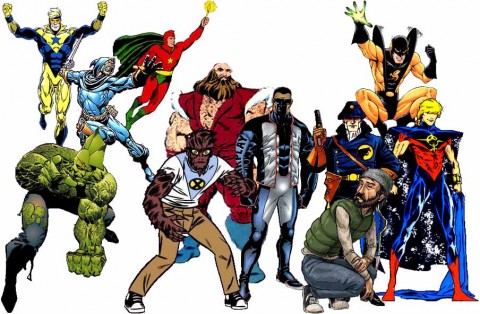
P.S. The crea­tures in the image above, they’re athe­ists, a cat­e­go­ry also tracked by this most thor­ough data­base.

via @wfmu

Relat­ed Con­tent:

Nine Clas­sic Super­man Car­toons Restored and Now on YouTube

Free Gold­en Age Comics

When Super Heroes Get Old and Retire to Mia­mi

by | Permalink | Make a Comment ( 3 ) |

Lou Reed, John Cale & Nico Reunite, Play Acoustic Velvet Underground Songs on French TV, 1972

By 1972, the Vel­vet Under­ground, arguably the most influ­en­tial cult band of all time, was effec­tive­ly dead, all of the orig­i­nal mem­bers hav­ing depart­ed the project. Reports of ani­mos­i­ty and ran­cor at the end may be exag­ger­at­ed; whether the ten­sions that split the band apart were pri­mar­i­ly inner or out­er hard­ly mat­ters at this point. But the still-per­form­ing mem­bers con­tin­ued to sup­port each oth­er in some fash­ion for the remain­der of their careers, and the band’s three singers even reunit­ed for a one-off acoustic con­cert in Paris of that year to per­form a set of clas­sic Vel­vet tracks as well as songs from their solo albums.

The audio of this reunion cir­cu­lat­ed for years as a boot­leg before its offi­cial release in 2004. Video of the con­cert at Le Bat­a­clan, orig­i­nal­ly broad­cast on French tele­vi­sion, pre­serves the evening, edit­ed into seg­ments and shuf­fling the orig­i­nal song order.

First, Lou Reed sings “Berlin” (top), a torch song he pur­port­ed­ly wrote about Nico (watch her look on as he sings). Reed calls it his “Bar­bara Streisand song.” Next, watch Cale and Reed do a ver­sion of “Wait­ing for My Man” (above).

You can watch a longer ver­sion of the con­cert broad­cast here, with per­for­mances from Reed, Cale, and Nico inter­cut with talky seg­ments between French jour­nal­ists. This con­cert, and the var­i­ous bootlegs and offi­cial live releas­es, may not be essen­tial lis­ten­ing for casu­al VU fans, but Philip Shelley’s com­ment on the live record­ings may apply equal­ly to the film: “if you appre­ci­ate the fleet­ing rev­e­la­tions to be found in snap­shots, then this may be just the bit of quick­sil­ver for you, a unique moment in musi­cal his­to­ry just before these three erst­while Jekylls became for­ev­er Hydes.”

Relat­ed Con­tent:

A Sym­pho­ny of Sound (1966): Vel­vet Under­ground Impro­vis­es, Warhol Films It, Until the Cops Turn Up

Nico Sings “Chelsea Girls” in the Famous Chelsea Hotel

Rock and Roll Heart, 1998 Doc­u­men­tary Retraces the Remark­able Career of Lou Reed

Josh Jones is a writer and musi­cian based in Wash­ing­ton, DC. Fol­low him at @jdmagness

Hear the Classic Winnie-the-Pooh Read by Author A.A. Milne in 1929

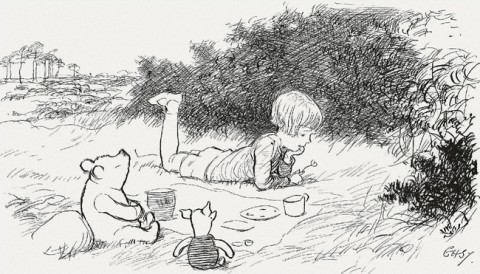
christopher-robinHere’s a rare record­ing from 1929 of the British author A.A. Milne read­ing a chap­ter of his beloved chil­dren’s book, Win­nie-the-Pooh. Milne was a pro­lif­ic writer of plays, nov­els and essays, but he was most wide­ly known–much to his chagrin–as the cre­ator of a sim­ple and good-natured lit­tle bear.

Pooh was inspired by his son Christo­pher Robin’s favorite ted­dy bear. In Mil­ne’s imag­i­na­tion, the stuffed bear comes alive and enters into lit­tle adven­tures (or one might say mis­ad­ven­tures) with Christo­pher Robin and his oth­er stuffed ani­mals. The name “Win­nie” was bor­rowed from a famous res­i­dent of the Lon­don Zoo: a black bear from Cana­da named for the city of Win­nipeg. The young Christo­pher Robin liked vis­it­ing Win­nie at the zoo. He also liked a grace­ful swan he saw swim­ming in a pond at Kens­ing­ton Gar­dens, who he named “Pooh.” His father com­bined the two names to cre­ate one of the most pop­u­lar char­ac­ters in chil­dren’s lit­er­a­ture.

Win­nie-the-Pooh first appeared in sto­ries and poems in pop­u­lar mag­a­zines. In 1926 Milne col­lect­ed them in a book, Win­nie-the-Pooh, with illus­tra­tions by E.H. Shep­ard. Each chap­ter in the book is a self-con­tained episode or sto­ry. In the record­ing below, Milne reads Chap­ter Three (click here to open the text in new a win­dow) “In Which Pooh and Piglet Go Hunt­ing and Near­ly Catch a Woo­zle.”

Look­ing for free, pro­fes­sion­al­ly-read audio books from Audible.com? Here’s a great, no-strings-attached deal. If you start a 30 day free tri­al with Audible.com, you can down­load two free audio books of your choice. Get more details on the offer here.

And note this: Audiobooks.com also has a free tri­al offer where you can down­load a free audio­book. Details.

Relat­ed Con­tent:

200 Free Kids Edu­ca­tion­al Resources: Video Lessons, Apps, Books, Web­sites & More

The Epis­te­mol­o­gy of Dr. Seuss & More Phi­los­o­phy Lessons from Great Children’s Sto­ries

Mor­gan Free­man Teach­es Kids to Read in Vin­tage Elec­tric Com­pa­ny Footage from 1971

Black Coffee: Documentary Covers the History, Politics & Economics of the “Most Widely Taken Legal Drug”

“It’s not hard to brew a great cup of cof­fee,” writes Kele­fa San­neh in a recent New York­er post on the Mel­bourne Inter­na­tion­al Cof­fee Expo. “At least, it shouldn’t be.” He adds that “there’s no such thing as a fool­proof process though: even cof­fee pro­fes­sion­als are for­ev­er tweak­ing and rethink­ing their brew meth­ods, as they get bet­ter at iden­ti­fy­ing, in each cup, what went wrong and what went right.” Even casu­al cof­fee drinkers, includ­ing those who have nev­er made a cup for them­selves, know how com­pli­cat­ed the prepa­ra­tion process can become when one real­ly starts to think about it. But the field of cof­fee stud­ies boasts even more infor­ma­tion to mas­ter when it comes to the his­to­ry of the cul­ti­va­tion and usage of the beans them­selves. You can begin your own cof­fee edu­ca­tion with this tri­par­tite tele­vi­sion doc­u­men­tary, Black Cof­fee.

A Cana­di­an pro­duc­tion aired on PBS, Black Cof­fee (pur­chase on DVD here) exam­ines “the world’s most wide­ly tak­en legal drug,” a bev­er­age whose intel­lec­tu­al­ly intense die-hard enthu­si­asts give wine’s a run for their mon­ey, from his­tor­i­cal, polit­i­cal, social, and eco­nom­ic angles.

Part one, “The Irre­sistible Bean,” fol­lows cof­fee’s spread from Ethiopa out across the entire world. Part two, “Gold in Your Cup,” looks at the “cof­fee barons” of the nine­teenth cen­tu­ry and the rise of cof­fee-house cul­ture.

Part three, “The Per­fect Cup,” brings us up to date with the mod­ern “roman­tic age of cof­fee” and what entre­pre­neurs (such as Star­bucks’ Howard Schultz, who appears in the doc­u­men­tary) have done to, depend­ing on your incli­na­tion, either democ­ra­tize or cheap­en the pur­suit of a worth­while sip. While a bit of knowl­edge always enrich­es the enjoy­ment of even some­thing as com­mon as cof­fee — and, in this case, also rais­es occa­sion­al thorny moral and agri­cul­tur­al ques­tions — let us nev­er lose sight of the sim­ple sen­ti­ment expressed in expressed in Bach’s Cof­fee Can­ta­ta:

Love­li­er than a thou­sand kiss­es,
smoother than mus­ca­tel wine.
Cof­fee, I must have cof­fee,
and if any­one wants to give me a treat,
ah!, just give me some cof­fee!

Relat­ed Con­tent:

Every­thing You Want­ed to Know About Cof­fee in Three Min­utes

“The Vertue of the COFFEE Drink”: London’s First Cafe Cre­ates Ad for Cof­fee in the 1650s

The His­to­ry of Cof­fee and How It Trans­formed Our World

This is Cof­fee!: A 1961 Trib­ute to Our Favorite Stim­u­lant

The Fine Art of Paint­ing Por­traits on Cof­fee Foam

Col­in Mar­shall hosts and pro­duces Note­book on Cities and Cul­ture and writes essays on lit­er­a­ture, film, cities, Asia, and aes­thet­ics. He’s at work on a book about Los Ange­lesA Los Ange­les PrimerFol­low him on Twit­ter at @colinmarshall.

Eight Radiohead Albums Reimagined as Vintage Paperback Books

in rainbooks

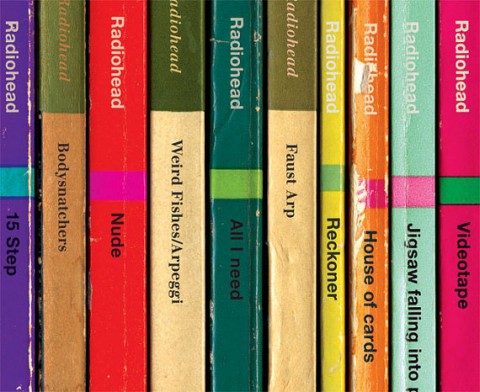
Simon James, an artist liv­ing and work­ing in Lon­don, has a pen­chant for tak­ing albums and envi­sion­ing them as vin­tage Pen­guin & Pel­i­can-style books. So far, he has cov­ered The SmithsJoy Divi­sionNew OrderThe Cure and Kraftwerk. And now comes his favorite band, Radio­head. Here, he takes Pablo Hon­ey, The Bends, OK Com­put­er, Kid A, Amne­si­ac, Hail to the Thief, In Rain­bows and The King of Limbs and then turns each track, on each album, into its own nov­el. You can find the images on Etsy. Just fol­low the links above. Indi­vid­ual prints can also be pur­chased for $19.38.

If you would like to sign up for Open Culture’s free email newslet­ter, please find it here. It’s a great way to see our new posts, all bun­dled in one email, each day.

If you would like to sup­port the mis­sion of Open Cul­ture, con­sid­er mak­ing a dona­tion to our site. It’s hard to rely 100% on ads, and your con­tri­bu­tions will help us con­tin­ue pro­vid­ing the best free cul­tur­al and edu­ca­tion­al mate­ri­als to learn­ers every­where. You can con­tribute through Pay­Pal, Patre­on, and Ven­mo (@openculture). Thanks!

Relat­ed Con­tent:

Radiohead’s Thom Yorke Gives Teenage Girls Endear­ing Advice About Boys (And Much More)

A Mid­dle-East­ern Ver­sion of Radiohead’s 1997 Hit “Kar­ma Police”

Radio­head-Approved, Fan-Made Film of the Band at Rose­land for 2011′s The King of Limbs Tour

« Go BackMore in this category... »
Quantcast