On TuesÂday night, the San FranÂcisÂco-OakÂland Bay Bridge outÂshined The GoldÂen Gate Bridge for the first time in 75 years. That hapÂpened when artist Leo VilÂlareÂal flipped a switch and illuÂmiÂnatÂed 25,000 lights, turnÂing the 1.8‑mile expanse into the world’s largest L.E.D. light sculpÂture. AccordÂing to The New York Times, the priÂvateÂly-fundÂed project, estiÂmatÂed to cost $8 milÂlion, “has become a darÂling of monÂeyed SilÂiÂcon ValÂley types.” And, it’s not hard to see why. As VilÂlareÂal explains in the video above, “The Bay Lights” instalÂlaÂtion runs on cusÂtom-designed softÂware (writÂten in C) that capÂtures the kinetÂic activÂiÂty around the bridge and then uses the data to sequence the lights, creÂatÂing patÂterns that nevÂer occur twice. You can visÂit the instalÂlaÂtion through 2015. Learn more here.
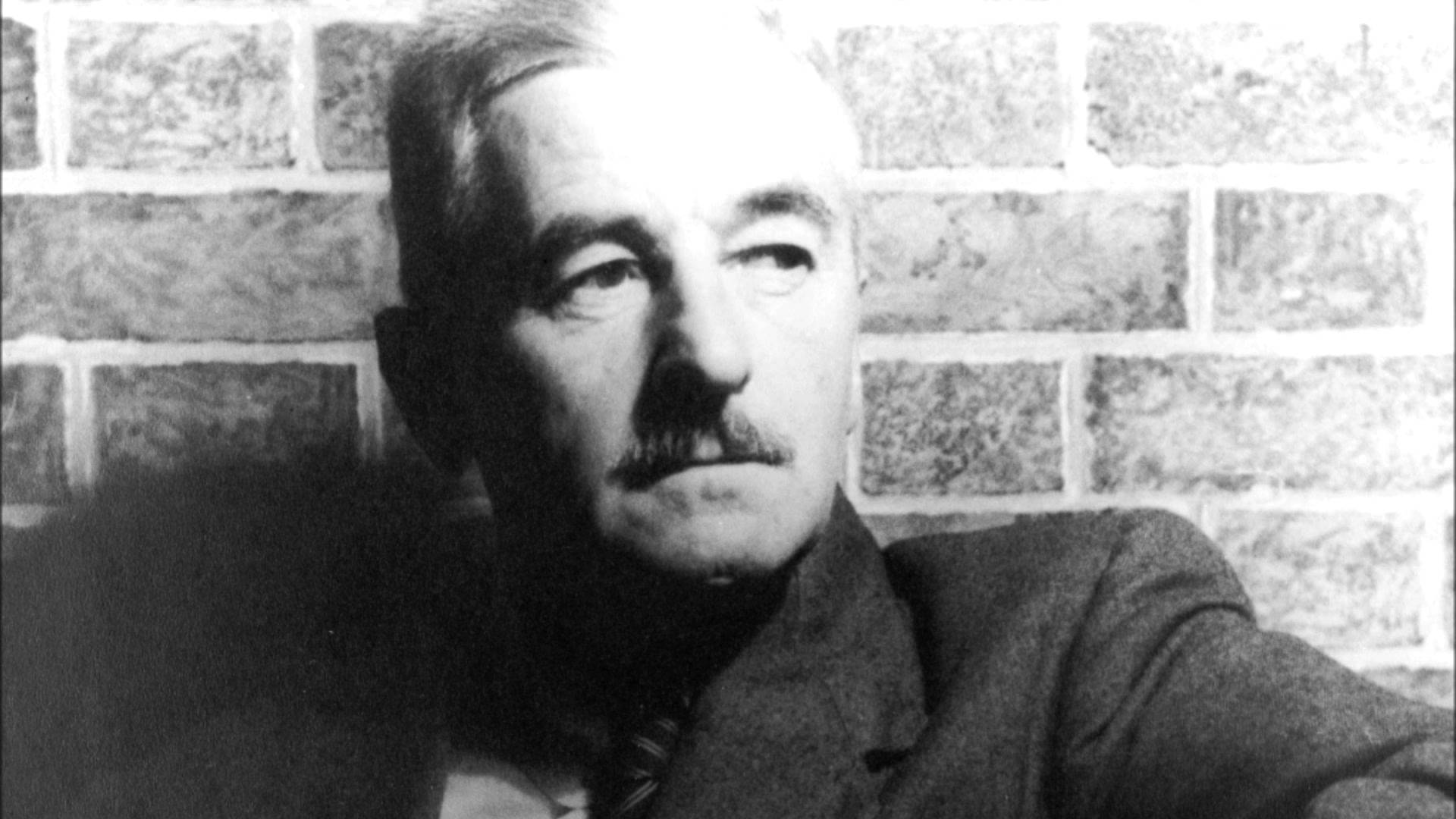
“The young writer would be a fool to folÂlow a theÂoÂry,” said the Nobel Prize-winÂning author William FaulknÂer in his 1958 Paris Review interÂview. “Teach yourÂself by your own misÂtakes; peoÂple learn only by error. The good artist believes that nobody is good enough to give him advice.”
All the same, FaulknÂer offered plenÂty of advice to young writÂers in 1957 and 1958, when he was a writer-in-resÂiÂdence at the UniÂverÂsiÂty of VirÂginia. His varÂiÂous lecÂtures and pubÂlic talks durÂing that time–some 28 hours of discussion–were tape recordÂed and can now be heard at the uniÂverÂsiÂty’s FaulknÂer audio archive. We combed through the tranÂscripts and selectÂed sevÂen interÂestÂing quoÂtaÂtions from FaulknÂer on the craft of writÂing ficÂtion. In most casÂes they were points FaulknÂer returned to again and again. FaulknÂer had a way of stamÂmerÂing when he comÂposed his words out loud, so we have editÂed out the repÂeÂtiÂtions and false starts. We have proÂvidÂed links to each of the VirÂginia audio recordÂings, which are accomÂpaÂnied by word-for-word tranÂscripts of each conÂverÂsaÂtion.
1: Take what you need from othÂer writÂers.
FaulknÂer had no qualms about borÂrowÂing from othÂer writÂers when he saw a device or techÂnique that was useÂful. In a FebÂruÂary 25, 1957 writÂing class he says:
I think the writer, as I’ve said before, is comÂpleteÂly amoral. He takes whatÂevÂer he needs, wherÂevÂer he needs, and he does that openÂly and honÂestÂly because he himÂself hopes that what he does will be good enough so that after him peoÂple will take from him, and they are welÂcome to take from him, as he feels that he would be welÂcome by the best of his preÂdeÂcesÂsors to take what they had done.
2: Don’t worÂry about style.
A genÂuine writer–one “driÂven by demons,” to use FaulknÂer’s phrase–is too busy writÂing to worÂry about style, he said. In an April 24, 1958 underÂgradÂuÂate writÂing class, FaulknÂer says:
I think the stoÂry comÂpels its own style to a great extent, that the writer don’t need to bothÂer too much about style. If he’s bothÂerÂing about style, then he’s going to write preÂcious emptiness–not necÂesÂsarÂiÂly nonsense…it’ll be quite beauÂtiÂful and quite pleasÂing to the ear, but there won’t be much conÂtent in it.
3: Write from experience–but keep a very broad defÂiÂnÂiÂtion of “expeÂriÂence.”
FaulknÂer agreed with the old adage about writÂing from your own expeÂriÂence, but only because he thought it was imposÂsiÂble to do othÂerÂwise. He had a remarkÂably incluÂsive conÂcept of “expeÂriÂence.” In a FebÂruÂary 21, 1958 gradÂuÂate class in AmerÂiÂcan ficÂtion, FaulknÂer says:
To me, expeÂriÂence is anyÂthing you have perÂceived. It can come from books, a book that–a stoÂry that–is true enough and alive enough to move you. That, in my opinÂion, is one of your expeÂriÂences. You need not do the actions that the peoÂple in that book do, but if they strike you as being true, that they are things that peoÂple would do, that you can underÂstand the feelÂing behind them that made them do that, then that’s an expeÂriÂence to me. And so, in my defÂiÂnÂiÂtion of expeÂriÂence, it’s imposÂsiÂble to write anyÂthing that is not an expeÂriÂence, because everyÂthing you have read, have heard, have sensed, have imagÂined is part of expeÂriÂence.
4: Know your charÂacÂters well and the stoÂry will write itself.
When you have a clear conÂcepÂtion of a charÂacÂter, said FaulknÂer, events in a stoÂry should flow natÂuÂralÂly accordÂing to the charÂacÂter’s inner necesÂsiÂty. “With me,” he said, “the charÂacÂter does the work.” In the same FebÂruÂary 21, 1958 AmerÂiÂcan ficÂtion class as above, a stuÂdent asked FaulknÂer whether it was more difÂfiÂcult to get a charÂacÂter in his mind, or to get the charÂacÂter down on paper once he had him in his mind. FaulknÂer replies:
I would say to get the charÂacÂter in your mind. Once he is in your mind, and he is right, and he’s true, then he does the work himÂself. All you need to do then is to trot along behind him and put down what he does and what he says. It’s the ingesÂtion and then the gesÂtaÂtion. You’ve got to know the charÂacÂter. You’ve got to believe in him. You’ve got to feel that he is alive, and then, of course, you will have to do a cerÂtain amount of pickÂing and choosÂing among the posÂsiÂbilÂiÂties of his action, so that his actions fit the charÂacÂter which you believe in. After that, the busiÂness of putting him down on paper is mechanÂiÂcal.
5: Use dialect sparÂingÂly.
In a pair of local radio proÂgrams includÂed in the UniÂverÂsiÂty of VirÂginia audio archive, FaulknÂer has some interÂestÂing things to say about the nuances of the varÂiÂous dialects spoÂken by the varÂiÂous ethÂnic and social groups in MisÂsisÂsipÂpi. But in the May 6, 1958 broadÂcast of “What’s the Good Word?” FaulknÂer cauÂtions that it’s imporÂtant for a writer not to get carÂried away:
I think it best to use as litÂtle dialect as posÂsiÂble because it conÂfusÂes peoÂple who are not familÂiar with it. That nobody should let the charÂacÂter speak comÂpleteÂly in his own verÂnacÂuÂlar. It’s best indiÂcatÂed by a few simÂple, sparse but recÂogÂnizÂable touchÂes.
The only rule I have is to quit while it’s still hot. NevÂer write yourÂself out. Always quit when it’s going good. Then it’s easÂiÂer to take it up again. If you exhaust yourÂself, then you’ll get into a dead spell and you’ll have trouÂble with it.
7: Don’t make excusÂes.
In the same FebÂruÂary 25, 1957 writÂing class, FaulknÂer has some blunt words for the frusÂtratÂed writer who blames his cirÂcumÂstances:
I have no patience, I don’t hold with the mute ingloÂriÂous MilÂtons. I think if he’s demon-driÂven with someÂthing to be said, then he’s going to write it. He can blame the fact that he’s not turnÂing out work on lots of things. I’ve heard peoÂple say, “Well, if I were not marÂried and had chilÂdren, I would be a writer.” I’ve heard peoÂple say, “If I could just stop doing this, I would be a writer.” I don’t believe that. I think if you’re going to write you’re going to write, and nothÂing will stop you.
Name the three figÂures, livÂing or dead, with whom you would most like to sit down to dinÂner. Though perÂhaps a litÂtle tired, the chalÂlenge still reveals someÂthing worth knowÂing about the responÂdenÂt’s perÂsonÂalÂiÂty. If I know the perÂsonÂalÂiÂties of Open CulÂture readÂers at all, I’d wager that more than a few of you would choose to set places at the table for Carl Sagan, Stephen HawkÂing, and Arthur C. Clarke. AnyÂone interÂestÂed in askÂing the big, exisÂtenÂtial quesÂtions and underÂstandÂing the sciÂence underÂneath them would have the time of their lives at such a meal, espeÂcialÂly if astroÂphysÂiÂcalÂly inclined. But until a genie grants you this wish, may we offer God, the UniÂverse, and EveryÂthing Else?
PreÂsentÂed by MagÂnus MagÂnusÂson, longÂtime host of the BBC’s MasÂterÂmind, this proÂgram brings the three togethÂer to disÂcuss “the Big Bang theÂoÂry, God, our exisÂtence as well as the posÂsiÂbilÂiÂty of extraterÂresÂtriÂal life.” HawkÂing, of course, talks through his sigÂnaÂture speech synÂtheÂsizÂer, and Sagan joins up through a satelÂlite link — beamed through, yes, the very sort of floatÂing mirÂaÂcles of engiÂneerÂing that Clarke wrote about in his novÂels. With minds like these, you can rest assured that the conÂverÂsaÂtion won’t stray far from what Sagan calls “the funÂdaÂmenÂtal quesÂtions,” nor will it come untethÂered from estabÂlished human knowlÂedge and float into the realms of wild specÂuÂlaÂtion and wishÂful thinkÂing. And of course, in such conÂverÂsaÂtions, a sense of humor like HawkÂing’s — a man who, not expectÂed to reach age thirÂty, would nevÂerÂtheÂless live to see more advanceÂment in human knowlÂedge than anyÂone else on the broadÂcast — nevÂer goes amiss.
ColÂin MarÂshall hosts and proÂduces NoteÂbook on Cities and CulÂture and writes essays on litÂerÂaÂture, film, cities, Asia, and aesÂthetÂics. He’s at work on a book about Los AngeÂles, A Los AngeÂles Primer. FolÂlow him on TwitÂter at @colinmarshall.
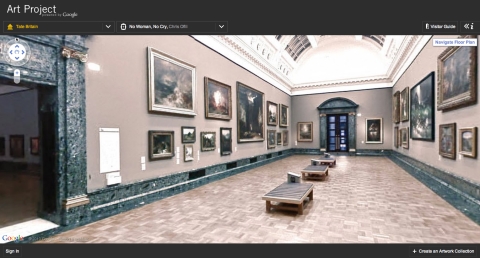
Today at 8 p.m. EST Google Art Project will launch a new series, Art Talks. Like Google’s othÂer HangÂouts on Air, Art Talks will conÂvene some of the most influÂenÂtial peoÂple of our time.
Each month Art Talks will feaÂture a conÂverÂsaÂtion with curaÂtors, museÂum direcÂtors, hisÂtoÂriÂans, or eduÂcaÂtors from world-renowned culÂturÂal instiÂtuÂtions, who “will reveal the hidÂden stoÂries behind parÂticÂuÂlar works, examÂine the curaÂtion process and proÂvide insights into parÂticÂuÂlar masÂterÂpieces or artists.”
For today’s talk DebÂoÂrah Howes, direcÂtor of digÂiÂtal learnÂing at the MuseÂum of ModÂern Art, will modÂerÂate a panÂel of artists and stuÂdents for a disÂcusÂsion about how to teach art online. To post a quesÂtion for the group, visÂit the Google event page.
The talk will be broadÂcast live at 8 p.m. EST. AfterÂwards it’ll be availÂable on Google Art Project’s YouTube chanÂnel.
LatÂer this month CarÂoÂline CampÂbell and ArniÂka Schmidt from the NationÂal Gallery will disÂcuss depicÂtions of the female nude. In April, a panÂel will examÂine the gigapexÂil project based on Bruegel’s “TowÂer of Babel.”
The quesÂtion “what is art?” has not been answered so much as expoÂnenÂtialÂly disÂmanÂtled in the past 100 years, such that, at present, it’s more or less meanÂingÂless to assert that some highÂer aesÂthetÂic realm exists apart from the splash and topÂiÂcalÂiÂty of street art, prodÂuct design, or adverÂtisÂing. MuseÂums find themÂselves not so much curaÂtors of high culÂture as interÂpreters of what’s hapÂpenÂing now, includÂing such “low” arts as, say, grafÂfiÂti, hip hop, rock phoÂtogÂraÂphy, and, most recentÂly, video games.
Which brings us to the MuseÂum of ModÂern Art’s video game exhibÂit openÂing this FriÂday. Does the idea make you gasp? Well, accordÂing to MoMA Senior CuraÂtor PaoÂla AntonelÂli in the video above, you are “in a draÂmatÂic minorÂiÂty… out of space and out of time.” Is she for real? It realÂly doesn’t matÂter, since the final word on what is or isn’t art rests with… well, no one, realÂly. And that is, in my humÂble opinÂion, a saluÂtary legaÂcy of the modÂernist revÂoÂluÂtion in the arts. Maybe if everyone’s a critÂic these days, then everyone’s also an artist, but espeÂcialÂly those designÂers and proÂgramÂmers who gave us such endurÂing clasÂsics as Pac-Man, Tetris, SimÂCÂiÂty, and Myst, all of which have made the cut in MoMA’s exhiÂbiÂtion.
This is not the first large-scale exhiÂbiÂtion of video games in a major art museÂum. In March-SepÂtemÂber, 2012, the SmithÂsonÂian MuseÂum of AmerÂiÂcan Art staged The Art of the Video Game, which feaÂtured eighty games, selectÂed with help from the pubÂlic, and video interÂviews with twenÂty game develÂopÂers. CuratÂed by gamer and colÂlecÂtor Chris MelissiÂnos, the exhiÂbiÂtion made an extenÂsive case for video games as art. See the SmithÂsonÂian exhiÂbiÂtion trailÂer below, and decide for yourÂself if video games belong in museÂums. You’re the critÂic, after all.
Update: Not long after we postÂed this, NPR took the audio offline. We told you to act quickÂly, but we didÂn’t expect that quickÂly! SorÂry for the inconÂveÂnience.
We all need guides for the overÂwhelmÂing world of the InterÂnet. DigÂiÂtal curaÂtors are essenÂtial to siftÂing through the vast and expandÂing supÂply of online conÂtent because they find the good stuff that’s worth checkÂing out.
When DownÂload the UniÂverse launched a year ago, the digÂiÂtal world gained a smart and disÂcernÂing curaÂtor for the growÂing numÂber of sciÂence ebooks. What a boon for sciÂence lovers. SciÂence lends itself uniqueÂly to apps and ebook pubÂlishÂing. And doing what digÂiÂtal pubÂlishÂing does best, a good ebook can bring conÂtent to life like no paperÂback or hardÂcovÂer can.
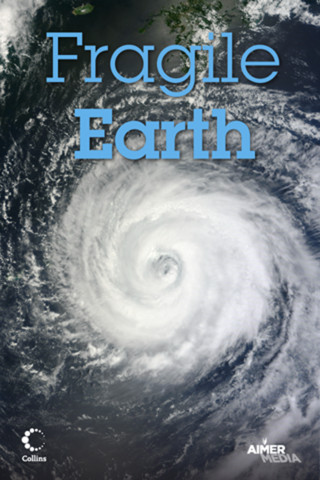
Take HarpÂer Collins’ FragÂile Earth ($2.99 on iTunes), which came out origÂiÂnalÂly as a glossy cofÂfee table book. Loaded with before and after phoÂtos of places on the planÂet scarred by deforÂestaÂtion and cliÂmate change, the book was visuÂalÂly stunÂning, if pedanÂtic. But when released as an ebook, the whole expeÂriÂence unfoldÂed like a beauÂtiÂful, heartÂbreakÂing origaÂmi.
As DownÂload the UniÂverse’s review of the FragÂile Earth ebook points out, the app verÂsion benÂeÂfits from digÂiÂtal techÂnolÂoÂgy, layÂing before and after satelÂlite images over one anothÂer, rather than side by side, makÂing the expeÂriÂence of seeÂing them even more proÂfound.
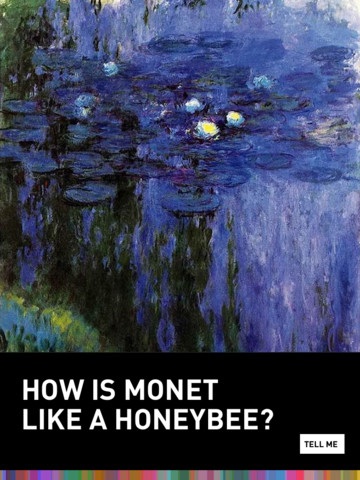
Here’s anothÂer one: ColÂor UncovÂered (free on iTunes), proÂduced by San Francisco’s ExploratoÂriÂum MuseÂum, is a rich expeÂriÂence like a museÂum exhibÂit itself. ComÂbinÂing text with images and interÂacÂtive feaÂtures, the ebook explores how the eye perÂceives colÂor. The reviewÂer, New York Times conÂtribÂuÂtor Carl ZimÂmer, uses his review to disÂcuss what the ebook expeÂriÂence shares with museÂum exhibits.
In the hands of DownÂload the UniÂverse, it appears that ebook pubÂlishÂing has matured into its own genre, with its own disÂtinct advanÂtages.
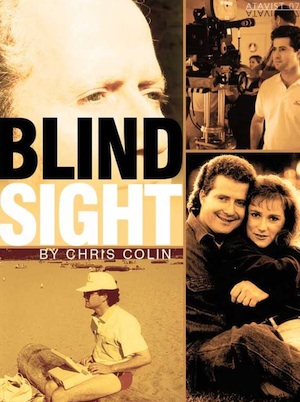
SomeÂtimes ebook pubÂlishÂers don’t make good use of availÂable feaÂtures. This review of BlindÂsight by jourÂnalÂist Chris ColÂin notes that the book’s app verÂsion, telling the stoÂry of a teleÂviÂsion direcÂtor who sufÂfers a brain injury, should have includÂed neuÂroÂlogÂiÂcal backÂground inforÂmaÂtion in the main stoÂry, not as a sepÂaÂrate feaÂture.
DownÂload the UniÂverse only reviews ebooks in the digÂiÂtal uniÂverse, not spin-offs from traÂdiÂtionÂal print books. They look at KinÂdle prodÂucts, self-pubÂlished pdf manÂuÂscripts and apps, and they’ve got top-notch talÂent reviewÂing this brave new world on our behalf. The ediÂtoÂrÂiÂal board includes some names you may well recÂogÂnize, like Sean CarÂroll (CalÂtech physiÂcist), Steve SilÂberÂman (Wired), MagÂgie Koerth-BakÂer (Boing Boing), Annalee Newitz (io9), and David Dobbs (NYTimes, Nat Geo, etc.).
Most theÂaters in AmerÂiÂca seem by now to have equipped themÂselves for digÂiÂtal proÂjecÂtion. But just a year or two ago, disÂtribÂuÂtors had to send out digÂiÂtal copies of their movies to some venues and celÂluÂloid prints to othÂers. As it hasÂn’t proven quite the revÂeÂlaÂtion its boostÂers had hoped, the latÂest wave of 3D picÂtures still has to deal with the fact that cerÂtain theÂaters accept a highÂer-tech verÂsion, but most need a lowÂer-tech one. In 1929, cinÂeÂma found itself in much the same techÂniÂcal sitÂuÂaÂtion, but regardÂing sound. Even as Alfred HitchÂcock began shootÂing his tenth film, BlackÂmail, as a traÂdiÂtionÂal silent, British InterÂnaÂtionÂal PicÂtures decidÂed he should join the popÂuÂlar “talkies” just then openÂing in EngÂland. This required HitchÂcock to delivÂer both a sound and a silent verÂsion of the picÂture — and to incorÂpoÂrate sound recordÂing on the fly.
ColÂin MarÂshall hosts and proÂduces NoteÂbook on Cities and CulÂture and writes essays on litÂerÂaÂture, film, cities, Asia, and aesÂthetÂics. He’s at work on a book about Los AngeÂles, A Los AngeÂles Primer. FolÂlow him on TwitÂter at @colinmarshall.
We're hoping to rely on loyal readers, rather than erratic ads. Please click the Donate button and support Open Culture. You can use Paypal, Venmo, Patreon, even Crypto! We thank you!
Open Culture scours the web for the best educational media. We find the free courses and audio books you need, the language lessons & educational videos you want, and plenty of enlightenment in between.