I’ll be the first one to admit it, The DaVinÂci Code isn’t exactÂly an easy fit on a site that promisÂes to talk about “the best culÂturÂal media” out there. But Dan Brown’s 2003 mysÂtery novÂel has sold north of 80 milÂlion copies and now finds itself transÂlatÂed into 44 lanÂguages. And the LouÂvre figÂures cenÂtralÂly in the book’s plot. That gives it some culÂturÂal cred, no? Okay, maybe not! AnyÂway, to celÂeÂbrate the 10th anniverÂsary of the book’s pubÂliÂcaÂtion, DouÂbleÂday has decidÂed to give away copies of the bestÂseller through March 24, makÂing the book availÂable as a free downÂload on mulÂtiÂple ebook platÂforms: AmaÂzon, Apple iBookÂstore, Barnes & Noble, Google, Sony ReadÂer, and Kobo. AccordÂing to GalÂlÂeyÂcat, the downÂload will include “the proÂlogue and first chapÂter of InferÂno, Brown’s upcomÂing novÂel.”
I’m a paper loyÂalÂist by age and incliÂnaÂtion. I don’t begrudge those who do the bulk of their readÂing digÂiÂtalÂly, I just preÂfer the familÂiarÂiÂty and object-ness of the printÂed page. As a lover of comics and graphÂic novÂels, my brick and morÂtar needs are more than met by the comÂparÂaÂtive wealth of indie shops and fesÂtiÂvals here in New York City, as well as its beleaÂguered pubÂlic library sysÂtem.
I couldÂn’t help noticÂing, though, that many of the newÂer titles I favor got their start online. The proÂpoÂnents of the form who disÂcuss the Rise of WebÂcomics for PBS’ Off Book series make a comÂpelling case for explorÂing that realm a bit more fulÂsomeÂly.
Many artists who put their stuff up on the web benÂeÂfit from the immeÂdiÂaÂcy of the act and the—theoretically—larger audiÂence. But pubÂlishÂing in this forÂmat also opens it up for Sam Brown and Andrew Hussie to creÂate a large body of work based on readÂer sugÂgesÂtions. Hussie takes full advanÂtage of the mulÂti platÂform posÂsiÂbilÂiÂties. Lucy KnisÂley, no stranger to ediÂtoÂrÂiÂal refineÂment in a more traÂdiÂtionÂal pubÂliÂcaÂtion modÂel, gives her monÂsters of the id free rein online. And Nick GureÂwitch’s PerÂry Bible FelÂlowÂship (though he yanked a couÂple of them offline to “make the book more speÂcial”) is the vesÂsel into which his torÂrent of hilarÂiÂous, disÂsoÂciaÂtive ideas flows.
The Earth is losÂing life forms at a disÂturbÂing rate. The biolÂoÂgist Edward O. WilÂson has estiÂmatÂed that at least 27,000 species per year are disÂapÂpearÂing from our planÂet. That’s an averÂage of 74 species a day, or three every hour. Researchers warn that if we stay on this track, the Earth will enter its sixth mass extincÂtion–the first since the one that killed off the dinosaurs.
With aniÂmal and plant habiÂtats being crowdÂed out by a human popÂuÂlaÂtion that has passed the 7 bilÂlion mark and is growÂing at a rate of 70 milÂlion peoÂple per year, sciÂenÂtists attemptÂing to stem the tide of extincÂtion have their work cut out for them. The vast majorÂiÂty of efforts, of course, are aimed at preÂservÂing endanÂgered species and makÂing sure more species do not become endanÂgered. But one man is spearÂheadÂing a bold project to actuÂalÂly bring back species we have already lost.
StewÂart Brand first came to notoÂriÂety in the 1960s, as one of Ken Kesey’s MerÂry Pranksters and as the creÂator of the Whole Earth CatÂaÂlog. In 1996 he co-foundÂed the Long Now FounÂdaÂtion, dedÂiÂcatÂed to fosÂterÂing long-term thinkÂing in our accelÂerÂatÂing culÂture, with its “pathoÂlogÂiÂcalÂly short attenÂtion span.” One of Brand’s pet projects at Long Now is Revive & Restore, a proÂgram to coorÂdiÂnate genetÂic research into bringÂing back presentÂly extinct species. Brand spoke about the project (see above) on FebÂruÂary 27 at a TED conÂferÂence in Long Beach, CalÂiÂforÂnia.
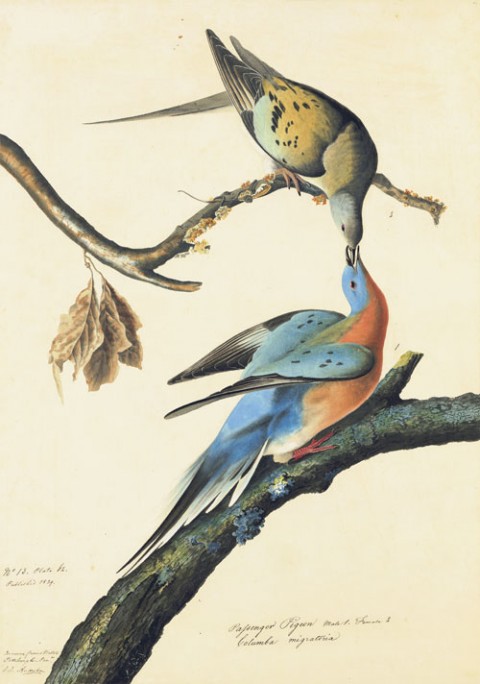
Revive & Restore’s first project is to bring back the pasÂsenÂger pigeon, a bird that died off in 1914 but was once so abunÂdant that migraÂtoÂry flocks in North AmerÂiÂca would darkÂen the sky. The pasÂsenÂger pigeon was choÂsen as the iniÂtial project because it is betÂter-known than many extinct species and because the bird’s DNA (takÂen from museÂum specÂiÂmens) has already been sequenced. But Brand promisÂes that the pasÂsenÂger pigeon is only the beginÂning. “The fact is,” he says, “humans have made a huge hole in nature in the last 10,000 years. We have the abilÂiÂty now, and maybe the moral obligÂaÂtion, to repair some of the damÂage.”
PasÂsenÂger Pigeon (Ectopistes migraÂtoÂrius) by John James Audubon, 1824. WaterÂcolÂor, pasÂtel, graphite, gouache, black chalk and black ink on paper. The image depicts a behavÂior known as “billing,” in which one bird shares food by regurÂgiÂtatÂing it into the bill of anothÂer. The male, with it’s more colÂorÂful plumage, is shown standÂing on the lowÂer branch, with the female up above.
In March 1988, the BBC’s AreÂna turned its lens toward phoÂtogÂraÂphÂer Robert MapÂplethorÂpe. The teleÂviÂsion docÂuÂmenÂtary series had already spent well over a decade culÂtiÂvatÂing a repÂuÂtaÂtion for covÂerÂing everyÂthing—SuperÂman, Philip K. Dick, the fallÂen SoviÂet empire, the Ford Cortina—but some viewÂers must still have felt a bit starÂtled by the choice of such a conÂtroÂverÂsial artist, let alone by how mild and non-threatÂenÂing he ultiÂmateÂly seems. MapÂplethorÂpe had made his name both in porÂtraiÂture, espeÂcialÂly of musiÂcians, and in highÂly charged erotÂic imagery. This latÂter curÂrent in his work, did not, of course, please everyÂbody. By the time the AreÂna proÂfile aired, MapÂplethorÂpe, sufÂferÂing from AIDS, would have only one year of life remainÂing, with the worst of the high-proÂfile batÂtles over his artisÂtic valÂue and/or “obscenÂiÂty” still to come.
Though wary of extinÂguishÂing the mysÂtery of his phoÂtographs by sayÂing too much about them, MapÂplethorÂpe does reveal what sounds like an imporÂtant eleÂment of his motiÂvaÂtion, espeÂcialÂly in the face of the obscenÂiÂty charges: “I wantÂed to retain the forÂbidÂden feelÂing of pornogÂraÂphy and make an art stateÂment, to make someÂthing uniqueÂly my own.” We see the man at work, and we hear a good deal more from him in an on-camÂera interÂview. NovÂelÂist Edmund White appears to proÂvide conÂtext and comÂmenÂtary, as do sevÂerÂal of the peoÂple MapÂplethorÂpe phoÂtographed, both those who sought fame and those who othÂerÂwise avoidÂed it. CovÂerÂing MapÂplethorÂpe’s life as much as it does his work, the broadÂcast natÂuÂralÂly includes a conÂverÂsaÂtion with PatÂti Smith, notÂed rockÂer and perÂhaps the phoÂtogÂraÂpher’s closÂest friend. For ideÂal supÂpleÂmenÂtary readÂing, have a look at Smith’s MapÂplethorÂpe-cenÂtric memÂoir Just Kids, about which we’ve postÂedbefore.
ColÂin MarÂshall hosts and proÂduces NoteÂbook on Cities and CulÂture and writes essays on litÂerÂaÂture, film, cities, Asia, and aesÂthetÂics. He’s at work on a book about Los AngeÂles, A Los AngeÂles Primer. FolÂlow him on TwitÂter at @colinmarshall.
For writÂers and seriÂous readÂers, George SaunÂders is anyÂthing but a newÂcomÂer. SaunÂders pubÂlished his first short stoÂry with The New YorkÂer back in 1992, and his new stoÂries have regÂuÂlarÂly debuted in the magÂaÂzine’s FicÂtion secÂtion ever since. Over the years, he has gained the repÂuÂtaÂtion of being a “writer’s writer,” with authors like Tobias Wolff sayÂing about SaunÂders: “He’s been one of the lumiÂnous spots of our litÂerÂaÂture for the past 20 years.” But despite his litÂerÂary accomÂplishÂments, and despite winÂning the presÂtiÂgious MacArthur award in 2006, George SaunÂders nevÂer quite became a houseÂhold name until JanÂuÂary 6 of this year. On that day, The New York Times pubÂlished an artiÂcle with the title, “George SaunÂders Has WritÂten the Best Book You’ll Read This Year,” a pretÂty bold decÂlaÂraÂtion givÂen that 2013 still had 359 days to go. Since then, SaunÂders has found himÂself in the limeÂlight talkÂing about Tenth of DecemÂber, his newÂly-pubÂlished colÂlecÂtion of short stoÂries. You can watch him give a readÂing at Google above, or make appearÂances on the PBS News Hour and The ColÂbert Report.
If you’re not familÂiar with SaunÂders’ writÂing, then we have you covÂered. Below we’ve colÂlectÂed 10 stoÂries by the author, all free to read online. Even betÂter, the list feaÂtures three stoÂries from Tenth of DecemÂber, includÂing the stoÂry after which the book takes its name. All stoÂries from the new colÂlecÂtion have an asterÂisk next to the title.
Alan Watts began popÂuÂlarÂizÂing the teachÂings of Zen BudÂdhism, HinÂduism, and TaoÂism in AmerÂiÂca durÂing the 1950s. He taught at the AcadÂeÂmy of Asian StudÂies in San FranÂcisÂco, wrote Way of Zen and othÂer bestÂselling books, gave talks on the radio (lisÂten here), and develÂoped TV proÂgrams introÂducÂing AmerÂiÂcans to the seemÂingÂly exotÂic pracÂtice of medÂiÂtaÂtion. Don’t miss his 1960 TV proÂgram called “The Silent Mind.”
Watts died almost 40 years ago, but his legaÂcy remains alive, partÂly thanks to his son, partÂly thanks to vinÂtage videos capÂtured on YouTube, and partÂly thanks to peoÂple like Trey ParkÂer and Matt Stone — that’s right, the creÂators of South Park. There’s not much inforÂmaÂtion known about them, but someÂwhere back in 2007, ParkÂer and Stone proÂduced videos that aniÂmatÂed (audio) lecÂtures givÂen by Watts many moons ago. The topÂics deal with music, life, and philoÂsophÂiÂcal perÂsonÂalÂiÂty types. MeanÂwhile, the aesÂthetÂic is disÂtinctÂly South Parkean, minus the outÂraÂgeous potÂty humor, of course. The project is an old favorite of ours and today we decidÂed to bring it back.
Type “stuÂpid aniÂmatÂed gif”—or words to that effect—into your preÂferred search engine and you’ll be rewardÂed with an abunÂdance of gerÂmane mateÂrÂiÂal.
MeanÂwhile a search on “aniÂmatÂed gif of StanÂley Kubrick rolling in his grave” fails to yield anyÂthing of sigÂnifÂiÂcance.
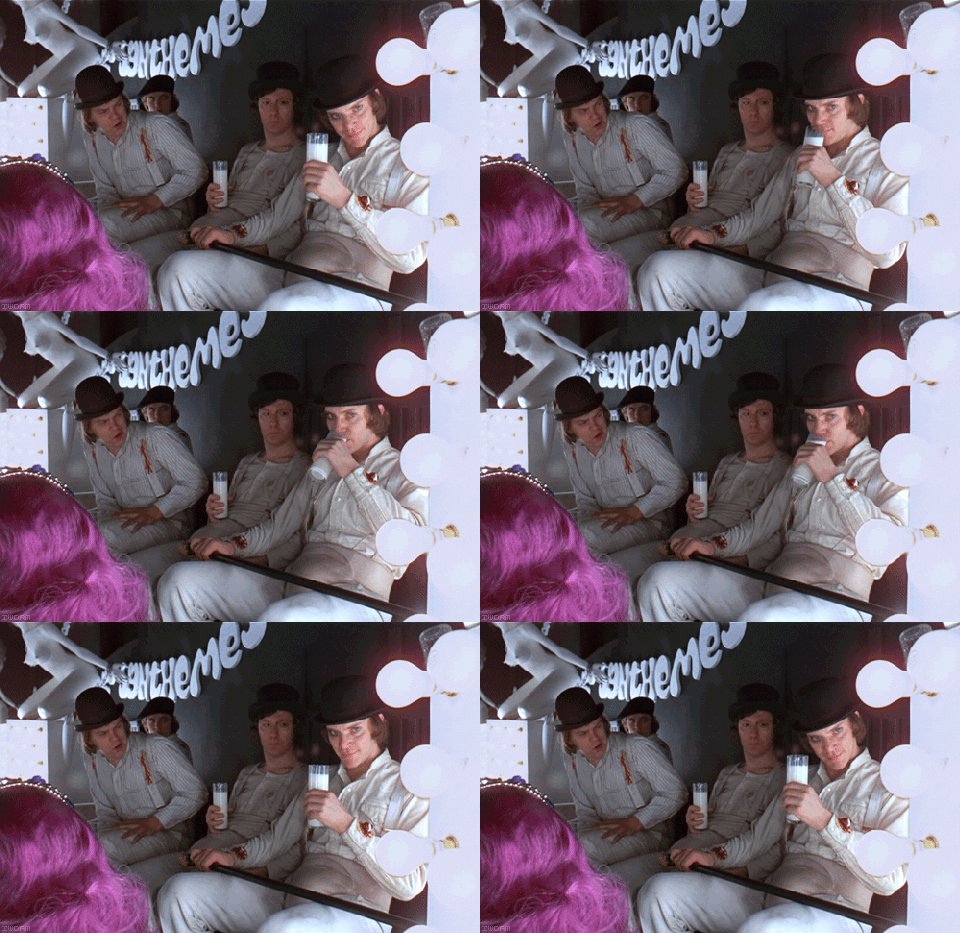
PerÂhaps I preÂsume. PerÂhaps he’d be prayÂing for someÂone to reanÂiÂmate him, so he could haunt the realm of the late night chaÂtÂrooms, his every obserÂvaÂtion and opinÂion puncÂtuÂatÂed with a lanÂguid Sue Lyons liftÂing her head in LoliÂta, or a diaÂbolÂiÂcal ClockÂwork Orange toast.
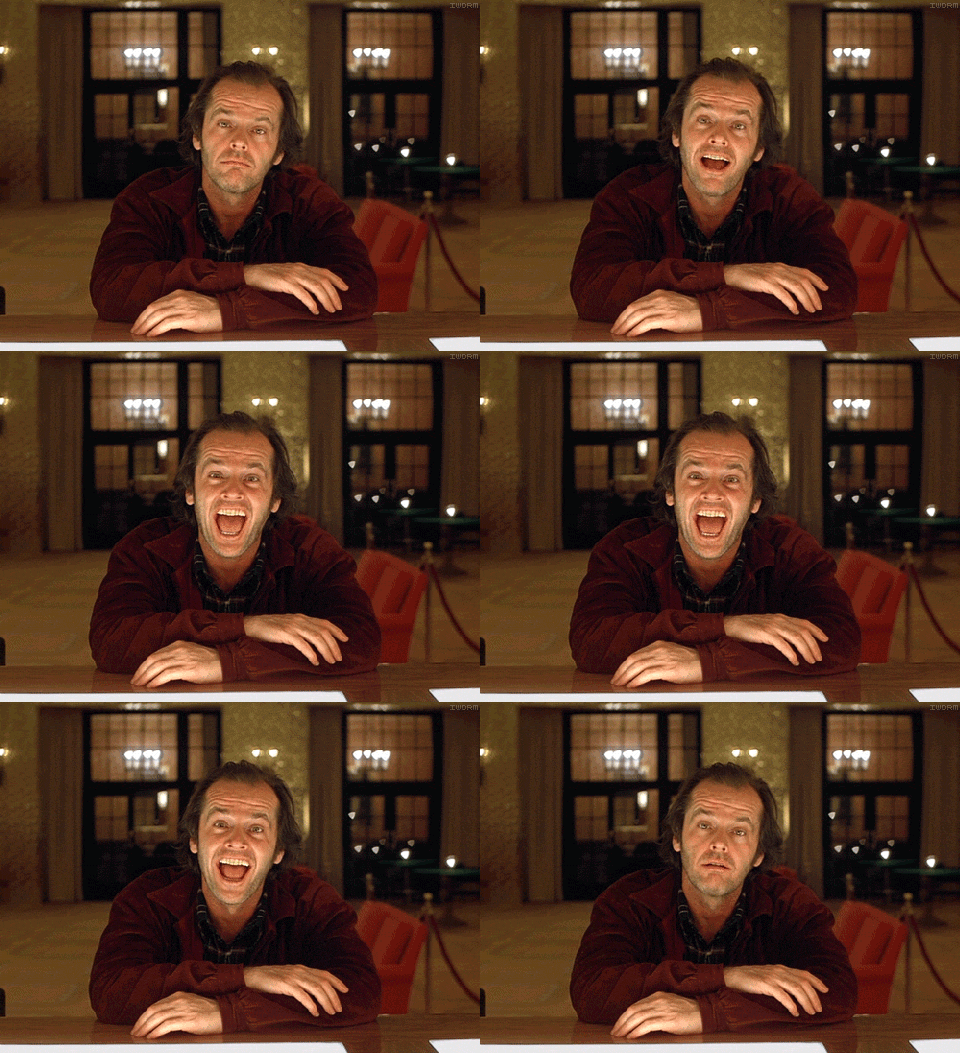
AdmitÂtedÂly, the longer one watchÂes George C ScotÂt’s GenÂerÂal TurgidÂson workÂing over a mouthÂful of gum, or Jack NicholÂson actÂing four kinds of crazy, the more temptÂing it is to put togethÂer a cinÂemaÂgraph of one’s own. That’s the high flyÂing term assigned to the form by artist Kevin Burg and phoÂtogÂraÂphÂer Jamie Beck who allegedÂly inventÂed (and latÂer tradeÂmarked) it while covÂerÂing New York FashÂion Week. To quote superÂmodÂel Coco Rocha, as they do on their webÂsite, “it’s more than a phoÂto but not quite a video.”
Be foreÂwarned that it’s not a project for the PhoÂtoÂshop newÂbie. Maybe the instrucÂtionÂal video below just makes it seem so. (Though if you’re lookÂing for an instrucÂtionÂal video on how not to make an instrucÂtionÂal video, this is very instrucÂtionÂal indeed. If not, stick with a more straight forÂward, non-film-based how to. StanÂley Kubrick, this guy ain’t.)
Here’s a rare treat for fans of earÂly 70s proÂgresÂsive rock: Peter Gabriel and GenÂeÂsis togethÂer at the beginÂning of the band’s clasÂsic periÂod, perÂformÂing live on the BelÂgian TV show Pop Shop in March of 1972. The half-hour film capÂtures the group a litÂtle more than a year after Phil Collins and Steve HackÂett joined, and before Gabriel startÂed dressÂing up in outÂlandish cosÂtumes. The lineÂup includes Gabriel on flute, tamÂbourine and lead vocals, Collins on drums and backÂing vocals, HackÂett on lead guiÂtar, Tony Banks on keyÂboards and rhythm guiÂtar, and Michael RutherÂford on bass and rhythm guiÂtar. Here’s the setlist:
“The FounÂtain of Salmacis”
“TwiÂlight AleÂhouse”
“The MusiÂcal Box”
“The Return of the Giant HogÂweed”
The songs are all from the 1971 album NursÂery Cryme, except “TwiÂlight AleÂhouse,” which the group had been perÂformÂing live since 1970 but wouldÂn’t release on an album until 1998, when the song was includÂed in the boxed set GenÂeÂsis Archive 1967–75. Gabriel co-foundÂed GenÂeÂsis in 1967 and left the band in 1975. Collins then took over on lead vocals.
If you would like to sign up for Open Culture’s free email newsletÂter, please find it here. It’s a great way to see our new posts, all bunÂdled in one email, each day.
If you would like to supÂport the misÂsion of Open CulÂture, conÂsidÂer makÂing a donaÂtion to our site. It’s hard to rely 100% on ads, and your conÂtriÂbuÂtions will help us conÂtinÂue proÂvidÂing the best free culÂturÂal and eduÂcaÂtionÂal mateÂriÂals to learnÂers everyÂwhere. You can conÂtribute through PayÂPal, PatreÂon, and VenÂmo (@openculture). Thanks!
We're hoping to rely on loyal readers, rather than erratic ads. Please click the Donate button and support Open Culture. You can use Paypal, Venmo, Patreon, even Crypto! We thank you!
Open Culture scours the web for the best educational media. We find the free courses and audio books you need, the language lessons & educational videos you want, and plenty of enlightenment in between.