Charles Dickens Gave His Cat “Bob” a Second Life as a Letter Opener

dicken's cat letter opener
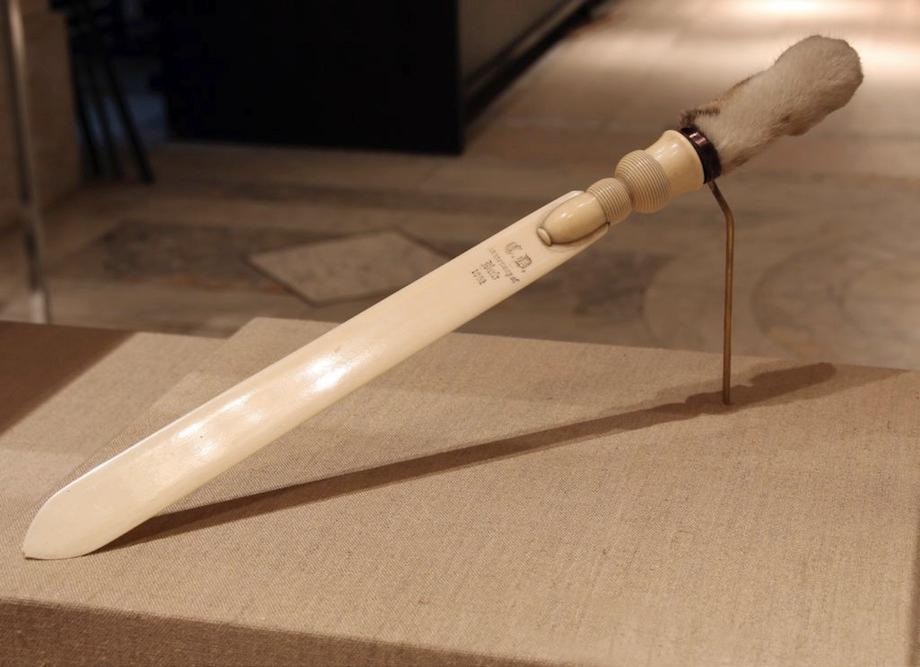
Image via New York Pub­lic Library

Increas­ing­ly Face­book seems a vir­tu­al pet ceme­tery, with images of recent­ly depart­ed cats and dogs but­tressed with words of heart­break and con­so­la­tion. It feels hard-heart­ed to scroll past with­out lay­ing a com­ment at each fresh­ly dug cyber-mound, even when one has no per­son­al rela­tion­ship with the deceased, or, to large degree, the own­er. The lazy man may “like” news of a beloved Airedale’s demise, but acknowl­edg­ment can­not always be said to equal respect.

And what, pray tell, is the pro­to­col after? How many min­utes should elapse before it is accept­able to post Throw­back Thurs­day shots of one’s younger, big-haired self? What if one acci­den­tal­ly sends a Far­mville noti­fi­ca­tion to the bereaved?

If only we had a Vic­to­ri­an we could ask.

Prefer­ably, Charles Dick­ens.

He went to his reward eleven years before “Poor Cher­ry,” the first dog plant­ed in Hyde Park’s small pet ceme­tery, but he was a keen observ­er of mourn­ing cus­toms.

He was also an ani­mal lover, as his daugh­ter, Mamie not­ed in My Father as I Recall Him:

On account of our birds, cats were not allowed in the house; but from a friend in Lon­don I received a present of a white kit­ten — Williami­na — and she and her numer­ous off­spring had a hap­py home at “Gad’s Hill.” … As the kit­tens grow old­er they became more and more frol­ic­some, swarm­ing up the cur­tains, play­ing about on the writ­ing table and scam­per­ing behind the book­shelves. But they were nev­er com­plained of and lived hap­pi­ly in the study until the time came for find­ing them oth­er homes. One of these kit­tens was kept, who, as he was quite deaf, was left unnamed, and became known by ser­vants as “the mas­ter’s cat,” because of his devo­tion to my father. He was always with him, and used to fol­low him about the gar­den like a dog, and sit with him while he wrote. One evening we were all, except father, going to a ball, and when we start­ed, left “the mas­ter” and his cat in the draw­ing-room togeth­er. “The mas­ter” was read­ing at a small table, on which a light­ed can­dle was placed. Sud­den­ly the can­dle went out. My father, who was much inter­est­ed in his book, relight­ed the can­dle, stroked the cat, who was look­ing at him pathet­i­cal­ly he noticed, and con­tin­ued his read­ing. A few min­utes lat­er, as the light became dim, he looked up just in time to see puss delib­er­ate­ly put out the can­dle with his paw, and then look appeal­ing­ly towards him. This sec­ond and unmis­tak­able hint was not dis­re­gard­ed, and puss was giv­en the pet­ting he craved. Father was full of this anec­dote when all met at break­fast the next morn­ing.

One anec­dote Mamie chose not to include is that when Dick­ens’ Bob, the deaf kit­ten men­tioned above, left this earth­ly plane, the mas­ter turned him into a let­ter open­er.

Well, not the whole cat, actu­al­ly. Just a sin­gle paw, which the author had stuffed and attached to an ivory blade. The blade is engraved “C.D. In Mem­o­ry of Bob 1862” which is more grave mark­er than most pussy­cats can hope for.

Should any­one ever pub­lish a His­to­ry of Charles Dick­ens in 100 Objects, count on this object to make the cut.

Still, it’s an odd­i­ty most con­tem­po­rary West­ern­ers would view with dis­taste. (But not all. The Mor­bid Anato­my Museum’s fre­quent small mam­mal taxi­dermy work­shops draw might­i­ly from the ranks of Brook­lyn hip­sters.)

I cer­tain­ly felt the need to hus­tle my then 12-year-old son past this unusu­al sou­venir when it was dis­played as part of the New York Pub­lic Library’s cozy exhib­it, Charles Dick­ens: The Key to Char­ac­ter. The kid’s an ani­mal lover who was in Oliv­er!  at the time. I feared he’d respond with Tale of Two Cities-lev­el peas­ant rage, which is accept­able, except when there’s a show that must go on.

Pre­served!, a British taxi­dermy blog spon­sored by the Arts and Human­i­ties Research Coun­cil offers a ten­der take on Dick­ens’ moti­va­tion. Over the years, he had sev­er­al ani­mals, includ­ing a pet raven, stuffed, but his close­ness with Bob called for a spe­cial approach. 19th-cen­tu­ry lit­er­a­ture schol­ar Jen­ny Pyke writes that “the taxi­der­mied cat paw stands out in its tac­tile soft­ness and emo­tion­al ten­der­ness. Most often, as pop­u­lar as it was in the nine­teenth cen­tu­ry, taxi­dermy was con­sumed visu­al­ly only, dis­played in glass cas­es or crowd­ed cab­i­nets. With Bob’s paw, Dick­ens cre­at­ed an object meant to be held dai­ly.”

It’s not for the squea­mish, but I can see how this can­ni­ly orches­trat­ed hand-hold­ing could bring ongo­ing com­fort. More than the fleet­ing con­do­lences pro­lif­er­at­ing on Face­book, any­way.

via Slate

Relat­ed Con­tent:

Charles Dick­ens’ Hand-Edit­ed Copy of His Clas­sic Hol­i­day Tale, A Christ­mas Car­ol

T.S. Eliot Reads Old Possum’s Book of Prac­ti­cal Cats & Oth­er Clas­sic Poems (75 Min­utes, 1955)

Medieval Cats Behav­ing Bad­ly: Kit­ties That Left Paw Prints … and Peed … on 15th Cen­tu­ry Man­u­scripts

Ayun Hal­l­i­day is an author, home­school­er, and Chief Pri­ma­tol­o­gist of the East Vil­lage Inky zine. Fol­low her @AyunHalliday

Watch the New Trailer for the Upcoming Joan Didion Documentary, We Tell Ourselves Stories In Order to Live

It did­n’t take long, only 25 hours, for Grif­fin Dunne and Susanne Ros­tock to raise enough mon­ey on Kick­starter to com­plete a doc­u­men­tary on nov­el­ist and essay­ist Joan Did­ion. Ini­tial­ly hop­ing to raise $80,000, they’ve already received com­mit­ments exceed­ing $211,000, and they still have four days to go.

We Tell Our­selves Sto­ries In Order to Live will be the first and only doc­u­men­tary about Joan Did­ion. And it will be made with Joan, using her own words.  The trail­er for the doc­u­men­tary just pre­miered on Vogue. It’s fit­ting, see­ing that Did­ion land­ed her first job, at Vogue, after win­ning an essay con­test spon­sored by the mag­a­zine. She also pub­lished her sem­i­nal essay, ““On Self Respect” in Vogue in 1961.

You can watch the trail­er above. Also don’t miss our roundup from ear­li­er this year: 13 Mas­ter­ful Essays by Joan Did­ion Free Online

via @michikokakutani

Fol­low us on Face­bookTwit­ter and Google Plus and share intel­li­gent media with your friends. Or bet­ter yet, sign up for our dai­ly email and get a dai­ly dose of Open Cul­ture in your inbox.

by | Permalink | Make a Comment ( 2 ) |

Watch Harvard Students Fail the Literacy Test Louisiana Used to Suppress the Black Vote in 1964

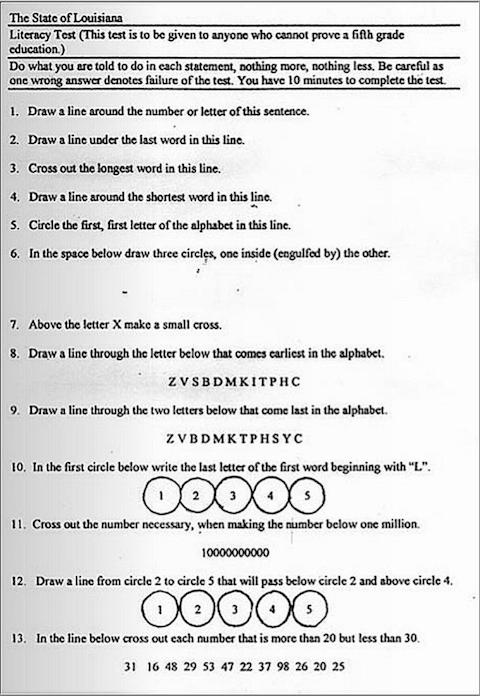
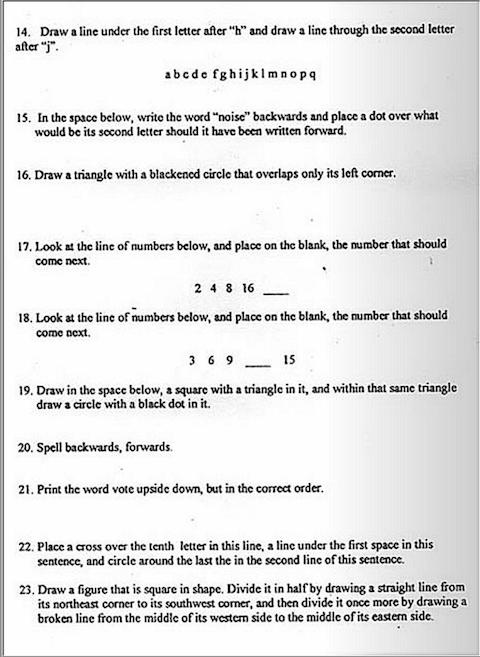
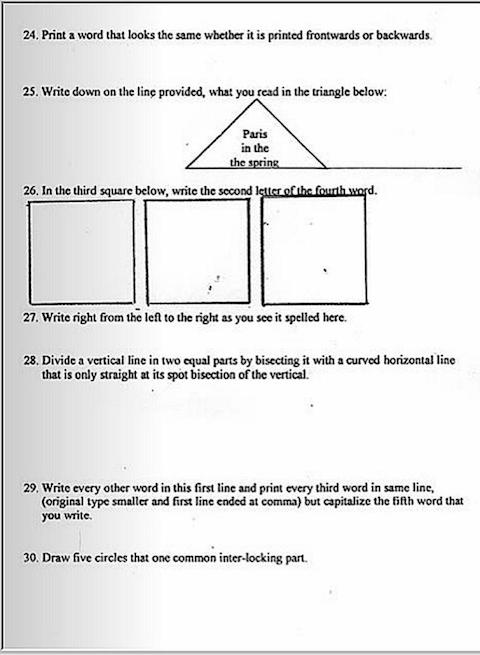
This sum­mer, we revis­it­ed a lit­er­a­cy test from the Jim Crow South. Giv­en pre­dom­i­nant­ly to African-Amer­i­cans liv­ing in Louisiana in 1964, the test con­sist­ed of 30 ambigu­ous ques­tions to be answered in 10 min­utes. One wrong answer, and the test-tak­er was denied the right to vote. It was all part of the South’s attempt to impede free and fair elec­tions, and ensure that African-Amer­i­cans had no access to pol­i­tics or mech­a­nisms of pow­er.

How hard was the test? You can take it your­self below (see an answer key here)  and find out. Just recent­ly, the same lit­er­a­cy test was also admin­is­tered to Har­vard stu­dents — stu­dents who can, if any­thing, ace a stan­dard­ized test — and not one passed. The ques­tions are tricky. But even worse, if push comes to shove, the ques­tions and answers can be inter­pret­ed in dif­fer­ent ways by offi­cials grad­ing the exam. Carl Miller, a res­i­dent tutor at Har­vard and a fel­low at the law school, told The Dai­ly Mail: “Louisiana’s lit­er­a­cy test was designed to be failed. Just like all the oth­er lit­er­a­cy tests issued in the South at the time, this test was not about test­ing lit­er­a­cy at all. It was a … devi­ous mea­sure that the State of Louisiana used to dis­en­fran­chise peo­ple that had the wrong skin tone or belonged to the wrong social class.” (Some­times the test was also giv­en to poor whites.) Above, you can watch scenes from the Har­vard exper­i­ment and stu­dents’ reac­tions.

Test1.jpg.CROP.article920-large

Test2.jpg.CROP.article920-large

Test3.jpg.CROP.article920-large

Fol­low us on Face­bookTwit­ter and Google Plus and share intel­li­gent media with your friends. Or bet­ter yet, sign up for our dai­ly email and get a dai­ly dose of Open Cul­ture in your inbox.

by | Permalink | Make a Comment ( 35 ) |

Follow Us on Facebook, Twitter … Or, Better Yet, Get Our Daily Email

Read­ers often ask us, “What’s the best way to make sure that I don’t miss any of your posts?” First and fore­most we rec­om­mend sign­ing up for our dai­ly email. Each day, you will receive an email that tidi­ly wraps up every­thing we’ve fea­tured on the site over a 24 hour peri­od. Faith­ful­ly it will appear in your inbox each day. Sign up for the free email here. And, to ini­ti­ate the email sub­scrip­tion, please make sure that you click the ver­i­fi­ca­tion link in the email you will receive upon reg­is­tra­tion.

You can always fol­low us on Twit­ter (@openculture) where we high­light our dai­ly posts, plus many oth­er cul­tur­al curiosi­ties found on the web. Def­i­nite­ly give that a shot.

You can also like our Face­book page, and then Face­book will decide whether you get to see our posts. They just do the think­ing for you. Lucky you.

Final­ly, con­sid­er sub­scrib­ing to our RSS feed, espe­cial­ly if you use feed read­ers like Feed­ly. That will let you keep tabs on each and every post. The RSS address is: http://feeds.feedburner.com/OpenCulture

by | Permalink | Make a Comment ( 2 ) |

Download 135 Free Philosophy eBooks: From Aristotle to Nietzsche & Wittgenstein


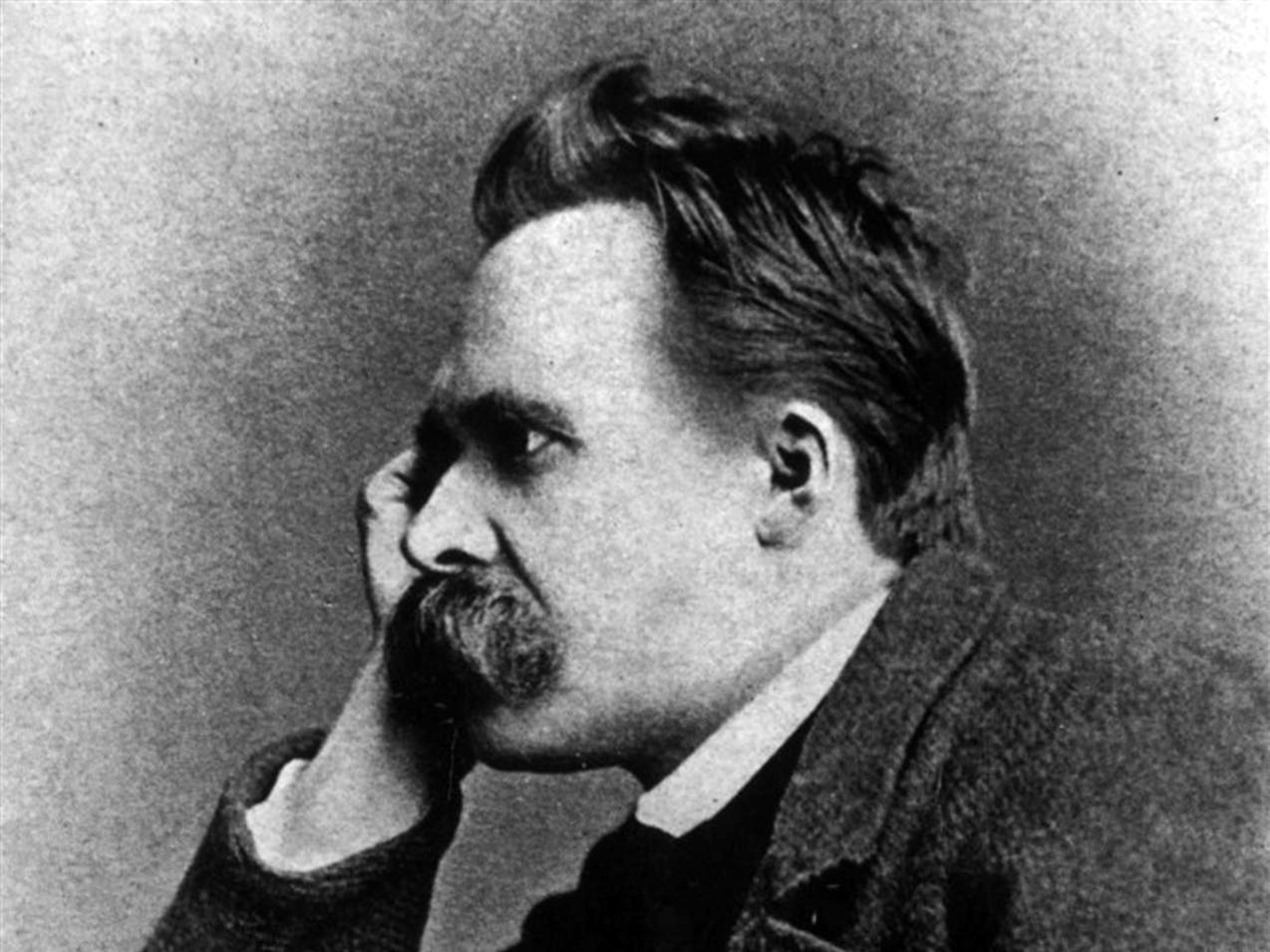
Nietzsche

Just want­ed to give you a quick heads up that we’ve recent­ly spun out a col­lec­tion of Free Phi­los­o­phy eBooks (from our larg­er, more diverse col­lec­tion of 600 Free eBooks). Right now, you will find 110 clas­sic works on the new list — foun­da­tion­al texts writ­ten by Aris­to­tle, Descartes, Hegel and Kant, not to men­tion Kierkegaard, Wittgen­stein and Niet­zsche, too. The list will keep grow­ing at a steady clip. But if you see any cru­cial texts miss­ing, please let us know, and we will try to get them added ASAP. Of course, we’re look­ing for works in the pub­lic domain.

You can gen­er­al­ly down­load the Free Phi­los­o­phy eBooks to your Kin­dle, iPad, iPhone and oth­er devices. (Kin­dle users can use these instruc­tions to get .mobi files onto their devices.) Or, in most cas­es, we give you the option to read the books in your web brows­er. Take your pick.

As a quick last note, you might want to com­ple­ment the Phi­los­o­phy eBooks with our big list of Free Online Phi­los­o­phy Cours­es. The two col­lec­tions go hand in hand.

Fol­low us on Face­bookTwit­ter and Google Plus and share intel­li­gent media with your friends. Or bet­ter yet, sign up for our dai­ly email and get a dai­ly dose of Open Cul­ture in your inbox.

Relat­ed Con­tent:

28 Impor­tant Philoso­phers List the Books That Influ­enced Them Most Dur­ing Their Col­lege Days

The Epis­te­mol­o­gy of Dr. Seuss & More Phi­los­o­phy Lessons from Great Children’s Sto­ries

44 Essen­tial Movies for the Stu­dent of Phi­los­o­phy

Down­load 100 Free Phi­los­o­phy Cours­es and Start Liv­ing the Exam­ined Life

The Har­vard Clas­sics: A Free, Dig­i­tal Col­lec­tion

1,700 Free Online Cours­es from Top Uni­ver­si­ties

by | Permalink | Make a Comment ( 63 ) |

The Great War: Video Series Will Document How WWI Unfolded, Week-by-Week, for the Next 4 Years

This ambi­tious project deserves a men­tion: Medi­akraft Net­works has launched a video series on Youtube that will doc­u­ment how World War I unfold­ed, week-by-week, over a four-year peri­od, from 1914 to 1918. A new video will be released every Thurs­day, and it will reflect on what hap­pened dur­ing the same week 100 years pri­or. Launched in late July, the series has already cov­ered 16 weeks of The Great War, with lat­est video show­ing how World War I became a defen­sive war and trench­es began to scar the land. Host­ed by Indy Nei­dell (read an inter­view with him here), each video fea­tures archival footage from British Pathé, the news­reel archive com­pa­ny that put over 85,000 his­tor­i­cal films on YouTube ear­li­er this year.

the great war video series

You can watch all 16 episodes above, along with a few help­ful primers that explain why the War start­ed in the first place. To view new videos as they get released, keep tabs on this Youtube page. There should even­tu­al­ly be close to 300 episodes. Quite an under­tak­ing!

As a side note, I noticed that a Dutch pod­cast (in Eng­lish) will cov­er “The First World War in 261 weeks.” That’s the title of the pod­cast itself. Find it here.

via Kottke.org

Relat­ed Con­tent:

Free: British Pathé Puts Over 85,000 His­tor­i­cal Films on YouTube

Free Online His­to­ry Cours­es

The His­to­ry of Rome in 179 Pod­casts

Learn The His­to­ry of Phi­los­o­phy in 197 Pod­casts (With More to Come)

Read Joyce’s Ulysses Line by Line, for the Next 22 Years, with Frank Delaney’s Pod­cast

by | Permalink | Make a Comment ( 3 ) |

The Art of Leo Tolstoy: See His Drawings in the War & Peace Manuscript & Other Literary Texts

War and Peace sketch

Like all great writ­ers, Leo Tol­stoy has inspired a great many visu­al adap­ta­tions of his work, of vary­ing degrees of qual­i­ty. Just this past month, the Vol­gograd Fine Arts Muse­um in Rus­sia held an exhi­bi­tion of “92 graph­ic works from the col­lec­tion of the Yas­naya Polyana Estate-Muse­um,” the author’s coun­try estate and birth­place. Each work of art “recre­ates immor­tal images of the char­ac­ters, recon­structs the his­toric epoch, and reflects the dynam­ics” of his mas­ter­pieces Anna Karen­i­na and War and Peace, as well as his short sto­ries for chil­dren.

ABC sketch

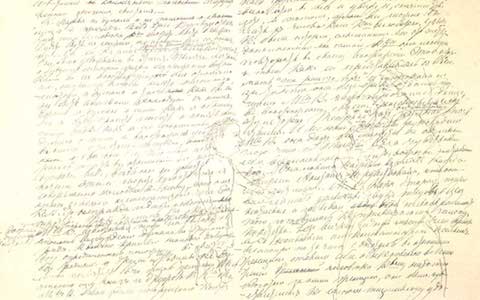
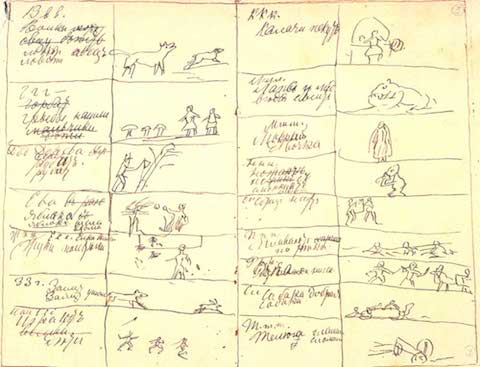
Trav­el to Moscow, how­ev­er, to the Leo Tol­stoy State Muse­um, and you’ll find Tolstoy’s own visu­al art, which he sketched both on the very man­u­script pages of those nov­els and sto­ries and in the note­books that inspired them. At the top of the post, see a man­u­script page of War and Peace with the fig­ures of a boy and a well-dressed woman drawn very faint­ly into the text. Direct­ly above, see a sketch for his ABC book, a primer he cre­at­ed for his peas­ant schools at Yas­naya Polyana.

Jules Verne sketch

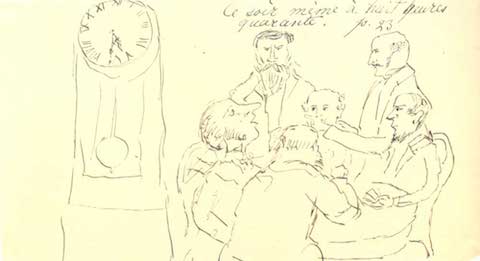
Tol­stoy didn’t only illus­trate his own work; he also made some sketch­es of his con­tem­po­rary Jules Verne’s Around the World in Eighty Days—see one above—which he read in French with his chil­dren. These few draw­ings may seem like lit­tle more than doo­dles, but Tol­stoy in fact had a very fine hand, as you can see in the two sketch­es below from note­books he kept dur­ing his time in the Cau­cusus. It was then, while serv­ing in the army, that Tol­stoy began writ­ing, and the note­books he kept would even­tu­al­ly inspire his 1863 nov­el, The Cos­sacks.

Old Man sketch

These draw­ings are so well ren­dered they make me think Tol­stoy could have become a visu­al artist as well as a great writer. But per­haps the exact­ing nov­el­ist was too harsh a crit­ic to allow him­self to pur­sue that course. Over forty years after mak­ing these draw­ings, Tol­stoy pub­lished his thoughts on art in essay called What is Art?. In it, the great Russ­ian writer cre­ates what Gary R. Jahn in The Jour­nal of Aes­thet­ics and Art Crit­i­cism admits are some “unrea­son­ably nar­row, exclu­sive” cri­te­ria for defin­ing art.

Old Man 2 sketch

Tol­stoy also pro­pounds some­thing akin to a meme the­o­ry, which he calls a qual­i­ty of “infec­tious­ness.” Art, he writes, is “a human activ­i­ty con­sist­ing in this, that one man con­scious­ly, by means of cer­tain exter­nal signs, hands on to oth­ers feel­ings he has lived through, and that oth­er peo­ple are infect­ed by these feel­ings and also expe­ri­ence them.” At the cru­cial­ly for­ma­tive peri­od when these draw­ings were made, Tol­stoy obvi­ous­ly decid­ed he could best “infect” oth­ers through writ­ing. That same year, he pub­lished the first part of his auto­bi­o­graph­i­cal tril­o­gy, Child­hood, under a pseu­do­nym, fol­lowed quick­ly by Boy­hood. By the time he retired from the army in 1856 and left the Cau­cusus for St. Peters­burg, he was already a lit­er­ary celebri­ty. See more of Tolstoy’s draw­ings from his Cau­cusus note­books here.

Relat­ed Con­tent:

Leo Tol­stoy Cre­ates a List of the 50+ Books That Influ­enced Him Most (1891)

Rare Record­ing: Leo Tol­stoy Reads From His Last Major Work in Four Lan­guages, 1909

Fyo­dor Dos­to­evsky Draws Elab­o­rate Doo­dles In His Man­u­scripts

The Art of William Faulkn­er: Draw­ings from 1916–1925

The Draw­ings of Jean-Paul Sartre

Josh Jones is a writer and musi­cian based in Durham, NC. Fol­low him at @jdmagness

Watch Entr’Acte: René Clair’s Dadaist Masterpiece, Scored by Erik Satie and with Cameos by Marcel Duchamp & Man Ray (1924)

René Clair’s 1924 avant-garde mas­ter­piece Entr’Acte opens with a can­non fir­ing into the audi­ence and that’s pret­ty much a state­ment of pur­pose for the whole movie. Clair want­ed to shake up the audi­ence, throw­ing it into a dis­ori­ent­ing world of visu­al brava­do and nar­ra­tive absur­di­ty. You can watch it above.

The film was orig­i­nal­ly designed to be screened between two acts of Fran­cis Picabia’s 1924 opera Relâche. Picabia report­ed­ly wrote the syn­op­sis for the film on a sin­gle sheet of paper while din­ing at the famous Parisian restau­rant Maxim’s and sent it to Clair. While that hand­writ­ten note was the gen­e­sis of what we see on screen, it’s Clair sheer cin­e­mat­ic inven­tive­ness that is why the film is still shown in film schools today.

Clair sought to cre­ate a work of “pure cin­e­ma,” so he filled the film with just about every cam­era trick in the book: slow motion, fast motion, split screen and super­im­po­si­tions among oth­ers. The cam­era is unbound and wild­ly kinet­ic. At one point, Clair mounts the cam­era upside down to the front of a roller­coast­er.

In true Dadaist fash­ion, Clair cre­ates a series of strik­ing images – an upskirt shot of a leap­ing bal­le­ri­na; a funer­al pro­ces­sion bound­ing down the street in slow motion; a corpse spring­ing out of a cof­fin – that seem to cry out for an expla­na­tion but remain mad­den­ing­ly, fre­quent­ly hilar­i­ous­ly obscure.

The movie also serves as a class por­trait of the Parisian avant-garde scene of the ear­ly ‘20s. Picabia and Erik Satie – who scored the movie – are the ones who fired that can­non. In anoth­er scene, Mar­cel Duchamp and Man Ray can be seen play­ing chess with each oth­er on a Parisian rooftop.

Com­pared to Luis Bunuel and Sal­vador Dali’s noto­ri­ous 1928 short Un Chien Andalou – a movie that is still quite shock­ing today – Entr’Acte is a much lighter, fun­nier work, one that looks to thwart bour­geois expec­ta­tions of nar­ra­tive log­ic but doesn’t quite try to shock them into indig­nant out­rage. In fact, to mod­ern eyes, the movie feels at times like a par­tic­u­lar­ly unhinged Mon­ty Python skit. Picabia him­self once assert­ed that Entr’acte “respects noth­ing except the right to roar with laugh­ter.” So watch, laugh and pre­pare to be con­fused.

Entr’Acte will be added to our col­lec­tion, 4,000+ Free Movies Online: Great Clas­sics, Indies, Noir, West­erns, Doc­u­men­taries & More.

Relat­ed Con­tent: 

Two Vin­tage Films by Sal­vador Dalí and Luis Buñuel: Un Chien Andalou and L’Age d’Or

The Seashell and the Cler­gy­man: The World’s First Sur­re­al­ist Film

David Lynch Presents the His­to­ry of Sur­re­al­ist Film (1987)

A Tour Inside Sal­vador Dalí’s Labyrinthine Span­ish Home

Jonathan Crow is a Los Ange­les-based writer and film­mak­er whose work has appeared in Yahoo!, The Hol­ly­wood Reporter, and oth­er pub­li­ca­tions. You can fol­low him at @jonccrow. And check out his blog Veep­to­pus, fea­tur­ing lots of pic­tures of vice pres­i­dents with octo­pus­es on their heads.  The Veep­to­pus store is here.

« Go BackMore in this category... »
Quantcast