“Heidegger in the Kitchen”: Alain de Botton’s Video Essay Explains the Philosopher’s Concept of Being

Are you feel­ing doomed and insignif­i­cant, like a shrimp des­tined for the fry­ing pan? Well, then, we have just the thing for you. Last week we fea­tured three intro­duc­to­ry phi­los­o­phy videos from Alain de Botton’s School of Life, on Mar­tin Hei­deg­ger, the Sto­ics, and Epi­cu­rus. Each of these shorts is designed to show how phi­los­o­phy, ancient and mod­ern, can enhance our dai­ly life by address­ing ques­tions of free­dom, suf­fer­ing, and hap­pi­ness. Above—in what Maria Popo­va at Brain Pick­ings calls an “imag­i­na­tive video essay”—de Bot­ton again engages with Heidegger’s thought, this time dis­till­ing the dif­fi­cult Ger­man philosopher’s con­cept of “Being” (das sein) to its essence.

Heidegger’s desire, de Bot­ton tells us, was to “wake us up to the idea that we are sur­round­ed by death.” (Hei­deg­ger used the “grander term,” das nichts,” the noth­ing, or “inex­is­tence, the oppo­site of life.”) Instead of sim­ply awak­en­ing exis­ten­tial ter­ror by remind­ing us of how frag­ile and pre­car­i­ous our lives are, Hei­deg­ger sought to encour­age moments of insight into the mys­te­ri­ous uni­ty and beau­ty of life. In these moments, he thought, we might learn “to rec­og­nize our kin­ship with all liv­ing things and with the Earth itself.”

What keeps us from hav­ing these insights all of the time? For Hei­deg­ger, our social denial of Being takes the form of “end­less chat­ter,” what he called das gerede. We are all famil­iar with its many man­i­fes­ta­tions; from the per­pet­u­al triv­ia of celebri­ty gos­sip to the numb­ing scare­mon­ger­ing of the 24-hour news cycle, thou­sands of voic­es sur­round us hourly, clam­or­ing for our atten­tion and seek­ing to drown out our indi­vid­ual aware­ness of death and of Being. In the visu­al kitchen metaphor above, das gerede is rep­re­sent­ed by a “pan­cake-like dough lay­er” that “smoth­ers our con­nec­tion with Being.” “The task of phi­los­o­phy,” Hei­deg­ger believed, “is to remove us from the doughy com­fort of chat­ter and intro­duce us, sys­tem­at­i­cal­ly, to the brac­ing con­cept of Noth­ing­ness.”

It’s cer­tain­ly not for noth­ing that Hei­deg­ger has been iden­ti­fied as an exis­ten­tial­ist, though he repu­di­at­ed the term. For Hei­deg­ger, the ques­tion of human exis­tence was pri­ma­ry and above all oth­er kinds of inquiry. Hei­deg­ger did not believe that the meth­ods and tech­nolo­gies of the nat­ur­al sci­ences could ever offer sat­is­fac­to­ry answers to our fun­da­men­tal ques­tions about our exis­tence. So what was Heidegger’s cheer­ful advice to those of us seek­ing a more authen­tic con­nec­tion to Being? Like Mor­ris­sey and var­i­ous Roman­tic poets, Hei­deg­ger rec­om­mend­ed that we “spend more time in grave­yards.” To get in touch with life, he sug­gests, we must first learn to get in touch with death.

via Brain Pick­ings

Relat­ed Con­tent:

Alain de Botton’s School of Life Presents Ani­mat­ed Intro­duc­tions to Hei­deg­ger, The Sto­ics & Epi­cu­rus

Mar­tin Hei­deg­ger Talks About Lan­guage, Being, Marx & Reli­gion in Vin­tage 1960s Inter­views

Mar­tin Hei­deg­ger Talks Phi­los­o­phy with a Bud­dhist Monk on Ger­man Tele­vi­sion (1963)

Find sev­er­al cours­es on Hei­deg­ger, includ­ing his mag­num opus Being and Time, in our col­lec­tion of Free Online Phi­los­o­phy Cours­es

Josh Jones is a writer and musi­cian based in Durham, NC. Fol­low him at @jdmagness.

1000 Frames of Hitchcock: See Each of Alfred Hitchcock’s 52 Films Reduced to 1,000 Artistic Frames

psycho frames

Some direc­tors like John Cas­savetes and Wong Kar-wai like to dis­cov­er the movie as they are mak­ing it. Oth­ers film­mak­ers have a very clear con­cep­tion of the movie right from the begin­ning. Alfred Hitch­cock was very much in that lat­ter cat­e­go­ry. “Once the screen­play is fin­ished, I’d just as soon not make the film at all,” he once told Roger Ebert. “I have a strong­ly visu­al mind. I visu­alise a pic­ture right down to the final cuts.” And that is very much evi­dent in the final prod­uct. From the famous Psy­cho show­er scene to a wild-eyed Jim­my Stew­art dan­gling from a ledge in Ver­ti­go to Cary Grant being men­aced by a crop duster in North By North­west, Hitch­cock has pro­duced some of the most mem­o­rable, arrest­ing images of the 20th Cen­tu­ry.

British artist Dave Pat­tern set out to high­light Hitch’s visu­al genius with his 1000 Frames of Hitch­cock series, which com­press­es each of Hitchcock’s 52 major movies down to a mere 1000 frames. That’s about six sec­onds of run­ning time.

“It all start­ed when in 2003 I made a web­site that tries to gath­er infor­ma­tion about Hitch­cock DVD releas­es over the world,” Pat­tern told Dan­ish movie mag­a­zine Echo. “The qual­i­ty of the pub­li­ca­tions are very dif­fer­ent from coun­try to coun­try. It sort of snow­balled from there.”

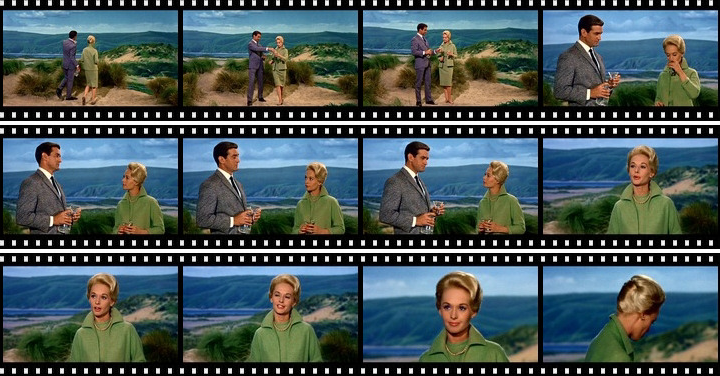
the birds

What’s amaz­ing about this project is just how much of the movie comes through in this great­ly abbre­vi­at­ed, sound­less ver­sion. You com­plete­ly under­stand that Tip­pi Hedren is get­ting ter­ror­ized by an implaca­ble ene­my in The Birds. You don’t even need to see that malev­o­lent mur­der of crows. You can see it just in her face. At the begin­ning of the movie, she’s ele­gant, aloof and per­fect­ly com­posed. At the end of the film, she’s unkempt, bloody and bro­ken. Hitchcock’s creepy sex­u­al pol­i­tics and his famous­ly unwhole­some obses­sion with blondes shines through here.

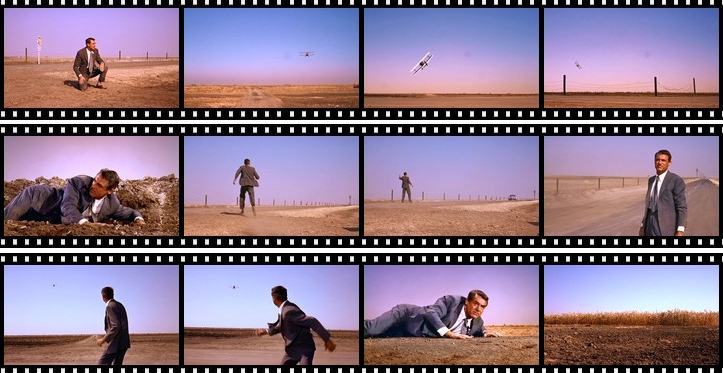
north by northwest frames

What is utter­ly appar­ent in this project – and some­thing you might miss while watch­ing the movie — is Hitchcock’s com­plete con­trol of col­or. The palette of The Birds (mid­dle image) is dom­i­nat­ed by the col­or green, from Hedren’s out­fit to the col­or of a pick­up truck to the hue of the hills. North By North­west (bot­tom), by con­trast, is com­posed most­ly of beige and slate blue. Click on the images to view them in a larg­er for­mat.

Below, you can check out all the movies, each dis­tilled down to 1,000 frames. And, if you’re inspired to dive deep into the works of the Mas­ter of Sus­pense, you can watch 23 of Alfred Hitch­cock­’s movies for free here.


Hear ‘Louder Than Words,’ Pink Floyd’s New Song on What’s Likely Their Last Album

louder than words

(If you have any prob­lems play­ing this clip, please refresh the page.)

On Novem­ber 10, Pink Floyd will unveil The End­less Riv­er. And, above, you can hear ‘Loud­er Than Words,’ the first track released from the album. It’s the only vocal track on an oth­er­wise instru­men­tal LP.

The End­less Riv­er is the band’s first album since 1994’s The Divi­sion Bell. And it’s appar­ent­ly going to be their last. In the sec­ond clip record­ed by the BBC, David Gilmour talks about the con­cept behind The End­less Riv­er, how they wrote “Loud­er Than Words,” and how, espe­cial­ly with the death of key­boardist Richard Wright, it’s going to be their last cre­ative effort. “I think we have suc­cess­ful­ly com­man­deered the best of what there is. I sus­pect this is it.”

The End­less Riv­er can be pre-ordered on Ama­zon or iTunes.

via Ulti­mate Clas­sic Rock/Rolling Stone

Relat­ed Con­tent:

Hear Lost Record­ing of Pink Floyd Play­ing with Jazz Vio­lin­ist Stéphane Grap­pel­li on “Wish You Were Here”

Pink Floyd’s David Gilmour Sings Shakespeare’s Son­net 18

Watch Doc­u­men­taries on the Mak­ing of Pink Floyd’s Dark Side of the Moon and Wish You Were Here

Watch Pink Floyd Play Live in the Ruins of Pom­peii (1972)

by | Permalink | Make a Comment ( 2 ) |

Free Stanford Course: 18 Experts Assess What’s Ailing America in 2014

In my day job, I have the priv­i­lege of over­see­ing Stan­ford’s Con­tin­u­ing Stud­ies pro­gram where we bring Stan­ford cours­es to the San Fran­cis­co Bay Area com­mu­ni­ty, and increas­ing­ly the larg­er world. This fall, we’re pre­sent­ing a pret­ty spe­cial course called The State of the Union 2014. Taught by Rob Reich (Polit­i­cal Sci­ence, Stan­ford), David Kennedy (His­to­ry, Stan­ford), and James Stey­er (CEO, Com­mon Sense Media), the course exam­ines “the abun­dant chal­lenges and oppor­tu­ni­ties of major themes con­tribut­ing to the health, or dis­ease, of the Unit­ed States body politic: inequal­i­ty, ener­gy and the envi­ron­ment, media and tech­nol­o­gy, the econ­o­my, and the 2014 midterm elec­tions.” And to help sort through these com­plex ques­tions, the pro­fes­sors will be joined by 18 dis­tin­guished guests, includ­ing Steven Chu (for­mer Sec­re­tary of Ener­gy), Reed Hast­ings (CEO of Net­flix), Janet Napoli­tano (for­mer Sec­re­tary of Home­land Secu­ri­ty), Ruth Mar­cus (colum­nist for the Wash­ing­ton Post), Karl Eiken­ber­ry (for­mer US Ambas­sador to Afghanistan) and Joel Benen­son (chief poll­ster for Pres­i­dent Barack Oba­ma).

We’re film­ing the class ses­sions of this sev­en-week course and mak­ing them avail­able on YouTube and iTunes. The first two ses­sions (each last­ing about 90 min­utes) can be viewed in the playlist above. The first ses­sion focus­es on the Midterm elec­tions; the sec­ond on the state of Cal­i­for­nia. New ses­sions will be added each week, gen­er­al­ly on Thurs­day or Fri­day.

Edu­ca­tion

Tech­nol­o­gy and Social Change

If you live in the San Fran­cis­co Bay Area, make sure you check out the Con­tin­u­ing Stud­ies pro­gram. It’s a tremen­dous resource for life­long learn­ers.

Relat­ed Con­tent:

1,700 Free Online Cours­es from Top Uni­ver­si­ties

Start Your Start­up with Free Stan­ford Cours­es and Lec­tures

The Art of Liv­ing: A Free Stan­ford Course Explores Time­less Ques­tions

Stanford’s Robert Sapol­sky Demys­ti­fies Depres­sion

Peter Thiel’s Stan­ford Course on Star­tups: Read the Lec­ture Notes Free Online

by | Permalink | Make a Comment ( 1 ) |

John Lennon’s Solo Albums Now Streaming for Free on Spotify

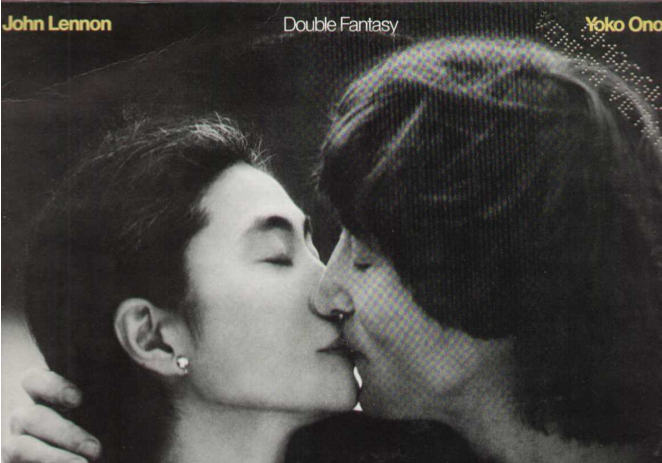
double fantasy

I heard the news today oh boy…

As of today, eight John Lennon solo albums (and three Lennon com­pi­la­tions) are stream­ing for free on Spo­ti­fy. Here are the links to the albums: John Lennon/Plastic Ono Band (1970); Imag­ine (1971); Some­time in New York City (1972); Mind Games (1973);  Walls and Bridges (1974) Rock N Roll (1975); Dou­ble Fan­ta­sy Stripped Down (1980) ; Milk and Hon­ey (1984). Com­pi­la­tions include Gimme Some Truth, Sig­na­ture Box (find below), and Pow­er to the Peo­ple.  If you haven’t already, you’ll will need to down­load and reg­is­ter with Spo­ti­fy to play the music.


Image above by Jack Mitchell.

Sign up for our dai­ly email and, once a day, we’ll bun­dle all of our dai­ly posts and drop them in your inbox, in an easy-to-read for­mat. You don’t have to come to us; we’ll come to you!

Relat­ed Con­tent:

John Lennon’s Raw, Soul-Bar­ing Vocals From the Bea­t­les’ ‘Don’t Let Me Down’ (1969)

Hear John Lennon Sing Home Demo Ver­sions of “She Said, She Said,” “Straw­ber­ry Fields For­ev­er,” and “Don’t Let Me Down”

The Last Time Lennon & McCart­ney Played Togeth­er Cap­tured in the Boot­leg A Toot And a Snore in ’74

by | Permalink | Make a Comment ( 2 ) |

Ben Franklin’s List of 200 Synonyms for “Drunk”: “Moon-Ey’d,” “Hammerish,” “Stew’d” & More (1737)

Benjamin-Franklin1

How many Amer­i­cans could, off the top of their heads, tell you exact­ly why his­to­ry remem­bers Ben­jamin Franklin? Not many, I sus­pect, though we all know that he did a great deal worth remem­ber­ing, even by the stan­dards of a Found­ing Father. (Some­thing got him on the $100 bill, after all.) Of course, only his biog­ra­phers could remem­ber the every accom­plish­ment of this “First Amer­i­can,” from help­ing unite the colonies, to pub­lish­ing news­pa­pers, to serv­ing as Ambas­sador to France, to putting US nation­al secu­ri­ty at risk, to co-found­ing the Uni­ver­si­ty of Penn­syl­va­nia, to invent­ing bifo­cals and every­thing in between. Most Amer­i­cans can, I sus­pect, sum­mon to mind the image of Franklin fly­ing a kite with a key on it as well.

It also turns out that Franklin could indulge in a vice as hearti­ly as he could a virtue; the man who wrote Poor Richard’s Almanack knew how to have a good time. In 18th-cen­tu­ry Amer­i­ca, this seems often as not to have meant to know how to drink — and, in Franklin’s case, also to know how to iden­ti­fy the drunk. His rep­u­ta­tion as a bon vivant and a man of let­ters con­verged in a Jan­u­ary 13, 1737 edi­tion of the Penn­syl­va­nia Gazette, where­in he pub­lished this “Drinkers Dic­tio­nary” con­sist­ing of 200 syn­onyms for wast­ed, blot­to, half in the bag, three sheets to the wind, and oth­ers that would emerge over the fol­low­ing cen­turies. See them all below.

A
He is Addled,
He’s cast­ing up his Accounts,
He’s Afflict­ed,
He’s in his Airs.

B
He’s Big­gy,
Bewitch’d,
Block and Block,
Boozy,
Bowz’d,
Been at Bar­ba­does,
Pis­s’d in the Brook,
Drunk as a Wheel-Bar­row,
Bur­dock­’d,
Buskey,
Buzzey,
Has Stole a Manchet out of the Brew­er’s Bas­ket,
His Head is full of Bees,
Has been in the Bib­bing Plot,
Has drank more than he has bled,
He’s Bungey,
As Drunk as a Beg­gar,
He sees the Bears,
He’s kiss’d black Bet­ty,
He’s had a Thump over the Head with Samp­son’s Jaw­bone,
He’s Bridgey.

C
He’s Cat,
Cagrin’d,
Capa­ble,
Cram­p’d,
Cheru­bim­i­cal,
Cher­ry Mer­ry,
Wamble Crop’d,
Crack­’d,
Con­cern’d,
Half Way to Con­cord,
Has tak­en a Chirrip­ing-Glass,
Got Corns in his Head,
A Cup to much,
Coguy,
Copey,
He’s heat his Cop­per,
He’s Cro­cus,
Catch’d,
He cuts his Capers,
He’s been in the Cel­lar,
He’s in his Cups,
Non Com­pos,
Cock­’d,
Curv’d,
Cut,
Chip­per,
Chick­ery,
Loaded his Cart,
He’s been too free with the Crea­ture,
Sir Richard has tak­en off his Con­sid­er­ing Cap,
He’s Chap-fall­en,

D
He’s Dis­guiz’d,
He’s got a Dish,
Kil­l’d his Dog,
Took his Drops,
It is a Dark Day with him,
He’s a Dead Man,
Has Dip­p’d his Bill,
He’s Dag­g’d,
He’s seen the Dev­il,

E
He’s Prince Eugene,
Enter’d,
Wet both Eyes,
Cock Ey’d,
Got the Pole Evil,
Got a brass Eye,
Made an Exam­ple,
He’s Eat a Toad & half for Break­fast.
In his Ele­ment,

F
He’s Fishey,
Fox’d,
Fud­dled,
Sore Foot­ed,
Frozen,
Well in for’t,
Owes no Man a Far­thing,
Fears no Man,
Crump Foot­ed,
Been to France,
Flush’d,
Froze his Mouth,
Fet­ter’d,
Been to a Funer­al,
His Flag is out,
Fuzl’d,
Spoke with his Friend,
Been at an Indi­an Feast.

G
He’s Glad,
Groat­able,
Gold-head­ed,
Glaiz’d,
Gen­er­ous,
Booz’d the Gage,
As Dizzy as a Goose,
Been before George,
Got the Gout,
Had a Kick in the Guts,
Been with Sir John Goa,
Been at Gene­va,
Glob­u­lar,
Got the Glan­ders.

H
Half and Half,
Hardy,
Top Heavy,
Got by the Head,
Hid­dey,
Got on his lit­tle Hat,
Ham­mer­ish,
Loose in the Hilts,
Knows not the way Home,
Got the Horn­son,
Haunt­ed with Evil Spir­its,
Has Tak­en Hip­pocrates grand Elixir,

I
He’s Intox­i­cat­ed,
Jol­ly,
Jag­g’d,
Jam­bled,
Going to Jerusalem,
Joc­u­lar,
Been to Jeri­co,
Juicy.

K
He’s a King,
Clips the King’s Eng­lish,
Seen the French King,
The King is his Cousin,
Got Kib’d Heels,
Knapt,
Het his Ket­tle.

L
He’s in Liquor,
Lord­ly,
He makes Inden­tures with his Leg­gs,
Well to Live,
Light,
Lap­py,
Lim­ber,

M
He sees two Moons,
Mer­ry,
Mid­dling,
Moon-Ey’d,
Mud­dled,
Seen a Flock of Moons,
Maudlin,
Moun­tous,
Mud­dy,
Rais’d his Mon­u­ments,
Mel­low,

N
He’s eat the Cocoa Nut,
Nimp­top­si­cal,
Got the Night Mare,

O
He’s Oil’d,
Eat Opi­um,
Smelt of an Onion,
Oxy­cro­ci­um,
Over­set,

P
He drank till he gave up his Half-Pen­ny,
Pid­geon Ey’d,
Pungey,
Prid­dy,
As good con­di­tioned as a Pup­py,
Has scalt his Head Pan,
Been among the Philistines,
In his Pros­per­i­ty,
He’s been among the Philip­pi­ans,
He’s con­tend­ing with Pharaoh,
Wast­ed his Paunch,
He’s Polite,
Eat a Pud­ding Bagg,

Q
He’s Quar­rel­some,

R
He’s Rocky,
Rad­dled,
Rich,
Reli­gious,
Lost his Rud­der,
Ragged,
Rais’d,
Been too free with Sir Richard,
Like a Rat in Trou­ble.

S
He’s Stitch’d,
Sea­far­ing,
In the Sud­ds,
Strong,
Been in the Sun,
As Drunk as David’s Sow,
Swampt,
His Skin is full,
He’s Steady,
He’s Stiff,
He’s burnt his Shoul­der,
He’s got his Top Gal­lant Sails out,
Seen the yel­low Star,
As Stiff as a Ring-bolt,
Half Seas over,
His Shoe pinch­es him,
Stag­ger­ish,
It is Star-light with him,
He car­ries too much Sail,
Stew’d
Stub­b’d,
Soak’d,
Soft,
Been too free with Sir John Straw­ber­ry,
He’s right before the Wind with all his Stud­ding Sails out,
Has Sold his Sens­es.

T
He’s Top’d,
Tongue-ty’d,
Tan­n’d,
Tip­i­um Grove,
Dou­ble Tongu’d,
Top­sy Tur­vey,
Tipsey,
Has Swal­low’d a Tav­ern Token,
He’s Thaw’d,
He’s in a Trance,
He’s Tram­mel’d,

V
He makes Vir­ginia Fence,
Valiant,
Got the Indi­an Vapours,

W
The Malt is above the Water,
He’s Wise,
He’s Wet,
He’s been to the Salt Water,
He’s Water-soak­en,
He’s very Weary,
Out of the Way.

Franklin’s glos­sary also appears in Lists of Note, the brand new, high­ly rec­om­mend­ed book from Let­ters of Note’s Shaun Ush­er. Wher­ev­er you con­sult it, bear in mind Franklin’s intro­duc­to­ry note that all these terms come “gath­er’d whol­ly from the mod­ern Tav­ern-Con­ver­sa­tion of Tiplers. [ … ] I was tempt­ed to add a new one my self under the Let­ter B, to wit, Bru­ti­fy’d: But upon Con­sid­er­a­tion, I fear’d being guilty of Injus­tice to the Brute Cre­ation, if I rep­re­sent­ed Drunk­en­ness as a beast­ly Vice, since, ’tis well-known, that the Brutes are in gen­er­al a very sober sort of Peo­ple.” Which brings to mind a few bet­ter-known words attrib­uted to the man: “Beer is proof that god loves us and wants us to be hap­py.” He actu­al­ly said it about wine, but either way, let’s give Franklin cred­it: he was Wise — in mod­er­a­tion, of course.

Relat­ed Con­tent:

Declas­si­fied CIA Doc­u­ment Reveals That Ben Franklin (and His Big Ego) Put U.S. Nation­al Secu­ri­ty at Risk

Drunk His­to­ry: An Intox­i­cat­ed Look at the Famous Alexan­der Hamil­ton – Aaron Burr Duel

Drunk Shake­speare: The Trendy Way to Stage the Bard’s Plays in the US & the UK

Col­in Mar­shall hosts and pro­duces Note­book on Cities and Cul­ture and writes essays on cities, lan­guage, Asia, and men’s style. He’s at work on a book about Los Ange­les, A Los Ange­les Primer. Fol­low him on Twit­ter at @colinmarshall or on Face­book.

Bruce Springsteen Plays East Berlin in 1988: I’m Not Here For Any Government. I’ve Come to Play Rock

And you thought Ronald Rea­gan sin­gle-hand­ed­ly brought down the Berlin Wall and end­ed the Cold War with his “Tear Down This Wall Speech” in 1987…. Well, a few oth­er things hap­pened before the wall final­ly came down two years lat­er, includ­ing Mikhail Gorbechev’s reforms, the protests of the East Ger­man peo­ple, and that whole nuclear arms race thing. But if we’re look­ing for anoth­er famous Amer­i­can to cred­it for reuni­fi­ca­tion, we should look to Bruce Spring­steen, who in July of 1988—one year after the aged Gip­per issued his famous com­mand to the Sovi­et President—played an out­door con­cert to 300,000 East Ger­man fans, “while mil­lions more,” reports The Guardian, “watched the shaky and dis­tort­ed trans­mis­sion on state tele­vi­sion.”

Spring­steen played 32 songs in an epic four-hour per­for­mance. But which song was it that sent the Wall crum­bling one year lat­er? Was it, per­haps, “Born in the U.S.A.” (top)—the song about a bit­ter, dis­en­fran­chised Viet­nam vet that the G.O.P. mis­took for a patri­ot­ic anthem?

More like­ly it was his cov­er of Bob Dylan’s “Chimes of Free­dom” (above). Before that song, writes The Guardian, Spring­steen gives “a pas­sion­ate speech, deliv­ered in a creaky but under­stand­able Ger­man.” “I’m not here for any gov­ern­ment,” he says, “I’ve come to play rock ‘n’ roll for you in the hope that one day all the bar­ri­ers will be torn down.” It could just as well have been “Promised Land” (below) that tore down that wall, or maybe “Cadil­lac Ranch”….

Sure, I’m being face­tious, but the con­cert did have sig­nif­i­cant after­ef­fects. His­to­ri­an Gerd Diet­rich remarks that “Springsteen’s con­cert and speech cer­tain­ly con­tributed in a large sense to the events lead­ing up to the fall of the wall.” Thomas Wilke, an “expert on the impact of rock and pop music in East Ger­many,” com­ments, “there was clear­ly a dif­fer­ent feel­ing and a dif­fer­ent sen­ti­ment in East Ger­many after that con­cert.” The sen­ti­ment, says Diet­rich, was an even greater desire for change. The Spring­steen con­cert “showed peo­ple how locked up they real­ly were.”

In this respect, it had exact­ly the oppo­site effect that the East Ger­man lead­er­ship intend­ed. Evi­dence from the Stasi archives tells us it was sup­posed to “assuage the country’s youth,” who were “still reel­ing” from the beat­ings they’d received from police the pre­vi­ous year when they’d tried to lis­ten in on David Bowie and the Eury­th­mics play­ing just over the Wall in the West. The Spring­steen con­cert, by con­trast, was delib­er­ate­ly sit­u­at­ed “in the depths of East Berlin,” far from the bor­der, to pre­vent “an impromp­tu rev­o­lu­tion.” So much for appease­ment.

So, were Rea­gan and Spring­steen work­ing togeth­er? Unlike­ly. Reagan’s attempt to co-opt “Born in the U.S.A.” for his 1984 re-elec­tion cam­paign may have, in fact, acti­vat­ed Springsteen’s latent lefty consciousness—or at least that’s what Pro­fes­sor Marc Dolan argues in the short video above and in this Politi­co essay. But even if the Pres­i­dent and the Boss took dif­fer­ent routes polit­i­cal­ly, there were “unde­ni­able sim­i­lar­i­ties” between them.

Both men liked to talk a lot to their audi­ences about free­dom, and both tend­ed to define that free­dom in terms of the agency of the indi­vid­ual. Both men instinc­tive­ly dis­trust­ed struc­tures and insti­tu­tions, pre­cise­ly because they saw them as lim­it­ing indi­vid­ual free­dom.

In that respect, they were the per­fect rep­re­sen­ta­tives of the U.S. East Ger­mans imag­ined, whether try­ing to hear Michael Jack­son through a wall of troops sta­tioned in front of the con­crete behe­moth that kept the West out, or wav­ing home­made Amer­i­can flags while Max Wein­berg pound­ed out the rous­ing drum­beat that announces “Born in the U.S.A.” Remem­ber­ing the con­cert years lat­er, Spring­steen said, “Once in a while […] you play a show that ends up stay­ing inside of you, liv­ing with you for the rest of your life. East Berlin in 1988 was cer­tain­ly one of them.”

Relat­ed Con­tent:

Bruce Spring­steen and Pink Floyd Get Their First Schol­ar­ly Jour­nals and Aca­d­e­m­ic Con­fer­ences

Heat Map­ping the Rise of Bruce Spring­steen: How the Boss Went Viral in a Pre-Inter­net Era

Bruce Spring­steen Stumps/Sings for Oba­ma: A Free Six-Song Set

Josh Jones is a writer and musi­cian based in Durham, NC. Fol­low him at @jdmagness.

Wes Anderson’s Animated Books

It was 2012, and Focus Fea­tures flew me and about three dozen oth­er jour­nal­ists to inter­view Wes Ander­son for his lat­est movie Moon­rise King­dom right on the beach at Cannes. Though the day was hot enough to pro­duce more than a few leath­ery top­less sun­bathers, Ander­son wore the exact ‘80s-style beige cor­duroy suit you might expect him to wear. Just like his eccen­tric, iron­ic — and giv­en the set­ting, uncom­fort­able — sar­to­r­i­al choic­es, Anderson’s movies are dis­tinc­tive from frame one. He is Hollywood’s cur­rent reign­ing for­mal­ist.

Moon­rise King­dom is prob­a­bly his most suc­cess­ful recent movie. Though the film is filled with his trade­mark sym­met­ri­cal fram­ing, dead­pan set design and off-kil­ter jux­ta­po­si­tions, the film nev­er feels like self-par­o­dy, unlike some of his pre­vi­ous movies — think Dar­jeel­ing Lim­it­ed. Set on the remote New Pen­zance Island in 1965, Moon­rise is about a star-crossed pre-teen love affair between Sam, a pre­co­cious bespec­ta­cled boy scout in a coon­skin cap, and Suzy, a trou­bled teen who favors sad­dle shoes, rac­coon-like eye make­up and above all books. Before she steals away into the woods with Sam, she stuffs her suit­case with six of her favorite (fic­ti­tious) books, all swiped from the local library.

Ander­son fea­tures the books promi­nent­ly in the movie, giv­ing them titles like The Girl from Jupiter or Dis­ap­pear­ance of the 6th Grade. Each book was designed by artists that Ander­son per­son­al­ly com­mis­sioned. Though Suzy reads parts from three of the books in the film, Ander­son orig­i­nal­ly had a much grander vision: “At one point in the process, when she’s read­ing these pas­sages from these books,” he told Enter­tain­ment Week­ly. “I’d thought about going into ani­ma­tion.” The film­mak­er had just com­plet­ed his stop­mo­tion movie The Fan­tas­tic Mr. Fox; clear­ly, ani­ma­tion was on Anderson’s mind.

Ulti­mate­ly, Ander­son decid­ed against this approach, but the idea still appar­ent­ly intrigued him. So here it is as a pro­mo­tion­al piece for Moon­rise. In the span of six weeks, blind­ing­ly fast for ani­ma­tion, Ander­son and his pro­duc­er Jere­my Daw­son man­aged to ani­mate pas­sages from all six books – writ­ten by the film­mak­er – in the style of the book cov­ers. The video is host­ed by Bob Bal­a­ban who played the Moon­rise King­dom’s tuque-sport­ing nar­ra­tor.

“I think we all just pitched in and we pulled a lot of favors because it was not like we spent a ton of mon­ey doing it,” said Daw­son to EW. “Peo­ple got excit­ed about it because it was a cre­ative thing rather than if they were mak­ing a Snick­ers ad or some­thing.”

You can see the results above.

Via Enter­tain­ment Week­ly

Relat­ed Con­tent: 

Watch 7 New Video Essays on Wes Anderson’s Films: Rush­moreThe Roy­al Tenen­baums & More

Wes Anderson’s Favorite Films: Moon­struckRosemary’s Baby, and Luis Buñuel’s The Exter­mi­nat­ing Angel

Watch Wes Anderson’s Charm­ing New Short Film, Castel­lo Cav­al­can­ti, Star­ring Jason Schwartz­man

Wes Anderson’s First Short Film: The Black-and-White, Jazz-Scored Bot­tle Rock­et (1992)

Jonathan Crow is a Los Ange­les-based writer and film­mak­er whose work has appeared in Yahoo!, The Hol­ly­wood Reporter, and oth­er pub­li­ca­tions. You can fol­low him at @jonccrow. And check out his blog Veep­to­pus, fea­tur­ing lots of pic­tures of vice pres­i­dents with octo­pus­es on their heads.  The Veep­to­pus store is here.

« Go BackMore in this category... »
Quantcast