Stephen Fry Explains Humanism in 4 Animated Videos: Happiness, Truth and the Meaning of Life & Death

Answers to life’s big ques­tions don’t come cheap, but they very often come free, or at least we feel they should. Which answers you find com­pelling among your avail­able options is up to you. In the wide­ly plu­ral­ist parts of the world—or at least in their urban centers—the answers come as often in the form of sec­u­lar human­ism as they do in any oth­er vari­ety, and they gen­er­al­ly come with a cer­tain amount of sat­is­fac­tion that it is human­ism, in part, that makes such vari­ety pos­si­ble. So what is human­ism and why is it some­times so proud of itself? You could do much worse than ask Stephen Fry, the genial Eng­lish actor, come­di­an, writer, and pas­sion­ate activist and advo­cate.

Fry nar­rates the video series here, “That’s Human­ism,” for the British Human­ism Asso­ci­a­tion. He begins in “How do we know what is true?” at the top of the post by telling us what human­ism is not. It is not a belief that knowl­edge comes from a super­nat­ur­al source, from rev­e­la­tions, prophet­ic visions, or divine­ly inspired books. While many a human­ist has found poet­ic inspi­ra­tion in such things, as Fry explains, it’s only the sci­en­tif­ic method that pro­vides us with reli­able infor­ma­tion about the nat­ur­al world.

In the video just above, Fry takes an evi­dence-based approach to the ques­tion of ques­tions: what hap­pens when we die. The human­ist answer, as he plain­ly states, seems per­fect­ly obvi­ous to anyone—everyone dies, and every­one can live on in the lives of the peo­ple who’ve loved them. We leave the work we’ve done behind, and our bod­ies return to the ele­ments from which they came. Any­thing else, he sug­gests, is wish­ful think­ing.

The third video con­fronts the ques­tion that runs neck and neck with fear of death as a rea­son peo­ple seem to believe in the super­nat­ur­al. “What makes some­thing right or wrong?” Fry asks, then goes on to con­trast in layman’s terms two moral the­o­ries: divine com­mand and a gen­er­al­ly altru­ist, proso­cial eth­i­cal stance. Not all human­ists sub­scribe to his ethics and not all, as Fry does above, would describe empa­thy as the prime motive of moral choice. He also cites “Rea­son,” “Expe­ri­ence,” and “Respect for Oth­ers” as meth­ods by which human­ists deter­mine right from wrong, and he touch­es super­fi­cial­ly on the role of cul­ture as a con­tain­er of moral­i­ty, though he avoids the many thorny issues implied in that asser­tion.

The fourth video of the series, below, takes on the much more clas­si­cal­ly philo­soph­i­cal ques­tion, “How can I be hap­py?” For Fry, who has can­did­ly dis­cussed his strug­gles with bipo­lar dis­or­der and sui­ci­dal depres­sion, the ques­tion is not a pure­ly abstract one. His answers eschew grand cos­mic nar­ra­tives for the val­ue of the nat­ur­al, the famil­ial, and the observ­able. Through­out the series, Fry remains upbeat and con­fi­dent, but if you think him inno­cent of life’s cru­el­ties, I invite you to read the brief biog­ra­phy in this Guardian arti­cle.

If this seems like evan­ge­lism, per­haps it is. The British Human­ist Asso­ci­a­tion is, after all, the orga­ni­za­tion behind Richard Dawkins’ athe­ist bus cam­paign in Eng­land, which plas­tered signs on “bendy bus­es” around Lon­don say­ing “There’s prob­a­bly no God. Now stop wor­ry­ing and enjoy your life.” But Fry is a much more approach­able, avun­cu­lar face of human­ism than the can­tan­ker­ous, some­times cal­lous, Dawkins (or the con­fronta­tion­al Sam Har­ris). What these videos don’t address are the spe­cif­ic advo­ca­cy goals and pro­grams of the British Human­ist Asso­ci­a­tion, which include such peren­ni­al­ly con­tro­ver­sial sub­jects as assist­ed dying and abor­tion rights. Learn more about the association’s cam­paigns, goals, and out­reach attempts at their web­site.

Relat­ed Con­tent:

Stephen Fry: What I Wish I Knew When I Was 18

A Guide to Hap­pi­ness: Alain de Bot­ton Shows How Six Great Philoso­phers Can Change Your Life

Shakespeare’s Satir­i­cal Son­net 130, As Read By Stephen Fry

Josh Jones is a writer and musi­cian based in Durham, NC. Fol­low him at @jdmagness.

Bill Murray Sings the Poetry of Bob Dylan: Shelter From the Storm

We’ve shown you Bill Mur­ray in full-blown lit­er­ary mode, read­ing long pas­sages from Huck Finn and poems by Wal­lace Stevens, Bil­ly Collins and Emi­ly Dick­in­son. (My favorite is the poet­ry read­ing at the con­struc­tion site.) Now it’s time to add Bob Dylan to that list. And, why not? Dylan is the undis­put­ed “poet lau­re­ate of rock ’n’ roll.” Who would argue with that?

The poem recit­ed — or rather mut­tered in Mur­ray’s inim­itable style — is “Shel­ter from the Storm,” found on Dylan’s 1975 album, Blood on the Tracks. The scene comes from the film “St. Vin­cent,” which you can find in the­aters on Octo­ber 10. “Shel­ter from the Storm” begins:

’Twas in anoth­er life­time, one of toil and blood
When black­ness was a virtue and the road was full of mud
I came in from the wilder­ness, a crea­ture void of form
“Come in,” she said, “I’ll give you shel­ter from the storm”

And if I pass this way again, you can rest assured
I’ll always do my best for her, on that I give my word
In a world of steel-eyed death, and men who are fight­ing to be warm
“Come in,” she said, “I’ll give you shel­ter from the storm”

Read along with the full poem here.

Relat­ed Con­tent:

Bob Dylan Reads From T.S. Eliot’s Great Mod­ernist Poem The Waste Land

Bill Mur­ray Gives a Delight­ful Dra­mat­ic Read­ing of Twain’s Huck­le­ber­ry Finn (1996)

Bill Mur­ray Reads Great Poet­ry by Bil­ly Collins, Cole Porter, and Sarah Man­gu­so

13 Lec­tures from Allen Ginsberg’s “His­to­ry of Poet­ry” Course (1975)

Watch Classic Seinfeld Scenes Dubbed in .… Yiddish

You may nev­er have heard much Yid­dish, but we can’t call it a dead lan­guage. The tongue of the Ashke­nazi Jews, one referred to in the 19th and part of the 20th cen­tu­ry as sim­ply “Jew­ish,” cer­tain­ly did, how­ev­er, have a near-death expe­ri­ence. Just before World War II, the num­ber of Yid­dish speak­ers alive num­bered some­where between 11 and 13 mil­lion; today we don’t even know the fig­ure, though one esti­mate from the 1990s-era puts it under two mil­lion. The lan­guage, which first emerged in ninth-cen­tu­ry Europe, has in recent decades come back from the brink of extinc­tion, and resur­gences of Yid­dish edu­ca­tion have hap­pened in many his­tor­i­cal­ly Jew­ish parts of the world. But as in any less-com­mon lan­guage, stu­dents may find them­selves short of those most effec­tive learn­ing tools: fun things to watch. Now, to help with their acqui­si­tion of the still not espe­cial­ly pop­u­lar Yid­dish, they have a bit of the mas­sive­ly pop­u­lar Sein­feld.

Thanks to that mas­sive pop­u­lar­i­ty, the quin­tes­sen­tial 1990s sit­com has aired inter­na­tion­al­ly, dubbed into a great many local lan­guages. But when it comes to Yid­dish, those inter­est­ed in learn­ing, speak­ing, and hear­ing it have had to take mat­ters into their own hands — an abil­i­ty cel­e­brat­ed through­out the annals of Jew­ish his­to­ry, and just the sort of thing that revived the “Jew­ish” lan­guage in the first place. Vimeo user A Mishel has post­ed a series of Sein­feld clips edu­ca­tion­al­ly repur­posed with Yid­dish dia­logue, often using old-favorite episodes cov­er­ing cul­tur­al­ly rel­e­vant ter­ri­to­ry: a bar mitz­vah, for instance, or a briss. And as the one true “show about noth­ing,” Sein­feld spe­cial­izes in the uni­ver­sal­ly rel­e­vant stuff of every­day life: a den­tist vis­it, or a dire sin­gles mix­er. Pre­sum­ably, a com­ing advanced-stud­ies seg­ment will bring to Yid­dish Sein­feld’s more recent adven­tures with קאָמעדיאַנס in קאַרס get­ting קאַווע.

via Metafil­ter

Relat­ed Con­tent:

What’s the Deal with Pop Tarts? Jer­ry Sein­feld Explains How to Write a Joke

Sein­feld & Noth­ing­ness: A Super­cut of the Show’s Emp­ti­est Moments

Learn 48 Lan­guages Online for Free: Span­ish, Chi­nese, Eng­lish & More

Col­in Mar­shall hosts and pro­duces Note­book on Cities and Cul­ture and writes essays on cities, lan­guage, Asia, and men’s style. He’s at work on a book about Los Ange­les, A Los Ange­les Primer. Fol­low him on Twit­ter at @colinmarshall or on Face­book.

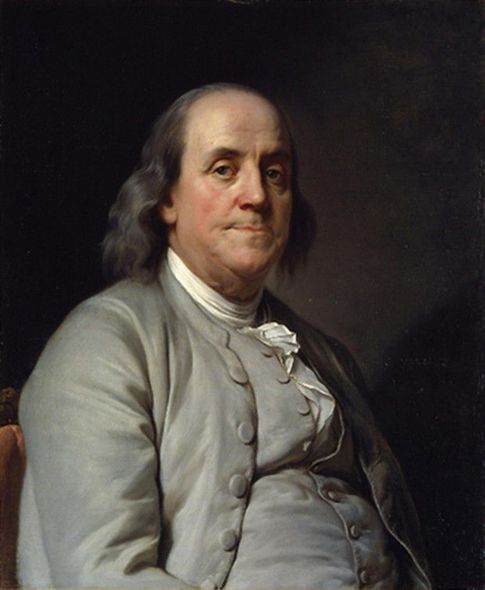
Declassified CIA Document Reveals That Ben Franklin (and His Big Ego) Put U.S. National Security at Risk

ben franklin

Ben­jamin Franklin might have been a bril­liant author, pub­lish­er, sci­en­tist, inven­tor and states­man, but he was pret­ty lousy at keep­ing state secrets. That’s the find­ing from a recent­ly declas­si­fied CIA analy­sis of Franklin’s crit­i­cal­ly impor­tant diplo­mat­ic mis­sion to France dur­ing the Rev­o­lu­tion­ary War.

In Sep­tem­ber 1776, Franklin was dis­patched to Paris to enlist France’s sup­port for the Amer­i­can Rev­o­lu­tion. At the time, France was still smart­ing from los­ing the Sev­en Years’ War to Britain and was eager to do any­thing that could reduce its rival’s pow­er and pres­tige. Franklin’s Com­mis­sion ran all kinds of clan­des­tine oper­a­tions with tac­it French aid, includ­ing procur­ing weapons, sup­plies and mon­ey for the Amer­i­can Army; sab­o­tag­ing the Portsmouth Roy­al Navy Dock­yard; and nego­ti­at­ing a secret treaty between Amer­i­ca and France.

And accord­ing the CIA’s in-house pub­li­ca­tion, Stud­ies in Intel­li­gence, the British knew just about every­thing that was going on. “The British had a com­plete pic­ture of Amer­i­can-French activ­i­ties sup­port­ing the war in Amer­i­ca and of Amer­i­can inten­tions regard­ing an alliance with France. The British used this intel­li­gence effec­tive­ly against the Amer­i­can cause.”

Some of the prob­lems with the Com­mis­sion seem head-slap­ping­ly obvi­ous. “There was no real phys­i­cal secu­ri­ty at the Com­mis­sion itself. The pub­lic had access to the man­sion, doc­u­ments and papers were spread out all over the office, and pri­vate dis­cus­sions were held in pub­lic areas.”

One of Franklin’s fel­low com­mis­sion­ers, Arthur Lee, was out­raged over this lack of secu­ri­ty.

[Lee] wrote that a French offi­cial “had com­plained that every­thing we did was known to the Eng­lish ambas­sador, who was always plagu­ing him with the details. No one will be sur­prised at this who knows that we have no time or place appro­pri­ate to our con­sul­ta­tion, but that ser­vants, strangers, and every­one else was at lib­er­ty to enter and did con­stant­ly enter the room while we were talk­ing about pub­lic busi­ness and that the papers relat­ing to it lay open in rooms of com­mon and con­tin­u­al resort.

Not sur­pris­ing­ly, the Amer­i­can mis­sion was rid­dled with British spies; chief among them was Franklin’s long-time friend Edward Ban­croft, who, as the Commission’s sec­re­tary, had com­plete access to all of its papers. He was report­ed­ly paid a prince­ly sum of 1000 pounds a year by the British Empire to play the part of an Enlight­en­ment-era James Bond.

Lee sus­pect­ed Ban­croft of being a spy, but Franklin dis­missed his con­cerns large­ly because he great­ly dis­liked Lee. “[Franklin’s] atti­tude … is all too famil­iar among pol­i­cy­mak­ers and states­men,” writes the CIA. “His ego may have over­whelmed his com­mon sense.”

In the end, the ana­lyst lays the blame on these cat­a­stroph­ic laps­es in intel­li­gence on that inflat­ed ego.

“By the time [Franklin] arrived in Paris in late 1776, he was elder­ly and had lit­tle inter­est in the admin­is­tra­tive aspects of the Com­mis­sion. Franklin was wide­ly rec­og­nized as a states­man, sci­en­tist, and intel­lec­tu­al. While high­ly respect­ed, he was also vain, obsti­nate, and jeal­ous of his pre­rog­a­tives and rep­u­ta­tion. … The Com­mis­sion was “under pro­tec­tion” of the French Gov­ern­ment, and Franklin may have under­es­ti­mat­ed British capa­bil­i­ties to oper­ate in a third coun­try. In any event, he did noth­ing to cre­ate a secu­ri­ty con­scious­ness at the Com­mis­sion.”

The por­trait that the CIA paints is indeed a grim one that in dif­fer­ent cir­cum­stances could have lost the war. Thank­ful­ly, Britain proved whol­ly unable to use this wealth of infor­ma­tion to turn the tide of the war. As the CIA wry­ly notes: “Per­haps the great­est irony in the whole sto­ry of the pen­e­tra­tion of the Amer­i­can Com­mis­sion is that, while British intel­li­gence activ­i­ties were high­ly suc­cess­ful, British pol­i­cy was a total fail­ure.”

Via io9

Relat­ed Con­tent:

FBI’s “Vault” Web Site Reveals Declas­si­fied Files on Hem­ing­way, Ein­stein, Mar­i­lyn & Oth­er Icons

Albert Camus Writes a Friend­ly Let­ter to Jean-Paul Sartre Before Their Per­son­al and Philo­soph­i­cal Rift

How the CIA Secret­ly Fund­ed Abstract Expres­sion­ism Dur­ing the Cold War

Jonathan Crow is a Los Ange­les-based writer and film­mak­er whose work has appeared in Yahoo!, The Hol­ly­wood Reporter, and oth­er pub­li­ca­tions. You can fol­low him at @jonccrow. And check out his blog Veep­to­pus, fea­tur­ing  vice pres­i­dents with octo­pus­es on their heads.  The Veep­to­pus store is here.

Musician Shows How to Sing Two Notes at Once in Mesmerizing Video

Anna-Maria Hefele, a musi­cian based in Munich, has an unusu­al tal­ent. She can sing two notes at once. In the music world, it’s known as poly­phon­ic over­tone singing, and it’s believed that the prac­tice orig­i­nat­ed and still endures in Mon­go­lia. Above, Hefele offers a pret­ty cap­ti­vat­ing five-minute dis­play of her tech­nique. On her YouTube chan­nel, you can also find a series of lessons (sev­en so far) where Ann-Maria teach­es you the basics of poly­phon­ic over­tone singing here. Find the lessons here. Enjoy!

via io9

Sign up for our dai­ly email and, once a day, we’ll bun­dle all of our dai­ly posts and drop them in your inbox, in an easy-to-read for­mat. You don’t have to come to us; we’ll come to you!

by | Permalink | Make a Comment ( 6 ) |

9 New Episodes of David Lynch’s Twin Peaks to Air in 2016

David Lynch just announced on Twit­ter this morn­ing, “Dear Twit­ter Friends… it is hap­pen­ing again.

He’s refer­ring to the revival of his ear­ly 1990s cult clas­sic show, Twin Peaks, on Show­time in 2016.

Show­time’s Youtube Chan­nel adds this detail:

The ground­break­ing tele­vi­sion phe­nom­e­non, Gold­en Globe® and Peabody Award-win­ner TWIN PEAKS will return as a new lim­it­ed series on SHOWTIME in 2016. Series cre­ators and exec­u­tive pro­duc­ers David Lynch and Mark Frost will write and pro­duce all nine episodes of the lim­it­ed series, and Lynch will direct every episode. Set in the present day, TWIN PEAKS will con­tin­ue the lore of the orig­i­nal series, pro­vid­ing long-await­ed answers and a sat­is­fy­ing con­clu­sion for the series’ pas­sion­ate fan base.

Accord­ing to the fan site Wel­come­toTwin­Peaks, David Lynch and Mark Frost are “try­ing to bring back as much of the orig­i­nal cast as pos­si­ble, with Kyle MacLach­lan def­i­nite­ly on board repris­ing his role as Spe­cial Agent Dale Coop­er. Com­pos­er Ange­lo Badala­men­ti and Emmy Award-win­ning edi­tor Duwayne Dun­ham will like­ly be involved as well.” You can rest assured that Wel­come­toTwin­Peaks will keep you post­ed on new details as they come to light.

In the mean­time, the orig­i­nal Twin Peaks series was re-issued on blu-ray this sum­mer. And US-based view­ers can watch the orig­i­nal series for free on Hulu.

via Bib­liok­lept

Fol­low us on Face­bookTwit­ter and Google Plus and share intel­li­gent media with your friends. Or bet­ter yet, sign up for our dai­ly email and get a dai­ly dose of Open Cul­ture in your inbox.

Relat­ed Con­tent:

David Lynch Presents the His­to­ry of Sur­re­al­ist Film (1987)

David Lynch Explains How Med­i­ta­tion Enhances Our Cre­ativ­i­ty

David Lynch Teach­es You to Cook His Quinoa Recipe in a Weird, Sur­re­al­ist Video

Dum­b­land, David Lynch’s Twist­ed Ani­mat­ed Series (NSFW)

Hear the Nazi’s Bizzaro Propaganda Jazz Band, “Charlie and His Orchestra” (1940–1943)

As you might expect from a vicious polit­i­cal move­ment front­ed by a frus­trat­ed illus­tra­tor, the Nazi par­ty had a com­pli­cat­ed­ly dis­dain­ful yet aspi­ra­tional — and need­less to say, unceas­ing­ly fas­ci­nat­ing — rela­tion­ship with art. We pre­vi­ous­ly fea­tured their philis­tine grudge against mod­ernism that led to the “Degen­er­ate Art Exhi­bi­tion” of 1937, their mega-bud­get pro­pa­gan­da film on the Titan­ic dis­as­ter that turned into a dis­as­ter itself, and their con­trol-freak list of rules for dance orches­tras. The Nazis, as you might expect, did­n’t much care for jazz, or at least saw some polit­i­cal cap­i­tal in open­ly denounc­ing it. Yet it seems they also saw some in embrac­ing it, turn­ing the quin­tes­sen­tial­ly free art form toward, as always, their own pro­pa­gan­dis­tic pur­pos­es. What if they could come up with their own pop­u­lar jazz band and, using long-dis­tance short- and medi­um-wave broad­cast sig­nals, turn the Allies’ own music against them? Enter, in 1940, Char­lie and His Orches­tra. Anoth­er Joseph Goebbels cre­ation.

“The idea behind the Nazis’ Char­lie cam­paign,” writes the Wall Street Jour­nal’s Will Fried­wald, “was that they could under­mine Allied morale through musi­cal pro­pa­gan­da, with a spe­cial­ly devised orches­tra broad­cast­ing mes­sages in Eng­lish to British and Amer­i­can troops.” The groups’ fea­tured singer, “Char­lie” him­self (real name: Karl Schwedler), would sing not just “irre­sistible” jazz stan­dards but ver­sions with anti-British, ‑Amer­i­can, and ‑Semit­ic lyrics. You can hear much of their cat­a­log in the clips here, includ­ing what Fried­wald cites as their “weird­est record­ings”: “Irv­ing Berlin’s ‘Slum­ming on Park Avenue,’ in which Schwedler, por­tray­ing a British pilot with a mock-Eng­lish accent, sings ‘Let’s go bomb­ing!’ ” and “So You Left Me for the Leader of a Swing Band” refash­ioned as “So You Left Me for the Leader of the Sovi­ets.” Ulti­mate­ly, not only did the out­side world prove to have bet­ter taste than the Nazis, their own fight­ers did too: “Not only did the Char­lie project fail to con­vert any Allies to the oth­er side, but even Ger­many’s own troops could­n’t bring them­selves to take Nazi swing seri­ous­ly.” It don’t mean a thing if it ain’t got that swing, I sup­pose — and Char­lie and his Orches­tra def­i­nite­ly did­n’t have it. More audio sam­ples can be heard over at WFMU.

via WSJ

Relat­ed Con­tent:

The Nazis’ 10 Con­trol-Freak Rules for Jazz Per­form­ers: A Strange List from World War II

The Nazi’s Philis­tine Grudge Against Abstract Art and The “Degen­er­ate Art Exhi­bi­tion” of 1937

Titan­ic: The Nazis Cre­ate a Mega-Bud­get Pro­pa­gan­da Film About the Ill-Fat­ed Ship … and Then Banned It (1943)

Col­in Mar­shall hosts and pro­duces Note­book on Cities and Cul­ture and writes essays on cities, lan­guage, Asia, and men’s style. He’s at work on a book about Los Ange­les, A Los Ange­les Primer. Fol­low him on Twit­ter at @colinmarshall or on Face­book.

In Her Final Speech, Ayn Rand Denounces Ronald Reagan, the Moral Majority & Anti-Choicers (1981)

When the Repub­li­can par­ty strug­gles to deter­mine its future direc­tion, it often looks back to its intel­lec­tu­al and polit­i­cal lead­ers of decades past. And while we often hear about nov­el ways to think of those fig­ures, we rarely hear much about what they thought of each oth­er. Such inquiries can show us the his­tor­i­cal fault lines vis­i­ble in cur­rent debates between lib­er­tar­i­an, small-gov­ern­ment types and so-called “val­ues vot­ers,” con­flicts that reach back at least to Bar­ry Gold­wa­ter, who had no sym­pa­thy for the reli­gious right in his hey­day. Even in his old age, the con­ser­v­a­tive sen­a­tor from Ari­zona was, for exam­ple, “pret­ty secure in feel­ing that dis­crim­i­nat­ing against gays is con­sti­tu­tion­al­ly wrong.” In a 1994 inter­view, Gold­wa­ter resist­ed what he called the “rad­i­cal right […] fel­lows like Pat Robert­son and oth­ers who are try­ing to take the Repub­li­can Par­ty away from the Repub­li­can Par­ty, and make a reli­gious orga­ni­za­tion out of it.” “If that ever hap­pens,” Gold­wa­ter said, “kiss pol­i­tics good­bye.”

Thir­teen years ear­li­er, in 1981, anoth­er fig­ure much-revered on the polit­i­cal right felt sim­i­lar­ly about the rise of the “moral major­i­ty” after the elec­tion of Ronald Rea­gan. Asked what she thought of Rea­gan, Ayn Rand replied, “I don’t think of him. And the more I see, the less I think of him.” For Rand, “the appalling part of his admin­is­tra­tion was his con­nec­tion with the so-called ‘Moral Major­i­ty’ and sundry oth­er TV reli­gion­ists, who are strug­gling, appar­ent­ly with his approval, to take us back to the Mid­dle Ages via the uncon­sti­tu­tion­al union of reli­gion and pol­i­tics.” Rand’s pri­ma­ry con­cern, it seems, is that this “uncon­sti­tu­tion­al union” rep­re­sent­ed a “threat to cap­i­tal­ism.” While she admired Reagan’s appeal to an “inspi­ra­tional ele­ment” in Amer­i­can pol­i­tics, “he will not find it,” remarked Rand, “in the God, fam­i­ly, tra­di­tion swamp.” Instead, she pro­claims, we should be inspired by “the most typ­i­cal Amer­i­can group… the busi­ness­men.”

Rand made these remarks in her last pub­lic lec­ture, deliv­ered in 1981 at the Nation­al Com­mit­tee for Mon­e­tary Reform con­fer­ence in New Orleans. You can see excerpts at the top of the post and the full speech above. She clar­i­fies her posi­tion on the moral major­i­ty in the sec­ond clip in the top video, claim­ing that the lob­by­ing groups and vot­ing blocks of the reli­gious right were seek­ing to impose their “reli­gious ideas on oth­er peo­ple by force.” Rand also sup­port­ed abor­tion rights, stat­ing unequiv­o­cal­ly that a politi­cian who oppos­es the right to an abor­tion is “not a defend­er of rights and not a defend­er of cap­i­tal­ism.” It’s not entire­ly clear how Rand saw reli­gious leg­is­la­tion as a threat to cap­i­tal­ism, but there can be no doubt that she did. And though—as NPR polit­i­cal blog­ger Frank James writes—many peo­ple think that a good deal of “cher­ryp­ick­ing of her ideas has to be done to claim her as a mod­ern con­ser­v­a­tive hero,” there are also obvi­ous­ly plen­ty of reli­gious con­ser­v­a­tives who can admire Rand with­out deny­ing or excus­ing her hos­til­i­ty to their faith. Yet, as the applause she received for her force­ful rejec­tion of the reli­gious right sug­gests, there may have been—at least in 1981—no small num­ber of con­ser­v­a­tives who agreed with her.

Relat­ed Con­tent:

A Free Car­toon Biog­ra­phy of Ayn Rand: Her Life & Thought

Ayn Rand Trash­es C.S. Lewis in Her Mar­gin­a­lia: He’s an “Abysmal Bas­tard”

Ayn Rand Adamant­ly Defends Her Athe­ism on The Phil Don­ahue Show (Cir­ca 1979)

Josh Jones is a writer and musi­cian based in Durham, NC. Fol­low him at @jdmagness.

« Go BackMore in this category... »
Quantcast