The 430 Books in Marilyn Monroe’s Library: How Many Have You Read?

marilyn reading

If you’re a read­er and user of social media, you’ve like­ly test­ed your life­time read­ing list against the BBC Book Quiz.

Or per­haps you’ve allowed your worth as a read­er to be deter­mined by the num­ber of Pulitzer Prize win­ners you’ve made it through.

The Nation­al Endow­ment for the Arts’ Big Read, any­one?

The 142 Books that Every Stu­dent of Eng­lish Lit­er­a­ture Should Read?

The 50 Best Dystopi­an Nov­els?

Being young is no excuse! Not when the Amer­i­can Library Asso­ci­a­tion pub­lish­es an annu­al list of Out­stand­ing Books for the Col­lege Bound and Life­long Learn­ers.

So… how’d you do? Or should I say how’d you do in com­par­i­son to Mar­i­lyn Mon­roe? The online Mon­roe fan club Ever­last­ing Star used pho­tographs, inter­views, and a Christie’s auc­tion cat­a­logue to come up with a list of more than 400 books in her pos­ses­sion.

Did she read them all? I don’t know. Have you read every sin­gle title on your shelves? (There’s a Japan­ese word for those books. It’s Tsun­doku.)

Fem­i­nist biog­ra­ph­er Oline Eaton has a great rant on her Find­ing Jack­ie blog about the phrase “Mar­i­lyn Mon­roe read­ing,” and the 5,610,000 search engine results it yields when typed into Google:

There is, with­in Monroe’s image, a deeply root­ed assump­tion that she was an idiot, a vul­ner­a­ble and kind and lov­ing and ter­ri­bly sweet idiot, but an idiot nonethe­less. That is the assump­tion in which ‘Mar­i­lyn Mon­roe read­ing’ is entan­gled.

The pow­er of the phrase Mar­i­lyn Mon­roe read­ing’ lies in its appli­ca­tion to Mon­roe and in our assump­tion that she wouldn’t know how.

Would that every­one search­ing that phrase did so in the belief that her pas­sion for the print­ed word rivaled their own. Imag­ine legions of geeks lov­ing her for her brain, bypass­ing Sam Shaw’s icon­ic sub­way grate pho­to in favor of home print­ed pin ups depict­ing her with book in hand.

Com­mem­o­ra­tive postage stamps are nice, but per­haps a more fit­ting trib­ute would be an ALA poster. Like Eaton, when I look at that image of Mar­i­lyn hunched over James Joyce’s Ulysses (or kick­ing back read­ing Walt Whit­man’s Leaves of Grass), I don’t see some­one try­ing to pass her­self off as some­thing she’s not. I see a high school dropout caught in the act of edu­cat­ing her­self. If I saw it taped to a library shelf embla­zoned with the word “READ,” I might just sum­mon the resolve to take a stab at Ulysses myself. (I know how it ends, but that’s about it.)

See below, dear read­ers. Apolo­gies that we’re not set up to keep track of your score for you, but please let us know in the com­ments sec­tion if you’d hearti­ly sec­ond any of Mar­i­lyn’s titles, par­tic­u­lar­ly those that are less­er known or have fad­ed from the pub­lic view.

Mar­i­lyn Monroe’s Read­ing Chal­lenge

(Thanks to Book Tryst for com­pil­ing Ever­last­ing Star’s find­ings)

1) Let’s Make Love by Matthew Andrews (nov­el­iza­tion of the movie)

2) How To Trav­el Incog­ni­to by Lud­wig Bemel­mans

3) To The One I Love Best by Lud­wig Bemel­mans

4) Thurber Coun­try by James Thurber

5) The Fall by Albert Camus

6) Mar­i­lyn Mon­roe by George Car­pozi

7) Camille by Alexan­der Dumas

8) Invis­i­ble Man by Ralph Elli­son

9) The Boston Cook­ing-School Cook Book by Fan­nie Mer­ritt-Farmer

10) The Great Gats­by by F Scott Fitzger­ald

11) From Rus­sia With Love by Ian Flem­ing

12) The Art Of Lov­ing by Erich Fromm

13) The Prophet by Kahlil Gilbran

14) Ulysses by James Joyce

15) Stoned Like A Stat­ue: A Com­plete Sur­vey Of Drink­ing Clich­es, Prim­i­tive, Clas­si­cal & Mod­ern by Howard Kan­del & Don Safran, with an intro by Dean Mar­tin (a man who knew how to drink!)

16) The Last Temp­ta­tion Of Christ by Nikos Kazantza­kis

17) On The Road by Jack Ker­ouac

18) Select­ed Poems by DH Lawrence

19 and 20) Sons And Lovers by DH Lawrence (2 edi­tions)

21) The Portable DH Lawrence (more…)

Free Download of The History Manifesto: Historians New Call for Big-Picture Thinking

history manifesto

Briefly not­ed…

Cam­bridge Uni­ver­si­ty Press has just pub­lished a new book called The His­to­ry Man­i­festo by Jo Gul­di (Assis­tant Pro­fes­sor, Brown Uni­ver­si­ty) and David Armitage (Chair of Har­vard’s His­to­ry Depart­ment). In a nut­shell, the book argues that his­to­ri­ans have lost their pub­lic rel­e­vance by writ­ing his­to­ries of the “short term” — essen­tial­ly “micro-scale” his­to­ries — when they could be writ­ing big­ger, deep­er his­to­ries, cov­er­ing longer peri­ods of time, that help read­ers put our world into per­spec­tive. What Gul­di and Armitage are call­ing for is a return to long, mean­ing­ful nar­ra­tives and big-pic­ture think­ing — the kind of think­ing that could per­haps pull the his­tor­i­cal pro­fes­sion out of cri­sis. As some­one who got his PhD in His­to­ry dur­ing the “micro-scale” era, all I can say is — amen to that.

Print edi­tions of The His­to­ry Man­i­festo will come out in Novem­ber. But you can already read the entire work online in both html and PDF for­mats. The book has been released under a Cre­ative Com­mons license.

H/T @NathanVM

Relat­ed Con­tent:

Down­load 78 Free Online His­to­ry Cours­es: From Ancient Greece to The Mod­ern World

800 Free eBooks for iPad, Kin­dle & Oth­er Devices

“The Civ­il War and Recon­struc­tion,” a New MOOC by Pulitzer-Prize Win­ning His­to­ri­an Eric Fon­er

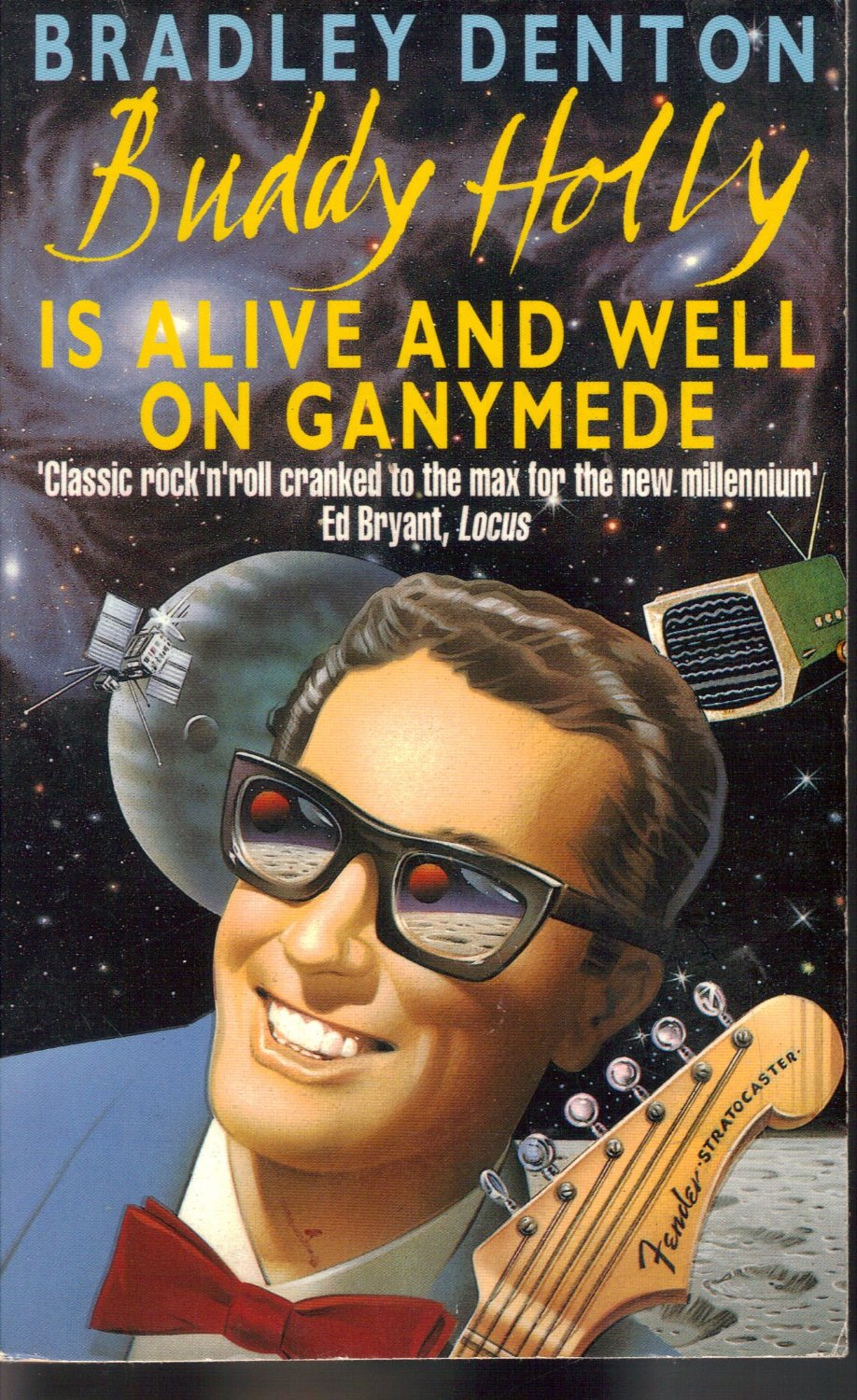
Down­load the “Great Amer­i­can Com­ic Sci Fi Nov­el,” Bud­dy Hol­ly is Alive and Well on Ganymede 

Har­vard’s David Dam­rosch Presents “Intro­duc­tion to World Lit­er­a­ture” (Free Course)

Download the “Great American Comic Sci Fi Novel,” Buddy Holly is Alive and Well on Ganymede

fre buddy holly is alive and well

Back in 1991, Bradley Den­ton pub­lished Bud­dy Hol­ly is Alive and Well on Ganymede. The next year, it won the John W. Camp­bell Memo­r­i­al Award for Best Sci­ence Fic­tion Nov­el.

Writes Cory Doc­torow on Boing­Bo­ingBud­dy Hol­ly is Alive and Well on Ganymede “is the great Amer­i­can com­ic sci­ence fic­tion nov­el, a book about the quest to exhume Bud­dy Hol­ly’s corpse from Lub­bock, TX to prove that he can’t pos­si­bly be broad­cast­ing an all-pow­er­ful jam­ming sig­nal from a her­met­i­cal­ly sealed bub­ble on a dis­tant, air­less moon.”

Tak­ing advan­tage of new inno­va­tions (new since 1991), Den­ton has made the nov­el avail­able for free down­load on his web­site, pub­lish­ing it under a Cre­ative Com­mons Attri­bu­tion-Non­Com­mer­cial-NoDeriv­a­tives license. You can access the text in four parts here: Part 1, Part 2, Part 3, Part 4.

If you become a fan, keep an eye out for a film adap­ta­tion of the nov­el star­ring Jon Hed­er. It’s been in devel­op­ment for some time, but you can watch a trail­er online.

Bud­dy Hol­ly is Alive and Well on Ganymede will be added to our col­lec­tion, 800 Free eBooks for iPad, Kin­dle & Oth­er Devices.

You can find more free sci-fi below:

Free Sci­ence Fic­tion Clas­sics on the Web: Hux­ley, Orwell, Asi­mov, Gaiman & Beyond

33 Sci-Fi Sto­ries by Philip K. Dick as Free Audio Books & Free eBooks

Read Hun­dreds of Free Sci-Fi Sto­ries from Asi­mov, Love­craft, Brad­bury, Dick, Clarke & More

The Ware Tetral­o­gy: Free Sci­Fi Down­load

Electric Guitars Made from the Detritus of Detroit

When Frank Nor­ris plays a gui­tar made by Wal­lace Detroit Gui­tars, he says it “feels like home.” And maybe that’s because Wal­lace Detroit Gui­tars are made with reclaimed wood from aban­doned Detroit homes.

Fol­low­ing the finan­cial cri­sis of 2008, per­haps no Amer­i­can city fared worse than Detroit. The city found itself with 10,000 vacant homes. And even­tu­al­ly the city pur­chased entire blocks and razed the hous­es to the ground. Accord­ing to the Detroit web site Mod­el D, a lot of the wood [from these struc­tures] has­n’t gone to waste. The wood can be found, they write, in “trendy cof­fee hous­es, in table tops, even in the frames of sun­glass­es.” And now high-end elec­tric gui­tars.

Wal­lace Detroit Gui­tars just launched its new web site two days ago, and its first gui­tars, made of cen­tu­ry-old wood, can now be yours.

If you like play­ing gui­tars made of found objects, you might also want to check out anoth­er new com­pa­ny — Bohemi­an Gui­tars. They’ve start­ed build­ing elec­tric gui­tars made of vin­tage oil cans, tak­ing inspi­ra­tion from South African musi­cians who turn used mate­ri­als into playable instru­ments.

via Coudal

Relat­ed Con­tent:

Bri­an May’s Home­made Gui­tar, Made From Old Tables, Bike and Motor­cy­cle Parts & More

The Recy­cled Orches­tra: Paraguayan Youth Play Mozart with Instru­ments Clev­er­ly Made Out of Trash

Artist Ken But­ler Turns One Man’s Trash Into Anoth­er Man’s Quirky Stringed Instru­ment

Alain de Botton’s School of Life Presents Animated Introductions to Heidegger, The Stoics & Epicurus

Why is West­ern phi­los­o­phy so dif­fi­cult, so abstruse, and so damned wordy? Per­haps it’s sim­ply a mat­ter of job secu­ri­ty. It’s gen­er­al­ly well-known, after all, that some of the most tac­i­turn philoso­phers were also some of the poor­est—Lud­wig Wittgen­stein, who was inde­pen­dent­ly wealthy, notwith­stand­ing. But if you fol­low the for­mat Alain de Bot­ton lays out in the phi­los­o­phy depart­ment of his video series, “The Big Ideas,” you can pick up some Hei­deg­ger, a lit­tle Sto­ic thought, and the ideas of Epi­cu­rus each in under ten min­utes of light­heart­ed com­men­tary, accom­pa­nied by quirky ani­ma­tion from a stu­dio called Mad Adam (who favor a very Ter­ry Gilliam-like approach to their art). There are those crit­ics who think de Bot­ton glib and shal­low, a “self-help guru to the British middle-class—a life coach.” In a cer­tain sense, I sup­pose he’d have to agree with that assess­ment, giv­en that his “cul­tur­al enter­prise,” The School of Life, has as its tagline “good ideas for every­day life.” Do the dead Euro­pean philoso­phers of ages past have help­ful tips for our mun­dane 21st cen­tu­ry exis­tence, and do de Botton’s videos do any jus­tice to the qual­i­ty of their thought?

As to the first ques­tion, I sup­pose we’d have to answer, yes. As for the second—I leave it to the philoso­phers to weigh in. At the top of the post, we have Mar­tin Heidegger—“the most incom­pre­hen­si­ble Ger­man philoso­pher that ever lived”—in just over five min­utes. It turns out that “beneath the jar­gon, Hei­deg­ger tells us sim­ple, even at times home­spun truths” about things like mean­ing and free­dom. Once a rank­ing mem­ber of the Nazi par­ty, Hei­deg­ger, de Bot­ton says, “saw the error of his ways,” a claim peo­ple often repeat with­out a great deal of evi­dence. But Heidegger’s Nazi past aside, his thought, de Bot­ton says, helps us get back in touch with the mys­tery of exis­tence, what the philoso­pher called das sein, or “Being.” This term more or less sums up the core of Heidegger’s entire project, and I con­fess I nev­er real­ly grasped what he means by it. Maybe you will after tak­ing de Botton’s very short course.

Next up, we have the Sto­ics, not a spe­cif­ic move­ment or group as such, but an entire school of thought that “flour­ished for 480 years in ancient Greece and Rome.” Sto­icism offered a nar­row range of respons­es to the ancient prob­lem de Bot­ton defines as “Life is very dif­fi­cult,” and it appealed to com­mon­ers and aris­to­crats alike because of its uni­ver­sal con­cern with suf­fer­ing. De Bot­ton gives us the gist by refer­ring to the way we typ­i­cal­ly use the word “sto­ic” these days, as a syn­onym for “brave.” He says a bit more, of course, about Stoicism’s answers to life’s chal­lenges, lis­ten above.

Final­ly, we have Greek philoso­pher Epi­cu­rus, who “helps us think about mon­ey, cap­i­tal­ism, and our run­away con­sumer soci­ety.” This despite the fact that Epi­cu­rus pre­dates cap­i­tal­ism and con­sumer soci­ety by well over two-thou­sand years. Nonethe­less, his thought is eter­nal­ly rel­e­vant, giv­en that its pri­ma­ry con­cern, “What makes peo­ple hap­py?” is a prob­lem unlike­ly to be solved in anyone’s life­time. But Epi­cu­rus had some answers, and he pur­veyed them—like de Botton—by found­ing his own school. He and his dis­ci­ples, Epi­cure­ans, were rumored to be debauched and wicked lib­ertines steeped in exces­sive food, drink, and sex. In fact, the oppo­site was true: Epi­cu­rus was an aus­tere and sober man, who urged restraint in mat­ters sex­u­al and fis­cal, mak­ing him, in a way, a gen­uine con­ser­v­a­tive.

De Botton’s “Big Ideas” cur­ricu­lum cur­rent­ly includes two oth­er videos that func­tion as gen­er­al defens­es of the human­i­ties: “What is Art for?” and “What is Lit­er­a­ture for?” Both ques­tions might sound mean­ing­less to some refined aes­thetes, but for a great many peo­ple get­ting on with the painful, some­times drea­ry, and often har­ried busi­ness of dai­ly life, ques­tions about util­i­ty are sen­si­ble enough. New big ideas videos are on the way—in the mean­while, vis­it de Botton’s School of Life Youtube chan­nel for video shorts on “Mood,” “Rela­tion­ships,” and more.

Relat­ed Con­tent:

Free Online Phi­los­o­phy Cours­es

Alain de Bot­ton Shows How Art Can Answer Life’s Big Ques­tions in Art as Ther­a­py

A Guide to Hap­pi­ness: Alain de Bot­ton Shows How Six Great Philoso­phers Can Change Your Life

Alain de Bot­ton Pro­pos­es a Kinder, Gen­tler Phi­los­o­phy of Suc­cess

Mar­tin Hei­deg­ger Talks Phi­los­o­phy with a Bud­dhist Monk on Ger­man Tele­vi­sion (1963)

Josh Jones is a writer and musi­cian based in Durham, NC. Fol­low him at @jdmagness.

The Chemistry Behind the Smell of Old Books: Explained with a Free Infographic

Aroma-Chemistry-The-Smell-of-Books-724x1024

What gives old books that ever-so-dis­tinc­tive smell? Andy Brun­ning, a chem­istry teacher in the UK, gives us all a quick primer with this info­graph­ic post­ed on his web site, Com­pound Inter­est. The visu­al comes accom­pa­nied by this tex­tu­al expla­na­tion. Writes Brun­ning:

Gen­er­al­ly, it is the chem­i­cal break­down of com­pounds with­in paper that leads to the pro­duc­tion of ‘old book smell’. Paper con­tains, amongst oth­er chem­i­cals, cel­lu­lose, and small­er amounts of lignin – much less in more mod­ern books than in books from more than one hun­dred years ago. Both of these orig­i­nate from the trees the paper is made from; fin­er papers will con­tain much less lignin than, for exam­ple, newsprint. In trees, lignin helps bind cel­lu­lose fibres togeth­er, keep­ing the wood stiff; it’s also respon­si­ble for old paper’s yel­low­ing with age, as oxi­da­tion reac­tions cause it to break down into acids, which then help break down cel­lu­lose.

‘Old book smell’ is derived from this chem­i­cal degra­da­tion. Mod­ern, high qual­i­ty papers will under­go chem­i­cal pro­cess­ing to remove lignin, but break­down of cel­lu­lose in the paper can still occur (albeit at a much slow­er rate) due to the pres­ence of acids in the sur­round­ings. These reac­tions, referred to gen­er­al­ly as ‘acid hydrol­y­sis’, pro­duce a wide range of volatile organ­ic com­pounds, many of which are like­ly to con­tribute to the smell of old books. A select­ed num­ber of com­pounds have had their con­tri­bu­tions pin­point­ed: ben­zalde­hyde adds an almond-like scent; vanillin adds a vanil­la-like scent; eth­yl ben­zene and toluene impart sweet odours; and 2‑ethyl hexa­nol has a ‘slight­ly flo­ral’ con­tri­bu­tion. Oth­er alde­hy­des and alco­hols pro­duced by these reac­tions have low odour thresh­olds and also con­tribute.

The Aro­ma of Books info­graph­ic can be viewed in a larg­er for­mat here. And because it has been released under a Cre­ative Com­mons license, it can be down­loaded for free. For anoth­er expla­na­tion of this phe­nom­e­non — this one in video — see this pre­vi­ous post in our archive:  The Birth and Decline of a Book: Two Videos for Bib­lio­philes

If you would like to sign up for Open Culture’s free email newslet­ter, please find it here. It’s a great way to see our new posts, all bun­dled in one email, each day.

If you would like to sup­port the mis­sion of Open Cul­ture, con­sid­er mak­ing a dona­tion to our site. It’s hard to rely 100% on ads, and your con­tri­bu­tions will help us con­tin­ue pro­vid­ing the best free cul­tur­al and edu­ca­tion­al mate­ri­als to learn­ers every­where. You can con­tribute through Pay­Pal, Patre­on, and Ven­mo (@openculture). Thanks!

via IFLScience

Relat­ed Con­tent:

A Secret Book­store in a New York City Apart­ment: The Last of a Dying Breed

Old Books Bound in Human Skin Found in Har­vard Libraries (and Else­where in Boston)

Spike Jonze Presents a Stop Motion Film for Book Lovers

Wear­able Books: In Medieval Times, They Took Old Man­u­scripts & Turned Them into Clothes

13-Year-Old Char­lotte Bron­të & Her Broth­er Wrote Tee­ny Tiny Adven­ture Books, Mea­sur­ing 1 x 2 Inch­es

by | Permalink | Make a Comment ( 1 ) |

Oxford Scientist Explains the Physics of Playing Electric Guitar Solos

You’ve heard it before. A pow­er bal­lad from the 1970s or 1980s is play­ing and there, smack in the mid­dle, is a face-melt­ing gui­tar solo that seems to go all over the place before blow­ing your mind with sheer awe­some­ness. Think Jimi Hen­drix. Think Eric Clap­ton. And espe­cial­ly think Eddie Van Halen. Unlike the piano, which can only play dis­crete notes, the gui­tar can, in the hands of some­one like Sir Eddie, bend notes. It’s a qual­i­ty that recalls the human voice, and it’s most like­ly what has made the elec­tric gui­tar the go-to instru­ment for pop­u­lar music over the past 50 years.

Enter Dr. David Grimes of Oxford Uni­ver­si­ty. While by day he might be work­ing out math­e­mat­i­cal mod­els of oxy­gen dis­tri­b­u­tion to help improve can­cer treat­ment, by night he, too, likes to shred on his elec­tric gui­tar. So, at some point along the line, he decid­ed to apply a lit­tle sci­en­tif­ic rig­or to the instru­ment he loves. “I want­ed to under­stand what it was about these gui­tar tech­niques that allows you to manip­u­late pitch,” he said in an inter­view.

In the name of sci­ence, Grimes was forced to make some pret­ty bru­tal sac­ri­fices. “I took one of my old­est gui­tars down to the engi­neer­ing lab at Dublin City Uni­ver­si­ty to one of the peo­ple I knew there and explained that I want­ed to strip it down to do this exper­i­ment. We had to accu­rate­ly bend the strings to dif­fer­ent extents and mea­sure the fre­quen­cy pro­duced. He was a musi­cian too and looked at me with abject hor­ror. But we both knew it need­ed to be done – We put some nails into my gui­tar for sci­ence.’

Grimes end­ed up writ­ing an aca­d­e­m­ic paper on the top­ic called “String The­o­ry — The Physics of String-Bend­ing and Oth­er Elec­tric Gui­tar Tech­niques.” “It turns out it’s actu­al­ly rea­son­ably straight­for­ward,’ said Grimes. “It’s an exper­i­ment a decent physics under­grad­u­ate could do, and a cool way of study­ing some basic physics prin­ci­ples. It’s also poten­tial­ly use­ful to string man­u­fac­tur­ers and dig­i­tal instru­ment mod­ellers.”

You can read Grime’s paper here or, if your idea of fun does not include wad­ing through a lot of com­plex equa­tions, you can watch the brief video pre­sen­ta­tion above on his research. And below is a ridicu­lous­ly sweet gui­tar solo from Van Halen. While you watch pon­der the total­ly awe­some physics involved.

via Oxford Uni­ver­si­ty

Jonathan Crow is a Los Ange­les-based writer and film­mak­er whose work has appeared in Yahoo!, The Hol­ly­wood Reporter, and oth­er pub­li­ca­tions. You can fol­low him at @jonccrow. And check out his blog Veep­to­pus, fea­tur­ing one new draw­ing of a vice pres­i­dent with an octo­pus on his head dai­ly.  The Veep­to­pus store is here.

Relat­ed Con­tent:

Take First-Class Phi­los­o­phy Cours­es Any­where with Free Oxford Pod­casts

The Physics of Guin­ness Beer Demys­ti­fied

The (Beau­ti­ful) Physics of Adding Cream to Your Cof­fee

The Physics of Cof­fee Rings Final­ly Explained

The Physics of the Bike

How to Sing Julia Child’s Mastering the Art of French Cooking

Though she had no ten­der feel­ings for Julie Powell’s Julia/Julie blog, I like to think Julia Child wouldn’t have been entire­ly dis­pleased by the Bush­wick Book Club’s efforts to musi­cal­ize Mas­ter­ing the Art of French Cook­ing, Child’s two vol­ume labor of love (and the inspi­ra­tion for Powell’s cel­e­brat­ed blog).

The “club,” a free float­ing, dis­cus­sion-free group of New York City-based singer-song­writ­ers, start­ed in 2009, when Kurt Vonnegut’s Break­fast of Cham­pi­ons was cel­e­brat­ed with music and the­mat­ic drink spe­cials. In the ensu­ing half-decade, they’ve met month­ly to wres­tle with such titles as The Great Gats­by, Madame Bovary and Dol­ly Parton’s auto­bi­og­ra­phy.

Some con­tri­bu­tions to these events do feel half-baked, as if the per­former delayed start­ing work in case he or she might be able to fin­ish the book on the bus ride to the show. Oth­ers are well craft­ed, as well as insight­ful.

Leslie Graves’ musi­cal recita­tion of Child’s “Flam­ing Tart” is the sort of naughty fun Bessie Smith want­ed in her bowl:

And just before enter­ing 

Put a warm liqueur 

Over the hot caramelized sur­face…

Not, pre­sum­ably, what Child had in mind when she wrote those words, although the hap­pi­ness of her mar­riage is well doc­u­ment­ed. (If we could just have the kitchen and the bed­room, that would be all we need.”)

The link between stom­ach and heart under­scores Hilary Downes’ bossa nova-inflect­ed “Mas­ters of the Table” and Shan­non Pelcher’s gen­tle “Eat­ing” which looks past Child’s tow­er­ing culi­nary achieve­ment to her yearn­ing TV audi­ence.

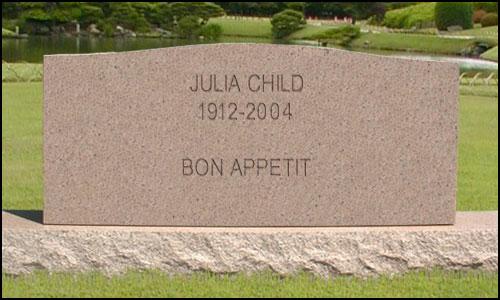
I did hear a sound mid­way between an egg beat­er and some­one spin­ning beneath her Bon Appetit-engraved tomb­stone when club founder Susan Hwang slipped the phrase “walk­ing corpses” into Child’s “List of Equip­ment.” But she bal­anced the scales with a sin­cere com­pli­ment to the all-too-rare sound of Child’s unmis­tak­able voice.

(This made me so nos­tal­gic, I had to rus­tle up Dan Aykroyd’s taste­less but clas­sic imper­son­ation from 1978…)

Stuff your­self on the entire evening’s songs using the link at the top of this page.

Or, should you crave a dif­fer­ent sort of fare, join the Bush­wick Book Club on the Fry­ing Pan Octo­ber 29, when they con­sid­er The Shin­ing by Stephen King.

Relat­ed Con­tent:

Julia Child Shows How to Edit Video­tape with a Meat Cleaver, and Cook Meat with a Blow Torch

Remem­ber­ing Julia Child on Her 100th Birth­day with Her Clas­sic Appear­ance on the Let­ter­man Show

How Cook­ing Can Change Your Life: A Short Ani­mat­ed Film Fea­tur­ing the Wis­dom of Michael Pol­lan

Ayun Hal­l­i­day is an author whose Zinester’s Guide to NYC inspired a pret­ty great song of its own. Fol­low her @AyunHalliday

« Go BackMore in this category... »
Quantcast