Mr. Rogers Introduces Kids to Experimental Electronic Music by Bruce Haack & Esther Nelson (1968)


Exper­i­men­tal elec­tron­ic musi­cian and inven­tor Bruce Haack’s com­po­si­tions expand­ed many a young con­scious­ness, and taught kids to dance, move, med­i­tate, and to be end­less­ly curi­ous about the tech­nol­o­gy of sound. All of this makes him the per­fect guest for Fred Rogers, who despite his total­ly square demeanor loved bring­ing his audi­ence unusu­al artists of all kinds. In the clips above and below from the first, 1968 sea­son of Mr. Roger’s Neigh­bor­hood, Haack intro­duces Rogers and a group of young­sters to the “musi­cal com­put­er,” a home­made ana­log syn­the­siz­er of his own invention—one of many he cre­at­ed from house­hold items, most of which inte­grat­ed human touch and move­ment into their con­trols, as you’ll see above. In both clips, Haack and long­time col­lab­o­ra­tor Esther Nel­son sing and play charm­ing songs as Nel­son leads them in var­i­ous move­ment exer­cis­es. (The remain­der of the sec­ond video most­ly fea­tures Mr. Roger’s cat.)

Although he’s seen a revival among elec­tron­ic musi­cians and DJs, Haack became best known in his career as a com­pos­er of children’s music, and for good rea­son. His 1962 debut kid’s record Dance, Sing & Lis­ten is an absolute clas­sic of the genre, com­bin­ing a dizzy­ing range of musi­cal styles—country, clas­si­cal, pop, medieval, and exper­i­men­tal electronic—with far-out spo­ken word from Haack and Nel­son. They fol­lowed this up with two more iter­a­tions of Dance, Sing & Lis­ten, then The Way Out Record for Chil­dren, The Elec­tron­ic Record for Chil­dren, the amaz­ing Dance to the Music, and sev­er­al more, all them weird­er and more won­der­ful than maybe any­thing you’ve ever heard. (Don’t believe me? Take a lis­ten to “Soul Trans­porta­tion,” “EIO (New Mac­Don­ald),” or the absolute­ly enchant­i­ng “Saint Basil,” with its Doors‑y organ out­ro.)

A psy­che­del­ic genius, Haack also made grown-up acid rock in the form of 1970’s The Elec­tric Lucifer, which is a bit like if Andrew Lloyd Web­ber and Tim Rice had writ­ten Jesus Christ Super­star on heavy dos­es of LSD and banks of ana­log syn­the­siz­ers.

While Haack­’s Mr. Rogers appear­ance may not have seemed like much at the time, in hind­sight this is a fas­ci­nat­ing doc­u­ment of an artist who’s been called “The King of Tech­no” for his for­ward-look­ing sounds meet­ing the cut­ting edge in children’s pro­gram­ming. It’s a tes­ta­ment to how much the coun­ter­cul­ture influ­enced ear­ly child­hood edu­ca­tion. Many of the pro­gres­sive edu­ca­tion­al exper­i­ments of the six­ties have since become his­tor­i­cal curiosi­ties, replaced by insipid cor­po­rate mer­chan­dis­ing. What Haack and Nel­son’s musi­cal approach tells me is that we’d do well to revis­it the edu­ca­tion­al cli­mate of that day and take a few lessons from its freeform exper­i­men­ta­tion and open­ness. I’ll cer­tain­ly be play­ing these records for my daugh­ter.

via Net­work Awe­some

Relat­ed Con­tent:

Mr. Rogers Takes Break­danc­ing Lessons from a 12-Year-Old (1985)

Mr. Rogers Goes to Wash­ing­ton

Josh Jones is a writer and musi­cian based in Durham, NC. Fol­low him at @jdmagness.

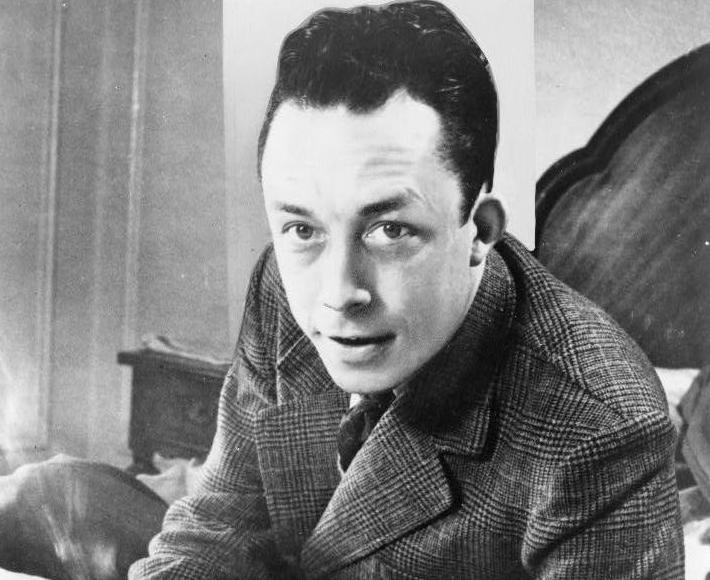
Albert Camus Wins the Nobel Prize & Sends a Letter of Gratitude to His Elementary School Teacher (1957)

Image by Unit­ed Press Inter­na­tion­al, via Wiki­me­dia Com­mons

What would you do if you won a Nobel Prize? Who would you thank? We’ve all won­dered about it, per­haps not about the Nobel specif­i­cal­ly, but about some poten­tial­ly lega­cy-con­firm­ing prize or oth­er — maybe an Oscar, maybe a MacArthur Fel­low­ship. When Albert Camus, the short-lived French nov­el­ist-philoso­pher who wrote such endur­ing works as The Stranger and The Myth of Sisy­phus, won the Nobel for Lit­er­a­ture in 1957for his impor­tant lit­er­ary pro­duc­tion, which with clear-sight­ed earnest­ness illu­mi­nates the prob­lems of the human con­science in our times,” he thanked an ele­men­tary-school teacher. “One could argue that, in the his­to­ry of the field, few teacher-pupil rela­tion­ships have had more dra­mat­ic impact than that of Louis Ger­main on his young pupil Albert Camus,” says Chica­go Tri­bune arti­cle pub­lished dur­ing an upswing in Amer­i­can inter­est in Camus’ work. That hap­pened soon after the pub­li­ca­tion of his unfin­ished auto­bi­o­graph­i­cal nov­el The First Man, a “clas­sic sto­ry of a poor boy who made good” whose appen­dix includes the author’s real-life cor­re­spon­dence with his for­mer teacher.

One of these let­ters Camus wrote to Ger­main not long after win­ning the Nobel. (You can hear his actu­al accep­tance speech here.) He no doubt saw the old­er man’s for­ma­tive influ­ence as essen­tial to the work that brought that pres­ti­gious prize his way, since, as Let­ters of Note puts it, “he was just 11-months-old when his father was killed in action dur­ing The Bat­tle of the Marne; his moth­er, par­tial­ly deaf and illit­er­ate, then raised her boys in extreme pover­ty with the help of his heavy-hand­ed grand­moth­er. It was in school that Camus shone, due in no small part to the encour­age­ment offered by his beloved teacher.” Though nev­er thrilled about pub­lic hon­ors of this type, Camus nonethe­less knew a chance to express long-felt grat­i­tude when he saw it, and to Ger­main he wrote these sen­tences as brief and as pow­er­ful as many in his books: 

19 Novem­ber 1957

Dear Mon­sieur Ger­main,

I let the com­mo­tion around me these days sub­side a bit before speak­ing to you from the bot­tom of my heart. I have just been giv­en far too great an hon­our, one I nei­ther sought nor solicit­ed.

But when I heard the news, my first thought, after my moth­er, was of you. With­out you, with­out the affec­tion­ate hand you extend­ed to the small poor child that I was, with­out your teach­ing and exam­ple, none of all this would have hap­pened.

I don’t make too much of this sort of hon­our. But at least it gives me the oppor­tu­ni­ty to tell you what you have been and still are for me, and to assure you that your efforts, your work, and the gen­er­ous heart you put into it still live in one of your lit­tle school­boys who, despite the years, has nev­er stopped being your grate­ful pupil. I embrace you with all my heart.

Albert Camus

For more such mem­o­rable cor­re­spon­dence, do con­sid­er hav­ing a look at Let­ters of Note’s new­ly pub­lished book, Let­ters of Note: An Eclec­tic Col­lec­tion of Cor­re­spon­dence Deserv­ing of a Wider Audi­ence.

Relat­ed Con­tent:

On His 100th Birth­day, Hear Albert Camus Deliv­er His Nobel Prize Accep­tance Speech (1957)

Albert Camus Writes a Friend­ly Let­ter to Jean-Paul Sartre Before Their Per­son­al and Philo­soph­i­cal Rift

Albert Camus Talks About Adapt­ing Dos­toyevsky for the The­atre, 1959

The Fall by Albert Camus Ani­mat­ed

Col­in Mar­shall hosts and pro­duces Note­book on Cities and Cul­ture and writes essays on cities, lan­guage, Asia, and men’s style. He’s at work on a book about Los Ange­les, A Los Ange­les Primer. Fol­low him on Twit­ter at @colinmarshall or on Face­book.

Cigarette Commercials from David Lynch, the Coen Brothers and Jean Luc Godard

Even the great­est film­mak­ers out there some­times need to pay the bills.

In the 1990s, Swiss tobac­co com­pa­ny F. J. Bur­rus hired name brand art house direc­tors to make com­mer­cials for their Parisi­enne brand of cig­a­rettes. The com­pa­ny gave free rein to the film­mak­ers both in terms of con­tent and approach. And the tal­ent they man­aged to attract is aston­ish­ing: David Lynch, the Coen Broth­ers, Emir Kus­turi­ca, Roman Polan­s­ki and, most puz­zling­ly, Jean-Luc Godard.

Wait a sec­ond, you might say. Wasn’t Godard an avowed Maoist at one point in his life? Wasn’t he one of the most con­sis­tent­ly anti-bour­geois, anti-cap­i­tal­ist fig­ures in film­dom? Yes. And he also did cig­a­rette com­mer­cials. He did a few for Nike too.

You can see his ad for Parisi­enne above. Typ­i­cal with late peri­od Godard, the com­mer­cial is both lit­er­ary, polit­i­cal and will­ful­ly dif­fi­cult. Cred­it­ed to both Godard and his long time cre­ative and roman­tic part­ner Anne-Marie Miéville, the com­mer­cial fea­tures a skate­board­er slalom­ing between large box­es of cig­a­rettes, some guy in bare feet shuf­fling through a floor lit­tered with Parisi­enne pack­ages and a well-to-do woman read­ing a nov­el called Parisi­enne Peo­ple. On the sound­track, Godard reads a quote from Racine. It’s prob­a­bly noth­ing that Don Drap­er would have been hap­py with, but Bur­rus was pleased.

Ads by oth­er film­mak­ers sim­i­lar­ly show off their quirks and obses­sions. The Coen broth­ers’ com­mer­cial, for instance, looks less like an advert than a scene from one of their movies. A dandy smok­ing a cig from a hold­er is deeply moved by a sweaty vaude­ville per­for­mance. When it ends, he whis­pers, “Again.” It’s a res­o­lu­tion that rais­es as many ques­tions as it answers. It’s a whole short sto­ry in 30 sec­onds.

Emir Kusturica’s ad is packed with magi­cians, acro­bats, Balkan pas­tiche and gor­geous ingénues in black. Just like his movies. Side note: Kus­turi­ca has a suc­cess­ful side career play­ing in a band called The No Smok­ing Orches­tra.

Roman Polanski’s com­mer­cial is a jokey tale about a vam­pire that has an unset­tling­ly under­cur­rent of men­ace and sex­u­al vio­lence. Just like his movies.

And David Lynch’s ad plays out like a night­mare from some­one who fell asleep read­ing a Wal­ter Mosley nov­el.

Relat­ed Con­tent:

Ing­mar Bergman’s Soap Com­mer­cials Wash Away the Exis­ten­tial Despair

Fellini’s Fan­tas­tic TV Com­mer­cials

Wes Anderson’s New Com­mer­cials Sell the Hyundai Azera

Jonathan Crow is a Los Ange­les-based writer and film­mak­er whose work has appeared in Yahoo!, The Hol­ly­wood Reporter, and oth­er pub­li­ca­tions. You can fol­low him at @jonccrow.


When Neil Young & Rick James Created the 60’s Motown Band, The Mynah Birds

The lega­cy of Rick James, who died in 2004, may be for­ev­er entwined with Dave Chappelle’s insane imper­son­ations and MC Hammer’s use of “Super Freak,” but there is anoth­er major star whose one­time asso­ci­a­tion with James has been obscured in music his­to­ry. I’m talk­ing about Neil Young, who once played gui­tar in a Toron­to R&B group called The Mynah Birds, the first most­ly white band signed to Motown Records in the mid-60s. The band’s lead singer? A young AWOL Amer­i­can sailor who went by the name of Ricky James Matthews, lat­er Rick James. Before James went full-on funk and Young invent­ed folk-rock, the two con­nect­ed in this pro­to-super­group that includ­ed, writes rock his­to­ri­an Nick War­bur­ton, “sev­er­al notable musi­cians who lat­er found fame with the likes of Buf­fa­lo Spring­field and Step­pen­wolf.” “It would be a gross over­sight,” writes War­bur­ton, “to view the group as mere­ly a foot­note to Rick James and Neil Young’s careers.”

It would also be a mis­take to con­sid­er The Mynah Birds a minor league out­fit. As you can hear above in “I’ve Got You In My Soul” (top), “It’s My Time” (above—co-written by Young and James), and “I’ll Wait For­ev­er” (below), this was seri­ous rock and roll, with a loose, garage-rock jan­gle and raw, soul­ful vocal melodies. The Mynah Birds were also, accord­ing to Jim­my McDo­nough, seri­ous show­men. McDo­nough describes their onstage pres­ence in his Neil Young biog­ra­phy Shakey:

The Mynah Birds—in black leather jack­ets, yel­low turtle­necks and boots—had quite a sur­re­al scene going…. Those lucky enough to see any of the band’s few gigs say they were elec­tri­fy­ing. ‘Neil would stop play­ing lead, do a harp solo, throw the har­mon­i­ca way up in the air and Ricky would catch it and con­tin­ue the solo.’

This is a far cry from the scruffy, earnest Young of Har­vest or CSNY or even the Les Paul-wield­ing jam-rock­er of Crazy Horse and his 90s grunge revival peri­od (and more recent Psy­che­del­ic Pill). But the folky leads in his gui­tar work with James’ band hint at his lat­er incar­na­tions.

Is it a stretch to imag­ine James fronting a band of white Cana­di­an rock­ers? Young remem­bers the dri­ven Amer­i­can singer—who crossed the bor­der to avoid his draft assignment—as “a lit­tle bit touchy, dominating—but a good guy.” He also told McDo­nough that James was drawn pri­mar­i­ly to the sound of the Rolling Stones, and brought the rest of the band around: “We got more and more into how cool the Stones were. How sim­ple they were and how cool it was.” James had them play “Get Off My Cloud” and “Satisfaction”—before the braids, cocaine, and sequins, Rick James “fan­cied him­self the next Mick Jag­ger.”

Unfor­tu­nate­ly for the band, U.S. author­i­ties caught up with James, Motown shelved the tapes, and they were nev­er released. Discouraged—Young told MOJO Mag­a­zine in 1995—he “moved instead towards acoustic music and imme­di­ate­ly became very intro­spec­tive and musi­cal­ly-inward. That’s the begin­ning of that whole side to my music.” Young got in his hearse and head­ed for the States, James did his stint in the Navy, and the rest is, well, you know…. But the sound of The Mynah Birds lived on, per­haps, in at least one Neil Young song. His 1967 “Mr. Soul” with Buf­fa­lo Spring­field, below, is clas­sic six­ties rock and soul with a riff lift­ed right from the Stones.

Relat­ed Con­tent:

Great Sto­ry: How Neil Young Intro­duced His Clas­sic 1972 Album Har­vest to Gra­ham Nash

Neil Young Busk­ing in Glas­gow, 1976: The Sto­ry Behind the Footage

See Neil Young Per­form Clas­sic Songs in 1971 BBC Con­cert: “Old Man,” “Heart of Gold” & More

Josh Jones is a writer and musi­cian based in Durham, NC. Fol­low him at @jdmagness.

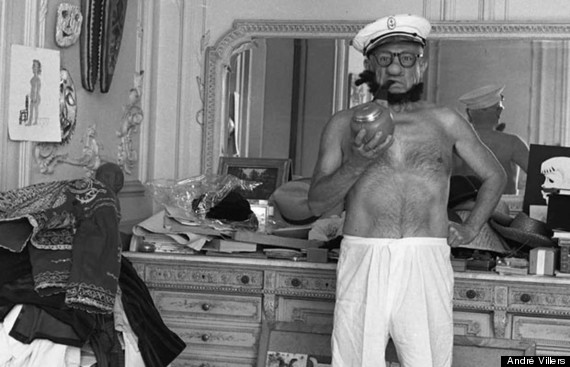
Pablo Picasso Poses as Popeye (1957)

o-PABLO-PICASSO-POPEYE-ANDRE-VILLERS-570

Suf­fer­ing from tuber­cu­lo­sis, André Villers spent eight long years at a sana­to­ri­um in the French Riv­iera town of Val­lau­ris, start­ing in 1947. There, while recov­er­ing, he learned pho­tog­ra­phy, refined his craft, and lat­er shot por­traits of Europe’s great artists — Fer­nand Léger, Alexan­der Calder, Sal­vador Dalí, Joan Miró, Marc Cha­gall, Max Ernst, Jean Cocteau, Luis Buñuel, Fed­eri­co Felli­ni, to name a few. Villers met Picas­so in 1953 and stayed at his side for close to a decade, writes The Age, “qui­et­ly observ­ing and shoot­ing the man at work and at play.” In the image above, we find Picas­so most cer­tain­ly at play. Appar­ent­ly Pablo threw on some ran­dom clothes one day, and said “Look at me, I am Pop­eye!” That scene is record­ed for pos­ter­i­ty with the great image above. Click to view it in a larg­er for­mat.

If you would like to sup­port the mis­sion of Open Cul­ture, con­sid­er mak­ing a dona­tion to our site. It’s hard to rely 100% on ads, and your con­tri­bu­tions will help us con­tin­ue pro­vid­ing the best free cul­tur­al and edu­ca­tion­al mate­ri­als to learn­ers every­where. You can con­tribute through Pay­Pal, Patre­on, and Ven­mo (@openculture). Thanks!

Relat­ed Con­tent:

The Post­cards That Picas­so Illus­trat­ed and Sent to Jean Cocteau, Apol­li­naire & Gertrude Stein

Watch Picas­so Cre­ate Entire Paint­ings in Mag­nif­i­cent Time-Lapse Film (1956)

Picas­so Paint­ing on Glass

Peter Sellers Presents The Complete Guide To Accents of The British Isles

“There was no Peter Sell­ers,” author Bruce Jay Fried­man once wrote. “He was close to pan­ic as him­self and came alive only when he was imper­son­at­ing some­one else.”

While Sell­ers might have been a curi­ous­ly detached and deeply inse­cure per­son in real life, he was a strik­ing, mem­o­rable fig­ure on the sil­ver screen. His com­ic imag­i­na­tion and stun­ning ver­sa­til­i­ty made him the stand out in just about every movie he was in. In Stan­ley Kubrick’s Dr. Strangelove, Sell­ers played three dif­fer­ent roles using three very dif­fer­ent accents – the upper crust plum­mi­ness of Capt. Man­drake, the Mid­west­ern flat­ness of the hap­less Pres­i­dent Muf­fley and the shriek­ing Teu­ton­ic lilt of Dr. Strangelove whose voice is a bit like how one might imag­ine Hen­ry Kissinger’s after fif­teen Red Bulls.

Sell­ers, of course, got his start in the radio and through­out his career, he con­tin­ued to make audio record­ings of his com­e­dy rou­tines. In his 1979 bit, The Com­plete Guide To Accents of The British Isles, Sell­ers shows just how good a mim­ic he real­ly is.

The piece is nar­rat­ed by Don Shul­man, an Amer­i­can pro­fes­sor of “accents and lan­guages” who likes lit­tle more than to go to Europe to “hear the music of the oth­er languages…Hearing French spoke, for exam­ple, is a sen­su­al expe­ri­ence.” And then what fol­lows is a minute or so of pitch-per­fect gib­ber­ish that does in fact sound a lot like French. He then moves on to the sound of oth­er lan­guages. “The music of the Ger­man lan­guage, on the oth­er hand, is excit­ing and slight­ly, well, slight­ly fright­en­ing. Like a show­er of cold beer.”

As you might guess from the title, Sell­ers then moves on to the British Isles. We’re treat­ed to a song about Argenti­na sung in a near­ly incom­pre­hen­si­ble Cock­ney, a mean­der­ing mono­logue by a hotel own­er in a sim­i­lar­ly dense Sus­sex acci­dent. Shul­man then talks to peo­ple in Birm­ing­ham, York­shire, Glas­gow and Liv­er­pool among oth­ers. And the whole thing is all done by one spec­tac­u­lar­ly tal­ent­ed per­son. It’s like the audio equiv­a­lent of a per­fect­ly exe­cut­ed mag­ic trick or dance rou­tine. And, unlike Criss Angel, Sell­ers is (inten­tion­al­ly) fun­ny. Check out part one up top and part two below that.

Relat­ed Con­tent:

A Brief Tour of British Accents: 14 Ways to Speak Eng­lish in 84 Sec­onds

Peter Sell­ers Gives a Quick Demon­stra­tion of British Accents

Peter Sell­ers Reads The Bea­t­les’ ‘She Loves You’ in Four Voic­es

Sir Patrick Stew­art Demon­strates How Cows Moo in Dif­fer­ent Eng­lish Accents

Jonathan Crow is a Los Ange­les-based writer and film­mak­er whose work has appeared in Yahoo!, The Hol­ly­wood Reporter, and oth­er pub­li­ca­tions. You can fol­low him at @jonccrow.

Play “Space War!,” One of the Earliest Video Games, on Your Computer (1962)

spacewar

Archive.org con­tin­ues adding to its His­tor­i­cal Soft­ware col­lec­tion. Last year, they made avail­able Don­key Kong, Pac Man, Frog­ger & oth­er video games from the Gold­en Age, not to men­tion some clas­sic soft­ware pro­grams like Word­Star and Visi-Calc. Now, they present “Space War!”, a game that came out of MIT back in 1962.

This two-play­er space-bat­tle game — orig­i­nal­ly played off the cath­ode-ray tube of a Dig­i­tal Equip­ment PDP‑1 — was con­sid­ered a major advance­ment in com­put­er gam­ing. Today, only one work­ing PDP‑1 is known to exist, in the Com­put­er His­to­ry Muse­um in north­ern Cal­i­for­nia. But through the mir­a­cle of a JSMESS emu­la­tor, you can play “Space War!” right in your web brows­er. (A fair­ly pow­er­ful com­put­er and recent browser–ideally Firefox–is rec­om­mend­ed.) If you end up play­ing this grandad­dy of com­put­er games, let us know how it goes. You can get more info on Space War! here.

Relat­ed Con­tent:

Down­load a Pro­to­type of Ever, Jane, a Video Game That Takes You Inside the Vir­tu­al World of Jane Austen

Run Vin­tage Video Games (From Pac-Man to E.T.) and Soft­ware in Your Web Brows­er, Thanks to Archive.org

Free Fun: Play Don­key Kong, Pac Man, Frog­ger & Oth­er Gold­en Age Video Games In Your Web Brows­er

by | Permalink | Make a Comment ( 1 ) |

Dylan Thomas’ “Do Not Go Gentle Into That Good Night” Performed by John Cale (and Produced by Brian Eno)

I’ve only known a few peo­ple of Welsh her­itage, and most of them have, at one time or anoth­er, looked for a way to pay trib­ute to their com­par­a­tive­ly exot­ic ances­tral home­land. Some start going by their unusu­al vow­el-inten­sive mid­dle name; oth­ers sim­ply start read­ing a lot of Dylan Thomas. The Gar­nant-born Vel­vet Under­ground co-founder John Cale, who spoke no lan­guage but Welsh up until mid-child­hood, took it a step fur­ther when he record­ed 1989’s Words for the Dying, his eleventh stu­dio album. Though it con­tains a few short orches­tral and piano pieces, it has more to do with words than music — words writ­ten by Cale sev­en years ear­li­er, dur­ing and in response to the Falk­lands war, that use and re-inter­pret Thomas’ poet­ry, most notably his well-known vil­lanelle “Do not go gen­tle into that good night.”

At the top of the post, you can watch one of Cale’s live ren­di­tions of this piece, per­formed two years before Words for the Dying’s release with the Nether­lands’ Metro­pole Ork­est.

Just above, we have anoth­er, per­formed in 1992 at Brus­sels’ Palais des Beaux Arts. The album enjoyed a re-release that year, and again in 2005, mak­ing for anoth­er musi­cal vic­to­ry not just in the illus­tri­ous and adven­tur­ous career of John Cale, but in the equal­ly illus­tri­ous and adven­tur­ous career of its pro­duc­er, Roxy Music found­ing mem­ber, artist of sound and image, and rock musi­cian-inspir­er Bri­an Eno. Though col­lab­o­ra­tion has famous­ly put Cale and Eno at log­ger­heads, it has also led to this and oth­er cre­ative­ly rich results; their 1990 album Wrong Way Up, whose cov­er depicts the two lit­er­al­ly look­ing dag­gers at one anoth­er, gar­nered strong crit­i­cal respect and spawned Eno’s only Amer­i­can hit, “Been There, Done That.” And as for their team effort on Words for the Dying, need we say more than that it made the year-end top-ten list of no less a lumi­nary of alter­na­tive artis­tic-rock cul­ture than Cale’s one­time Vel­vet Under­ground band­mate Lou Reed?

Relat­ed Con­tent:

Dylan Thomas Recites ‘Do Not Go Gen­tle into That Good Night’ and Oth­er Poems

Antho­ny Hop­kins Reads ‘Do Not Go Gen­tle into That Good Night’

Dylan Thomas Sketch­es a Car­i­ca­ture of a Drunk­en Dylan Thomas

Col­in Mar­shall hosts and pro­duces Note­book on Cities and Cul­ture and writes essays on cities, lan­guage, Asia, and men’s style. He’s at work on a book about Los Ange­les, A Los Ange­les Primer. Fol­low him on Twit­ter at @colinmarshall or on Face­book.

« Go BackMore in this category... »
Quantcast