See The Guidonian Hand, the Medieval System for Reading Music, Get Brought Back to Life

guidoneanhand

Singing a piece of music for the first time while read­ing the notes from a sheet is hard, and requires com­plete con­trol of one’s vocals. Today, the most pop­u­lar ways of teach­ing this skill to musi­cians are based on the solfège method, where notes on a scale are matched to par­tic­u­lar syl­la­bles: your stan­dard do, re, mi, fa, so la, si. Stu­dents prac­tice singing dif­fer­ent com­bi­na­tions of these syl­la­bles, using vary­ing rhythms and inter­vals, and even­tu­al­ly cement their knowl­edge of that par­tic­u­lar scale.  The method is, sur­pris­ing­ly, almost a mil­le­ni­um old, with the first Euro­pean use of this mnemon­ic tech­nique dat­ing back to the mid­dle ages.

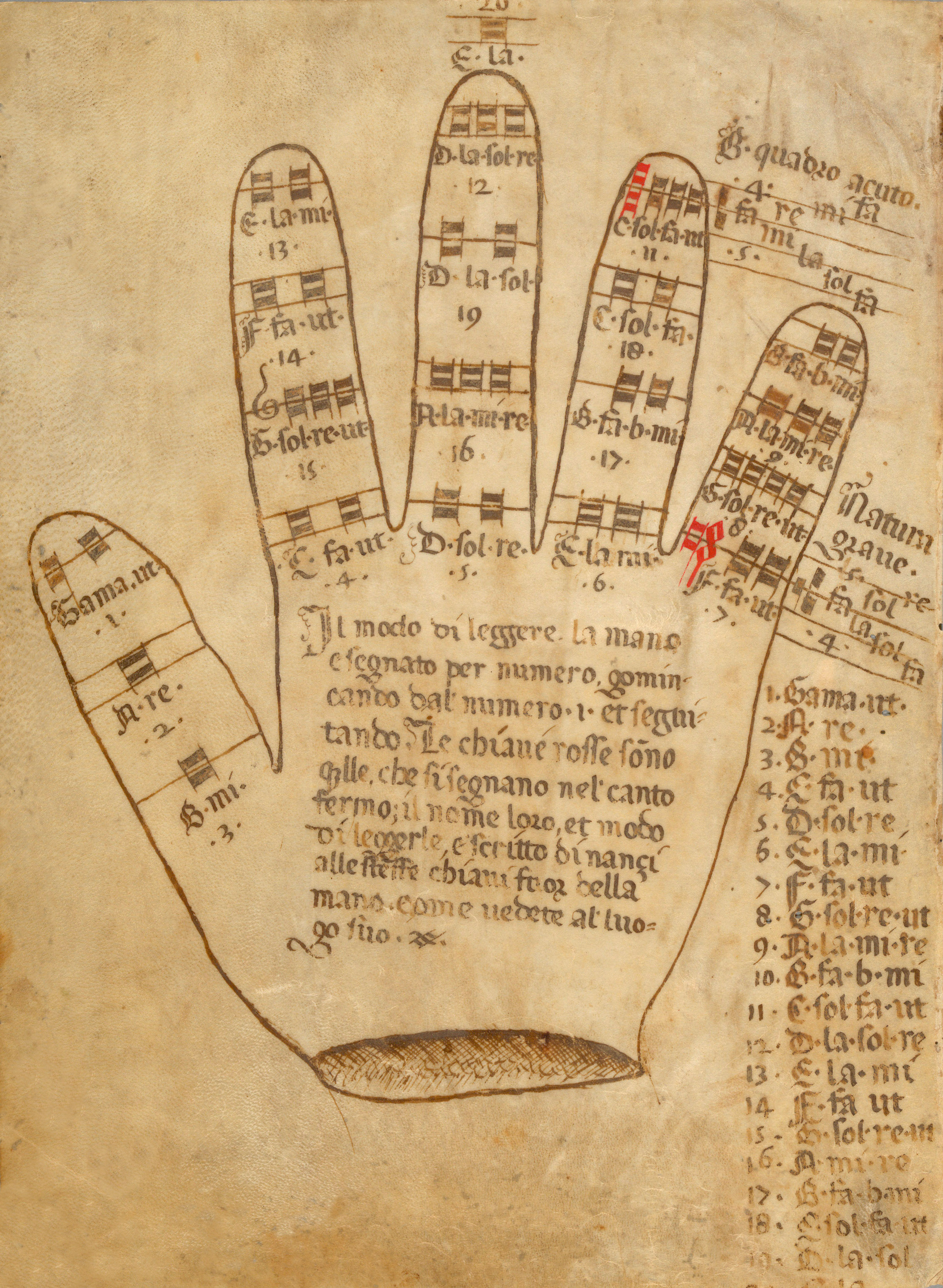
In the 11th cen­tu­ry, a monk known as Gui­do of Arez­zo, began to use the “Guidon­ian hand” as way to teach medieval music singers his hexa­chord, or six-note scales. Arez­zo, who had also devised the mod­ern musi­cal nota­tion sys­tem, had noticed that singers strug­gled to remem­ber the var­i­ous Gre­go­ri­an chants that the monas­tic orders per­formed in the monas­ter­ies.

To help their mem­o­riza­tion, Gui­do decid­ed to take the first syl­la­ble in each line of the well known hymn Ut Queant Lax­is, and cre­at­ed a hexa­chord, or six note scale, that singers famil­iar with the hymn already knew: ut, re, mi, fa, sol, la.  The hand, shown above, was a map of the musi­cal notes in this hexa­chord sys­tem, with each note asso­ci­at­ed with a par­tic­u­lar joint. In all, the Guidon­ian hand ranges almost three octaves. Although it had fall­en out of use for the past few cen­turies, the Guidon­ian hand seems to be mak­ing a come­back. Here’s a video of the method in action, for­ward­ed our way by Anton Hecht, an Open Cul­ture read­er:

I love the con­cept, but can’t help feel that using the Guidon­ian hand dur­ing a per­for­mance makes you look a lit­tle like a first grad­er strug­gling with basic arith­metic.

For more infor­ma­tion on the Guidon­ian hand, check out this write­up of a 2011 Stan­ford sym­po­sium, and watch anoth­er demon­stra­tion video, here.

Ilia Blin­d­er­man is a Mon­tre­al-based cul­ture and sci­ence writer. Fol­low him at @iliablinderman, or read more of his writ­ing at the Huff­in­g­ton Post.

Relat­ed Con­tent:

Lis­ten to a Record­ing of a Song Writ­ten on a Man’s Butt in a 15-Cen­tu­ry Hierony­mus Bosch Paint­ing

What Ancient Greek Music Sound­ed Like: Hear a Recon­struc­tion That is ‘100% Accu­rate’

Dis­cov­er the “Brazen Bull,” the Ancient Greek Tor­ture Machine That Dou­bled as a Musi­cal Instru­ment

Explo­sive Cats Imag­ined in a Strange, 16th Cen­tu­ry Mil­i­tary Man­u­al

Seinfeld & Nothingness: A Supercut of the Show’s Emptiest Moments

They say Sein­feld was about noth­ing. But the clip above puts that sense of noth­ing­ness into per­spec­tive. Run­ning six plus min­utes, the mon­tage assem­bled by LJ Frez­za presents “A super­cut of emp­ty shots. A New York with­out peo­ple.” Essen­tial­ly moments of pure noth­ing­ness. When you’re done, you can grad­u­ate to some more exis­ten­tial­ist ideas — some fun, some sub­stan­tive — in our archive.

Relat­ed Con­tent:

The Exis­ten­tial Star Wars: Sartre Meets Darth Vad­er

The Jean-Paul Sartre Cook­book: Philoso­pher Pon­ders Mak­ing Omelets in Long Lost Diary Entries

Wal­ter Kaufmann’s Lec­tures on Niet­zsche, Kierkegaard and Sartre (1960)

Sartre, Hei­deg­ger, Niet­zsche: Doc­u­men­tary Presents Three Philoso­phers in Three Hours

100 Free Phi­los­o­phy Cours­es Online

by | Permalink | Make a Comment ( 2 ) |

Watch David Brenner (RIP) Make the First of His 158 Appearances on The Tonight Show in 1971

News just hit the wires that come­di­an David Bren­ner (1936–2014) died at his home today at the age of 78. Can­cer was appar­ent­ly the cause.

Born in Philadel­phia, Bren­ner start­ed out a doc­u­men­tary film­mak­er, but even­tu­al­ly launched a career as a come­di­an. His big break came on Jan­u­ary 8, 1971 when John­ny Car­son let him do nine min­utes of standup on The Tonight Show. Car­son appar­ent­ly liked Bren­ner’s obser­va­tion­al com­e­dy rou­tine. In years to come, Bren­ner made a record-set­ting 157 appear­ances on John­ny’s show, some­times as a com­e­dy act, some­times as a sub­sti­tute host. Above you can watch the very first of those fun­ny appear­ances.

H/T @MrCraigBierko

Relat­ed Con­tent:

RIP: George Car­lin on the Tonight Show (1966)

Ayn Rand Instructs John­ny Car­son on the Virtue of Self­ish­ness, 1967

Jim Henson’s Ani­mat­ed Film, Lim­bo, the Orga­nized Mind, Pre­sent­ed by John­ny Car­son (1974)


by | Permalink | Make a Comment ( 2 ) |

Animated Video Features Werner Herzog Discussing His Childhood Adventures & 20th-Century Rage

I’m not sur­prised that film­mak­er Wern­er Her­zog hates the com­mod­i­fi­ca­tion of the word “adven­ture,” when he’s spent over four decades court­ing it in the most clas­sic sense. In the New York Pub­lic Library Con­ver­sa­tion Por­trait above (one of a series that includes the John Waters pro­file we brought you ear­li­er this week), the ven­er­a­ble direc­tor describes the sort of child­hood that could cause one to take a dim view of pack­aged tours mas­querad­ing as adven­ture.

After the infant Her­zog sur­vived a bomb­ing that cov­ered him in rub­ble, his moth­er, under­stand­ably fear­ing for her chil­dren’s safe­ty, fled to the moun­tains. The remote­ness of his upbring­ing shel­tered him in some ways (“I did not even know that cin­e­ma exist­ed until I was 11”) and not, in oth­ers. (“At age four, I was in pos­ses­sion of a func­tion­ing sub­ma­chine gun and my broth­er had a hand grenade.”)

When he says that hunger was a pre­vail­ing theme, I dare you to dis­agree.

I’m like­wise inclined to pay atten­tion when he asserts that the mod­ern obses­sion with tech­nol­o­gy is gob­bling resources at a dis­as­trous pace, and that thou­sands of world lan­guages will have dis­ap­peared for good by 2050.

Dire pre­dic­tions, and yet he fills me with cheer every time he opens his mouth. I swear it’s not just that mar­velous, much imi­tat­ed voice. It’s also a com­fort to know we’ve got a pro­lif­ic artist remain­ing at his out­post from a sense of duty, gloomy yet stout as a child in his belief that an ecsta­sy of truth lies with­in human grasp.

Relat­ed Con­tent:

Wern­er Herzog’s Eye-Open­ing New Film Reveals the Dan­gers of Tex­ting While Dri­ving

Por­trait Wern­er Her­zog: The Director’s Auto­bi­o­graph­i­cal Short Film from 1986

Mas­ter Cura­tor Paul Hold­en­gräber Inter­views Hitchens, Her­zog, Goure­vitch & Oth­er Lead­ing Thinkers

Ayun Hal­l­i­day looks in the eyes of the bear Fol­low her @AyunHalliday

Free Stanley Kubrick App Features Great Photos, Script Notes, Interviews & More

KubrickScreenIn 2012, the Los Ange­les Coun­ty Muse­um of Art (LACMA) unveiled a sprawl­ing, exhaus­tive exhib­it on Stan­ley Kubrick. And it had just about every­thing you might want on the great direc­tor. Ear­ly pho­tographs he took for Look mag­a­zine in the 1940s? Check. The blood soaked dress­es of those creepy twins from The Shin­ing? You got it! Sketch­es, notes and doc­u­ments about Napoleon, the great­est movie he nev­er made? They had a whole room for that. For those cinephiles who wor­ship at Kubrick’s altar, LACMA’s exhib­it was akin to a vis­it to the Vat­i­can. There were more holy relics there than you could shake a mono­lith at—oh, and they had one of those there too.

The exhib­it wrapped up in June 2013. If you missed it and you are jonesing for more Kubrick mem­o­ra­bil­ia, take heart — LACMA designed an app in con­junc­tion with the exhib­it for the iPhone, iPad and Android and you can down­load it right now. For free. The app is about as sprawl­ing as the exhib­it (and it will take a bit of time to down­load) but it fea­tures hand drawn notes from Kubrick, behind-the-scenes pic­tures from all of his movies, and inter­views with the direc­tor, plus ones with the likes of Elvis Mitchell, Christo­pher Nolan and Dou­glas Trum­bull.

The only thing that the app and the exhib­it didn’t cov­er is the ever-grow­ing num­ber of insane con­spir­a­cy the­o­ries sur­round­ing his work. Want some­thing about how The Shin­ing is real­ly about a faked moon land­ing or how Eyes Wide Shut is real­ly about the Illu­mi­nati? Look some­where else.

Relat­ed Con­tent:

Stan­ley Kubrick’s Daugh­ter Shares Pho­tos of Her­self Grow­ing Up on Her Father’s Film Sets

Dark Side of the Moon: A Mock­u­men­tary on Stan­ley Kubrick and the Moon Land­ing Hoax

Stan­ley Kubrick’s Very First Films: Three Short Doc­u­men­taries — Free Online

Rare 1960s Audio: Stan­ley Kubrick’s Big Inter­view with The New York­er

Jonathan Crow is a Los Ange­les-based writer and film­mak­er whose work has appeared in Yahoo!, The Hol­ly­wood Reporter, and oth­er pub­li­ca­tions. You can fol­low him at @jonccrow.

David Bowie and Cher Sing Duet of “Young Americans” and Other Songs on 1975 Variety Show

David Bowie and Cher: the com­bi­na­tion sounds so incon­gru­ous, but then you think about it and real­ize the two could hard­ly have more in com­mon. Two singers of the same gen­er­a­tion, close indeed in age but both (whether through their sen­si­bil­i­ties or through var­i­ous cos­met­ic tech­nolo­gies) per­pet­u­al­ly youth­ful; both per­form­ers of not exact­ly rock and not exact­ly pop, but some oscil­lat­ing form between that they’ve made whol­ly their own; both mas­ters of the dis­tinc­tive­ly flam­boy­ant and the­atri­cal; both giv­en to some­times rad­i­cal changes of image through­out the course of their careers; and both imme­di­ate­ly iden­ti­fi­able by just one name. The only vast dif­fer­ence comes in their per­for­mance sched­ules: Bowie, despite releas­ing an acclaimed album The Next Day last year, seems to have quit play­ing live shows in the mid-2000s, while Cher’s con­tin­u­ing tours grow only more lav­ish.

Long before this cur­rent stage of Bowie and Cher’s lives as musi­cal icons, the two came togeth­er on an episode of the lat­ter’s short-lived solo (i.e., with­out ex-hus­band Son­ny Bono, with whom she’d host­ed The Son­ny & Cher Show) tele­vi­sion vari­ety show, sim­ply titled Cher. On the broad­cast of Novem­ber 23, 1975, Bowie and Cher sang “Young Amer­i­cans,” at the top, “Can You Hear Me,” just above, and bits of oth­er songs besides.

Watch these clips not just for the per­for­mances, and not just for the out­fits — cos­tumes, real­ly, espe­cial­ly when you con­sid­er Cher’s even then-famous vari­ety of arti­fi­cial hair­styles — but for the video effects, which by mod­ern stan­dards look like some­thing out of a late-night pub­lic-access cable pro­gram. An espe­cial­ly trip­py set of visu­als accom­pa­nies Bowie’s solo moment on the episode below, singing about the one qual­i­ty that per­haps unites he and Cher more than any oth­er: “Fame.” And lots of it.

Relat­ed Con­tent:

David Bowie Sings ‘I Got You Babe’ with Mar­i­anne Faith­full in His Last Per­for­mance As Zig­gy Star­dust

David Bowie Releas­es Vin­tage Videos of His Great­est Hits from the 1970s and 1980s

David Bowie Recalls the Strange Expe­ri­ence of Invent­ing the Char­ac­ter Zig­gy Star­dust (1977)

David Bowie’s Top 100 Books

Col­in Mar­shall hosts and pro­duces Note­book on Cities and Cul­ture and writes essays on cities, lan­guage, Asia, and men’s style. He’s at work on a book about Los Ange­les, A Los Ange­les Primer. Fol­low him on Twit­ter at @colinmarshall or on Face­book.

Stanley Kubrick’s Daughter Shares Photos of Herself Growing Up on Her Father’s Film Sets

kubricks chair

Since Vivian Kubrick was in grade school, she worked as a col­lab­o­ra­tor with her famous film­mak­er father. She had cameos in a num­ber of his movies includ­ing 2001: A Space Odyssey and Bar­ry Lyn­don. She shot the behind-the-scenes doc­u­men­tary about the mak­ing of The Shin­ing at the age of 24. And she com­posed the score for Full Met­al Jack­et under the pseu­do­nym of Abi­gail Mead. Kubrick seemed to groom his daugh­ter to be his cin­e­mat­ic heir. And then in the late 90s, that all stopped. She cut off all con­tact with her fam­i­ly.

chimp kubrick

Kubrick’s fam­i­ly was ini­tial­ly cagey about what hap­pened to her, say­ing sim­ply that she was liv­ing in LA. But then in 2010, Kubrick’s step­daugh­ter Katha­ri­na opened up. “We weren’t lying, we were just being eco­nom­i­cal with the truth,” she told The Dai­ly Beast. “Because if you say, ‘My sis­ter has become a Sci­en­tol­o­gist,’ where do you go from that?”

styrofoam

The Church of Scientology’s pol­i­cy of dis­con­nec­tion is one of its most con­tro­ver­sial prac­tices. It’s not clear if Vivian for­mer­ly dis­con­nect­ed with her fam­i­ly but she did report­ed­ly attend her father’s funer­al in 1999 with a Sci­en­tol­o­gist min­der. When her sis­ter Anya died of can­cer in 2009, she did not attend that funer­al even though they were, by all accounts, insep­a­ra­ble grow­ing up.

anya vivian

The rift between Kubrick and his daugh­ter became final when he asked her to score Eyes Wide Shut and she refused, as “They had a huge fight. He was very unhap­py,” recalled Kubrick­’s wife and Vivian’s moth­er. “He wrote her a 40-page let­ter try­ing to win her back. He begged her end­less­ly to come home from Cal­i­for­nia. I’m glad he didn’t live to see what hap­pened.”

Crit­ic Lau­rent Vachaud argues that Eyes Wide Shut – a movie that seems about as open to inter­pre­ta­tion as The Shin­ing – is real­ly a requiem to his lost daugh­ter.

steenbeck

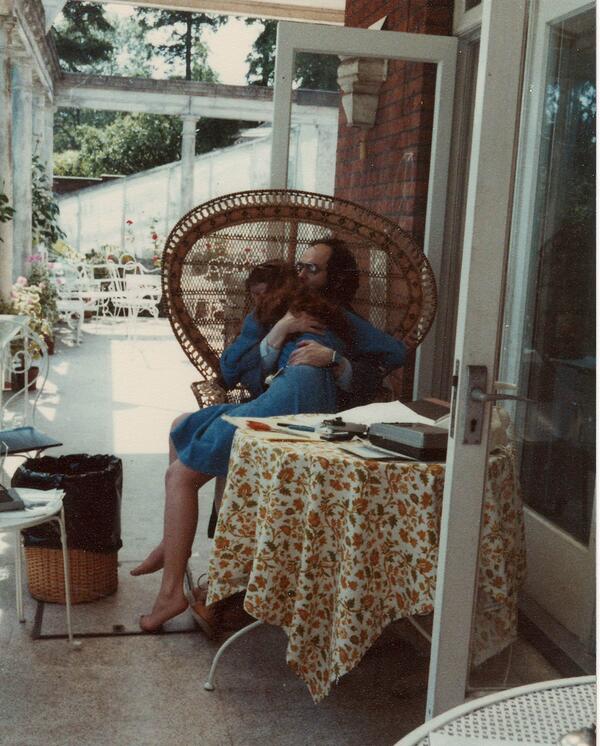
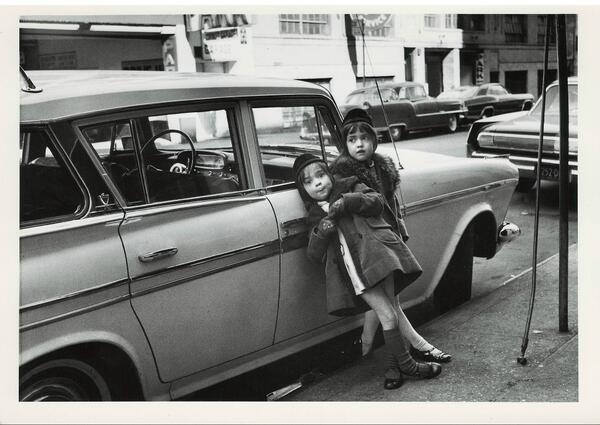
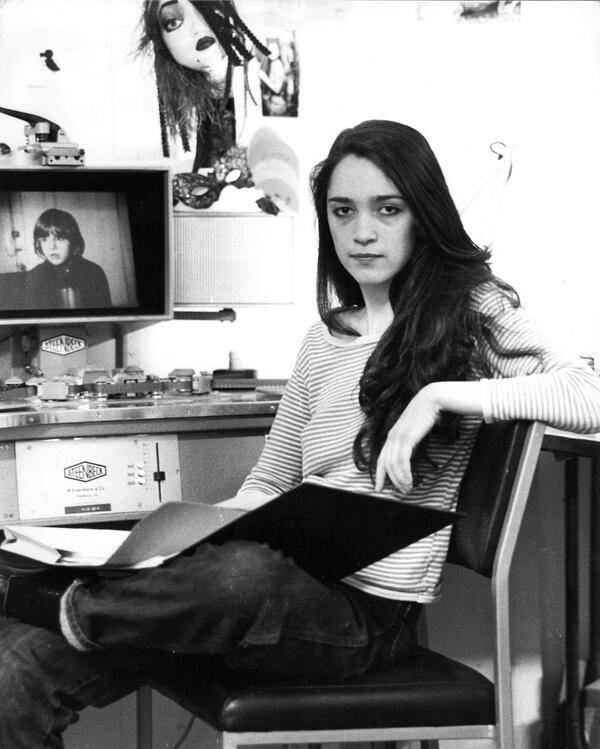
Recent­ly on her Twit­ter feed, Vivian post­ed a series of pho­tos of her­self on the set of her father’s movies. One pic­ture shows an eight-year old Vivian clutch­ing a baby chimp used on 2001. Anoth­er shows her hang­ing out on the milk bar set of A Clock­work Orange. “I helped cut out those Sty­ro­foam let­ters on the wall,” she writes. Anoth­er pic­ture shows Vivian sit­ting before a 16mm Steen­beck, edit­ing her doc­u­men­tary on The Shin­ing. And, most poignant­ly, one of her pic­ture’s shows Vivian and Kubrick embrac­ing on a deck chair.

“In Mem­o­ry of my Dad,” she writes. “Who I loved with all my heart and soul… Dad and Me on the back veran­da of Abbots Mead.”

More pho­tos can be found on her Twit­ter stream.

Via Dan­ger­ous Minds

Relat­ed Con­tent:

Stan­ley Kubrick’s Anno­tat­ed Copy of Stephen King’s The Shin­ing

Rare 1960s Audio: Stan­ley Kubrick’s Big Inter­view with The New York­er

Stan­ley Kubrick’s List of Top 10 Films (The First and Only List He Ever Cre­at­ed)

Jonathan Crow is a Los Ange­les-based writer and film­mak­er whose work has appeared in Yahoo!, The Hol­ly­wood Reporter, and oth­er pub­li­ca­tions. You can fol­low him at @jonccrow.

New Video Essay Celebrates HBO’s Deadwood, One of the Greatest Dramas in American TV History

We live in a gold­en age of tele­vi­sion, not just because tech­nol­o­gy lets us watch shows when­ev­er we like, how­ev­er we like — thus free­ing shows from the tedious need to repeat past events every episode, or worse, to forego the idea of an over­ar­ch­ing sto­ry entire­ly — but because tech­nol­o­gy pro­vides us so many ways to talk about the shows as well. When else, for exam­ple, could a crit­ic like Matt Zoller Seitz make the kind of thought­ful video essays he does for so wide an audi­ence? He does­n’t even labor under the oblig­a­tion to write only about cur­rent pro­grams, and you can see the fruits of that free­dom in his new video essay above. “A Lie Agreed Upon,” pro­duced for the tenth anniver­sary of the debut of HBO’s Dead­wood, exam­ines the still-res­o­nant neo-West­ern series cre­at­ed by tele­vi­sion auteur David Milch, its gen­e­sis, its artis­tic accom­plish­ments, and what it still has to say about soci­ety. “If you’ve read my work,” writes Zoller-Seitz on his blog at RogerEbert.com, “you know I nev­er miss an oppor­tu­ni­ty to work Dead­wood into the con­ver­sa­tion, as a legit­i­mate point of com­par­i­son with oth­er shows or films or because I just love talk­ing about it.”

Zoller-Seitz chan­nels this crit­i­cal com­pul­sion into “a stand-alone, near­ly half-hour-long piece, co-pro­duced with Hit­Fix, that looks at the show’s style and major themes, as well as its roots in dif­fer­ent gen­res, includ­ing the West­ern and the gang­ster pic­ture.” On that  page, you can even read the essay’s anno­tat­ed script, which gives you a look at the thought behind this short but rich exe­ge­sis on “one of the great­est dra­mas in Amer­i­can tele­vi­sion his­to­ry,” a show that, though orig­i­nal­ly con­ceived for an ancient Roman set­ting, flaw­less­ly made the tran­si­tion to a sto­ry of “the found­ing of civ­i­liza­tion” in post-Civ­il War South Dako­ta. Going from “lewd farce” to “com­e­dy of man­ners” to “polit­i­cal dra­ma,” Dead­wood holds fast to the theme of the basic truths, real or imag­ined, around which soci­ety coheres. After run­ning down the series’ rough-and-tum­ble cast of char­ac­ters, most of them addict­ed to one prim­i­tive Old West drug or anoth­er — booze, lau­danum, hope — Zoller-Seitz para­phras­es Milch’s own thoughts on the sub­ject: “A com­mu­ni­ty’s col­lec­tive agree­ment on cer­tain prin­ci­ples can be yet anoth­er kind of intox­i­cant — per­haps the most pow­er­ful one of all.”

via Metafil­ter

Relat­ed Con­tent:

John Wayne: 26 Free West­ern Films Online

Watch 7 New Video Essays on Wes Anderson’s Films: Rush­more, The Roy­al Tenen­baums & More

Col­in Mar­shall hosts and pro­duces Note­book on Cities and Cul­ture and writes essays on cities, lan­guage, Asia, and men’s style. He’s at work on a book about Los Ange­les, A Los Ange­les Primer. Fol­low him on Twit­ter at @colinmarshall or on Face­book.

« Go BackMore in this category... »
Quantcast