Do Rappers Have a Bigger Vocabulary Than Shakespeare?: A Data Scientist Maps Out the Answer

UniqueWordsinRap

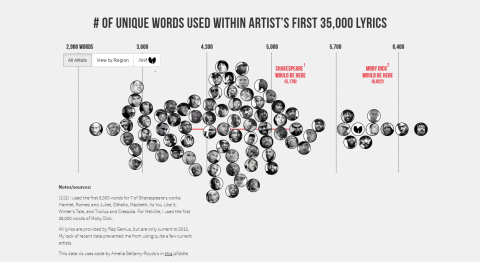
Each year brings us a new list of words that, once hip or sub­cul­tur­al, sig­nal their admis­sion into the main­stream by enter­ing the pages—print or online—of the Oxford Eng­lish Dic­tio­nary or Mer­ri­am Web­ster’s. Many of those come from the world of hip hop. The form is a ver­i­ta­ble lab­o­ra­to­ry of lin­guis­tic inno­va­tion, spawn­ing dozens of region-spe­cif­ic argots that mutate and evolve beyond the capac­i­ty of hip lex­i­cog­ra­phers to doc­u­ment. One data sci­en­tist, Matt Daniels, has made an inter­est­ing attempt, how­ev­er, in a project he calls “The Largest Vocab­u­lary in Hip Hop.” Pro­ceed­ing from the premise that cer­tain rap­pers might match or best Shake­speare for the title of “largest vocab­u­lary ever,” Daniels used a method­ol­o­gy called “token analy­sis” to ana­lyze the lyri­cal con­tent of “the most famous artists in hip hop.” He relied on Rap Genius tran­scrip­tions, which are only cur­rent to 2012, to pro­duce a sam­ple size of 35,000 words (the equiv­a­lent of 3–5 stu­dio albums).

Top­ping the list by far with a total of 7,392 unique words used is rap­per Aesop Rock, whom, Daniels admits, is some­what obscure by com­par­i­son with Jay Z or Snoop Dog. More well-known artists like Wu Tang Clan, The Roots, and Out­kast also rank high­ly, but what Daniels dis­cov­ered is that many of the rap­pers near the top of the scale are under­ground or obscure artists who don’t sell mil­lions of records. And occu­py­ing the low­er end are some top-sell­ing artists and house­hold names like Lil Wayne, Kanye West, and Snoop Dog (DMX is dead last at #85). King of the hill Jay‑Z, whose 2013 album Magna Carta…Holy Grail sold half a mil­lion copies in its first week, ranks some­where in the mid­dle, and Daniels quotes from the mega-sell­ing rapper’s “Moment of Clar­i­ty” from his Black Album in which he plain­ly admits that he’ll write mid­dle­brow lyrics for mil­lion dol­lar sales fig­ures, say­ing “I dumb­ed down for my audi­ence to dou­ble my dol­lars” (one won­ders how many lis­ten­ers per­ceived the slight).

Daniels admits in an NPR inter­view that this is “not a seri­ous aca­d­e­m­ic study” but a project he under­took for the fun of it. And a great many of the “unique words” count­ed in each rapper’s totals are slang coinages or vari­ants like “pimps, pimp, pimp­ing, and pimpin,” each of which counts sep­a­rate­ly. Even so, writes Daniels on the project’s site, “it’s still direc­tion­al­ly inter­est­ing,” as well as soci­o­log­i­cal­ly. And of course, lit­er­ary writ­ers have been con­tribut­ing made-up words to the gen­er­al lex­i­con for cen­turies. See Daniels’ site for an inter­ac­tive visu­al­iza­tion (screen shot above) of the rank­ings of all 85 rap­pers sur­veyed.

If you’re won­der­ing who has a big­ger vocab­u­lary — Shake­speare or rap­pers — here’s the quick answer in pure­ly numer­i­cal terms. In his sam­ple size of 35,000 words per artist, Daniels deter­mined that Aesop Rock used 7,392 unique words (and Wu-Tang Clan, 5,895) against Shake­speare’s 5,000 unique words. And there you have it.

Relat­ed Con­tent:

Jay‑Z: The Evo­lu­tion of My Style

The Great­ness of Charles Dar­win Explained with Rap Music

The Art of Data Visu­al­iza­tion: How to Tell Com­plex Sto­ries Through Smart Design

Josh Jones is a writer and musi­cian based in Durham, NC. Fol­low him at @jdmagness.

Support “Green Reads,” a Program That Finances Libraries by Distributing Used Books in Eco-Friendly Vending Machines

green reads

Green Reads has launched a crowd fund­ing cam­paign on IndieGogo to build 15 eco-friend­ly, used book vend­ing machines. Invent­ed by Dana Clarke, the machines require no elec­tric­i­ty and they’ll allow libraries, char­i­ties, and book retail­ers a way to sell used books and cre­ate a sus­tain­able source of rev­enue. Green Reads is look­ing to raise $75,000 ($5000 per machine) by May 19. Once oper­a­tional, the machines will be donat­ed (not sold) to libraries and char­i­ties. You can get a lot more infor­ma­tion and con­tribute to this wor­thy cam­paign right here.

Relat­ed Con­tent:

550 Free Audio Books: Down­load Great Books for Free

600 Free eBooks for iPad, Kin­dle & Oth­er Devices

170 Free Text­books: A Meta Col­lec­tion

15 Free eBooks on New Media Studies & the Digital Humanities

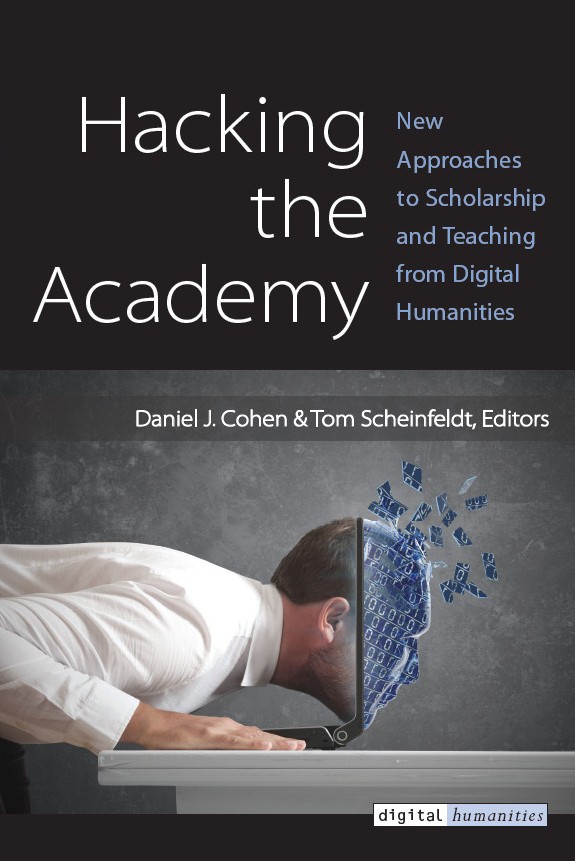
hacking-the-academy

Worth not­ing: dig­i­tal­cul­ture­books is an imprint of the Uni­ver­si­ty of Michi­gan Press ded­i­cat­ed to pub­lish­ing books on new media stud­ies and dig­i­tal human­i­ties. Com­mit­ted to open­ness, the imprint typ­i­cal­ly releas­es its titles under a Cre­ative Com­mons (CC) license that lets you read the works online for free. You can also make non-com­mer­cial use of the texts with­out get­ting per­mis­sion (or pay­ing fees) so long as you give prop­er attri­bu­tion. Below, we have list­ed the texts (and the series in which they appear). Click the links below, then look for the “Read for free online” link beneath each author’s name. And you’ll be good to go. We have more free ebooks in two col­lec­tions: 600 Free eBooks for iPad, Kin­dle & Oth­er Devices and 170 Free Text­books: A Meta Col­lec­tion.

Dig­i­tal Human­i­ties

Land­mark Video Games

The New Media World

Tech­nolo­gies of the Imag­i­na­tion

via Metafil­ter

by | Permalink | Make a Comment ( 1 ) |

Metafilter Highlights a Trove of Werner Herzog Films Online

“To steal a char­ac­ter or a sto­ry isn’t real theft. But to steal a land­scape, that is a very, very seri­ous crime.” There we have one of the propo­si­tions agreed upon by film­mak­ers Wern­er Her­zog and Errol Mor­ris in a con­ver­sa­tion they had for the Believ­er. Though their fil­mo­gra­phies may not look ter­ri­bly sim­i­lar — Mor­ris with his inter­view-based doc­u­men­taries on pet ceme­ter­ies, emer­gent sys­tems, and old Sec­re­taries of Defense, Her­zog with his bare­ly defin­able, dis­tinc­tion-between-fact-and-fic­tion-repu­di­at­ing stud­ies of aggres­sive dwarfs, doomed nat­u­ral­ists, death row inmates, and con­quis­ta­dors and rub­ber barons aggran­diz­ing them­selves in the jun­gle — their work has much in com­mon under the sur­face. Don’t believe me? First watch through the list we pre­vi­ous­ly fea­tured of 30 Errol Mor­ris movies stream­able online, assem­bled on Metafil­ter by a mem­ber known as “Going to Maine.”  Then watch Going to Maine’s new list of 43 Wern­er Her­zog movies stream­able online, com­pare, and con­trast.

At the top of the post, you can spend nine min­utes watch­ing Her­ak­les, Her­zog’s very first cin­e­mat­ic effort, a mash-up (if it does­n’t stretch the def­i­n­i­tion too far to apply the word to some­thing made in 1962) of mus­cle men and rac­ing-car wrecks. Just above, we have 1969’s Pre­cau­tions Against Fanat­ics, anoth­er ear­ly exer­cise in Her­zo­gian form-bend­ing which repur­pos­es footage of real peo­ple, real places, and real ani­mals to absurd ends — in this case, to envi­sion a real­i­ty in which hired men work tire­less­ly to pro­tect hors­es from “horse fanat­ics.” The list also rounds up a few shorts that even true Her­zog fanat­ics may nev­er have had the chance to see, includ­ing 1976’s No One Will Play With Me (part one, part two) below, the sto­ry of a preschool social out­cast based upon expe­ri­ences relat­ed by the real chil­dren them­selves — the sort of thing we’d all have grown up watch­ing on tele­vi­sion, in oth­er words, if Wern­er Her­zog had made after-school spe­cials. If works like these don’t give you quite enough insight into the mind of this inim­itable, uncom­pro­mis­ing, and seem­ing­ly tire­less, Bavar­i­an film­mak­er, don’t for­get to check out his own favorite films as well.

Relat­ed Con­tent:

Por­trait Wern­er Her­zog: The Director’s Auto­bi­o­graph­i­cal Short Film from 1986

Errol Mor­ris and Wern­er Her­zog in Con­ver­sa­tion

Wern­er Her­zog Picks His 5 Favorite Films

30 Errol Mor­ris Movies That Can Be Streamed Online

Col­in Mar­shall hosts and pro­duces Note­book on Cities and Cul­ture and writes essays on cities, lan­guage, Asia, and men’s style. He’s at work on a book about Los Ange­les, A Los Ange­les Primer. Fol­low him on Twit­ter at @colinmarshall or on Face­book.

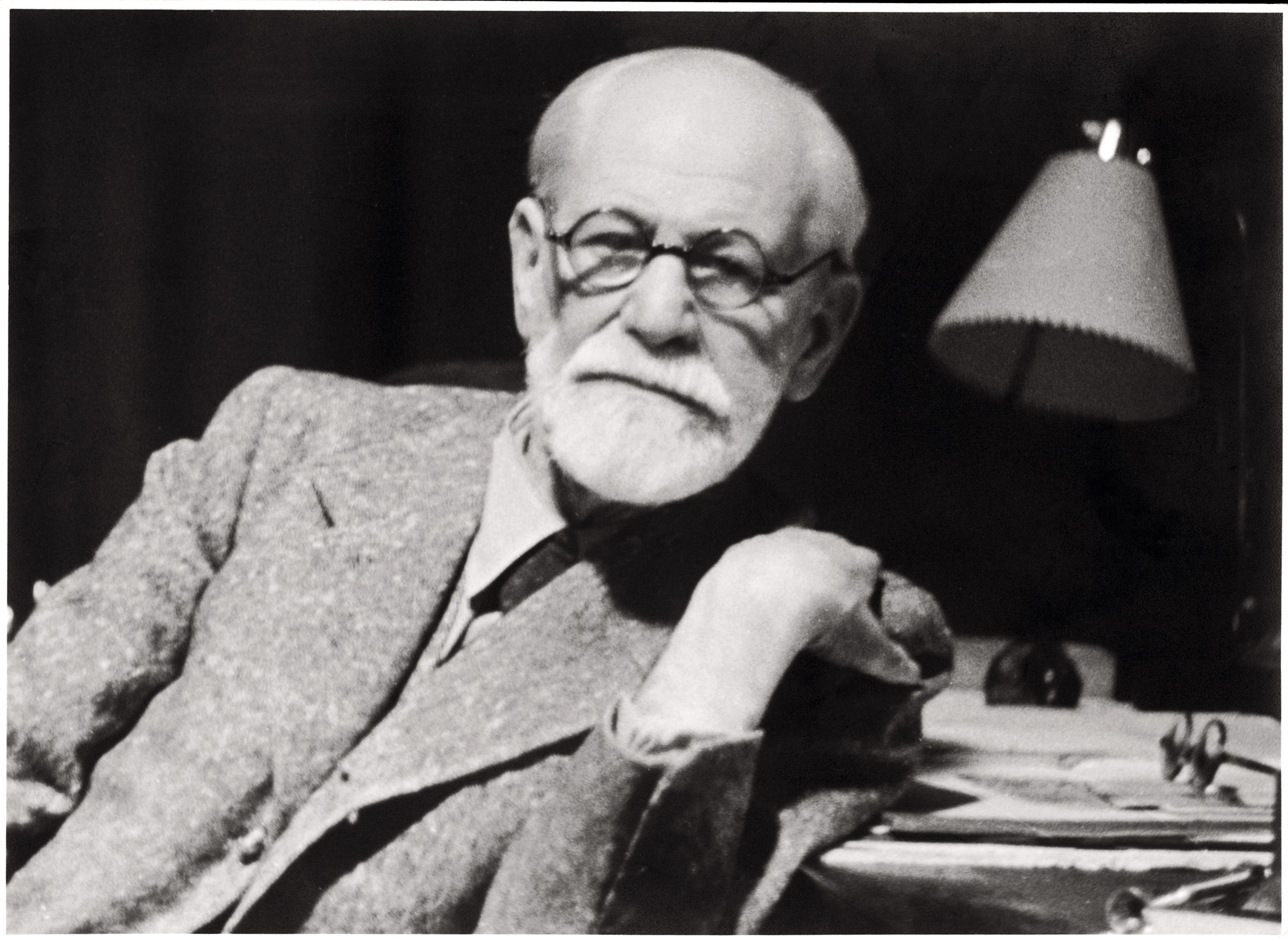
Sigmund Freud Appears in Rare, Surviving Video & Audio Recorded During the 1930s

Sigmund Freud

What, I won­der, would Sig­mund Freud have made of Han­ni­bal Lec­tor? The fic­tion­al psy­cho­an­a­lyst, so sophis­ti­cat­ed and in con­trol, moon­light­ing as a blood­thirsty can­ni­bal… a per­fect­ly grim rejoin­der to Freud’s ideas about humankind’s per­pet­u­al dis­con­tent with the painful repres­sion of our dark­est, most anti­so­cial dri­ves. While Freud’s pri­ma­ry taboo was incest, not can­ni­bal­ism, I’m sure he would have appre­ci­at­ed the irony of an ultra-civ­i­lized psy­chi­a­trist who gives full steam to his most pri­mal urges.

Freud—who was born on this day in 1856, in the small town of Freiberg—also had a care­ful­ly con­trolled image, though his pas­sion­ate avo­ca­tion was not for the macabre, sala­cious, or pruri­ent, but for the archae­o­log­i­cal. He once remarked that he read more on that sub­ject than on his own, an exag­ger­a­tion, most like­ly, but an indi­ca­tion of just how much his inter­est in cul­tur­al arti­facts and rit­u­al con­tributed to his the­o­ret­i­cal expli­ca­tion of indi­vid­ual and social psy­chol­o­gy.

In the film above, we see Freud in con­ver­sa­tion with a friend, a pro­fes­sor of archae­ol­o­gy, whom the psy­chi­a­trist con­sult­ed on his exten­sive col­lec­tion of antiq­ui­ties. Lat­er, we see Freud with his dog, then reclin­ing out­doors with a book. Over this footage we hear the nar­ra­tion of Freud’s daugh­ter Anna, who only allowed this film to be viewed by a small cir­cle until her death in 1982.

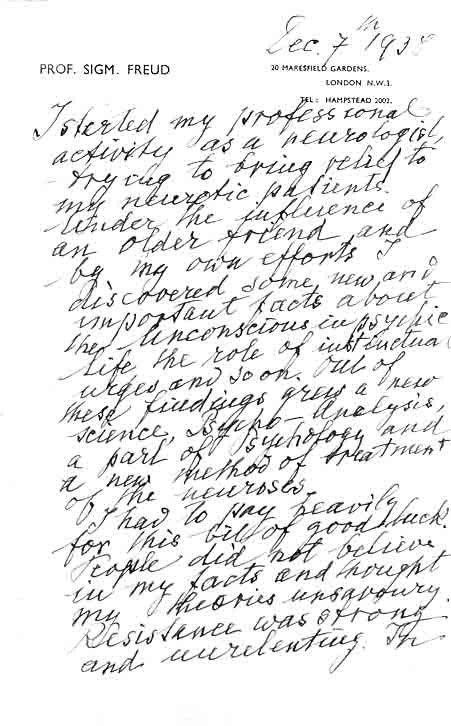
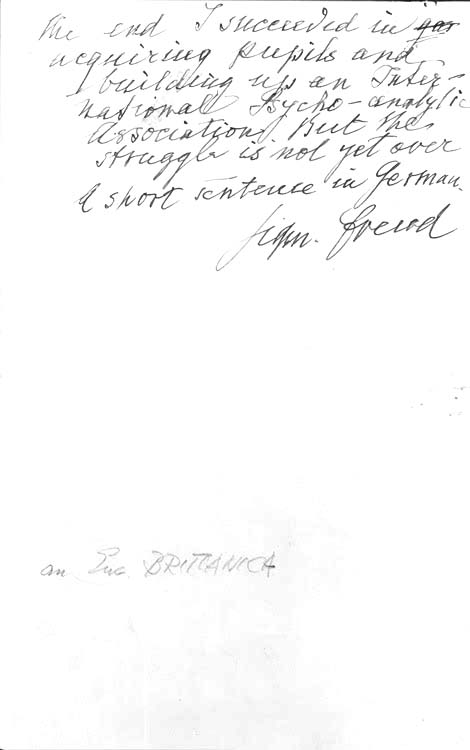
Though Freud lived many decades into the era of record­ing tech­nol­o­gy, pre­cious lit­tle film and audio of the founder of psy­cho­analy­sis exists. While the home movies at the top may be the only mov­ing image of him, per­haps the only audio record­ing of his voice, above, was made in 1938, the year before his death. At 81 years old, Freud’s advanced jaw can­cer left him in con­sid­er­able tor­ment. Nonethe­less, he agreed to record this brief mes­sage for the BBC from his Lon­don home in Mares­field Gar­dens. Read a tran­script of the speech, and see Freud’s hand­writ­ten copy, below.

I start­ed my pro­fes­sion­al activ­i­ty as a neu­rol­o­gist try­ing to bring relief to my neu­rot­ic patients. Under the influ­ence of an old­er friend and by my own efforts, I dis­cov­ered some impor­tant new facts about the uncon­scious in psy­chic life, the role of instinc­tu­al urges, and so on. Out of these find­ings grew a new sci­ence, psy­cho­analy­sis, a part of psy­chol­o­gy, and a new method of treat­ment of the neu­roses. I had to pay heav­i­ly for this bit of good luck. Peo­ple did not believe in my facts and thought my the­o­ries unsa­vory. Resis­tance was strong and unre­lent­ing. In the end I suc­ceed­ed in acquir­ing pupils and build­ing up an Inter­na­tion­al Psy­cho­an­a­lyt­ic Asso­ci­a­tion. But the strug­gle is not yet over.  –Sig­mund Freud.

Freud-BBC-Manuscript-1

Freud-Manuscript-2

The Library of Con­gress online exhib­it Sig­mund Freud: Con­flict & Cul­ture has many more pri­ma­ry doc­u­ments includ­ing a holo­graph page from Freud’s man­u­script of Civ­i­liza­tion and its Dis­con­tents, in which he the­o­rized the bedrock impulse of ser­i­al killers, fic­tion­al and real: the so-called “Death Dri­ve,” our “human instinct of aggres­sion and self-destruc­tion.”

Many impor­tant texts by Freud can be found in our col­lec­tion, 600 Free eBooks for the iPad, Kin­dle & Oth­er Devices. And you’ll inevitably find a few cours­es cov­er­ing Freud’s thought in our col­lec­tion of Free Online Psy­chol­o­gy Cours­es, part of our list of 950 Free Online Cours­es from Top Uni­ver­si­ties.

Relat­ed Con­tent:

How a Young Sig­mund Freud Researched & Got Addict­ed to Cocaine, the New “Mir­a­cle Drug,” in 1894

Jean-Paul Sartre Writes a Script for John Huston’s Film on Freud (1958)

Free Online Psy­chol­o­gy & Neu­ro­science Cours­es

Down­load Sig­mund Freud’s Great Works as Free eBooks & Free Audio Books: A Dig­i­tal Cel­e­bra­tion on His 160th Birth­day

Josh Jones is a writer and musi­cian based in Durham, NC. Fol­low him at @jdmagness.

Global Breakfast Radio Lets You Listen to Radio Broadcasts From Wherever the Sun is Rising

global breakfast radio

“The sun is always ris­ing some­where; break­fast is always just about to hap­pen. Din­ner time in Dakar is break­fast time in Bris­bane.” Enter Glob­al Break­fast Radio, a web site that aggre­gates and streams radio sta­tions from around the world (over 250 sta­tions from more than 120 coun­tries), air­ing broad­casts from wher­ev­er it’s break­fast time right now. “As the sun ris­es on the Green­wich Mean Line, you’ll hear break­fast pro­grammes from around the UK, Ice­land and West Africa; the broad­cast then moves west­wards, fol­low­ing the sun­rise across the Atlantic islands, sweep­ing over Amer­i­ca and then into the Pacific.” That’s how Daniel Jones, one of the co-founders of Glob­al Break­fast Radio, explains the project to Wired.

Right now, in Cal­i­for­nia, it’s near­ly 11:30 pm. But, with a click of the mouse, I can lis­ten to pro­grams kick­ing off the day in Assisi, Italy.  You can start lis­ten­ing right here on your com­put­er. The streamed broad­cast should work in any mod­ern web brows­er. It should also run just fine on your iPhone, iPad and oth­er mobile devices. Enjoy.

via Mefi

Four Charles Bukowski Poems Animated

The poet­ry of Charles Bukows­ki deeply inspires many of its read­ers. Some­times it just inspires them to lead the dis­solute lifestyle they think they see glo­ri­fied in it, but oth­er times it leads them to cre­ate some­thing com­pelling of their own. The qual­i­ty and vari­ety of the Bukows­ki-inspired ani­ma­tion now avail­able on the inter­net, for instance, has cer­tain­ly sur­prised me.

At the top of the post, we have Jonathan Hodg­son’s adap­ta­tion of “The Man with the Beau­ti­ful Eyes,” which puts vivid, col­or­ful imagery to Bukowski’s late poem that draws from his child­hood mem­o­ries of a mys­te­ri­ous, untamed young man in a run-down house whose very exis­tence remind­ed him “that nobody want­ed any­body to be strong and beau­ti­ful like that, that oth­ers would nev­er allow it.” Below, you can watch Moni­ka Umba’s even more uncon­ven­tion­al ani­ma­tion of “Blue­bird”:

With­out any words spo­ken on the sound­track and only the title seen onscreen — a chal­leng­ing cre­ative restric­tion for a poet­ry-based short — Umba depicts the nar­ra­tor’s “blue­bird in my heart that wants to get out.” But the nar­ra­tor, “too tough for him,” beats back the blue­bird’s escape with whiskey, cig­a­rettes, and a pol­i­cy of only let­ting him roam “at night some­times, when every­body’s asleep.”

You’ll find Bradley Bel­l’s inter­pre­ta­tion of “The Laugh­ing Heart,” a poem that advis­es its read­ers not to let their lives “be clubbed into dank sub­mis­sion,” to “be on the watch,” for “there are ways out.” “You can’t beat death,” Bukows­ki writes, “but you can beat death in life, some­times.” In Bel­l’s short, these words come from the mouth of the also famous­ly dis­so­lu­tion-chron­i­cling singer-song­writer Tom Waits, cer­tain­ly Bukowski’s most suit­able liv­ing read­er (and one who, all told, comes sec­ond only to the man him­self). Only fit­ting that one inspir­ing cre­ator deliv­ers the work of anoth­er — in the sort of labor of enthu­si­asm that, too, will inspire its audi­ence to cre­ate.

At the bot­tom the post, you will find “Roll the Dice,” an ani­ma­tion sug­gest­ed by one of our read­ers, Mark.

You can find read­ings of Bukows­ki poems in the poet­ry sec­tion of our col­lec­tion of Free Audio Books.

Relat­ed Con­tent:

The Last (Faxed) Poem of Charles Bukows­ki

Lis­ten to Charles Bukows­ki Poems Being Read by Bukows­ki, Tom Waits and Bono

“Don’t Try”: Charles Bukowski’s Con­cise Phi­los­o­phy of Art and Life

Charles Bukows­ki Sets His Amus­ing Con­di­tions for Giv­ing a Poet­ry Read­ing (1971)

Charles Bukows­ki: Depres­sion and Three Days in Bed Can Restore Your Cre­ative Juices (NSFW)

Col­in Mar­shall hosts and pro­duces Note­book on Cities and Cul­ture and writes essays on cities, lan­guage, Asia, and men’s style. He’s at work on a book about Los Ange­les, A Los Ange­les Primer. Fol­low him on Twit­ter at @colinmarshall or on Face­book.

What Was It Like to Have Philip Roth as an English Prof?

Image by Thier­ry Ehrmann, via Flickr Com­mons

Writ­ing in The New York Times this week­end, author Lisa Scot­to­line remem­bers her days at the Uni­ver­si­ty of Penn­syl­va­nia, back dur­ing the 1970s, when she took sem­i­nars with then-vis­it­ing pro­fes­sor, Philip Roth. One course the famous nov­el­ist taught was called ““The Lit­er­a­ture of Desire,” which prompt­ed stu­dents to think, “Who wouldn’t want to read dirty books with Philip Roth?”  It turns out the class did­n’t get very sexy. But stu­dents did learn quite a bit. Scot­to­line writes:

Look­ing back, I’ve come to under­stand that he was the best pro­fes­sor I ever had, not only because of his genius, but also because of his dis­tance. We were a group of girls eager to please, to guess at what he want­ed us to say, and to say that for him. We all want­ed to hear about him, or have him tell us how to write, but that was some­thing he stead­fast­ly denied us. By with­hold­ing his own per­son­al­i­ty, thoughts and opin­ions, he forced us back on our own per­son­al­i­ties, thoughts and opin­ions. He made us dis­cov­er what we want­ed to write about, and to write about it the way we want­ed to.

You can read the rest of her account here.

Relat­ed Con­tent:

Free Online Lit­er­a­ture Cours­es from Great Uni­ver­si­ties

Watch Philip Roth, Now 80, Read from His Irrev­er­ent Clas­sic, Portnoy’s Com­plaint

Philip Roth Pre­dicts the Death of the Nov­el; Paul Auster Coun­ters

Philip Roth Reads “In Mem­o­ry of a Friend, Teacher & Men­tor” (A Free Down­load Ben­e­fit­ing a Pub­lic Library)

by | Permalink | Make a Comment ( 1 ) |

« Go BackMore in this category... »
Quantcast