How J.K. Rowling Plotted Harry Potter with a Hand-Drawn Spreadsheet

JK-Rowlings-Phoenix-Plot-Outline

At the height of the Har­ry Pot­ter nov­els’ pop­u­lar­i­ty, I asked a num­ber of peo­ple why those books in par­tic­u­lar enjoyed such a devot­ed read­er­ship. Every­one gave almost the same answer: that author J.K. Rowl­ing “tells a good sto­ry.” The response at once clar­i­fied every­thing and noth­ing; of course a “good sto­ry” can draw a large, enthu­si­as­tic (and, at that time, impa­tient) read­er­ship, but what does it take to actu­al­ly tell a good sto­ry? Peo­ple have prob­a­bly made more mon­ey attempt­ing, ques­tion­ably, to pin down, define, and teach the best prac­tices of sto­ry­telling, but at the top of this post, we have a reveal­ing scrap of Rowl­ing’s own process. And I do, almost lit­er­al­ly, mean a scrap: this piece of lined paper con­tains part of the hand­writ­ten plot spread­sheet she used to write the fifth Har­ry Pot­ter nov­el, Har­ry Pot­ter and the Order of the Phoenix.

This par­tic­u­lar page (click to view it in a larg­er for­mat) cov­ers chap­ters 13 through 24, dur­ing which even more hap­pens than you may now remem­ber. It may have amount­ed to more than Rowl­ing, too, could remem­ber, hence the spread­sheet itself. End­pa­per explains some of her sto­ry notes as fol­lows:

  • “Prophe­cy”: A sub­plot about the prophe­cy Har­ry finds him­self con­cerned about all through the book
  • “Cho/Ginny”: The book’s roman­tic sub­plot
  • “D.A.”: What’s hap­pen­ing with the resis­tance army, or “Dumbledore’s Army”
  • “O of P”: What’s hap­pen­ing with the “Order of the Phoenix” group
  • “Snape/Harry”: What’s hap­pen­ing with Snape and Har­ry
  • “Hagrid and Grawp”: What’s hap­pen­ing with Hagrid and Grawp

If you think about Har­ry Pot­ter and the Order of the Phoenix, that’s it,” writes /Film’s Ger­main Lussier. “Those columns pret­ty much encom­pass the whole sto­ry.” Rowl­ing, of course, hard­ly counts as the only nov­el­ist to write with such tech­niques, and based on this exam­ple, hers don’t get near­ly as elab­o­rate as some. (I recall once read­ing that Vikram Chan­dra had to bust out Microsoft Project to keep track of the com­pli­ca­tions of Sacred Games, his 900-page nov­el about the Mum­bai under­world.) But Rowl­ing must cer­tain­ly rank as the most famous nov­el­ist to, quite lit­er­al­ly, draw up spread­sheets like this. I sup­pose it does leave her books even more exposed to accu­sa­tions of over­plot­ting than before, but some­thing tells me it won’t both­er her.

Relat­ed Con­tent:

Down­load Two Har­ry Pot­ter Audio Books for Free (and Get the Rest of the Series for Cheap)

Take Free Online Cours­es at Hog­warts: Charms, Potions, Defense Against the Dark Arts & More

The Quan­tum Physics of Har­ry Pot­ter, Bro­ken Down By a Physi­cist and a Magi­cian

Cel­e­brate Har­ry Potter’s Birth­day with Song. Daniel Rad­cliffe Sings Tom Lehrer’s Tune, The Ele­ments.

Har­ry Pot­ter Pre­quel Now Online

Col­in Mar­shall hosts and pro­duces Note­book on Cities and Cul­ture and writes essays on cities, lan­guage, Asia, and men’s style. He’s at work on a book about Los Ange­les, A Los Ange­les Primer. Fol­low him on Twit­ter at @colinmarshall or on Face­book.

E.O. Wilson’s Life on Earth Released as a Free eBook and Free Course on iTunes

Yes­ter­day, E.O. Wilson’s Life on Earth was released as a free iBook on iTunes. It fea­tures “state-of-the-art dig­i­tal media ani­ma­tions, video, and inter­ac­tive mod­ules in a com­pre­hen­sive 41-chap­ter text cov­er­ing stan­dards-based biol­o­gy cur­ricu­lum.” Cre­at­ed under the direc­tion of Pulitzer Prize-win­ning author and Har­vard nat­u­ral­ist Edward O.Wilson, Life on Earth can be down­loaded in 7 units on iTunes. The free book also comes with a free iTune­sU course. In addi­tion to read­ing assign­ments, the course “incor­po­rates activ­i­ties such as field obser­va­tions, writ­ing assign­ments, project-based learn­ing exer­cis­es,” using apps and oth­er mate­ri­als. Com­bin­ing infor­ma­tion from the Smith­son­ian Nation­al Muse­um of Nat­ur­al His­to­ry, Nation­al Geo­graph­ic, and the Ency­clo­pe­dia of Life, the course cov­ers a vari­ety of impor­tant themes — cit­i­zen sci­ence, evo­lu­tion, cli­mate change, and pro­tect­ing bio­di­ver­si­ty. The first nine chap­ters of the iTune­sU course are avail­able now, and the remain­ing mate­ri­als for the 41-chap­ter course will be released through­out 2014.

The book can be found in our col­lec­tion, 800 Free eBooks for iPad, Kin­dle & Oth­er Devices. And the course will be added to our list of Free Online Biol­o­gy Cours­es, part of our larg­er col­lec­tion: 1,700 Free Online Cours­es from Top Uni­ver­si­ties.

h/t @RandyDeutsch

Relat­ed Con­tent:

Enter E.O. Wilson’s Ency­clo­pe­dia of Life: Free Access to All The World’s Knowl­edge About Life

by | Permalink | Make a Comment ( 13 ) |

Watch the First Animations of Peanuts: Commercials for the Ford Motor Company (1959–1961)

Bill Wat­ter­son, cre­ator of arguably the last great com­ic strip, Calvin and Hobbes, wrote the fol­low­ing about per­haps the great­est com­ic strip ever. “Peanuts pret­ty much defines the mod­ern com­ic strip, so even now it’s hard to see it with fresh eyes. The clean, min­i­mal­ist draw­ings, the sar­cas­tic humor, the unflinch­ing emo­tion­al hon­esty….” Charles Schulz, the artis­tic force behind Peanuts, fun­neled a life­time of lone­li­ness and emo­tion­al pain into these spare lit­tle draw­ings, cre­at­ing a strip that was bleak­ly fun­ny, philo­soph­i­cal and real. Char­ac­ters like the social­ly inept Char­lie Brown or the bossy though odd­ly trag­ic Lucy con­nect­ed with audi­ences in a way that few ever did.

The one way that Wat­ter­son and Schulz dif­fered, and dif­fered great­ly, was in the area of mer­chan­dis­ing. While Wat­ter­son famous­ly refused to license any of his char­ac­ters (those praying/peeing Calvin car decals, it might sur­prise you to learn, are not offi­cial­ly sanc­tioned), Schulz licensed his cre­ations far and wide. For those who grew up in the ‘70s, a Snoopy plush toy was sim­ply de rigueur. The Peanuts char­ac­ters hawked Dol­ly Madi­son snack cakes, MetLife insur­ance, and Wendy’s kids meals. And those spon­sor­ship deals paid spec­tac­u­lar­ly well. By the time that Schulz died in Feb­ru­ary 2000 — the night before the final Peanuts strip was to go to print — he had report­ed­ly earned over the course of his life $1.1 bil­lion dol­lars.

The first instance of Char­lie, Snoopy and the gang being cor­po­rate spokeschar­ac­ters hap­pened to be also the first time they were ani­mat­ed. The Ford Motor Com­pa­ny licensed them in 1959 to do TV com­mer­cials along with intros to the Ten­nessee Ernie Ford Show. You can watch them above. Prob­a­bly the most strik­ing thing about the com­mer­cials is that the adults are intel­li­gi­ble, not the incom­pre­hen­si­ble mut­ed trum­pet bleats of the Peanuts movies.

The spots proved to be such a suc­cess that Schulz and ani­ma­tor Bill Melén­dez were soon pro­duc­ing half-hour long TV spe­cials, includ­ing the Emmy-win­ning A Char­lie Brown Christ­mas in 1965. In a 1984 inter­view, Melén­dez talked about work­ing with Schulz, who went by the nick­name of “Sparky,” for those first Ford spots.

Well, I was doing Ford com­mer­cials at J. Wal­ter Thomp­son when it was decid­ed that Char­lie Brown would be the spokesman for the Ford Fal­con. I was told Charles Schulz was very shy and ret­i­cent about com­mer­cial­iz­ing his strip. So I went to San Fran­cis­co and met Sparky and we hit it off. I told him what we did, and he nod­ded and said, “All right, we’ll try it.” He was very leery of get­ting involved with “Hol­ly­wood types” as he used to call us.

Of course he under­stands that his draw­ings are flat, two-dimen­sion­al designs, and that, for exam­ple, the front view is very dif­fer­ent from the side view. They are not three-dimen­sion­al char­ac­ters. You can’t turn them around the way we used to turn the Walt Dis­ney char­ac­ters, who were designed to be round and three-dimen­sion­al. To ani­mate Peanuts char­ac­ters we have to be more inven­tive, because we tend not to be real­is­tic. We don’t try to ape real live action as we did in ani­mat­ing Don­ald Duck and Mick­ey Mouse.

I imag­ine Sparky must have been curi­ous about how we were going to do it, but he nev­er gave us any kind of a hint or any­thing at all about what he want­ed. So we showed him how we thought it should move, how we thought they should turn, how we thought they should walk and he accept­ed every­thing. From then on we hit it off pret­ty well.

Relat­ed Con­tent:

Ger­tie the Dinosaur: The Moth­er of all Car­toon Char­ac­ters

Vis­it the World of Lit­tle Nemo Artist Win­sor McCay: Three Clas­sic Ani­ma­tions and a Google Doo­dle

How Walt Dis­ney Car­toons are Made

Jonathan Crow is a Los Ange­les-based writer and film­mak­er whose work has appeared in Yahoo!, The Hol­ly­wood Reporter, and oth­er pub­li­ca­tions. You can fol­low him at @jonccrow.

Neil deGrasse Tyson, High School Wrestling Team Captain, Invented a Physics-Based Wrestling Move

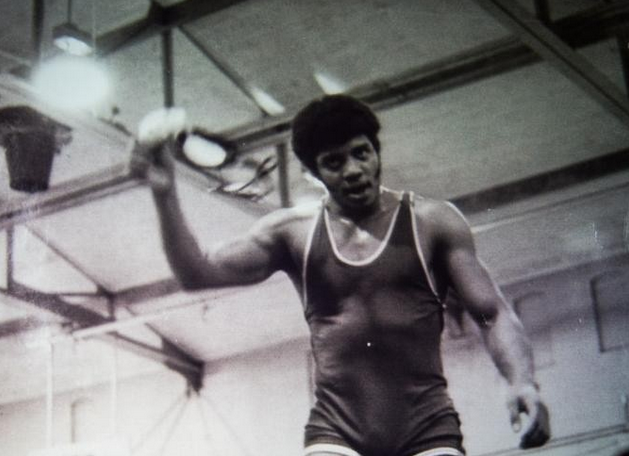
tyson wrestle

We know that Neil deGrasse Tyson was some­thing of a wun­derkind dur­ing his high school years. If you’re an OC reg­u­lar, you’ve read all about how Carl Sagan per­son­al­ly recruit­ed Tyson to study with him at Cor­nell. Deft­ly, polite­ly, the young Tyson declined and went to Har­vard.

There’s per­haps anoth­er side of the pre­co­cious Tyson you might not know as much about. The ath­let­ic side. While a stu­dent at The Bronx High School of Sci­ence, Tyson (class of 1976) wore bas­ket­ball sneak­ers belong­ing to the Knick­’s Walt “Clyde” Fra­zier. He ran an impres­sive 4:25 mile. And he cap­tained the school’s wrestling team, dur­ing which time he con­jured up a new-fan­gled wrestling move. In pro­fes­sion­al wrestling, Ric Flair had the dread­ed Fig­ure Four Leg Lock, and Jim­my Snu­ka, a dev­as­tat­ing Super­fly Splash. Tyson? He had the feared “Dou­ble Tidal Lock.” He explains and demon­strates the physics-based move in the video below, orig­i­nal­ly record­ed at the Uni­ver­si­ty of Indi­anapo­lis.

Relat­ed Con­tent:

When Samuel Beck­ett Drove Young André the Giant to School: A True Sto­ry

Andy Warhol’s One Minute of Pro­fes­sion­al Wrestling Fame (1985)

The Ulti­mate War­rior, Pro­fes­sion­al Wrestler & Philoso­pher, Cre­at­ed a Glos­sary of World Philoso­phies

Neil deGrasse Tyson Lists 8 (Free) Books Every Intel­li­gent Per­son Should Read

Free Online Physics Cours­es

by | Permalink | Make a Comment ( 1 ) |

« Go Back
Quantcast