Hear Samuel Beckett’s Avant-Garde Radio Plays: All That Fall, Embers, and More

Think of radio plays, and you most like­ly think (or I most like­ly think) of the for­m’s Amer­i­can “gold­en age” in the first half of the 20th cen­tu­ry. That time and place in radio dra­ma con­jures up a cer­tain more or less defined set of sen­si­bil­i­ties: rock­et­ships hurtling toward unknown worlds, hard-bit­ten detec­tives stick­ing to their cas­es, sub­ur­ban cou­ples bick­er­ing about the behav­ior of their jalopy-dri­ving chil­dren. By the 1950s, the con­ven­tions of radio plays had ossi­fied too much even for old-time radio audi­ences. Who best to call to tear up the form and start it over again? Why, Samuel Beck­ett, of course.

“In 1955 the BBC, intrigued by the inter­na­tion­al atten­tion being giv­en to the Paris pro­duc­tion of Samuel Beckett’s Wait­ing for Godot (see a ver­sion here), invit­ed the author to write a radio play,” says the short his­to­ry pro­vid­ed in the pro­gram of the Beck­ett fes­ti­val of Radio Plays. Though hes­i­tant, Beck­ett nev­er­the­less wrote the fol­low­ing to a friend: “Nev­er thought about radio play tech­nique but in the dead of t’other night got a nice grue­some idea full of cart­wheels and drag­ging of feet and puff­ing and pant­i­ng which may or may not lead to some­thing.’ ” That “grue­some idea” led, accord­ing to the pro­gram, not just to Beck­et­t’s 1956 radio-play debut All That Fall, but four more to fol­low over the next twen­ty years.

At the top of the post, you can lis­ten to that first 70-minute son­ic tale of an old, obese Irish house­wife, the blind hus­band she meets at the train sta­tion as a birth­day sur­prise, and all the chil­dren, eccentrics, weath­er, and thor­ough­ly Beck­et­t­ian dia­logue that give tex­ture to the death-obsessed jour­neys from home and back to it. All That Fall received crit­i­cal acclaim, but the lat­er radio play just above, the next year’s 45-minute Embers, found a more mixed recep­tion — to the delight, one imag­ines, of most Beck­ett fans, who tend to pre­fer the divi­sive stuff to an agreed-upon canon any­way.

Built out of two mono­logues, a dia­logue, and the sounds of the sea, Embers’ “rather ragged” script (in the words of Beck­ett him­self, who lat­er took the blame for the“too dif­fi­cult” text) presents us with an inar­tic­u­late pro­tag­o­nist who leaves us with many more ques­tions than answers. But just as in the work acknowl­edged as Beck­et­t’s best, the ques­tions we come away with send us in more inter­est­ing direc­tions than do the answers pro­vid­ed in main­stream radio dra­ma — or in main­stream any­thing else, for that mat­ter. And amid all this writ­ing for tape rather than stage, what not­ed work did he come with in 1958 for the stage? Why, Krap­p’s Last Tape, of course.

Samuel Beck­et­t’s radio plays avail­able online:

Relat­ed Con­tent:

Samuel Beck­ett Directs His Absur­dist Play Wait­ing for Godot (1985)

Mon­ster­piece The­ater Presents Wait­ing for Elmo, Calls BS on Samuel Beck­ett

Rare Audio: Samuel Beck­ett Reads Two Poems From His Nov­el Watt

Col­in Mar­shall writes on cities, lan­guage, Asia, and men’s style. He’s at work on a book about Los Ange­les, A Los Ange­les Primer, and the video series The City in Cin­e­maFol­low him on Twit­ter at @colinmarshall or on Face­book.

Nietzsche, Wittgenstein & Sartre Explained with Monty Python-Style Animations by The School of Life

Angst. Nau­sea. Selb­stüber­win­dung. All, sure­ly, words we’ve used before, but have we paid atten­tion to their prop­er philo­soph­i­cal con­texts? The well-known and wide­ly-read philoso­phers Lud­wig Wittgen­stein, Jean-Paul Sartre, and Friedrich Niet­zsche used those words and oth­ers in very spe­cif­ic ways to express con­cepts essen­tial to their cer­tain­ly eccen­tric but even more cer­tain­ly impor­tant philo­soph­i­cal writ­ings. These brief, Alain de Bot­ton-nar­rat­ed video primers from The School of Life’s series on phi­los­o­phy will get you start­ed on com­ing to grips with just what these 19th- and 20th-cen­tu­ry thinkers had to tell us about our own lives.

The new video on Wittgen­stein con­cen­trates on its sub­jec­t’s life­long grap­pling with the prob­lems of lin­guis­tic com­mu­ni­ca­tion, from his first con­clu­sion that “lan­guage works by trig­ger­ing with­in us pic­tures of how things are in the world” to his sec­ond that “lan­guage is like a kind of tool that we use to play dif­fer­ent ‘games.’ ” The video on Sartre deals with the exis­ten­tial­ist’s con­tentions that “things are weird­er than we think,” that “we are free,” that “we should­n’t live in bad faith,” and that “we are free to dis­man­tle cap­i­tal­ism.” The video on Niet­zsche explains just what it means to become an Über­men­sch — a goal achiev­able, for exam­ple, by using your capac­i­ty for selb­stüber­win­dung to over­come your sklaven­moral.

Though watch­ing these philo­soph­ic primers might well make you ever so slight­ly con­ver­sant in Wittgen­stein, Sartre, and Niet­zsche, The School of Life has clear­ly craft­ed them (using goofy cut-up visu­als and a healthy rate of quips per minute) pri­mar­i­ly as an enter­tain­ing means of whet­ting your intel­lec­tu­al appetite. If you’d like to know more about these mod­ern philoso­phers, have a look at our links to oth­er relat­ed posts below. And if you’d like to go broad­er before you go deep­er, do watch the rest of the series, which will get you start­ed on every­one from Aris­to­tle and the Sto­ics to La Rochefou­cauld and Hei­deg­ger.

Relat­ed Con­tent:

140 Free Online Phi­los­o­phy Cours­es 

135 Free Phi­los­o­phy eBooks

Human, All Too Human: 3‑Part Doc­u­men­tary Pro­files Niet­zsche, Hei­deg­ger & Sartre

A Guide to Hap­pi­ness: Alain de Bot­ton Shows How Six Great Philoso­phers Can Change Your Life

Down­load Wal­ter Kaufmann’s Lec­tures on Niet­zsche, Kierkegaard, Sartre & Mod­ern Thought (1960)

Bertrand Rus­sell on His Stu­dent Lud­wig Wittgen­stein: Man of Genius or Mere­ly an Eccen­tric?

Lud­wig Wittgenstein’s Trac­ta­tus Gets Adapt­ed Into an Avant-Garde Com­ic Opera

Col­in Mar­shall writes on cities, lan­guage, Asia, and men’s style. He’s at work on a book about Los Ange­les, A Los Ange­les Primer, and the video series The City in Cin­e­maFol­low him on Twit­ter at @colinmarshall or on Face­book.

Monty Python and the Holy Grail Re-Imagined as an Epic, Mainstream Hollywood Film

The orig­i­nal 1975 trail­er for Mon­ty Python and the Holy Grail (below) start­ed to make some big claims for itself. It opens, with the nar­ra­tor declar­ing:

Once in a life­time there comes a motion pic­ture which changes the whole his­to­ry of motion pic­tures. A pic­ture so stun­ning in its effect, so vast in its impact that it pro­found­ly affects the lives of all who see it.

But then comes the self-effac­ing punch­line deliv­ered by anoth­er nar­ra­tor in Japan­ese:

One such film is Kuro­sawa’s “The Sev­en Samu­rai.” Anoth­er was “Ivan the Ter­ri­ble.” Then there are more run-of-the mill films like “Her­bie Rides Again,” “La Notte” and “Mon­ty Python and the Holy Grail.”

… So, if you’re an intel­lec­tu­al midget and you feel like gig­gling, you could do worse than see Mon­ty Python and the Holy Grail.

Clas­sic Python!

Now, if want a Python trail­er that takes itself seri­ous­ly, look no fur­ther than the clip above. Cre­at­ed last year, this trail­er re-imag­ines Mon­ty Python and the Holy Grail as a main­stream Hol­ly­wood film. No wit. All cheese. If you dig the con­cept, you can see sim­i­lar rework­ings of Stan­ley Kubrick films here.

Relat­ed Con­tent:

Mon­ty Python’s Best Phi­los­o­phy Sketch­es

Mon­ty Python and the Holy Grail­Cen­sor­ship Let­ter: We Want to Retain “Fart in Your Gen­er­al Direc­tion”

Ter­ry Gilliam Reveals the Secrets of Mon­ty Python Ani­ma­tions: A 1974 How-To Guide

by | Permalink | Make a Comment ( 3 ) |

An Animated John Coltrane Explains His True Reason for Being: “I Want to Be a Force for Real Good”

Last week, we post­ed an inter­view with the late, great Ray Brad­bury that was bril­liant­ly ani­mat­ed by the folks over at Blank on Blank. This week, they unveil a new piece fea­tur­ing John Coltrane. You can watch it above.

Coltrane is, of course, one of the true giants of 20th cen­tu­ry music. He first got atten­tion play­ing with the Miles Davis Quin­tet in the mid-1950s on albums like Relax­in, Cookin’ and Steamin’ before he released his sem­i­nal solo album Blue Train. But his career quick­ly fal­tered. He was hooked on hero­in and Davis, a for­mer junkie him­self, fired him from the Quin­tet. When he cleaned him­self up, Coltrane found he was a changed man. “In the year of 1957,” he writes in the lin­er notes for his mas­ter­piece A Love Supreme, “I expe­ri­enced, by the grace of God, a spir­i­tu­al awak­en­ing, which was to lead me to a rich­er, fuller, more pro­duc­tive life.”

Through­out the 60s, Coltrane sought to express his rapid­ly evolv­ing sense of spir­i­tu­al­i­ty through music that grew ever more com­plex and avant-garde. Late peri­od Coltrane is a far cry from the moody grace of Blue Train; it’s a cas­cade of fren­zied notes that can be as sub­lime as it is dis­cor­dant and chal­leng­ing.

The piece above is a record­ing by Paci­fi­ca Radio reporter Frank Kof­sky who talked with Coltrane in Novem­ber 1966, just eight months before he died at the age of 40 of liv­er can­cer.

At one point in the piece, Kof­sky asks him how much he prac­tices. Trane was famous for the man­ic inten­si­ty with which he played. He once report­ed­ly spent ten hours per­fect­ing the sound of a sin­gle note. 12-hour prac­tice ses­sions were the rou­tine. In the inter­view, how­ev­er, Coltrane is non­cha­lant. “I find that it’s only when some­thing is try­ing to come through you know that I real­ly prac­tice and then it’s just, I don’t know how many hours, it’s just all day. “

Lat­er in the video, when Coltrane dis­cuss­es switch­ing from a tenor sax to a sopra­no, you get a glimpse of how dri­ven he was by his muse.

The sound of that sopra­no was actu­al­ly so much clos­er to me in my ear. I didn’t want admit this damn thing because I said well the tenor’s my horn, this is my baby but the sopra­no, there’s still some­thing there, just the voice of it that I can’t… It’s just real­ly beau­ti­ful. I real­ly like it.

But the most poignant moment comes at the end of video when he describes what kind of per­son he wants to be.

I mean I want to be a force for real good. In oth­er words, I know that there are bad forces. I know that there are forces out here that bring suf­fer­ing to oth­ers and mis­ery to the world, but I want to be the oppo­site force. I want to be the force, which is tru­ly for good.

For Jazz fans every­where, there is no ques­tion that he was a force for good. And it was all embod­ied in his music.

Relat­ed Con­tent:

John Coltrane Per­forms A Love Supreme and Oth­er Clas­sics in Antibes (July 1965)

John Coltrane’s Hand­writ­ten Out­line for His Mas­ter­piece A Love Supreme

Watch John Coltrane Turn His Hand­writ­ten Poem Into a Sub­lime Musi­cal Pas­sage on A Love Supreme

Jonathan Crow is a Los Ange­les-based writer and film­mak­er whose work has appeared in Yahoo!, The Hol­ly­wood Reporter, and oth­er pub­li­ca­tions. You can fol­low him at @jonccrow. And check out his blog Veep­to­pus, fea­tur­ing lots of pic­tures of bad­gers and even more pic­tures of vice pres­i­dents with octo­pus­es on their heads.  The Veep­to­pus store is here.

Van Gogh’s 1888 Painting, “The Night Cafe,” Animated with Oculus Virtual Reality Software

Vin­cent van Gogh’s 1888 paint­ing, “The Night Cafe,” now hangs at the Yale Uni­ver­si­ty Art Gallery, accom­pa­nied by this descrip­tion:

In a let­ter to his broth­er writ­ten from Arles in the south of France, van Gogh described the Café de l’Al­cazar, where he took his meals, as “blood red and dull yel­low with a green bil­liard table in the cen­ter, four lemon yel­low lamps with an orange and green glow. Every­where there is a clash and con­trast of the most dis­parate reds and greens.” The clash­ing col­ors were also meant to express the “ter­ri­ble pas­sions of human­i­ty” found in this all-night haunt, pop­u­lat­ed by vagrants and pros­ti­tutes. Van Gogh also felt that col­ors took on an intrigu­ing qual­i­ty at night, espe­cial­ly by gaslight: in this paint­ing, he want­ed to show how “the white cloth­ing of the café own­er, keep­ing watch in a cor­ner of this fur­nace, becomes lemon yel­low, pale and lumi­nous green.”

The can­vas, though dry and most­ly flat, does a per­fect­ly good job of cap­tur­ing the life force that ran through that 19th cen­tu­ry French café. That’s an under­state­ment, of course. But I sup­pose there’s no harm in ani­mat­ing the already ani­mat­ed scene with some new-fan­gled tech­nol­o­gy. Above, you can see Mac Cauley’s “immer­sive vir­tu­al real­i­ty” trib­ute to Van Gogh, which he cre­at­ed for Ocu­lus’ Mobile VR Jam 2015. On a page ded­i­cat­ed to the project, Cauley writes:

My main goal with this project was to see what kinds of styl­ized 3D ren­der­ing could be expe­ri­enced through VR. I have always been drawn to the paint­ings of Van Gogh and I imag­ined it would be amaz­ing to be inside one of these col­or­ful worlds. While the GearVR offered cer­tain chal­lenges with its tech­ni­cal lim­i­ta­tions com­pared with a PC, it forced me to pri­or­i­tize and real­ly define what makes a Van Gogh paint­ing unique.

While cre­at­ing the envi­ron­ments of these paint­ings in 3D space I’ve had to expand on areas that can’t be seen; rooms behind doors, objects hid­den from view, peo­ple turned away from the view­er. It’s been an inter­est­ing process in using ref­er­ence mate­r­i­al from Van Gogh and oth­er expres­sion­ist painters but also imag­in­ing what might have been there, just off the edges of the can­vas.

The win­ners of the Ocu­lus Mobile VR Jam will be announced in June. More cre­ative takes on famous paint­ings can be found below.

via Coudal

Relat­ed Con­tent:

A 3D Tour of Picasso’s Guer­ni­ca

Edvard Munch’s Famous Paint­ingThe Scream Ani­mat­ed to the Sound of Pink Floyd’s Pri­mal Music

Dripped: An Ani­mat­ed Trib­ute to Jack­son Pollock’s Sig­na­ture Paint­ing Tech­nique

Late Rem­brandts Come to Life: Watch Ani­ma­tions of Paint­ings Now on Dis­play at the Rijksmu­se­um

Van Gogh’s ‘Star­ry Night’ Re-Cre­at­ed by Astronomer with 100 Hub­ble Space Tele­scope Images

by | Permalink | Make a Comment ( 1 ) |

Watch Miles Davis Improvise Music for Elevator to the Gallows, Louis Malle’s New Wave Thriller (1958)

The modal exper­i­men­ta­tion in Miles Davis’ clas­sic albums Mile­stones and, espe­cial­ly, 1959’s Kind of Blue seemed to come out of nowhere. Along with sim­i­lar­ly ground­break­ing releas­es at the end of the fifties, these records irrev­o­ca­bly changed the sound of jazz. But hard­core jazz fans, and cinephiles, would have seen the devel­op­ment com­ing, hav­ing heard Davis’ sound­track to Louis Malle’s 1958 crime thriller Ele­va­tor to the Gal­lows (Ascenseur pour l’Echafaud—trail­er below). As the sto­ry goes, Davis hap­pened to be in Paris in 1957 dur­ing the film’s post­pro­duc­tion to per­form at the Club Saint-Ger­main. Malle’s assistant—perhaps inspired by the moody jazz sound­tracks of films like Roger Vadim’s Does One Ever Know and Alexan­der Mackendrick’s Sweet Smell of Suc­cess—sug­gest­ed Davis to the direc­tor. After a pri­vate screen­ing of the film, the trum­peter and com­pos­er agreed to take the gig. It was Davis’ first sound­track and Malle’s first fea­ture film.

At the top of the post, we have the great priv­i­lege of seeing—and hearing—Miles and his four side­men record the sound­track, live. The two-day ses­sion took place at Le Post Parisien Stu­dio in Paris on Decem­ber 4th and 5th. Accord­ing to Discogs, “Davis only gave the musi­cians a few rudi­men­ta­ry har­mon­ic sequences he had assem­bled in his hotel room, and once the plot was explained, the band impro­vised with­out any pre­com­posed theme, while edit­ed loops of the musi­cal­ly rel­e­vant film sequences were pro­ject­ed in the back­ground.”

The filmed ses­sion is cap­ti­vat­ing; Davis and band stare intent­ly at the screen and, on the spot, cre­ate the film’s mood. (In the sec­ond half of the clip, the film­mak­ers ban­ter in French about the pro­duc­tion while Davis plays in the back­ground.) See­ing this footage, writes Dan­ger­ous Minds, is akin to “watch­ing Picas­so paint.” Fur­ther­more, “it could be argued that Malle’s cin­e­mat­ic style and the unique pac­ing and char­ac­ter of this par­tic­u­lar film—which Miles obvi­ous­ly had to con­form to in order to score it properly—had a notice­able influ­ence on his music.”

Miles would say as much, claims his biog­ra­ph­er Ian Carr, telling Malle “a year or two lat­er” that “the expe­ri­ence of mak­ing the music for the film had enriched him.” Crit­ic Jean-Louis Gini­bre wrote in Jazz mag­a­zine at the time that Davis “raised him­self to greater heights” dur­ing the ses­sions, “and became aware of the trag­ic char­ac­ter of his music which, until then, had been only dim­ly expressed.” For his part, Malle remarked, “Miles’s commentary—which is of extreme simplicity—gives a real­ly extra­or­di­nary dimen­sion to the visu­al image.” Fans of the film will sure­ly agree. Fans of Miles Davis may want to rush out and get their hands of a copy of the score. (You can find a dimin­ished copy on Youtube here). It was nev­er released in the U.S., but ten songs appeared state­side on an album called Jazz Track. While the sound­track may not work as well with­out the images (All­mu­sic describes some num­bers as “rather ster­ile”), it nonethe­less pro­vides us with a kind of miss­ing link between Davis’ fifties hard bop and the cool jazz he pio­neered the fol­low­ing decade in his most-laud­ed, best-sell­ing album, Kind of Blue.

via Dan­ger­ous Minds/Discogs/

Relat­ed Con­tent:

The Miles Davis Sto­ry, the Defin­i­tive Film Biog­ra­phy of a Jazz Leg­end

Miles Davis Plays Music from Kind of Blue Live in 1959, Intro­duc­ing a Com­plete­ly New Style of Jazz

Watch Ani­mat­ed Sheet Music for Miles Davis’ “So What,” Char­lie Parker’s “Con­fir­ma­tion” & Coltrane’s “Giant Steps”

Josh Jones is a writer and musi­cian based in Durham, NC. Fol­low him at @jdmagness

Dementia Patients Find Some Eternal Youth in the Sounds of AC/DC

Last April, Mal­colm Young left AC/DC, the band he co-found­ed with his broth­er Angus in 1973. Only 61 years old, the gui­tarist found him­self unable to remem­ber his famous licks and riffs. The cause, doc­tors dis­cov­ered, was demen­tia. Young now lives in a nurs­ing home where he receives full-time care.

Above, you can watch a video cre­at­ed by the Brazil­ian radio sta­tion 89FM, where, touch­ing­ly, elder­ly Brazil­ians, also suf­fer­ing from demen­tia, lis­ten to the sounds of AC/DC and sum­mon to mind their younger, care­free days, when rock pro­vid­ed their sound­track to their youth. Long live rock…

To under­stand why music seems to trig­ger mem­o­ries in unusu­al ways, and how music ther­a­py can be used to improve the lives of those with demen­tia, see the research cov­ered at Live Sci­ence.

via Ulti­mate Clas­sic Rock

Fol­low us on Face­book, Twit­ter, Google Plus and LinkedIn and  share intel­li­gent media with your friends. Or bet­ter yet, sign up for our dai­ly email and get a dai­ly dose of Open Cul­ture in your inbox.

New Web Site, “The Opera Platform,” Lets You Watch La Traviata and Other First-Class Operas Free Online

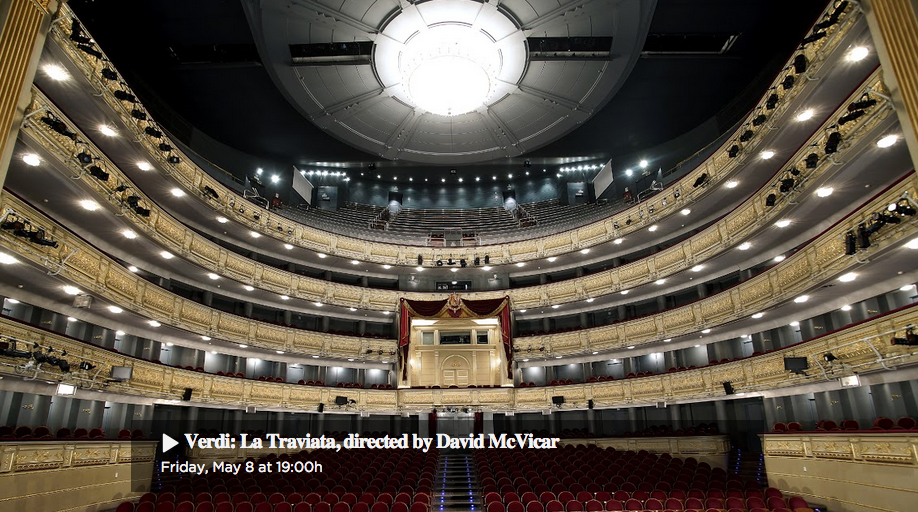
la traviata
Click the image above to watch Verdi’s La Travi­a­ta.

Opera has always had its appre­ci­a­tors, and fer­vent ones at that, but in recent decades the form has had to extend its appeal beyond its inner cir­cle of die-hard fans. Some of these efforts, such as the Met­ro­pol­i­tan Oper­a’s high-def­i­n­i­tion broad­casts to movie the­aters around the world, have proven sur­pris­ing­ly suc­cess­ful, encour­ag­ing the low­er­ing of oper­a’s bar­ri­er to entry. Now, thanks to a site called The Opera Plat­form, you don’t have to go to a the­ater of any kind; you can watch full-length per­for­mances any­where with an inter­net con­nec­tion.

In order to pro­mote itself as “the online des­ti­na­tion for the pro­mo­tion and enjoy­ment of opera” designed to “appeal equal­ly to those who already love opera and to those who may be tempt­ed to try it for the first time,” The Opera Plat­form offers one “show­case opera” per month, view­able free, in full, with sub­ti­tles avail­able in six dif­fer­ent lan­guages. It also pro­vides a host of sup­ple­men­tary mate­ri­als, includ­ing doc­u­men­tary and his­tor­i­cal mate­ri­als that put the mon­th’s fea­tured opera in con­text.

The Opera Plat­form is a part­ner­ship between Opera Europa, which rep­re­sents opera com­pa­nies and fes­ti­vals; Arte, the Fran­co-Ger­man cul­tur­al broad­cast­ing chan­nel, and the par­tic­i­pat­ing opera com­pa­nies,” writes the New York Times’ Michael Coop­er. “It has a $4.5 mil­lion bud­get,” Reuters report­ed, “with about half com­ing from the Euro­pean Union’s cul­tur­al bud­get.” So the site cer­tain­ly has its resources in order, but what of its con­tent?

The Opera Plat­form has come strong out of that par­tic­u­lar gate with Verdi’s La Travi­a­ta, pro­duced at Madrid’s Teatro Real, which you can watch for free until August 11. This tale of “the short and hec­tic life and trag­ic death of a high-soci­ety cour­te­san in 19th cen­tu­ry Paris,” as the site’s notes put it, comes told through Verdi’s “music of pro­found human­i­ty” and the stag­ing of famed Scot­tish opera direc­tor David McVicar, “who, with his usu­al ele­gance, sets the dra­ma in a world of roman­tic ref­er­ences while retain­ing an up-to-date per­spec­tive.”

Opera-lovers of pre­vi­ous gen­er­a­tions could scarce­ly have imag­ined that tech­nol­o­gy would bring this degree of view­ing con­ve­nience to their art form of choice. And now that The Opera Plat­form has got up and run­ning, would-be opera-lovers have no excuse not to get into it, in the com­fort of their own homes or any­where else. And if you want to have some pop­corn while you watch, go for it — nobody’s going to shake their opera glass­es at you.

Relat­ed Con­tent:

Stephen Fry Hosts “The Sci­ence of Opera,” a Dis­cus­sion of How Music Moves Us Phys­i­cal­ly to Tears

J.S. Bach’s Com­ic Opera, “The Cof­fee Can­ta­ta,” Sings the Prais­es of the Great Stim­u­lat­ing Drink (1735)

Lud­wig Wittgenstein’s Trac­ta­tus Gets Adapt­ed Into an Avant-Garde Com­ic Opera

Col­in Mar­shall writes on cities, lan­guage, Asia, and men’s style. He’s at work on a book about Los Ange­les, A Los Ange­les Primer, and the video series The City in Cin­e­maFol­low him on Twit­ter at @colinmarshall or on Face­book.

« Go BackMore in this category... »
Quantcast