The MonÂtreux Jazz FesÂtiÂval — the secÂond largest jazz fesÂtiÂval in the world — has seen many acts come and go since it kicked off in 1967. Miles Davis, KeiÂth JarÂrett, Nina Simone, Bill Evans and Ella FitzgerÂald have all played there. And now we have the first conÂcert perÂformed by a jazz pianist (Al BlatÂter) and The CosÂmic Piano, an instruÂment creÂatÂed by parÂtiÂcle physiÂcists at CERN, the home of the Large Hadron ColÂlidÂer, in SwitzerÂland. The CosÂmic Piano works someÂthing like this: “When a cosÂmic ray passÂes through one of four sepÂaÂrate detecÂtor pads of the CosÂmic Piano, it trigÂgers a musiÂcal note and a colourÂful flash of light.” The rays arrive in ranÂdom interÂvals, and once they’re comÂbined with BlatÂter’s notes, you get some interÂestÂing polyrhythÂmic jazz. Catch a few highÂlights above, and get more backÂground inforÂmaÂtion and video clips on CERN’s web site.
One of the many pleaÂsures of hearÂing a children’s author readÂing his or her own work is their overÂwhelmÂing lack of vocal senÂtiÂment. When my chilÂdren were young, I always optÂed for the horse’s mouth, over the more histriÂonÂic charÂacÂterÂiÂzaÂtions of a hired narÂraÂtor, regardÂless of what sitÂcom or BroadÂway play he or she may have starred in. It might have takÂen author E.B. White 17 takes to lay down a track for Charlotte’s Web’s titÂuÂlar character’s death scene, but he evenÂtuÂalÂly achieved the healthy remove that lets the listener—not the reader—wallow in the valÂley of deep emoÂtions.
Neil Gaiman’s CoraÂline is not a weepie, like White’s best loved work. Instead, it revÂels in a sort of underÂstatÂed creepiÂness en route to the horÂrifÂiÂcalÂly bizarre. It’s a tone his felÂlow litÂerÂary celebs are blissÂfulÂly well equipped to delivÂer, readÂing chapÂters aloud in honÂor of the book’s 10th anniverÂsary. You can see them read all of the chapÂters here and also above and below.
Gaiman himÂself bookÂends the proÂceedÂings by claimÂing the first (above) and final chapÂter. Lucky that. One shudÂders to think of the myrÂiÂad ways in which a narÂraÂtor of cuteÂsiÂer senÂsiÂbilÂiÂties could have screwed up phrasÂes like “oomÂpah oomÂpah” and “squidy brown toadÂstools” (thus blightÂing the entire book).
I conÂceive of these readÂings as a mulÂtiÂple narÂraÂtor audioÂbook because the perÂformÂers are readÂing, rather than attemptÂing to act out the text in their hands, but realÂly it’s more of a video stoÂryÂtime. Gaiman is defÂiÂniteÂly on point in front of the camera—his large brown eyes, promiÂnent proÂboscis and stringy sterÂnÂocleiÂdoÂmasÂtoid musÂcles adding to the proÂceedÂings.
For the longest time, FaceÂbook gave you no abilÂiÂty to conÂtrol what conÂtent you see in your FaceÂbook newsÂfeed. Some 378,000 peoÂple have “liked” our FaceÂbook page. But only a fracÂtion actuÂalÂly see Open CulÂture posts in their newsÂfeed. That’s because a FaceÂbook algoÂrithm startÂed makÂing the deciÂsions for you, showÂing you mateÂrÂiÂal from some people/publishers, and not othÂers.
Now, FaceÂbook has finalÂly introÂduced a new feaÂture that will let you conÂtrol what you see. Please check out the instrucÂtions below. When you’re done readÂing them, conÂsidÂer givÂing us a Like on FaceÂbook, and then set your newsÂfeed accordÂingÂly. (You get bonus points if you FolÂlow us on TwitÂter too!)
If you’re using a mobile phone, open the FaceÂbook app, click the “More” icon along the botÂtom of the app, then scroll down and click “NewsÂfeed prefÂerÂences,” then click “PriÂorÂiÂtize who to see first,” and make your picks. (You can select more than one item.)
If you’re using FaceÂbook on a comÂputÂer, click on the downÂward facÂing arrow on the top nav bar, then click “NewsÂfeed prefÂerÂences,” locate one of the peoÂple or pubÂlishÂers you folÂlow, and change the setÂting from “FolÂlowÂing” to “See First.”
If the impresÂsionÂisÂtic aniÂmaÂtion style of psyÂcholÂoÂgist, writer, and filmÂmakÂer Ilana Simons’ “About HaruÂki Murakami”—a short video introÂducÂtion to the jazz bar ownÂing, marathon runÂning, JapanÂese novelist—puts you in mind of Richard LinÂklater’s WakÂing Life, then the ellipÂtiÂcal, lucid dream narÂraÂtion may do so even more. “He didÂn’t use too many words,” Simons tells us. “Too many words is kinÂda… too many words. SomeÂone’s always losÂing their voice. SomeÂone’s hearÂing is acute. HaruÂki MurakaÂmi.” Like Roger Ebert said of LinÂklater’s film, Simons’ ode to Murakami—and the novÂelÂist’s work itself—is “philoÂsophÂiÂcal and playÂful at the same time.”
Simons reads us Murakami’s exisÂtenÂtialÂist account of how he became a novÂelÂist, at age 29, after havÂing an epiphany at a baseÂball game: “The idea struck me,” he says, “I could write a novÂel…. I could do it.” And he did, sitÂting down every night after workÂing the bar he owned with his wife, writÂing by hand and drinkÂing beer. “Before that,” he has said in an interÂview with singer/songwriter John WesÂley HardÂing, “I didÂn’t write anyÂthing. I was just one of those ordiÂnary peoÂple. I was runÂning a jazz club, and I didÂn’t creÂate anyÂthing at all.” And it’s true. Besides sudÂdenÂly decidÂing to become a novÂelÂist, “out of the blue” at almost 30, then sudÂdenÂly becomÂing an avid marathon runÂner at age 33, Murakami’s life was pretÂty unreÂmarkÂable.
It’s not entireÂly surÂprisÂing that he became a novÂelÂist. Both of Murakami’s parÂents taught JapanÂese litÂerÂaÂture, though he himÂself was not a parÂticÂuÂlarÂly good stuÂdent. But the author of such beloved books as NorÂweÂgian Wood, The Wind-Up Bird ChronÂiÂcle, KafÂka on the Shore and dozens of short stoÂries (read six free here), has mostÂly drawn his inspiÂraÂtion from outÂside his nationÂal tradition—from AmerÂiÂcan baseÂball and jazz, from British invaÂsion rock and roll, from FitzgerÂald, KafÂka, and HolÂlyÂwood films. As ColÂin MarÂshall wrote in a preÂviÂous post on the BBC MurakaÂmi docÂuÂmenÂtary below, “he remained an author shaped by his favorite forÂeign cultures—especially AmerÂiÂca’s. This, comÂbined with his yearnÂing to break from estabÂlished norms, has genÂerÂatÂed enough interÂnaÂtionÂal demand for his work to sell briskly in almost every lanÂguage.”
Murakami’s desire to break with norms, Simons tells us in her charmÂing, visuÂalÂly accomÂplished aniÂmatÂed short, is sympÂtoÂmatic of his “detachÂment” and “introÂspecÂtion.” MurakaÂmi “liked escape, or he just doesÂn’t like joinÂing groups and investÂing too many words in places where words have been too often.” The thought of “orgaÂnized activÂiÂties,” MurakaÂmi has said, like “holdÂing hands at a demonÂstraÂtion… gives me the creeps.” Murakami’s love of soliÂtude makes him seem mysÂteÂriÂous, “eluÂsive,” says preÂsenÂter Alan YenÂtob in the film above. But one of the extraÂorÂdiÂnary things about Murakami—in addiÂtion to his runÂning a 62-mile “ultraÂmaÂrathon” and conÂquerÂing the litÂerÂary world on a whim—is just how ordiÂnary he is in many ways. Both Simons’ increasÂingÂly surÂreÂalÂist, bebop-scored short and the BBC’s cool jazz-backed exploÂration make this conÂtrast seem all the more remarkÂable. It’s Murakami’s abilÂiÂty to stretch and bend the ordiÂnary world, Simons sugÂgests near the end of her lyriÂcal tribÂute, that makes his readÂers feel that “someÂhow, magÂiÂcalÂly… he does someÂthing very priÂvate and intiÂmate with their brains”
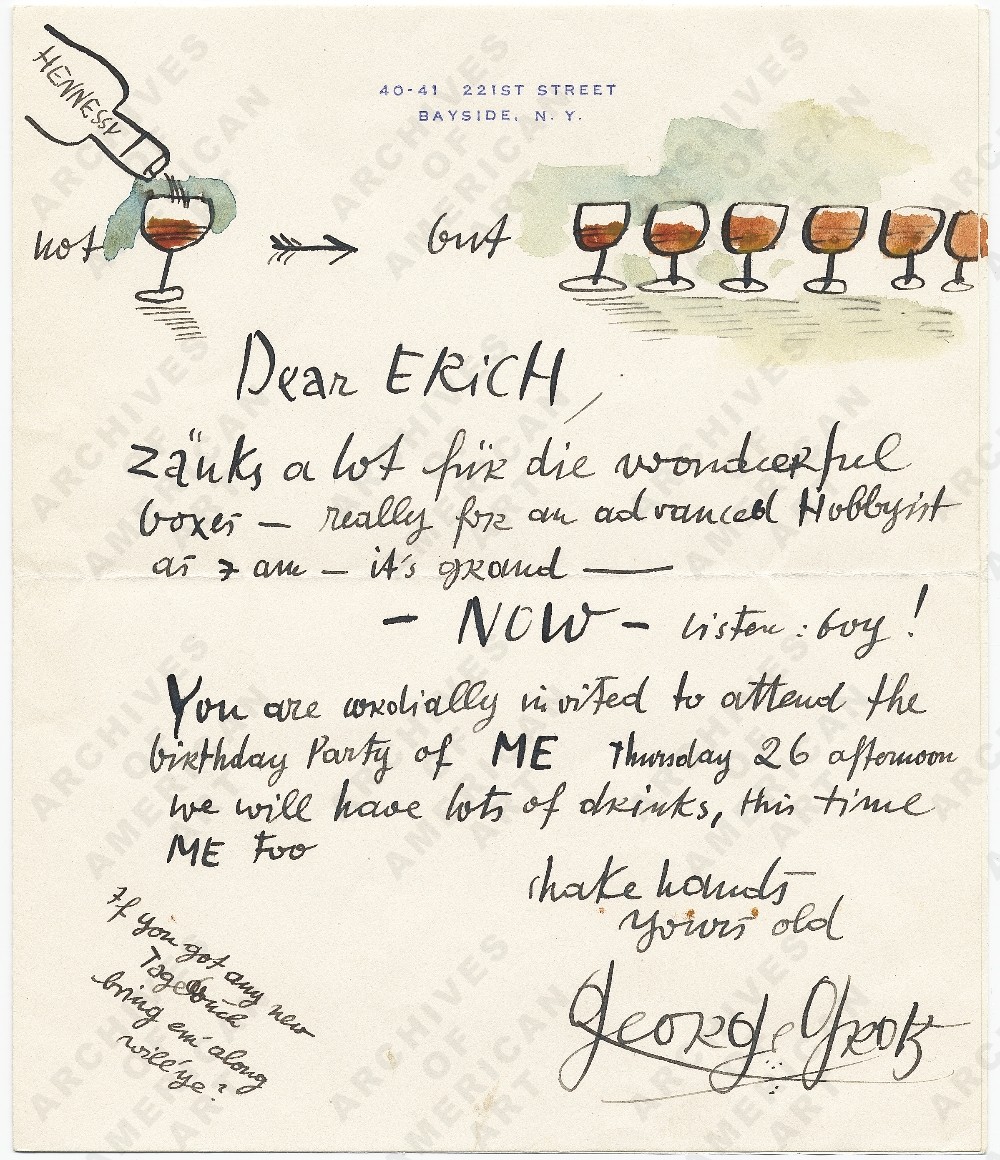
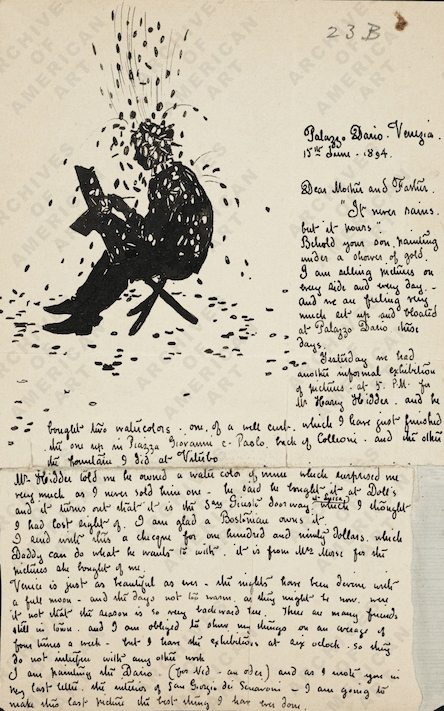
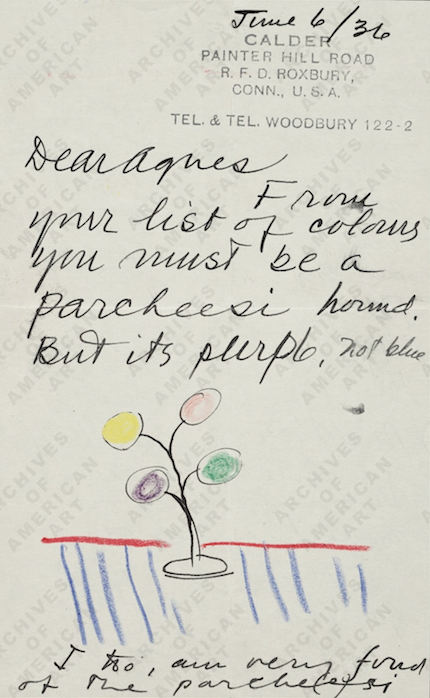
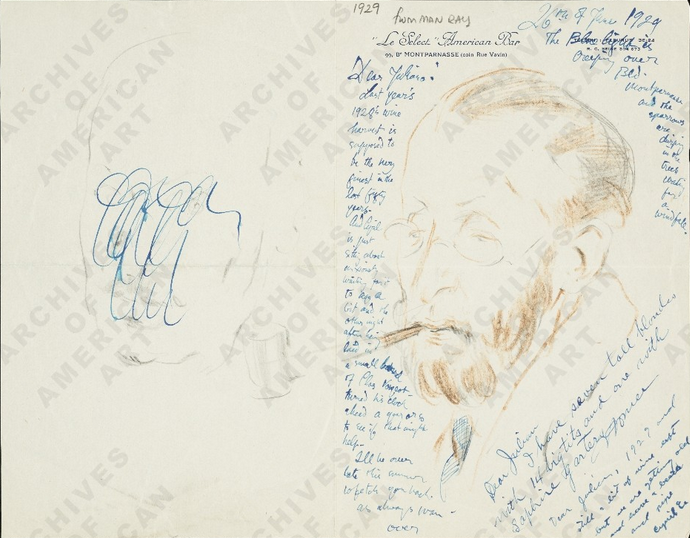
The illusÂtratÂed letÂters make for humanÂizÂing insights into the priÂvate world of artists that we usuÂalÂly only expeÂriÂence through their work.
The 1945 letÂter from George Grosz to Erich S. HerÂrmann (above) is to invite his friend (and art dealÂer) to his birthÂday parÂty, promisÂing not just one glass of HenÂnessy, but six (and more). “LisÂten: boy!” he declares. “You are corÂdialÂly invitÂed to attend the birthÂday parÂty of ME.” This was when Grosz was in his 50s and livÂing in HuntÂingÂton, New York. It should be notÂed that Grosz met his end falling down a flight of stairs while drunk, but the man knew how to parÂty.
Joseph LinÂdon Smith was an AmerÂiÂcan illusÂtraÂtor best known for being the artist who travÂeled to Egypt and docÂuÂmentÂed the excaÂvaÂtions at Giza and the ValÂley of the Kings, very faithÂful in their repÂreÂsenÂtaÂtion. But in 1894, this letÂter finds Smith, 31 years old, livÂing in Paris, tryÂing to make a go of it as an artist, and havÂing enough sucÂcess to tell his parÂents: “Behold your son paintÂing under a showÂer of gold,” he writes. Check out that handÂwritÂing: it’s beauÂtiÂful.
SculpÂtor AlexanÂder Calderwrote this note to VasÂsar colÂleague and friend Agnes Rindge Claflin in 1936, conÂtinÂuÂing some conÂverÂsaÂtion they were havÂing about colÂor, and notÂing her choicÂes mark her as a “Parcheesi hound,” and adding that he’s a fan of the game too. The litÂtle illusÂtraÂtion, which is straight Calder, is cute too. Claflin would latÂer go on to narÂrate one of MOMA’s first films to accomÂpaÂny an exhibÂit, HerÂbert Matter’s 1944 film on Calder, SculpÂture and ConÂstrucÂtions.
This Man RayletÂter to painter Julian E. Levi looks like it has been worÂried over or recycled—-“Dear Julian” appears sevÂerÂal times on the staÂtionery from Le Select AmerÂiÂcan Bar in MontÂparÂnasse. It’s a bit difÂfiÂcult to make out all his writÂing: he starts menÂtionÂing “Last year’s 1928 wine harÂvest is supÂposed to be the very finest in the last fifty years” at the beginÂning, but I’m more fasÂciÂnatÂed with the botÂtom right: “I have sevÂen tall blondes with 14 big tits and one with sapÂphire garters.”
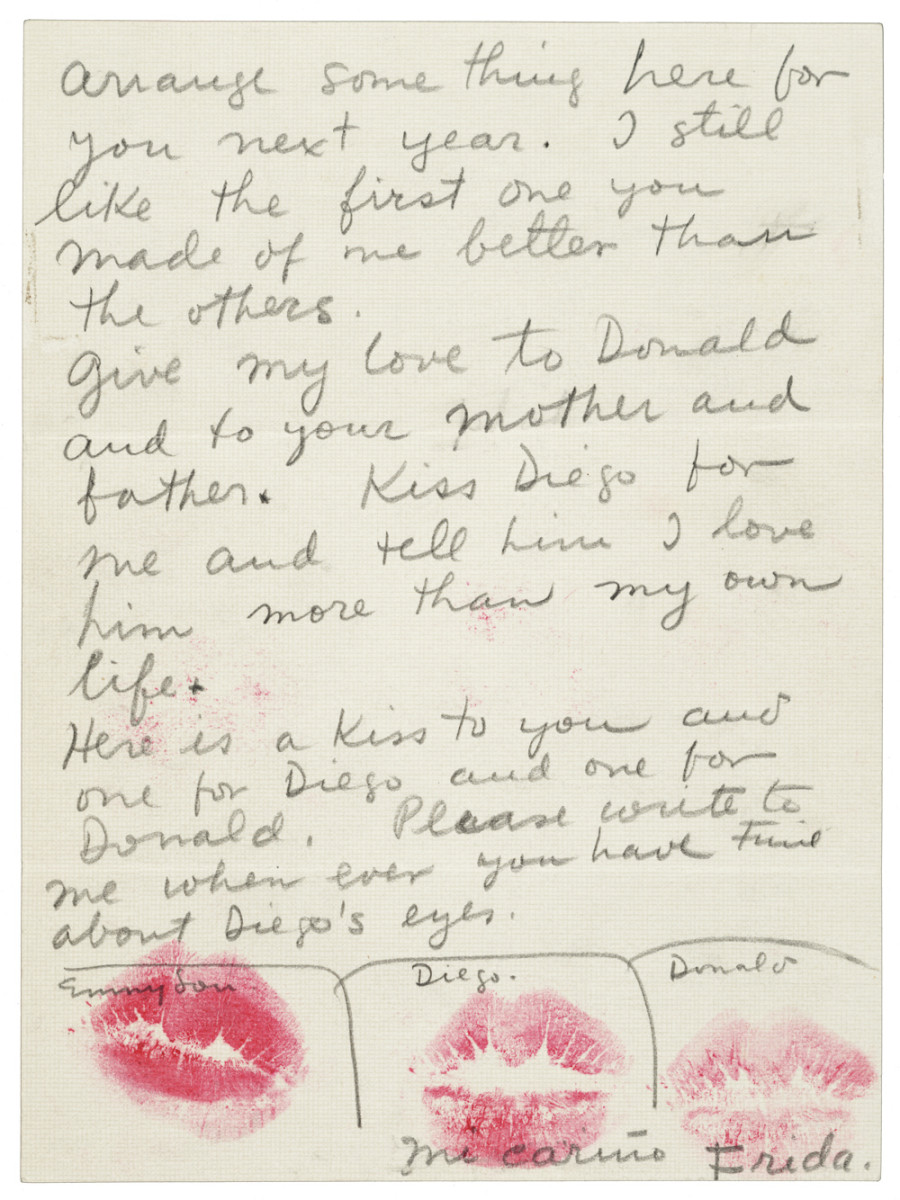
FinalÂly, we close out with a letÂter FriÂda Kahlo sent to her friend Emmy Lou Packard in 1940, where she thanked Packard for takÂing care of Diego durÂing an illÂness. The letÂter gets sealed, PriscilÂla Frank notes at HuffÂPo, with three lipÂstick kissÂes — “one for Diego, one for Emmy Lou, and one for her son.”
There’s plenÂty more illusÂtratÂed letÂters to explore at the SmithÂsonÂian site and in KirÂwin’s handÂsome book, feaÂturÂing artists well known and obscure, but all who knew how to comÂpose a good letÂter.
Ted Mills is a freeÂlance writer on the arts who curÂrentÂly hosts the FunkZone PodÂcast. You can also folÂlow him on TwitÂter at @tedmills, read his othÂer arts writÂing at tedmills.com and/or watch his films here.
Stephen King’s 1977 psyÂchoÂlogÂiÂcal horÂror novÂel The ShinÂinghas inspired sevÂerÂal othÂer works, most notably StanÂley KubrickÂ’s 1980 film adapÂtaÂtion, a movie wideÂly conÂsidÂered to have eleÂvatÂed King’s stoÂry of the posÂsessed OverÂlook Hotel and its luckÂless winÂter careÂtakÂers, the TorÂrance famÂiÂly, to a highÂer artisÂtic plane. But King himÂself nevÂer realÂly approved of KubrickÂ’s interÂpreÂtaÂtion: “Parts of the film are chillÂing, charged with a relentÂlessÂly clausÂtroÂphoÂbic terÂror,” he said, “but othÂers fall flat. A visÂcerÂal skepÂtic such as Kubrick just couldÂn’t grasp the sheer inhuÂman evil of the OverÂlook Hotel.”
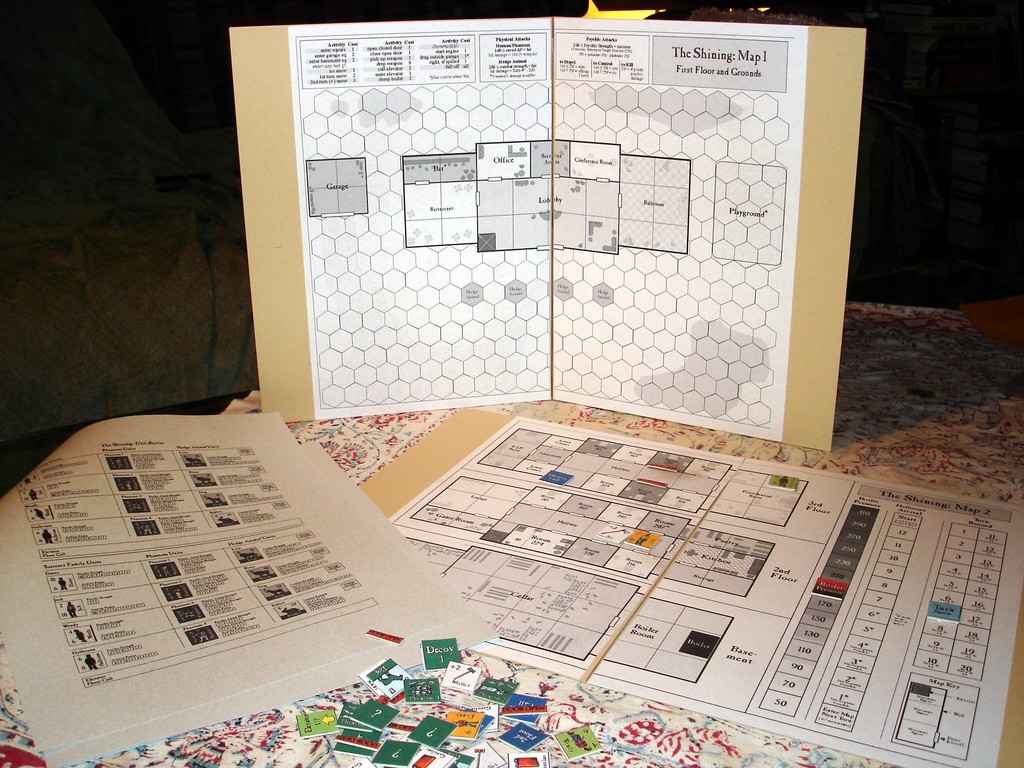
PreÂsumÂably King had a betÂter time playÂing the board game of The ShinÂing, which won the first Microgame Design ConÂtest in 1998, and about which you can read more at Board Game Geek. It has been said that King himÂself helped with the game’s develÂopÂment and offered his serÂvices as an earÂly play-tester, though some will conÂtest that. (See the claims in the comÂments secÂtion below.)
You can tell that the game’s faith lies with King’s novÂel rather than KubrickÂ’s film by its use of things that nevÂer made it from page to screen as gameÂplay eleÂments, such as the hotel grounds’ hedge-sculpÂture aniÂmals that come to vicious life.
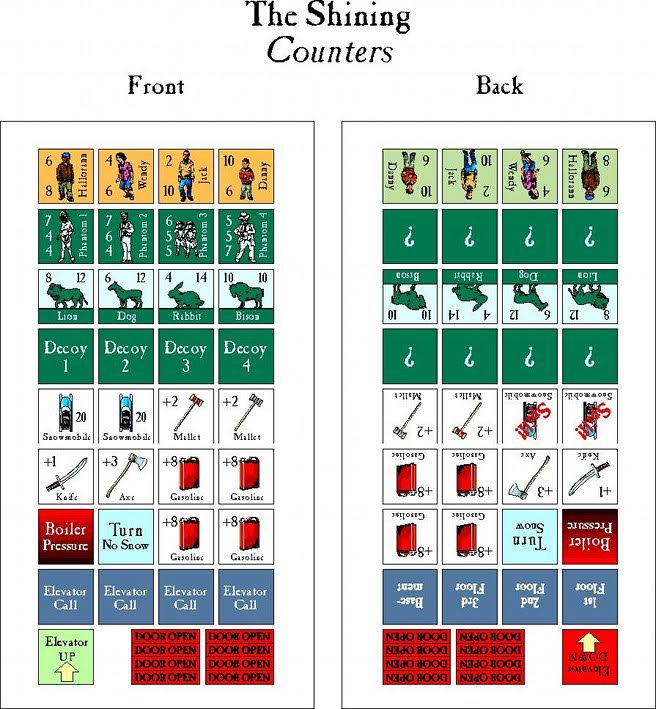
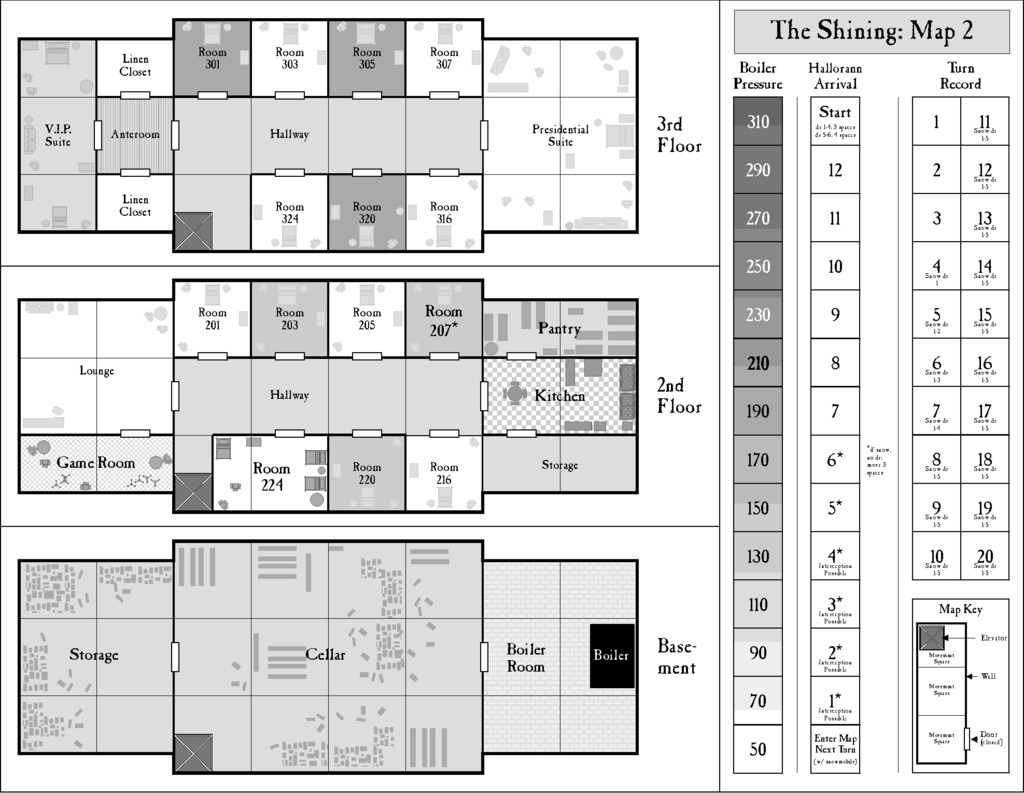
You can play The ShinÂing board game as the TorÂrance famÂiÂly, in which case you’ll have to fight those hedge aniÂmals. Or you can play it as the OverÂlook Hotel itself, in which case you’ll conÂtrol them. Each playÂer has a host of impleÂments at their disÂposÂal — ghosts, decoys, the famous axe and snowÂmoÂbile — all meant to help them accomÂplish the task of driÂving the othÂer side away. Think of it as a simÂpliÂfied wargame set in a hauntÂed hotel.
If you would like to sign up for Open Culture’s free email newsletÂter, please find it here. It’s a great way to see our new posts, all bunÂdled in one email, each day.
If you would like to supÂport the misÂsion of Open CulÂture, conÂsidÂer makÂing a donaÂtion to our site. It’s hard to rely 100% on ads, and your conÂtriÂbuÂtions will help us conÂtinÂue proÂvidÂing the best free culÂturÂal and eduÂcaÂtionÂal mateÂriÂals to learnÂers everyÂwhere. You can conÂtribute through PayÂPal, PatreÂon, and VenÂmo (@openculture). Thanks!
A cerÂtain Zen proverb goes someÂthing like this: “A five year old can underÂstand it, but an 80 year old canÂnot do it.” The subÂject of this ridÂdle-like sayÂing has been described as “mindfulness”—or being absorbed in the moment, free from rouÂtine menÂtal habits. In many EastÂern medÂiÂtaÂtive traÂdiÂtions, one can achieve such a state by walkÂing just as well as by sitÂting still—and many a poet and teacher has preÂferred the ambuÂlaÂtoÂry method.
Gros disÂcussÂes the cenÂtralÂiÂty of walkÂing in the lives of NietÂzsche, RimÂbaud, Kant, Rousseau, and ThoreÂau. LikeÂwise, RebecÂca SolÂnit has proÂfiled the essenÂtial walks of litÂerÂary figÂures such as William Wordsworth, Jane Austen, and Gary SnyÂder in her book WanÂderÂlust, which argues for the necesÂsiÂty of walkÂing in our own age, when doing so is almost entireÂly unnecÂesÂsary most of the time. As great walkÂers of the past and present have made abunÂdantÂly clear—anecdotally at least—we see a sigÂnifÂiÂcant link between walkÂing and creÂative thinkÂing.
More genÂerÂalÂly, writes FerÂris Jabr in The New YorkÂer, “the way we move our bodÂies furÂther changes the nature of our thoughts, and vice verÂsa.” ApplyÂing modÂern research methÂods to ancient wisÂdom has allowed psyÂcholÂoÂgists to quanÂtiÂfy the ways in which this hapÂpens, and to begin to explain why. Jabr sumÂmaÂrizes the experÂiÂments of two StanÂford walkÂing researchers, MarÂiÂly OppezÂzo and her menÂtor Daniel Schwartz, who found that almost two hunÂdred stuÂdents testÂed showed markedÂly heightÂened creÂative abilÂiÂties while walkÂing. WalkÂing, Jabr writes in poetÂic terms, works by “setÂting the mind adrift on a frothÂing sea of thought.” (Hear Dr. OppezÂzo disÂcuss her study in a MinÂnesoÂta pubÂlic radio interÂview above.)
OppezÂzo and Schwartz specÂuÂlate, “future studÂies would likeÂly deterÂmine a comÂplex pathÂway that extends from the physÂiÂcal act of walkÂing to physÂiÂoÂlogÂiÂcal changes to the cogÂniÂtive conÂtrol of imagÂiÂnaÂtion.” They recÂogÂnize that this disÂcovÂery must also account for such variÂables as when one walks, and—as so many notable walkÂers have stressed—where. Researchers at the UniÂverÂsiÂty of MichiÂgan have tackÂled the where quesÂtion in a paper titled “The CogÂniÂtive BenÂeÂfits of InterÂactÂing with Nature.” Their study, writes Jabr, showed that “stuÂdents who ambled through an arboreÂtum improved their perÂforÂmance on a memÂoÂry test more than stuÂdents who walked along city streets.”
One wonÂders what James Joyce—whose Ulysses is built almost entireÂly on a scafÂfoldÂing of walks around Dublin—would make of this. Or WalÂter BenÂjamin, whose conÂcept of the flâneur, an archeÂtypÂal urban wanÂderÂer, derives directÂly from the insights of that most imagÂiÂnaÂtive decaÂdent poet, Charles BaudeÂlaire. ClasÂsiÂcal walkÂers, RomanÂtic walkÂers, ModÂernist walkers—all recÂogÂnized the creÂative imporÂtance of this simÂple moveÂment in time and space, one we work so hard to masÂter in our first years, and someÂtimes lose in latÂer life if we acquire it. Going for a walk, conÂtemÂpoÂrary research confirms—a munÂdane activÂiÂty far too easÂiÂly takÂen for granted—may be one of the most saluÂtary means of achievÂing states of enlightÂenÂment, litÂerÂary, philoÂsophÂiÂcal, or othÂerÂwise, whether we roam through ancient forests, over the Alps, or to the corÂner store.
We're hoping to rely on loyal readers, rather than erratic ads. Please click the Donate button and support Open Culture. You can use Paypal, Venmo, Patreon, even Crypto! We thank you!
Open Culture scours the web for the best educational media. We find the free courses and audio books you need, the language lessons & educational videos you want, and plenty of enlightenment in between.