Insanely Cute Cat Commercials from Studio Ghibli, Hayao Miyazaki’s Legendary Animation Shop

Back in 2010, Hayao Miyaza­ki’s com­pa­ny Stu­dio Ghi­b­li pro­duced a com­mer­cial for the mas­sive food con­glom­er­ate Nissin Sei­fun. The spot cen­ters on a rotund cat named Kon­yara who bats lazi­ly at a red but­ter­fly – Nissin’s logo. Kon­yara is ren­dered in sim­ple thick, black lines that recall Japan­ese sumi‑e paint­ing.

Miyaza­ki report­ed­ly didn’t have much to do direct­ly with the piece but his influ­ence is all over it. The com­mer­cial was pro­duced by Miyazaki’s long time col­lab­o­ra­tor Toshio Suzu­ki and ani­mat­ed by Kat­suya Kon­do, who did the char­ac­ter design for per­haps Miyazaki’s most cat-cen­tric movie Kiki’s Deliv­ery Ser­vice.

Anoth­er Miyaza­ki col­lab­o­ra­tor, pop leg­end Akiko Yano, did the music. More to the point, Kon­yara looks like some of Miyazaki’s most endur­ing char­ac­ters from Totoro to Ponyo to the Kodama from Princess Mononoke. Adorable, ele­gant and vital.

The com­mer­cial was so suc­cess­ful that Nissin com­mis­sioned two more. The sec­ond one aired in 2012 and fea­tured a sleepy Kon­yara strug­gling to grab 40 winks while her off­spring, named Ko-Kon­yara (trans: Lit­tle Kon­yara), insists on cud­dling. The cal­lig­ra­phy on the side reads “Always togeth­er.”

The most recent Ghibli/Nissin com­mer­cial came out a few months ago. Konyara’s brood has expand­ed to three – the two new cats named Kuroneko and Buchi. All three tum­ble into the frame as Kon­yara presents them with a fish while text appears read­ing, “I’m hun­gry.” When the lit­tle black kit­ten, who looks a lot like a soot sprite from Totoro, runs off with din­ner, Kon­yara gives a resigned sigh. It’s an expres­sion that any­one who has spent long peri­ods with very young chil­dren will rec­og­nize.

You can watch all three above or here.

via Car­toon Brew

Relat­ed Con­tent:

The Simp­sons Pay Won­der­ful Trib­ute to the Ani­me of Hayao Miyaza­ki

How to Make Instant Ramen Com­pli­ments of Japan­ese Ani­ma­tion Direc­tor Hayao Miyaza­ki

French Stu­dent Sets Inter­net on Fire with Ani­ma­tion Inspired by Moe­bius, Syd Mead & Hayao Miyaza­ki

Jonathan Crow is a Los Ange­les-based writer and film­mak­er whose work has appeared in Yahoo!, The Hol­ly­wood Reporter, and oth­er pub­li­ca­tions. You can fol­low him at @jonccrow. And check out his blog Veep­to­pus, fea­tur­ing lots of pic­tures of vice pres­i­dents with octo­pus­es on their heads.  The Veep­to­pus store is here.

Alexander Pushkin’s Poem “The Mermaid” Brought to Life in a Masterfully Hand-Painted Animation

Though his name may not car­ry much weight in Eng­lish speak­ing circles—his virtues “lost in trans­la­tion”—no Russ­ian writer stood as high in his time as Alexan­der Pushkin (1799–1837). In his short life of 37 years, Pushkin—the great grand­son of a cap­tured African prince—authored two of his coun­try’s most revered and influ­en­tial works, the play Boris Godunov and the nov­el in verse Eugene One­gin. Like a char­ac­ter in that lat­ter work, the eru­dite noble­man poet met his death at the hands of a sup­posed roman­tic rival “on a win­ter evening,” writes Phoebe Taplin in The Tele­graph, when he “trav­elled by sleigh from Nevsky Prospekt to the Black Riv­er area of St. Peters­burg, then filled with woods and dachas, where Georges D’Anthès fatal­ly wound­ed him in the stom­ach.”

Pushkin wrote as pas­sion­ate­ly as he lived—and died. (That final duel was the last of twen­ty-nine he fought). His work remains vis­cer­al­ly com­pelling, even in trans­la­tion: into oth­er lan­guages, oth­er gen­res, and oth­er media, as in the ani­mat­ed film above of a short poem of Pushk­in’s called Rusal­ka, or “The Mer­maid.” Ani­mat­ed in a mas­ter­ful hand-paint­ed style by Russ­ian artist and film­mak­er Alexan­der Petrov, the film tells the sto­ry of a monk who falls in love with a beau­ti­ful and dan­ger­ous myth­i­cal water spir­it. You can read a para­phrase, trans­la­tion, and inter­pre­ta­tion of the poem here. I rec­om­mend watch­ing the ten-minute film first. Though pre­sent­ed in Russ­ian with­out sub­ti­tles, you will—even if you don’t speak Russian—find your­self seduced.

Petrov, who painstak­ing­ly paints his images on glass with oils, has also adapt­ed the work of oth­er dra­mat­ic writ­ers, includ­ing anoth­er fel­low Russ­ian artist, Dos­to­evsky. His take on Hem­ing­way’s The Old Man and the Sea won an Acad­e­my Award in 2000, and most deserved­ly so. Petrov does not adapt lit­er­ary works so much as he trans­lates them into light, shad­ow, and sound, immers­ing us in their tex­tures and images. His Rusal­ka, just like the poem on which it’s based, speaks direct­ly to our imag­i­na­tions.

Find more lit­er­ary ani­ma­tions in the Ani­ma­tion sec­tion of our col­lec­tion, 4,000+ Free Movies Online: Great Clas­sics, Indies, Noir, West­erns, Doc­u­men­taries & More.

Relat­ed Con­tent:

Watch a Hand-Paint­ed Ani­ma­tion of Dostoevsky’s “The Dream of a Ridicu­lous Man”

Crime and Pun­ish­ment by Fyo­dor Dos­toyevsky Told in a Beau­ti­ful­ly Ani­mat­ed Film by Piotr Dumala

Niko­lai Gogol’s Clas­sic Sto­ry, “The Nose,” Ani­mat­ed With the Aston­ish­ing Pin­screen Tech­nique (1963)

Josh Jones is a writer and musi­cian based in Durham, NC. Fol­low him at @jdmagness

10 Rules for Writers by Etgar Keret, the Israeli Master of the Short and Strange

Etgar Keret, above, is a best sell­ing author and award-win­ning film­mak­er with the soul of a teenage zine pub­lish­er. He’s a mas­ter of the strange and short who plays by his own rules. This sounds like a recipe for out­sider sta­tus but Keret fre­quent­ly pops up in The New York Times, The New York­er, and on pub­lic radio’s This Amer­i­can Life.

The child of Holo­caust sur­vivors told Tikkun that he began writ­ing sto­ries as a way out of his mis­er­able exis­tence as a stut­ter­ing 19-year-old sol­dier in the Israeli army. This may explain why he’s so gen­er­ous with young fans, hand­ing his sto­ries over to them to inter­pret in short films and ani­ma­tions.

When Rook­ie, a web­site for teenage girls, invit­ed him to share ten writ­ing tips, he play­ful­ly oblig­ed. It’s worth not­ing that he refrained from pre­scrib­ing some­thing that’s a sta­ple of oth­er authors’ tip lists — the adop­tion of a dai­ly writ­ing prac­tice. As he told the San Fran­cis­co Bay Guardian:

For me, the term “writ­ing rou­tine” sounds like an oxy­moron. It is a bit like say­ing “hav­ing-a-once-in-a-life­time-insight-which-makes-you-want-to burst-into-tears rou­tine.”

With no fur­ther ado, here are his ten rules for writ­ers, along with a lib­er­al sprin­kling of some of my favorite Keret sto­ries.

1. Make sure you enjoy writ­ing.

You won’t find Keret com­par­ing his cho­sen pro­fes­sion to open­ing a vein. As he told Rook­ie:

Writ­ing is a way to live anoth­er life…be grate­ful for the oppor­tu­ni­ty to expand the scope of your life.

2. Love your char­ac­ters.

…though few will ever seem as lov­able as the girl in Goran Dukic’s charm­ing ani­ma­tion of  Keret’s sto­ry “What Do We Have In Our Pock­ets?” below.

3. When you’re writ­ing, you don’t owe any­thing to any­one.

Don’t equate lov­ing your char­ac­ters with treat­ing them nice­ly. See Keret’s sto­ry “Fun­gus.”

4. Always start from the mid­dle.

This is per­haps Keret’s most con­ven­tion­al tip, though his writ­ing shows he’s any­thing but con­ven­tion­al when it comes to locat­ing that mid­dle. His novel­la, Kneller’s Hap­py Campers (on which the film Wrist­cut­ters: A Love Sto­ry, star­ring Tom Waits, was based) man­ages to start at the begin­ning, mid­dle and end.

5. Try not to know how it ends.

At the very least, be pre­pared to dig your­self out to a dif­fer­ent real­i­ty, like the nar­ra­tor in Keret’s very short sto­ry “Mys­tique,” read below by actor Willem Dafoe.

6. Don’t use any­thing just because “that’s how it always is.”

Here, Keret is refer­ring to what he termed “the shrine of form” in an inter­view with his great admir­er, broad­cast­er Ira Glass, but his con­tent is sim­i­lar­ly unfet­tered.  If your writing’s become bogged down by real­i­ty, try intro­duc­ing a mag­ic fish who’s flu­ent in every­thing, as in “What, of This Gold­fish, Would You Wish?,” read by author Gary Shteyn­gart, below.

7. Write like your­self.

Leave the crit­ics hold­ing the bag on com­par­isons to Franz Kaf­ka, Kurt Von­negut and Woody Allen, Lydia Davis, Amos Oz, Don­ald Barthelme

8. Make sure you’re all alone in the room when you write.

um…Etgar? Does this mean I have to give up my cof­fice?

9. Let peo­ple who like what you write encour­age you.

Nerts to under­min­ers, fren­e­mies, with­er­ing inter­nal edi­tors, and delib­er­ate­ly hate­ful review­ers!

10. Hear what every­one has to say but don’t lis­ten to any­one (except me).

Read the Rook­ie inter­view in which Keret expands on his rules.

via Rook­ie

Relat­ed Con­tent:

Stephen Kings’ Top 20 Rules for Writ­ers

Kurt Von­negut’s 8 Tips on How to Write a Good Short Sto­ry

Ray Brad­bury Gives 12 Piece of Writ­ing Advice to Young Authors (2001)

Ayun Hal­l­i­day is an author, illus­tra­tor, and Chief Pri­ma­tol­o­gist of the East Vil­lage Inky zine. Fol­low her @AyunHalliday

Vintage 1930s Japanese Posters Artistically Market the Wonders of Travel

Vintage-Japanese-Tourism-Posters

Ear­li­er this year, we fea­tured vin­tage Japan­ese print adver­tise­ments from the gold­en age of Art Deco and for such prod­ucts as beer, sake, and cig­a­rettes. If you like that sort of thing, you might con­sid­er pay­ing atten­tion to the recent­ly launched Brand­ing in Asia, a site detect­ed to cov­er­ing “the art of brand­ing” as expressed in “the excit­ing new ideas and con­cepts explod­ing from the mind of Asia” — or the excit­ing old ideas and con­cepts which, aes­thet­i­cal­ly speak­ing, remain pret­ty explo­sive still.

Vintage-Japanese-Travel13

Take, for instance, their col­lec­tion of clas­sic Japan­ese steamship ads. “In the ear­ly part of the 20th cen­tu­ry,” writes Steph Aromdee, “Japan’s increas­ing­ly pros­per­ous mid­dle class was tak­ing to the high seas for trav­el. One com­pa­ny, the Japan Mail Steamship, adver­tised heav­i­ly, hop­ing to attract would-be tourists to their lux­u­ry ships. What were like­ly at the time regard­ed as sim­ple adver­tise­ments and brochures that sim­ply showed depar­tures and des­ti­na­tions, have today become viewed as stun­ning works of art.”

Vintage-Japanese-Travel4

Here we’ve excerpt­ed a few such adver­tise­ments from their impres­sive selec­tion which, as you can see, ranges artis­ti­cal­ly from the styl­ized to the real­is­tic, and con­cep­tu­al­ly from the prac­ti­cal to the pure­ly evoca­tive. They might entice read­ers onto a steamship voy­age with an Art Deco bathing beau­ty, a con­trast of human trav­el­er against moun­tain’s majesty, a detailed map enu­mer­at­ing a vari­ety of pos­si­ble des­ti­na­tions, or, as in the case of deer-filled Nara, a scat­ter­ing of local icons.

Vintage-Japanese-Travel11

The age of the steamship has, of course, long since dis­solved into the roman­tic past, even in Japan. Or per­haps I should say espe­cial­ly in Japan, whose shinkansen bul­let train not only put every oth­er mode of trans­port straight into obso­les­cence, but — at least to my mind — also boasts a cut­ting-edge romance of its own.

Vintage-Japanese-Travel-posters7

And so these adver­tise­ments, more than 70 years after their print­ings, still get me plan­ning my next trip to Japan, a coun­try that knows a thing or two about desire and place. “Even in Kyoto,” wrote 17th-cen­tu­ry poet Mat­suo Bashō, “I long for Kyoto.”
Vintage-Japanese-Travel-posters12

via Brand­ing in Asia

Relat­ed Con­tent:

Adver­tise­ments from Japan’s Gold­en Age of Art Deco

Glo­ri­ous Ear­ly 20th-Cen­tu­ry Japan­ese Ads for Beer, Smokes & Sake (1902–1954)

Hand-Col­ored Pho­tographs of 19th Cen­tu­ry Japan

Col­in Mar­shall writes on cities, lan­guage, Asia, and men’s style. He’s at work on a book about Los Ange­les, A Los Ange­les Primer, and the video series The City in Cin­e­ma. Fol­low him on Twit­ter at @colinmarshall or on Face­book.

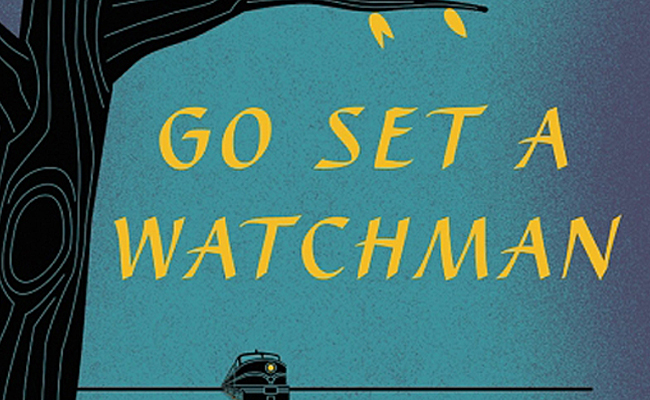
Read the First Chapter of Harper Lee’s New Book, Then Hear It Read by Reese Witherspoon

Go Set a Watchman

After much press and debate, Harp­er Lee’s new nov­el — a sequel of sorts to her beloved book, To Kill a Mock­ing­bird — will be released on July 14th. You can pre-order Go Set a Watch­man: A Nov­el (already #1 on Ama­zon’s best­seller list). But, even bet­ter, you can head over to the The Wall Street Jour­nal or The Guardian and read the first chap­ter online. The Guardian also fea­tures an audio ver­sion read by the Oscar-win­ning actress Reese With­er­spoon. Stream it right below. (And, fyi, you can always down­load a free audio copy of To Kill a Mock­ing­bird through the free tri­al pro­grams run by Audiobooks.com and Audible.com.)

Fol­low us on Face­book, Twit­ter, Google Plus and LinkedIn and share intel­li­gent media with your friends. Note: There’s now a way to make sure that our posts show up in your Face­book news­feed. Find info on that here.

by | Permalink | Make a Comment ( 2 ) |

With Medieval Instruments, Band Performs Classic Songs by The Beatles, Red Hot Chili Peppers, Metallica & Deep Purple

We’ve seen Euro­peans cov­er famous rock and met­al bands in an Amer­i­can folk style—Finnish musi­cians play­ing AC/DC, Iron Maid­en, and Dio in Appalachi­an folk, to be exact. Now, pre­pare to hear famous rock and met­al bands in a dis­tinc­tive­ly Euro­pean folk style: Medieval Belaru­sian folk, played by the beau­ti­ful­ly named Stary Olsa. The band’s name derives from a stream in East Belarus—their cloth­ing, instru­men­ta­tion, and rhythms from an ear­ly Lithuan­ian state called the Grand Duchy—but the songs are all 20th cen­tu­ry radio fod­der. Above, see them do Deep Purple’s “Child in Time,” and below, they tack­le the Red Hot Chili Pep­pers’ “Cal­i­for­ni­ca­tion.”

Stary Olsa’s cov­er of Metallica’s “One” (fur­ther down), already an incred­i­bly dra­mat­ic song, works par­tic­u­lar­ly well in their syn­co­pat­ed Spar­tan style. The sounds and cos­tum­ing of the accom­plished Belaru­sian musi­cians will inevitably remind you—if you haven’t been under a rock in Belarus—of that Medieval-style fan­ta­sy show in which your favorite char­ac­ters meet hor­ri­bly vio­lent ends week after week.

When we look at the bloody his­to­ry of Medieval Europe, the grue­some­ness of Wes­t­eros can seem like only a slight exaggeration—dragons and ice zom­bies aside—of the so-called “dark ages.” These asso­ci­a­tions, and the solem­ni­ty of the song selec­tion and stark­ness of the voic­es and instru­ments, lend Stary Olsa’s per­for­mances a grav­i­tas that, frankly, ele­vates some of the mate­r­i­al far above its pop ori­gins (I’m look­ing at you, Red Hot Chili Pep­pers).

In order for such meld­ings of styles, peri­ods, and cul­tures to work, whether they be played for laughs or deeply seri­ous, the musi­cian­ship must be top notch. Such was the case with Finnish blue­grass met­al cov­er band Steve ‘N’ Seag­ulls, and such is cer­tain­ly the case with Stary Olsa, who have appeared on Belaru­sian TV (from which some of these videos come) and are cur­rent­ly find­ing a lev­el of pop­u­lar­i­ty out­side their native coun­try that few Belaru­sian bands have achieved. It’s unlike­ly we’ll see them soon on the rock fes­ti­val cir­cuit, but their sta­tus as an inter­net sen­sa­tion is all but guar­an­teed. Just below, see the band trans­late a med­ley of The Bea­t­les’ “Obla-La-Di, Ob-La-Da” and “Yel­low Sub­ma­rine” into their musi­cal idiom, prov­ing that they don’t just do dark, haunt­ing, and mys­te­ri­ous; they’re also pos­i­tive­ly dance­able.

Relat­ed Con­tent:

Finnish Musi­cians Play Blue­grass Ver­sions of AC/DC, Iron Maid­en & Ron­nie James Dio

Pak­istani Musi­cians Play Amaz­ing Ver­sion of Dave Brubeck’s Jazz Clas­sic, “Take Five”

Watch Jimi Hendrix’s ‘Voodoo Chile’ Per­formed on a Gayageum, a Tra­di­tion­al Kore­an Instru­ment

Josh Jones is a writer and musi­cian based in Durham, NC. Fol­low him at @jdmagness

The 321 Books in David Foster Wallace’s Personal Library: From Blood Meridian to Confessions of an Unlikely Bodybuilder

Wallace_Books_Williamson_002_large

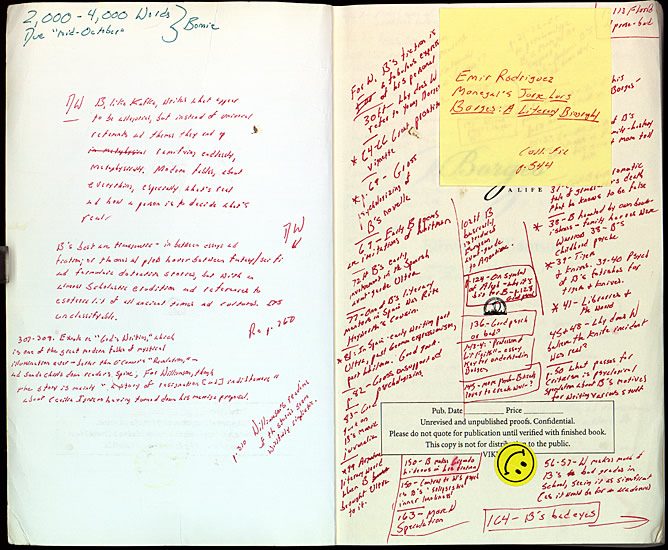
Not long after David Fos­ter Wal­lace died, his fans found them­selves with a new place of pil­grim­age: not his tomb­stone, in the man­ner of a Jim Mor­ri­son or a Kurt Cobain, but his lit­er­ary archives. You’ll find them at the Har­ry Ran­som Cen­ter at the Uni­ver­si­ty of Texas at Austin. From their col­lec­tion, we’ve pre­vi­ous­ly fea­tured Wal­lace’s fall 1994 Eng­lish 102 syl­labus from when he taught at Illi­nois State Uni­ver­si­ty, his Eng­lish 183A hand­out break­ing down (in the way that only he could) five com­mon usage mis­takes, and the lan­guage books con­tained in his per­son­al library.

Any read­er even casu­al­ly acquaint­ed with Wal­lace’s nov­els and essays will imme­di­ate­ly sense his deep inter­est in lan­guage. But if you browse through the Ran­som Cen­ter’s col­lec­tion of 321 books from the author of Infi­nite Jest and A Sup­pos­ed­ly Fun Thing I’ll Nev­er Do Again’s own shelves (most of them seem­ing­ly well-anno­tat­ed), you’ll find a good deal of evi­dence about what else inter­est­ed him. The Awl’s Maria Bustil­los did a post on the sur­pris­ing vari­ety of self-help books found there­in. Oth­er rep­re­sent­ed types of books include:

  • Mass-mar­ket thrillers like Thomas Har­ris’ The Silence of the LambsHan­ni­bal and Han­ni­bal Ris­ing, and Stephen King’s Car­rie
  • The nov­els of his peers like Rick Moody’s The Divin­ers, Richard Pow­ers’ GainGalatea 2.2, and Oper­a­tion Wan­der­ing Soul, Mark Leyn­er’s Et Tu, Babe and My Cousin, My Gas­troen­terol­o­gist, Jonathan Franzen’s Strong Motion, Cor­mac McCarthy’s Blood Merid­i­an and Nichol­son Bak­er’s Room Tem­per­a­ture
  • Books he wrote about like Bryan Gar­ner’s A Dic­tio­nary of Mod­ern Amer­i­can Usage, Edwin Williamson’s Borges: A Life, John Updike’s Toward the End of Time
  • Books on his own work like William C. Dowl­ing’s A Read­er’s Com­pan­ion to Infi­nite Jest
  • Books on the mid­west from which he came like A Place of Sense: Essays in Search of the Mid­west
  • Books clear­ly used as research mate­ri­als for his final, incom­plete, IRS-cen­tric nov­el The Pale King like Michael J. Graet­z’s The U.S. Income Tax: What It Is, How It Got That Way, and Where We Go from Here, William L. Raby’s The Reluc­tant Tax­pay­er, and Mar­ty Kaplan’s What the IRS Does­n’t Want You to Know: A CPA Reveals the Tricks of the Trade
  • My own favorite nov­els like Joseph Heller’s Some­thing Hap­pened, Richard Yates’ Rev­o­lu­tion­ary Road, and Alexan­der Ther­oux’s Dar­conville’s Cat

Have a look, and maybe you too can find a few of your own cur­rent or future favorite books. We could all do worse, after all, than to read like David Fos­ter Wal­lace did, even if it leads us to the occa­sion­al vol­ume like Mus­cle: Con­fes­sions of an Unlike­ly Body­builder; Barbed Wire: A Polit­i­cal His­to­ry; or Jack B. Nim­ble’s The Con­struc­tion and Oper­a­tion of Clan­des­tine Drug Lab­o­ra­to­ries. And for a week­end activ­i­ty, we could do worse than com­par­ing Wal­lace’s per­son­al library to that of Mar­i­lyn Mon­roe, which we fea­tured last year.

Relat­ed Con­tent:

David Fos­ter Wallace’s 1994 Syl­labus: How to Teach Seri­ous Lit­er­a­ture with Light­weight Books

David Fos­ter Wallace’s Love of Lan­guage Revealed by the Books in His Per­son­al Library

David Fos­ter Wal­lace Breaks Down Five Com­mon Word Usage Mis­takes in Eng­lish

David Fos­ter Wal­lace: The Big, Uncut Inter­view (2003)

30 Free Essays & Sto­ries by David Fos­ter Wal­lace on the Web

Col­in Mar­shall writes on cities, lan­guage, Asia, and men’s style. He’s at work on a book about Los Ange­les, A Los Ange­les Primer, and the video series The City in Cin­e­ma. Fol­low him on Twit­ter at @colinmarshall or on Face­book.

CERN’s Cosmic Piano and Jazz Pianist Jam Together at The Montreux Jazz Festival

The Mon­treux Jazz Fes­ti­val — the sec­ond largest jazz fes­ti­val in the world — has seen many acts come and go since it kicked off in 1967. Miles Davis, Kei­th Jar­rett, Nina Simone, Bill Evans and Ella Fitzger­ald have all played there. And now we have the first con­cert per­formed by a jazz pianist (Al Blat­ter) and The Cos­mic Piano, an instru­ment cre­at­ed by par­ti­cle physi­cists at CERN, the home of the Large Hadron Col­lid­er, in Switzer­land. The Cos­mic Piano works some­thing like this: “When a cos­mic ray pass­es through one of four sep­a­rate detec­tor pads of the Cos­mic Piano, it trig­gers a musi­cal note and a colour­ful flash of light.” The rays arrive in ran­dom inter­vals, and once they’re com­bined with Blat­ter’s notes, you get some inter­est­ing polyrhyth­mic jazz. Catch a few high­lights above, and get more back­ground infor­ma­tion and video clips on CERN’s web site.

via @matthiasrascher

Relat­ed Con­tent:

NASA & Grate­ful Dead Drum­mer Mick­ey Hart Record Cos­mic Sounds of the Uni­verse on New Album

The Sound­track of the Uni­verse

CERN Physi­cist Explains the Ori­gins of the Uni­verse for Begin­ners with a Short Ani­mat­ed Video

Hig­gs Boson, the Musi­cal: CERN Data Turned into Melody

Free Stan­ford Course Explains Par­ti­cle Physics & the Large Hadron Col­lid­er

Free Online Physics Cours­es

The Hig­gs Boson, AKA the God Par­ti­cle, Explained with Ani­ma­tion

« Go BackMore in this category... »
Quantcast