How Jean-Paul Sartre’s Philosophy Can Empower You to Live the Life You Truly Want

The lat­est install­ment from The School of Life’s ani­mat­ed video series intro­duces us to Jean-Paul Sartre’s con­cept of bad faith, a con­cept inte­gral to his phi­los­o­phy, Exis­ten­tial­ism. As Mark Lin­sen­may­er, one of the founders of The Par­tial­ly Exam­ined Life pod­cast, explained on our site back in 2011, “bad faith” is a ten­den­cy we have to “dis­as­so­ci­ate our­selves from our actions,” or more com­mon­ly, to claim we have “more lim­it­ed choic­es [in life] than we actu­al­ly do.” He went on to say:

Bad faith is pos­si­ble because of the nature of the self… There is no pre­de­ter­mined ‘human nature’ or ‘true you,’ but instead you are some­thing built over time, by your own freely cho­sen actions, too often using the roles and char­ac­ter­is­tics oth­ers assign to you.

As is their wont, The School of Life takes Sartre’s notion of bad faith and applies it to every­day life, show­ing how it can help you cre­ate the life you want to live–from enter­ing into more sat­is­fy­ing rela­tion­ships, to get­ting out of dead-end jobs.

For any­one look­ing to get a fair­ly acces­si­ble intro­duc­tion to Sartre’s phi­los­o­phy, you might want to start with his 1946 lec­ture, Exis­ten­tial­ism is a Human­ism. And down below, in the Relat­eds sec­tion, we have more help­ful intro­duc­tions to Sartre’s lib­er­at­ing phi­los­o­phy.

Relat­ed Con­tent:

Jean-Paul Sartre Breaks Down the Bad Faith of Intel­lec­tu­als

Sartre, Hei­deg­ger, Niet­zsche: Doc­u­men­tary Presents Three Philoso­phers in Three Hours

Down­load Wal­ter Kaufmann’s Lec­tures on Niet­zsche, Kierkegaard, Sartre & Mod­ern Thought (1960)

140+ Free Online Phi­los­o­phy Cours­es

Simone de Beau­voir Explains “Why I’m a Fem­i­nist” in a Rare TV Inter­view (1975)

by | Permalink | Make a Comment ( 1 ) |

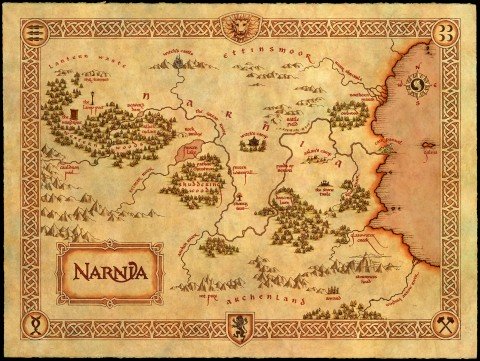
Hear All of C.S. Lewis’ Chronicles of Narnia Novels as Free Audio Books

NarniaMap-e1324285473899

I have not seen the sec­ond two of a promised sev­en films based on the nov­els in C.S. Lewis’ The Chron­i­cles of Nar­nia series. But I tend to agree with sev­er­al crit­ics of the first filmed adap­ta­tion, The Lion, the Witch and the Wardrobe: “The PG-rat­ed movie feels safe and con­strict­ed,” Peter Tra­vers observed, “in a way the sto­ry nev­er does on the page.” Although Lewis “did noth­ing to hide his devout Chris­tian­i­ty” in his alle­gor­i­cal Nar­nia books for young adults, nor in his grown-up sci-fi fan­ta­sy series, The Space Tril­o­gy, Lewis on the page comes across as a rig­or­ous writer first and a Chris­t­ian apol­o­gist sec­ond. Except, I’d argue, for his work of explic­it­ly pop­ulist, and rather facile, apolo­get­ics, Mere Chris­tian­i­ty (orig­i­nal­ly a series of radio lec­tures), his fic­tion and pop­u­lar non-fic­tion alike present readers—whatever their beliefs—with chal­leng­ing, inven­tive, wit­ty, and mov­ing ways to think about the human con­di­tion.

Lewis’ immer­sion in Euro­pean Medieval and Renais­sance lit­er­a­ture in his day-job role as an Oxford don—and his ecu­meni­cal, almost Jun­gian, approach to lit­er­a­ture generally—gives his fic­tion a seri­ous arche­typ­al depth that most mod­ern reli­gious nov­el­ists lack, mak­ing him, along with fel­low “Inkling” J.R.R. Tolkien, some­thing of a lit­er­ary saint in mod­ern Chris­tian­i­ty. Though it may offend the ortho­dox to say so, Lewis’ nov­els cap­ture a “deep mag­ic” at the heart of all mytho­log­i­cal and lit­er­ary tra­di­tions. And they do so in a way that makes explor­ing heavy, grown-up themes excit­ing for both chil­dren and adults. Though I’ve per­son­al­ly left behind the beliefs that ani­mat­ed my first read­ings of his books, I can still return to The Chron­i­cles of Nar­nia and find in them deep mag­ic and mys­tery.

There’s no deny­ing the enor­mous influ­ence these books have had on children’s fan­ta­sy lit­er­a­ture, from Har­ry Pot­ter to Lewis’ athe­ist antag­o­nist Philip Pull­man. I look for­ward to shar­ing his books with my daugh­ter, what­ev­er she ends up mak­ing of their reli­gios­i­ty. I’ve still got my tat­tered paper­back copies, and I’ll glad­ly read them to her before she can tack­le them her­self, but I’m also grate­ful for the com­plete audio record­ings of The Chron­i­cles of Nar­nia, avail­able free online and read by Eng­lish child psy­chol­o­gist and author Chris­si Hart. In install­ments of two chap­ters at a time, Hart reads all sev­en of the Nar­nia books, The Lion, the Witch and the Wardrobe, Prince Caspi­an, The Voy­age of the Dawn Tread­er, The Sil­ver Chair, The Horse and His Boy, The Magician’s Nephew, and The Last Bat­tle.

You can hear the first two chap­ters of The Lion, the Witch and the Wardrobe above, and stream or down­load the remain­ing chap­ters, and the remain­ing six books, at Ancientfaith.com. Although Hart and the Ancient Faith site who host her read­ings clear­ly approach the nov­els from an explic­it­ly Ortho­dox per­spec­tive, I don’t think read­ers need to share their beliefs, or Lewis’, to enjoy and appre­ci­ate the sto­ry­telling mag­ic of The Chron­i­cles of Nar­nia.

And it should be not­ed that CS Lewis Pte. Ltd. grant­ed per­mis­sion to put these record­ings online, accord­ing to the Ancient Faith web site. The record­ings are there­fore list­ed in our col­lec­tion, 1,000 Free Audio Books: Down­load Great Books for Free. Enjoy.

Relat­ed Con­tent:

C.S. Lewis’ Pre­scient 1937 Review of The Hob­bit by J.R.R. Tolkien: It “May Well Prove a Clas­sic”

Watch Hand-Drawn Ani­ma­tions of 7 Sto­ries & Essays by C.S. LewisWatch Hand-Drawn Ani­ma­tions of 7 Sto­ries & Essays by C.S. LewisWatch Hand-Drawn Ani­ma­tions of 7 Sto­ries & Essays by C.S. Lewis

The Only Known Record­ings of C.S. Lewis (1944–1948)

Josh Jones is a writer and musi­cian based in Durham, NC. Fol­low him at @jdmagness

A Spellbinding Supercut of the First & Final Frames of 70 Iconic Films, Played Side by Side

Film­mak­er Jacob T. Swin­ney’s First and Final Frames, Part II, above, is a rare sequel that upholds the qual­i­ty of the orig­i­nal.

As he did in its pre­de­ces­sor, Swin­ney screens the open­ing and clos­ing shots of dozens of recent and icon­ic films side by side, pro­vid­ing view­ers with a crash course in the edi­to­r­i­al eye.

What is being com­mu­ni­cat­ed when the clos­ing shot replicates—or inverts—the open­ing shot?

Will the open­ing shot become freight­ed with por­tent on a sec­ond view­ing, after one has seen how the film will end?

(Shake­speare would say yes.)

Swin­ney is deeply con­ver­sant in the non­ver­bal lan­guage of film, as evi­denced by his numer­ous com­pi­la­tions and video essays for Slate on such top­ics as the Kubrick Stare and the facial expres­sions of emo­tion­al­ly rev­e­la­to­ry moments.

Most of the films he choos­es for simul­ta­ne­ous cra­dle-and-grave-shot replay qual­i­fy as art, or seri­ous attempts there­at. You’d nev­er know from the for­mal­ism of its open­ing and clos­ing shots that Jim Jarmusch’s Mys­tery Train at the 1:00 mark is a com­e­dy.

To be fair, Clint Mansell’s uni­ver­sal­ly applied score could cloak even Ani­mal House in a veil of wist­ful, cin­e­mat­ic yearn­ing.

Giv­en the com­ic sen­si­bil­i­ty Swinney’s brought to such super­cuts as a Con­cise Video His­to­ry of Teens Climb­ing Through Each Oth­ers’ Win­dows  and a Tiny His­to­ry of Shrink­ing Humans in Movies, I’m hop­ing there will be a third install­ment where­in he con­sid­ers the first and final moments of come­dies.

Any you might rec­om­mend for inclu­sion? (Hold the Pink Flamin­gos, por favor…)

Films fea­tured in First and Final Frames, Part II in order of appear­ance:

Sun­shine

Snow­piercer

Biu­ti­ful

21 Grams

The Pres­tige

All is Lost

Take Shel­ter

The Impos­si­ble

Unit­ed 93

Vanil­la Sky

Ex Machi­na

Inside Llewyn Davis

Dead Man

Mys­tery Train

Melvin and Howard

Fury

Full Met­al Jack­et

A Clock­work Orange

Eyes Wide Shut

Eraser­head

The Ele­phant Man

The Fall

The Thin Red Line

The New World

Road to Perdi­tion

Snow Falling on Cedars

The Bourne Ulti­ma­tum

The Imi­ta­tion Game

Flight

Hard Eight

Inher­ent Vice

World War Z

Wild

The Dou­ble

The Machin­ist

Born on the Fourth of July

Brideshead Revis­it­ed

Maps to the Stars

The Skele­ton Twins

Mom­my

A Scan­ner Dark­ly

10 Years

Milk

Lost High­way

Box­car Bertha

Bad­lands

Ghost Dog: The Way of the Samu­rai

Rat­catch­er

Ida

Raise the Red Lantern

Gat­ta­ca

Kun­dun

Bring­ing Out the Dead

A Most Want­ed Man

The Curi­ous Case of Ben­jamin But­ton

The Social Net­work

Jack Goes Boat­ing

Sub­ma­rine

Half Nel­son

Eter­nal Sun­shine of the Spot­less Mind

Babel

Djan­go Unchained

True Grit

Ver­ti­go

Old­boy

Apoc­a­lyp­to

Dawn of the Plan­et of the Apes

Glad­i­a­tor

Mad Max: Fury Road

World’s Great­est Dad

Relat­ed Con­tent:

A Mes­mer­iz­ing Super­cut of the First and Final Frames of 55 Movies, Played Side by Side

Watch 7 New Video Essays on Wes Anderson’s Films: Rush­more, The Roy­al Tenen­baums & More

How Aki­ra Kuro­sawa Used Move­ment to Tell His Sto­ries: A Video Essay

Dis­cov­er the Life & Work of Stan­ley Kubrick in a Sweep­ing Three-Hour Video Essay

Ayun Hal­l­i­day is an author, illus­tra­tor, and Chief Pri­ma­tol­o­gist of the East Vil­lage Inky zine. Her play, Fawn­book, is now play­ing at The Brick The­ater in New York City. Fol­low her @AyunHalliday

A Young David Lynch Talks About Eraserhead in One of His First Recorded Interviews (1979)


“One of the first video record­ings of a David Lynch inter­view dates from 1979,” writes The New York­er’s Den­nis Lim. “The twen­ty-minute black-and-white seg­ment was pro­duced for a tele­vi­sion course at the Uni­ver­si­ty of Cal­i­for­nia, Los Ange­les, and con­duct­ed in the oil fields of the Los Ange­les Basin, one of the loca­tions that con­sti­tut­ed the bar­ren waste­land of his first fea­ture, Eraser­head (1977).” And it is Eraser­head these UCLA stu­dents, in what Lim calls “the moment of Lynch’s first brush with cult fame,” want to know about, putting a vari­ety of ques­tions to the young film­mak­er, and putting his abil­i­ty to answer them con­crete­ly to the test.

You may well learn more about Eraser­head in the the­ater-lob­by audi­ence respons­es col­lect­ed for the video, where­in the view­ers — view­ers, remem­ber, from a now hard-to-imag­ine time when the name David Lynch car­ried no mean­ing at all — exit­ing a screen­ing express reac­tions rang­ing from great plea­sure (some of them boast of hav­ing seen it as many as eight times already) to pre­dictable bewil­der­ment (“I’ve got­ta think about it for a while”) and even more pre­dictable dis­taste: “The weird­est thing I’ve ever seen.” “It’s ter­ri­ble. I did­n’t like it.” “Some inane, bizarre per­son with a dis­turbed mind wrote that film.” But does the man stand­ing there sub­mit­ting to a stu­dent inter­view in the mid­dle of an oil field seem so bizarre, so dis­turbed?

Some of Lynch’s answers, as when he describes Eraser­head as “not like thrown-togeth­er abstract” but “meant-to-be-that-way abstract,” may strike you as inane at first, but cer­tain­ly noth­ing he says cross­es the line from inani­ty to insan­i­ty. In the almost 40 years since the film’s first show­ing, Eraser­head has grown more artis­ti­cal­ly divi­sive even as its fan base spans a wider and wider range of gen­er­a­tions and nation­al­i­ties. Both its pro­mot­ers and its detrac­tors may some­times won­der if even Lynch him­self under­stands it, but to my mind, this ear­ly inter­view hints that he does. He made what he calls “an open-feel­ing film,” a fount of an infini­tude of inter­pre­ta­tions, and for that rea­son an endur­ing work of art. And he meant it to be that way.

Relat­ed Con­tent:

The Paint­ings of Filmmaker/Visual Artist David Lynch

David Lynch’s Unlike­ly Com­mer­cial for a Home Preg­nan­cy Test (1997)

David Lynch Teach­es You to Cook His Quinoa Recipe in a Weird, Sur­re­al­ist Video

What David Lynch Can Do With a 100-Year-Old Cam­era and 52 Sec­onds of Film

Col­in Mar­shall writes else­where on cities, lan­guage, Asia, and men’s style. He’s at work on a book about Los Ange­les, A Los Ange­les Primer, the video series The City in Cin­e­maand the crowd­fund­ed jour­nal­ism project Where Is the City of the Future? Fol­low him on Twit­ter at @colinmarshall or on Face­book.

« Go Back
Quantcast