Emily Wilson Is the First Woman to Translate Homer’s Odyssey into English: The New Translation Is Out Today

The list of Eng­lish trans­la­tors of Homer’s Odyssey includes an illus­tri­ous bunch of names every stu­dent of lit­er­a­ture knows: Thomas Hobbes, Alexan­der Pope, William Cow­per, Samuel But­ler, T.E. Lawrence, Robert Fitzger­ald, Robert Fagles…. Should you look fur­ther into the his­to­ry of Home­r­ic trans­la­tion, you might notice one thing imme­di­ate­ly. All of Homer’s trans­la­tors, to a man, have been men. None have, pre­sum­ably, approached the text from a woman’s point of view.

But what would that entail? Per­haps a cer­tain crit­i­cal dis­tance, sus­pi­cion even—an unwill­ing­ness to read­i­ly iden­ti­fy with or admire the hero or cred­it the tales of his exploits at their sup­posed val­ue. As Mar­garet Atwood writes in the intro­duc­tion to The Penelop­i­ad—her reimag­in­ing of the tale from Penelope’s perspective—“The sto­ry as told in The Odyssey doesn’t hold water: there are too many incon­sis­ten­cies.”

Atwood is not a trans­la­tor. Pro­lif­ic poet and schol­ar Anne Car­son, on the oth­er hand, has pub­lished acclaimed trans­la­tions of Sap­pho, Euripi­des, and Aeschy­lus. Of the art, she writes, “Silence is as impor­tant as words in the prac­tice and study of trans­la­tion.” Though Car­son calls the obser­va­tion “cliché,” the expe­ri­ence of anoth­er rare female clas­sics trans­la­tor in a field over­crowd­ed with men bears out the impor­tance of silence in a per­son­al way.

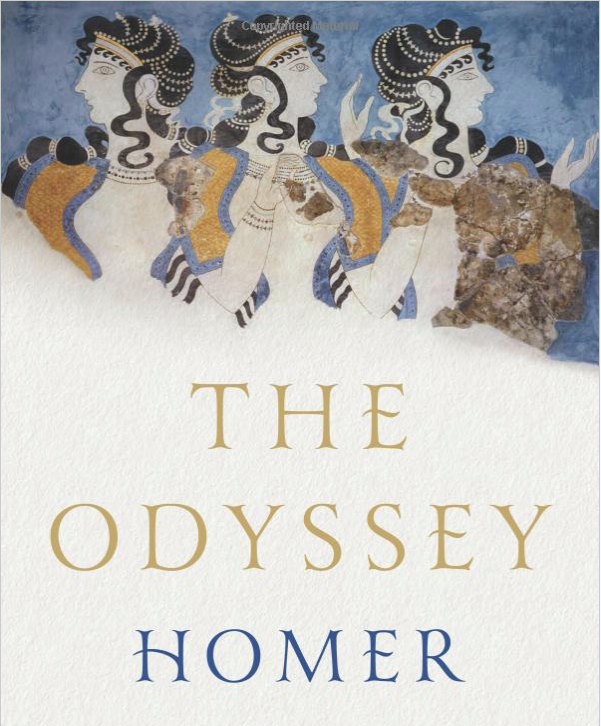
Clas­si­cist Emi­ly Wil­son has made the first trans­la­tion of The Odyssey by a woman. Her ver­sion, writes Wyatt Mason at The New York Times, approach­es the text afresh, apart from the chat­ter­ing con­ver­sa­tions between hun­dreds of years of pre­vi­ous attempts. “Wil­son has made small but, it turns out, rad­i­cal changes to the way many key scenes of the epic are pre­sent­ed,” notes Mason. This trans­la­tion is a cor­rec­tive, she believes, of a text that “has through trans­la­tion accu­mu­lat­ed dis­tor­tions that affect the way even schol­ars who read Greek dis­cuss the orig­i­nal.”

Con­fronting silence is a theme of Wilson’s inter­view with Mason about her new trans­la­tion. From a fam­i­ly of accom­plished schol­ars, most notably her father, nov­el­ist and crit­ic A.N. Wil­son, she remem­bers her child­hood as “a lot of silence… As a kid I was just aware of unhap­pi­ness, and aware of these things that weren’t ever being artic­u­lat­ed.” She grav­i­tat­ed toward clas­sics because of shy­ness and fear of mis­pro­nounc­ing liv­ing lan­guages. “You don’t have to have beau­ti­ful Latin pro­nun­ci­a­tion,” she says. “It took away a whole lev­el of shame.”

Greek tragedy appealed to Wil­son because of its tumul­tuous irrup­tion into the silence and shame of repressed emo­tion: “I had a child­hood where it was very hard to name feel­ings, and just the fact that tragedy as a genre is very good at nam­ing feel­ings. It’s all going to be talked out. I love that about it.” Her atten­tion to emo­tion­al nuance as much as to action, con­cept, and image in part inspires her care­ful, inde­pen­dent approach to the lan­guage of the text. As a salient exam­ple, Wil­son dis­cuss­es the word poly­tro­pos, used as the first descrip­tion we get of the poem’s hero.

The pre­fix poly… means “many” or “mul­ti­ple.” Tro­pos means “turn.” “Many” or “mul­ti­ple” could sug­gest that he’s much turned, as if he is the one who has been put in the sit­u­a­tion of hav­ing been to Troy, and back, and all around, gods and god­dess­es and mon­sters turn­ing him off the straight course that, ide­al­ly, he’d like to be on. Or, it could be that he’s this untrust­wor­thy kind of guy who is always going to get out of any sit­u­a­tion by turn­ing it to his advan­tage. It could be that he’s the turn­er.

Mason sur­veys the many ren­der­ings of the word by some of Wilson’s “60 some pre­de­ces­sors.” Though these trans­la­tions dis­play “quite a range,” they also tend toward sim­i­lar­ly flat­ter­ing inter­pre­ta­tions of Odysseus as “the turn­er.” He’s “pru­dent,” “for wisdom’s var­i­ous arts renown’d,” “for shrewd­ness famed/And genius ver­sa­tile,” “crafty,” “much-versed,” “deep,” “saga­cious,” “inge­nious,” “so wary and wise,” “clever,” and—in Stan­ley Lombardo’s trans­la­tion—“cun­ning.”

Con­trast these many superla­tives with Wilson’s open­ing lines (many more of which you can read at the Paris Review):

Tell me about a com­pli­cat­ed man.
Muse, tell me how he wan­dered and was lost
when he had wrecked the holy town of Troy,
and where he went, and who he met, the pain
he suf­fered in the storms at sea, and how
he worked to save his life and bring his men
back home. He failed to keep them safe; poor fools,
they ate the Sun God’s cat­tle, and the god
kept them from home. Now god­dess, child of Zeus,
tell the old sto­ry for our mod­ern times.
Find the begin­ning.

The silence in Wilson’s approach here is of the “meta­phys­i­cal” variety—as Car­son puts it—where “inten­tions are hard­er to define.” It is a refusal to make hasty appraisals or assume sin­gu­lar design or agency. “What gets us to ‘com­pli­cat­ed,’” she says, “is both that I think it has some hint of the orig­i­nal ambiva­lence and ambi­gu­i­ty… and hints at ‘There might be a prob­lem with him.’” We will learn about his turn­ing and his being turned, and we must make up our own minds about what sort of per­son he is. The word also res­onates strong­ly with con­tem­po­rary usage. “I want­ed it to feel like an idiomat­ic thing,” says Wil­son, “that you might say about some­body: that he is com­pli­cat­ed.” It is, she admits, “a flag. It says, ‘Guess what?—this is dif­fer­ent.’ ”

Com­pli­cat­ed: from a cer­tain point of view, we might say this about every­body, which adds a mod­ern lay­er of anx­ious, and very human, uni­ver­sal­ism to the descrip­tion of the poem’s hero, so often cast as a hero­ic trick­ster arche­type. Wil­son expects push­back for her refusal to adhere to what she calls the “boys’ club” of clas­si­cal trans­la­tion shib­bo­leths, many passed down from Matthew Arnold’s cri­te­ria in his 1860 lec­tures “On Trans­lat­ing Homer.” These cri­te­ria, she says, are about “noblesse oblige… you’re going to be the kind of gen­tle­men who’s going to have gone to Rug­by and that will be the kind of lan­guage that we speak… It’s describ­ing a boys’ club.”

Her obser­va­tions turn the gaze back upon the lin­eage of male trans­la­tors, exam­in­ing how gen­der, as well as class and nation­al­i­ty, fea­tures in the way they used lan­guage. “I do think that gen­der mat­ters,” she says, “and I’m not going to not say it’s some­thing I’m grap­pling with.” But gen­der is only one part of the com­pli­cat­ed iden­ti­ty of any trans­la­tor. Wil­son describes her approach as “try­ing to take this task and this process of respond­ing to this text and cre­at­ing this text extreme­ly seri­ous­ly, with what­ev­er I have, lin­guis­ti­cal­ly, son­i­cal­ly, emo­tion­al­ly.” You may appre­ci­ate the results yourself—either enjoy­ing them afresh or com­par­ing them to pre­vi­ous trans­la­tions you’ve loved, liked, or loathed—by pur­chas­ing a copy Wilson’s Odyssey start­ing today.

via The New York Times

Relat­ed Con­tent:

Hear What Homer’s Odyssey Sound­ed Like When Sung in the Orig­i­nal Ancient Greek

An Inter­ac­tive Map of Odysseus’ 10-Year Jour­ney in Homer’s Odyssey

Greek Myth Comix Presents Homer’s Ili­ad & Odyssey Using Stick-Man Draw­ings

Josh Jones is a writer and musi­cian based in Durham, NC. Fol­low him at @jdmagness

2,000+ Impressionist, Post-impressionist & Early Modern Paintings Now Free Online, Thanks to the Barnes Foundation

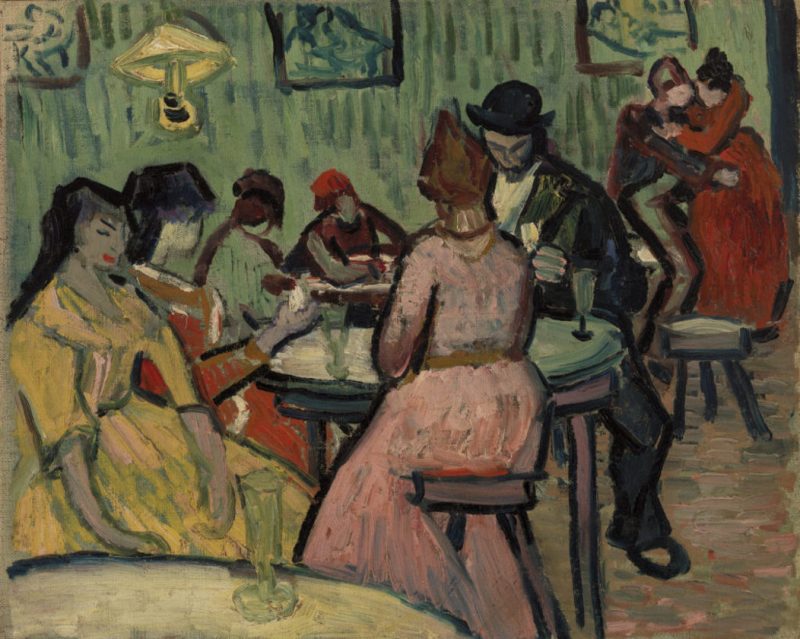
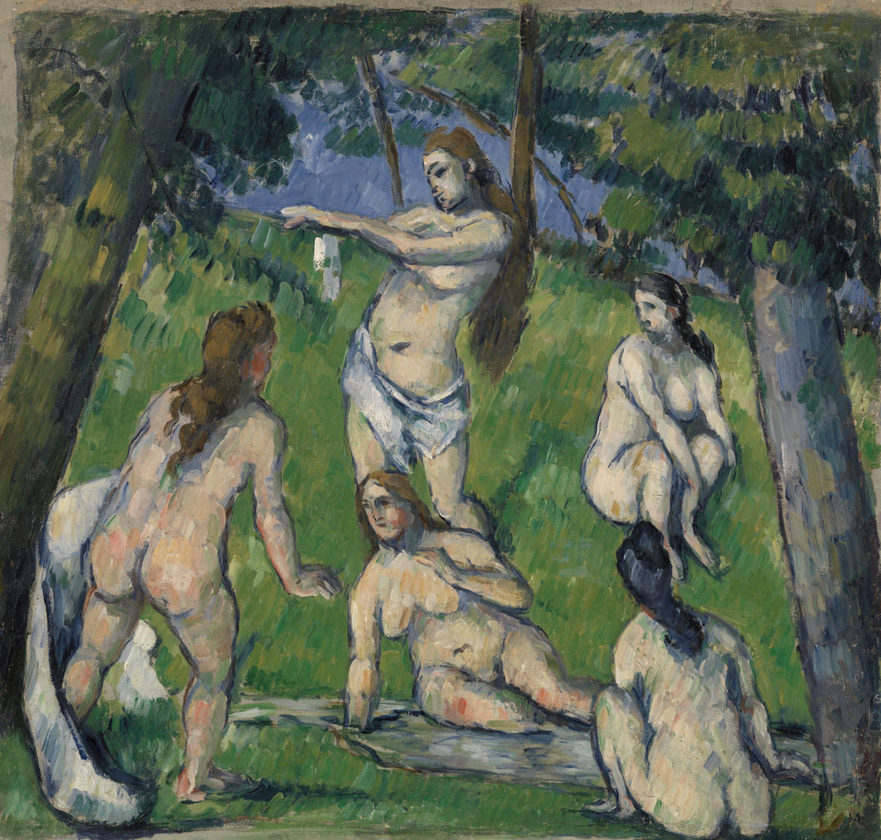
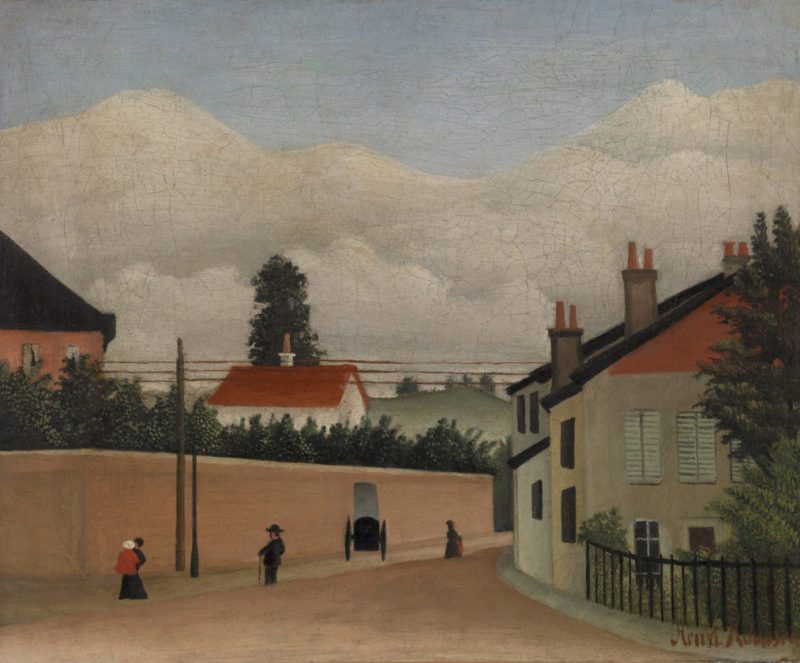
Georges Seu­rat, Hen­ri Rousseau, Gior­gio de Chiri­co, Auguste Renoir, Vin­cent Van Gogh — all of us asso­ciate these names with great inno­va­tions in paint­ing, but how many of us have had the oppor­tu­ni­ty to look long and close enough at their work to under­stand those inno­va­tions? To feel them, in oth­er words, rather than just to know about them? The Barnes Foun­da­tion in Philadel­phia has just recent­ly made it pos­si­ble for us to con­tem­plate thou­sands of works of art includ­ing those of Impres­sion­ist, Post-Impres­sion­ist, and ear­ly Mod­ern mas­ters, zoomed in up close and at any length we like, by dig­i­tiz­ing their col­lec­tion and mak­ing it free online.

“Thanks to Open Access,” writes Art­net’s Sarah Cas­cone, “2,081 of the Barnes’s 4,021 objects have been pub­lished online. Of those, there are high-res­o­lu­tion images of 1,429 works avail­able for down­load in the pub­lic domain.

It’s a big step for a muse­um that as recent­ly as 1991 hadn’t pub­lished any col­or imagery of its hold­ings,” due in part to the pref­er­ences of founder and “eccen­tric art col­lec­tor Alfred C. Barnes (1872–1951), who drew up strict rules for how the muse­um would be run.” For instance, it seems that Barnes, who dis­ap­proved of the way the ear­ly col­or pho­tog­ra­phy repro­duced paint­ings, felt he had no choice but to ban it in his muse­um entire­ly.

“As we were rethink­ing the pre­sen­ta­tion of our col­lec­tion online we were con­sid­er­ing the sen­si­tiv­i­ty Barnes had around col­or repro­duc­tion,” writes Deputy Direc­tor of Audi­ence Engage­ment and Chief Expe­ri­ence Offi­cer Shel­ley Bern­stein, “but we also had to think about the needs of today’s stu­dents, researchers, and schol­ars. It goes with­out say­ing that the work of oth­er insti­tu­tions  —  the open access ini­tia­tive at the Met, espe­cial­ly  —  helped make these deci­sions much eas­i­er.” And though the Barnes first start­ed putting its works of art on the inter­net five years ago, “that last iter­a­tion of the col­lec­tion online didn’t fore­ground the abil­i­ty for users to down­load or share images eas­i­ly.”

Now, the Barnes’ online col­lec­tion fea­tures near­ly 1,500 items free to down­load so far. But cur­rent­ly down­load­able or not, every­thing uploaded so far appears in an eas­i­ly search­able, brows­able, and, most of all, view­able form. Here we have van Gogh’s The Broth­el, Paul Cézan­ne’s The Bathers, and Rousseau’s Out­skirts of Paris, four paint­ings that, in many ways, look as styl­is­ti­cal­ly fresh as they did when first revealed in the late 19th cen­tu­ry to the mid-20th. The fact that 21st-cen­tu­ry tech­nol­o­gy has made it so much eas­i­er for all human­i­ty to see that would, one likes to think, have pleased even old Mr. Barnes him­self.

Enter the Barnes online col­lec­tion here.

via Art­net News

Relat­ed Con­tent:

Down­load 35,000 Works of Art from the Nation­al Gallery, Includ­ing Mas­ter­pieces by Van Gogh, Gau­guin, Rem­brandt & More

An Intro­duc­tion to 100 Impor­tant Paint­ings with Videos Cre­at­ed by Smarthis­to­ry

Aston­ish­ing Film of Arthrit­ic Impres­sion­ist Painter, Pierre-Auguste Renoir (1915)

Impres­sion­ist Painter Edgar Degas Takes a Stroll in Paris, 1915

The Maligned Impres­sion­ist Painter Pierre-Auguste Renoir Illus­trates Emile Zola’s Grit­ty Nov­el L’Assommoir (1878)

Based in Seoul, Col­in Mar­shall writes and broad­casts on cities and cul­ture. His projects include the book The State­less City: a Walk through 21st-Cen­tu­ry Los Ange­les and the video series The City in Cin­e­ma. Fol­low him on Twit­ter at @colinmarshall or on Face­book.

Jimmy Page Unplugged: Led Zeppelin’s Guitarist Reveals His Acoustic Talents in Four Videos (1970–2008)

There are those who say Jim­my Page’s gui­tar play­ing went into decline near the end of the 70s for rea­sons that are in dis­pute, whether drugs, ten­donitis, or a bro­ken ring fin­ger dur­ing a 1975 tour. (Thir­ty-two years lat­er, he broke his pinky and had to delay a Led Zep­pelin reunion.) Every musi­cian goes through slumps. Page talked in a 1977 inter­view about an ear­li­er such episode, dur­ing his ses­sion work in the six­ties when horns and orches­tras began to eclipse gui­tars, and he found him­self “tak­ing a back seat with just the occa­sion­al riff.” The expe­ri­ence made him reeval­u­ate his career. “I didn’t real­ize how rusty I was going to get until a rock and roll ses­sion turned up from France, and I could hard­ly play.”

One thing that sus­tained Page in those low times was his acoustic play­ing. As a ses­sion play­er, he tells the ‘77 inter­view­er, “I had to do it on stu­dio work, and you come to grips with it very quick­ly too, very quick­ly, because it is what is expect­ed. There was a lot of busk­ing in the ear­ly days, but as I say, I had to come to grips with it, and it was a good school­ing.”

Though Page first start­ed out play­ing in acoustic skif­fle bands, he says his first gui­tar was a Grazz­ioso, “which was like a copy of a Stra­to­cast­er,” his next instru­ment a real Fend­er Strat, and his third, the “Black Beau­ty” Gib­son Les Paul that he played on Zeppelin’s ear­ly stu­dio ses­sions before it was stolen. It was his ear­li­er ses­sion work that trained him as a dis­ci­plined, and under­rat­ed, acoustic player—and at times a pro­found­ly inspired one.

When, after almost ten years, Page reunit­ed with Robert Plant in 1994 for a series of MTV Unplugged ses­sions (top), his acoustic play­ing was top notch. In oth­er acoustic ses­sions from just a few years ear­li­er (the 1989 video fur­ther up) a slight­ly out-of-it Page plays with quite much less sub­tle­ty and restraint, though he’s cer­tain­ly still got the skill. But care­less per­for­mances like these are not char­ac­ter­is­tic of Page’s true tal­ents as an acoustic play­er. Ignore the poor video qual­i­ty and lis­ten to his incred­i­ble pick­ing above on a 1970 broad­cast of The Julie Felix Show in Eng­land.

Page could show­case his lead play­ing, adapt­ed to a folk idiom, on the acoustic gui­tar, but he has always excelled as a rhythm play­er as well. Just above, in an out­take from the 2008 doc­u­men­tary It Might Get Loud—while still recov­er­ing from that bro­ken pinky finger—Page plays what Gui­tar World iden­ti­fies only as “an uncred­it­ed instru­men­tal” on a gui­tar that “appears to be in an open tun­ing, pos­si­bly C.” What­ev­er this com­po­si­tion, we can hear in these broad strums a whole rhyth­mic arrange­ment, with drum and bass parts and neg­a­tive space drawn around the hints of melody. Page has always had one of the most thor­ough­ly imag­i­na­tive gui­tar styles in rock and roll, and when he steps back from his blues-based elec­tric play­ing and embraces the acoustic gui­tar, he show­cas­es how much the influ­ence of var­i­ous acoustic world and folk musics “gave Led Zep­pelin a rich­ness,” writes Stephen Erlewine at All­mu­sic, “unheard in their heavy rock peers.”

Relat­ed Con­tent:

Jim­my Page Tells the Sto­ry of “Kash­mir”

Jim­my Page Tells the Sto­ry of “Stair­way to Heav­en”: How the Most Played Rock Song Came To Be

13-Year-Old Jim­my Page Plays Gui­tar on TV in 1957, an Ear­ly Moment in His Spec­tac­u­lar Career

Josh Jones is a writer and musi­cian based in Durham, NC. Fol­low him at @jdmagness

“Library Extension” Helps You Find Books At Your Local Library While You Shop for Books Online

The con­cept beyond “Library Exten­sion” is sim­ple. As you browse books and e‑books web­sites like Ama­zon, Barnes and Noble and Goodreads, the Library Exten­sion will check the online cat­a­log of your local library and see whether the book you’re inter­est­ed in hap­pens to be avail­able at your local library. The brows­er exten­sion cur­rent­ly works on Chrome. Fire­fox is com­ing soon. And the brows­er exten­sion cur­rent­ly has access to data from 4000 local libraries and library sys­tems.

Above you can watch a short video that shows the brows­er exten­sion in action. You can down­load it here. Below find a list of web­sites that Library Exten­sion inter­acts with:

* Ama­zon (amazon.com, amazon.co.uk, amazon.ca, amazon.de)
* AR Book­Find­er (arbookfind.com)
* Barnes and Noble (barnesandnoble.com)
* BookDe­pos­i­to­ry (bookdepository.com)
* Chapters/Indigo (chapters.indigo.ca)
* Good Reads (goodreads.com)
* Google Books (books.google.com, books.google.co.uk)
* Library­Thing (librarything.com)

If you would like to sign up for Open Culture’s free email newslet­ter, please find it here. It’s a great way to see our new posts, all bun­dled in one email, each day.

If you would like to sup­port the mis­sion of Open Cul­ture, con­sid­er mak­ing a dona­tion to our site. It’s hard to rely 100% on ads, and your con­tri­bu­tions will help us con­tin­ue pro­vid­ing the best free cul­tur­al and edu­ca­tion­al mate­ri­als to learn­ers every­where. You can con­tribute through Pay­Pal, Patre­on, and Ven­mo (@openculture). Thanks!

via Life­hack­er

Relat­ed Con­tent:

Dis­cov­er “Unpay­wall,” a New (and Legal) Brows­er Exten­sion That Lets You Read Mil­lions of Sci­ence Arti­cles Nor­mal­ly Locked Up Behind Pay­walls

800 Free eBooks for iPad, Kin­dle & Oth­er Devices

by | Permalink | Make a Comment ( 1 ) |

Salvador Dali’s 1978 Wine Guide, The Wines of Gala, Gets Reissued: Sensual Viticulture Meets Surreal Art

Pop­u­lar food cul­ture is dom­i­nat­ed by sta­tus sym­bols of restau­rant-inspired con­sumer kitchen­ware and appli­ances, thanks in large part to real­i­ty tele­vi­sions shows about cook­ing com­pe­ti­tions which can make the prepa­ra­tion of haute cui­sine seem more acces­si­ble to the aver­age home chef than it may actu­al­ly be.

Many would argue, how­ev­er, that we’ve come a long way since the 70s, when the mass-mar­ket prod­ucts that held sway over best-sell­ing cook­ing guides went by names like Ham­burg­er Helper, Cool Whip, and Jel­lo. Back then, will­ful anachro­nism Sal­vador Dali stepped into this com­mer­cial land­scape with his 1973 cook­book Les Din­ers de Gala, offer­ing aris­to­crat­ic, extrav­a­gant recipes—next to even more extrav­a­gant art—with exot­ic ingre­di­ents often impos­si­ble to find at the local super­mar­ket both then and now.

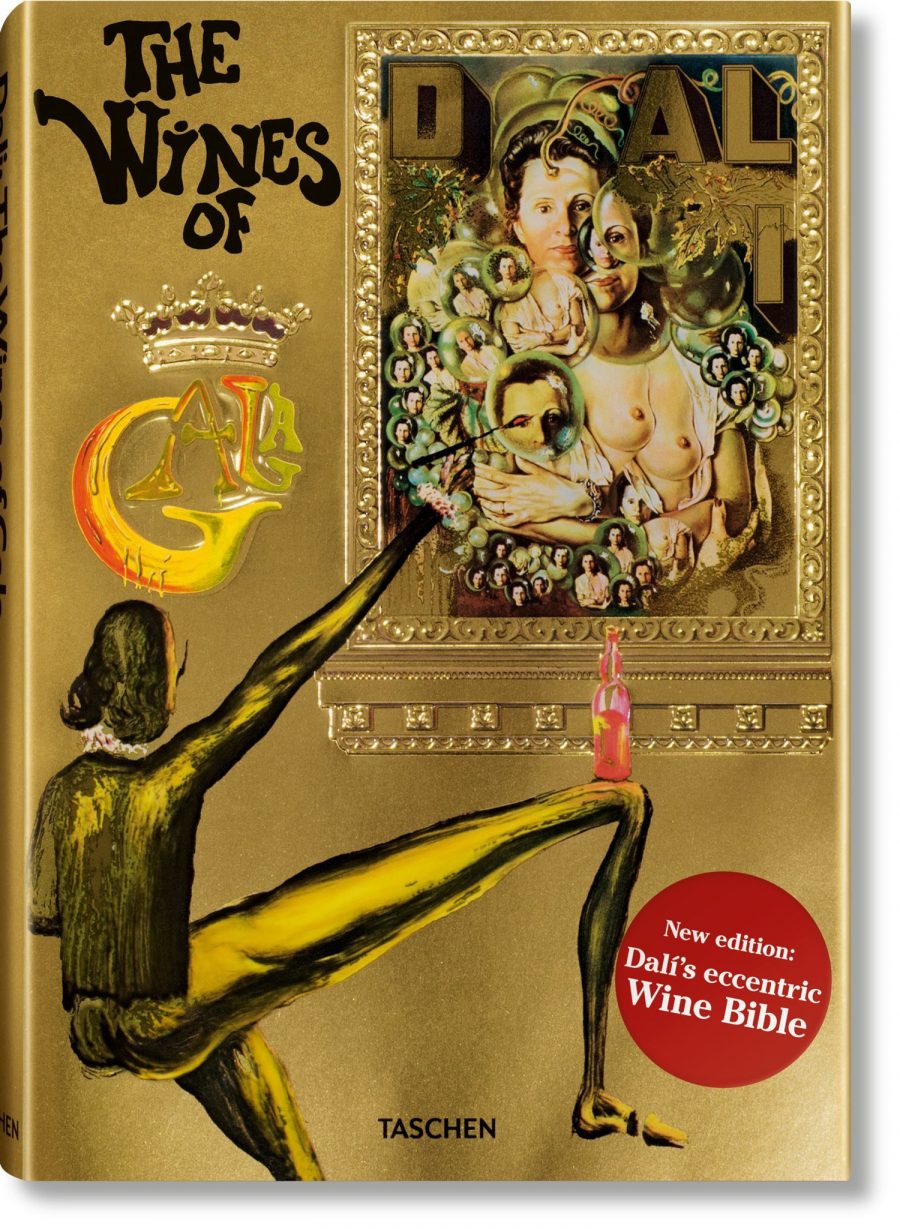
Dali made it plain that his object was to bring back pure plea­sure to din­ing, the adven­tur­ous opu­lence he and his wife, Gala, so appre­ci­at­ed in their own out­sized social lives. A few years lat­er, Dali did the same thing with the fine-din­ing bev­er­age of choice, pub­lish­ing The Wines of Gala, an “eccen­tric guide to wine grapes and their ori­gin,” writes This is Colos­sal. The book’s “group­ings are appro­pri­ate imag­i­na­tive clas­si­fi­ca­tions.”

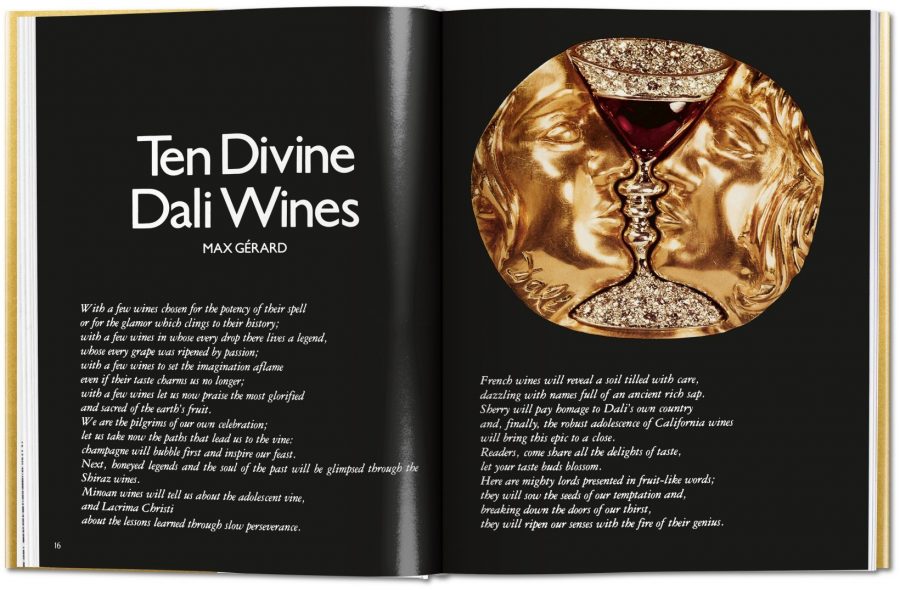
The Wines of Gala splits into two parts: “Ten Divine Dali Wines” and “Ten Gala Wines.” The lat­ter includes cat­e­gories like “Wines of Friv­o­li­ty,” “Wines of Joy,” “Wines of Sen­su­al­i­ty,” “Wines of Pur­pose,” and “Wines of Aes­theti­cism.” Among the Divine Dali Wines, we find “The Wine of King Minos,” “Lacrima Christi,” “Chateauneuf-du-Pape,” and “Sher­ry.” In an appen­dix, Dali sur­veys “Vine­yards of the World,” gen­er­al­ly, and “Vine­yards of France,” specif­i­cal­ly, and offers “Advice to the Wine-Lov­ing Gourmet.”

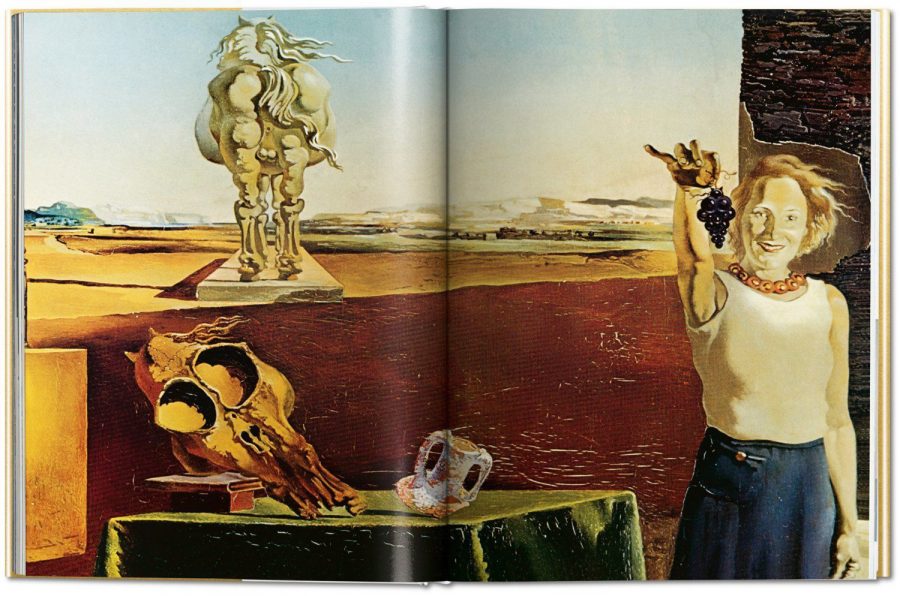
While some of Dali’s wine advice may go over our heads, maybe the real rea­son we’re drawn to his cook­book and wine guide is the art­work they con­tain with­in their pages, like­ly also the prin­ci­ple rea­son arts pub­lish­er Taschen has reis­sued both of these pub­li­ca­tions. The Wines of Gala is due out on Novem­ber 21, but you can pre-order a hard copy now (or find used copies of the orig­i­nal 1970s edi­tion here). In it you’ll find much bewitch­ing orig­i­nal art to com­ple­ment the pas­sion­ate descrip­tions of wine.

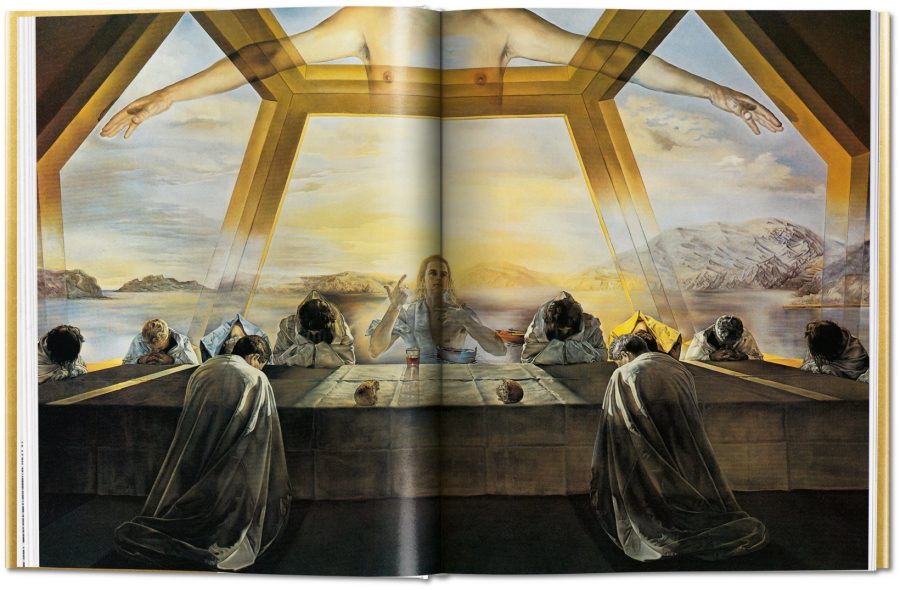
The “rich and extrav­a­gant wine bible fea­tures 140 illus­tra­tions by Dali,” notes Rebec­ca Ful­leylove. “Many of the art­works fea­tured are appro­pri­at­ed pieces, includ­ing… a work from Dali’s late Nuclear Mys­tic phase, The Sacra­ment of the Last Sup­per.” Even to this solemn affair, Dali brings “his abil­i­ty to seek out plea­sure and beau­ty in every­thing.”

via This is Colos­sal/It’s Nice That

Relat­ed Con­tent:

Sal­vador Dalí’s 1973 Cook­book Gets Reis­sued: Sur­re­al­ist Art Meets Haute Cui­sine

Sal­vador Dalí Goes Com­mer­cial: Three Strange Tele­vi­sion Ads

Sal­vador Dalí’s Melt­ing Clocks Paint­ed on a Lat­te

Josh Jones is a writer and musi­cian based in Durham, NC. Fol­low him at @jdmagness

The Elegant Mathematics of Vitruvian Man, Leonardo da Vinci’s Most Famous Drawing: An Animated Introduction

Near­ly 500 years after his death, we still admire Leonar­do da Vin­ci’s many and var­ied accom­plish­ments in paint­ing, sculp­ture, archi­tec­ture, sci­ence, and quite a few oth­er fields besides, most of which would have begun with his putting down some part of the for­mi­da­ble con­tents of his head on to a piece of paper. (As we’ve seen, some­times he need­ed to draw up a to-do list first.) Some of those works remained on paper, and even became famous in that hum­ble form. If you’ve only seen one of Leonar­do’s draw­ings, for instance, it’s almost cer­tain­ly Vit­ru­vian Man.

Leonar­do’s cir­ca-1490 study of the pro­por­tions of the human body — or to put it in more com­mon terms, the pic­ture of the naked fel­low stand­ing inside a square and a cir­cle — stands at an inter­sec­tion of art and math­e­mat­ics, one at which Leonar­do spent a great deal of time through­out his life. The Ted-ED les­son above, writ­ten by edu­ca­tor James Ear­le, gets into “the geo­met­ric, reli­gious and philo­soph­i­cal sig­nif­i­cance of this decep­tive­ly sim­ple draw­ing” whose title ref­er­ences the first-cen­tu­ry BCE Roman archi­tect and civ­il engi­neer Mar­cus Vit­ru­vius Pol­lio, who claimed that “the navel is the cen­ter of the human body, and that if one takes a com­pass and places the fixed point on the navel, a cir­cle can be drawn per­fect­ly around the body.”

Vit­ru­vius also real­ized that “arm span and height have a near­ly per­fect cor­re­spon­dence in the human body, thus plac­ing the body per­fect­ly inside a square as well.” Both he and Leonar­do saw real impli­ca­tions in this align­ment between anato­my and geog­ra­phy, begin­ning with the notion that build­ings and oth­er works of man should also take on these “per­fect” pro­por­tions. All of this ties in with the prob­lem, first pro­posed by ancient geome­ters, of “squar­ing the cir­cle,” that is, find­ing a pro­ce­dure to hand-draw a square and a cir­cle both of equal area. Leonar­do used Vit­ru­vian Man to point toward one pos­si­ble solu­tion using the human body.

You can learn more about the impor­tance and lega­cy of the draw­ing in the BBC doc­u­men­tary The Beau­ty of Dia­grams, avail­able on Youtube (part one, part two). “Although the dia­gram does­n’t rep­re­sent some huge sci­en­tif­ic break­through,” says its host, math­e­mati­cian Mar­cus du Sautoy, “it cap­tures an idea: that math­e­mat­ics under­pins both nature and the man­made world. It rep­re­sents a syn­the­sis of archi­tec­ture, anato­my, and geom­e­try. But it’s the per­fec­tion and ele­gance of Leonar­do’s solu­tion to this rid­dle of the square and the cir­cle in Vit­ru­vius which gives the dia­gram its pow­er and its beau­ty.” And judg­ing by the unabat­ed pop­u­lar­i­ty of Vit­ru­vian Man par­o­dies, it looks to have at least anoth­er half-mil­len­ni­um of rel­e­vance ahead.

Relat­ed Con­tent:

Down­load the Sub­lime Anato­my Draw­ings of Leonar­do da Vin­ci: Avail­able Online, or in a Great iPad App

Leonar­do da Vinci’s Bizarre Car­i­ca­tures & Mon­ster Draw­ings

How to Build Leonar­do da Vinci’s Inge­nious Self-Sup­port­ing Bridge: Renais­sance Inno­va­tions You Can Still Enjoy Today

Leonar­do da Vinci’s Vision­ary Note­books Now Online: Browse 570 Dig­i­tized Pages

Ralph Steadman’s Wild­ly Illus­trat­ed Biog­ra­phy of Leonar­do da Vin­ci (1983)

Based in Seoul, Col­in Mar­shall writes and broad­casts on cities and cul­ture. His projects include the book The State­less City: a Walk through 21st-Cen­tu­ry Los Ange­les and the video series The City in Cin­e­ma. Fol­low him on Twit­ter at @colinmarshall or on Face­book.

What to Say When You Don’t Understand Contemporary Art? A New Short Film, “Masterpiece,” Has Helpful Suggestions

Mas­ter­pieceRun­yararo Map­fu­mo’s short film above, will feel very famil­iar to any­one who has strug­gled for words to share with a friend after his or her under­whelm­ing Off-Off-Broad­way solo show, open mic per­for­mance, or art instal­la­tion…

Equal­ly famil­iar, from the reverse angle, to any artist who’s ever invit­ed a trust­ed friend to view his or her pas­sion project, hop­ing for approval or at the very least, inter­est… some­thing more robust than the pal­try crumbs the friend man­ages to eek out under pres­sure.

A British Film Insti­tute Lon­don Film Fes­ti­val select­ed short, Mas­ter­piece focus­es on a tight group of male friends… one of whom has reached beyond the com­mu­nal com­fort zone in the ser­vice of his art. His earnest­ness con­founds his old pals, who clown around out­side the gallery where they’ve gath­ered for an after hours pre­view of his work, one staunch­ly assert­ing that he only showed up because his mum made him, and also, he was told there’d be free food.

Once inside the friends are left alone to puz­zle out his mas­ter­piece. What to say? Maybe they should draw par­al­lels to the cur­rent socio-polit­i­cal sit­u­a­tion? Per­haps they could tell their friend his work  is rem­i­nis­cent of Ger­man Expres­sion­ism?

Yoko Ono or Mar­cel Duchamp would have made a more apt com­par­i­son, as writer-direc­tor Map­fu­mo is sure­ly aware. Mas­ter­piece is notable for more than just its pitch-per­fect take on artist vs. befud­dled but still sup­port­ive friends. As Map­fu­mo told Direc­tors Notes:

I’ve been told time and time again to “write what you want to see.” I start­ed think­ing about what that meant to me in a every­day con­text. These char­ac­ters are black men that I recognize…I didn’t want the con­flict to revolve around their iden­ti­ty but rather through their obser­va­tions. 

Relat­ed Con­tent:

How to Look at Art: A Short Visu­al Guide by Car­toon­ist Lyn­da Bar­ry

An Online Guide to 350 Inter­na­tion­al Art Styles & Move­ments: An Invalu­able Resource for Stu­dents & Enthu­si­asts of Art His­to­ry

Your Brain on Art: The Emerg­ing Sci­ence of Neu­roaes­thet­ics Probes What Art Does to Our Brains

Ayun Hal­l­i­day is an author, illus­tra­tor, the­ater mak­er and Chief Pri­ma­tol­o­gist of the East Vil­lage Inky zine. Her most recent artis­tic endeav­or is The­ater of the Apes Sub-Adult Divi­sion’s pro­duc­tion of Ani­mal Farm, open­ing next week in New York City. Fol­low her @AyunHalliday.

Meet Daryl Davis, the Black Blues Musician Who Befriended 200 Klan Members & Made Them See the Errors of Their Ways

Musi­cian Daryl Davis is a great, lum­ber­ing bear of a man with a very, very long fuse.

His dis­po­si­tion and his race are equal­ly crit­i­cal com­po­nents of his decades-long project—engaging, as a black man, with mem­bers of the KKK, the Nation­al Social­ist Move­ment, and oth­er groups espous­ing white suprema­cy.

Diplo­ma­cy seems to be the major les­son of his glo­be­trot­ting child­hood. His father was a State Depart­ment offi­cial, and wher­ev­er the fam­i­ly relo­cat­ed, Davis went to school with the chil­dren of oth­er for­eign ser­vice work­ers, what­ev­er their race. This hap­py, mul­ti­cul­tur­al expe­ri­ence left him unpre­pared for his return to his coun­try of ori­gin, when he was one of just two black pupils at his Bel­mont, Mass­a­chu­setts ele­men­tary school, and the only black Cub Scout in his troop.

When Belmont’s Cub Scouts were invit­ed to par­tic­i­pate in a 1968 march to com­mem­o­rate Paul Revere’s ride, his troop lead­ers tapped the 10-year-old Davis to car­ry the flag, pro­vok­ing a furi­ous reac­tion from many white spec­ta­tors along the route.

His pri­or expe­ri­ence was such that he assumed their bile was direct­ed toward scout­ing, even after his par­ents sat him down to tell him the truth.

Now, as the sub­ject of Matt Ornstein’s doc­u­men­tary, Acci­den­tal Cour­tesy (watch it on Net­flix here), Davis mus­es that the unusu­al cir­cum­stances of his ear­ly child­hood equipped him to insti­gate and main­tain an open dia­logue with the ene­my. He lis­tens care­ful­ly to their opin­ions in the expec­ta­tion that they will return the cour­tesy. It’s a long game approach that Davis refus­es to play over social media or email. Only face-to-face.

Over time, his even-keeled man­ner has caused 200 card-car­ry­ing racists, accord­ing to NPR, to renounce their for­mer path, pre­sent­ing their cast-off hoods and robes to their new friend, Davis, as a rite of pas­sage.

One of the most fas­ci­nat­ing parts of the doc­u­men­tary is the tour of his klan memorabilia—patches, jew­el­ry, pock­et knives and belt buck­les. He is able to explain the col­ors, insignia and prove­nance of the robes as method­i­cal­ly as he dis­cuss­es musi­cal his­to­ry.

Pre­sum­ably, some of this knowl­edge was hand­ed down from the for­mer owners—one of whom vol­un­teers that Davis is far more knowl­edgable than he ever was about the ins and outs of klan hier­ar­chies.

Davis doesn’t wait for an out­spo­ken racist to renounce his beliefs before claim­ing him as a friend.

It’s fair­ly easy to feel clemen­cy toward those Davis has nudged toward a whole new set of val­ues, such as soft-spo­ken for­mer-Grand-Drag­on-turned-anti-racist activist, Scott Shep­herd, or Tina Puig, a moth­er of two who was tak­en aback by Davis’ offer of a ride to the far away fed­er­al pen­i­ten­tiary where her white suprema­cist hus­band was serv­ing a ten-year sen­tence.

It’s queasi­er to watch Davis pos­ing with a smile in front of Con­fed­er­ate flags at a klan ral­ly, or staunch­ly refrain­ing from com­ment as jacked up suprema­cists spew vile, provoca­tive remarks in his pres­ence.

Not every­one has—or wants to have—the stom­ach for this sort of work. The most heat­ed encounter in the film is the one between Davis and Bal­ti­more-based Black Lives Mat­ter activists Kwame Rose, Tariq Touré, and JC Faulk.

As direc­tor Orn­stein told PBS’ Inde­pen­dent Lens:

Daryl oper­ates under the prin­ci­ple that if you aren’t hear­ing view­points that are dis­taste­ful to you, that they are also not hear­ing yours. I think there’s wis­dom in that. We saw this last elec­tion cycle how not doing that end­ed in not only dis­as­ter for this coun­try, but a lot of infight­ing and yelling into echo cham­bers and news that serves to rein­force what you already believe. The eco­nom­ic argu­ments that Tariq and Kwame present in the film have a tremen­dous amount of valid­i­ty, but in no way does this dimin­ish the impor­tance of what some­one like Daryl does. If we all took the time to speak to even one or two peo­ple we dis­agree with and both real­ly hear them and be heard that alone would begin to make a dif­fer­ence.

You can watch Acci­den­tal Cour­tesy on Net­flix here. (If you don’t have a sub­scrip­tion, you could always sign up for a 30-day free tri­al.) We have also added an NPR pro­file of Davis above.

Below you can watch a fas­ci­nat­ing inter­view with Davis recent record­ed on the Jor­dan Har­bin­ger Show.


Relat­ed Con­tent:

How a Lib­er­al Arts Edu­ca­tion Helped Derek Black, the God­son of David Duke, Break with the White Nation­al­ist Move­ment

How Super­man Defeat­ed the KKK (in Real Life): Hear the World-Chang­ing 1946 Radio Dra­ma

Albert Ein­stein Called Racism “A Dis­ease of White Peo­ple” in His Lit­tle-Known Fight for Civ­il Rights

Noam Chom­sky Explains the Best Way for Ordi­nary Peo­ple to Make Change in the World, Even When It Seems Daunt­ing

Ayun Hal­l­i­day is an author, illus­tra­tor, the­ater mak­er and Chief Pri­ma­tol­o­gist of the East Vil­lage Inky zine. Her cur­rent project is The­ater of the Apes’ Sub-Adult Divi­sion’s pro­duc­tion of Ani­mal Farm, open­ing this week in New York City.  Fol­low her @AyunHalliday.

« Go BackMore in this category... »
Quantcast