Before the Bookmobile: When Librarians Rode on Horseback to Deliver Books to Rural Americans During the Great Depression

An odd phe­nom­e­non has been at work in the past few years. Print book sales slope upward while eBook sales creep down. The trend man­i­fests the oppo­site of what most people—or most peo­ple who write about these things—expected to hap­pen, quite rea­son­ably in many respects. Per­haps through sheer his­tor­i­cal momen­tum, print retains its aura of author­i­ty.

But every­one knows that buy­ing isn’t read­ing, which may indeed be in decline giv­en the pri­ma­cy of images, audio, and video, of YouTube explain­ers and doc­u­men­taries such as the one above, which tells the tale of the “Pack Horse Librar­i­ans.”

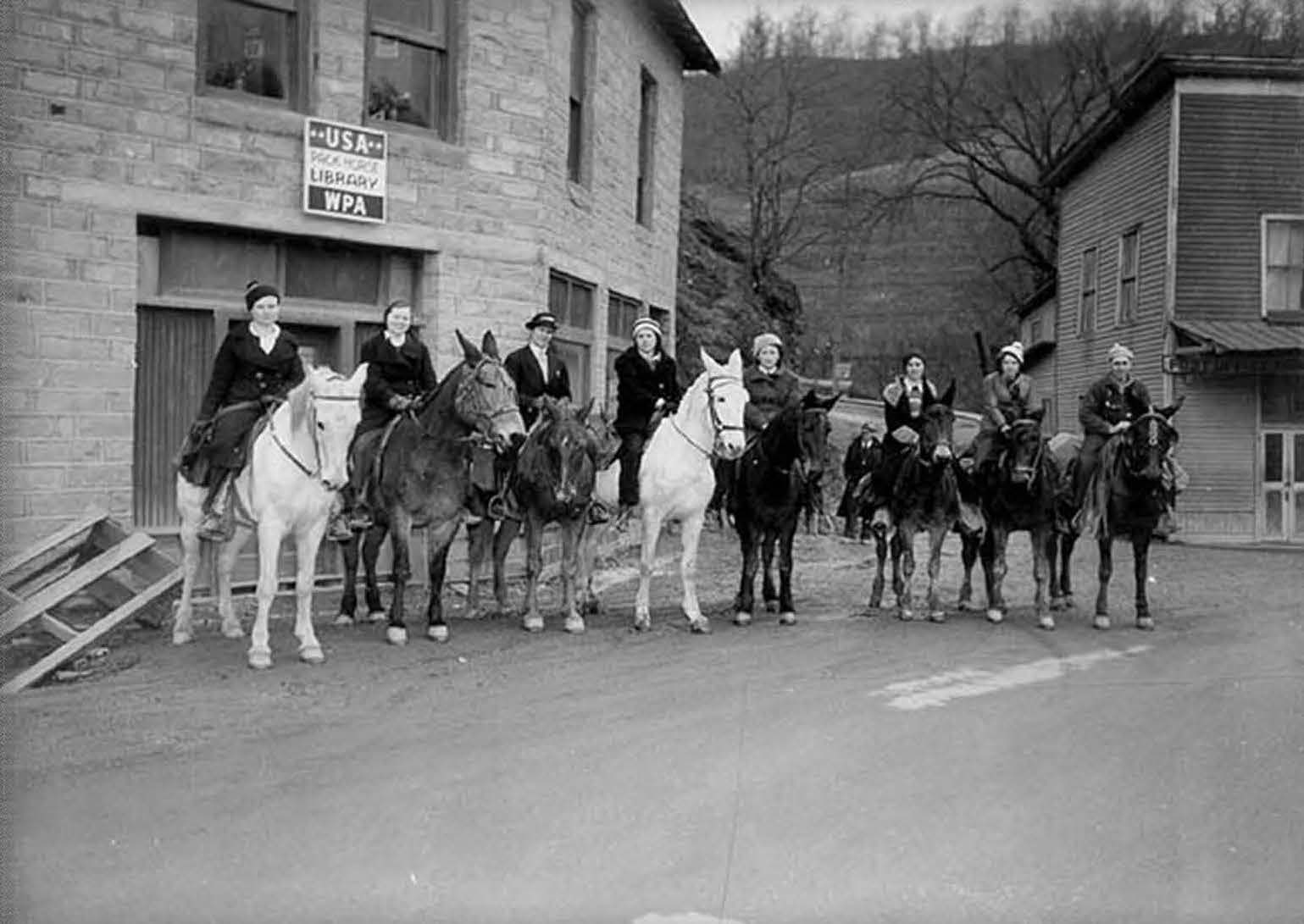
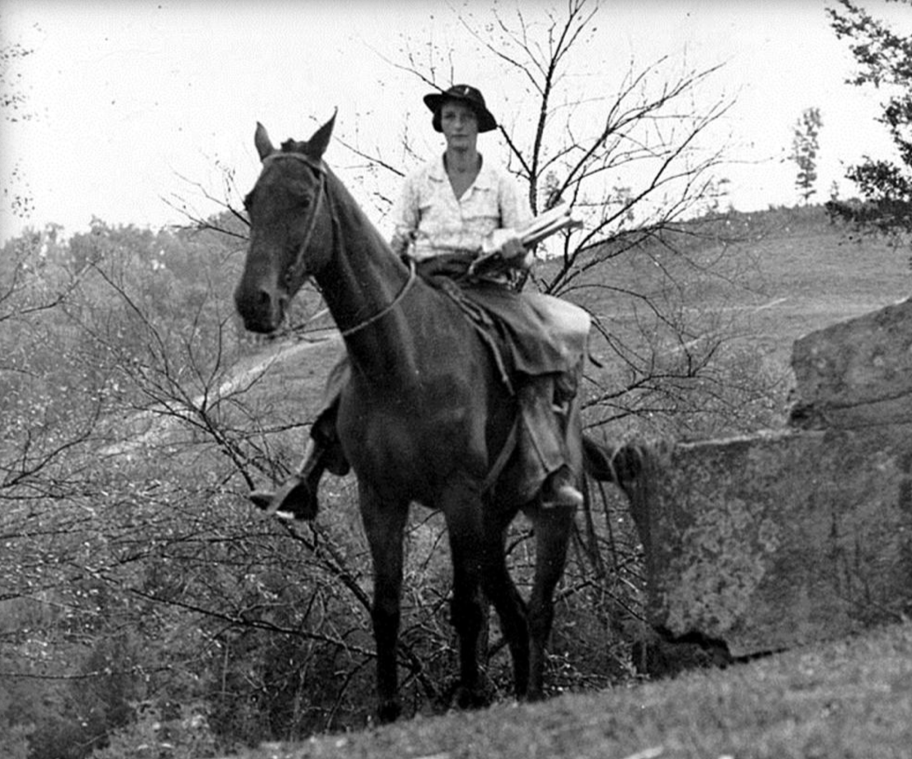
These for­got­ten heroes, like the famed Pony Express, braved wind, rain, and rough ter­rain to deliv­er books to iso­lat­ed set­tlers who oth­er­wise may have had noth­ing to read.

But this is not a tale of cow­boys and fron­tiers­men. The Pack Horse Librar­i­ans appeared in an Indus­tri­al Age, and what’s more they were most­ly women. Called “book ladies” and “pack­sad­dle librar­i­ans,” the librar­i­ans were dep­u­tized dur­ing the New Deal, when FDR sought to end the Great Depres­sion by cre­at­ing hun­dreds of jobs addressed to the country’s real social, mate­r­i­al, and cul­tur­al needs. In this case, the Pack Horse Librar­i­ans respond­ed to what many of us might con­sid­er a cri­sis, if not a crime.

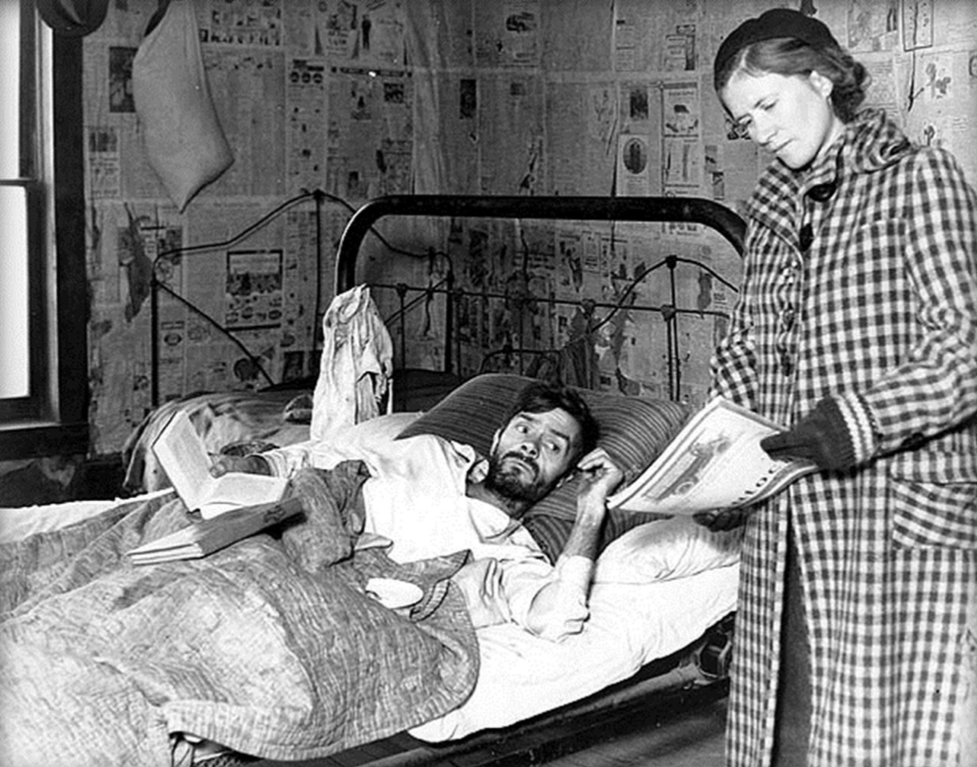
“About 63% of the res­i­dents of Ken­tucky were with­out access to pub­lic libraries,” and some­where around 30% of rur­al Ken­tuck­ians were illit­er­ate. Those rur­al Ken­tuck­ians saw edu­ca­tion as a way out of pover­ty, and the Works Progress Admin­is­tra­tion agreed, over­see­ing the book deliv­ery project between 1935 and 1943. “Book women” made around $28 a month (a lit­tle over $500 in 2017) deliv­er­ing books to homes and school­hous­es. By 1936, writes the site Appalachi­an His­to­ry, “hand­made and donat­ed mate­ri­als could not sus­tain the cir­cu­la­tion needs of the pack horse patrons.”

Sur­veys of read­ers found that pack horse patrons could not get enough of books about trav­el, adven­ture and reli­gion, and detec­tive and romance mag­a­zines. Children’s pic­ture books were also immense­ly pop­u­lar, not only with young res­i­dents but also their illit­er­ate par­ents. Per head­quar­ters, approx­i­mate­ly 800 books had to be shared among five to ten thou­sand patrons.

To com­pen­sate for scarci­ty, a Uni­ver­si­ty of Ken­tucky pre­sen­ta­tion notes, librar­i­ans them­selves cre­at­ed books of “moun­tain recipes and scrap books of cur­rent events.” But the ser­vice quick­ly grew to deliv­er­ing more than 3,000 donat­ed books per month, after a dri­ve in which every PTA mem­ber in the state gave to the cause.

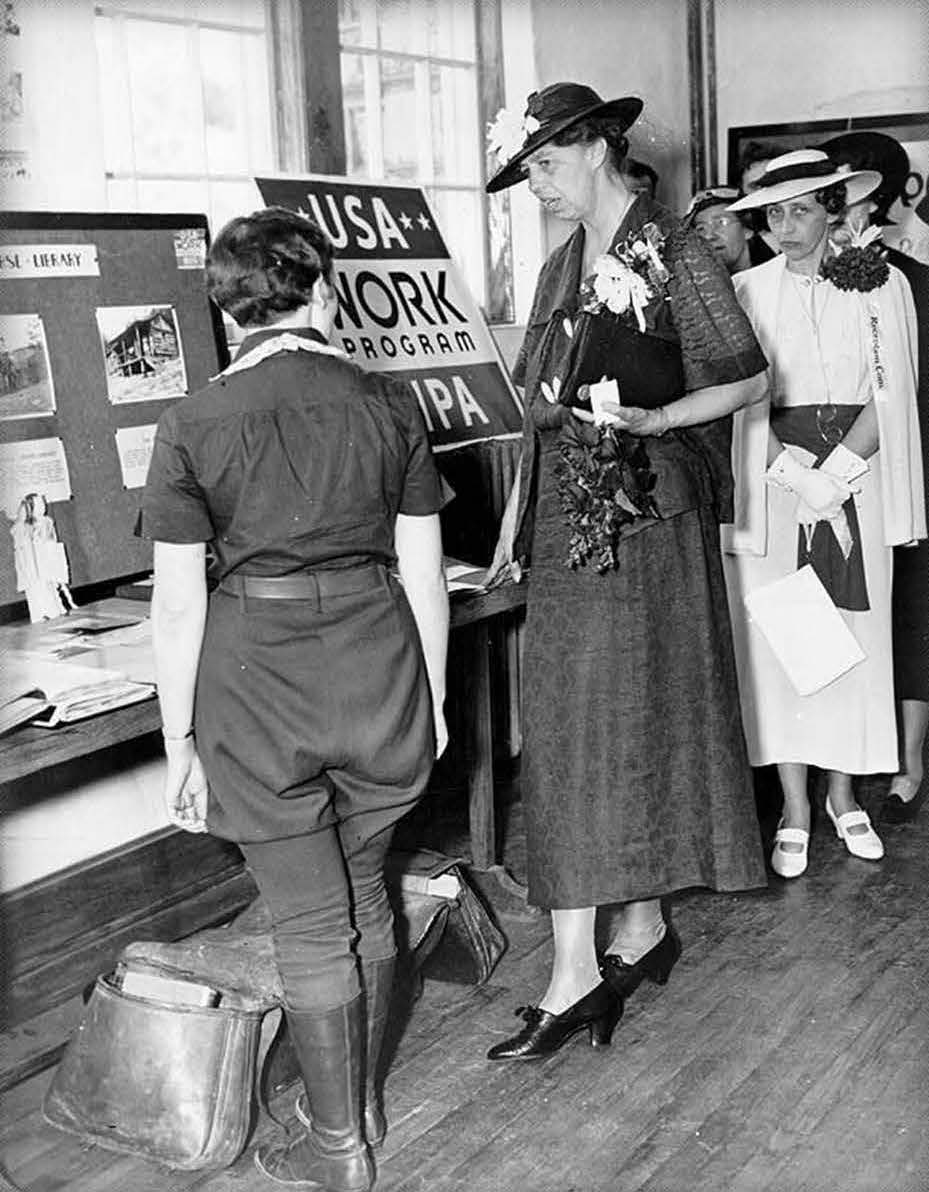
Eleanor Roo­sevelt (pho­tographed above vis­it­ing a Pack­horse Library in West Lib­er­ty, KY) was a cham­pi­on of the ser­vice, which founder Eliz­a­beth Fuller­ton mod­eled after a sim­i­lar ven­ture in 1913, itself a pro­fes­sion­al­iza­tion of work done by the Ken­tucky Fed­er­a­tion of Women’s Clubs in the late 19th cen­tu­ry.

We can see that the his­to­ry of women librar­i­ans on horse­back goes back quite a ways. But it is a his­to­ry now for­got­ten, despite the efforts of recent books like Down Cut Shin Creek: The Pack Horse Librar­i­ans of Ken­tucky. A recent trend involves sug­gest­ing his­tor­i­cal Amer­i­can fig­ures who might replace all those mon­u­ments to the Con­fed­er­a­cy. We might well add Pack Horse Librar­i­ans to the dis­tin­guished list of can­di­dates.

The ser­vice lost its fund­ing in 1943, “leav­ing some com­mu­ni­ties with­out access to books for decades,” Appalachi­an His­to­ry writes, “until book­mo­biles were intro­duced to the area in the late 1950s.” These ser­vices seem quaint in an era when wide­spread deliv­ery by drone seems immi­nent. We seem­ing­ly live in the most infor­ma­tion-rich, instant access soci­ety in his­to­ry. Yet a sig­nif­i­cant num­ber of peo­ple in the U.S. and around the world have lit­tle to no access to the inter­net. And a sim­i­lar degree of illiteracy—at least of basic infor­ma­tion and crit­i­cal reasoning—may war­rant a sim­i­lar­ly direct inter­ven­tion.

via The Smith­son­ian

Relat­ed Con­tent:

Free Libraries Shaped Like Doc­tor Who’s Time-Trav­el­ing TARDIS Pop Up in Detroit, Saska­toon, Macon & Oth­er Cities

Strik­ing Poster Col­lec­tion from the Great Depres­sion Shows That the US Gov­ern­ment Once Sup­port­ed the Arts in Amer­i­ca

The Future of Con­tent Deliv­ery

Josh Jones is a writer and musi­cian based in Durham, NC. Fol­low him at @jdmagness

An Intimate Look at Alberto Giacometti in His Studio, Making His Iconic Sculptures (1965)

A vis­it to an artist’s stu­dio can shed light on his or her work.

The British Arts Coun­cil’s short film above affords an inti­mate glimpse into Alber­to Gia­comet­ti’s stu­dio in Mont­par­nasse cir­ca 1965, the year when he was the sub­ject of major ret­ro­spec­tives at both the Tate Gallery and the Muse­um of Mod­ern Art in New York.

The artist passed most of his work­ing life in cramped space at 46 rue Hip­poly­te. Ear­ly on, he enter­tained plans to relo­cate “because it was too small – just a hole.”

Oth­ers vis­i­tors to the stu­dio described the artist’s envi­rons in more lit­er­ary terms:

In a charm­ing lit­tle for­got­ten gar­den he has a stu­dio, sub­merged in plas­ter, and he lives next to this in a kind of hangar, vast and cold, with nei­ther fur­ni­ture nor food. He works very hard for fif­teen hours at a stretch, above all at night: the cold, his frozen hands – he takes no notice, he works. Simone de Beau­voir

And:

This ground floor stu­dio… is going to cave in at any moment now. It is made of worm-eat­en wood and grey pow­der.… Every­thing is stained and ready for the bin, every­thing is pre­car­i­ous and about to col­lapse, every­thing is about to dis­solve, every­thing is float­ing.… And yet it all appears to be cap­tured in an absolute real­i­ty. When I leave the stu­dio, when I am out­side on the street, then noth­ing that sur­rounds me is true. — Play­wright Jean Genet

And:

The whole place look­ing as if it had been thrown togeth­er with a few old sticks and a lot of chew­ing gum.… In short, a dump. Any­way he said come in when I knocked.… He turned and glanced at me, hold­ing out his hand which was cov­ered in clay, so I shook his wrist.… He imme­di­ate­ly resumed work, run­ning his fin­gers up and down the clay so fierce­ly that lumps fell onto the floor - Essay­ist James Lord

These impres­sions paint a por­trait of a dri­ven, and dis­ci­plined artist, who logged untold hours mod­el­ing his formes elongee in clay, uncer­e­mo­ni­ous­ly crum­pling and rebuild­ing in the pur­suit of excel­lence.

The cam­era doc­u­ments this inten­si­ty, though his untrans­lat­ed remarks sug­gest a man capa­ble of tak­ing him­self light­ly, cer­tain­ly more so than the accom­pa­ny­ing nar­ra­tion does.

Like the nar­ra­tion, Roger Smal­l­ey’s dis­so­nant score lays it on thick, the son­ic equiv­a­lent of heads like blades and “limbs bound as though ban­daged for the grave.” Per­haps we should con­ceive of the stu­dio as a scary place?

In actu­al­i­ty, it proved a hos­pitable work envi­ron­ment and the impulse to relo­cate even­tu­al­ly waned, with the artist observ­ing that “the longer I stayed, the big­ger it became. I could fit any­thing I want­ed into it.”

Explore the recent Tate Mod­ern Gia­comet­ti ret­ro­spec­tive here and take a clos­er look at the stu­dio via Ernst Scheidegger’s pho­tos.

Gia­comet­ti” will be added to our list of Free Doc­u­men­taries, a sub­set of our col­lec­tion, 4,000+ Free Movies Online: Great Clas­sics, Indies, Noir, West­erns, Doc­u­men­taries & More.

Relat­ed Con­tent:

Watch Icon­ic Artists at Work: Rare Videos of Picas­so, Matisse, Kandin­sky, Renoir, Mon­et, Pol­lock & More

Watch 1915 Video of Mon­et, Renoir, Rodin & Degas: The New Motion Pic­ture Cam­era Cap­tures the Inno­v­a­tive Artists

1.8 Mil­lion Free Works of Art from World-Class Muse­ums: A Meta List of Great Art Avail­able Online

Ayun Hal­l­i­day is an author, illus­tra­tor, the­ater mak­er and Chief Pri­ma­tol­o­gist of the East Vil­lage Inky zine.  Fol­low her @AyunHalliday.

1,000+ Historic Japanese Illustrated Books Digitized & Put Online by the Smithsonian: From the Edo & Meji Eras (1600–1912)

Sure­ly we’ve all won­dered what we might do as promi­nent nine­teenth-cen­tu­ry indus­tri­al­ists, and more than a few of us (espe­cial­ly here in the Open Cul­ture crowd) would no doubt invest our for­tunes in the art of the world. Rail­car man­u­fac­tur­ing mag­nate Charles Lang Freer did just that, as we can see today in the Freer Gallery of Art in Wash­ing­ton, D.C. Togeth­er with the Arthur M. Sack­ler Gallery (Sack­ler hav­ing made it as “the father of mod­ern phar­ma­ceu­ti­cal adver­tis­ing”), it con­sti­tutes the Smith­son­ian Insti­tu­tion’s nation­al muse­um of Asian art, gath­er­ing every­thing from ancient Egypt­ian stone sculp­ture to Chi­nese paint­ings to Kore­an pot­tery to Japan­ese books.

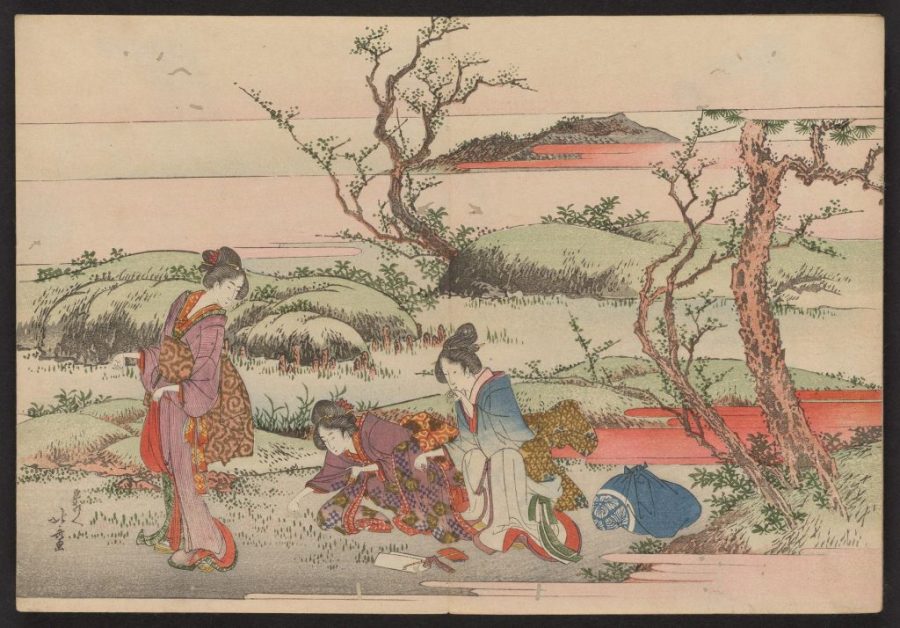
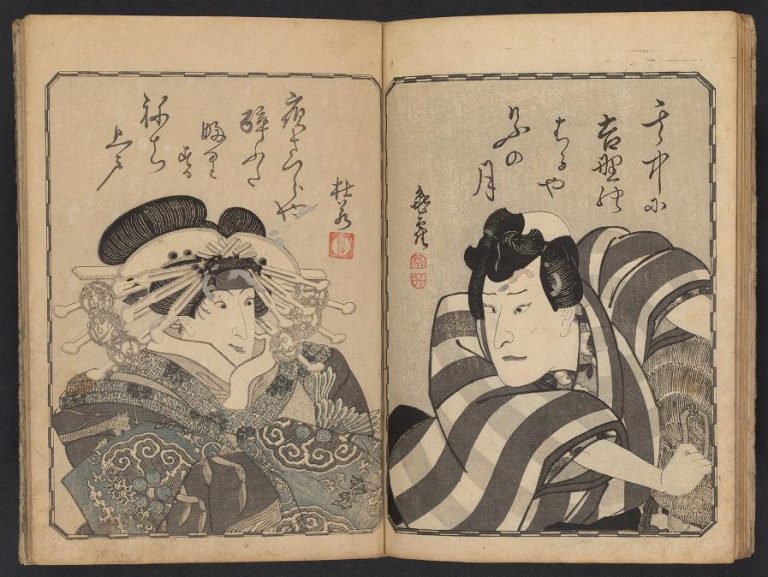
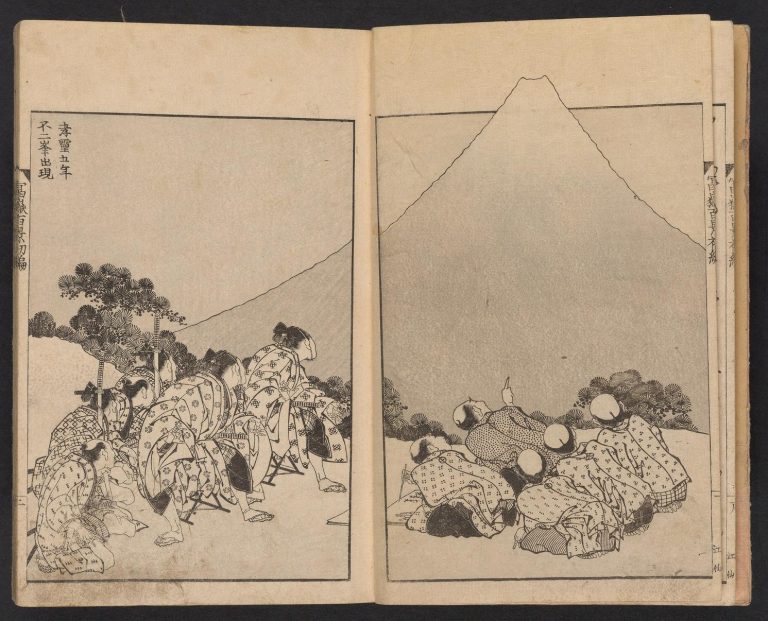
We like to high­light Japan­ese book cul­ture here every so often (see the relat­ed con­tent below) not just because of its strik­ing aes­thet­ics and con­sum­mate crafts­man­ship but because of its deep his­to­ry. You can now expe­ri­ence a con­sid­er­able swath of that his­to­ry free online at the Freer|Sacker Library’s web site, which just this past sum­mer fin­ished dig­i­tiz­ing over one thou­sand books — now more than 1,100, which breaks down to 41,500 sep­a­rate images — pub­lished dur­ing Japan’s Edo and Mei­ji peri­ods, a span of time reach­ing from 1600 to 1912. “Often filled with beau­ti­ful mul­ti-col­or illus­tra­tions,” writes Reiko Yoshimu­ra at the Smith­son­ian Libraries’ blog, “many titles are by promi­nent Japan­ese tra­di­tion­al and ukiyo‑e (‘float­ing world’) painters such as Oga­ta Kōrin (1658–1716), Andō Hiroshige (1797–1858) and Kat­sushi­ka Hoku­sai (1760–1849).”

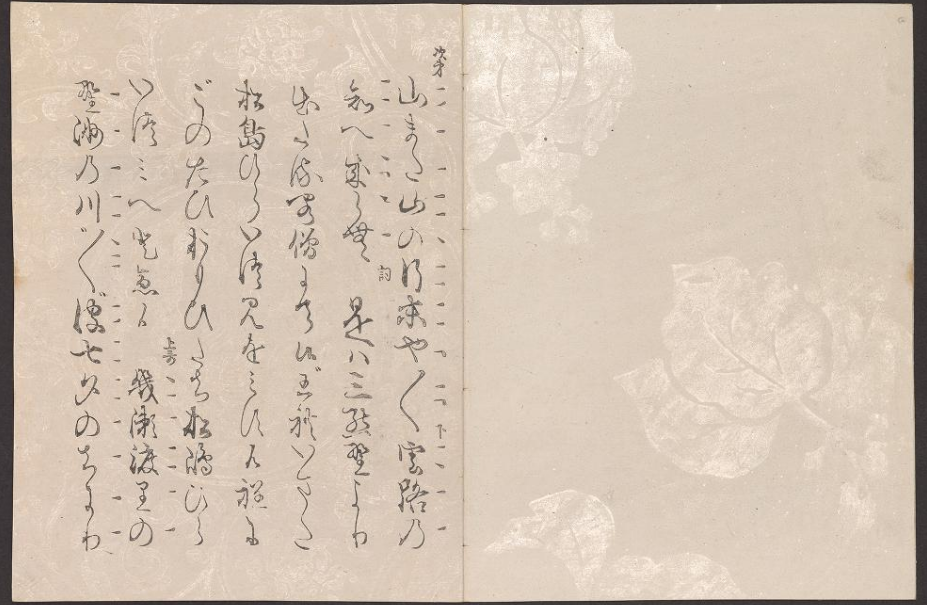
Yoshimu­ra directs read­ers to such vol­umes as Hoku­sai’s One Hun­dred Views of Mt. Fuji, Uta­gawa Toyoku­ni’s Thir­ty-Six Pop­u­lar Actors, and artist, crafts­man, and design­er Kōet­su’s col­lec­tion of one hun­dred libret­tos for noh the­ater per­for­mances. Even those who can’t read clas­si­cal Japan­ese will admire an aes­thete like Kōet­su’s way with what Yoshimu­ra calls his “cali­graph­ic ‘font,’ ” all “skill­ful­ly print­ed on lux­u­ri­ous mica embell­ished papers using wood­en mov­able-type.”

While the online col­lec­tion’s scans come in a more than high enough res­o­lu­tion for gen­er­al appre­ci­a­tion, to get the full effect of book­mak­ing tech­niques like mica embell­ish­ment — which only sparkles when seen in real life — you’d have to vis­it the phys­i­cal col­lec­tion. Some things, it seems, can’t yet be dig­i­tized.

Enter the col­lec­tion of Japan­ese Illus­trat­ed Books here.

Relat­ed Con­tent:

Watch a Japan­ese Crafts­man Lov­ing­ly Bring a Tat­tered Old Book Back to Near Mint Con­di­tion

Enter a Dig­i­tal Archive of 213,000+ Beau­ti­ful Japan­ese Wood­block Prints

Japan­ese Kabu­ki Actors Cap­tured in 18th-Cen­tu­ry Wood­block Prints by the Mys­te­ri­ous & Mas­ter­ful Artist Sharaku

Splen­did Hand-Scroll Illus­tra­tions of The Tale of Gen­jii, The First Nov­el Ever Writ­ten (Cir­ca 1120)

Behold the Mas­ter­piece by Japan’s Last Great Wood­block Artist: View Online Tsukio­ka Yoshitoshi’s One Hun­dred Aspects of the Moon (1885)

A Won­der­ful­ly Illus­trat­ed 1925 Japan­ese Edi­tion of Aesop’s Fables by Leg­endary Children’s Book Illus­tra­tor Takeo Takei

“Tsun­doku,” the Japan­ese Word for the New Books That Pile Up on Our Shelves, Should Enter the Eng­lish Lan­guage

Based in Seoul, Col­in Mar­shall writes and broad­casts on cities and cul­ture. His projects include the book The State­less City: a Walk through 21st-Cen­tu­ry Los Ange­les and the video series The City in Cin­e­ma. Fol­low him on Twit­ter at @colinmarshall or on Face­book.

« Go Back
Quantcast