Brian Eno’s Advice for Those Who Want to Do Their Best Creative Work: Don’t Get a Job

“Once upon a time, artists had jobs,” writes Katy Wald­man in a recent New York Times Mag­a­zine piece. “Think of T.S. Eliot, con­jur­ing ‘The Waste Land’ (1922) by night and over­see­ing for­eign accounts at Lloyds Bank dur­ing the day, or Wal­lace Stevens, scrib­bling lines of poet­ry on his two-mile walk to work, then hand­ing them over to his sec­re­tary to tran­scribe at the insur­ance agency where he super­vised real estate claims.” Or Willem de Koon­ing paint­ing signs, James Dick­ey writ­ing slo­gans for Coca-Cola, William Car­los Williams writ­ing pre­scrip­tions, Philip Glass installing dish­wash­ers – the list goes on.

Wald­man sug­gests that we con­sid­er day jobs not just bill-pay­ing grinds but deliv­ery sys­tems for “the same replen­ish­ing min­istries as sleep or a long run: reliev­ing cre­ative angst, restor­ing the artist to her body and to the tex­ture of imme­di­ate expe­ri­ence.” Bri­an Eno thinks dif­fer­ent­ly. “I often get asked to come and talk at art schools,” he says in the clip above, “and I rarely get asked back, because the first thing I always say is, ‘I’m here to per­suade you not to have a job.’ ”

That does­n’t mean, he empha­sizes, that you should “try not to do any­thing. It means try to leave your­self in a posi­tion that you do the things you want to do with your time, and where you take max­i­mum advan­tage of what­ev­er your pos­si­bil­i­ties are.”

Eas­i­er said than done, of course, which is why Eno wants to “work to a future where every­body is in a posi­tion to do that,” enact­ing some form of uni­ver­sal basic income, the gen­er­al idea of which holds that soci­ety will func­tion bet­ter if it guar­an­tees all its mem­bers a cer­tain stan­dard of liv­ing regard­less of employ­ment sta­tus. But if that stan­dard ris­es too high, might it run the risk of soft­en­ing the rig­ors and loos­en­ing the lim­i­ta­tions need­ed to encour­age true cre­ativ­i­ty? Musi­cian Daniel Lanois, who has worked with Eno on the pro­duc­tion of sev­er­al U2 albums as well as ambi­ent music projects, describes learn­ing that les­son from his col­lab­o­ra­tor in the Louisiana Chan­nel video just above.

“At the peak of my son­ic exper­i­men­ta­tions with Bri­an Eno, we only ever used four box­es,” says Lanois. “That’s when we start­ed get­ting these real­ly beau­ti­ful tex­tures and human-like sounds from machines. We got to be experts at those few tools.” The lim­i­ta­tions under which they worked in the stu­dio may not have fol­lowed from any par­tic­u­lar phi­los­o­phy, but the actu­al expe­ri­ence taught them how a rich­er artis­tic result can arise, para­dox­i­cal­ly, from more strait­ened cir­cum­stances. Since the begin­ning of art, its prac­ti­tion­ers have always had to find inno­v­a­tive ways around obsta­cles, whether those obsta­cles have to do with tech­nol­o­gy, sides, time, mon­ey, or any­thing else besides. As Lanois reas­sur­ing­ly puts it, “I can imag­ine that if you have lim­i­ta­tion, even finan­cial lim­i­ta­tion, that might be okay, man.”

Relat­ed Con­tent:

William Faulkn­er Resigns From His Post Office Job With a Spec­tac­u­lar Let­ter (1924)

Charles Bukows­ki Rails Against 9‑to‑5 Jobs in a Bru­tal­ly Hon­est Let­ter (1986)

Bri­an Eno Explains the Loss of Human­i­ty in Mod­ern Music

The Genius of Bri­an Eno On Dis­play in 80 Minute Q&A: Talks Art, iPad Apps, ABBA, & MoreBri­an Eno on Why Do We Make Art & What’s It Good For?: Down­load His 2015 John Peel Lec­ture

Bri­an Eno Lists 20 Books for Rebuild­ing Civ­i­liza­tion & 59 Books For Build­ing Your Intel­lec­tu­al World

The Employ­ment: A Prize-Win­ning Ani­ma­tion About Why We’re So Dis­en­chant­ed with Work Today

Hear Alan Watts’s 1960s Pre­dic­tion That Automa­tion Will Neces­si­tate a Uni­ver­sal Basic Income

Based in Seoul, Col­in Mar­shall writes and broad­casts on cities and cul­ture. His projects include the book The State­less City: a Walk through 21st-Cen­tu­ry Los Ange­les and the video series The City in Cin­e­ma. Fol­low him on Twit­ter at @colinmarshall or on Face­book.

Hear Marvin Gaye Sing “I Heard It Through the Grapevine” A Capella: The Haunting Isolated Vocal Track

Mar­vin Gaye’s mega-hit, “I Heard it Through the Grapevine,” turns 50 this year.

Smokey Robin­son and Gladys Knight got the first cracks at the now icon­ic Bar­rett Strong-Nor­man Whit­field tune, but Gaye’s 1968 ren­di­tion is the famous one, the best­selling Motown sin­gle of the decade.

Gaye’s for­mer broth­er-in-law, Motown Records founder Berry Gordy, is per­haps the only one who wasn’t impressed, refus­ing to believe it could be a viable sin­gle until its enthu­si­as­tic recep­tion by radio DJs and the lis­ten­ing pub­lic con­vinced him oth­er­wise. In short order, In The Groove, the 1968 album on which it first appeared, was reti­tled with the name of its mon­ster hit.

It’s giv­en a con­sid­er­able boost to the danc­ing raisins, Lawrence Kasdan’s film, The Big Chill, and the many emerg­ing tal­ents who’ve sam­pled the track in the decades fol­low­ing the singer’s untime­ly death.

Strip all that away.

For an even pur­er lis­ten­ing expe­ri­ence, strip away its famous orches­tra­tion, described by Time Magazine’s Gilbert Cruz as “ a sin­gle drum shot,” “a dan­ger­ous-sound­ing elec­tric-piano riff,” and “a por­ten­tous tam­bourine rat­tle.”

As author Nel­son George, an his­to­ri­an of African Amer­i­can music, observed in his 1984 essay, “Mar­vin Gaye’s Abid­ing Unrest”:

In the ’60s Mar­vin bent his voice to the wish­es of Motown, but he did so his way, vocal­ly if not musi­cal­ly. He claimed he had three dif­fer­ent voic­es, a falset­to, a grit­ty gospel shout, and a smooth midrange close to his speak­ing voice…. His ver­sion of “Grapevine” is so intense, so pret­ty, so god­damn black in spir­it, it seems to cat­a­logue that world of black male emo­tions Charles Fuller evokes in his insight­ful Soldier’s Play

The superla­tives that accom­pa­ny Gaye’s 6th place rank­ing on Rolling Stone’s 2010 list of the 100 Great­est Singers of All Time speak to both the emo­tion­al pow­er he brought to his work, as well as his “bril­liant musi­cal­i­ty”:

These days we have Pro Tools and a thou­sand tracks, and you can do dif­fer­ent vocals on every track. But back then you real­ly had to inno­vate, like the way Mar­vin answered him­self in songs, or all that real­ly dis­tant back­ing work, where his voice is all the way in the back and echo­ing. It’s haunt­ing; he deliv­ered every sin­gle song with such clar­i­ty…

Even ex-wife Janis Gaye had sweet words for that voice in a recent inter­view with Voice Coun­cil mag­a­zine. Among the shock­ing rev­e­la­tions that got left out of her tell-all mem­oir about their tem­pes­tu­ous relationship—Gaye was a pri­mar­i­ly self-taught artist who smoked unfil­tered Camels:

…some­times he would walk around like Pavarot­ti just to make the kids laugh. But, yes, he would also run through scales, drink tea with hon­ey and lemon and lit­tle con­coc­tions of cayenne pep­per with vine­gar and things like that. But he didn’t warm up before every per­for­mance.

Lis­ten to “Let’s Get It On,” “Sex­u­al Heal­ing,” and oth­er iso­lat­ed vocal tracks from Mar­vin Gaye’s hit list here.

via Twist­ed Sifter

Relat­ed Con­tent:

Hear the Beach Boys’ Angel­ic Vocal Har­monies in Four Iso­lat­ed Tracks from Pet Sounds: “Wouldn’t It Be Nice,” “God Only Knows,” “Sloop John B” & “Good Vibra­tions”

Lis­ten to Fred­die Mer­cury and David Bowie on the Iso­lat­ed Vocal Track for the Queen Hit ‘Under Pres­sure,’ 1981

Hear a 4 Hour Playlist of Great Protest Songs: Bob Dylan, Nina Simone, Bob Mar­ley, Pub­lic Ene­my, Bil­ly Bragg & More

Ayun Hal­l­i­day is an author, illus­tra­tor, the­ater mak­er and Chief Pri­ma­tol­o­gist of the East Vil­lage Inky zine.  Join her at the New York Soci­ety Library on April 23 for her month­ly low-bud­get vari­ety show, Necro­mancers of the Pub­lic Domain.  Fol­low her @AyunHalliday.

Patti Smith’s 40 Favorite Books

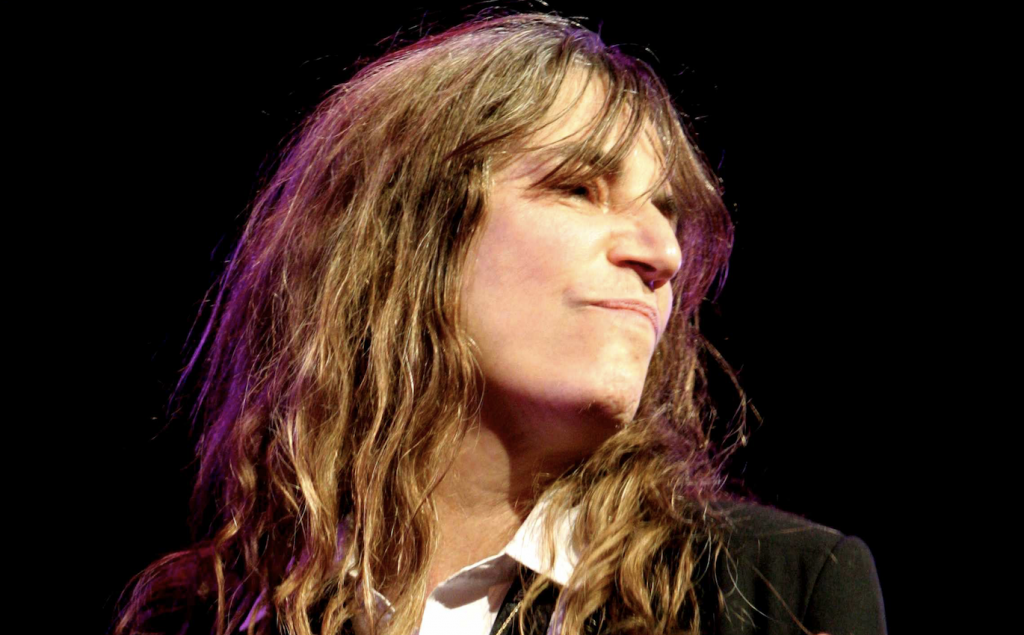
Image of Pat­ti Smith per­form­ing in Rio de Janeiro by Dai­go Oli­va

As a lit­tle girl, Pat­ti Smith found lib­er­a­tion in words — first through the bed­time prayers she made up her­self, and lat­er in books. “I was com­plete­ly smit­ten by the book,” she writes in her mem­oir, Just Kids.  “I longed to read them all, and the things I read of pro­duced new yearn­ings.”

Smith found a role mod­el in Jo, the tomboy writer in Louisa May Alcot­t’s Lit­tle Women. “She gave me the courage of a new goal,” writes Smith, “and soon I was craft­ing lit­tle sto­ries and spin­ning long yarns for my broth­er and sis­ter.” As a teenag­er she dis­cov­ered the French Sym­bol­ist poets Charles Baude­laire and espe­cial­ly Arthur Rim­baud, who inspired her and helped shape her own artis­tic per­sona as a poet and punk rock­er.

Despite her fame as a rock ’n’ roll musi­cian, Smith has always described her­self as essen­tial­ly a book­ish per­son. It was around the time of Smith’s appear­ance at the 2008 Mel­bourne Inter­na­tion­al Arts Fes­ti­val, accord­ing to Ver­ti­go, that Smith released this list of her favorite books. Not sur­pris­ing­ly, it’s an eclec­tic and fas­ci­nat­ing group of books:

Smith’s read­ing rec­om­men­da­tions have no doubt evolved since the list was giv­en. Ear­li­er this year a writer for Elle asked what books she would sug­gest. “I could rec­om­mend a mil­lion,” Smith respond­ed. “I would just say read any­thing by [Rober­to] Bolaño. Re-read all the great clas­sics. Read The Scar­let Let­ter, read Moby Dick, read [Haru­ki] Muraka­mi. But Rober­to Bolaño’s 2666 is the first mas­ter­piece of the 21st cen­tu­ry.”

You can find a num­ber of the texts list­ed above in our col­lec­tion, 800 Free eBooks for iPad, Kin­dle & Oth­er Devices.

Note: An ear­li­er ver­sion of this post appeared on our site in April 2015.

Relat­ed Con­tent:

David Bowie’s Top 100 Books

Hayao Miyaza­ki Picks His 50 Favorite Children’s Books

29 Lists of Rec­om­mend­ed Books Cre­at­ed by Well-Known Authors, Artists & Thinkers
How Bill Gates Reads Books

If you’re a ded­i­cat­ed read­er of our site, you know that we’ve peri­od­i­cal­ly high­light­ed Bill Gates’ favorite books. (See his lists from 20152016 and 2017, plus this rec­om­men­da­tion made ear­li­er this year.) You also know that his read­ing diet skews heav­i­ly towards non-fiction–towards books like Enlight­en­ment Now by Steven PinkerSapi­ens: A Brief His­to­ry of Humankind by Noah Yuval Harari, and Mind­set: The New Psy­chol­o­gy of Suc­cess by Car­ol S. Dweck.

That’s what Gates likes to read. But how about how he reads? How does Gates get the most out of his time spent read­ing? As he explains in the Quartz video above, it boils down to this:

  1. Take Notes in the Mar­gins: That sim­ple step helps ensure that you’re real­ly pay­ing atten­tion and engag­ing crit­i­cal­ly with the text. It lets you “take in new knowl­edge and attach it to knowl­edge you already have.”
  2. Don’t Start What You Can’t Fin­ish: Gates does­n’t explain why you should nev­er cut your loss­es. Maybe it’s a form of self-dis­ci­pline. Maybe it’s a fear of miss­ing out on what a book promis­es to deliv­er. Or maybe it’s the sunk cost fal­la­cy. Either way, Gates does rec­om­mend pick­ing your books care­ful­ly before you get start­ed.
  3. Paper Books, Not eBooks: Bet­ter for mar­gin­a­lia, for sure.
  4. Block Out an Hour of Read­ing Time: You can’t read a seri­ous book in a short sit­ting. To real­ly engage with a book, give it a good hour each day. A tall order, I known, in our age of ever-declin­ing atten­tion spans.

To be sure, you have your own read­ing prac­tices to rec­om­mend. Please don’t hes­i­tate to add them to the com­ments sec­tion below.

If you would like to sign up for Open Culture’s free email newslet­ter, please find it here. It’s a great way to see our new posts, all bun­dled in one email, each day.

If you would like to sup­port the mis­sion of Open Cul­ture, con­sid­er mak­ing a dona­tion to our site. It’s hard to rely 100% on ads, and your con­tri­bu­tions will help us con­tin­ue pro­vid­ing the best free cul­tur­al and edu­ca­tion­al mate­ri­als to learn­ers every­where. You can con­tribute through Pay­Pal, Patre­on, and Ven­mo (@openculture). Thanks!

Relat­ed Con­tent:

Bill Gates, Book Crit­ic, Names His Top 5 Books of 2015

Six Books (and One Blog) Bill Gates Wants You to Read This Sum­mer

Take Big His­to­ry: A Free Short Course on 13.8 Bil­lion Years of His­to­ry, Fund­ed by Bill Gates

View Bill Gates’ Mobile Library: The Books & Cours­es That Help Him Change The World

by | Permalink | Make a Comment ( 3 ) |

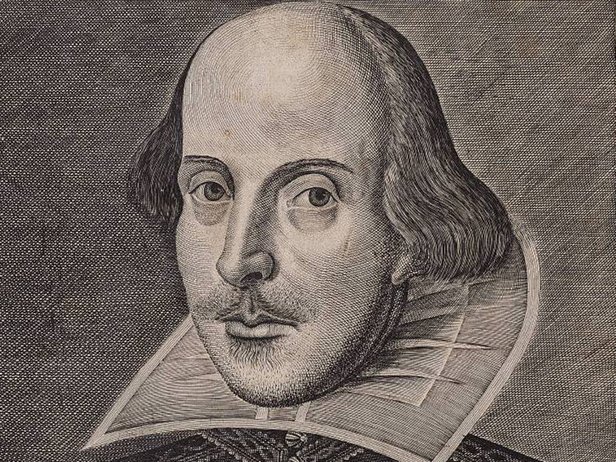
The 1,700+ Words Invented by Shakespeare*

One of the favorite ref­er­ence books on my shelves isn’t a style guide or dic­tio­nary but a col­lec­tion of insults. And not just any col­lec­tion of insults, but Shakespeare’s Insults for Teach­ers, an illus­trat­ed guide through the playwright’s barbs and put-downs, designed to offer com­ic relief to the belea­guered edu­ca­tor. (Books and web­sites about Shakespeare’s insults almost con­sti­tute a genre in them­selves.) I refer to this slim, humor­ous hard­back every time dis­cus­sions of Shake­speare get too pon­der­ous, to remind myself at a glance that what read­ers and audi­ences have always val­ued in his work is its light­ning-fast wit and inven­tive­ness.

While perus­ing any curat­ed selec­tion of Shakespeare’s insults, one can’t help but notice that, amidst the puns and bawdy ref­er­ences to body parts, so many of his wise­cracks are about lan­guage itself—about cer­tain char­ac­ters’ lack of clar­i­ty or odd ways of speak­ing. From Much Ado About Noth­ing there’s the col­or­ful, “His words are a very fan­tas­ti­cal ban­quet, just so many strange dish­es.” From The Mer­chant of Venice, the sar­cas­tic, “Good­ly Lord, what a wit-snap­per you are!” From Troilus and Cres­si­da, the deri­sive, “There’s a stewed phrase indeed!” And from Ham­let the sub­tle shade of “This is the very coinage of your brain.”

Indeed, it can often seem that Shakespeare—if we grant his his­toric­i­ty and authorship—is often writ­ing self-dep­re­cat­ing notes about him­self. “It is often said,” writes Fras­er McAlpine at BBC Amer­i­ca, that Shake­speare “invent­ed a lot of what we cur­rent­ly call the Eng­lish lan­guage…. Some­thing like 1700 [words], all told,” which would mean that “out of every ten words,” in his plays, “one will either have been new to his audi­ence, new to his actors, or will have been pass­ing­ly famil­iar, but nev­er writ­ten down before.” It’s no won­der so much of his dia­logue seems to car­ry on a meta-com­men­tary about the strange­ness of its lan­guage.

We have enough trou­ble under­stand­ing Shake­speare today. The ques­tion McAlpine asks is how his con­tem­po­rary audi­ences could under­stand him, giv­en that so much of his dic­tion was “the very coinage” of his brain. Lists of words first used by Shake­speare can be found aplent­ly. There’s this cat­a­log from the exhaus­tive mul­ti-vol­ume lit­er­ary ref­er­ence The Oxford Eng­lish Dic­tio­nary, which lists such now-every­day words as “acces­si­ble,” “accom­mo­da­tion,” and “addic­tion” as mak­ing their first appear­ance in the plays. These “were not all invent­ed by Shake­speare,” the list dis­claims, “but the ear­li­est cita­tions for them in the OED” are from his work, mean­ing that the dictionary’s edi­tors could find no ear­li­er appear­ance in his­tor­i­cal writ­ten sources in Eng­lish.

Anoth­er short­er list links to an excerpt from Charles and Mary Cow­den Clarke’s The Shake­speare Key, show­ing how the author, “with the right and might of a true poet… mint­ed sev­er­al words” that are now cur­rent, or “deserve” to be, such as the verb “artic­u­late,” which we do use, and the noun “co-mart”—meaning “joint bargains”—which we could and maybe should. At ELLO, or Eng­lish Lan­guage and Lin­guis­tics Online, we find a short tuto­r­i­al on how Shake­speare formed new words, by bor­row­ing them from oth­er lan­guages, or adapt­ing them from oth­er parts of speech, turn­ing verbs into nouns, for exam­ple, or vice ver­sa, and adding new end­ings to exist­ing words.

“Whether you are ‘fash­ion­able’ or ‘sanc­ti­mo­nious,’” writes Nation­al Geo­graph­ic, “thank Shake­speare, who like­ly coined the terms.” He also appar­ent­ly invent­ed sev­er­al phras­es we now use in com­mon speech, like “full cir­cle,” “one fell swoop,” “strange bed­fel­lows,” and “method in the mad­ness.” (In anoth­er BBC Amer­i­ca arti­cle, McAlpine lists 45 such phras­es.) The online sources for Shakespeare’s orig­i­nal vocab­u­lary are mul­ti­tude, but we should note that many of them do not meet schol­ar­ly stan­dards. As lin­guists and Shake­speare experts David and Ben Crys­tal write in Shakespeare’s Words, “we found very lit­tle that might be classed as ‘high-qual­i­ty Shake­speare­an lex­i­cog­ra­phy’” online.

So, there are rea­sons to be skep­ti­cal about claims that Shake­speare is respon­si­ble for the 1700 or more words for which he’s giv­en sole cred­it. (Hence the aster­isk in our title.) As not­ed, a great many of those words already exist­ed in dif­fer­ent forms, and many of them may have exist­ed as non-lit­er­ary col­lo­qui­alisms before he raised their pro­file to the Eliz­a­bethan stage. Nonethe­less, it is cer­tain­ly the case that the Bard coined or first used hun­dreds of words, writes McAlpine, “with no obvi­ous prece­dent to the lis­ten­er, unless you were schooled in Latin or Greek.” The ques­tion, then, remains: “what on Earth did Shakespeare’s [most­ly] une­d­u­cat­ed audi­ence make of this influx of new­ly-mint­ed lan­guage into their enter­tain­ment?”

McAlpine brings those poten­tial­ly stu­pe­fied Eliz­a­bethans into the present by com­par­ing watch­ing a Shake­speare play to watch­ing “a three-hour long, open air rap bat­tle. One in which you have no idea what any of the slang means.” A good deal would go over your head, “you’d maybe get the gist, but not the full impact,” but all the same, “it would all seem ter­ri­bly impor­tant and dra­mat­ic.” (Cos­tum­ing, props, and stag­ing, of course, helped a lot, and still do.) The anal­o­gy works not only because of the amount of slang deployed in the plays, but also because of the inten­si­ty and reg­u­lar­i­ty of the boasts and put-downs, which makes even more inter­est­ing one data scientist’s attempt to com­pare Shakespeare’s vocab­u­lary with that of mod­ern rap­pers, whose lan­guage is, just as often, the very coinage of their brains.

Relat­ed Con­tent:

Do Rap­pers Have a Big­ger Vocab­u­lary Than Shake­speare?: A Data Sci­en­tist Maps Out the Answer

Hear 55 Hours of Shakespeare’s Plays: The Tragedies, Come­dies & His­to­ries Per­formed by Vanes­sa Red­grave, Sir John Giel­gud, Ralph Fiennes & Many More

What Shakespeare’s Eng­lish Sound­ed Like, and How We Know It

Josh Jones is a writer and musi­cian based in Durham, NC. Fol­low him at @jdmagness.

« Go Back
Quantcast

