The “Most Secretive Library in the World”: The Future Library Will Collect 100 Original Manuscripts by Margaret Atwood, David Mitchell & More, to Be Read for the First Time in 2114

Should intel­li­gent life of some form or anoth­er still inhab­it the plan­et in the year 6939, such beings might come upon an “800-pound tube of an alloy of cop­per and chromi­um called Cupaloy” that was buried 50 feet beneath what was once Queens. The first time cap­sule, low­ered under the West­ing­house exhib­it at the 1939 New York World’s Fair con­tains “35 items one might find in any run-of-the-mill Smith fam­i­ly house­hold,” as Jin­woo Chong writes at Untapped Cities, “includ­ing copies of Life mag­a­zine, a Sears and Roe­buck cat­a­log, cig­a­rettes and seeds of wheat, corn, alfal­fa and soy.”

The Future Library, a time cap­sule-like project present­ly in the works, takes a very dif­fer­ent approach to the con­cept. “A for­est is grow­ing in Nor­way,” explains an intro­duc­to­ry video on cre­ator Katie Paterson’s web­site. “In 100 years it will become an anthol­o­gy of books.” The books that will be print­ed from 1,000 trees plant­ed in Nord­mar­ka, north of Oslo, will not, how­ev­er, trans­mit min­ing and nav­i­ga­tion­al instruc­tions, but a full range of human emo­tion and per­son­al expe­ri­ence. Or so we might assume. Unlike the 1939 time cap­sule, we’ll nev­er know what’s inside them.

Scot­tish artist Pater­son has planned a library of 100 cre­ative works of fic­tion, non-fic­tion, and poetry—one man­u­script sub­mit­ted every year until 2114, when she intends them all to be print­ed in 3,000 copies each and read for the first time. Almost none of us will be there to wit­ness the event, yet “the timescale is… not vast in cos­mic terms,” she says. “It is beyond our cur­rent lifes­pans, but close enough to come face to face with it, to com­pre­hend and rel­a­tivize,” unlike the incom­pre­hen­si­ble future of H.G. Wells’ The Time Machine or the far-off world for which West­ing­house designed their cap­sule.

Nonethe­less, tech­no­log­i­cal, and per­haps even evo­lu­tion­ary, change has increased expo­nen­tial­ly in the past sev­er­al decades, as have the pos­si­bil­i­ties for glob­al extinc­tion events. Mar­garet Atwood, the first author to sub­mit an unpub­lished, unread man­u­script to the Future Library in 2014, is char­ac­ter­is­ti­cal­ly less than san­guine about the exis­tence of future read­ers for her man­u­script, enti­tled Scrib­bler Moon. “It’s very opti­mistic to believe that there will still be peo­ple in 100 years,” she says in the short video above, and “that those peo­ple will still be read­ing.” Atwood imag­ines a near-future that may not even rec­og­nize our time.

Which words that we use today will be dif­fer­ent, archa­ic, obso­lete? Which new words will have entered the lan­guage? We don’t know what foot­notes we will need. Will they have com­put­ers? Will they call them some­thing else? What will they think smart­phones are? Will that word still exist?

Writ­ers for the project are cho­sen by the Future Library’s board of trustees. After the can­ny selec­tion of Atwood, they chose the equal­ly on-the-nose David Mitchell, author of Cloud Atlas, who calls the library “the Ark of Lit­er­a­ture.” It is a strange ark, filled with ani­mals few peo­ple liv­ing now will like­ly ever see. “The world’s most secre­tive library,” The Guardian calls it.  In 2016, Ice­landic nov­el­ist and poet Sjón sub­mit­ted his mys­te­ri­ous text. The fourth work came from Turk­ish nov­el­ist Elif Shafak, who named the project “a sec­u­lar act of faith.”

The lat­est writer cho­sen is Man Book­er-win­ning South Kore­an nov­el­ist Han Kang, who described the Future Library as a lit­er­al expres­sion of the writer’s thoughts on their duty to pos­ter­i­ty: “I can­not sur­vive 100 years from now, of course. No one who I love can sur­vive, either. This relent­less fact has made me reflect on the essen­tial part of my life. Why do I write? Who am I talk­ing to, when I write?” Did Jane Austen imag­ine her read­ers of 100 years lat­er? Could she ever have imag­ined us?

Not only is the Future Library an act of lit­er­ary faith, but it is an eco­log­i­cal one. “The next 96 years do not look promis­ing for the seedlings,” writes Merve Emre at The New York Times, “which are more vul­ner­a­ble than their ances­tors to all man­ner of man-made dis­as­ters.” The project sym­bol­i­cal­ly binds togeth­er the fates of the book and the trees, mak­ing “the phys­i­cal­i­ty of cul­ture pal­pa­ble by insist­ing that we con­front the long, labo­ri­ous process of pre­serv­ing lan­guage.”

In 2020, the col­lec­tion of man­u­scripts will be moved to a “Silent Room” in Oslo, a “womb-shaped cham­ber fac­ing the for­est, lined with wood from its trees.” Vis­i­tors can come and ven­er­ate these secre­tive future relics in their rib­bon-wrapped gray box­es. But their contents—should the ambi­tious endeav­or go as planned—will remain as elu­sive as the shape of our col­lec­tive future 100 years from now.

via NYTimes

Relat­ed Con­tent:

What Books Could Be Used to Rebuild Civ­i­liza­tion?: Lists by Bri­an Eno, Stew­art Brand, Kevin Kel­ly & Oth­er For­ward-Think­ing Minds

Bertrand Russell’s Advice to Peo­ple Liv­ing 1,000 Years in the Future: “Love is Wise, Hatred is Fool­ish”

Aldous Hux­ley to George Orwell: My Hell­ish Vision of the Future is Bet­ter Than Yours (1949)

Josh Jones is a writer and musi­cian based in Durham, NC. Fol­low him at @jdmagness

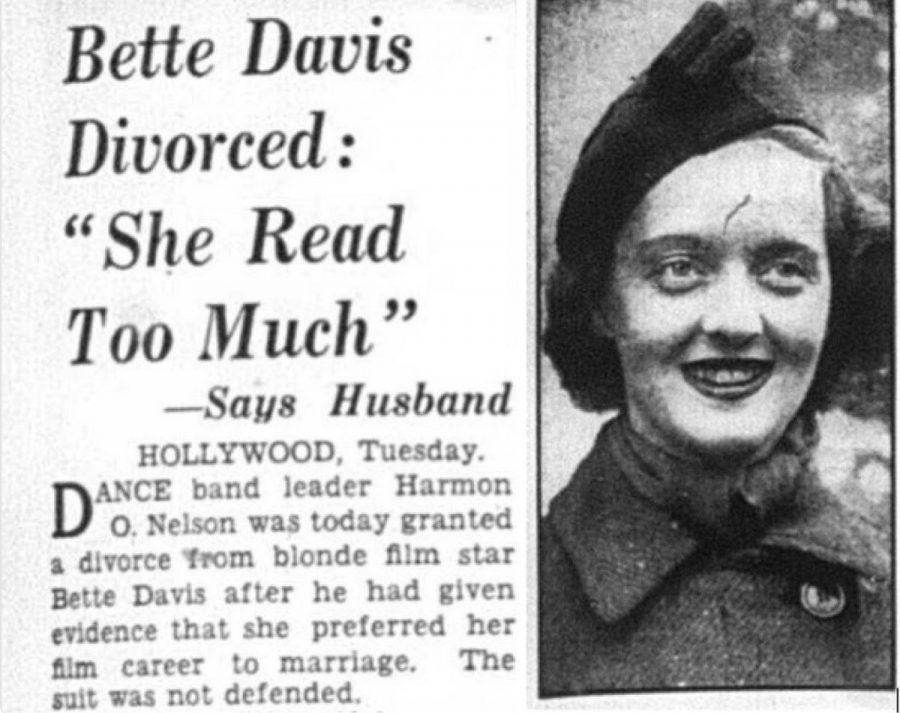
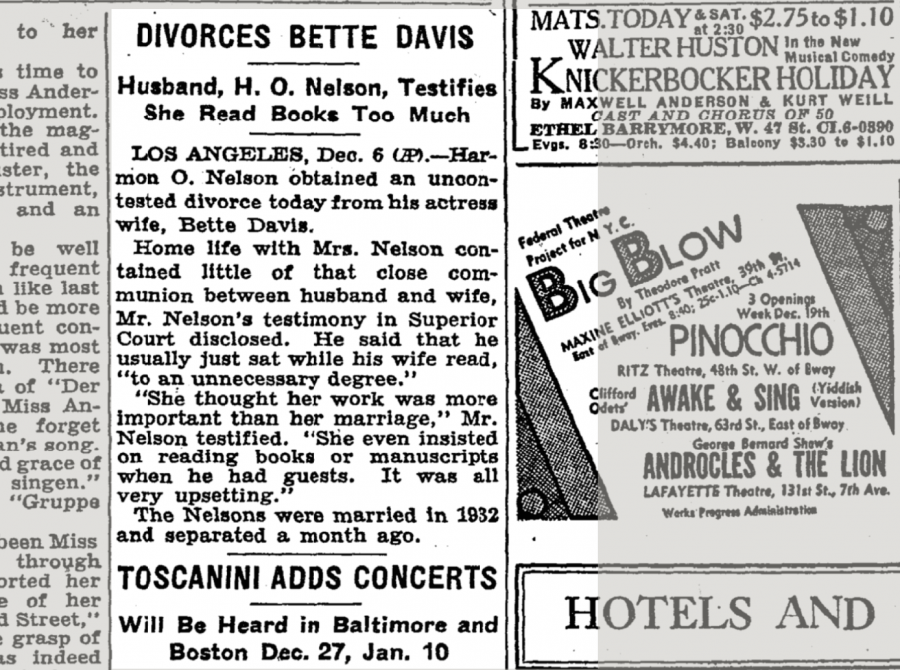
Bette Davis Divorced: “She Read Too Much,” Says Husband (1938)

On Decem­ber 7, 1938, The New York Times report­ed on the dis­so­lu­tion of Bette Davis’ mar­riage with Har­mon “Oscar” Nel­son. The stat­ed rea­son for the divorce? The actress read too much. The report goes on to say: Har­mon “usu­al­ly just sat there while his wife read ‘to an unnec­es­sary degree.” “She thought her work was more impor­tant than her mar­riage.” “She even insist­ed on read­ing books or man­u­scripts when [Har­mon] had guests. It was all very upset­ting.”

Davis lat­er dis­cussed the emo­tion­al gulf that had sep­a­rat­ed the hus­band and wife. She also addressed an affair with busi­ness mag­nate Howard Hughes–something that appar­ent­ly got men­tioned in the divorce pro­ceed­ings but not the pages of The New York Times itself.

via @Tom DC Roberts

If you would like to sign up for Open Culture’s free email newslet­ter, please find it here. It’s a great way to see our new posts, all bun­dled in one email, each day.

If you would like to sup­port the mis­sion of Open Cul­ture, con­sid­er mak­ing a dona­tion to our site. It’s hard to rely 100% on ads, and your con­tri­bu­tions will help us con­tin­ue pro­vid­ing the best free cul­tur­al and edu­ca­tion­al mate­ri­als to learn­ers every­where. You can con­tribute through Pay­Pal, Patre­on, and Ven­mo (@openculture). Thanks!

Relat­ed Con­tent:

Albert Ein­stein Impos­es on His First Wife a Cru­el List of Mar­i­tal Demands

The Irre­press­ible Bette Davis Recalls Her Good and Bad Days Kiss­ing in the Movies

1933 Arti­cle on Fri­da Kahlo: “Wife of the Mas­ter Mur­al Painter Glee­ful­ly Dab­bles in Works of Art”

How to Make and Wear Medieval Armor: An In-Depth Primer

Look at a medieval knight in armor and you can’t help but won­der how he got the stuff on. Then fol­lows a ques­tion with an even more com­pli­cat­ed answer: how did the armor get made in the first place? Luck­i­ly, we in the 21st cen­tu­ry have medieval­ists who have ded­i­cat­ed their lives to learn­ing and explain­ing just such pieces of now-obscure knowl­edge (as well as the ever-grow­ing legion of medieval bat­tle enthu­si­asts doing their utmost to both demand that knowl­edge and hold the schol­ars who pos­sess it to account). You can see what went into the mak­ing of a knight’s armor — and still goes into it, for those inclined to learn the craft — in the video above, a live pre­sen­ta­tion of the real tools and tech­niques by armor­er Jef­frey D. Was­son at The Met­ro­pol­i­tan Muse­um of Art.

With nar­ra­tion by Dirk Brei­d­ing, Assis­tant Cura­tor of its Arms and Armor Depart­ment, the video reveals every step of Was­son’s process, begin­ning with research into how 500-year-old com­po­nents of armor looked and work, and end­ing with pieces that, while new­ly made, could eas­i­ly have fit into the suit worn by a knight of those days.

Was­son’s next demon­stra­tion, in the sec­ond video just above, shows the process of get­ting dressed in armor, one a knight could hard­ly exe­cute by him­self. Much like the videos about how women got dressed in the 14th and 18th cen­turies pre­vi­ous­ly fea­tured here on Open Cul­ture, it required an assis­tant, but in both cas­es the result is sup­posed to have been less restric­tive and cum­ber­some than we today might expect — or some­what less restric­tive and cum­ber­some, any­way.

Though we asso­ciate this kind of plate armor with the Mid­dle Ages, it actu­al­ly devel­oped fair­ly late in that era, around the Hun­dred Years’ War that last­ed from the mid-14th to the mid-15th cen­tu­ry. As a form, it peaked in the late 15th and ear­ly 16th cen­turies, span­ning the end of the Mid­dle Ages and the ear­ly Renais­sance; the image of the knight we all have in our heads is prob­a­bly wear­ing a suit of 16th-cen­tu­ry armor made for joust­ing. That prac­tice con­tin­ued even as the use of armor declined on the bat­tle­field, the devel­op­ment of firearms hav­ing great­ly less­ened its pro­tec­tive val­ue and put a high pre­mi­um on agili­ty. Yet armor remains an impres­sive his­tor­i­cal arti­fact and, at its best, an achieve­ment in crafts­man­ship as well. But now that we know how to make it and put it on, how best to keep it shin­ing?

Relat­ed Con­tent:

What’s It Like to Fight in 15th Cen­tu­ry Armor?: A Sur­pris­ing Demon­stra­tion

How Women Got Dressed in the 14th & 18th Cen­turies: Watch the Very Painstak­ing Process Get Cin­e­mat­i­cal­ly Recre­at­ed

Renais­sance Knives Had Music Engraved on the Blades; Now Hear the Songs Per­formed by Mod­ern Singers

A Free Yale Course on Medieval His­to­ry: 700 Years in 22 Lec­tures

Based in Seoul, Col­in Mar­shall writes and broad­casts on cities, lan­guage, and cul­ture. His projects include the book The State­less City: a Walk through 21st-Cen­tu­ry Los Ange­les and the video series The City in Cin­e­ma. Fol­low him on Twit­ter at @colinmarshall or on Face­book.

157 Animated Minimalist Mid-Century Book Covers

Graph­ic and motion design­er Hen­ning M. Led­er­er can’t get enough of those min­i­mal­ist mid­cen­tu­ry book cov­ers.

Appar­ent­ly, the over-the-top pulp sce­nar­ios that inspire fel­low peri­od cov­er enthu­si­ast Todd Alcott leave Led­er­er cold.

He’s drawn to the stark, the geo­met­ric, the abstract. No heav­ing bosoms, no for­bid­den love, though there’s no deny­ing that sex was a top­ic of great clin­i­cal inter­est to sev­er­al of the authors fea­tured above, includ­ing psy­chi­a­trists Charles Rycroft, H. R. Beech, and R.D. Laing.

Visu­al­ly, the psy­cho-ana­lyt­ic titles appear inter­change­able with the more straight­for­ward texts in this, Lederer’s third in a series of light­ly ani­mat­ed peri­od book cov­ers:

The Intel­li­gent Woman’s Guide to Atom­ic Radi­a­tion

Med­ical Com­pli­ca­tions Dur­ing Preg­nan­cy

Gen­er­al­ized Ther­mo­dy­nam­ics

Pin­wheels, rip­ples, and scrolling har­le­quin pat­terns abound. Stare at them long enough if you want to cure your insom­nia or become one with the uni­verse.

Tilman Grundig’s sound­track ensures that the play­ing field will stay lev­el. No title is sin­gled out for extra son­ic atten­tion.

That said, Noise by Rupert Tay­lor, an expert con­sul­tant in acoustics and noise con­trol, stands apart for the humor and nar­ra­tive sen­si­bil­i­ty of its visu­al rep­re­sen­ta­tion.

Per­haps that’s why Led­er­er saved it for last.

To date, he’s ani­mat­ed 157 cov­ers. Enjoy them all above.

Relat­ed Con­tent:

Songs by David Bowie, Elvis Costel­lo, Talk­ing Heads & More Re-Imag­ined as Pulp Fic­tion Book Cov­ers

The Art of Sci-Fi Book Cov­ers: From the Fan­tas­ti­cal 1920s to the Psy­che­del­ic 1960s & Beyond

French Book­store Blends Real People’s Faces with Book Cov­er Art

Ayun Hal­l­i­day is an author, illus­tra­tor, the­ater mak­er and Chief Pri­ma­tol­o­gist of the East Vil­lage Inky zine.  Join her in NYC on Mon­day, Novem­ber 12 for anoth­er month­ly install­ment of her book-based vari­ety show, Necro­mancers of the Pub­lic Domain. Fol­low her @AyunHalliday.

The Library of Congress Makes Thousands of Fabulous Photos, Posters & Images Free to Use & Reuse

The his­to­ry of the ven­er­a­ble Library of Con­gress demon­strates the vast impor­tance that the founders of the U.S. accord­ed to read­ing and study­ing. It may be one of the country’s most durable insti­tu­tions, “the old­est fed­er­al cul­tur­al insti­tu­tion in the nation,” it pro­claims. While par­ti­san ran­cor, war, and vio­lence recur, the LoC has stolid­ly held an ever-increas­ing­ly diverse col­lec­tion of arti­facts sit­ting peace­ful­ly along­side each oth­er on sev­er­al hun­dred miles of shelves, a mon­u­ment to the life of the mind that ought to get more atten­tion.

Tout­ing itself as “the largest library in the world,” its col­lec­tions “are uni­ver­sal, not lim­it­ed by sub­ject, for­mat, or nation­al bound­ary, and include research mate­ri­als from all parts of the world and in more than 450 lan­guages.”

Its first mate­ri­als were, of course, books—including over six-thou­sand books pur­chased from Thomas Jefferson’s pri­vate col­lec­tion after the British burned the orig­i­nal library down in 1814. Now, it “adds approx­i­mate­ly 12,000 items to the col­lec­tion dai­ly,” in every pos­si­ble for­mat one can imag­ine.

And since its dig­i­tal col­lec­tions came online, any­one, any­where in the world can call up these vast resources with an inter­net con­nec­tion and a few clicks. Though we tend to take such things for grant­ed in our fer­vid­ly dis­tract­ed times, a lit­tle reflec­tion should remind us of how incred­i­ble that is. But before we wax too rhap­sod­ic, let’s remem­ber there’s a busi­ness end to the LoC and it’s called the U.S. Copy­right Office, that guardian of intel­lec­tu­al prop­er­ty that both ensures cre­ators can prof­it from their labors and pre­vents the free and open use of so many enrich­ing mate­ri­als long after those cre­ators have need of them.

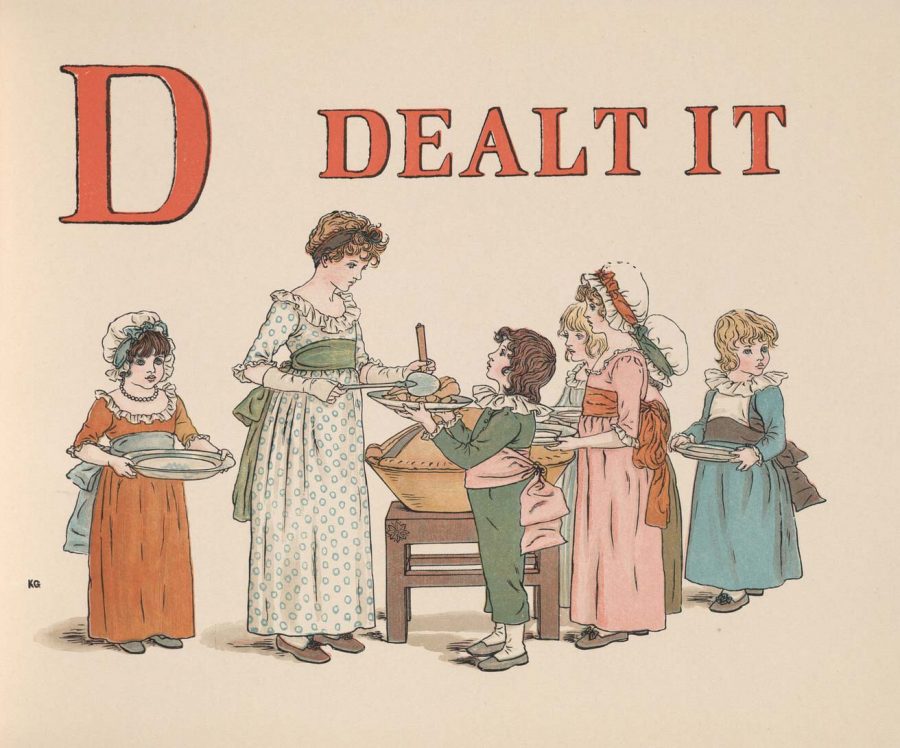
But the Library has done its dig­i­tal users a ser­vice in this regard as well, with its “Free to Use and Reuse Sets,” a siz­able col­lec­tion of images that the Library “believes… is either in the pub­lic domain, has no known copy­right, or has been cleared by the copy­right own­er for pub­lic use.” (The use of the word “believes” seems to leave room for doubt, but if you got it with per­mis­sion from the LoC, you’re prob­a­bly safe.) Need pho­tographs of Abra­ham Lincoln—and scans of his speech­es, let­ters, and “duel­ing instruc­tions”—for that book you’re writ­ing? You’re cov­ered with this gallery. Need a col­lec­tion of clas­sic chil­dren’s books for your web­site (or your read­ing plea­sure)? Here you go.

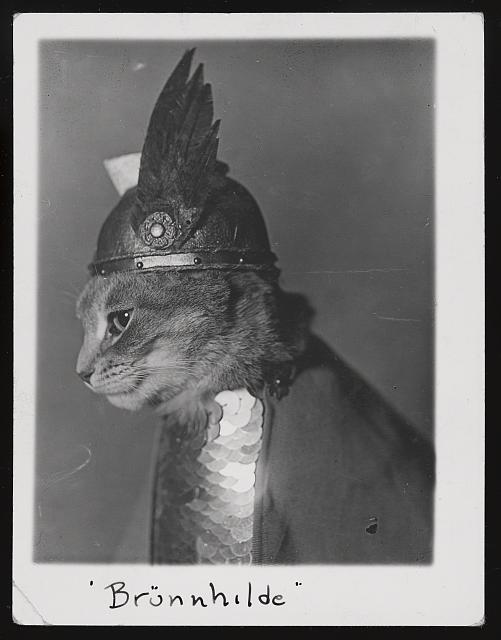
From the graph­ic genius of vin­tage WPA and trav­el posters to icon­ic jazz por­traits by William Got­tlieb to base­ball cards to end­less­ly quaint and quirky Amer­i­can road­side attrac­tions to pic­tures of dogs and their peo­ple… you nev­er know when you might need such images, but when you do you now know where to find them. Want to know what’s in the set called “Not an Ostrich”? A valkyrie cat named Brunnhilde, for one thing, and much more here.

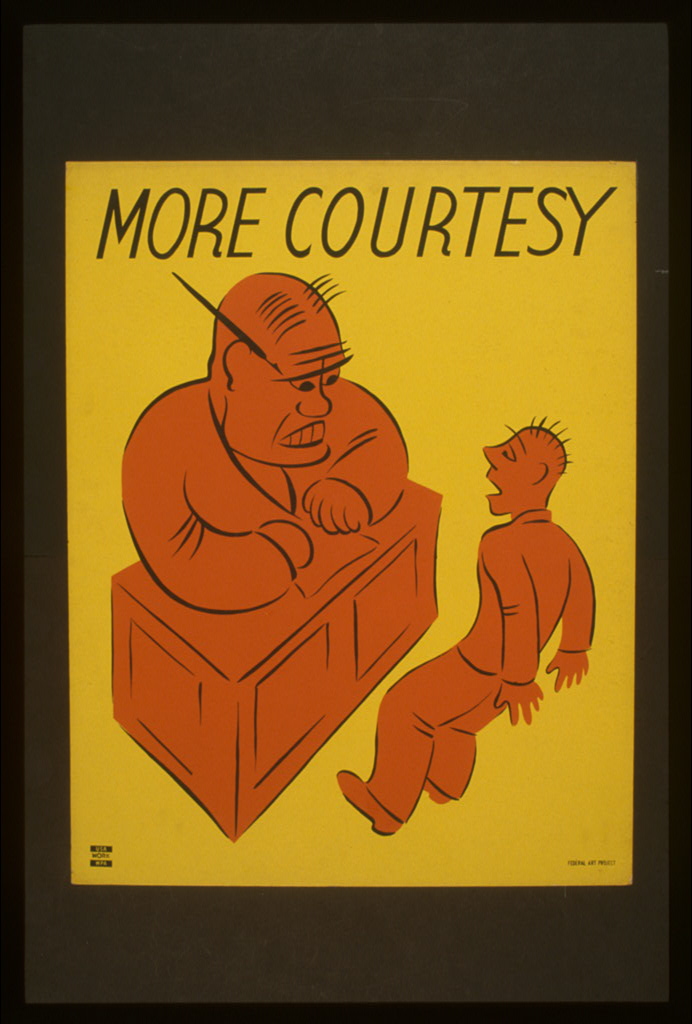
The Library cur­rent­ly high­lights its “Poster Parade”—a set of posters from the 1890s to the 1960s fea­tur­ing “trav­el, com­mer­cial prod­ucts, war pro­pa­gan­da, enter­tain­ment, and more”—in col­lab­o­ra­tion with Poster House, a muse­um open­ing in New York next year. These range from delec­table art nou­veau ads to shouty broad­sides telling you to drink your milk, brush your teeth, or have “More Cour­tesy.” Sen­si­ble pre­scrip­tions, but we also need more knowl­edge, study, and thought. Start at the LoC’s Dig­i­tal Col­lec­tions here and har­vest your free to use and reuse images here.

If you would like to sign up for Open Culture’s free email newslet­ter, please find it here. It’s a great way to see our new posts, all bun­dled in one email, each day.

If you would like to sup­port the mis­sion of Open Cul­ture, con­sid­er mak­ing a dona­tion to our site. It’s hard to rely 100% on ads, and your con­tri­bu­tions will help us con­tin­ue pro­vid­ing the best free cul­tur­al and edu­ca­tion­al mate­ri­als to learn­ers every­where. You can con­tribute through Pay­Pal, Patre­on, and Ven­mo (@openculture). Thanks!

Relat­ed Con­tent:

The Library of Con­gress Makes 25 Mil­lion Records From Its Cat­a­log Free to Down­load

Large Archive of Han­nah Arendt’s Papers Dig­i­tized by the Library of Con­gress: Read Her Lec­tures, Drafts of Arti­cles, Notes & Cor­re­spon­dence

Get­ty Images Makes 35 Mil­lion Pho­tos Free to Use Online

Josh Jones is a writer and musi­cian based in Durham, NC. Fol­low him at @jdmagness.


The Philosophy of Hayao Miyazaki: A Video Essay on How the Traditional Japanese Religion Shinto Suffuses Miyazaki’s Films

Even if you’ve nev­er watched it before, you always know a Stu­dio Ghi­b­li movie when you see one, and even more so in the case of a Stu­dio Ghi­b­li movie direct­ed by Hayao Miyaza­ki. That goes for his work’s com­mon aes­thet­ic qual­i­ties as well as its com­mon the­mat­ic ones, the lat­ter of which run deep, all the way down to the tra­di­tion­al Japan­ese reli­gion of Shin­to. Or so, any­way, argues “The Phi­los­o­phy of Miyaza­ki,” the Wise­crack video essay above that finds in Shin­to, a belief sys­tem premised on the notion that “we share our world with a vari­ety of gods and spir­its called kami,” the qual­i­ties that give “the films of Miyaza­ki and his team of badass­es at Stu­dio Ghi­b­li that extra Miyaza­ki feel.”

Even view­ers with no knowl­edge of Shin­to and its role in Japan­ese soci­ety — where 80 per­cent of the pop­u­la­tion pro­fess­es to prac­tice its tra­di­tions — can sense that “a recur­rent theme run­ning through­out all of Miyaza­k­i’s films is a love for nature.” Going back at least as far as 1984’s World Wildlife Fed­er­a­tion-approved Nau­si­caä of the Val­ley of the Wind, whose hero­ine takes up the fight on behalf of a race of large bugs, Miyaza­k­i’s work has depict­ed the exploita­tion of nature by the many and the defense of nature by the few.

None of his films have ren­dered kami quite so vivid­ly as My Neigh­bor Totoro, the tit­u­lar crea­ture being just one of the wood­land spir­its that sur­round and even inhab­it a human fam­i­ly’s house. In the world­views of both Shin­to teach­ing and Miyaza­k­i’s cin­e­ma, nature isn’t just nature but “part of the divine fab­ric of real­i­ty, and as such deserves our respect.”

This con­trasts sharply with Aris­totle’s claim that “nature has made all things specif­i­cal­ly for the sake of man,” and indeed to Amer­i­ca’s idea of Man­i­fest Des­tiny and the con­se­quent sub­ju­ga­tion of all things to human use. Any­one who’s only seen one or two of Miyaza­k­i’s movies would be for­giv­en for assum­ing that he con­sid­ers all tech­nol­o­gy evil, but a clos­er view­ing (espe­cial­ly of his “final” film The Wind Ris­es about the design­er of the Zero fight­er plane, which depicts the inven­tion itself as a thing of beau­ty despite its use in war) reveals a sub­tler mes­sage: “Because we’re focused on nature only through the lens of sci­ence and tech­nol­o­gy, we’re blind­ed to the true essence of things.” We’ll learn to live in a prop­er bal­ance with nature only when we learn to see that essence, and Miyaza­ki has spent his career doing his part to reveal it to us.

Relat­ed Con­tent:

500,000 Years of Humans Degrad­ing Nature Cap­tured in a Bit­ing Three Minute Ani­ma­tion by Steve Cutts

The Essence of Hayao Miyaza­ki Films: A Short Doc­u­men­tary About the Human­i­ty at the Heart of His Ani­ma­tion

Watch Hayao Miyaza­ki Ani­mate the Final Shot of His Final Fea­ture Film, The Wind Ris­es

How the Films of Hayao Miyaza­ki Work Their Ani­mat­ed Mag­ic, Explained in 4 Video Essays

Watch Moe­bius and Miyaza­ki, Two of the Most Imag­i­na­tive Artists, in Con­ver­sa­tion (2004)

Hayao Miyaza­ki Tells Video Game Mak­ers What He Thinks of Their Char­ac­ters Made with Arti­fi­cial Intel­li­gence: “I’m Utter­ly Dis­gust­ed. This Is an Insult to Life Itself”

Based in Seoul, Col­in Mar­shall writes and broad­casts on cities, lan­guage, and cul­ture. His projects include the book The State­less City: a Walk through 21st-Cen­tu­ry Los Ange­les and the video series The City in Cin­e­ma. Fol­low him on Twit­ter at @colinmarshall or on Face­book.

Growing Up Surrounded by Books Has a Lasting Positive Effect on the Brain, Says a New Scientific Study

Image by George Red­grave, via Flickr Com­mons

Some­where in the annals of the internet–if this sprawl­ing, near-sen­tient thing we call the inter­net actu­al­ly has annals–there is a fine, fine quote by film­mak­er John Waters:

We need to make books cool again. If you go home with some­body and they don’t have books, don’t fuck them. Don’t let them explore you until they’ve explored the secret uni­vers­es of books. Don’t let them con­nect with you until they’ve walked between the lines on the pages.
Books are cool, if you have to with­hold your­self from some­one for a bit in order for them to real­ize this then do so.

I like to think all of us here on Open Cul­ture are on the same page as Mr. Waters and there’s rea­son to cel­e­brate: researchers at the Aus­tralian Nation­al Uni­ver­si­ty have report­ed that grow­ing up in a house­hold filled with books can lead to pro­fi­cien­cy in lit­er­a­cy, numer­a­cy, and infor­ma­tion com­mu­ni­ca­tion tech­nol­o­gy, even if you don’t go on to uni­ver­si­ty.

Basi­cal­ly, being around books is good for you.

You can read the full study by Joan­na Siko­ra here at Social Sci­ence Research, which used data from 160,000 adults from 31 coun­tries. The data came from a sur­vey that asked peo­ple ages 25 to 65 to think back on being 16 years old. How many books were they sur­round­ed by at home dur­ing that time?

The aver­age num­ber at home was 115 books, though in Nor­way the aver­age size was 212 books and in Turkey it was 27. Need­less to say, no mat­ter the size of the library, hav­ing books in the home was a good thing. The research­es also found that lit­er­a­cy rates climbed as the num­ber of books climbed, but at some point–350 books to be exact–these rates plateau’d.

In com­par­i­son, a per­son who had not grown up around books but had earned a uni­ver­si­ty degree wound up being just as lit­er­ate as some­one with a large home library and only nine years of school­ing.

Accord­ing to Siko­ra, “Ear­ly expo­sure to books in [the] parental home mat­ters because books are an inte­gral part of rou­tines and prac­tices that enhance life­long cog­ni­tive com­pe­ten­cies.”

What does that bode for a more dig­i­tal future? The study seems to sug­gest that while books are not going away any time soon, it is indeed this book-based lit­er­a­cy that leads many of us to online sites like Open Cul­ture, where we spend our time read­ing arti­cles like this one. (Instead of, you know, watch­ing cat videos or play­ing Fort­nite.)

So the next time you fret that your stack of unread books is a bad thing, don’t wor­ry. It’s doing won­ders for your men­tal health, whether you know it or not.

Relat­ed Con­tent:

RIP Todd Bol, Founder of the Lit­tle Free Library Move­ment: He Leaves Behind 75,000 Small Libraries That Pro­mote Read­ing World­wide

Boston Pub­lic Library Launch­es a Crowd­sourced Project to Tran­scribe 40,000 Doc­u­ments from Its Anti-Slav­ery Col­lec­tion: You Can Now Help

China’s New Lumi­nous White Library: A Strik­ing Visu­al Intro­duc­tion

Ted Mills is a free­lance writer on the arts who cur­rent­ly hosts the artist inter­view-based FunkZone Pod­cast and is the pro­duc­er of KCR­W’s Curi­ous Coast. You can also fol­low him on Twit­ter at @tedmills, read his oth­er arts writ­ing at tedmills.com and/or watch his films here.

Hear How Queen’s “Bohemian Rhapsody” Would Sound If Sung by Johnny Cash, David Bowie, Janis Joplin, Frank Sinatra & 38 Other Artists

I con­sid­er Fred­dy Mer­cury and Michael Jack­son as the great­est per­form­ers of all time. Their vocal abil­i­ties are what I look up to as a vocal­ist.  — Antho­ny Vin­cent

Antho­ny Vin­cent, the cre­ator of Ten Sec­ond Songs, has a flow­ing mane, a lean physique, and the cock­sure man­ner of a 20th cen­tu­ry rock god.

He also spends hours in his home stu­dio, peer­ing at a com­put­er mon­i­tor through read­ing glass­es.

His lat­est effort, above, Queen’s “Bohemi­an Rhap­sody” in the style of 42 oth­er artists, could seem like a gim­mick at first glance.

Con­sid­er, how­ev­er, all the research, time, and musi­cian­ship that went into it.

The YouTube star dis­ap­peared from the inter­net for a month in order to tack­le the beast that fans had long been beg­ging him for.

He emerged from this self-imposed sab­bat­i­cal refreshed, rec­om­mend­ing that per­haps “every­one should start pro­duc­ing songs in mul­ti­ple styles just so they too could take a vaca­tion from social media.”

Good idea, though I doubt many of us can mim­ic the wide range of vocal styles the large­ly self taught Vin­cent does, from  Muse’s lead singer Matt Belamy’s fabled high notes to the late Joe Strummer’s extreme­ly Eng­lish punk atti­tude to Janis Joplin at her most unfet­tered.

He also dis­plays an impres­sive facil­i­ty with a vari­ety of arrange­ments and instru­ments, though a cou­ple of off-hand­ed com­ments in the Mak­ing Of video, below, may not endear him to drum­mers, despite his obvi­ous respect for the essen­tial role per­cus­sion plays in struc­tur­ing his projects.

Var­i­ous ele­ments sug­gest­ed which artist to pair with each bite-sized sec­tion of “Bohemi­an Rhap­sody,” includ­ing sim­i­lar­i­ty of lyrics, notes, and arrange­ments. (“Mama mia” was a no brain­er…as was “Mama, didn’t mean to make you cry.”)

By def­i­n­i­tion, the mul­ti-style “Bohemi­an Rhap­sody” required him to look beyond his own per­son­al favorites for artists to high­light, a process he applies to all of his mash ups. As he said in a 2015 inter­view with Radio Met­al:

Obvi­ous­ly I don’t lis­ten to Enya in my free time, I don’t go and put on a Gre­go­ri­an chant and lis­ten to it to relax. If I’m going to put an artist in there, it’s because I have some kind of respect for them in some way… At first my inten­tion was to pro­mote my busi­ness and now my inten­tions are to show that there are dif­fer­ent ways that a song can be heard and that there’s noth­ing wrong with lik­ing dif­fer­ent things. You shouldn’t be afraid of what you don’t under­stand. Just because some­one is growl­ing doesn’t mean it’s bad. It’s just a way of express­ing a song, there is real­ly noth­ing else to it.

His “Bohemi­an Rhap­sody” trib­ute is com­prised of over 1800 care­ful­ly labelled tracks, an inspir­ing dis­play of dig­i­tal orga­ni­za­tion as well as tech­ni­cal prowess.

While some of Vincent’s cho­sen 42—David Bowie, Dream The­ater—did cov­er “Bohemi­an Rhap­sody” in its entire­ty, an unfor­tu­nate side effect of his imper­son­ations are the way they whet our appetite for full cov­ers we’ll nev­er get to enjoy from the likes of John­ny Cash, Prince, Frank Sina­tra, Aretha Franklin….

Ulti­mate­ly, no one can hold a can­dle to the orig­i­nal, but there’s no harm in try­ing.

Read­ers, do you have a favorite from the line up below? Any­one you wish you could add to the list?

01. Queen

02. Me

03. The Chordettes

04. John­ny Cash

05. David Bowie

06. Ozzy Osbourne

07. Frank Sina­tra

08. Sam Cooke

09. Boyz II Men

10. Daft Punk

11. Janis Joplin

12. Scott Joplin (King Of Rag­time)

13. Skrillex

14. Hen­drix (Michael Winslow Ver­sion)

15. Ken­ny G

16. Bob­by McFer­rin

17. Star Wars

18. N.W.A.

19. Kendrick Lamar

20. Sys­tem Of A Down

21. Elvis Pres­ley

22. BOLLYWOOD

23. Bad Reli­gion

24. Bruno Mars

25. Death Grips

26. Chuck Berry

27. Michael jack­son

28. The Clash

29. Ray Charles

30. Aretha Franklin

31. Sog­gy Bot­tom Boys

32. Death

33. ABBA

34. Ghost

35. Muse

36. Vitas

37. Medieval Music

38. Frankie Val­li and the Four Sea­sons

39. Tool

40. Prince

41. Nir­vana

42. Dream The­ater

via Con­se­quence of Sound

Relat­ed Con­tent:

The Joy of Expe­ri­enc­ing Queen’s Bohemi­an Rhap­sody for the Very First Time: Watch Three Reac­tion Videos

Queen’s “Bohemi­an Rhap­sody” Played by 28 Trom­bone Play­ers

Watch the Brand New Trail­er for Bohemi­an Rhap­sody, the Long-Await­ed Biopic on Fred­die Mer­cury & Queen

Ayun Hal­l­i­day is an author, illus­tra­tor, the­ater mak­er and Chief Pri­ma­tol­o­gist of the East Vil­lage Inky zine.  Join her in NYC on Mon­day, Novem­ber 12 for anoth­er month­ly install­ment of her book-based vari­ety show, Necro­mancers of the Pub­lic Domain. Fol­low her @AyunHalliday.

« Go BackMore in this category... »
Quantcast