Carl Reiner & Mel Brooks’ Timeless Comedy Sketch: The 2000-Year-Old-Man

I read the obits. If I’m not in it I’ll have break­fast. —Carl Rein­er

Up until this week week, it seemed as if Mel Brooks and Carl Rein­er could keep their 2000-Year-Old Man rou­tine going for­ev­er.

The premise was sim­pleRein­er as the seri­ous mind­ed announc­er, inter­view­ing Brooks as an elder with a Mid­dle Euro­pean Yid­dish accent about some of the his­toric moments, trends, and celebri­ties he’d had per­son­al con­tact with over the years.

The idea orig­i­nat­ed with Rein­er, who, as a young staff writer for Sid Caesar’s Your Show of Shows, thought there was com­ic gold to be mined from We the Peo­plea week­ly news pro­gram that dra­ma­tized impor­tant cur­rent eventsnotably a plumber who claimed to have over­heard some toe curl­ing plans while repair­ing a faucet in Stalin’s bath­room.

Unfor­tu­nate­ly, or rather for­tu­nate­ly, no one else in the writ­ers room had caught the show, so he draft­ed cowork­er Brooks to play along, inter­view­ing him as if he were the host of We the Peo­ple, and Brooks were an aver­age Joe who’d been at the Cru­ci­fix­ion:

Mel, aging before our eyes, sighed and allowed a sad “Oooooh, boy” to escape from the depths of his soul…

I pres­sured the Old Man and asked, “You knew Jesus?”

“Jesus … yes, yes,” he said, strain­ing to remem­ber, “thin lad … wore san­dals … always walked around with twelve oth­er guys … yes, yes, they used to come into the store a lot … nev­er bought any­thing … they came in for water … I gave it to them … nice boys, well-behaved… .”

For a good part of an hour Mel had us all laugh­ing and appre­ci­at­ing his total recall of life in the year 1 A.D. I called upon Mel that morn­ing because I knew that one of the char­ac­ters in his com­e­dy arse­nal would emerge. The one that did was sim­i­lar to one he did when­ev­er he felt we need­ed a laugh break. It was a Yid­dish pirate cap­tain who had an accent not unlike the 2,000-Year-Old Man.

The durable, always unscript­ed 2000-Year-Old Man made an instant splash with friends and fam­i­ly, but his accentwhich came quite nat­u­ral­ly to the Brook­lyn-born Brookscaused the duo to ques­tion the wis­dom of trot­ting him out before a wider audi­ence.

In the 20’s and 30’s Yid­dish accents had been a com­ic sta­ple on the radio, and in Broad­way, vaude­ville, and bur­lesque hous­es, but that changed when the Nazis came to pow­er, as Rein­er recalled in his 2003 mem­oir, My Anec­do­tal Life:

…when Adolf Hitler came along and decreed that all Jews were dirty, vile, dan­ger­ous, sub­hu­man ani­mals and must be put to death, Jew­ish and non-Jew­ish writ­ers, pro­duc­ers, and per­form­ers start­ed to ques­tion the Yid­dish accent’s accept­abil­i­ty as a tool of com­e­dy. The accent had a self-dep­re­cat­ing and demean­ing qual­i­ty that gave aid and com­fort to the Nazis, who were quite capa­ble of demean­ing and dep­re­cat­ing Jews with­out our help. From 1941 on, the Yid­dish accent was slow­ly, and for the most part, vol­un­tar­i­ly, phased out of show busi­ness.

Even­tu­al­ly, how­ev­er, the char­ac­ter found his way onto their 1961 LP 2000 Years with Carl Rein­er & Mel Brooks.

They but­tressed his 12-minute appear­ance with sketch­es involv­ing astro­nauts, teen heart­throb Fabi­an, and Method actors, hedg­ing their bets lest the accent flop with both ref­er­ence-chal­lenged WASPs and fel­low Jews ner­vous about rein­forc­ing prob­lem­at­ic stereo­types.

One won­ders what the 2000-Year-Old Manwho as a cave­man had trou­ble deter­min­ing “who was a lady”would have had to say about the move­ments for Trans Equal­i­ty#MeToo, and Black Lives Mat­ter.

A quote on Brooks’ web­site may pro­vide a hint:

It’s OK not to hurt the feel­ings of var­i­ous tribes and groups, how­ev­er, it’s not good for com­e­dy. Com­e­dy has to walk a thin line, take risks. It’s the lech­er­ous lit­tle elf whis­per­ing in the king’s ear, telling the truth about human behav­ior.

Brooks delight­ed by putting immi­nent­ly quotable, off-the-cuff punch­lines in the mouth of the 2000-Year-Old Man, hook­ing many young lis­ten­ers, like vet­er­an come­di­an and stand up com­e­dy teacher Rick Crom:

The 2000-Year-Old Man was the first com­e­dy album I ever lis­tened to. I was quot­ing it at 10. I told my Sun­day school teacher that before God, peo­ple wor­shipped “a guy…Phil.”

But it was Rein­erwho main­tained a wish list of ques­tions for the 2000-Year-Old Man and who left us ear­li­er this week at the not-too-shab­by age of 98who steered the act, often by press­ing his sub­ject to sub­stan­ti­ate his wild claims.

As Anne Lib­era, Direc­tor of Com­e­dy Stud­ies at The Sec­ond City and Colum­bia Col­lege Chica­go, notes:

Carl Rein­er was a mas­ter of the under­rat­ed art of the set­up. Most “straight men” are known for their respons­es that release the laugh. Carl did that too, but even more bril­liant­ly, he sub­tly puts all of the pieces into play for Mel Brooks to push off of into the com­e­dy stratos­phere. You see it in the Dick Van Dyke Show as well —he knew how to cre­ate the exact space for a com­ic char­ac­ter to do their best work.

Copies of the Com­plete 2000 Year Old Man can be pur­chased on Ama­zon.

Relat­ed Con­tent: 

Hear 30 of the Great­est Standup Com­e­dy Albums: A Playlist Cho­sen by Open Cul­ture Read­ers

Judd Apa­tow Teach­es the Craft of Com­e­dy: A New Online Course from Mas­ter­Class

Steve Mar­tin Per­forms Stand-Up Com­e­dy for Dogs (1973)

Ayun Hal­l­i­day is an author, illus­tra­tor, the­ater mak­er and Chief Pri­ma­tol­o­gist of the East Vil­lage Inky zine.  Here lat­est project is an ani­ma­tion and a series of free down­load­able posters, encour­ag­ing cit­i­zens to wear masks in pub­lic and wear them prop­er­ly. Fol­low her @AyunHalliday.

16th Century Bookwheels, the E‑Readers of the Renaissance, Get Brought to Life by 21st Century Designers

Most of us, through our com­put­ers or our even our phones, have access to more books than we could ever read in one life­time. That cer­tain­ly would­n’t have been the case in, say, the mid­dle ages, when books — assum­ing you belonged to the elite who could read them in the first place — were rare and pre­cious objects. Both books and lit­er­a­cy became more com­mon dur­ing the Renais­sance, though acquain­tance with both could still be con­sid­ered the sign of a poten­tial­ly seri­ous schol­ar. And for the most seri­ous Renais­sance schol­ars of all, Ital­ian mil­i­tary engi­neer Agosti­no Ramel­li designed the book­wheel, an elab­o­rate mechan­i­cal device allow­ing the user to turn from one book to anoth­er in rel­a­tive­ly quick suc­ces­sion.

First drawn by Ramel­li in 1588 (and pre­vi­ous­ly fea­tured here on Open Cul­ture in 2017) but nev­er actu­al­ly con­struct­ed by him, the book­wheel has attract­ed renewed atten­tion in the 21st cen­tu­ry. “In 2018, a group of under­grad­u­ate engi­neer­ing stu­dents at the Rochester Insti­tute of Tech­nol­o­gy set out to build two,” writes Atlas Obscu­ra’s Claire Voon. “They began by dili­gent­ly study­ing the Ital­ian engineer’s illus­tra­tion, then pro­cured his­tor­i­cal­ly accu­rate mate­ri­als, such as Euro­pean beech and white oak.

With the help of mod­ern pow­er tools and process­es, such as com­put­er mod­el­ing and CNC rout­ing, they brought it to life.” You can see the RIT book­wheels under con­struc­tion and in action in the video above. (Its schemat­ics, near-impos­si­bly com­plex by the stan­dards of Ramel­li’s day, are also avail­able at RIT’s web site.)

Oth­ers have also brought Ramel­li’s design into real­i­ty. In the video just above, for exam­ple, we have writer Joshua Foer (pre­vi­ous­ly fea­tured here for his work on the sci­ence of mem­o­riza­tion) tak­ing his own repro­duc­tion for a spin. “It’s a fer­ris wheel for books,” Foer explains, “so that a schol­ar can have eight books in front of them, sort of like tabbed brows­ing before tabbed brows­ing.” The device’s cher­ry wood and laser-cut gears are cer­tain­ly hand­some, but what of its prac­ti­cal­i­ty? “I often read mul­ti­ple books at one time, and this way I can have them all open in front of me.” Most all of us start more books than we can fin­ish, and as we attempt to read them all in par­al­lel, occa­sion­al­ly one or two do get for­got­ten. Hence one advan­tage, even in our mod­ern times, of Ramel­li’s book wheel: any book placed on it becomes as unig­nor­able as the machine itself.

Relat­ed Con­tent:

Behold the “Book Wheel”: The Renais­sance Inven­tion Cre­at­ed to Make Books Portable & Help Schol­ars Study (1588)

Dis­cov­er the Jacobean Trav­el­ing Library: The 17th Cen­tu­ry Pre­cur­sor to the Kin­dle

The Art of Mak­ing Old-Fash­ioned, Hand-Print­ed Books

Won­der­ful­ly Weird & Inge­nious Medieval Books

Wear­able Books: In Medieval Times, They Took Old Man­u­scripts & Turned Them into Clothes

How to Mem­o­rize an Entire Chap­ter from “Moby Dick”: The Art and Sci­ence of Remem­ber­ing Every­thing

Based in Seoul, Col­in Mar­shall writes and broad­casts on cities, lan­guage, and cul­ture. His projects include the book The State­less City: a Walk through 21st-Cen­tu­ry Los Ange­les and the video series The City in Cin­e­ma. Fol­low him on Twit­ter at @colinmarshall, on Face­book, or on Insta­gram.

When Debbie Harry Combined Artistic Forces with H.R. Giger

After four years of phe­nom­e­nal chart suc­cess, the band Blondie went on hia­tus in 1981. While Deb­bie Har­ry pur­sued the act­ing she had start­ed in punk rock film­mak­er Amos Poe’s works, she also went the solo album route. On paper, this album, KooKoo, must have looked like a sure­fire hit: Nile Rogers and Bernard Edwards from the band Chic were brought in to write and pro­duce, hot on the heels of their suc­cess­ful resus­ci­ta­tion of Diana Ross’s career the year before. Har­ry and boyfriend/band member/guitarist Chris Stein wrote tracks as well, and ful­ly indulged in the Black music gen­res they had already been toy­ing with on Blondie’s Autoamer­i­can, like “Rap­ture” and “The Tide Is High.”

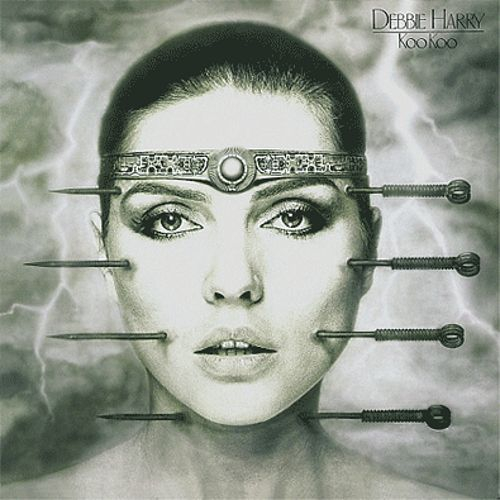
But here’s where it gets a bit weird, and every­thing goes off kil­ter. The choice for the album art and pro­mo­tion­al videos was H.R. Giger, the artist who had rat­tled movie­go­ers’ brains the pre­vi­ous year with his designs for Rid­ley Scott’s Alien.

The cou­ple had met Giger in 1980 at a recep­tion for his paint­ings at New York’s Hansen Gallery.
“There I was intro­duced to a very beau­ti­ful woman, Deb­bie Har­ry, the singer of the group Blondie, and her boyfriend, Chris Stein,” Giger said in an inter­view. “They were appar­ent­ly excit­ed about my work and asked me whether I would be pre­pared to design the cov­er of the new Deb­bie Har­ry album.”

Though he didn’t know the group–Giger pre­ferred to lis­ten to jazz–he agreed to the cov­er and to the pro­mo videos, even direct­ing when the orig­i­nal direc­tor didn’t show.

The album cov­er is prob­a­bly bet­ter known than the music inside, and no won­der: it fea­tures Harry’s face pierced hor­i­zon­tal­ly by four spikes. Her expres­sion is ambigu­ous, pos­si­bly ecsta­t­ic. It was in one way a throw­back to Giger’s oth­er famous record cov­er, the one for Emer­son, Lake, and Palmer’s Brain Sal­ad Surgery. But the cov­er also would see its influ­ence in films like Hell­rais­er, the rise of what was called the “mod­ern prim­i­tive” move­ment, and help cul­ti­vate the dark masochis­tic char­ac­ter Har­ry would play in David Cronenberg’s Video­drome. It was a feel­ing that would flour­ish in the deca­dent ‘80s.

Har­ry wrote about this in Heavy Met­al mag­a­zine, which often fea­tured the artist, say­ing “Giger’s work has a sub­con­scious effect: it engen­ders the fear of being turned into met­al.”

The cov­er was a taster for more men­ac­ing things, how­ev­er. It’s the videos where Har­ry goes full Giger. First of all, the blonde hair is gone, replaced by black. And Giger puts Har­ry in a body­suit, half flayed-human, half machine. The music videos are sim­ple, per­for­mance based, though the sun­ny, allur­ing Har­ry has dis­ap­peared and a pro­to-Goth being has tak­en her place.

But that leaves us with the music, which one has to admit, is com­plete­ly unsuit­ed for this design. If Har­ry had made an album clos­er to Danielle Dax, for exam­ple, then we might have seen one of the odd­est mid-career shifts in ‘80s music. Instead the com­mer­cial flatlin­ing of the album threw Har­ry off-track, while Giger went on to be the go-to album artist for met­al and punk bands, from the Dead Kennedys to Blood­bath.

via Dan­ger­ous Minds

Relat­ed Con­tent:

How Blondie’s Deb­bie Har­ry Learned to Deal With Super­fi­cial, Demean­ing Inter­view­ers

Watch Iggy Pop & Deb­bie Har­ry Sing a Swelli­gant Ver­sion of Cole Porter’s “Did You Evah,” All to Raise Mon­ey for AIDS Research (1990)

Hear Deb­bie Harry’s Stun­ning Ethe­re­al Vocal Tracks from “Heart of Glass,” “Call Me,” “Rap­ture,” and “One Way or Anoth­er”

Ted Mills is a free­lance writer on the arts who cur­rent­ly hosts the Notes from the Shed pod­cast and is the pro­duc­er of KCR­W’s Curi­ous Coast. You can also fol­low him on Twit­ter at @tedmills, and/or watch his films here.

An Animated Introduction to the Pioneering Anthropologist Margaret Mead

Mod­ern West­ern soci­eties haven’t solved the prob­lem of sex, but Samoa has the answer. Or at least it does accord­ing to the work of influ­en­tial anthro­pol­o­gist Mar­garet Mead, sub­ject of the ani­mat­ed intro­duc­tion from Alain de Bot­ton’s School of Life above. Her men­tor Franz Boas, the founder of anthro­pol­o­gy in the Unit­ed States, saw not a world pro­gress­ing “in a lin­ear fash­ion from bar­barism to sav­agery to civ­i­liza­tion” but “teem­ing with sep­a­rate cul­tures, each with their own unique per­spec­tives, insights, and effi­cien­cies.”

Though Mead­’s time liv­ing among the natives on the dis­tant islands of Samoa came at Boas’ sug­ges­tion, she already believed that “iso­lat­ed cul­tures could serve as lab­o­ra­to­ries that would reveal ways of liv­ing that the mod­ern world had for­got­ten about, but need­ed to remem­ber.” The result­ing book, 1928’s Com­ing of Age in Samoa, turned Mead into the most famous anthro­pol­o­gist in the world. In it she describes Samoan cul­ture as “far more open and com­fort­able with sex than the mod­ern Unit­ed States. Lit­tle chil­dren in Samoa knew all about mas­tur­ba­tion, and learned about inter­course and oth­er acts through first-hand obser­va­tion, but thought of it as no more scan­dalous or wor­thy of com­ment than death or birth.”

Mead also not­ed an accep­tance of not just homo­sex­u­al­i­ty but a nat­ur­al shift in sex­u­al ori­en­ta­tion over time — a con­di­tion bound to intrigue a seri­ous schol­ar who her­self led a rather uncon­ven­tion­al life, “simul­ta­ne­ous­ly involved with suc­ces­sive hus­bands and her ever-present female lover.” Her analy­sis of Samoa, which informed the world­views of such influ­en­tial fig­ures as chil­drea­r­ing guru Ben­jamin Spock, would take on an even broad­er appeal in the 1960s, when a ris­ing coun­ter­cul­ture sought inspi­ra­tion in its push to trans­form West­ern soci­ety. Pro­po­nents of the “sex­u­al rev­o­lu­tion” and its loos­en­ing of norms found a nat­ur­al ally in Mead, and traces of her life and work remain in frag­ments of the Sum­mer of Love up to and includ­ing Hair, one of whose minor char­ac­ters has her name.

Mead also comes up in Hunter Thomp­son’s 1971 epi­taph for the coun­ter­cul­ture, Fear and Loathing in Las Vegas. The scene is the Nation­al Dis­trict Attor­neys Asso­ci­a­tion’s Con­fer­ence on Nar­cotics and Dan­ger­ous Drugs, at which a par­tic­i­pant sug­gests that Mead par­takes in the sub­stance known as mar­i­jua­na. The “drug expert” onstage replies thus: “At her age, if she did smoke grass, she’d have one hell of a trip.” Though Mead pub­licly showed sym­pa­thy for addicts, whom she described as “casu­al­ties of a bad­ly orga­nized soci­ety,” her own expe­ri­ences with mind-alter­ing sub­stances are less well doc­u­ment­ed. But then, her time in Samoa may well have been the only con­scious­ness-expand­ing trip she need­ed.

Relat­ed Con­tent:

Jack Ker­ouac, Allen Gins­berg & Mar­garet Mead Explain the Mean­ing of “Beat” in Rare 1950s Audio Clips

A Com­plete Dig­i­ti­za­tion of Eros Mag­a­zine: The Con­tro­ver­sial 1960s Mag­a­zine on the Sex­u­al Rev­o­lu­tion

The His­to­ry of West­ern Social The­o­ry, by Alan Mac­Far­lane, Cam­bridge Uni­ver­si­ty

Anthro­pol­o­gist Claude Lévi-Strauss Remem­bered

Based in Seoul, Col­in Mar­shall writes and broad­casts on cities, lan­guage, and cul­ture. His projects include the book The State­less City: a Walk through 21st-Cen­tu­ry Los Ange­les and the video series The City in Cin­e­ma. Fol­low him on Twit­ter at @colinmarshall, on Face­book, or on Insta­gram.

An Animated Introduction to Noam Chomsky’s Groundbreaking Linguistic Theories

Most peo­ple who know Noam Chom­sky know him equal­ly as a giant in aca­d­e­m­ic lin­guis­tics and a long­time left­ist dis­si­dent and polit­i­cal com­men­ta­tor. Only a com­mit­ted few, how­ev­er, read much of his work in either—or both—fields. He is one of those thinkers whose major con­cepts enter the dis­course unmoored from their orig­i­nal con­text. Phras­es like “uni­ver­sal gram­mar” and “man­u­fac­tured con­sent” tend to pop up in all kinds of places with­out ref­er­ence to Chomsky’s mean­ings.

If you sim­ply haven’t got the time to read Chom­sky (and let’s face it, there’s a lot going on in the world these days), you might famil­iar­ize your­self with his media the­o­ry in an amus­ing video here. For an entry into Chomsky’s work in lin­guis­tics, see the brief ani­mat­ed TED-Ed video above. The explain­er revis­its the Chom­skyian rev­o­lu­tion of 1957, when he artic­u­lat­ed his ideas about the uni­ver­sal prop­er­ties of lan­guage in his first book, Syn­tac­tic Struc­tures.

Chom­sky, the video says, explored the ques­tions, “are there uni­ver­sal gram­mar rules and are they hard­wired into our brains?” He did not invent the con­cept of “uni­ver­sal grammar”—the idea can be found in the 13th cen­tu­ry writ­ing of Roger Bacon—but Chomsky’s spe­cif­ic mean­ing of the term applies unique­ly to lan­guage acqui­si­tion. Rather than sug­gest­ing that lan­guage exists as an abstract uni­ver­sal prop­er­ty, Chom­sky argued that its basic struc­ture, shared across the world, derives from struc­tures in the brain that take shape in infan­cy.

Humans phys­i­cal­ly evolved to acquire and use lan­guage in strik­ing­ly sim­i­lar ways that accord with uni­ver­sal­ly observ­able and applic­a­ble rules, Chom­sky argued. As the les­son points out, a claim this broad requires a moun­tain of evi­dence. At the time, many lan­guages around the world had not been suf­fi­cient­ly stud­ied or record­ed. Since Chomsky’s ini­tial argu­ments, ideas about lin­guis­tic sim­i­lar­i­ties have been sig­nif­i­cant­ly revised.

Sev­er­al crit­ics have argued that no amount of data can ever pro­duce “uni­ver­sal” rules. After decades of cri­tique, Chom­sky revised his the­o­ries, explain­ing them in dif­fer­ent terms as “Prin­ci­ples and Para­me­ters” that gov­ern lan­guages. He has fur­ther sim­pli­fied and spec­i­fied, propos­ing one uni­ver­sal cri­te­ri­on: “Recur­sion.” All lan­guages, he argues, can nest ideas inside oth­er ideas.

Recur­sion, too, has been force­ful­ly chal­lenged by the study of an Ama­zon­ian lan­guage that shows none of the char­ac­ter­is­tics Chom­sky glob­al­ly out­lined. The oth­er part of Chomsky’s the­o­ry of uni­ver­sal grammar—the idea that the brain devel­ops innate, iso­lat­ed lan­guage-mak­ing faculties—has also been refut­ed by neu­ro­sci­en­tists, who have not found evi­dence of any such spe­cif­ic struc­tures.

Why, then, is Chom­sky still so crit­i­cal­ly impor­tant to lin­guis­tics, cog­ni­tive sci­ence, and oth­er fields of study? For one thing, his work encour­aged the study of lan­guages that had been neglect­ed and ignored. The debates Chom­sky gen­er­at­ed pushed the field for­ward, and broke the spell of the Behav­ior­ism that dom­i­nat­ed the human sci­ences into the mid-20th cen­tu­ry. Even where he was wrong, or over­con­fi­dent, his work remains an essen­tial ref­er­ence for the kind of think­ing that rev­o­lu­tion­ized lin­guis­tics and brain sci­ence.

Relat­ed Con­tent:

Noam Chom­sky Talks About How Kids Acquire Lan­guage & Ideas in an Ani­mat­ed Video by Michel Gondry

An Ani­mat­ed Intro­duc­tion to Noam Chomsky’s Man­u­fac­tur­ing Con­sent and How the Media Cre­ates the Illu­sion of Democ­ra­cy

Noam Chom­sky Defines What It Means to Be a Tru­ly Edu­cat­ed Per­son

Josh Jones is a writer and musi­cian based in Durham, NC. Fol­low him at @jdmagness

John Prine’s Last Song Was Also His First to Go No. 1: Watch Him Perform “I Remember Everything”

It feels cos­mi­cal­ly iron­ic that Great Amer­i­can Song­writer John Prine died of COVID-19 in ear­ly April, just before the U.S. response to the virus was devel­op­ing into what may well be the Great­est Polit­i­cal Fol­ly most Amer­i­cans have ever wit­nessed in their life­times. Mass death for prof­it and pow­er, colos­sal stu­pid­i­ty and bul­ly­ing ignorance—these were just the kinds of things that got Prine’s wheels turn­ing. His thoughts became folk poet­ry with teeth.

Prine’s tar­gets includ­ed the con­ser­v­a­tive demo­niza­tion of sin­gle moth­ers in “Unwed Fathers,” who “can’t be both­ered,” he sang, “They run like water, through a moun­tain stream.” In 1971, he told bel­liger­ent Amer­i­can nation­al­ists “Your Flag Decal Won’t Get You into Heav­en Any­more,” in a song he’d actu­al­ly writ­ten in the late 60s, call­ing out America’s “dirty lit­tle war.” He revis­it­ed this ever­green anti-war theme in 2005’s “Some Humans Ain’t Human,” a song that angered many fans. While Prine’s explic­it­ly polit­i­cal songs are only a small part of his cat­a­logue, his lyri­cism always clear­ly reflect­ed his beliefs.

“Bestow­ing dig­ni­ty on the over­looked and mar­gin­al­ized was a com­mon theme through­out Prine’s career,” writes Annie Zales­ki in an NPR Music trib­ute. “He became known for detailed vignettes about ordi­nary peo­ple that illus­trat­ed truths about soci­ety.” His mas­tery of this form made him the ulti­mate songwriter’s song­writer. But while he won two Gram­mys and sev­er­al oth­er dis­tin­guished awards, “induc­tions into mul­ti­ple song­writer halls of fame,” notes Eli Enis at Con­se­quence of Sound, “and gush­ing praise from peers like Bob Dylan, Bruce Spring­steen, and Tom Pet­ty,” Prine nev­er had a No. 1 hit, until now—in a final irony he would have appreciated—with his posthu­mous release, “I Remem­ber Every­thing.”

The song came out on June 11 and this week “debuted at the top of the Rock Dig­i­tal Song Sales chart, mak­ing it the high­est-chart­ing sin­gle of the late legend’s entire career.” It show­cas­es Prine’s abil­i­ty to make the per­son­al reflect larg­er social real­i­ties he may nev­er have seen com­ing but some­how tuned into nonethe­less. In this case, the sub­ject is a man who knows he’s out of time and wants to savor every mem­o­ry before he goes. Writ­ten with long­time col­lab­o­ra­tor Pat McLaugh­lin, the lyrics are gor­geous­ly bit­ter­sweet, touch­ing the depths of loss and reck­on­ing with mor­tal­i­ty.

Prine’s per­for­mance at the top was record­ed last year by Gram­my-win­ning pro­duc­er Dave Cobb. “Giv­en that Prine passed away back in April fol­low­ing a bat­tle with coro­n­avirus, the song’s life-span­ning, self-reflec­tive lyrics are aching­ly pre­scient,” writes Enis. And it’s “almost too on-the-nose that the track was pre­sent­ed in a home per­for­mance con­text, months before that set­up would become nor­mal­ized for a world in quar­an­tine.” Prine always had an “uncan­ny abil­i­ty to address (if not pre­dict) the soci­etal and polit­i­cal zeit­geist,” Zales­ki wrote in April. No mat­ter how ugly the zeit­geist was, he nev­er let it dull his wit or cloud his eye for beau­ty.


I Remem­ber Every­thing

I’ve been down this road before
I remem­ber every tree
Every sin­gle blade of grass
Holds a spe­cial place for me
And I remem­ber every town
And every hotel room
And every song I ever sang
On a gui­tar out of tune

I remem­ber every­thing
Things I can’t for­get
The way you turned and smiled on me
On the night that we first met
And I remem­ber every night
Your ocean eyes of blue
How I miss you in the morn­ing light
Like ros­es miss the dew

I’ve been down this road before
Alone as I can be
Care­ful not to let my past
Go sneak­ing up on me
Got no future in my hap­pi­ness
Though regrets are very few
Some­times a lit­tle ten­der­ness
Was the best that I could do

I remem­ber every­thing
Things I can’t for­get
Swim­ming pools of but­ter­flies
That slipped right through the net
And I remem­ber every night
Your ocean eyes of blue
How I miss you in the morn­ing light
Like ros­es miss the dew

How I miss you in the morn­ing light
Like ros­es miss the dew

via Con­se­quence of Sound

Relat­ed Con­tent:

Remem­ber­ing Amer­i­can Song­writ­ing Leg­end John Prine (RIP): “A True Folk Singer in the Best Folk Tra­di­tion”

Bill Mur­ray Explains How He Was Saved by John Prine

An Ani­mat­ed Leonard Cohen Offers Reflec­tions on Death: Thought-Pro­vok­ing Excerpts from His Final Inter­view

Josh Jones is a writer and musi­cian based in Durham, NC. Fol­low him at @jdmagness

Michael Jordan’s “The Last Dance” and Hero Worship: A Pretty Much Pop Culture Podcast Discussion (#50)

The 10-part ESPN doc­u­men­tary dis­sect­ing Michael Jor­dan and the Bulls’ six cham­pi­onships has pro­vid­ed some much need­ed sports dur­ing the pan­dem­ic, rop­ing in even sports haters with a mix of game high­lights and behind-the-scenes dra­ma.

Your hosts Bri­an Hirt, Eri­ca Spyres, and Mark Lin­sen­may­er are joined by Seth from The Par­tial­ly Exam­ined Life to inter­ro­gate the event: Was it actu­al­ly worth 10 hours of our time? Did its “time-jump­ing” struc­ture work? Its its treat­ment of Jor­dan real­ly “hagiog­ra­phy” sanc­ti­fy­ing the man, or is the pic­ture of grudge-hold­ing ultra-com­pet­i­tive­ness actu­al­ly pret­ty repul­sive? Why was he like that? Why are sports amenable to cre­at­ing cul­tur­al icons out of its heroes in a way that, say, physics isn’t? Are we going to see many more of these long-form treat­ments of sports heroes?

For more dis­cus­sion, here are some arti­cles we looked at:

If you enjoyed this, check out our episode #25 with sports­cast­er Dave Rev­sine.

Learn more at prettymuchpop.com. This episode includes bonus dis­cus­sion that you can only hear by sup­port­ing the pod­cast at patreon.com/prettymuchpop. This pod­cast is part of the Par­tial­ly Exam­ined Life pod­cast net­work.

Pret­ty Much Pop: A Cul­ture Pod­cast is the first pod­cast curat­ed by Open Cul­ture. Browse all Pret­ty Much Pop posts or start with the first episode.

How Ornette Coleman Shaped the Jazz World: An Introduction to His Irreverent Sound

Ornette Cole­man “arrived in New York in 1959,” writes Philip Clark, “with a white plas­tic sax­o­phone and a set of ideas about impro­vi­sa­tion that would shake jazz to its big apple core.” Every big name in jazz was doing some­thing sim­i­lar at the time, invent­ing new styles and lan­guages. Cole­man went fur­ther out there than any­one, infu­ri­at­ing and frus­trat­ing oth­er jazz pio­neers like Miles Davis.

He called his the­o­ry “Har­molod­ics,” a Buck­min­ster Fuller-like meld­ing of “har­mo­ny,” “move­ment,” and “melody” that he coined in the 1970s. The man­i­festo explain­ing his ideas reads like psy­che­del­ic Dada:

—I play pure emo­tion

—In music, the only thing that mat­ters is whether you feel it or not

—Blow what you feel – any­thing. Play the thought, the idea in your mind – Break away from the con­ven­tion and stag­na­tion – escape!

—My music doesn’t have any real time, no met­ric time. It has time, but not in the sense that you can time it. It’s more like breath­ing – a nat­ur­al, freer time. Peo­ple have for­got­ten how beau­ti­ful it is to be nat­ur­al. Even in love.

—Music has no face. What­ev­er gives oxy­gen its pow­er, music is cut from the same cloth.

—It was when I real­ized I could make mis­takes that I decid­ed I was real­ly on to some­thing.

—I have found that by elim­i­nat­ing chords or keys or melodies as being the present idea of what you’re try­ing to feel i think you can play more emo­tion into the music. in oth­er words, you can have the har­mo­ny, melody, into­na­tion all blend­ing into one to the point of your emo­tion­al thought.

—There is a music that has the qual­i­ty to pre­serve life.

Coleman’s 1959 album The Shape of Jazz to Come pre­saged not only what jazz would, and could, become but also out­sider rock, from Cap­tain Beef­heart to The Roy­al Trux, and exper­i­men­tal music of all kinds. Cole­man resent­ed the idea the music should be sub­ject to cat­e­go­riza­tion or for­mal con­straints, or even that musi­cians need­ed have for­mal train­ing at all. All music is sound, he says, and sound is “as free,” he joked with Clark in a 2015 inter­view, “as the gas that pass­es through your butt.”

This irrev­er­ent atti­tude is typ­i­cal of Coleman’s approach to his art. Some of the high­lights of his ear­ly career, as laid out in the Poly­phon­ic video above—recording an entire album with his 10-year-old son on drums; get­ting punched by the drum­mer after his first New York gig—make him sound like jazz’s first punk, before there was any such thing as punk. He would go on to sit for a famous inter­view with Jacques Der­rida and become one of a hand­ful of musi­cians to win a Pulitzer Prize. The enig­mat­ic genius’s “audac­i­ty, vision, and tal­ent” has made him one of the most myth­i­cal fig­ures in music, a rep­u­ta­tion that is more than well-deserved. Get a clos­er look at his lega­cy at the top.

Relat­ed Con­tent:

Philoso­pher Jacques Der­ri­da Inter­views Jazz Leg­end Ornette Cole­man: Talk Impro­vi­sa­tion, Lan­guage & Racism (1997)

When Jazz Leg­end Ornette Cole­man Joined the Grate­ful Dead Onstage for Some Epic Impro­vi­sa­tion­al Jams: Hear a 1993 Record­ing

Hear Ornette Cole­man Col­lab­o­rate with Lou Reed, Which Lou Called “One of My Great­est Moments”

Josh Jones is a writer and musi­cian based in Durham, NC. Fol­low him at @jdmagness.


« Go BackMore in this category... »
Quantcast