10 Hours of Nick Offerman Quietly Drinking Single Malt Scotch by the Fire

Just a handy way to keep your mind off of the sturm and drang of the US elec­tion today.

If this does­n’t quite do the trick, find some alter­na­tives in the Relat­eds below.

Relat­ed Con­tent:

Moby Lets You Down­load 4 Hours of Ambi­ent Music to Help You Sleep, Med­i­tate, Do Yoga & Not Pan­ic

Med­i­ta­tion for Begin­ners: Bud­dhist Monks & Teach­ers Explain the Basics

Hear “Weight­less,” the Most Relax­ing Song Ever Made, Accord­ing to Researchers (You’ll Need It Today)

Stream 72 Hours of Ambi­ent Sounds from Blade Run­ner: Relax, Go to Sleep in a Dystopi­an Future

Watch Every Episode of Bob Ross’ The Joy Of Paint­ing Free Online: 403 Episodes Span­ning 31 Sea­sons

10 Hours of Ambi­ent Arc­tic Sounds Will Help You Relax, Med­i­tate, Study & Sleep

by | Permalink | Make a Comment ( 2 ) |

Three Days in Twin Peaks: An In-Depth Journey Through the Evocative Locations of David Lynch’s TV Series

After a time of great per­son­al loss, a friend of mine set off on a road trip around the Unit­ed States. When I lat­er asked what part of the coun­try had made the deep­est impres­sion on him, he named a few towns about thir­ty miles east of Seat­tle: the shoot­ing loca­tions, he hard­ly need­ed tell a fel­low David Lynch fan, of Twin Peaks. Raised in Spokane, Wash­ing­ton, among a vari­ety of oth­er mod­est Amer­i­can cities, Lynch saw clear­ly the look and feel of the tit­u­lar set­ting by the time he co-cre­at­ed the show with writer Mark Frost. He even­tu­al­ly found it in the Wash­ing­ton­ian towns of Sno­qualmie, North Bend and Fall City, which even today offer a friend­ly recep­tion to the occa­sion­al Twin Peaks pil­grim — at least accord­ing to my friend.

This was more recent­ly cor­rob­o­rat­ed by Jere­mi­ah Beaver, cre­ator of Youtube “Twin Peaks the­o­ry and analy­sis show” Take the Ring. Thir­ty years after the pre­miere of the famous­ly cryp­tic yet trans­fix­ing orig­i­nal series, the Indi­anapo­lis-based Beaver made the trip to Wash­ing­ton to vis­it its every remain­ing loca­tion — as well as those used in the 1992 pre­quel film Twin Peaks: Fire Walk with Me, 2017’s Twin Peaks: The Return, and even these pro­duc­tions’ delet­ed scenes.

Into the half-hour-long “Three Days in Twin Peaks” Beaver fits a great deal of infor­ma­tion relat­ed to Twin Peaks’ pro­duc­tion and mythos as well as the real-life his­to­ry of the rel­e­vant places. “It was at times hard to dis­tin­guish the Twin Peaks that lived in my imag­i­na­tion ver­sus the ground beneath my feet,” he admits.

Beaver makes his way to loca­tions both major and minor, from the Twin Peaks Sher­if­f’s Depart­ment (now the Dirt­Fish Ral­ly Rac­ing School) and the Dou­ble R din­er (Twede’s Cafe, “one of the few spots in Wash­ing­ton state that real­ly owns its Peakness”) to the shack of the Book House bik­er club and the bench in E.J. Roberts Park once sat upon by the late Har­ry Dean Stan­ton’s Carl Robb. Some real build­ings played dual roles: both Twin Peaks’ Blue Pine Lodge and Great North­ern Hotel are in real­i­ty dif­fer­ent parts of Pouls­bo’s Kiana Lodge, and the Mt. Si Motel appears as “two dif­fer­ent motels with ele­ments of the super­nat­ur­al,” first in Fire Walk with Me, then even more seed­i­ly in The Return. “That fresh moun­tain air and smell of trees is no joke,” says Beaver, words to heed if you plan on mak­ing your own Twin Peaks pil­grim­age — and if you do, you can sure­ly guess how he describes the cof­fee and cher­ry pie at Twede’s.

Relat­ed Con­tent:

Watch the Twin Peaks Visu­al Sound­track Released Only in Japan: A New Way to Expe­ri­ence David Lynch’s Clas­sic Show

David Lynch Draws a Map of Twin Peaks (to Help Pitch the Show to ABC)

Watch an Epic, 4‑Hour Video Essay on the Mak­ing & Mythol­o­gy of David Lynch’s Twin Peaks

Twin Peaks Actu­al­ly Explained: A Four-Hour Video Essay Demys­ti­fies It All

Play the Twin Peaks Video Game: Retro Fun for David Lynch Fans

Based in Seoul, Col­in Mar­shall writes and broad­casts on cities, lan­guage, and cul­ture. His projects include the Sub­stack newslet­ter Books on Cities, the book The State­less City: a Walk through 21st-Cen­tu­ry Los Ange­les and the video series The City in Cin­e­ma. Fol­low him on Twit­ter at @colinmarshall, on Face­book, or on Insta­gram.

Martin Luther King: “You Know Who to Vote For. I’m Just Asking You to Vote!” (1964)

The more things change, the more they stay the same.

At anoth­er turn­ing point in U.S. history–when LBJ ran against Bar­ry Gold­wa­ter in the 1964 pres­i­den­tial election–Martin Luther King, Jr. urged vot­ers to stand up and be count­ed. To set the scene, the UCLA Film & Tele­vi­sion Archive writes:

King, who had just been named the win­ner of the Nobel Peace Prize for his com­mit­ment to non­vi­o­lent resis­tance, embarked on a cross-coun­try get-out-the-vote cam­paign in sup­port of incum­bent Demo­c­rat Lyn­don B. John­son. Repub­li­can chal­lenger Bar­ry Gold­wa­ter opposed the Civ­il Rights Act of 1964 in favor of states’ rights and rep­re­sent­ed, for King, a set­back for the civ­il rights move­ment and “a great dark night of social destruc­tion” (Los Ange­les Times). King also advo­cat­ed for more African Amer­i­can rep­re­sen­ta­tion in Con­gress and spoke against bal­lot mea­sures that would per­pet­u­ate dis­crim­i­na­tion. To vote was not only a civic duty, it was a moral imper­a­tive.

His words speak to our moment today as much, if not more, than they did to the events of 56 years ago. Speak­ing to a crowd in LA, King said:

“Suf­fice it to say that we stand in one of the most momen­tous peri­ods of human his­to­ry. And in these days of emo­tion­al ten­sion, when the prob­lems of the world are gigan­tic in extent and chaot­ic in detail, all men of good will must make the right deci­sions.”

“We must decide whether … we will allow our nation to be rel­e­gat­ed to a sec­ond-rate pow­er in the world with no moral voice.”

“We must decide next Tues­day whether Amer­i­ca will take the high road of jus­tice and peace, com­pas­sion for the poor and under­priv­i­leged, or whether this nation will tread the low road of man’s inhu­man­i­ty to man, of injus­tice, of short-sight­ed­ness.”

“Each of us has a moral respon­si­bil­i­ty, if we are of vot­ing age and if we are reg­is­tered, to par­tic­i­pate in that deci­sion. I come here to urge every per­son under the sound of my voice to go to the polls on the 3rd of Novem­ber and vote your con­vic­tions.”

Amen.

Relat­ed Con­tent:

How Mar­tin Luther King, Jr. Used Niet­zsche, Hegel & Kant to Over­turn Seg­re­ga­tion in Amer­i­ca

Mar­tin Luther King Jr. Explains the Impor­tance of Jazz: Hear the Speech He Gave at the First Berlin Jazz Fes­ti­val (1964)

Mar­tin Luther King, Jr.’s Hand­writ­ten Syl­labus & Final Exam for the Phi­los­o­phy Course He Taught at More­house Col­lege (1962)

by | Permalink | Make a Comment ( 2 ) |

The Iconic Photography of Gordon Parks: An Introduction to the Renaissance American Artist

I felt the need for me to some­how or anoth­er, use human­i­ty to get peo­ple to become aware of how peo­ple suf­fered. That was what drove me to it.

Poet, nov­el­ist, jazz pianist, clas­si­cal com­pos­er, co-founder of Essence mag­a­zine, and first Black direc­tor of a major Hol­ly­wood film, based on a book he him­self wrote.… Oh, and he also direct­ed Shaft, the high water­mark of Blax­ploita­tion film and a pro­duc­tion, says Evan Puschak, the Nerd­writer, above, “that helped to save MGM and the larg­er stu­dio sys­tem from bank­rupt­cy.” Gor­don Parks lived “enough for ten lives,” but the resume above miss­es out on Parks’ “great­est con­tri­bu­tion to Amer­i­can art in the 20th cen­tu­ry… his pho­tog­ra­phy.”

The self-taught Parks began tak­ing pic­tures at 25, inspired by news­reel footage of the bomb­ing of an Amer­i­can gun­ship. After see­ing the film, he pur­chased his first cam­era and soon moved to Chica­go, where he honed his craft in the ear­ly 40s and devel­oped the skills that would bring him to the New Deal’s Farm Secu­ri­ty Admin­is­tra­tion. There he worked under the leg­endary Roy Stryk­er, the for­mer Colum­bia econ­o­mist who also hired Dorothea Lange, Walk­er Evans, Edwin Rosskam, and oth­er pho­tog­ra­phers who went on to have long careers in pho­to­jour­nal­ism.

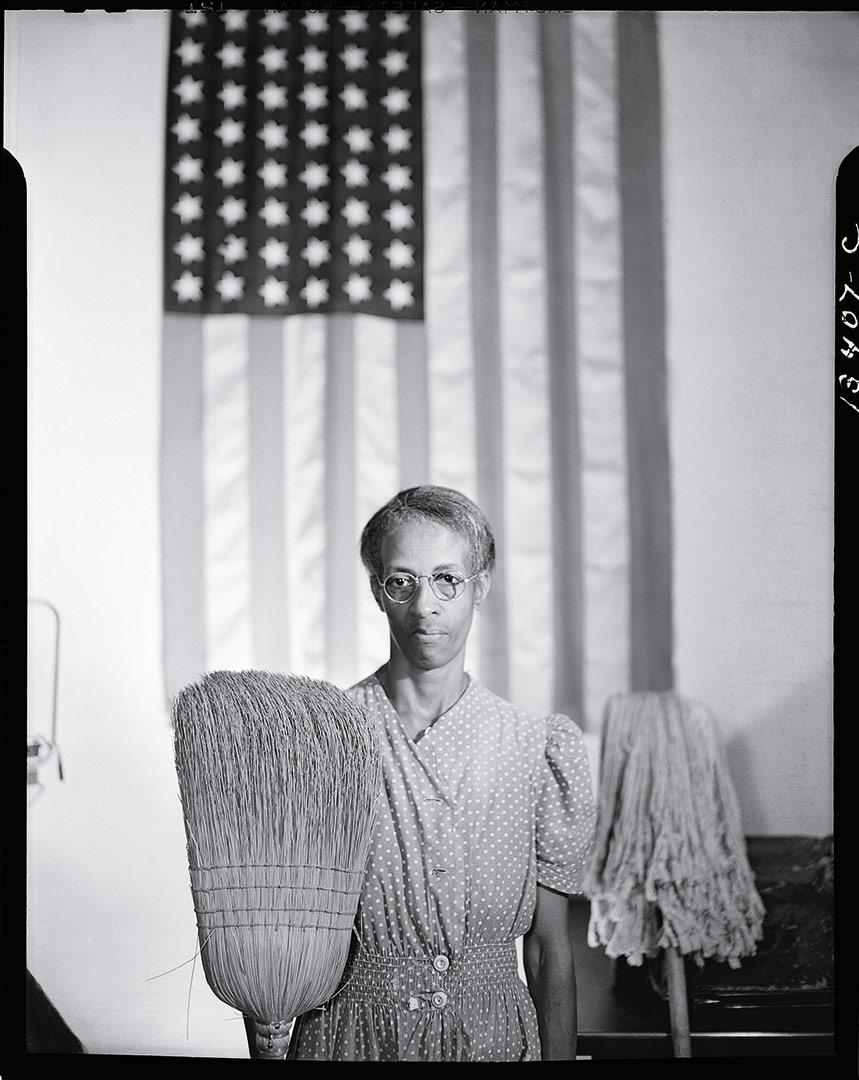
None of these Depres­sion-era gov­ern­ment pho­tog­ra­phers neglect­ed the Black expe­ri­ence in Amer­i­ca; under Stryker’s direc­tion, the FSA did its best to faith­ful­ly doc­u­ment work­ing-class and poor Amer­i­cans of all back­grounds. Before being com­mis­sioned to do so, how­ev­er, Parks, the only Black pho­tog­ra­ph­er in the group, was already seek­ing out can­did, inti­mate images of life on the South Side of Chica­go. When he began work­ing for the FSA, he pro­duced one of the most icon­ic images of the peri­od, “Amer­i­can Goth­ic,” a solo restag­ing of the Grant Woods paint­ing fea­tur­ing a clean­ing woman named Ella Wat­son, broom in one hand, mop in the oth­er.

Stryk­er, one of the most dar­ing pho­to edi­tors of the time, helped estab­lish the bold doc­u­men­tary style that dom­i­nat­ed in the com­ing decades of Look and Life mag­a­zines. But even he saw Parks’ “Amer­i­can Goth­ic” as too incen­di­ary. As Parks remem­bers in a clip above, “he says, ‘Well, you’re get­ting the idea, but you’re going to get us all fired. (Laughs) He says, ‘This is a gov­ern­ment agency, and that pic­ture is an indict­ment against Amer­i­ca.’” Parks did not get fired. Instead, he went on to work for the FSA’s suc­ces­sor, the Office of War Infor­ma­tion, and pho­tographed the Tuskegee Air­men.

Parks’ skills as an artist were wide-rang­ing: his vision took in every­thing. He doc­u­ment­ed the Black expe­ri­ence in the 20th cen­tu­ry with more sen­si­tiv­i­ty and depth than any oth­er pho­tog­ra­ph­er. His pho­to essay of a Harlem gang leader earned him the first staff appoint­ment for a Black pho­tog­ra­ph­er at Life in 1948. He would go on to doc­u­ment the Civ­il Rights move­ment and both cel­e­brat­ed and ordi­nary peo­ple around the coun­try and the world for the next sev­er­al decades, return­ing often to the fash­ion pho­tog­ra­phy in which he got his start. He was a renais­sance artist with an activist’s heart. Parks once called the cam­era a “weapon against pover­ty and racism,” but he tend­ed to wield it much more like a paint­brush.

You can view gal­leries of Parks’ pho­to­graph­ic work at The Gor­don Parks Foun­da­tion web­site.

Relat­ed Con­tent: 

The Art of the New Deal: Why the Fed­er­al Gov­ern­ment Fund­ed the Arts Dur­ing the Great Depres­sion

Yale Presents an Archive of 170,000 Pho­tographs Doc­u­ment­ing the Great Depres­sion

Found: Lost Great Depres­sion Pho­tos Cap­tur­ing Hard Times on Farms, and in Town

Josh Jones is a writer and musi­cian based in Wash­ing­ton, DC. Fol­low him @jdmagness

A Quay Brothers Animation Explains Anamorphosis, the Renaissance Illusion That Hides Pictures within Pictures

First appear­ances can be deceiv­ing.

Take physi­cist Emmanuel Maig­nan’s 1642 fres­co in a cor­ri­dor of Rome’s Trinità dei Mon­ti monastery.

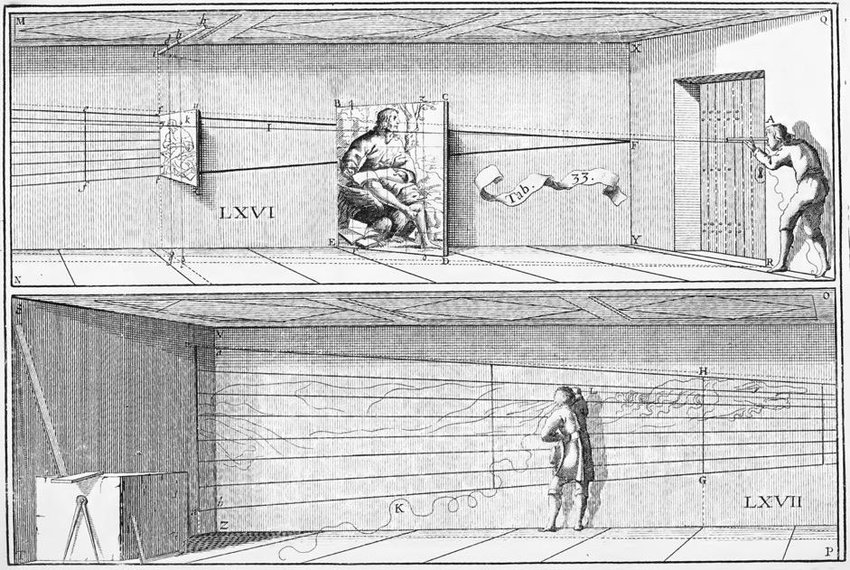
Viewed head on, it appears to be a some­what uncon­ven­tion­al land­scape in which one of the few remain­ing branch­es of a muti­lat­ed tree spreads over a city, far in the dis­tance. Streaky clouds sug­gest heavy weath­er is brew­ing.

Stroll to the end of the cor­ri­dor and take anoth­er look. You’ll find that the tree has con­tract­ed, and the clouds have recon­fig­ured them­selves into a por­trait of Saint Francesco of Pao­la, pray­ing beneath its boughs.

It’s a prime exam­ple of oblique anamor­pho­sis, an image that has been delib­er­ate­ly dis­tort­ed by an artist well versed in per­spec­tive, with the end result that the image’s true nature will only be revealed to those view­ing the work from an uncon­ven­tion­al point.

The Quay Broth­ers’ doc­u­men­tary short, above, a col­lab­o­ra­tion with art his­to­ri­an Roger Car­di­nal, uses a com­bi­na­tion of their delight­ful­ly creepy sig­na­ture pup­pet stop motion, as well as ani­mat­ed 3‑D cut outs, to lift the cur­tains on how the human eye can be manip­u­lat­ed, using prin­ci­ples of per­spec­tive.

Anamor­pho­sis may not seem like such a feat in an age when a num­ber of soft­ware pro­grams can pro­vide a major assist, but why would Renais­sance artists put them­selves to so much extra trou­ble?

The Quay Broth­ers delve into this too.

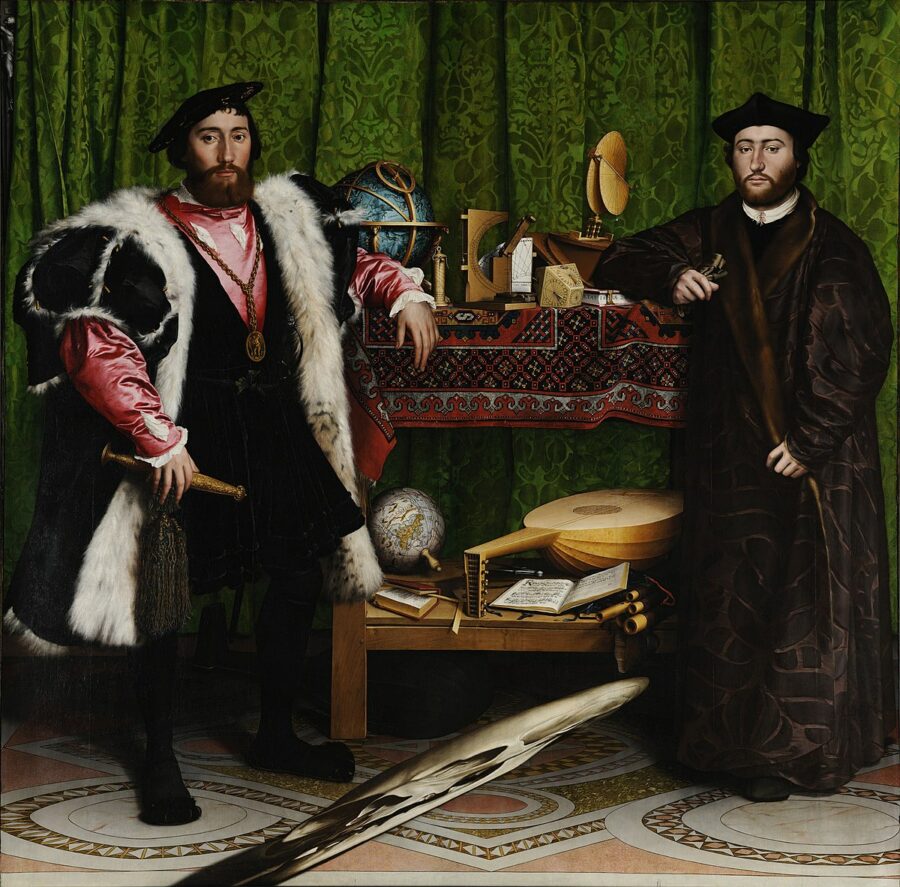
Per­haps the artist was inject­ing a bit of social crit­i­cism, like Hans Hol­bein the Younger, whose 1533 por­trait, The Ambas­sadors, includes a secret anamor­phic skull. This could be tak­en as a jab at the excess­es of the wealthy young diplo­mats who pro­vide the painting’s sub­ject, except that the one who com­mis­sioned the work, Jean de Din­teville, prized the mot­to “Memen­to mori.

Maybe he know­ing­ly ordered up the naked death’s head to go along with his ermine and bling, an exam­ple of hav­ing one’s cake and eat­ing it too, and yet anoth­er dizzy­ing head trip for those view­ing the paint­ing from the intend­ed angle.

(Betcha didn’t have to work too hard to guess the skull’s loca­tion, though…)

Or an artist might choose to employ anamor­pho­sis as a brown paper wrap­per of sorts, as in the case of Erhard Schön’s erot­ic wood­block prints.

Else­where, the goal was to empha­size patience, reflec­tion, and cleav­ing to a pious path by reward­ing those who craned their necks toward a spir­i­tu­al peep­hole with an appro­pri­ate­ly reli­gious view.

(Pity the poor pil­grim who stepped up expect­ing Erhard Schön…)

For a 21st-cen­tu­ry take on anamor­phic art, have a look at the work of the graf­fi­ti col­lec­tive TRULY | Urban Artists here.

The Quay Broth­ers’ short film, “De Arti­fi­ciali Per­spec­ti­va, or Anamor­pho­sis,” has been made avail­able on The Met Muse­um’s YouTube chan­nel.

via Aeon

Relat­ed Con­tent: 

Opti­cal Poems by Oskar Fischinger, the Avant-Garde Ani­ma­tor Despised by Hitler, Dissed by Dis­ney

Watch Mar­cel Duchamp’s Hyp­not­ic Rotore­liefs: Spin­ning Discs Cre­at­ing Opti­cal Illu­sions on a Turntable (1935)

The Anatom­i­cal Draw­ings of Renais­sance Man, Leonar­do da Vin­ci

Ayun Hal­l­i­day is an author, illus­tra­tor, the­ater mak­er and Chief Pri­ma­tol­o­gist of the East Vil­lage Inky zine.  Fol­low her @AyunHalliday.

When Louis Armstrong Stopped a Civil War in The Congo (1960)

When Louis Arm­strong appeared in his home­town of New Orleans for the first time in nine years in 1965, it was, Ben Schwarz writes, “a low point for his crit­i­cal esti­ma­tion.” A younger gen­er­a­tion saw his refusal to march on the front lines of the civ­il rights move­ment, risk­ing life and limb, as a “racial cop-out,” as jour­nal­ist Andrew Kop­kind wrote at the time. Arm­strong was seen as “a breezy enter­tain­er with all the grav­i­tas of a Jim­my Durante or Dean Mar­tin.”

The crit­i­cism was unfair. Arm­strong only played New Orleans in 1965 after the pas­sage of the Civ­il Rights Act, hav­ing boy­cotted the city in 1956 when it banned inte­grat­ed bands. In 1957 after events in Lit­tle Rock, Arkansas, Arm­strong refused a State Depart­ment-spon­sored tour of the Sovi­et Union over Eisenhower’s han­dling of the sit­u­a­tion. He spoke out force­ful­ly, used words you can’t repeat on NPR, called gov­er­nor Orval Faubus an “igno­rant plow­boy” and the pres­i­dent “two-faced.”

But he pre­ferred tour­ing and mak­ing mon­ey to march­ing, and was hap­py to play for the State Depart­ment and Pep­si­Co on a 1960 tour of the African con­ti­nent to pro­mote, osten­si­bly, the open­ing of five new bot­tling plants. When he arrived in Leopoldville, cap­i­tal city of the Con­go, in late Octo­ber, he even stopped a civ­il war, man­ag­ing “to call a brief inter­mis­sion in a coun­try that had been unsta­ble before his arrival,” Jayson Over­by writes at the West End Blog.

Unsta­ble is an under­state­ment. The new­ly-inde­pen­dent country’s first elect­ed pres­i­dent, Patrice Lumum­ba, had just been deposed in a coup by anti-com­mu­nist Joseph Mobu­tu, sur­vived a “bizarre” assas­si­na­tion attempt by the C.I.A., and would soon be on his way to tor­ture and exe­cu­tion after the UN turned its back on him. The coun­try was com­ing apart when Arm­strong arrived. Then, it stopped. As he put it in a lat­er inter­view, “Man, they even declared peace in The Con­go fight­ing the day I showed up in Leopoldville.”

“Just for that day,” writes Over­by, “he blew his horn and played with his band the sweet sound of jazz for a large crowd. But no soon­er after Louis depart­ed, the war resumed.” This being a joint state/commerce oper­a­tion dur­ing the Cold War, there is of course much more to the sto­ry, some which lends cre­dence to crit­i­cism of Arm­strong as a gov­ern­ment pawn used dur­ing “good­will” tours to test out var­i­ous forms of cul­tur­al war­fare. That was, at least, the offi­cial stance of Moscow, accord­ing to the AP news­reel at the top of the post.

The Sovi­ets “blast­ed Armstrong’s vis­it as a diver­sion­ary tac­tic,” and it was. Ricky Ric­car­di at the Louis Arm­strong House Muse­um cov­ers the event in great detail, includ­ing high­light­ing sev­er­al declas­si­fied State Depart­ment mem­os that show the plan­ning. In one, from Octo­ber 14th, the first U.S. ambas­sador to the coun­try, Clare Hayes Tim­ber­lake, argues that “coop­er­a­tion with pri­vate firm might soft­en pro­pa­gan­da impli­ca­tions.”

After the Octo­ber 27th per­for­mance, Tim­ber­lake judged the appear­ance “high­ly suc­cess­ful from stand­point over-all psy­cho­log­i­cal impact on this trou­bled city.” Clear­ly, the 10,000 Con­golese who showed up to see Satch­mo play need­ed the break. But the diplo­mats mis­read the audi­ence reac­tion, think­ing they didn’t like the music when they start­ed to leave at dusk. “Giv­en the cli­mate in Leopoldville,” Ric­car­di writes, “one can’t blame the locals for not want­i­ng to stay out longer than they had to.” But it was, nonethe­less, the State Depart­ment declared, the “first hap­py event” in the city since the coun­try’s inde­pen­dence.

via @ArmstrongHouse

Relat­ed Con­tent: 

The Only Known Footage of Louis Arm­strong in a Record­ing Stu­dio: Watch the Recent­ly-Dis­cov­ered Film (1959)

Louis Arm­strong Remem­bers How He Sur­vived the 1918 Flu Epi­dem­ic in New Orleans

The Clean­est Record­ings of 1920s Louis Arm­strong Songs You’ll Ever Hear

Josh Jones is a writer and musi­cian based in Durham, NC. Fol­low him at @jdmagness

Before Creating the Moomins, Tove Jansson Drew Satirical Art Mocking Hitler & Stalin

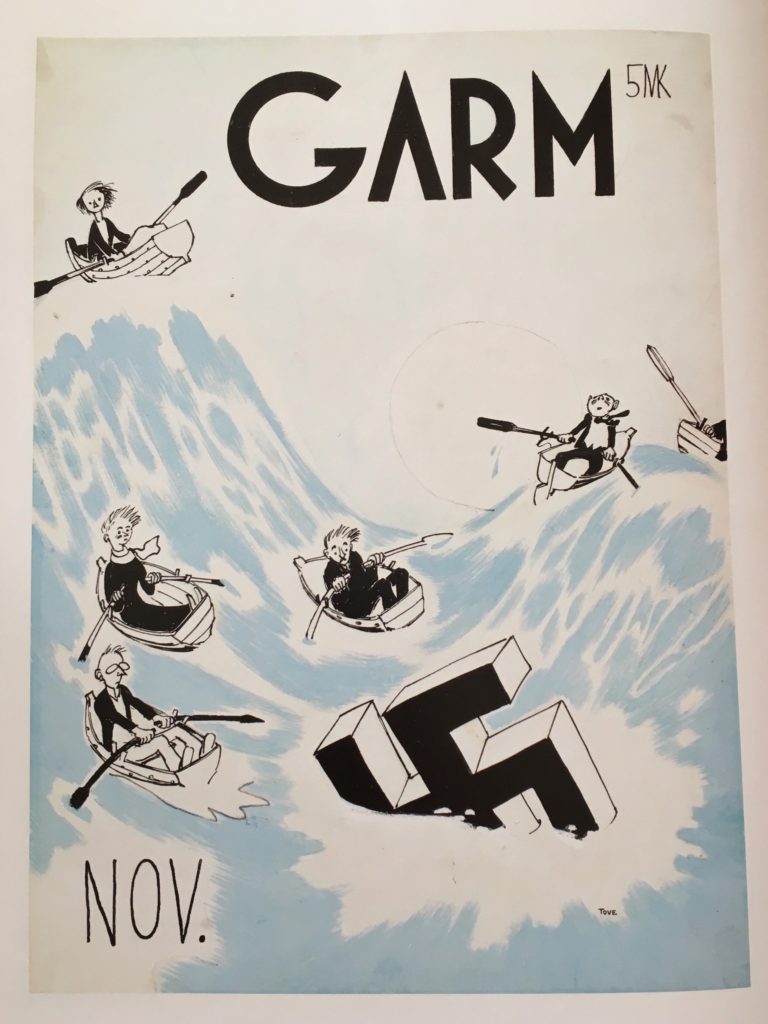
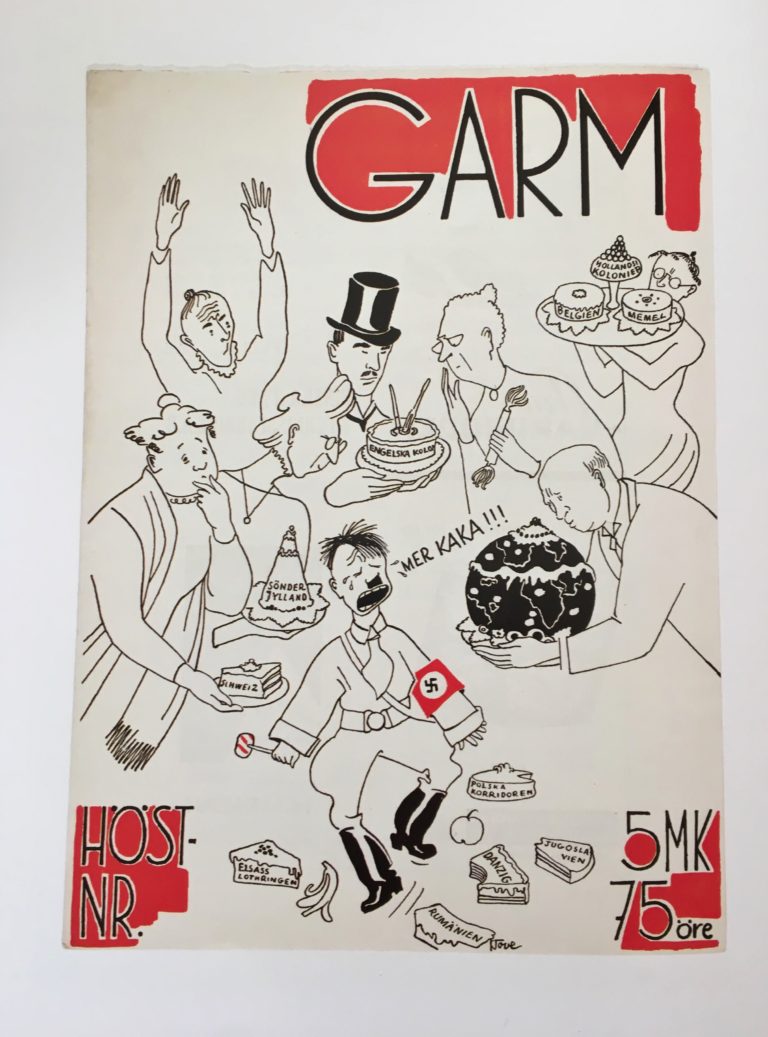
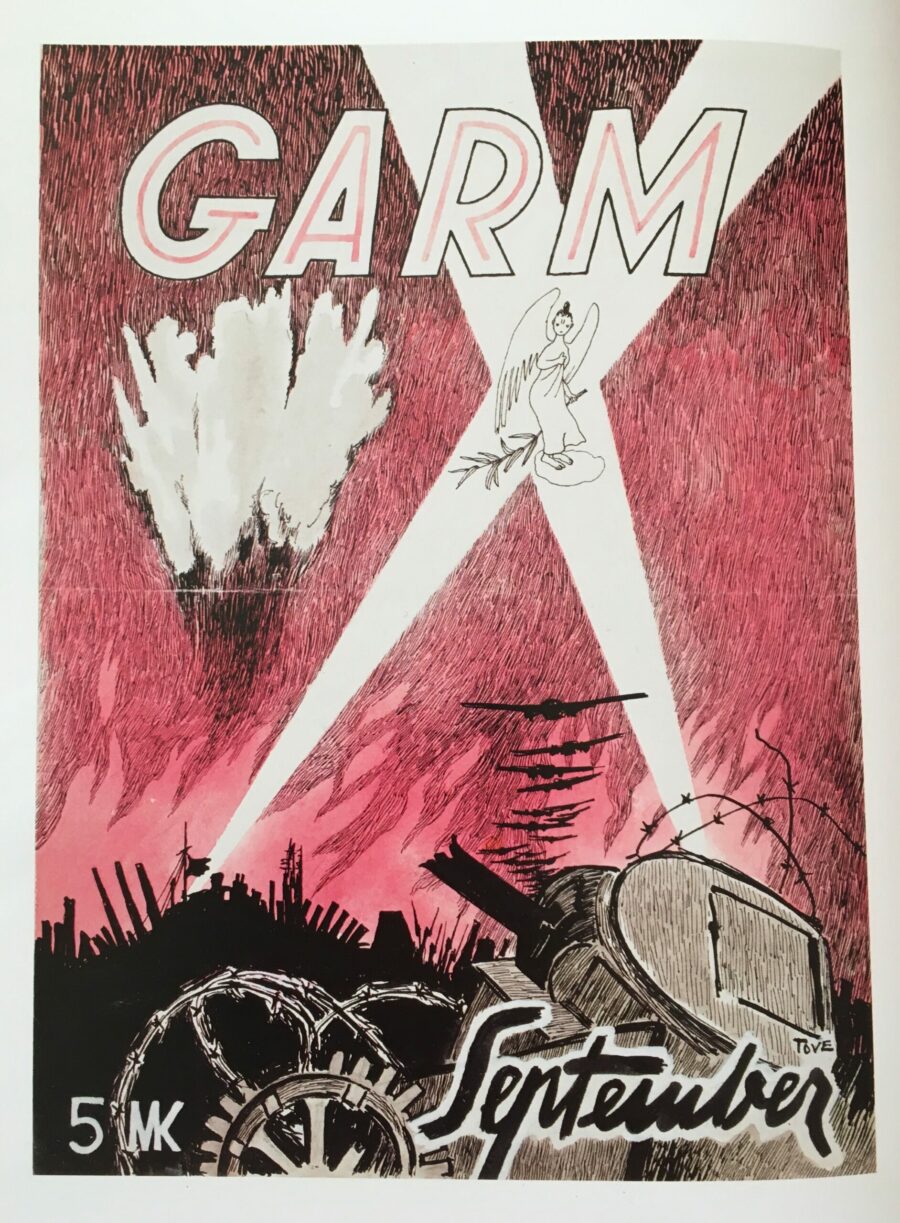
Much of the world has only recent­ly dis­cov­ered the Moomins, those lov­able hip­popota­mus-like fig­ures — giv­en, it must be said, to moments of star­tling brusque­ness and com­plex­i­ty — cre­at­ed in the 1940s by Finnish artist Tove Jans­son. In forms rang­ing from dolls and school sup­plies to neck pil­lows and cell­phone cas­es, they’ve late­ly become a full-blown craze in South Korea, where I live. Like any mas­sive­ly suc­cess­ful (and high­ly mer­chan­dis­able) char­ac­ters, the Moomins over­shad­ow the rest of Jansson’s oeu­vre. Hence exhi­bi­tions like Tove Jans­son (1914–2001) at Lon­don’s Dul­wich Pic­ture Gallery, which “aims to rec­ti­fy the fact that less atten­tion has gen­er­al­ly been paid to her range as a visu­al artist.”

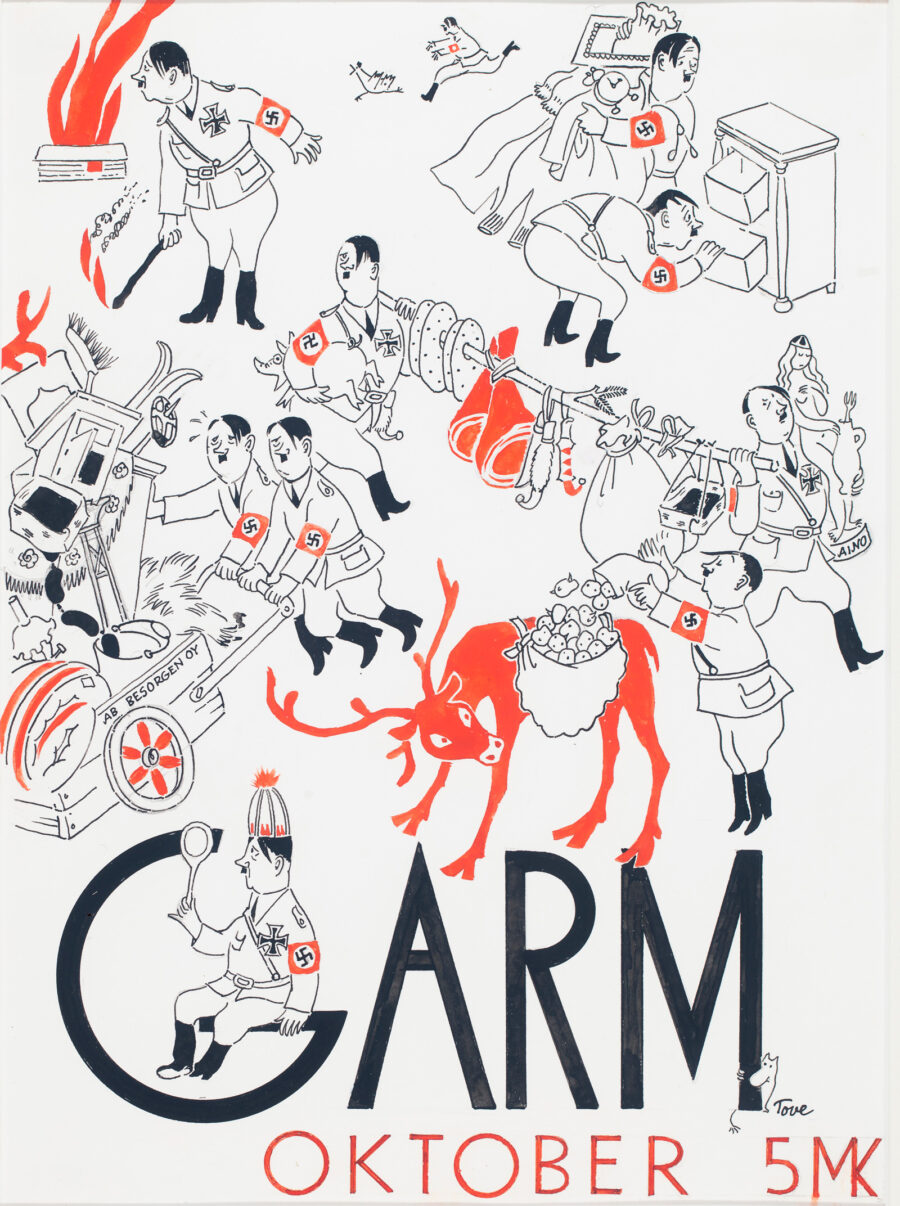
That descrip­tion comes from Simon Willis’ review of the show in the New York Review of Books. “In Octo­ber 1944, Tove Jans­son drew a cov­er for Garm, a Finnish satir­i­cal mag­a­zine, show­ing a brigade of Adolf Hitlers as pudgy lit­tle thieves,” Willis writes. These draw­er-rifling, house-burn­ing car­i­ca­tures “were not unusu­al for Jans­son, who had been belit­tling Stal­in and Hitler in the mag­a­zine since the ear­ly days of World War II.” But “peek­ing out at the chaos from behind the magazine’s title,” there was also a “tiny pale fig­ure with a long nose”: a pro­to-Moomin mak­ing an appear­ance the year before the pub­li­ca­tion of the first Moomin book. (And even he was forged in mock­ery, hav­ing first been drawn by Jans­son, so the sto­ry goes, as a car­i­ca­ture of Immanuel Kant.)

Hav­ing start­ed con­tribut­ing to Garm, accord­ing to the offi­cial Moomin web site, “in 1929 at the young age of 15 (her moth­er Signe Ham­marsten-Jans­son had worked for the pub­li­ca­tion since it start­ed),” she kept on doing so until the mag­a­zine fold­ed in 1953.

“Dur­ing that peri­od she drew more than 500 car­i­ca­tures, a hun­dred cov­er images and count­less oth­er illus­tra­tions for the mag­a­zine.” In them, writes Glas­stire’s Caleb Math­ern, “angels appear on bat­tle­fields. Rein­deer pre­pare to rain TNT. An effete, under­sized Hitler cries instead of eat­ing slices of cake. Jans­son even impugns Stalin’s man­hood with an over­sized scabbard/undersized sword joke.” To the young Jans­son, the best part was the chance, as she lat­er put it, “to be beast­ly to Stal­in and Hitler.”

Even after the suc­cess of the Moomins, Jans­son con­tin­ued to draw on the imagery and emo­tions of war: “The first time we meet young Moom­introll and his Moom­in­mam­ma in The Moomins and the Great Flood (1945), they are refugees, cross­ing a strange and threat­en­ing land­scape in search of shel­ter. Moom­in­pap­pa, mean­while, is absent, as fathers often were dur­ing the war,” writes Aeon’s Richard W. Orange. In the next book “the world is threat­ened by a comet that sucks the water out of the sea, leav­ing an apoc­a­lyp­tic land­scape in its wake.” With the Cold War heat­ing up, the alle­go­ry would hard­ly have gone unno­ticed. Like all mas­ter satirists, Jans­son went on to tran­scend the sole­ly top­i­cal — and indeed, so the increas­ing­ly Moomin-crazed world has demon­strat­ed, the bound­aries of time and cul­ture.

via Aeon/Moomin

Relat­ed Con­tent:

Edu­ca­tion for Death: The Mak­ing of Nazi–Walt Disney’s 1943 Pro­pa­gan­da Film Shows How Fas­cists Are Made

Don­ald Duck & Friends Star in World War II Pro­pa­gan­da Car­toons

“The Duck­ta­tors”: Loony Tunes Turns Ani­ma­tion into Wartime Pro­pa­gan­da (1942)

Dr. Seuss Draws Anti-Japan­ese Car­toons Dur­ing WWII, Then Atones with Hor­ton Hears a Who!

The Sub­lime Alice in Won­der­land Illus­tra­tions of Tove Jans­son, Cre­ator of the Glob­al­ly-Beloved Moomins (1966)

Based in Seoul, Col­in Mar­shall writes and broad­casts on cities, lan­guage, and cul­ture. His projects include the Sub­stack newslet­ter Books on Cities, the book The State­less City: a Walk through 21st-Cen­tu­ry Los Ange­les and the video series The City in Cin­e­ma. Fol­low him on Twit­ter at @colinmarshall, on Face­book, or on Insta­gram.

Why Masks Work: A Slow Motion Demonstration (Plus a Guest Appearance by Dr. Fauci)

The Slo Mo Guys spe­cial­ize in tak­ing every­day occur­rences and slow­ing them down … way down, so that we can see them in a new way. In this clip, they let you see what hap­pens when you talk with­out a mask, and then with a mask–all in order to demon­strate why a mask helps pre­vent the trans­mis­sion of COVID-19, a dis­ease that’s main­ly spread when peo­ple are exposed to res­pi­ra­to­ry droplets car­ry­ing infec­tious virus. Around the 4 minute mark, the host is joined by Dr. Antho­ny Fau­ci, who offers com­men­tary on the footage.

If you would like to sign up for Open Culture’s free email newslet­ter, please find it here. It’s a great way to see our new posts, all bun­dled in one email, each day.

If you would like to sup­port the mis­sion of Open Cul­ture, con­sid­er mak­ing a dona­tion to our site. It’s hard to rely 100% on ads, and your con­tri­bu­tions will help us con­tin­ue pro­vid­ing the best free cul­tur­al and edu­ca­tion­al mate­ri­als to learn­ers every­where. You can con­tribute through Pay­Pal, Patre­on, and Ven­mo (@openculture). Thanks!

Relat­ed Con­tent:

MIT Presents a Free Course on the COVID-19 Pan­dem­ic, Fea­tur­ing Antho­ny Fau­ci & Oth­er Experts

Bill Nye Shows How Face Masks Actu­al­ly Pro­tect You–and Why You Should Wear Them

Dr. Fau­ci Reads an Undergrad’s Entire The­sis, Then Fol­lows Up with an Encour­ag­ing Let­ter

« Go Back
Quantcast