Rewatch Every Episode of The Sopranos with the Talking Sopranos Podcast, Hosted by Michael Imperioli & Steve Schirripa

The Sopra­nos pre­miered on Jan­u­ary 10, 1999, and tele­vi­sion did not change for­ev­er — or rather, not right away. Though its treat­ment of the life of mid-lev­el New Jer­sey mob boss Tony Sopra­no drew large num­bers of ded­i­cat­ed view­ers right away, few could have imag­ined dur­ing the show’s eight-year run how com­plete­ly its suc­cess would even­tu­al­ly rewrite the rules of dra­mat­ic TV. More than twen­ty years lat­er, near­ly all of us place the begin­ning of our ongo­ing tele­vi­su­al “gold­en age” at the broad­cast of The Sopra­nos’ first episode. You can hear that epoch-mak­ing 50 min­utes dis­cussed in depth on the first episode of the new pod­cast Talk­ing Sopra­nos (YouTubeAppleSpo­ti­fy), whose hosts Michael Impe­ri­oli and Steve Schirri­pa know the series more inti­mate­ly than most — not least because they were on it.

Fans know Impe­ri­oli and Schirri­pa as Tony’s pro­tégé Christo­pher Molti­san­ti and Tony’s broth­er-in-law Bob­by Bac­calieri. On Talk­ing Sopra­nos they “fol­low the Sopra­nos series episode by episode giv­ing fans all the inside info, behind the scenes sto­ries and lit­tle-known facts that could only come from some­one on the inside,” announces the pod­cast’s descrip­tion, which also promis­es “inter­views with addi­tion­al cast mem­bers, pro­duc­ers, writ­ers, pro­duc­tion crew and spe­cial guests.”

Among these voic­es there is, of course, one siz­able absence: star James Gan­dolfi­ni, Tony Sopra­no him­self, who died in 2013. But it shows promise that, just four­teen episodes in, the pod­cast has already brought on Edie Fal­co, who played Tony’s wife Carmela; Robert Iler, their son A.J. Sopra­no; Jamie-Lynn Sigler, their daugh­ter Mead­ow Sopra­no; and Michael Rispoli, the first sea­son’s short-lived Jack­ie Aprile Sr.

None of these actors would have made their mark on the show with­out the work of cast­ing direc­tors Geor­gianne Walken and Sheila Jaffe, who also make an appear­ance on the pod­cast, as does co-exec­u­tive pro­duc­er and some­time direc­tor Hen­ry Bronchtein. You can down­load Talk­ing Sopra­nos on its web site, sub­scribe to it on Apple Pod­casts and else­where, or even watch it on Youtube. If you’d like to sup­ple­ment all this with an even greater wealth of detail, pick up a copy of Matt Zoller Seitz and Alan Sepin­wal­l’s book The Sopra­nos Ses­sions, an episode-by-episode analy­sis fea­tur­ing inter­views with fig­ures includ­ing series cre­ator David Chase. Nev­er has there been a bet­ter time to do a Sopra­nos re-watch of your own — and if you nev­er watched it in the first place, well, bet­ter a cou­ple of decades late than nev­er.

Relat­ed Con­tent:

How David Chase Breathed Life into the The Sopra­nos

David Chase Reveals the Philo­soph­i­cal Mean­ing of The Sopra­nos’ Final Scene

The Nine Minute Sopra­nos

Mau­rice Sendak Ani­mat­ed; James Gan­dolfi­ni Reads from Sendak’s Sto­ry “In The Night Kitchen”

James Gan­dolfi­ni Shows Kinder, Soft­er, Gen­tler Side on Sesame Street (2002)

Based in Seoul, Col­in Mar­shall writes and broad­casts on cities, lan­guage, and cul­ture. His projects include the book The State­less City: a Walk through 21st-Cen­tu­ry Los Ange­les and the video series The City in Cin­e­ma. Fol­low him on Twit­ter at @colinmarshall, on Face­book, or on Insta­gram.

The Beastie Boys & Rick Rubin Reunite and Revisit Their Formative Time Together in 1980s NYC

The Beast­ie Boys’ record-shat­ter­ing Licensed to Ill is thir­ty-four years old. This fact might mean noth­ing to you, or it might mean that you are thir­ty-four years old­er than the moment the album came out in Novem­ber of 1986, and sub­ur­ban par­ents around the coun­try, maybe even your par­ents, freaked out in uni­son. The album was a stroke of genius from pro­duc­er Rick Rubin, deliv­er­ing hip-hop safe for white kids while also giv­ing them per­mis­sion to be as obnox­ious as pos­si­ble.

Osten­si­bly a rap record, the first ever to hit num­ber one, Licensed to Ill also rode in on the crest of the mid-80s Satan­ic Pan­ic. Rubin’s deci­sion to set its exag­ger­at­ed­ly juve­nile rhymes to sam­ples of Black Sab­bath and Led Zep­pelin made a defi­ant statement—and bring­ing in Slayer’s Ker­ry King to play gui­tar on “No Sleep till Brook­lyn” real­ly rubbed it in. He was simul­ta­ne­ous­ly pro­duc­ing Slayer’s Reign in Blood, and both albums man­aged to ter­ri­fy, and appeal to, many of the same peo­ple.

Lyri­cal­ly, Licensed to Ill kept things light and goofy but also ampli­fied some cor­ro­sive misog­y­ny and homo­pho­bia, for which the band has made amends and apolo­gies over the years. Adam Horowitz called their per­sonas on the album “idiot car­i­ca­tures of our­selves.” Of its first, dis­card­ed, title, he says, “it was meant to be a joke about jock frat dudes.” They moved on and moved to L.A., show­ing very dif­fer­ent sides of them­selves on fol­low-up Paul’s Bou­tique. You’re prob­a­bly famil­iar with Rick Rubin’s post-Licensed to Ill career and all-around sta­tus as a hip-hop, met­al, rock, pop, coun­try, etc. pro­duc­er.

They hadn’t been in touch in around twen­ty years when Rubin and sur­viv­ing Beast­ie Boys Adam Horowitz and Michael Dia­mond sat down—over Zoom—recently for the Rubin-host­ed Bro­ken Record Pod­cast. There’s a lot of catch­ing up to do. They start at the very begin­ning, when the trio was still in high school and Rubin lived in the NYU dorms and occa­sion­al­ly went to class­es. From the per­spec­tive of their cur­rent selves, they real­ize how strange it was that they hard­ly knew any­thing about each oth­er at the time. There are also a few lin­ger­ing mis­un­der­stand­ings to clear up.

Join­ing them is Spike Jonze, direc­tor of the clas­sic video for “Sab­o­tage” and of the upcom­ing Beast­ie Boys Sto­ry (trail­er above). The film is a “love let­ter to hip hop’s gold­en age,” writes Kevin Eg Per­ry at NME, an “inti­mate, per­son­al sto­ry of their band and 40 years of friend­ship.” Every Beast­ie Boys ret­ro­spec­tive, and there have been a few late­ly, is tinged with sad­ness for the con­spic­u­ous absence of Adam Yauch (MCA).

He appears here in spir­it and on video, pro­ject­ed on a giant screen behind Horowitz and Dia­mond onstage in the live sto­ry­telling event filmed by Jonze. “They’re frank about the shit­ti­ness of some of their past behav­ior,” Per­ry notes, like fir­ing found­ing mem­ber Kate Schel­len­bach because she did­n’t fit their new tough-guy act. It’s a grown-up per­spec­tive that will sur­prise no one who has fol­lowed the course of their cre­ative and per­son­al evo­lu­tions.

Relat­ed Con­tent:

Watch 36 Beast­ie Boys Videos Now Remas­tered in HD

Hear Every Sam­ple on the Beast­ie Boys’ Acclaimed Album, Paul’s Boutique–and Dis­cov­er Where They Came From

The Beast­ie Boys Release a New Free­wheel­ing Mem­oir, and a Star-Stud­ded 13-Hour Audio­book Fea­tur­ing Snoop Dogg, Elvis Costel­lo, Bette Midler, John Stew­art & Dozens More

Josh Jones is a writer and musi­cian based in Durham, NC. Fol­low him at @jdmagness

Milton Glaser (RIP) Explains Why We Must Overcome the Fear of Failure, Take Risks & Discover Our True Potential

Mil­ton Glaser died last week at the age of 91, a long life that includ­ed decade upon decade as the best-known name in graph­ic design. With­in the pro­fes­sion he became as well-known as sev­er­al of his designs did in the wider world: the Bob Dylan poster, logos for com­pa­nies like DC Comics, the Glaser Sten­cil font, and above all  I ❤ NY. Glaser may have become an icon, but he did­n’t become a brand — “one of my most despised words,” he says in the inter­view clip above. He also acknowl­edges that spe­cial­iza­tion, “hav­ing some­thing no one else has,” is the sine qua non of “finan­cial suc­cess and noto­ri­ety.” But “the con­se­quence of spe­cial­iza­tion and suc­cess is that it hurts you. It hurts you because it basi­cal­ly does­n’t aid in your devel­op­ment.” When we suc­ceed we usu­al­ly do so because peo­ple come to rely on us to do one par­tic­u­lar thing, and to do it well — in oth­er words, nev­er to fail at it.

But as Glaser reminds us, “devel­op­ment comes from fail­ure. Peo­ple begin to get bet­ter when they fail.” As an exam­ple of devel­op­ment through fail­ure he holds up Pablo Picas­so: “When­ev­er Picas­so learned how to do some­thing, he aban­doned it, and as a result of that, in terms of his devel­op­ment as an artist, the results were extra­or­di­nary.”

We may, of course, ques­tion the rel­e­vance of this com­par­i­son, since many would describe Picas­so as an artis­tic genius, and not a few would cast Glaser him­self in sim­i­lar terms. Sure­ly both of them, each in his own way, inhab­it­ed a world apart from the rest of us. And yet, don’t the “the rest of us” won­der from time to about our our own poten­tial for genius? Haven’t we, at times, felt near­ly con­vinced that we could achieve great things if only we weren’t so afraid to try.

Glaser breaks this fear down into con­stituent threats: the “con­dem­na­tion of oth­ers,” the “crit­i­cism of crit­ics and oth­er experts and even your friends and rel­a­tives,” the prospect that “you won’t get any more work.” But “the real embar­rass­ing issue about fail­ure is your own acknowl­edg­ment that you’re not a genius, that you’re not as good as you thought you were.” We can’t bear to acknowl­edge “that we real­ly don’t exact­ly know what we’re doing,” an inescapable real­i­ty in the process of self-devel­op­ment. But there is a solu­tion, and in Glaser’s view only one solu­tion: “You must embrace fail­ure, you must admit what is, you must find out what you’re capa­ble of doing and what you’re not capa­ble of doing.” You must “sub­ject your­self to the pos­si­bil­i­ty that you are not as good as you want to be, hope to be, or as oth­ers think you are.” And as the famous­ly nev­er-retired Glaser sure­ly knew, you must keep on doing it, no mat­ter how long you’ve been cel­e­brat­ed as a pro­fes­sion­al, a mas­ter, an icon, a genius.

Relat­ed Con­tent:

Mil­ton Glaser’s 10 Rules for Life & Work: The Cel­e­brat­ed Design­er Dis­pens­es Wis­dom Gained Over His Long Life & Career

Saul Bass’ Advice for Design­ers: Makes Some­thing Beau­ti­ful and Don’t Wor­ry About the Mon­ey

Paulo Coel­ho on How to Han­dle the Fear of Fail­ure

“Try Again. Fail Again. Fail Bet­ter”: How Samuel Beck­ett Cre­at­ed the Unlike­ly Mantra That Inspires Entre­pre­neurs Today

Based in Seoul, Col­in Mar­shall writes and broad­casts on cities, lan­guage, and cul­ture. His projects include the book The State­less City: a Walk through 21st-Cen­tu­ry Los Ange­les and the video series The City in Cin­e­ma. Fol­low him on Twit­ter at @colinmarshall, on Face­book, or on Insta­gram.

Behold Octavia Butler’s Motivational Notes to Self

Hand­writ­ten notes on the inside cov­er of one of Octavia E. Butler’s com­mon­place books, 1988

I was attract­ed to sci­ence fic­tion because it was so wide open. I was able to do any­thing and there were no walls to hem you in and there was no human con­di­tion that you were stopped from exam­in­ing. —Octavia E. But­ler

Like many authors, the late Octavia E. But­ler took up writ­ing at a young age.

At 11, she was churn­ing out tales about hors­es and romance.

At 12, she saw Dev­il Girl from Mars, and fig­ured (cor­rect­ly) she could tell a bet­ter sto­ry than that, using 2 fin­gers to peck out sto­ries on the Rem­ing­ton type­writer her moth­er bought at her request.

At 13, she found a copy of The Writer mag­a­zine aban­doned on a bus seat, and learned that it was pos­si­ble to sub­mit her work for pub­li­ca­tion.

After a decade’s worth of rejec­tion slips, she sold her first two sto­ries, thanks in part to her asso­ci­a­tion with the Clar­i­on Sci­ence Fic­tion Writ­ing Work­shop, which she became involved with on the rec­om­men­da­tion of her men­tor, sci­ence fic­tion writer Har­lan Elli­son.

She went on to become the first sci­ence fic­tion writer to receive a pres­ti­gious MacArthur “genius” award, gar­ner­ing mul­ti­ple Hugo and Neb­u­la awards for her work.

An aster­oid is named after her, as is a moun­tain on Pluto’s moon.

Hailed as the Moth­er of Afro Futur­ism, she won the PEN Amer­i­can Cen­ter life­time achieve­ment award in writ­ing.

But pro­fes­sion­al suc­cess nev­er cloud­ed her view of her­self as the 10-year-old writer who was unsure if library-lov­ing black kids like her would be allowed inside a book­store.

Iden­ti­fy­ing as a writer helped her move beyond her crip­pling shy­ness and dyslex­ia. As she wrote in an auto­bi­o­graph­i­cal essay, “Pos­i­tive Obses­sion”:

I believed I was ugly and stu­pid, clum­sy, and social­ly hope­less. I also thought that every­one would notice these faults if I drew atten­tion to myself. I want­ed to dis­ap­pear. Instead, I grew to be six feet tall. Boys in par­tic­u­lar seemed to assume that I had done this grow­ing delib­er­ate­ly and that I should be ridiculed for it as often as pos­si­ble.

I hid out in a big pink notebook—one that would hold a whole ream of paper. I made myself a uni­verse in it. There I could be a mag­ic horse, a Mar­t­ian, a telepath….There I could be any­where but here, any time but now, with any peo­ple but these.

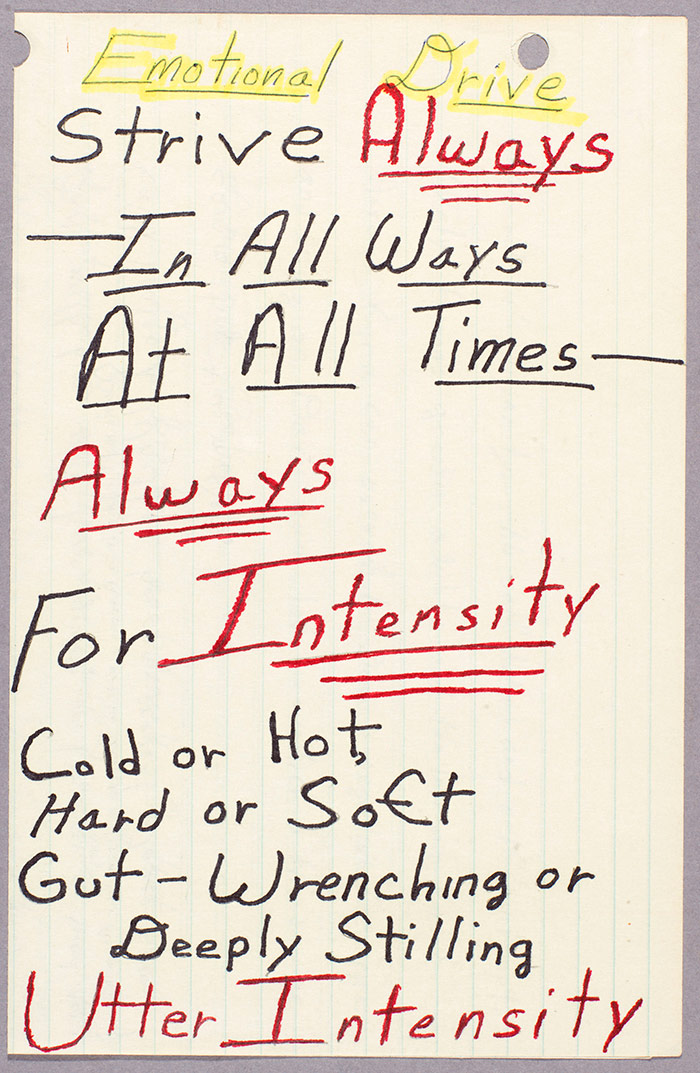
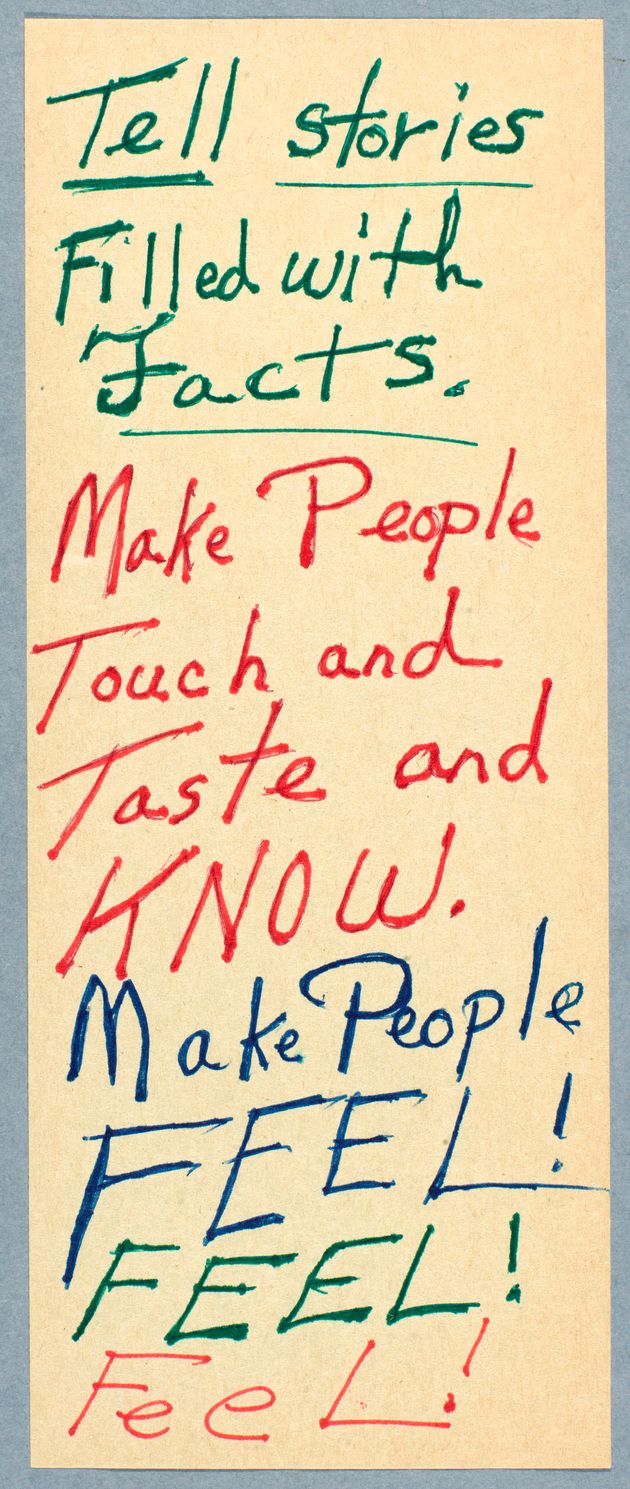
She devel­oped a life­long habit of cheer­ing her­self on with moti­va­tion­al notes, writ­ing them in her jour­nals, on lined note­book paper, in day plan­ners and on repur­posed pages of an old wall cal­en­dar.

She held her­self account­able by writ­ing out demand­ing sched­ules to accom­pa­ny her lofty, doc­u­ment­ed goals.

And though she wea­ried of the con­stant invi­ta­tions to serve on lit­er­ary pan­els devot­ed to sci­ence fic­tion writ­ers of col­or, at which she’d be asked the same ques­tions she’d answered dozens of times before, she was res­olute about pro­vid­ing oppor­tu­ni­ties for young black writ­ers … and read­ers, who found reflec­tions of them­selves in her char­ac­ters. As she remarked in an inter­view with The New York Times

When I began writ­ing sci­ence fic­tion, when I began read­ing, heck, I wasn’t in any of this stuff I read. The only black peo­ple you found were occa­sion­al char­ac­ters or char­ac­ters who were so fee­ble-wit­ted that they couldn’t man­age any­thing, any­way. I wrote myself in, since I’m me and I’m here and I’m writ­ing.

Her brand of sci­ence fic­tiona label she often tried to duck, iden­ti­fy­ing her­self on her busi­ness card sim­ply as “writer”serves as a lens for con­sid­er­ing con­tem­po­rary issues: sex­u­al vio­lence, gun vio­lence, cli­mate change, gen­der stereo­types, the prob­lems of late-stage cap­i­tal­ism, the plight of undoc­u­ment­ed immi­grants, and, not least, racism.

She side­stepped utopi­an sci­ence fic­tion, believ­ing that imper­fect humans are inca­pable of  form­ing a per­fect soci­ety. “Nobody is per­fect,” she told Vibe:

One of the things I’ve dis­cov­ered even with teach­ers using my books is that peo­ple tend to look for ‘good guys’ and ‘bad guys,’ which always annoys the hell out of me. I’d be bored to death writ­ing that way. But because that’s the only pat­tern they have, they try to fit my work into it.

Learn more about the life and work of Octavia E. But­ler (1947–2006) here.

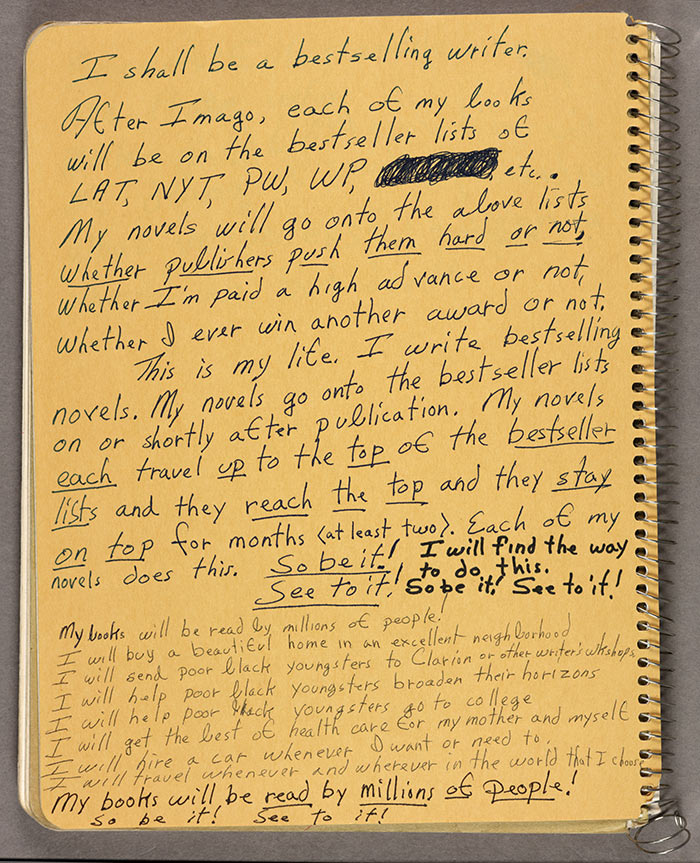
I shall be a best­selling writer. After Ima­go, each of my books will be on the best­seller lists of LAT, NYT, PW, WP, etc. My nov­els will go onto the above lists whether pub­lish­ers push them hard or not, whether I’m paid a high advance or not, whether I ever win anoth­er award or not.

This is my life. I write best­selling nov­els. My nov­els go onto the best­seller lists on or short­ly after pub­li­ca­tion. My nov­els each trav­el up to the top of the best­seller lists and they reach the top and they stay on top for months . Each of my nov­els does this.

So be it! I will find the way to do this. See to it! So be it! See to it!

My books will be read by mil­lions of peo­ple!

I will buy a beau­ti­ful home in an excel­lent neigh­bor­hood

I will send poor black young­sters to Clar­i­on or oth­er writer’s work­shops

I will help poor black young­sters broad­en their hori­zons

I will help poor black young­sters go to col­lege

I will get the best of health care for my moth­er and myself

I will hire a car when­ev­er I want or need to.

I will trav­el when­ev­er and wher­ev­er in the world that I choose

My books will be read by mil­lions of peo­ple!

So be it! See to it!

via Austin Kleon

Relat­ed Con­tent: 

Why Should We Read Pio­neer­ing Sci-Fi Writer Octavia But­ler? An Ani­mat­ed Video Makes the Case

Octavia Butler’s 1998 Dystopi­an Nov­el Fea­tures a Fascis­tic Pres­i­den­tial Can­di­date Who Promis­es to “Make Amer­i­ca Great Again”

Watch a 5‑Part Ani­mat­ed Primer on Afro­fu­tur­ism, the Black Sci-Fi Phe­nom­e­non Inspired by Sun Ra

Ayun Hal­l­i­day is an author, illus­tra­tor, the­ater mak­er and Chief Pri­ma­tol­o­gist of the East Vil­lage Inky zine. Fol­low her @AyunHalliday.


Milton Glaser (RIP) Presents 10 Rules for Life & Work: Wisdom from the Celebrated Designer

“None of us has real­ly the abil­i­ty to under­stand our path until it’s over,” the cel­e­brat­ed graph­ic design­er Mil­ton Glaser (RIP) mus­es less than a minute into the above video.

Glaser’s many con­tri­bu­tions to pop culture—the  I ❤ NY logo, the psy­che­del­ic por­trait of a rain­bow-haired Bob Dylan, DC Comics’ clas­sic bul­let logo—con­fer unde­ni­able author­i­ty. To the out­side eye, he seems to have had a pret­ty firm han­dle on the path he trav­eled for lo these many decades. Aspi­rant design­ers would do well to give extra con­sid­er­a­tion to any advice he might share.

As would the rest of us.

His “Ten Things I Have Learned,” orig­i­nal­ly deliv­ered as part of a talk to the AIGA—a ven­er­a­ble mem­ber­ship orga­ni­za­tion for design professionals—qualifies as sol­id life advice of gen­er­al inter­est.

Yes, the Inter­net spawns bul­let-point­ed tips for bet­ter liv­ing the way spring rains yield mush­rooms, but Glaser, a self-described “child of mod­ernism” who’s still a con­tender, does not truck in pithy Insta­gram-friend­ly apho­risms. Instead, his list is born of reflec­tion on the var­i­ous turns of a long and most­ly sat­is­fy­ing cre­ative career.

We’ve excerpt­ed some of his most essen­tial points below, and sug­gest that those read­ers who are still in train­ing give spe­cial empha­sis to num­ber sev­en. Don’t place too much weight on num­ber nine until you’ve estab­lished a sol­id work eth­ic. (See num­ber four for more on that.)

MILTON GLASER”S TEN RULES FOR WORK AND LIFE (& A BONUS JOKE ABOUT A RABBIT).

1. YOU CAN ONLY WORK FOR PEOPLE THAT YOU LIKE

Some years ago I real­ized that… all the work I had done that was mean­ing­ful and sig­nif­i­cant came out of an affec­tion­ate rela­tion­ship with a client.

2. IF YOU HAVE A CHOICE NEVER HAVE A JOB

Here, Glaser quotes com­pos­er John CageNev­er have a job, because if you have a job some­day some­one will take it away from you and then you will be unpre­pared for your old age. 

3. SOME PEOPLE ARE TOXIC AVOID THEM.

Glaser rec­om­mends putting a ques­tion­able com­pan­ion to a gestalt ther­a­py test. If, after spend­ing time with that per­son “you are more tired, then you have been poi­soned. If you have more ener­gy, you have been nour­ished. The test is almost infal­li­ble and I sug­gest that you use it for the rest of your life.”

4. PROFESSIONALISM IS NOT ENOUGH (or THE GOOD IS THE ENEMY OF THE GREAT)

Glaser con­cedes that a record of depend­able excel­lence is some­thing to look for in a brain sur­geon or auto mechan­ic, but for those in the arts, “con­tin­u­ous trans­gres­sion” is the qual­i­ty to cul­ti­vate. Pro­fes­sion­al­ism does not allow for that because trans­gres­sion has to encom­pass the pos­si­bil­i­ty of fail­ure and if you are pro­fes­sion­al your instinct is not to fail, it is to repeat suc­cess. 

5. LESS IS NOT NECESSARILY MORE

I have an alter­na­tive to the propo­si­tion that I believe is more appro­pri­ate. ‘Just enough is more.’

6. STYLE IS NOT TO BE TRUSTED

Style change is usu­al­ly linked to eco­nom­ic fac­tors, as all of you know who have read Marx. Also fatigue occurs when peo­ple see too much of the same thing too often.

7. HOW YOU LIVE CHANGES YOUR BRAIN

The brain is the most respon­sive organ of the body…. Thought changes our life and our behav­ior. I also believe that draw­ing works in the same way…. Draw­ing also makes you atten­tive. It makes you pay atten­tion to what you are look­ing at, which is not so easy.

8. DOUBT IS BETTER THAN CERTAINTY

One of the signs of a dam­aged ego is absolute cer­tain­ty. Schools encour­age the idea of not com­pro­mis­ing and defend­ing your work at all costs. Well, the issue at work is usu­al­ly all about the nature of com­pro­mise…. Ide­al­ly, mak­ing every­one win through acts of accom­mo­da­tion is desir­able.

9. IT DOESN’T MATTER

Glaser cred­its essay­ist Roger Rosenblatt’s Rules for Aging (misiden­ti­fy­ing the title as Aging Grace­ful­ly) with help­ing him artic­u­late his phi­los­o­phy here.  It doesn’t mat­ter what you think. It does not mat­ter if you are late or ear­ly, if you are here or there, if you said it or didn’t say it, if you are clever or if you were stu­pid. If you were hav­ing a bad hair day or a no hair day or if your boss looks at you cock­eyed or your boyfriend or girl­friend looks at you cock­eyed, if you are cock­eyed. If you don’t get that pro­mo­tion or prize or house or if you do – it doesn’t mat­ter.

10. TELL THE TRUTH

It’s inter­est­ing to observe that in the new AIGA’s code of ethics there is a sig­nif­i­cant amount of use­ful infor­ma­tion about appro­pri­ate behav­ior towards clients and oth­er design­ers, but not a word about a designer’s rela­tion­ship to the pub­lic. If we were licensed, telling the truth might become more cen­tral to what we do.

BONUS JOKE

A butch­er was open­ing his mar­ket one morn­ing and as he did a rab­bit popped his head through the door. The butch­er was sur­prised when the rab­bit inquired ‘Got any cab­bage?’ The butch­er said ‘This is a meat mar­ket – we sell meat, not veg­eta­bles.’ The rab­bit hopped off. The next day the butch­er is open­ing the shop and sure enough the rab­bit pops his head round and says ‘You got any cab­bage?’ The butch­er now irri­tat­ed says ‘Lis­ten you lit­tle rodent, I told you yes­ter­day we sell meat, we do not sell veg­eta­bles and the next time you come here I am going to grab you by the throat and nail those flop­py ears to the floor.’ The rab­bit dis­ap­peared hasti­ly and noth­ing hap­pened for a week. Then one morn­ing the rab­bit popped his head around the cor­ner and said ‘Got any nails?’ The butch­er said ‘No.’ The rab­bit said ‘Ok. Got any cab­bage?’’

Read Mil­ton Glaser’s “Ten Things I Have Learned” in its entire­ty here.

Note: This post orig­i­nal­ly appeared on our site in April 2017.

Relat­ed Con­tent:

Mil­ton Glaser Draws Shake­speare & Explains Why Draw­ing is the Key to Under­stand­ing Life

Mick­ey Mouse In Viet­nam: The Under­ground Anti-War Ani­ma­tion from 1968, Co-Cre­at­ed by Mil­ton Glaser

Dieter Rams Lists the 10 Time­less Prin­ci­ples of Good Design–Backed by Music by Bri­an Eno

Ayun Hal­l­i­day is an author, illus­tra­tor, the­ater mak­er and Chief Pri­ma­tol­o­gist of the East Vil­lage Inky zine.  Fol­low her @AyunHalliday.

Saxophonist Plays into Large Gas Pipes & Then Uses the Echo to Accompany Himself

The best sax­o­phon­ists play just as well unac­com­pa­nied as they do accom­pa­nied — but they also know that, in the act of musi­cal cre­ation, it cer­tain­ly helps to have even a lit­tle bit of sound to play off com­ing your way. Ger­man musi­cian Armin Küp­per dis­cov­ered more than a lit­tle bit of sound com­ing his way when he tried play­ing his sax­o­phone into a gas pipe he hap­pened across near his home. Kept at a con­struc­tion site and not cur­rent­ly in a state to pipe any gas, it served him as a kind of echo device, one dis­tinc­tive in both sound and appear­ance. On his Youtube chan­nel he’s post­ed a dozen videos so far of the “con­certs” he’s giv­en at the pipe: play­ing into it, stand­ing beside it, sit­ting in it.

“This sound on the tube, in this lone­li­ness always gives me the feel­ing: Hey, you’re not alone there!” writes Küp­per. “Some­times I just can’t stop play­ing. The nice thing is, when it gets cool in the evening, I sit down in the tube heat­ed up dur­ing the day and enjoy the sun­set play­ing the sax­o­phone.”

These sen­ti­ments appear in the descrip­tion of the video at the top of the post, in which Küp­per demon­strates the style of music he calls “Pipeline­funk,” or in his native Ger­man Röhren­sound. He’s also tried his hand at “Pipelineblues,” pipeline gui­tar, and a com­po­si­tion called “Walk­ing on the Pipeline” — dur­ing his per­for­mance of which he does just that, the sound of his sax­o­phone changes with every step he takes toward the open­ing.

When played direct­ly into the pipe, Küp­per’s sax­o­phone comes back sound­ing uncan­ni­ly like a clas­sic call-and-response. But what’s tru­ly impres­sive is the range of effects he dis­cov­ers while approach­ing the pipe dif­fer­ent­ly each time, pro­duc­ing whole new sound­scapes by chang­ing lit­tle more than the angle of his play­ing. Alas, his time with the pipe seems to have last­ed only so long.  The build­ing project that brought the pipe in the first place would soon­er or lat­er have to make use of it, and in one video descrip­tion Küp­per men­tions that “ ‘my pipe’ was laid in the ground.” There could be no bet­ter send­off for this unusu­al musi­cal part­ner — and a col­lab­o­ra­tor in the cre­ation of this sur­pris­ing vari­ety of, lit­er­al­ly, Ger­man indus­tri­al music — than Küp­per’s dusk per­for­mance of “Some­where Over the Rain­bow”?

via Laugh­ing Squid

Relat­ed Con­tent:

How Sax­o­phones Are Made: Two Short Films (Includ­ing One by Sesame Street) Take You Inside Sax­o­phone Fac­to­ries

The Sax Solo on Ger­ry Rafferty’s “Bak­er Street” on a 10 Hour, End­less Loop

Park­ing Garage Door Does Impres­sion of Miles Davis’ Jazz Album, Bitch­es Brew

Behold Mys­ti­cal Pho­tographs Tak­en Inside a Cel­lo, Dou­ble Bass & Oth­er Instru­ments

Acclaimed Japan­ese Jazz Pianist Yōsuke Yamashita Plays a Burn­ing Piano on the Beach

Based in Seoul, Col­in Mar­shall writes and broad­casts on cities, lan­guage, and cul­ture. His projects include the book The State­less City: a Walk through 21st-Cen­tu­ry Los Ange­les and the video series The City in Cin­e­ma. Fol­low him on Twit­ter at @colinmarshall, on Face­book, or on Insta­gram.

Nile Rodgers Tells the Story of How He Turned David Bowie’s “Let’s Dance” from Folk to New Wave Funk

When David Bowie invit­ed Chic gui­tarist and all-around funk/disco gui­tar genius Nile Rodgers to make an album of “hits” in Switzer­land, Rogers remem­bers think­ing, “okay, ‘hits’ with David Bowie, that’s an awe­some project.” The way he dead­pans might make us think he wasn’t super stoked about it, but the fact is, it’s hard to impress Nile Rodgers. He has pro­duced, writ­ten, and played guitar—the very Stra­to­cast­er he’s hold­ing in the video above—on “hun­dreds, maybe thou­sands” of records, he says. What’s one more, with one more super­star?

The album, it turned out, would become Let’s Dance, run­ner-up to Thriller for album of the year in 1984, con­tain­ing such dance­able hits as the title track, “Mod­ern Love,” and “Chi­na Girl.” It was to be Bowie’s best-sell­ing album—as he described it, “a redis­cov­ery of white-Eng­lish-ex-art-school-stu­dent-meets-black-Amer­i­can-funk.” He cer­tain­ly brought the first part of that equa­tion, a tune he strummed for Rogers on his 12-string acoustic that “sound­ed like folk music to me,” the gui­tarist says.

“Since I knew David loved jazz and he under­stood the ver­nac­u­lar, I said to him, ‘David, can I do an arrange­ment of this song?’” (What he has remem­bered say­ing else­where is much fun­nier: “I come from dance music. You can’t call that thing you just played ‘Let’s Dance.’”) Rodgers shows how he sub­sti­tut­ed and moved Bowie’s chords, giv­ing the song its dis­tinc­tive voic­ing. “Run­ning away from funk because of the whole dis­co sucks thing,” Rodgers says, he sim­pli­fied his strum­ming, let­ting a delay effect “make the groove.”

While he may not have gone into the expe­ri­ence expect­ing much more than the usu­al hit-mak­ing col­lab­o­ra­tion, the expe­ri­ence, “changed my life,” he says, “it changed David’s life, and we wound up work­ing togeth­er on anoth­er five projects over the next five years.” In an NPR inter­view last year, Rogers debuted the first demo of “Let’s Dance” with Bowie singing over his new arrange­ment. You can hear just above.

The video at the top is part of Fend­er Gui­tars’ edu­ca­tion­al series, so Rodgers wraps up with an essen­tial take­away for gui­tarists about the impor­tance of “good the­o­ret­i­cal knowl­edge,” the basis of his “Let’s Dance” trans­for­ma­tion from folk to jazz to New Wave post-funk. Sad­ly, we can­not hear from Bowie him­self or from his oth­er famous gui­tarist-col­lab­o­ra­tor on “Let’s Dance,” Ste­vie Ray Vaugh­an. But Bowie also cred­it­ed the Texas leg­end for help­ing him access his inner Amer­i­can to cre­ate music, as he once observed, with a “Euro­pean sen­si­bil­i­ty, but owed its impact to the blues.”

via Boing Boing

Relat­ed Con­tent:

Stream David Bowie’s Com­plete Discog­ra­phy in a 19-Hour Playlist: From His Very First Record­ings to His Last

David Bowie Became Zig­gy Star­dust 48 Years Ago This Week: Watch Orig­i­nal Footage

David Bowie Picks His 12 Favorite David Bowie Songs: Lis­ten to Them Online

Josh Jones is a writer and musi­cian based in Durham, NC. Fol­low him at @jdmagness

Get a First Glimpse of Foundation, the New TV Series Being Adapted from Isaac Asimov’s Iconic Series of Novels

Five years ago we told you about the plans to cre­ate a mini-series out of Isaac Asimov’s clas­sic sci-fi series Foun­da­tion, while also point­ing you in the direc­tion of the 1973 BBC radio drama­ti­za­tion. Back in 2015, Jonathan Nolan, broth­er of Christo­pher, was attached and HBO was set to pro­duce. And then we all for­got about it. (Well I did, any­way.)

Fast for­ward into the COVID tsuna­mi of this week and AppleTV just dropped the first trail­er for the series. Nolan is out and David Goy­er is in as showrun­ner. Goy­er loves his pulp, and wrote or co-wrote the Blade tril­o­gy, the Dark Knight tril­o­gy, Dark City, and a lot of the recent DC Uni­verse films. Also on board as exec­u­tive pro­duc­er is Robyn Asi­mov, Isaac’s daugh­ter.

Pro­duc­tion had start­ed in Ire­land on the series, but it closed up shop in March due to COVID-19. We have no idea how much of the 10-episode first sea­son was shot, which might explain a pre­pon­der­ance of footage in the above trail­er of peo­ple walk­ing down cor­ri­dors, walk­ing into rooms, and star­ing out of win­dows, along with pure­ly CGI estab­lish­ing shots of space­ships and a black hole straight out of Inter­stel­lar.

On the oth­er hand, we get a glimpse of Jared Har­ris (Mad Men, Cher­nobyl) as Hari Sel­don, a math­e­mati­cian who has devel­oped a the­o­ry called “psy­chohis­to­ry” that allows him to see the future. And he does not like what he sees–empires col­laps­ing, and a long dark age of 30,000 years. There’s also his pro­tege called Gaal, played here by new­com­er Lou Llo­bell; Lee Pace (Halt and Catch Fire) plays Broth­er Day, the emper­or; and Leah Har­vey plays Salvor, the war­den of Ter­mi­nus, where Sel­don and Gaal are exiled. (Spoil­er alert…we think.)

Two large ques­tions to ask right now: will this ever get fin­ished? And do we real­ly need Foun­da­tion, or has its time passed?

For the first, AppleTV has put a date of 2021 for the hope­ful pre­miere, but all the arts are on hold now. We might be look­ing at films that are even more CGI than they are now, shot total­ly on green­screen in large social­ly dis­tant stu­dios, and assem­bled by a gigan­tic crew of remote ani­ma­tors. (Ire­land is down to less than 10 cas­es of COVID-19 per day, so who knows.)

The sec­ond is more a mat­ter of taste and a case of who’s adapt­ing the books. Goyer’s fil­mog­ra­phy shows he’s much more of an action guy, and Asi­mov was more of an intel­lec­tu­al. We might see some­thing between the inter­na­tion­al trade tar­iff skull­dug­gery of The Phan­tom Men­ace and some Game of Thrones court intrigue.

The dis­cus­sion on Metafil­ter cer­tain­ly deserves a look, as it brings up issues like Asimov’s his­to­ry of sex­u­al harass­ment, the idea of Grand Old White Men of Sci-Fi, and a need to keep pres­tige tele­vi­sion churn­ing out prod­uct. And, of course, there’s a dis­cus­sion of how much we might need some of Asimov’s opti­mism.

Asimov’s Foun­da­tion series was influ­enced by Edward Gib­bon’s His­to­ry of the Decline and Fall of the Roman Empire, and we are cer­tain­ly think­ing about empires falling right now, espe­cial­ly as we can hear Nero’s fid­dle off in the dis­tance, get­ting loud­er every day.

Relat­ed Con­tent:

Isaac Asi­mov Pre­dicts the Future of Civilization–and Rec­om­mends Ways to Ensure That It Sur­vives (1978)

Isaac Asimov’s Guide to the Bible: A Wit­ty, Eru­dite Atheist’s Guide to the World’s Most Famous Book

Isaac Asi­mov Laments the “Cult of Igno­rance” in the Unit­ed States: A Short, Scathing Essay from 1980

Ted Mills is a free­lance writer on the arts who cur­rent­ly hosts the Notes from the Shed pod­cast and is the pro­duc­er of KCR­W’s Curi­ous Coast. You can also fol­low him on Twit­ter at @tedmills, and/or watch his films here.

« Go BackMore in this category... »
Quantcast