The James Merrill Digital Archive Lets You Explore the Creative Life of a Great American Poet

wul_eh_merrill_shoot_2013_2

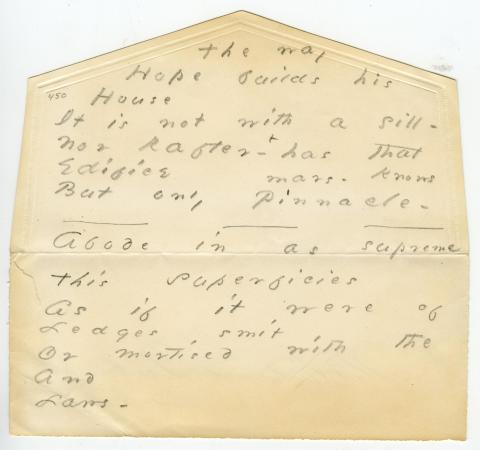
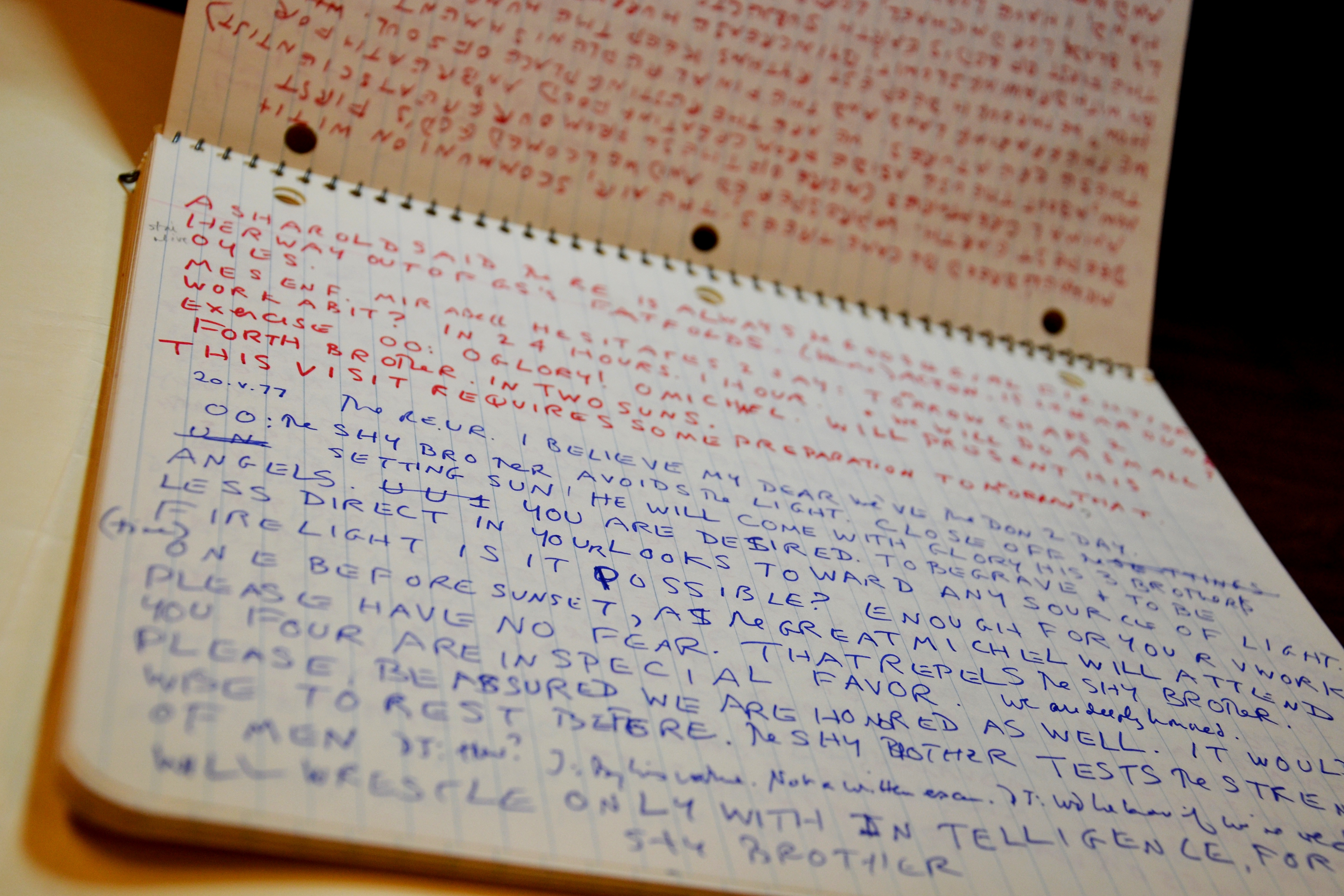
The Oui­ja-inspired poet­ry of Pulitzer Prize-win­ning poet James Mer­rill (1926–1995) comes alive in a new­ly launched dig­i­tal archive from Wash­ing­ton Uni­ver­si­ty in St. Louis. Vis­i­tors to the site can explore note­book after note­book bear­ing Merrill’s hand­writ­ten notes in all caps—col­or­ful tran­scripts from his “Thou­sand and One Evenings Spent/ With [part­ner] David Jack­son at the Oui­ja Board/ In Touch with Ephraim Our Famil­iar Spir­it.” Mer­rill, the son of Charles E. Mer­rill, cofounder of the Mer­rill Lynch invest­ment firm, was con­sid­ered one of the most sig­nif­i­cant Amer­i­can poets of his gen­er­a­tion.

The occult was cen­tral to all of Merrill’s lat­er work, includ­ing “The Book of Ephraim,” which is the cur­rent focus of the James Mer­rill Dig­i­tal Archive. Merrill’s com­plex and high­ly unusu­al cre­ative process is evi­dent in the mate­ri­als pre­sent­ed, all of them drawn from the exten­sive James Mer­rill Papers housed in the university’s Spe­cial Col­lec­tions.

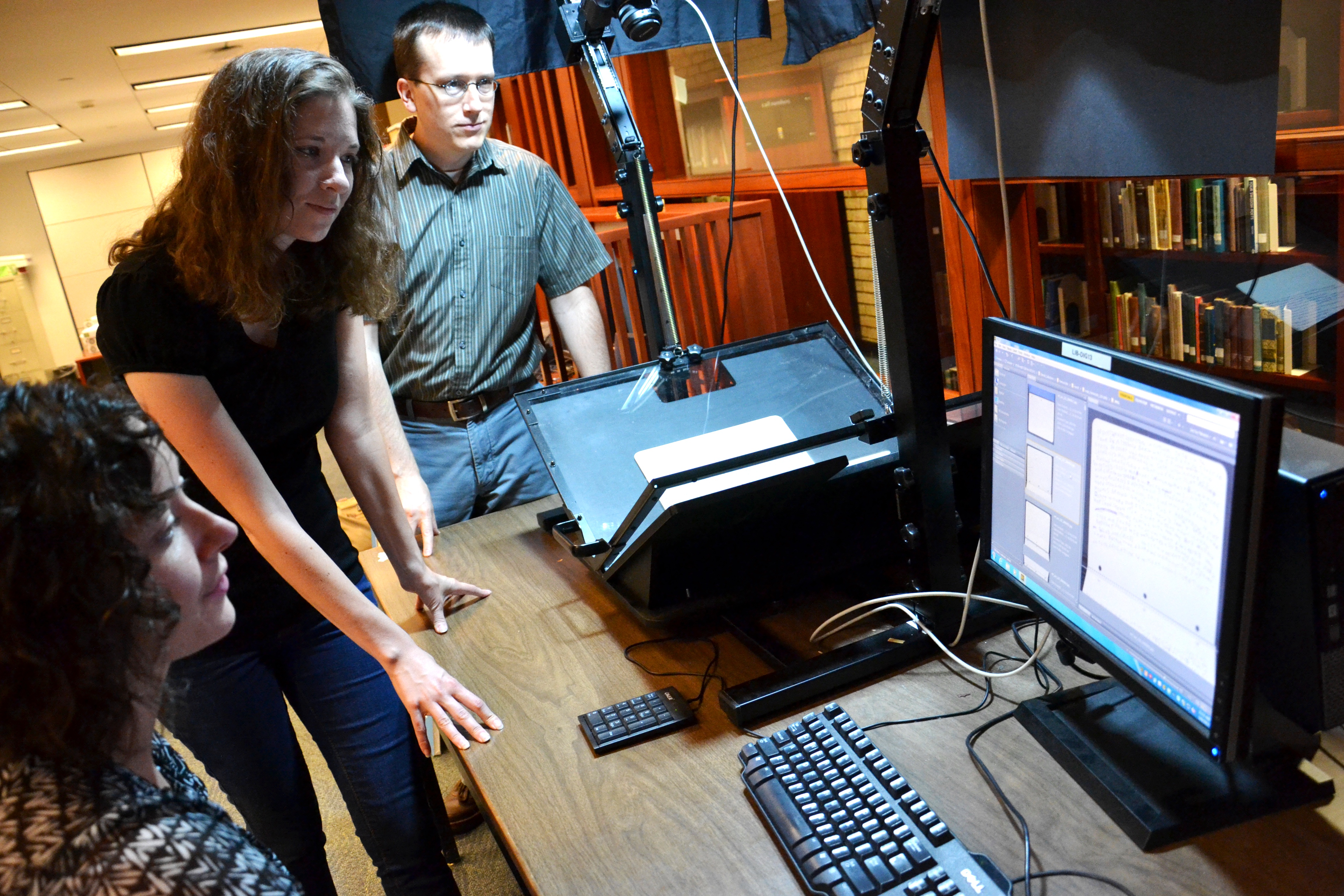
In a descrip­tion on the site, project col­lab­o­ra­tor and grad­u­ate stu­dent Annelise Duer­den (pic­tured at cen­ter below) points out that “the open­ing to ‘The Book of Ephraim’ clam­ors for a medi­um ‘that would reach / The widest pub­lic in the short­est time,’ and we hope that dig­i­tal archiv­ing can pro­vide such an entrance to Merrill’s work, and to the rich­ness of the process behind his fin­ished poem.”

wul_eh_merrill_shoot_2013_10

Duer­den, her­self an active poet, says she was impressed by Merrill’s “imag­i­na­tive force” and “relent­less ener­gy for revi­sion” while help­ing build the archive this past sum­mer along with staff from Wash­ing­ton Uni­ver­si­ty Libraries and the Human­i­ties Dig­i­tal Work­shop.

“Mer­rill orig­i­nal­ly imag­ined con­struct­ing his sto­ry of Ephraim in the form of a nov­el,” she says. “He planned to write it for some time, began work on it, then lost the pages in a taxi, and gave up on the idea of the nov­el of Ephraim, instead writ­ing it in poet­ic form. In a Oui­ja ses­sion, Ephraim lat­er claimed cred­it for los­ing the nov­el.”

“The Book of Ephraim” was first pub­lished in Merrill’s book Divine Come­dies in 1976 and lat­er as the first install­ment of his apoc­a­lyp­tic epic The Chang­ing Light at San­dover, one of the longest poems in any lan­guage and fea­tur­ing voic­es rang­ing from the then-recent­ly deceased poet W. H. Auden to the Archangel Michael.

Evie Hemphill (@evhemphill) is a writer and pho­tog­ra­ph­er for Wash­ing­ton Uni­ver­si­ty Libraries in St. Louis.

by | Permalink | Make a Comment ( 1 ) |

The Complete Works of Leo Tolstoy Online: New Archive Will Present 90 Volumes for Free (in Russian)

tolstoy online

This is sure­ly worth a quick heads up: Leo Tolstoy’s entire body of work – all 46,000 pages of it – will appear on the Tolstoy.ru web site. Accord­ing to Tol­stoy’s great-great-grand­daugh­ter Fyok­la Tol­staya, all of the author’s nov­els, short sto­ries, fairy tales, essays and per­son­al let­ters will be made freely avail­able in PDF, FB2 and EPUB for­mats (which you can eas­i­ly load onto a Kin­dle, iPad or almost any oth­er ebook read­er). She goes on to tell the Russ­ian news­pa­per RIA Novosti that the “90-vol­ume edi­tion was scanned and proof­read three times by more than 3,000 vol­un­teers from 49 coun­tries.” Tru­ly an incred­i­ble crowd­sourc­ing feat.

What’s the rub? You have to read Russ­ian. Yes, it’s poten­tial­ly a down­er. But you can always find Tol­stoy’s major works in trans­la­tion in our Free eBooks and Free Audio Books col­lec­tions.

And if that does­n’t make you feel bet­ter, see the excel­lent bonus mate­r­i­al below.

via The Paris Review

Relat­ed Con­tent:

Rare Record­ing: Leo Tol­stoy Reads From His Last Major Work in Four Lan­guages, 1909

The Last Days of Leo Tol­stoy Cap­tured on Video

How Leo Tol­stoy Learned to Ride a Bike at 67, and Oth­er Tales of Life­long Learn­ing

by | Permalink | Make a Comment ( 4 ) |

New Archive Makes Available 800,000 Pages Documenting the History of Film, Television & Radio

photoplay52chic_0107

Click images for larg­er ver­sions

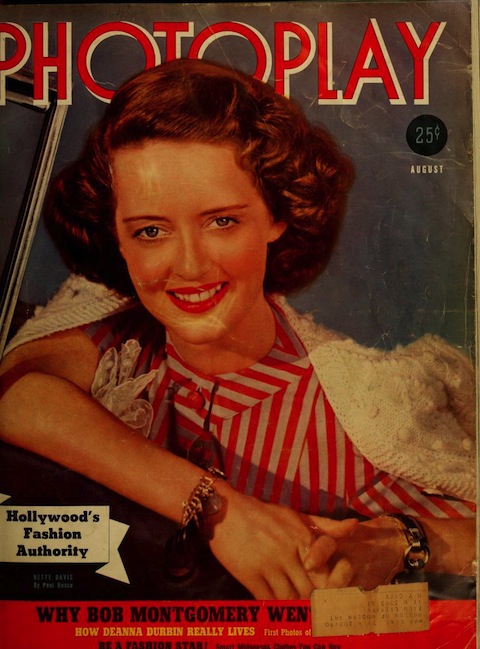
Film buffs and schol­ars have a new cache at their fin­ger­tips. The Media His­to­ry Dig­i­tal Library has made hun­dreds of thou­sands of pages of film and broad­cast­ing his­to­ry avail­able in a search­able dig­i­tal archive they’ve called Lantern, an open access, inter­ac­tive library.

With help from the Uni­ver­si­ty of Wis­con­sin, Madi­son Depart­ment of Com­mu­ni­ca­tion Arts, MHDL made their entire col­lec­tion of Busi­ness Screen, The Hol­ly­wood Reporter, Pho­to­play and Vari­ety—among oth­er magazines—available for text search­es for the first time.

In 2011 a group of film schol­ars devel­oped MHDL, an updat­ed resource for his­to­ri­ans used to read­ing through micro­film archives of cin­e­ma and broad­cast jour­nals. At the time, their archive was a gold­mine, pulling togeth­er the boun­ty of print­ed mate­r­i­al chron­i­cling the film indus­try. Now they’ve made it bet­ter, with more refined search, fil­ter­ing and sort­ing tools. Plus you can down­load images and texts.

It may have been a rite of pas­sage for film stu­dents to sequester them­selves in a dark library car­rel and scroll through micro­fiche reels of Mov­ing Pic­ture World, an influ­en­tial trade jour­nal until 1927, but Lantern brings ven­er­a­ble movie mag­a­zines dat­ing up to the ear­ly ’70s into the light of day where any­one can access the images and arti­cles of major trade and fan mag­a­zines, free of charge.

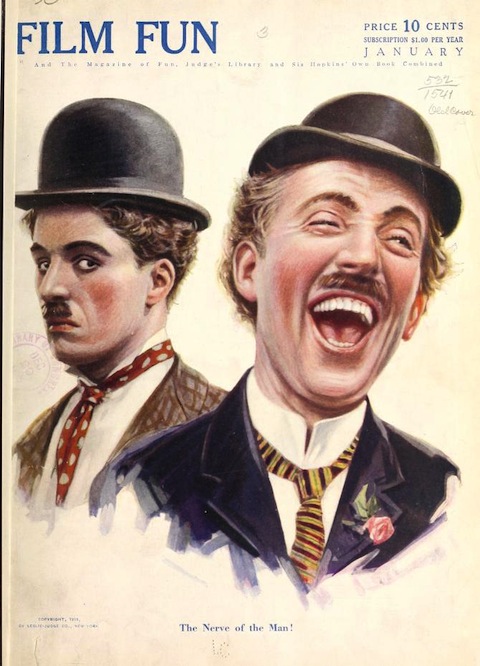
An ear­ly on-set chat rag, Film Fun, a mag­a­zine about “the hap­py side of the movies,” brought read­ers “inti­mate gos­sip of the pro­fes­sion told by the actors and actress­es ‘between the reels.’” The images are gor­geous.

filmfun322333lesl_0009

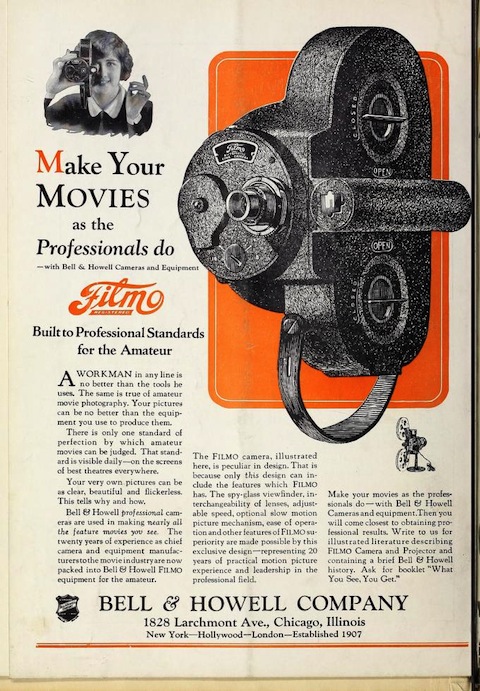
In the twen­ties a new ama­teur movie mak­ing indus­try thrived, with equip­ment and even tour pack­ages avail­able for buffs who want­ed to tour exot­ic locales like Cuba with cam­eras and learn to shoot and pre­serve 16 mm motion pic­tures. A boom in DIY film mag­a­zines like Ama­teur Movie Mak­ers tar­get­ed the ear­ly adopters.

amateurmoviemake12amat_0048

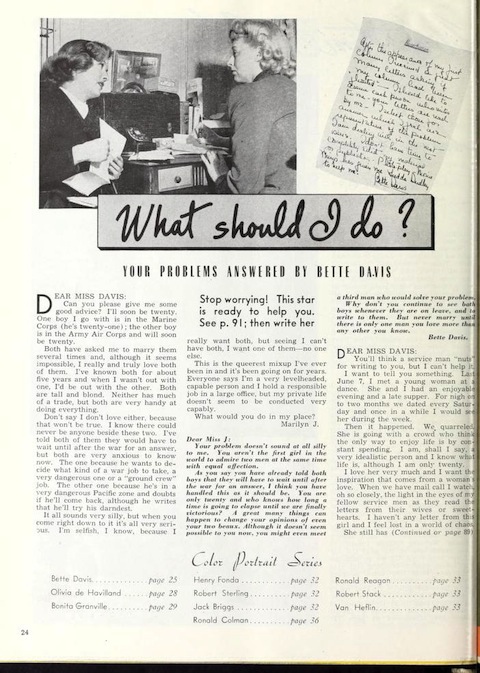
And lest we think that pulp celebri­ty mags like Peo­ple and Us are low­er brow than those of yes­ter­year, we should think again. I’m not sure about you, but I’m not sure four-times-mar­ried Bette Davis makes the best love advice colum­nist. But appar­ent­ly Pho­to­play mag­a­zine did.

photoplay122phot_0588

Relat­ed Con­tent:

Three Great Films Star­ring Char­lie Chap­lin, the True Icon of Silent Com­e­dy

How Brew­ster Kahle and the Inter­net Archive Will Pre­serve the Infi­nite Infor­ma­tion on the Web

Kate Rix writes about edu­ca­tion and dig­i­tal media. Vis­it her web­site and fol­low her on Twit­ter.

New Archive Reveals How Scientists Finally Solved the Vexing “Longitude Problem” During the 1700s

For cen­turies, sea­far­ing explor­ers and mer­chants reck­oned with the lon­gi­tude prob­lem. It was rel­a­tive­ly easy to fig­ure out a ship’s loca­tion on a north-south axis, but near­ly impos­si­ble to deter­mine how far east or west it was. And the stakes were high. Sail too far astray and your ship (and men) could end up so far afield that get­ting home before the food and water ran out might be impos­si­ble. The sail­ing world need­ed bet­ter tools to deter­mine loca­tion at sea.

In 1714 the British gov­ern­ment estab­lished the Board of Lon­gi­tude, offer­ing a cash prize to any­one who could fig­ure out how to detect how far east or west a ship was at sea. The Board was abol­ished in 1828, but only after fos­ter­ing inno­v­a­tive tech­niques that would for­ev­er change the nature of marine nav­i­ga­tion.

Cam­bridge Uni­ver­si­ty and the Nation­al Mar­itime Muse­um at Green­wich recent­ly released an archive mak­ing all of the let­ters, objects, and doc­u­ments relat­ed to the Board’s work avail­able, along with a spiffy set of videos that brings the Board’s his­to­ry and achieve­ments to life.

Dur­ing the Board’s tenure, clock­mak­er John Har­ri­son fig­ured out that sailors could find out their loca­tion if they knew local time at sea and com­pared that to the time at a com­mon ref­er­ence point. The moon was seen as a giant clock, and its posi­tion rel­a­tive to stars was record­ed in the Nau­ti­cal Almanac, giv­ing sailors the data to com­pare against the time at sea. One of the inno­va­tions vet­ted by the Board of Lon­gi­tude is John Harrison’s Sea Clock. Also dur­ing that time, Green­wich became the prime merid­i­an.

All of this work led to more accu­rate maps. The Board spon­sored jour­neys, includ­ing some aboard Cap­tain Cook’s ships with portable obser­va­to­ries for map­mak­ers to sketch and use tri­an­gu­la­tion to deter­mine accu­rate loca­tion on voy­ages, includ­ing one to the North­west­ern Unit­ed States.

You can start rum­mag­ing through the fas­ci­nat­ing archive here.

Relat­ed Con­tent:

Caught Map­ping: A Cin­e­mat­ic Ride Through the Nit­ty Grit­ty World of Vin­tage Car­tog­ra­phy

Play Cae­sar: Trav­el Ancient Rome with Stanford’s Inter­ac­tive Map

Cut­ting-Edge Tech­nol­o­gy Recon­structs the Bat­tle of Get­tys­burg 150 Years Lat­er

Kate Rix writes about edu­ca­tion and dig­i­tal media. Fol­low her on Twit­ter @mskaterix or vis­it her on the web at .

How Brewster Kahle and the Internet Archive Will Preserve the Infinite Information on the Web

Brew­ster Kahle is an unas­sum­ing man. But as an inter­net pio­neer and dig­i­tal librar­i­an, he may right­ly be called a found­ing father of the Open Cul­ture ethos. In 1996, Kahle began work on the Inter­net Archive, a tremen­dous­ly impor­tant project that acts as a safe­ty net for the mem­o­ry hole prob­lem of Inter­net pub­lish­ing. Kahle devel­oped tech­nol­o­gy that finds and aggre­gates as much of the inter­net as it is able in his mas­sive dig­i­tal library.

Along with the archive, which Open Cul­ture has drawn from many a time, comes Kahle’s “Way­back Machine,” named for the time-trav­el­ing device in a Rocky and Bull­win­kle seg­ment fea­tur­ing the genius dog Mr. Peabody and his pet boy Sher­man (the car­toon spelled it as an acronym: WABAC). The “Way­back Machine,” as you prob­a­bly know, logs pre­vi­ous ver­sions of web­sites, hold­ing on to the web’s past like clas­sic paper libraries hold on to an author’s papers. (Here’s what we looked like in 2006.)

In the ani­mat­ed adven­tures of Peabody and Sher­man, the Way­back Machine was a mon­strous con­trap­tion that occu­pied half of Peabody’s den. And while we often think of Inter­net space as lim­it­less and dis­em­bod­ied, Kahle’s Inter­net Archive is also phys­i­cal­ly housed, in a for­mer Chris­t­ian Sci­ence church now lined with tow­er­ing servers that store dig­i­tized books, music, film and oth­er media for free access. It’s an impres­sive space for an impres­sive project that will like­ly expand past its phys­i­cal bound­aries. As Kahle says above, “it turns out there is no end; the web is, in fact, infi­nite.”

Kahle is deeply invest­ed in data. The chal­lenges of main­tain­ing the Inter­net Archive are immense, includ­ing trans­lat­ing old, unplayable for­mats to new ones. But what Kahle calls the great­est chal­lenge is the peren­ni­al threat to all libraries: “they burn.” And he’s com­mit­ted to design­ing for that even­tu­al­i­ty by mak­ing copies of the archive and dis­trib­ut­ing them around the world. If you’re inter­est­ed in what moti­vates Kahle, you should watch his 2007 TED talk above. He frames the busi­ness of archiv­ing the inter­net as one of mak­ing avail­able “the best we have to offer” to suc­ces­sive gen­er­a­tions. “If we don’t do that,” Kahle warns, “we’re going to get the gen­er­a­tion we deserve.” It’s a warn­ing worth heed­ing, I think.

If you would like to sign up for Open Culture’s free email newslet­ter, please find it here. It’s a great way to see our new posts, all bun­dled in one email, each day.

If you would like to sup­port the mis­sion of Open Cul­ture, con­sid­er mak­ing a dona­tion to our site. It’s hard to rely 100% on ads, and your con­tri­bu­tions will help us con­tin­ue pro­vid­ing the best free cul­tur­al and edu­ca­tion­al mate­ri­als to learn­ers every­where. You can con­tribute through Pay­Pal, Patre­on, and Ven­mo (@openculture). Thanks!

Relat­ed Con­tent:

10 Clas­sic Films from the Inter­net Archive

8,976 Free Grate­ful Dead Con­cert Record­ings in the Inter­net Archive, Explored by the New York­er

Kids (and Less Savvy Mar­keters) Imag­ine the Inter­net in 1995

Josh Jones is a writer and musi­cian based in Wash­ing­ton, DC. Fol­low him @jdmagness

New Jazz Archive Features Rare Audio of Louis Armstrong & Other Legends Playing in San Francisco

satchmo club hangover

Any inves­ti­ga­tion into San Francisco’s jazz hey­day of the 1950s requires a stop at the Club Hang­over. Oper­at­ed by band­leader Doc Dougher­ty on Bush Street through­out the decade, the club became a Dix­ieland jazz head­quar­ters.

Now home to an adult movie the­ater, the club is long closed. The music lives on how­ev­er in record­ings made at the time, which are now avail­able online, much of it for the first time ever, in com­plete, unedit­ed record­ings.

Using tapes pre­served by radio sta­tion KCBS, jazz broad­cast­er Dave Rad­lauer has archived KCBS broad­casts of Hang­over ses­sions from 1954–58. On-air host Bob Goern­er inter­viewed musi­cians from the KCBS sta­tion using a ded­i­cat­ed phone line that deliv­ered a sig­nal from the club on Nob Hill. Goern­er pre­served the show tapes, which are now housed in the Stan­ford Uni­ver­si­ty Braun Music archive.

Rad­lauer makes the archive avail­able as .mp3 files, includ­ing one par­tic­u­lar­ly his­toric jam ses­sion star­ring Louis Arm­strong. The sto­ry goes that in Jan­u­ary, 1951 Arm­strong was in San Fran­cis­co to vis­it his friend clar­inetist Pee Wee Rus­sell in the hos­pi­tal and decid­ed to throw Rus­sell a fundrais­er. He brought togeth­er a mas­ter­ful group includ­ing pianist Earl “Fatha” Hines, cred­it­ed with help­ing tran­si­tion jazz piano from stride to swing. The place was packed and $1,500 went into the kit­ty for Russell’s med­ical bills. You can lis­ten to Arm­strong’s rehearsal and per­for­mance below.

Rehearsal:

Per­for­mance:

“Fatha” Hines was quite a per­former him­self. A pop­u­lar head­lin­er, his music ranged from Dix­ieland to bop. Anoth­er favorite at the Hang­over was Mug­gsy Spanier, a cor­netist known for his emo­tion­al solos and mas­ter­ful use of the plunger mute.

These guys lived in the Bay Area: Hines was a res­i­dent of Oak­land, Spanier lived in Sausal­i­to and trom­bon­ist Kid Ory raised chick­ens for a time in Petaluma.

club hangover

via Metafil­ter

Kate Rix writes about edu­ca­tion and dig­i­tal media. Vis­it her web­site: .

Relat­ed Con­tent:

The Nazis’ 10 Con­trol-Freak Rules for Jazz Per­form­ers: A Strange List from World War II

10 Great Per­for­mances From 10 Leg­endary Jazz Artists: Djan­go, Miles, Monk, Coltrane & More

A Child’s Intro­duc­tion to Jazz by Can­non­ball Adder­ley (with Louis Arm­strong & Thelo­nious Monk)

The Finland Wartime Photo Archive: 160,000 Images From World War II Now Online

Kuitu Oy:llä konstuoitu IT-tykki.

From the The Finnish Defence Forces comes the Finnish Wartime Pho­to­graph Archive, a col­lec­tion of 160,000 pho­tographs tak­en dur­ing World War II when Fin­land fought to free itself from Nazi Ger­many and the Sovi­et Union. Pre­served in their orig­i­nal state, the pic­tures “por­tray life on the home front, ruins from bomb­ings, the war indus­try and events that hap­pened behind the front lines.” As you can imag­ine, some of the pho­tos can be dis­turb­ing.

On a brighter note, let me add this. You can down­load each and every pho­to, and use them for edu­ca­tion­al pur­pos­es. The archive only asks that you give prop­er attri­bu­tion by men­tion­ing “SA-kuva” as the source. And, indeed, “SA-kuva” should be giv­en cred­it for the image above.

You can enter the com­plete archive here.

via Petapix­el

by | Permalink | Make a Comment ( 3 ) |

History Declassified: New Archive Reveals Once-Secret Documents from World Governments

che and Zhou Enlai

In the ear­ly ’90s, the so-called “Iron Archives” of Russ­ian polit­i­cal doc­u­ments from the Cold War era opened up to his­to­ri­ans, shed­ding light on the ear­li­est days of Mao Zedong and Joseph Stalin’s diplo­mat­ic alliance.

But not all of the Russ­ian doc­u­ments were declas­si­fied at that time. The Woodrow Wil­son Inter­na­tion­al Cen­ter for Schol­ars has launched a new dig­i­tal archive con­tain­ing recent­ly declas­si­fied mate­ri­als from some 100 dif­fer­ent inter­na­tion­al col­lec­tions, includ­ing a cable Mao sent to Com­man­der Fil­ip­pov (Stalin’s alias) eager­ly detail­ing his plans to study Rus­sia and com­plain­ing about his poor health.

The sub­se­quent exchange between the two world lead­ers is as banal as their lat­er cor­re­spon­dence would be ide­o­log­i­cal. Mao sug­gests, once his health improves, that they use the aero­drome in Weix­i­an for his depar­ture and he includes the exact dimen­sions of the land­ing strip. One won­ders whether Oba­ma and Israeli Pres­i­dent Shi­mon Peres worked so close­ly togeth­er on trav­el details for their meet­ings in March.

The details con­tained in the thou­sands of cables, telegrams and mem­os are part of the fun. Oth­er doc­u­ments exchanged between the KGB chair­man and East Ger­man Min­is­ter in July, 1981 include blunt lan­guage about the dif­fi­cul­ties of read­ing the Rea­gan Administration’s inten­tions and the impor­tance of quash­ing the Pol­ish Sol­i­dar­i­ty Move­ment.

Because the world’s biggest issues tend to have long roots, there is a lot of mate­r­i­al here that echoes today’s head­lines. Here, the Sovi­et Min­is­ter of For­eign Affairs records a 1958 memo about his assess­ment of North Korea’s plans for a nuclear pro­gram.

Dur­ing a 1960 glob­al com­mu­nist del­e­ga­tion meet­ing, Mao Zedong spoke at length with Che Gue­vara about sug­ar sales, Amer­i­can influ­ence and counter-rev­o­lu­tion­ar­ies.

As a side note, the Wil­son Cen­ter is a one of the more intel­lec­tu­al memo­ri­als to an Amer­i­can pres­i­dent. Woodrow Wil­son was, after all, the only Pres­i­dent of the Unit­ed States to hold a Ph.D. The Cen­ter is one of the world’s top think tanks, with research and projects focused on U.S.-Russia rela­tions, the Mid­dle East, North Korea and, odd­ly, emerg­ing nan­otech­nolo­gies. But, of course, the Wil­son Cen­ter is more known for its cen­trist analy­sis of inter­na­tion­al diplo­ma­cy issues.

The new dig­i­tal archive (whose tagline is “Inter­na­tion­al His­to­ry Declas­si­fied”) offers sev­er­al ways to search: by place, year (begin­ning with1938) or sub­ject. For schol­ars or his­to­ry buffs, this is a trove worth brows­ing.

Kate Rix writes about edu­ca­tion and dig­i­tal media. Vis­it her web­site: .

« Go BackMore in this category... »
Quantcast