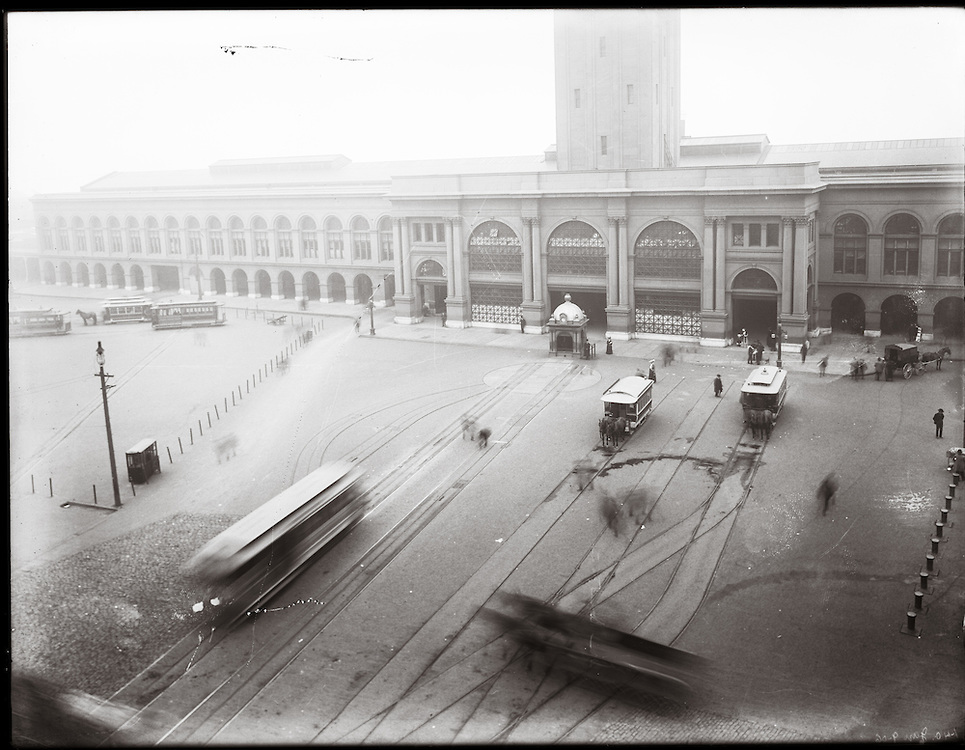
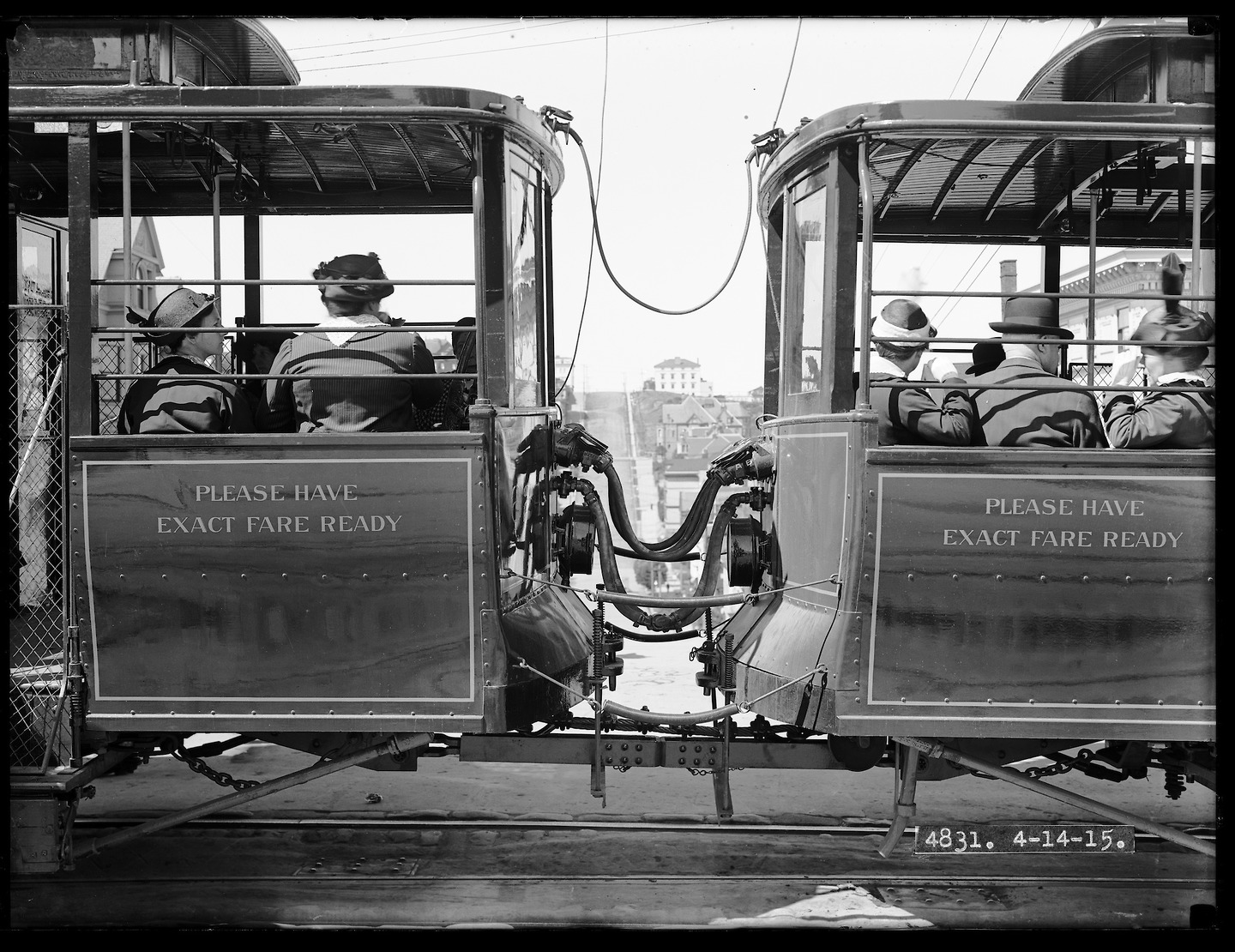
Featuring a collection of glass plate, nitrate and acetate negatives, the living archive tells “the story of San Francisco, its transition from a stretch of sand dunes to an internationally acclaimed city, it’s rise from the rubble of the devastating earthquake of 1906 and the vital role public transportation played and continues to play in revitalizing the city.” The archive contains nearly 5,000 images, all neatly divided into 14 collections. You can enter the archive and start perusing here.
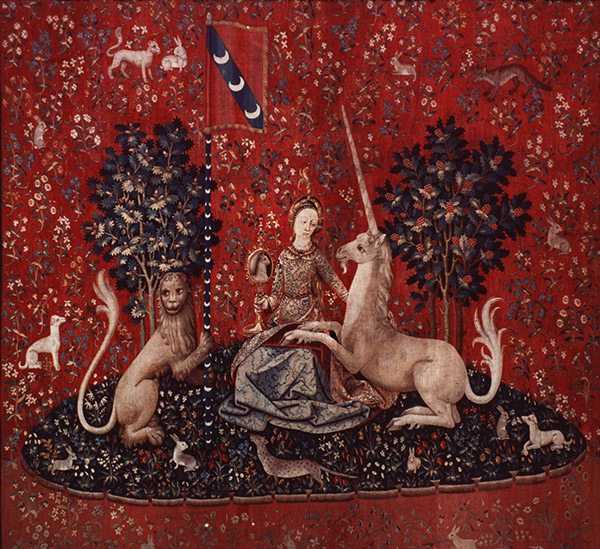
Last summer we told you that the J. Paul Getty Museum launched its Open Content Program by taking 4600 high-resolution images from the Getty collections, putting them into the public domain, and making them freely available in digital format. We also made it clear — there would be more to come.
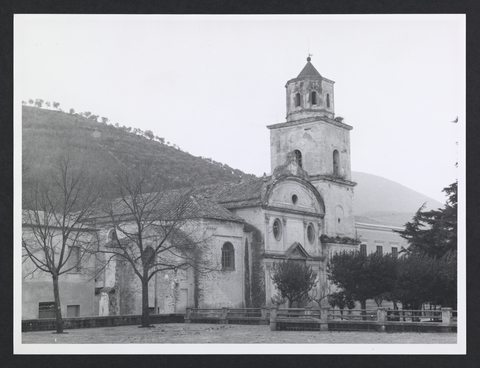
Yesterday, the Getty made good on that promise, adding another 77,000 images to the Open Content archive. Of those images, 72,000 come from the Foto Arte Minore collection, a rich gallery of photographs of Italian art and architecture, taken by the photographer and scholar Max Hutzel (1911–1988).
All images in the Getty Open Content program — now 87,000 in total — can be downloaded and used without charge or permission, regardless of whether you’re a scholar, artist, art lover or entrepreneur. The Getty only asks that you give them attribution.
You can start exploring the complete collection by visiting the Getty Search Gateway. Images can also be accessed via the Museum’s Collection webpages. Be sure to look for the “download” link near the images.
For more information on the Open Content program, please visit this page. For more open content from museums, see the links below.
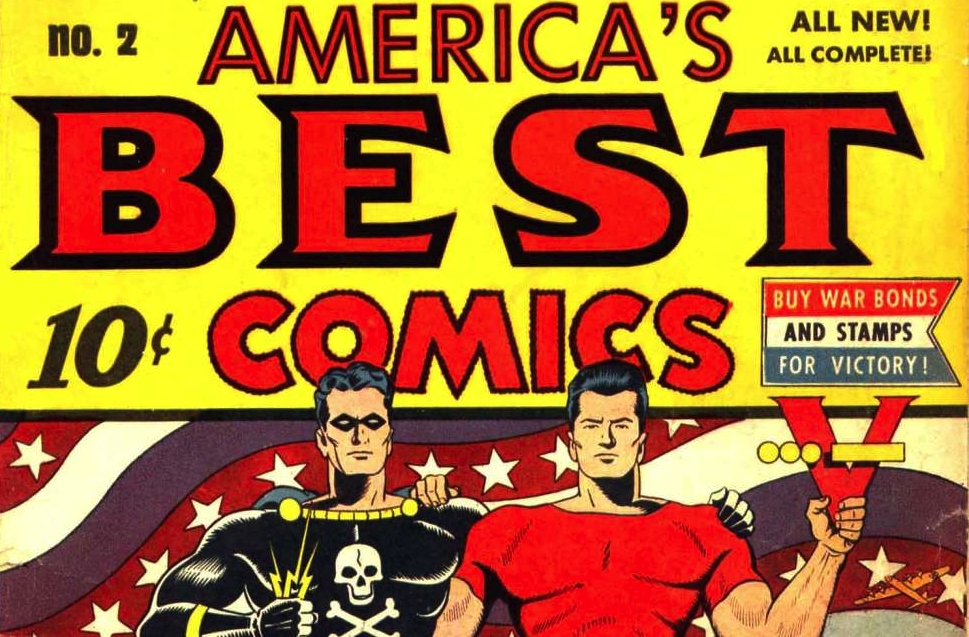
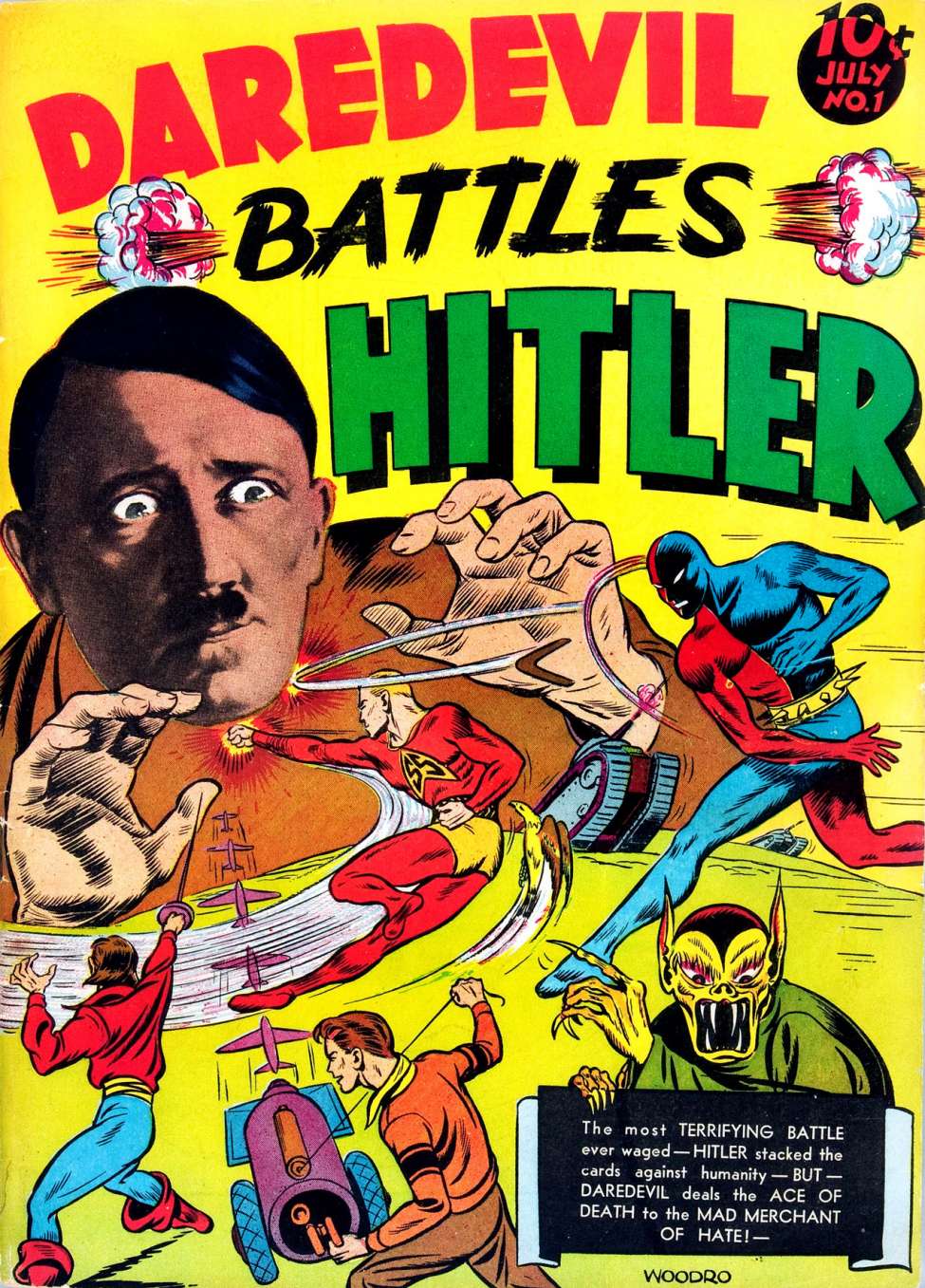
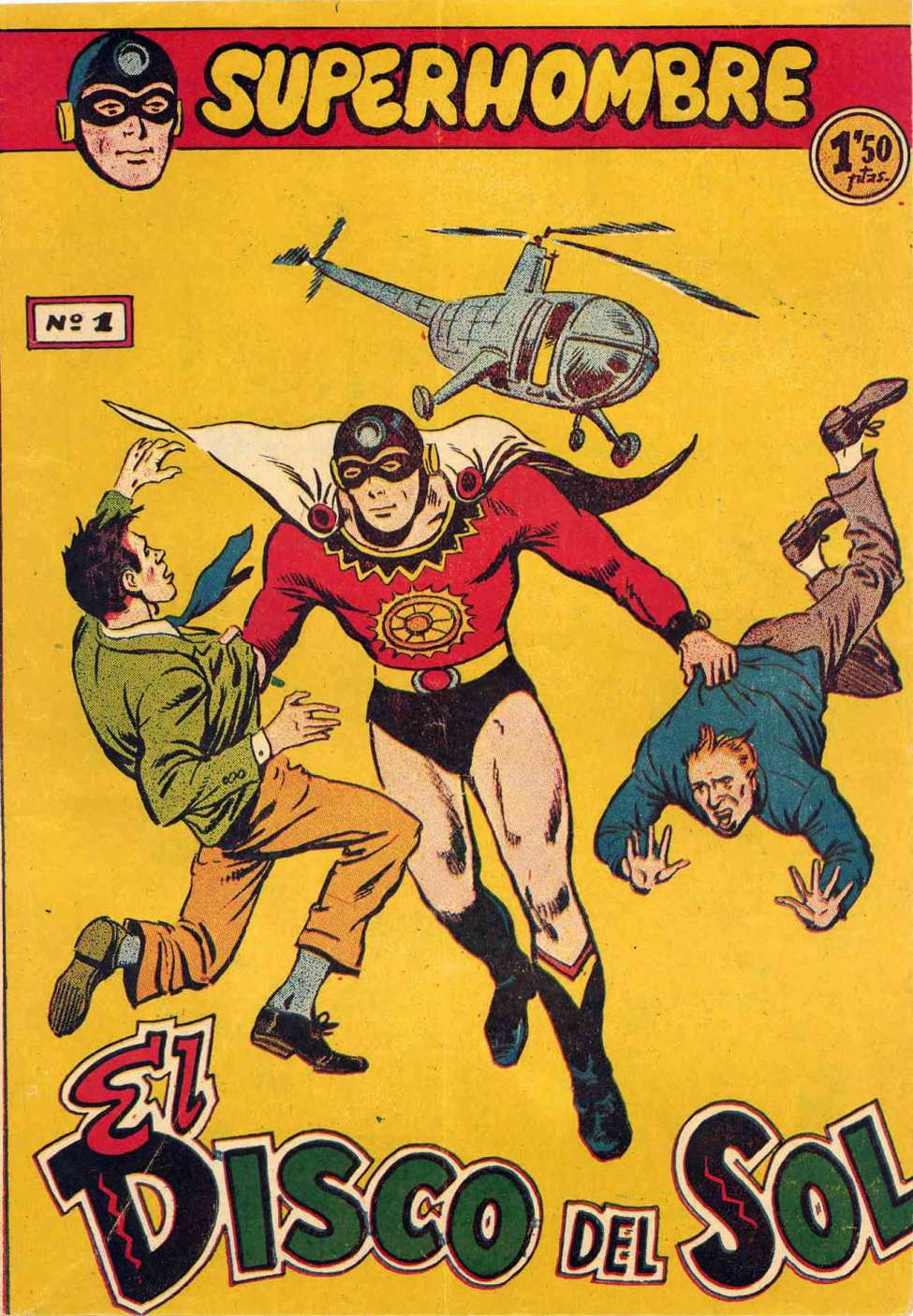
The decade beginning with the late 1930s is known as the Golden Age of comic books. Many of the superheroes from today’s blockbuster franchises, including Batman, Superman, and Captain America, emerged during this period, and the industry grew into a commercial powerhouse. Following a sales dip during the early 1950s that marked the end of the Golden Age, the Silver Age began (circa 1956) and lasted for some fifteen years.
During this era, superhero comic books initially lost steam — letting stories of horror, romance, and crime grow in popularity — before emerging triumphantly once more with characters like Spider-Man and The Flash. While copyright remains very much in effect for such titles, a slew of comic books from the same period, many of which have narrowly missed attaining such iconic status, are available online at Comic Book Plus.
Similar to the Digital Comic Museum, which we wrote about last week, Comic Book Plus contains a near inexhaustible quantity of Golden and Silver Age comic books. The collection’s timespan ranges from the late 1930s through to the early 1960s, and includes many thousands of comic books in the Superhero, Sci-Fi, and Horror genres.
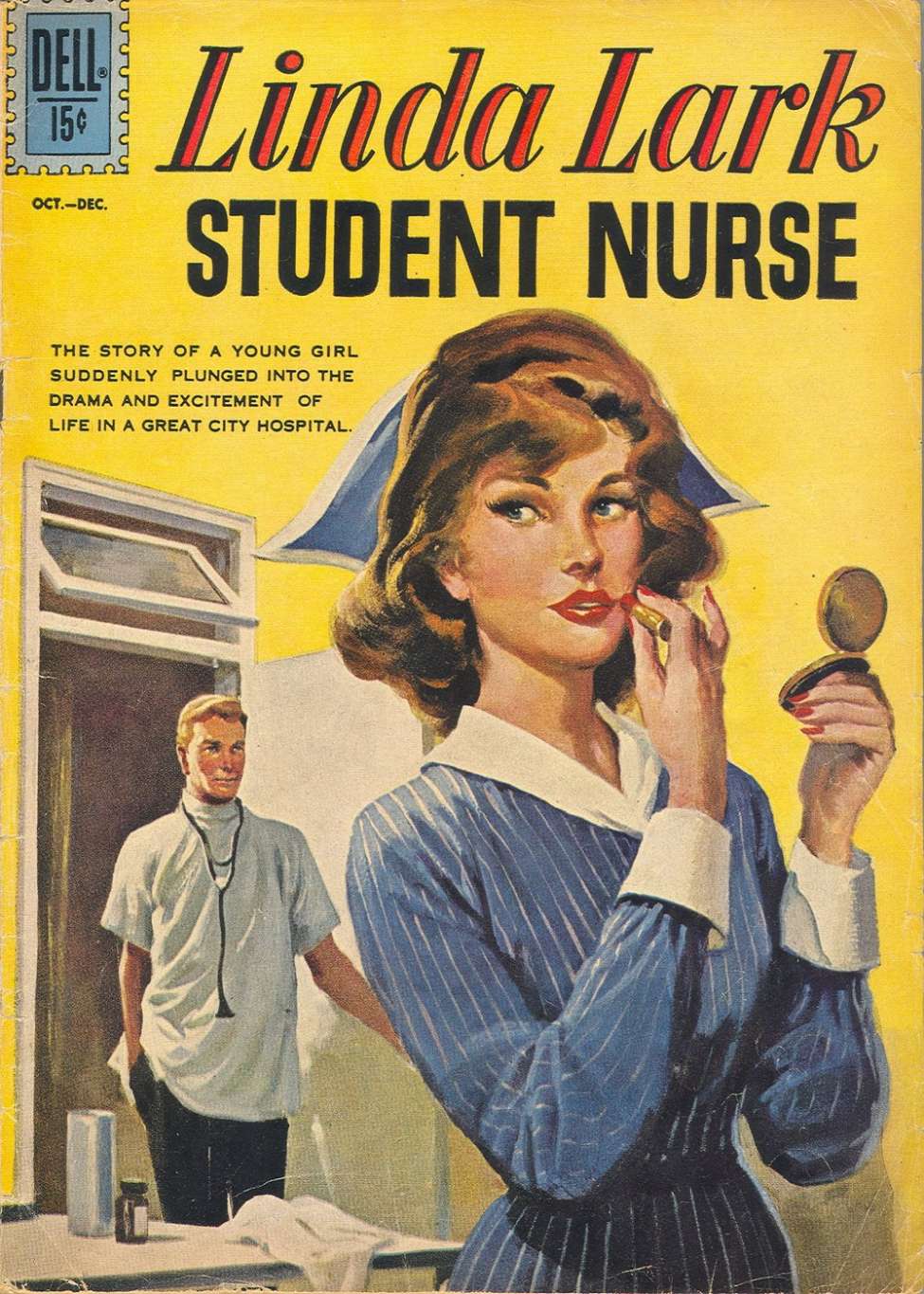
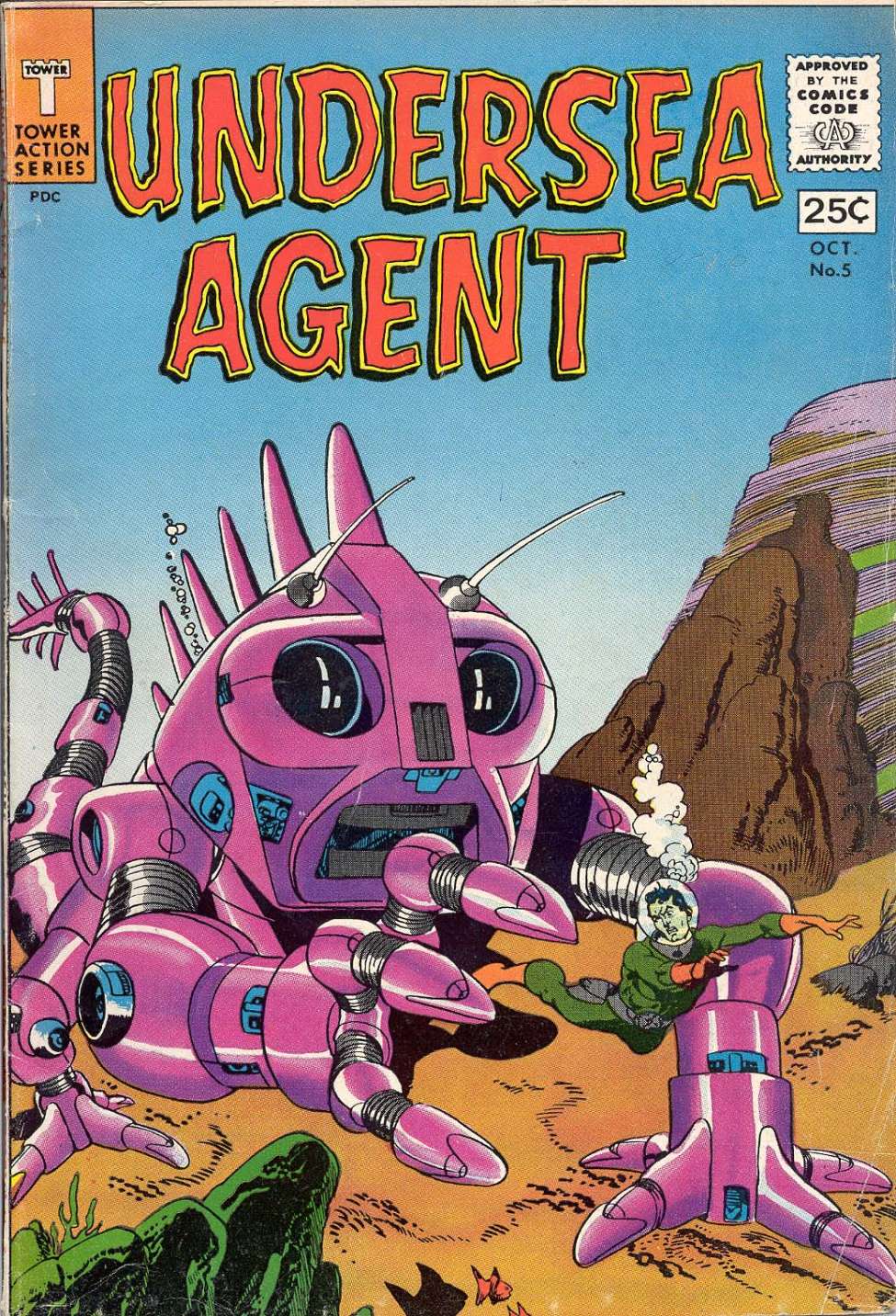
Those hankering for something a little more unusual will also be in luck. Desperate to read about a hospital romance? Why not give Linda Lark Student Nursea read in the Medical Love category? Sick of landlubbers hogging all the attention in comic books? Head to the Water/Boats section, where you can read all about Davy Jones, the navy lieutenant who lives in Atlantis and does battle with the evil Dr. Fang, in Undersea Agent.
For further reading, head on over to Comic Book Plus. You can preview all materials without registration. But you will need to register (for free) if you want to download the various comic books.
H/T to Yocitrus for making us aware of this archive.
The work of Hannah Arendt has been in the press recently for two reasons in particular: first, the 50th anniversary of her book Eichmann in Jerusalem, published in 1963 from reports she filed for The New Yorker on the 1961 trial of the archetypal Nazi bureaucrat. Then there is Margarethe von Trotta’s 2012 biopic Hannah Arendt, starring German actress Barbara Sukowa as the German Jewish philosopher. Recent coverage of the book and the film have focused on Arendt’s reputation as a philosophical journalist most closely identified with the famous descriptive phrase “the banality of evil,” a comment on Adolf Eichmann as an exemplar of genocidal murderers who, as the well-worn defense goes, were “just following orders.”
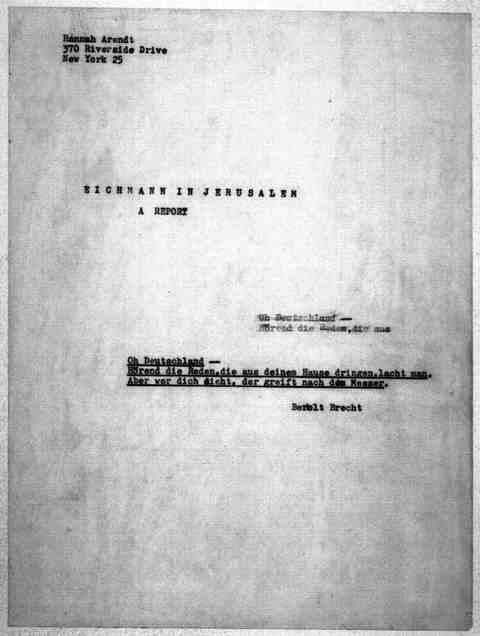
Arendt scholar Roger Berkowitz argues that this reading of Arendt’s book is a profound misreading. Eichmann in Jerusalem was divisive, setting critics against each other in efforts to vindicate or castigate its author. The controversy, however, at the time of publication and again in the recent re-evaluation, has the unfortunate effect of obscuring the breadth of Arendt’s philosophical thinking apart from Eichmann and Nazism. Those interested in connecting with Arendt’s life, scholarship, and philosophical insight can find a wealth of archival materials online from the collections of Bard College and the Library of Congress. Today, we highlight several items in those collections that may be of interest, including the Library of Congress’s scanned copy of the final typescript of Eichmann in Jerusalem.
Part 1:
Part 2 (Q&A):
First, directly above, hear Arendt’s speech “Power & Violence.” The lecture re-iterates ideas Arendt expressed more fully in a lengthy 1969 essay published by the New York Review of Books as “Reflections on Violence” and as a book titled On Violence. In the lecture and the essay, Arendt references the work of thinkers like Friedrich Engels and, especially, Frantz Fanon in a critical discussion of the roles racism and ideology play in state violence.
That same year Arendt delivered a series of lectures for a Spring semester course at The New School for Social Research called “Philosophy and Politics: What is Political Philosophy.” This fascinating investigation grapples not only with political philosophy, but philosophy in general as a meaningful activity. You can view the full typescripts of her course lectures here.
The Library of Congress has also digitized much of Arendt’s correspondence and uploaded images of her letters, including some to and from such well-known figures as W.H. Auden, Lionel Trilling, and Alfred Kazin (most of Arendt’s letters are only available for viewing onsite at the Library of Congress, The New School University, or the University of Oldenburg).
Bard College’s Hannah Arendt Collection showcases many of Arendt’s personal books. We can see digitized images of her copies of—among many others—Aristotle, Immanuel Kant, Leo Strauss, her friend poet Robert Lowell, Carl Schmitt, and, of course, her onetime mentor and lover, Martin Heidegger. Each of the uploads shows the pages in which Arendt underlined or marked key passages and left marginal notes.
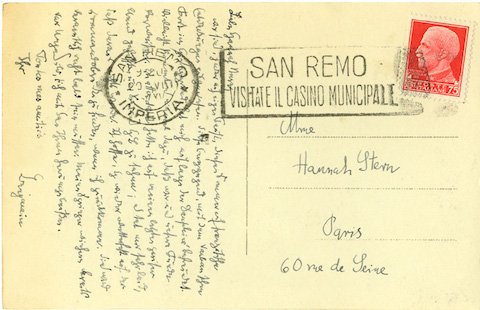
In addition to the “Arendt Marginalia” section, Bard hosts a gallery that includes “inscribed books, journals & manuscripts,” “artwork & photographs,” and “postcards and other correspondence” (such as the above postcard from Walter Benjamin, addressed to “Hannah Stern,” her married name at the time).
Lastly, for an excellent overview of Arendt’s life and work that puts all of the above materials in context, see the Library of Congress’s “Biographical Note” and be sure to read “Three Essays: The Role of Experience in Hannah Arendt’s Political Thought” by Jerome Kohn, director of the New School’s Hannah Arendt Center. As many know, Arendt, and many other German Jewish intellectuals who fled the Nazis, found a home at New York’s New School for Social Research (now New School University). And we have the New School (and an Andrew W. Mellon Foundation grant) to thank for the Library of Congress’s vast, digitized collection of Arendt’s papers, which preserves her legacy for generations to come.
Historians, biographers, and die-hard Sagan devotees will inevitably want to visit the Library of Congress in person to view the full archive, which contains over 1700 boxes of material. The lay reader curious about Sagan’s life, however, won’t need to make the trek to the U.S. capital to sample the archive’s contents. That’s because the Library of Congress has uploaded a portion of the collection online, including sundry fascinating biographical pieces. Above, you can view a digitized set of the Sagan family’s silent home movies, where young Carl shows off his boyhood boxing prowess, rides horseback, and plays piano (preciously, we presume).
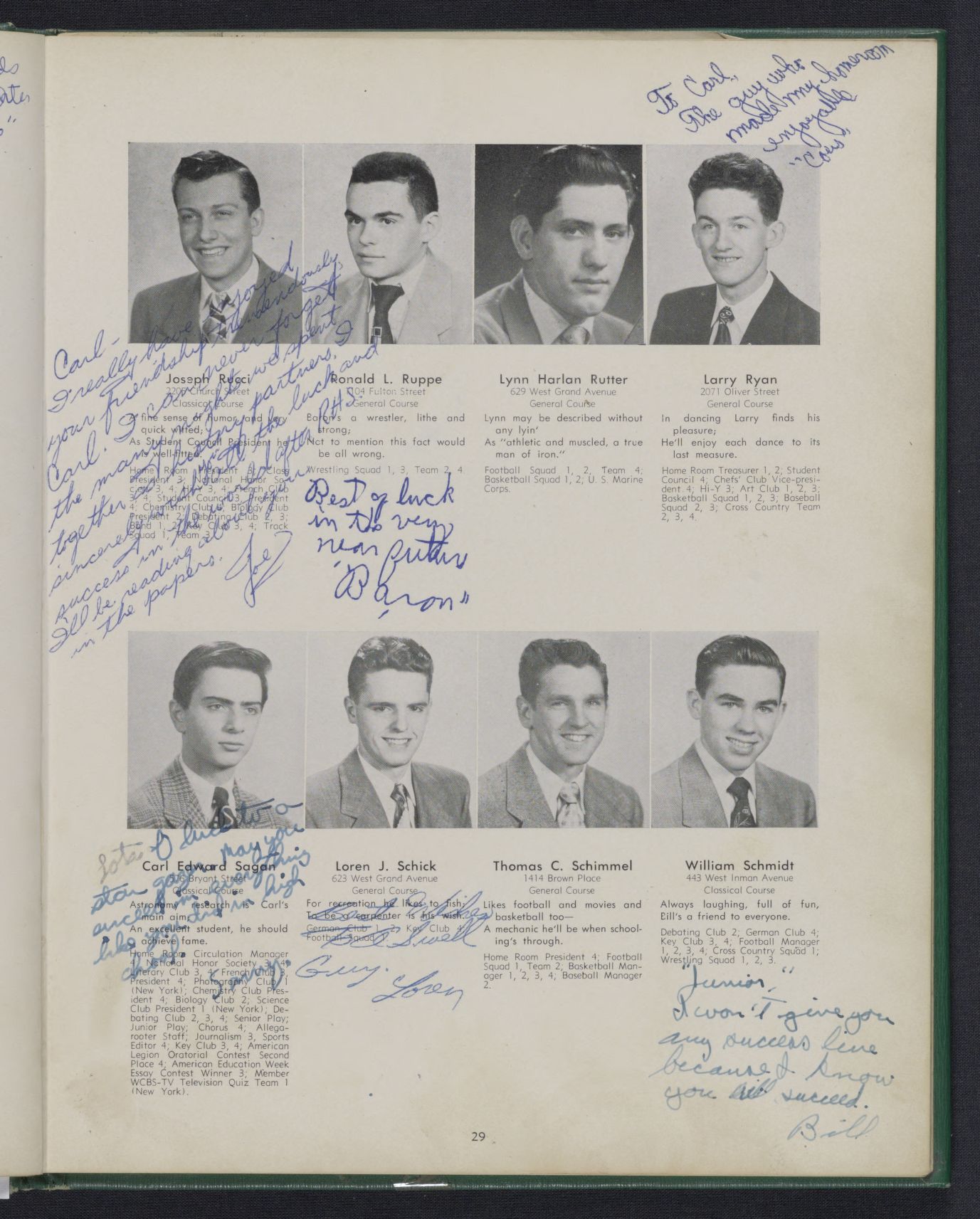
It was during high school that Sagan began to fill out intellectually. His senior yearbook is testimony to both his interest in science and the humanities: not only was Sagan president of both the science and chemistry clubs, he also led the French club, served as an editor on his school’s newspaper, debated, took part in theatre productions, and was a member of the photography club.
Indeed, Sagan displayed his uncanny ability to merge science with the humanities in Wawawhack, his high school newspaper, writing a piece entitled “Space, Time, and The Poet.” He begins by saying, “it is an exhilarating experience to read poetry and observe its correlation with modern science. Profound scientific thought is hardly a rarity among the poets.” Throughout the piece, Sagan goes on to draw from verses by Alfred Lord Tennyson, T. S. Eliot, John Milton, and Robert Frost.
The Strong National Museum of Play, located in Rochester, NY, is a fun children’s museum. But the institution also has serious research archives, stuffed with toys, games, and records of the toy industry. Its online collections, which currently boast 55,068 objects, take a holiday browser on a trip into a figurative grandma’s attic, chock-full of the playthings people loved in the nineteenth and twentieth centuries.
The online archives are divided into four categories: “Toys”, “Dolls”, “Games”, and “More.” Each of these four sections is further subdivided into topically-specific groups, chosen by the archivists.
The collection’s strength is also its weakness: there are so many toys that it can be easy to get overwhelmed. The subject divisions are helpful here. As somebody with an interest in gender and childhood, I found myself fascinated by the housekeeping toys—kids used to use ovens that were heated with real coals!—and that was an easy way to narrow down my browse. Subject groupings for toy soldiers, celebrity dolls, and board games also piqued my interest.
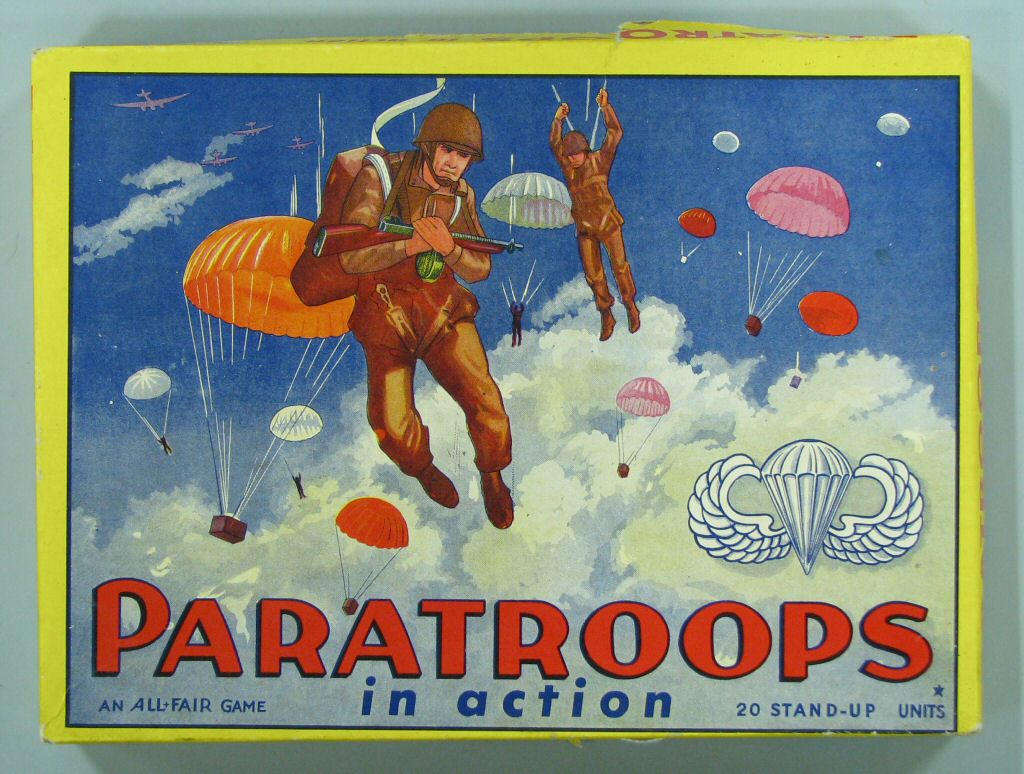
It’s fun to look around for toys from your own childhood (I found a few), but if you’re interested in history, you might find the echoes of historical events to be even more intriguing. Late-nineteenth-century kids played with a paper doll inspired by the circus celebrity Tom Thumb; children of the 1930s had licensed dolls of the media-sensation Dionne Quintuplets; a playset from 1940 featured grim, suited-up “Paratroops in Action.”
Mousing over the thumbnails will allow you to see the item’s name. If you see a blue “Learn More” tag, be sure to click through; that means that the item’s image will be accompanied by an interpretive historical note written by the Strong’s archivists. These vary in length, and contain intriguing tidbits. Did you know, for example, that Holly Hobbie was a real person: the artist Holly Ulinkas Hobbie? Or that the famous artist Charles Dana Gibsonhad a now-forgotten follower, Nell Brinkley, who illustrated the flapper era?
Rebecca Onion is a writer and academic living in Philadelphia. She runs Slate.com’s history blog, The Vault. Follow her on Twitter: @rebeccaonion.
The French refer to the decade between 1920 and 1929 as les Années folles, “the crazy years,” which is apt when you consider how the French middle and upper classes generally loosened their brassieres and defined modern bohemia, à laCoco Chanel.
But the American moniker — the Roaring 20s — fits too. Nearly everything about that decade roared: cars, jazz, manufacturing, construction.
Din, in fact, came to define the age, particularly in big cities and especially in New York. An unnamed Japanese visitor was quoted upon his visit to that city in 1920: “My first impression of New York was its noise. When I know what they mean, I will understand civilization.”
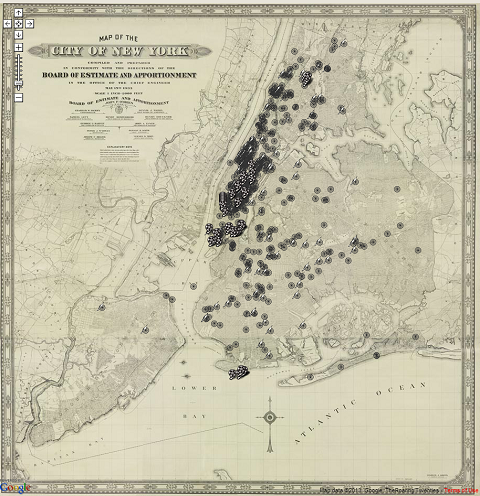
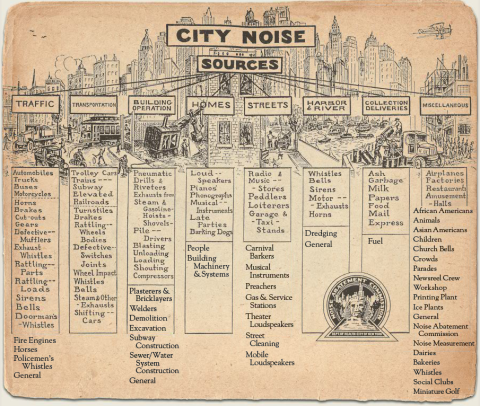
A Princeton history professor took that challenge at face value, while capturing a broader industrial era. The Roaring Twenties is an audio (and to some extent video) archive of what New York City sounded like from 1900 to 1933. Professor Emily Thompson and designer Scott Mahoy have created a lovely site that’s fun to explore. The archive includes a beautiful 1933 map of New York City loaded with links to noise complaints (screenshot at top), complete with documentation. New York had long been a place where people from all over the world lived on top of one another, but noise levels were shifting—getting louder and more varied, that is—and the city was inundated with complaints about ferry whistles, radio shops, street traffic, the clatter of restaurant dishwashing, and all manner of construction.
Sensitivity to the city’s volume was high. The city’s Noise Abatement Commission measured the “deafening effect” of sound in Times Square. The women’s cafeteria in the New York Life Insurance building was designed with state-of-the-art acoustics to keep the noise of the city out and the sound of office workers in.
Cortlandt Street in lower Manhattan was lined with radio shops, each broadcasting different music. Don’t miss that video, which you’ll find by scanning the Space tab map.
You can also move through time on the site, listening to the city’s cacophony from the early 1900s up to the 1930s, or browse a menu of noise sources from home sounds to the noise of the harbors and rivers. Again, you can visit the The Roaring Twenties site here.
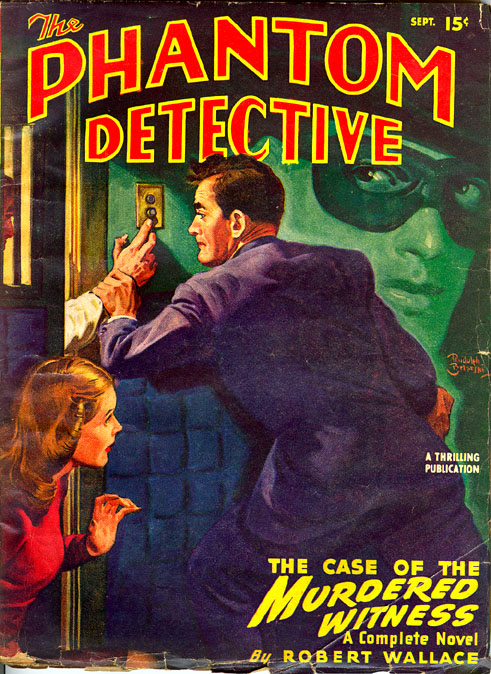
For the first half of the twentieth century, pulp magazines were a quintessential form of American entertainment. Printed on cheap, wood pulp paper, the “pulps” (as opposed to the “glossies” or “slicks,” such as The New Yorker) had names like The Black Mask and Amazing Stories, and promised readers supposedly true accounts of adventure, exploitation, heroism, and ingenuity. Such outlets offered a steady stream of work for stables of fiction writers, with content ranging from short stories about intrepid explorers saving damsels from Nazis/Communists (depending on the precise time of publication) to novel-length man vs. beast accounts of courage and cunning. This, incidentally, gave birth to the term “pulp fiction,” popularized in the 1990s by Quentin Tarantino’s eponymous film.
In the 1950s, the pulps went into a steep decline. In addition to television, paperback novels, and comic books, the pulps were overtaken by the more explicit, and even lower brow men’s adventure magazines (readers of Truman Capote’s In Cold Blood may remember Perry Smith, the sociopathic misfit who murdered the Clutter family, being an enthusiastic reader of these early lads’ mags). Thanks to The Pulp Magazines Project, however, many of the most famous publications remain accessible today through a well-designed online interface. Hundreds of issues have been archived in the database that spans from 1896 through to 1946. It includes large magazines, such as The Argosy and Adventure, and smaller, more specialized fare, such as Air Wonder Stories and Basketball Stories. Although good writing occasionally made its way into the pulps, don’t expect these magazines to mirror the literary depth of serialized publications of the 19th century; rather, the archive provides a terrifically entertaining look at the popular reading of early 20th century America.
If you would like to support the mission of Open Culture, consider making a donation to our site. It’s hard to rely 100% on ads, and your contributions will help us continue providing the best free cultural and educational materials to learners everywhere. You can contribute through PayPal, Patreon, and Venmo (@openculture). Thanks!
We're hoping to rely on loyal readers, rather than erratic ads. Please click the Donate button and support Open Culture. You can use Paypal, Venmo, Patreon, even Crypto! We thank you!
Open Culture scours the web for the best educational media. We find the free courses and audio books you need, the language lessons & educational videos you want, and plenty of enlightenment in between.