Hieronymus Bosch Figurines: Collect Surreal Characters from Bosch’s Paintings & Put Them on Your Bookshelf

Few painters have cre­at­ed as rich a world as Hierony­mus Bosch did in The Gar­den of Earth­ly Delights. The late 15th- or ear­ly 16th-cen­tu­ry trip­tych, which depicts the cre­ation of man, the licen­tious frol­ick­ing of all crea­tures on a par­a­disi­a­cal Earth, and the sub­se­quent fall into damna­tion, draws a scruti­ny — and caus­es an amuse­ment — as intense as ever. As we’ve pre­vi­ous­ly fea­tured here on Open Cul­ture, you can now take a vir­tu­al tour of the paint­ing (there’s even an app for it), see it brought to life with mod­ern ani­ma­tion, and hear the song tat­tooed on the pos­te­ri­or of one of the work’s many char­ac­ters.

Bosch not only cre­at­ed a world with The Gar­den of Earth­ly Delights, he pop­u­lat­ed it thor­ough­ly. And despite the human-cen­tric sto­ry the work appears to take as its basis, the cast with which it retells it extends far beyond mere human­i­ty: the pan­els fea­ture not just wildlife of all shapes and sizes but a vari­ety of myth­i­cal grotesques, from imps to chimeras to hybrids of man and ani­mal to much more besides. He drew from the same sur­re­al imag­i­na­tive well to fill his oth­er paint­ings, and you can now pull out a few of these col­or­ful, men­ac­ing, pre­pos­ter­ous, and dark­ly humor­ous char­ac­ters your­self in col­lectible fig­urine form.

Though “not a big knick­knack per­son,” Dan­ger­ous Minds’ Tara McGin­ley admits to dig­ging this selec­tion of “tiny objects” straight from the mind of Bosch, all “kin­da cool-look­ing in their own obvi­ous­ly weird way” and none “too expen­sive. The fig­urines start at around $45, depend­ing on qual­i­ty, size and detail.” (You can find them on Ama­zon.) She high­lights such issues as “Hel­met­ed Bird Mon­ster,” which accord­ing to man­u­fac­tur­ers Para­s­tone fea­tures a sev­ered foot “swing­ing from the bird’s hel­met refer­ring to the hor­ri­ble cor­po­ral pun­ish­ments which could be expect­ed in hell.”

“Dev­il on Night Chair,” one of the most rec­og­niz­able denizens of The Gar­den of Earth­ly Delights’ third pan­el, comes cast in his famous posi­tion, “eat­ing a per­son on a chair where he will excrete the human remains.” The con­sid­er­ably less sat­is­fied “Fat Bel­ly with Dag­ger” comes from the third pan­el of a dif­fer­ent trip­tych, The Temp­ta­tion of Saint Antho­ny, the dag­ger in his bel­ly show­ing “the con­se­quences of intem­per­ance. His eyes look out at you in acknowl­edg­ment.” Its mak­ers promise that “you will look at it in won­der as to how Bosch’s mind con­ceived of such an unusu­al lit­tle fel­low.” Have a look at Dan­ger­ous Minds’ orig­i­nal post and Ama­zon’s Bosch fig­urine page for more infor­ma­tion on how to obtain them, whether for your­self or as gifts for friends and fam­i­ly. They cer­tain­ly won’t look at them the same way they do Hum­mel fig­urines.

via Dan­ger­ous Minds

Relat­ed Con­tent:

Pho­tog­ra­ph­er Cre­ates Stun­ning Real­is­tic Por­traits That Recre­ate Sur­re­al Scenes from Hierony­mus Bosch Paint­ings

Take a Vir­tu­al Tour of Hierony­mus Bosch’s Bewil­der­ing Mas­ter­piece The Gar­den of Earth­ly Delights

New App Lets You Explore Hierony­mus Bosch’s “The Gar­den of Earth­ly Delights” in Vir­tu­al Real­i­ty

Lis­ten to a Record­ing of a Song Writ­ten on a Man’s Butt in a 15-Cen­tu­ry Hierony­mus Bosch Paint­ing

Hierony­mus Bosch’s Medieval Paint­ing, The Gar­den of Earth­ly Delights, Comes to Life in a Gigan­tic, Mod­ern Ani­ma­tion 

Based in Seoul, Col­in Mar­shall writes and broad­casts on cities and cul­ture. He’s at work on a book about Los Ange­les, A Los Ange­les Primer, the video series The City in Cin­e­ma, the crowd­fund­ed jour­nal­ism project Where Is the City of the Future?, and the Los Ange­les Review of Books’ Korea Blog. Fol­low him on Twit­ter at @colinmarshall or on Face­book.

Download Russian Futurist Book Art (1910–1915): The Aesthetic Revolution Before the Political Revolution

Giv­en the image of Com­mu­nist Rus­sia we’ve most­ly inher­it­ed from Cold War Hol­ly­wood pro­pa­gan­da and cher­ry-picked TV doc­u­men­taries, we tend to think of Com­mu­nist art as ster­ile, bru­tal­ist, devoid of expres­sive emo­tion and exper­i­ment. But this has nev­er been entire­ly so. While Par­ty-approved social real­ism dom­i­nat­ed in cer­tain decades, exper­i­men­tal Russ­ian ani­ma­tion, film, design, and lit­er­a­ture flour­ished, even under extreme­ly harsh con­di­tions one wouldn’t wish on any artist.

In the ear­ly days of the Rev­o­lu­tion, one of the most influ­en­tial forms of expres­sion, Russ­ian Futur­ism, brought its avant-gardism to the mass­es, and praised the Rev­o­lu­tion while for­mal­ly chal­leng­ing every received idea or doc­trine. Begin­ning in the ear­ly 20th cen­tu­ry and work­ing until the Sovi­et Union was formed and Trot­sky ban­ished, Futur­ist poets and artists like Vladimir Mayakovsky, Kaz­imir Male­vich, Nalia Gon­charo­va, and Velimir Khleb­nikov con­tributed to a style called “Zaum,” a word, as we not­ed in a pre­vi­ous post, that can mean “tran­srea­son” or “beyond sense.” (A very unsci­en­tif­ic, bour­geois approach, it would lat­er be alleged by the Cen­tral Com­mit­tee.)

Like mod­ernist move­ments all over Europe, Russ­ian Futur­ism took risks in every medi­um, but took a much more Dadaist approach than the Ital­ian Futur­ists who had part­ly inspired them. They pub­lished prolifically—creating hun­dreds of books and jour­nals between 1910 and 1930. A new book from Get­ty Research Insti­tute cura­tor Nan­cy Perloff, Explodi­ty: Sound, Image, and Word in Russ­ian Futur­ist Book Art, cov­ers the first five years of that period—pre-Revolutionary but no more nor less rad­i­cal. Her book is accom­pa­nied by an “inter­ac­tive com­pan­ion,” a site that allows users to see the pub­li­ca­tions and poems Perloff exam­ines. If you scroll down to the bot­tom of the page, you’ll find a link to “dig­i­tized Russ­ian avant-garde books from the Get­ty Research Insti­tute.”

This archive con­tains about four dozen books by artist/poets like Khleb­nikov whose 1914 Old-Fash­ioned Love; Forest­ly Boom, you can see pages from at the top of the post. Fur­ther up and just above, we see excerpts from Alex­ei Kruchenykh’s 1913 Vzor­val’ (Explodi­ty), a most­ly hand-let­tered pub­li­ca­tion with whim­si­cal, dynam­ic draw­ings alter­nat­ing with and sur­round­ing the text. You’ll find over four dozen of these books at the Get­ty Research Insti­tute. As you browse or search their cat­a­logue, then click on an entry, you’ll want to click on the “View Online” but­ton to see scanned images.

Each of these books—like Vladimir Mayakovsky’s 1913 play, Vladimir Mayakovsky: A Tragedy, above and below—makes a force­ful visu­al impres­sion even if we can­not under­stand the text. But in many ways, this is beside the point. Zaum poet­ry was meant to be heard as sound, not sense, and looked at as a phys­i­cal arti­fact. Perloff’s book, writes the Get­ty, “uncov­ers a wide-rang­ing lega­cy in the mid­cen­tu­ry glob­al move­ment of sound and con­crete poet­ry (the Brazil­ian Noigan­dres group, Ian Hamil­ton Fin­lay, and Hen­ri Chopin), con­tem­po­rary West­ern con­cep­tu­al art, and the artist’s book.” In many ways, these artists rep­re­sent a par­al­lel tra­di­tion in mod­ernism to the one we gen­er­al­ly learn of in West­ern Europe and the U.S., and one just as rich and fas­ci­nat­ing.

Relat­ed Con­tent:

Down­load 144 Beau­ti­ful Books of Russ­ian Futur­ism: Mayakovsky, Male­vich, Khleb­nikov & More (1910–30)

Hear Russ­ian Futur­ist Vladimir Mayakovsky Read His Strange & Vis­cer­al Poet­ry

Hear the Exper­i­men­tal Music of the Dada Move­ment: Avant-Garde Sounds from a Cen­tu­ry Ago

Josh Jones is a writer and musi­cian based in Durham, NC. Fol­low him at @jdmagness

The Fiction of the Science: A Meditation on How Artists & Storytellers Can Advance Technology

In ele­men­tary school, a play­ful teacher gave us an assign­ment. Every­one was to dream up some sort of amaz­ing inven­tion, then draw both a design and an adver­tise­ment for it.

It seemed most of my class­mates were primed for a future in which sneak­ers would come equipped with ful­ly oper­a­tional, built-in wings.

I suc­cumbed to peer pres­sure and turned in an ad show­ing a laugh­ing, air­borne boy, taunt­ing an earth­bound adult by dan­gling his be-winged sneak­er-clad foot just a few inch­es out of reach.

My Fleet Foot was award­ed a good grade, but I felt no pas­sion for it. The inven­tion that tru­ly cap­tured me was the one depict­ed in my favorite illus­tra­tion from Pat­apoufs et Fil­if­ers, the fun­ny French children’s book my father had passed down, about a war between fat and thin peo­ple. The thin char­ac­ters were indus­tri­ous and high­ly dri­ven, but the fat ones knew how to live, loung­ing in feath­er beds beside wall spig­ots dis­pens­ing hot choco­late.

Those spig­ots were—then and now—a tech­no­log­i­cal advance­ment I would love to see real­ized.

Robert Wong, are you lis­ten­ing?

In the Fic­tion of Sci­ence, the short film above, Wong, a graph­ic design­er and Google Cre­ative Lab’s VP, shows how sto­ry­telling can put the spurs to those with the train­ing and know-how to ush­er these wild-sound­ing advance­ments into the real world.

Case in point, the cell phone.

Mar­tin Coop­er, an engi­neer at Motoro­la, is wide­ly regard­ed as the father of the mobile phone, but when we take a broad­er view, the cell phone actu­al­ly has two dad­dies: Coop­er and Wah Ming Chang, the artist respon­si­ble for many of Star Trek’s icon­ic props, includ­ing the phas­er, the tri­corder and the com­mu­ni­ca­tor—a “portable trans­ceiv­er device in use by Starfleet crews since the mid-22nd cen­tu­ry.”

(Not sur­pris­ing­ly, Coop­er was a huge Star Trek fan.)

Touch screens and 3D fab­ri­ca­tions born of hand ges­tures are among the many cre­ative fic­tions that have quick­ly become real­i­ty as sci­ence and art inter­min­gle on movie sets and in the lab.

If you’re inspired to take an active part in this rev­o­lu­tion, Google Cre­ative Lab is cur­rent­ly tak­ing appli­ca­tions for The Five, a one-year paid pro­gram for five lucky inno­va­tors, drawn from a pool of artists, design­ers, film­mak­ers, devel­op­ers, and oth­er tal­ent­ed, mul­ti-dex­trous mak­ers.

Relat­ed Con­tent:

Pixar’s 22 Rules of Sto­ry­telling

Learn Python: A Free Online Course from Google

John Berg­er (RIP) and Susan Son­tag Take Us Inside the Art of Sto­ry­telling (1983)

Ayun Hal­l­i­day is an author, illus­tra­tor, and the­ater mak­er whose play Zam­boni Godot is play­ing in New York City through March 18. Fol­low her @AyunHalliday.

A Digital Archive of Modernist Magazines (1890 to 1922): Browse the Literary Magazines Where Modernism Began

The sto­ry of lit­er­ary mod­ernism in the Eng­lish-speak­ing world is most often told through a small col­lec­tion of Great Works of Art. These poems and nov­els appeared sud­den­ly after the shock and car­nage of World War I, as Euro­peans and Amer­i­cans faced the psy­cho­log­i­cal after­math of mech­a­nized mod­ern com­bat and its sense­less capac­i­ty for mass destruc­tion. T.S. Eliot’s The Waste Land sur­veyed the wreck­age of Euro­pean cul­ture and tra­di­tion, James Joyce’s Ulysses showed us his­to­ry as a “night­mare” from which its pro­tag­o­nist is “try­ing to awake,” Vir­ginia Woolf’s Jacob’s Room showed the mod­ern self as noth­ing more than a col­lec­tion of mem­o­ries and per­cep­tions, emp­tied of sol­id exis­tence….

These so-called “high mod­ernist” works all appeared in 1922, when “most schol­ars con­sid­er mod­ernism to be ful­ly fledged.” So writes the Mod­ernist Jour­nals Project (MJP), a joint effort by Brown Uni­ver­si­ty and the Uni­ver­si­ty of Tul­sa, with a num­ber of grants and awards from local sources and the Nation­al Endow­ment for the Human­i­ties.

The project start­ed small in 1996 and has since bloomed into a major resource for schol­ars and read­ers. As the MJP’s mot­to has it, mod­ernism began not with the major works that have come to define it most; “mod­ernism began in the mag­a­zines,” small pub­li­ca­tions with lim­it­ed read­er­ships that often piqued lit­tle inter­est out­side their com­mu­ni­ties.

In many of these mag­a­zines, such as Har­ri­et Monroe’s Poet­ry—still around today—we can see bridges between Vic­to­ri­an and mod­ernist poet­ry. The first issue of Poet­ry from 1912 (top), for exam­ple, fea­tures famous Vic­to­ri­an poet William Vaugh­an Moody next to emerg­ing lit­er­ary dynamo Ezra Pound, who edit­ed Eliot’s The Waste Land ten years lat­er. Although the expo­nents of mod­ernism are often divorced from a polit­i­cal con­text, many mod­ernist writ­ers appeared ear­ly in “lit­tle mag­a­zines” like The Mass­es, fur­ther up, “per­haps the most vibrant and inno­v­a­tive mag­a­zine of its day.”

Found­ed in 1911 as an illus­trat­ed social­ist month­ly, The Mass­es’ pol­i­cy was “to do as it Pleas­es and Con­cil­i­ate Nobody, not even its Read­ers.” The mag­a­zine pub­lished Carl Sand­burg, Louis Unter­mey­er, Amy Low­ell, Upton Sin­clair, and Sher­wood Ander­son, among many oth­ers. But mod­ernism took root on var­ied ter­rain, such that at the same time as The Mass­es rep­re­sent­ed major lit­er­ary change, so too did The Smart Set, found­ed in 1900 “as a mag­a­zine for and about New York’s social elite.” This mag­a­zine soon “evolved into some­thing much more important—an expres­sion of pop­u­lar mod­ernism,” pub­lish­ing F. Scott Fitzger­ald, Joseph Con­rad, James Joyce and oth­ers.

The edi­tor­ship in 1913 of Willard Hunt­ing­ton Wright “estab­lished The Smart Set’s high lit­er­ary cre­den­tials” with fig­ures like Pound and W.B. Yeats. Wright “would up near­ly bank­rupt­ing the jour­nal” before H.L. Menck­en and George Jean Nathan took over the fol­low­ing year. Next to The Smart Set in con­tem­po­rary impor­tance are mag­a­zines like The Ego­ist, which grew out of an ear­li­er short-lived “week­ly fem­i­nist review,” The Free­woman.

Begun in 1913 as The New Free­woman by Free­woman edi­tor Dora Mars­den, and lat­er edit­ed by Har­ri­et Weaver, The Ego­ist is only one exam­ple of the cru­cial impor­tance female edi­tors and writ­ers had in bring­ing lit­er­ary mod­ernism to fruition. The Ego­ist even­tu­al­ly took on Eliot as its lit­er­ary edi­tor and pub­lished his sem­i­nal essay “Tra­di­tion and the Indi­vid­ual Tal­ent.”

Oth­er pub­li­ca­tions crit­i­cal to the growth of mod­ernist lit­er­a­ture were The Lit­tle Review, Des Imag­istes—a series of antholo­gies orga­nized and edit­ed by Pound—and the W.E.B. Du Bois-edit­ed The Cri­sis, the NAACP’s offi­cial jour­nal, which pub­lished work from Jessie Faucet, Charles Ches­nutt, Coun­tee Cullen, Langston Hugh­es, James Wel­don John­son, Jean Toomer, and many oth­er fig­ures cen­tral to the Harlem Renais­sance. You’ll find dozens of issues of these and many oth­er mod­ernist jour­nals from the peri­od, rep­re­sent­ed as scanned images and PDFs at the Mod­ernist Jour­nals Project. At the MJP home­page, you also find biogra­phies of the authors and artists who appear in these jour­nals’ pages, as well as book excerpts and essays about the peri­od of the “lit­tle mag­a­zines,” when the mod­ernists who became famous in the twen­ties, and house­hold names decades lat­er, dis­cov­ered new forms and cre­at­ed new lit­er­ary com­mu­ni­ties.

Relat­ed Con­tent:

Exten­sive Archive of Avant-Garde & Mod­ernist Mag­a­zines (1890–1939) Now Avail­able Online

Down­load Influ­en­tial Avant-Garde Mag­a­zines from the Ear­ly 20th Cen­tu­ry: Dadaism, Sur­re­al­ism, Futur­ism & More

Down­load 336 Issues of the Avant-Garde Mag­a­zine The Storm (1910–1932), Fea­tur­ing the Work of Kandin­sky, Klee, Moholy-Nagy & More

Josh Jones is a writer and musi­cian based in Durham, NC. Fol­low him at @jdmagness

Banksy Opens a Hotel with the Worst View in the World: Visit the Walled Off Hotel in Bethlehem

Quirky, artist-cus­tomized guest rooms equipped with wifi, fridge, and safes…

Leather couch­es and “an air of unde­served author­i­ty” in the com­mu­nal areas…

VIPs who spring for the Pres­i­den­tial suite will enjoy access to a tiki bar, library, and Dead Sea min­er­als for use in a plunge bath spa­cious enough for four…

Sounds like the sort of hotel cater­ing to well-heeled hip­sters in San Fran­cis­co, Brook­lyn, or Shored­itch…

…but Beth­le­hem?

The artist Banksy’s lat­est mas­sive-scale project may nev­er find its way onto Palestine’s offi­cial tourism site, but it’s no joke. The ful­ly func­tion­ing hotel is set to open for online book­ings on March 11.

Vis­i­tors should be pre­pared to put a $1000 deposit on their cred­it cards at check in, a secu­ri­ty mea­sure aimed at those who might be tempt­ed to walk off with art­work by Sami Musa, Dominique Petrin, or the hotel’s famous founder.

Guests are also cau­tioned to con­tain their excite­ment about their upcom­ing stay when pass­ing through cus­toms at Tel Aviv air­port, where trav­el­ers who blab about their inten­tions to vis­it the West Bank are often sub­ject­ed to extra scruti­ny. One won­ders how many Tel Aviv TSA offi­cers would get the appeal of stay­ing in a hotel that boasts of its ter­ri­ble views of the wall divid­ing Pales­tine from Israel.

The hotel’s prox­im­i­ty to the wall pro­vides both its name and its raison‑d’etre. Banksy is mark­ing the cen­te­nary of British con­trol of Pales­tine by entic­ing vis­i­tors to edu­cate them­selves, using his cus­tom­ary humor and lack of polemic as the launch­ing pad.

To that end, a muse­um and gallery on the premis­es will be open to the pub­lic, offer­ing “a warm wel­come to peo­ple from all sides of the con­flict and across the world.” (The hotel’s FAQ coun­ters the notion that the project is an anti-Semit­ic state­ment, issu­ing a zero-tol­er­ance pol­i­cy where fanati­cism is con­cerned.)

One of the hotel’s most orig­i­nal ameni­ties is its in-house graf­fi­ti sup­plies store, staffed by experts ready to dis­pense “local advice and guid­ance” to vis­i­tors eager to con­tribute to the Wall’s pro­lif­er­at­ing street art. (For inspi­ra­tion, refer to Banky’s work from a 2015 trip to Gaza, below.)

Arm­chair trav­el­ers can check out Banksy’s Walled Off Hotel here.

The online reser­va­tions desk will open for busi­ness on March 11, the same day the gallery and muse­um open to the pub­lic.

Relat­ed Con­tent:

The Always Bank­able Banksy

Watch Dis­ma­land — The Offi­cial Unof­fi­cial Film, A Cin­e­mat­ic Jour­ney Through Banksy’s Apoc­a­lyp­tic Theme Park

Banksy Cre­ates a Tiny Repli­ca of The Great Sphinx Of Giza In Queens

Ayun Hal­l­i­day is an author, illus­tra­tor, and the­ater mak­er.  Her play Zam­boni Godot is now play­ing in New York City. Fol­low her @AyunHalliday.

Download Influential Avant-Garde Magazines from the Early 20th Century: Dadaism, Surrealism, Futurism & More

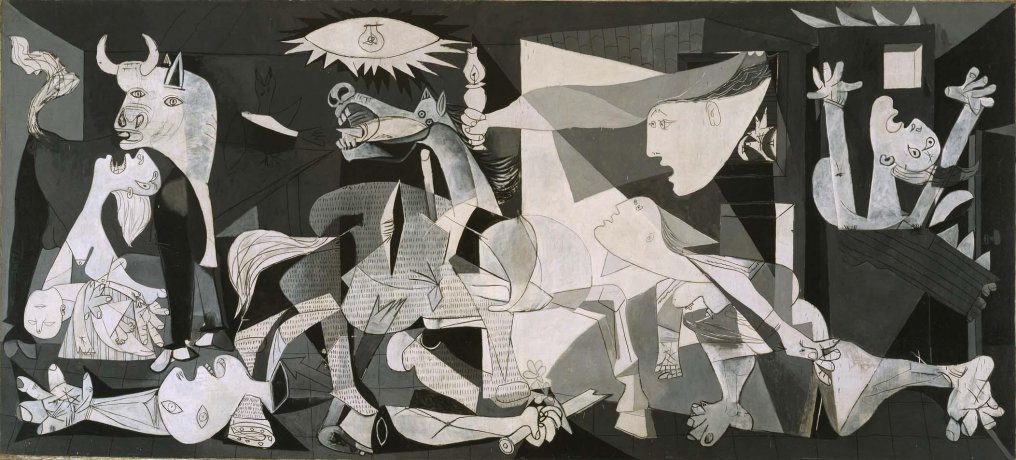
“I’m tired of pol­i­tics, I just want to talk about my art,” I some­times hear artists—and musi­cians, actors, writ­ers, etc.—say. And I some­times see their fans say, “you should shut up about pol­i­tics and just talk about your art.” Giv­en the cur­rent onslaught of polit­i­cal news, com­men­tary, scan­dal, and alarm, these are both under­stand­able sen­ti­ments. But any­one who thinks that art and pol­i­tics once occu­pied sep­a­rate spheres har­bors a his­tor­i­cal­ly naïve belief. The arts have always been polit­i­cal, and all the more so dur­ing times of high dra­ma and ten­sion like the one we live in now. We can look, for exam­ple, to John Milton’s Par­adise Lost, Jacques-Louis David’s Death of Marat, or Pablo Picasso’s Guer­ni­ca, just to men­tion three par­tic­u­lar­ly strik­ing his­tor­i­cal exam­ples.

The polit­i­cal acts of avant-garde artists like Picas­so in the 20th cen­tu­ry were as much rev­o­lu­tions in form as in con­tent, and we begin to see the most rad­i­cal state­ments emerge in the teens and twen­ties with Dada, Sur­re­al­ism, and oth­er mod­ernisms: some­times explic­it­ly polit­i­cal in their orientation—spanning the gamut from anar­chism to fascism—sometimes more sub­tly par­ti­san.

This peri­od was also, per­haps not coin­ci­den­tal­ly, the Gold­en Age of the arts jour­nal, when every move­ment, cir­cle, and splin­ter group in Europe and the U.S. had its own pub­li­ca­tion. For many years now, Prince­ton University’s Blue Moun­tain Project, a joint effort from “schol­ars, librar­i­ans, cura­tors, and dig­i­tal human­i­ties researchers,” has archived com­plete issues of sev­er­al such jour­nals, and we’ve fea­tured a cou­ple notable exam­ples in pre­vi­ous posts.

Now we direct your atten­tion to the full online library, where you’ll find issues of Poe­sia (top), pub­lished by F.T. Marinet­ti between 1905 and 1920. This mag­a­zine rep­re­sents “the tran­si­tion from Italy’s engage­ment with an inter­na­tion­al Sym­bol­ist move­ment to an increas­ing­ly nation­al­ist Futur­ism” and fea­tures the work of Marinet­ti, Alfred Jar­ry, W.B. Yeats, Pao­lo Buzzi, Emilio Notte, and James Joyce. Below Poe­sia, from the oth­er side of the spec­trum, we see the cov­er of a 1920 issue of Action, a “lit­er­ary and artis­tic mag­a­zine asso­ci­at­ed with Indi­vid­u­al­ist Anar­chism,” and fea­tur­ing work from writ­ers like André Mal­raux, Antonin Artaud, and Paul Élu­ard, and art­work from Demetrios Gala­nis and Robert Morti­er, to name just a few.

Not every avant-garde arts jour­nal had a clear ide­o­log­i­cal mis­sion, but they all rep­re­sent­ed aes­thet­ic pro­grams that strong­ly react­ed against the sta­tus quo. The artists of the so-called Vien­na Seces­sion broke away from Asso­ci­a­tion of Aus­tri­an Artists to protest its con­ser­vatism. Their jour­nal, Ver Sacrum, fur­ther up, joined the flow­ing, intri­cate, and pas­sion­ate designs of Art Nou­veau and Ger­man Jugend­stil artists, who cre­at­ed the look of the Weimar Repub­lic and the Jazz Age. Con­trib­u­tors includ­ed Gus­tav Klimt, Kolo­man Moser, and Josef Hoff­mann.

Some­times avant-garde jour­nals reflect­ed polit­i­cal con­flicts between war­ring fac­tions of artists, as in the exam­ple of Le coeur à barbe: jour­nal trans­par­ent, “pro­duced by Tris­tan Tzara as a response to the attacks on him by Fran­cis Picabia and André Bre­ton about the future of the Dada move­ment.” Oth­er pub­li­ca­tions aimed to expand the bound­aries of nation­al cul­ture, as with Broom, above, a “self-pro­claimed inter­na­tion­al mag­a­zine of arts and lit­er­a­ture… a sump­tu­ous jour­nal that intro­duced Amer­i­can audi­ences to the Euro­pean avant-garde.” What­ev­er their stat­ed mis­sion and implic­it or explic­it slant, it’s fair to say that the rad­i­cal art pub­lished in avant-garde jour­nals between the turn of the cen­tu­ry and the end of the 1920s did every­thing but stand on the side­lines.

You can view … and down­load … more avant-garde mag­a­zines at Prince­ton’s Blue Moun­tain Project.

Relat­ed Con­tent:

Down­load All 8 Issues of Dada, the Arts Jour­nal That Pub­li­cized the Avant-Garde Move­ment a Cen­tu­ry Ago (1917–21)

Down­load Alfred Stieglitz’s Pro­to-Dada Art Jour­nal, 291, The First Art Mag­a­zine That Was Itself a Work of Art (1916)

Exten­sive Archive of Avant-Garde & Mod­ernist Mag­a­zines (1890–1939) Now Avail­able Online

Josh Jones is a writer and musi­cian based in Durham, NC. Fol­low him at @jdmagness

Watch the Dutch Paint “the Largest Mondrian Painting in the World”

Ear­li­er this month, the Dutch unveiled “the largest Mon­dri­an paint­ing in the world.” Above, you can watch the City Hall build­ing in The Hague (some­times known as “The Ice Palace”) get paint­ed Mon­dri­an-style, with those icon­ic red, yel­low and blue sur­faces and straight lines.

It was 100 years ago, in 1917, that the Dutch art move­ment called “De Sti­jl” (The Style) took flight. Led by the artists Theo van Does­burg and Piet Mon­dri­an, “De Sti­jl” embraced, notes The Art Sto­ry, “an abstract, pared-down aes­thet­ic cen­tered in basic visu­al ele­ments such as geo­met­ric forms and pri­ma­ry col­ors.” To mark the cen­te­nary of “De Sti­jl,” the Hague is now stag­ing a cel­e­bra­tion, which includes 300 Mon­dri­an works, all brought togeth­er for the first time, in an exhi­bi­tion called “The Dis­cov­ery of Mon­dri­an.” It runs from 3 June to 24 Sep­tem­ber.

If you would like to sign up for Open Culture’s free email newslet­ter, please find it here. It’s a great way to see our new posts, all bun­dled in one email, each day.

If you would like to sup­port the mis­sion of Open Cul­ture, con­sid­er mak­ing a dona­tion to our site. It’s hard to rely 100% on ads, and your con­tri­bu­tions will help us con­tin­ue pro­vid­ing the best free cul­tur­al and edu­ca­tion­al mate­ri­als to learn­ers every­where. You can con­tribute through Pay­Pal, Patre­on, and Ven­mo (@openculture). Thanks!

Relat­ed Con­tent:

The Guggen­heim Puts Online 1600 Great Works of Mod­ern Art from 575 Artists

Rijksmu­se­um Dig­i­tizes & Makes Free Online 210,000 Works of Art, Mas­ter­pieces Includ­ed!

Down­load 100,000 Free Art Images in High-Res­o­lu­tion from The Get­ty

The Nation­al Gallery Makes 25,000 Images of Art­work Freely Avail­able Online

Down­load 448 Free Art Books from The Met­ro­pol­i­tan Muse­um of Art

“Stop It and Just DO”: Benedict Cumberbatch Reads Advice on Overcoming Creative Blocks, Written by Sol LeWitt to Eva Hesse (1965)


A quick fyi: this video is a lit­tle not safe for work.

You know you want to cre­ate some­thing, but how on Earth to get it out of your mind and into real­i­ty? Some­times you sim­ply can’t see the way for­ward, a sit­u­a­tion in which every cre­ator finds them­selves soon­er or lat­er. When the sculp­tor Eva Hesse hit a cre­ative block in 1965, she wrote of her prob­lem to a close friend, the con­cep­tu­al artist Sol Lewitt. He emphat­i­cal­ly sug­gest­ed that she “just stop think­ing, wor­ry­ing, look­ing over your shoul­der,” and fur­ther­more that she stop

won­der­ing, doubt­ing, fear­ing, hurt­ing, hop­ing for some easy way out, strug­gling, grasp­ing, con­fus­ing, itch­ing, scratch­ing, mum­bling, bum­bling, grum­bling, hum­bling, stum­bling, num­bling, ram­bling, gam­bling, tum­bling, scum­bling, scram­bling, hitch­ing, hatch­ing, bitch­ing, moan­ing, groan­ing, hon­ing, bon­ing, horse-shit­ting, hair-split­ting, nit-pick­ing, piss-trick­ling, nose stick­ing, ass-goug­ing, eye­ball-pok­ing, fin­ger-point­ing, alley­way-sneak­ing, long wait­ing, small step­ping, evil-eye­ing, back-scratch­ing, search­ing, perch­ing, besmirch­ing, grind­ing, grind­ing, grind­ing away at your­self. Stop it and just

DO

You can read Lewit­t’s reply in full, which offers much more col­or­ful advice and sup­port­ing ver­biage besides (as well as a far bold­er “DO” than HTML can ren­der), at Let­ters of Note. Though per­son­al­ly tai­lored to Hesse and her dis­tinc­tive sen­si­bil­i­ties, Lewit­t’s sug­ges­tions also show the poten­tial for wider appli­ca­tion: “Try and tick­le some­thing inside you, your ‘weird humor.’ ” “Don’t wor­ry about cool, make your own uncool.” “If you fear, make it work for you — draw & paint your fear & anx­i­ety.” “Prac­tice being stu­pid, dumb, unthink­ing, emp­ty.” “Try to do some BAD work — the worst you can think of and see what hap­pens but main­ly relax and let every­thing go to hell — you are not respon­si­ble for the world — you are only respon­si­ble for your work — so DO IT.”

Though all this has plen­ty of impact on the page, it has an entire­ly dif­fer­ent kind when per­formed by actor (and cham­pi­on let­ter-read­er) Bene­dict Cum­ber­batch, as seen and heard in the Let­ters Live video above. Putting on a not-over­done New York accent, the Eng­lish star of Sher­lock and The Imi­ta­tion Game deliv­ers with all nec­es­sary force Lewit­t’s advice to “leave the ‘world’ and ‘ART’ alone and also quit fondling your ego,” to “emp­ty your mind and con­cen­trate on what you are doing,” to know “that you don’t have to jus­ti­fy your work — not even to your­self.” Be warned that this cre­ative coach­ing ses­sion does gets a lit­tle NSFW at times, but then, so do some of the finest works of art — and so do the truths we need to hear to make them.

Relat­ed Con­tent:

How Famous Writ­ers Deal With Writer’s Block: Their Tips & Tricks

Bene­dict Cum­ber­batch Reads Kurt Vonnegut’s Incensed Let­ter to the High School That Burned Slaugh­ter­house-Five

Bene­dict Cum­ber­batch Reads a Let­ter Alan Tur­ing Wrote in “Dis­tress” Before His Con­vic­tion For “Gross Inde­cen­cy”

Bene­dict Cum­ber­batch Reads Albert Camus’ Touch­ing Thank You Let­ter to His Ele­men­tary School Teacher

Based in Seoul, Col­in Mar­shall writes and broad­casts on cities and cul­ture. He’s at work on a book about Los Ange­les, A Los Ange­les Primer, the video series The City in Cin­e­ma, the crowd­fund­ed jour­nal­ism project Where Is the City of the Future?, and the Los Ange­les Review of Books’ Korea Blog. Fol­low him on Twit­ter at @colinmarshall or on Face­book.

« Go BackMore in this category... »
Quantcast