The Home Movies of Two Surrealists: Look Inside the Lives of Man Ray & René Magritte

“It hap­pens all the time,” writes the New York Times’ Sala Elise Pat­ter­son, “A beau­ti­ful young woman decides she wants to become a mod­el and asks a pho­tog­ra­ph­er friend to take some head shots. Sev­en­ty years ago this ordi­nary series of events took an unlike­ly turn. That was because the beau­ti­ful woman was black; the pho­tog­ra­ph­er was her lover Man Ray; and one of the pho­tographs land­ed in the Sep­tem­ber 1937 issue of Harper’s Bazaar, mak­ing her the first black mod­el to appear in a major fash­ion mag­a­zine.”

That count­ed as one of the par­tic­u­lar­ly notable events in the brief life togeth­er of the sur­re­al­ist pho­tog­ra­ph­er and his Guadaloupe-born “lover, mod­el and muse“Adrienne, bet­ter known as Ady, Fidelin. Some of the less his­tor­i­cal moments of that com­pan­ion­ship we have cap­tured in the clips above, a series of home movies of Man Ray and Ady shot in 1938.

We see the for­mer work­ing, the lat­ter danc­ing, both trav­el­ing, and sev­er­al oth­er unguard­ed moments besides — very much the oppo­site of the still intri­cate­ly (and some­times dis­turbing­ly) vivid com­po­si­tions that char­ac­ter­ize the way Man Ray cap­tured human­i­ty in his own work.

Oth­er sur­re­al­ists also took to the then-nascent tech­nol­o­gy of home film­mak­ing. The painter René Magritte put a bit more delib­er­ate craft into his own ama­teur pro­duc­tions, such as the minute-and-a-half-long short film you see just above. “He went out and pur­chased a lot of expen­sive equip­ment and spent much of the week com­pos­ing a ‘script’ based on the images in his paint­ings,” remem­bers art crit­ic and one­time Magritte actress Suzi Gab­lik in her auto­bi­og­ra­phy Liv­ing the Mag­i­cal Life: An Orac­u­lar Adven­ture. “When Sat­ur­day night arrived, we all took part in the dra­ma. My role was to sit in a chair, wear­ing a red car­ni­val mask over my eyes, giv­ing birth to a tuba, which emerged slow­ly from under my skirt.”

An event bet­ter seen, per­haps, than described, and one that fits in with the rest of the antics the artist man­aged to stage and cap­ture, includ­ing one fel­low “play­ing the part of a hunch­back thief” who — clear­ly pos­sessed of a col­lec­tor’s eye — goes around the house steal­ing Magrit­te’s paint­ings. Though both now remem­bered as top-of-the-line sur­re­al­ists, Man Ray and Magritte took quite dif­fer­ent approach­es to their art — and, as we see, entire­ly dif­fer­ent approach­es to the things they made in their off hours. But both men’s cin­e­mat­ic impuls­es proved fruit­ful: Man Ray made sev­er­al still-strik­ing nar­ra­tive films, and as for Magrit­te’s project, writes Gab­lik, it end­ed up shown years lat­er “as a short accom­pa­ny­ing the favorite film of the sur­re­al­ists about Drac­u­la, Nos­fer­atu.” Not bad for a home movie.

via ubuweb

Relat­ed Con­tent:

Watch Dreams That Mon­ey Can Buy, a Sur­re­al­ist Film by Man Ray, Mar­cel Duchamp, Alexan­der Calder, Fer­nand Léger & Hans Richter

Man Ray and the Ciné­ma Pur: Four Sur­re­al­ist Films From the 1920s

Man Ray’s Por­traits of Ernest Hem­ing­way, Ezra Pound, Mar­cel Duchamp & Many Oth­er 1920s Icons

René Magritte’s Ear­ly Art Deco Adver­tis­ing Posters, 1924–1927

Based in Seoul, Col­in Mar­shall writes and broad­casts on cities, lan­guage, and style. He’s at work on a book about Los Ange­les, A Los Ange­les Primer, the video series The City in Cin­e­ma, the crowd­fund­ed jour­nal­ism project Where Is the City of the Future?, and the Los Ange­les Review of Books’ Korea Blog. Fol­low him on Twit­ter at @colinmarshall or on Face­book.

Download All 36 of Jan Vermeer’s Beautifully Rare Paintings (Most in Brilliant High Resolution)

Meisje_met_de_parel

Imag­ine the scene: you uncov­er a paint­ing stored away in the clos­et of an elder­ly rel­a­tive’s home, coat­ed in a blan­ket of dust so thick you can hard­ly make out any­thing but more dust under­neath. You slide it out, begin to care­ful­ly brush it off, and find two pierc­ing eyes peer­ing out at you. You brush away more dust, you are cov­ered in it, and the image slow­ly reveals itself: a stun­ning oil paint­ing of a young woman in a blue head­dress and gold tunic, her red lips part­ed slight­ly in an enig­mat­ic, over the shoul­der glance.

You have just dis­cov­ered Johannes (or Jan) Ver­meer’s Girl with a Pearl Ear­ring, the so-called “Dutch Mona Lisa.” The year is 1881, and the painting—in poor condition—will sell at auc­tion for two guilders and thir­ty cents, the equiv­a­lent of about twen­ty-six U.S. dol­lars in today’s cur­ren­cy.

This most­ly fic­tion­al anec­dote is meant to illus­trate just how much Ver­meer’s fortunes—or rather those of the own­ers of his paintings—have risen since the late 19th cen­tu­ry. (The paint­ing was indeed sold in 1881—to an army offi­cer and collector—for that tiny sum.)

Though Ver­meer him­self achieved mod­est fame dur­ing his own life­time in his home­town of Delft and in The Hague, he died in debt in 1675, and was sub­se­quent­ly for­got­ten. Since then, of course, he has become one of the most famous Euro­pean painters in his­to­ry, with as much name recog­ni­tion as fel­low Dutch stars, Rem­brandt and Van Gogh.

SK-A-2344

With the excep­tion of the rare Bib­li­cal or mytho­log­i­cal scene and two paint­ings of gen­tle­man schol­ars, Ver­meer’s few paintings—portraits and tran­quil domes­tic scenes of almost preter­nat­ur­al still­ness and poise—depict mid­dle class women and their ser­vants at work and at leisure. The Girl with a Pearl Ear­ring is unusu­al: not a portrait—though the best-sell­ing nov­el and award-win­ning film recre­ate its fic­tion­al referent—but what is called a “tron­ie,” depict­ing, writes The Hague’s Mau­rit­shuis muse­um (who own the paint­ing), “a cer­tain type or char­ac­ter; in this case a girl in exot­ic dress, wear­ing an ori­en­tal tur­ban and an improb­a­bly large pearl in her ear.”

Part of the rea­son for Ver­meer’s obscu­ri­ty is also the rea­son for his works’ pre­cious rar­i­ty today—his rel­a­tive­ly mea­ger out­put com­pared to oth­er Dutch painters of the peri­od. “Most Dutch painters turned out hun­dreds of pic­tures for a much broad­er mar­ket,” writes the Met­ro­pol­i­tan Muse­um of Art. Ver­meer pro­duced “per­haps about forty-five (of which thir­ty-six are known today).” To learn many fas­ci­nat­ing details about the com­po­si­tion, tech­nique, his­to­ry, and influ­ence of those thir­ty-six paint­ings, you should vis­it Essen­tial Ver­meer 2.0, a thor­ough­ly com­pre­hen­sive site with an inter­ac­tive cat­a­logue, bib­li­ogra­phies, research links, inter­views, essays on tech­nique, list of Ver­meer events and online resources, and much, much more.

SK-A-2860

In one of the most recent post­ings on the site, emer­i­tus pro­fes­sor of archi­tec­ture Philip Stead­man writes an intri­cate­ly illus­trat­ed essay on the most prob­a­ble loca­tion of the rare exte­ri­or paint­ing, The Lit­tle Street (c.1658), which, the Rijksmu­se­um tells us, “occu­pies an excep­tion­al place in Ver­meer’s oeu­vre.” The Rijksmu­se­um also allows you to download—with a free account—a very high res­o­lu­tion scan of the paint­ing, as well as oth­ers like The Milk­maid (fur­ther up), Woman in Blue Read­ing a Let­ter, and more. Oth­er gal­leries, phys­i­cal and online, offer sim­i­lar­ly high res Ver­meer down­loads, and stu­dents and devo­tees of his work can col­lect all thir­ty-six known paintings—digitally—by vis­it­ing the links below. As for the real thing… well… you’d need to cough up more than a cou­ple dozen bucks for one these days.

Note: Although most images list­ed below are in high res, sev­er­al aren’t, and they tend to appear toward the bot­tom of the list. If any­one knows where we can find bet­ter ver­sions, please drop us a line.

Relat­ed Con­tent:

300+ Etch­ings by Rem­brandt Now Free Online, Thanks to the Mor­gan Library & Muse­um

Rijksmu­se­um Dig­i­tizes & Makes Free Online 210,000 Works of Art, Mas­ter­pieces Includ­ed!

Down­load Hun­dreds of Van Gogh Paint­ings, Sketch­es & Let­ters in High Res­o­lu­tion

Josh Jones is a writer and musi­cian based in Durham, NC. Fol­low him at @jdmagness

by | Permalink | Make a Comment ( 7 ) |

Watch the Trailer for a “Fully Painted” Van Gogh Film: Features 12 Oil Paintings Per Second by 100+ Painters

Lov­ing Vin­cent, an homage to Vin­cent van Gogh, promis­es to be “the first ful­ly paint­ed fea­ture film in the world.” What does that mean exact­ly? Accord­ing to film­mak­ers Doro­ta Kobiela and Hugh Welch­man, every frame of Lov­ing Vin­cent will be an oil paint­ing on can­vas, cre­at­ed with the same tech­niques Van Gogh used over a cen­tu­ry ago. To make these frames, Kobiela and Welch­man plan to hire skilled painters and put them through a 3‑week inten­sive train­ing course, teach­ing each to paint like Van Gogh him­self. Or so that’s how they explained things dur­ing their Kick­starter cam­paign sev­er­al years ago.

Although pro­duc­tion is still ongo­ing, you can see the first fruits of their labors. Above, watch a trail­er for Lov­ing Vin­cent, which fea­tures (accord­ing to the Youtube blurb accom­pa­ny­ing the video) “12 oil paint­ings per sec­ond, all done by over 100 painters trained in the same style.”

If you’re a tal­ent­ed painter and want to con­tribute to mak­ing this orig­i­nal film (you can get an idea of what that looks like below), please vis­it the Lov­ing Vin­cent web­site and scroll down to the recruit­ment sec­tion. The site also includes oth­er mate­r­i­al that takes you inside the mak­ing of this inno­v­a­tive film.

Enjoy…

via Colos­sal

Relat­ed Con­tent:

13 Van Gogh’s Paint­ings Painstak­ing­ly Brought to Life with 3D Ani­ma­tion & Visu­al Map­ping

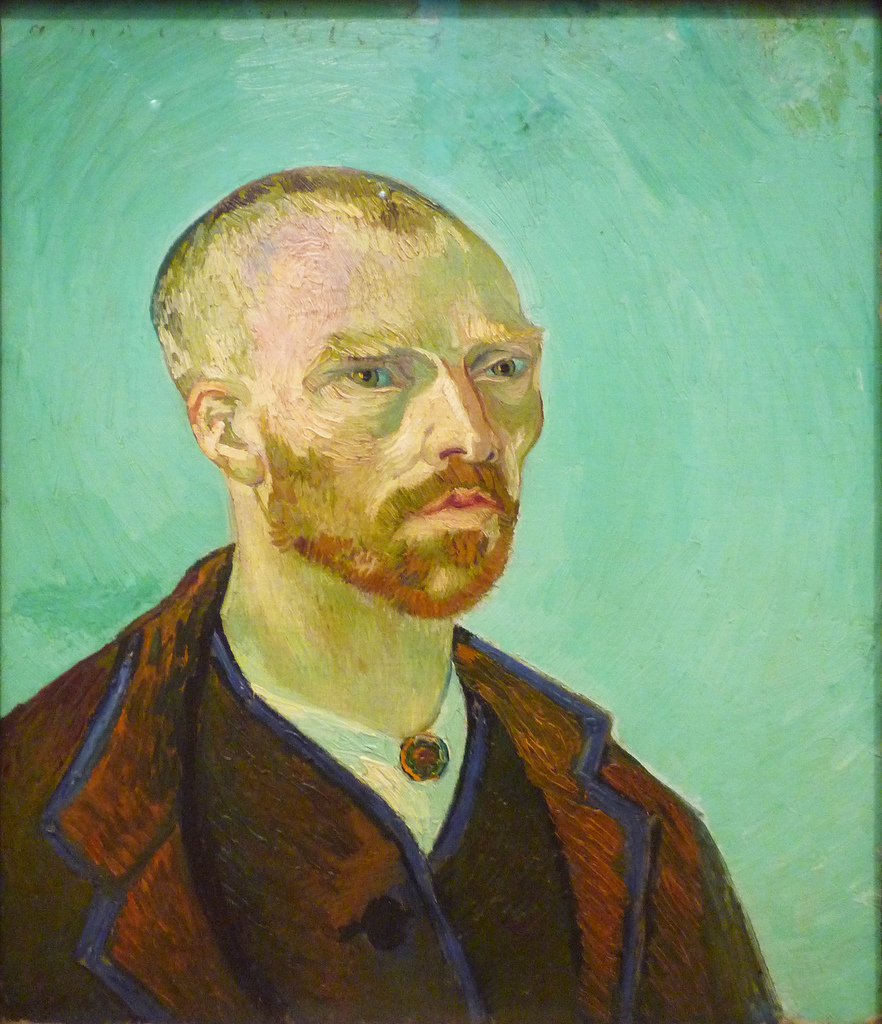
Watch as Van Gogh’s Famous Self-Por­trait Morphs Into a Pho­to­graph

Van Gogh’s 1888 Paint­ing, “The Night Cafe,” Ani­mat­ed with Ocu­lus Vir­tu­al Real­i­ty Soft­ware

by | Permalink | Make a Comment ( 1 ) |

13 Van Gogh’s Paintings Painstakingly Brought to Life with 3D Animation & Visual Mapping

Ear­li­er this month, we told you how you can down­load hun­dreds of Van Gogh paint­ings in high res­o­lu­tion, cour­tesy of the Van Gogh Muse­um in Ams­ter­dam. Now, the ques­tion is, what will you do with those images? You’re a lit­tle tech savvy? Maybe make your­self a nice screen­saver. You’ve got some more seri­ous tech chops? Even bet­ter. You can put those Van Gogh images in motion. Last year, Mac Cauley ani­mat­ed Van Gogh’s 1888 paint­ing, “The Night Cafe,” using Ocu­lus vir­tu­al real­i­ty Soft­ware. It’s a sight to behold. And above, we have 3D ani­ma­tions of thir­teen Van Gogh paint­ings, all cre­at­ed by Luca Agnani, an Ital­ian artist who spe­cial­izes in visu­al map­ping and design pro­jec­tions. 

Agnani’s ani­ma­tions are painstak­ing and pre­cise. Explain­ing the pre­ci­sion of his method, he told the The Cre­ators Project, “To cal­cu­late the exact shad­ows, I tried to under­stand the posi­tion of the sun rel­a­tive to Arles at dif­fer­ent times of the day.” And he added: “If the video [above] was pro­ject­ed over [Van Gogh’s] paint­ings, my inter­pre­ta­tions would super­im­pose per­fect­ly, like a map­ping of a frame­work.” To cre­ate sim­i­lar ani­ma­tions you will want to get com­fort­able using soft­ware pack­ages like Pre­miere and 3D Stu­dio Max.

The Van Gogh paint­ings appear­ing in the video are as fol­lows:

1. Fish­ing Boats on the Beach at Saintes-Maries
2. Lan­glois Bridge at Arles, The
3. Farm­house in Provence
4. White House at Night, The
5. Still Life
6. Evening The Watch (after Mil­let)
7. View of Saintes-Maries
8. Bed­room
9. Fac­to­ries at Asnieres Seen
10. White House at Night, The
11. Restau­rant
12. First Steps (after Mil­let)
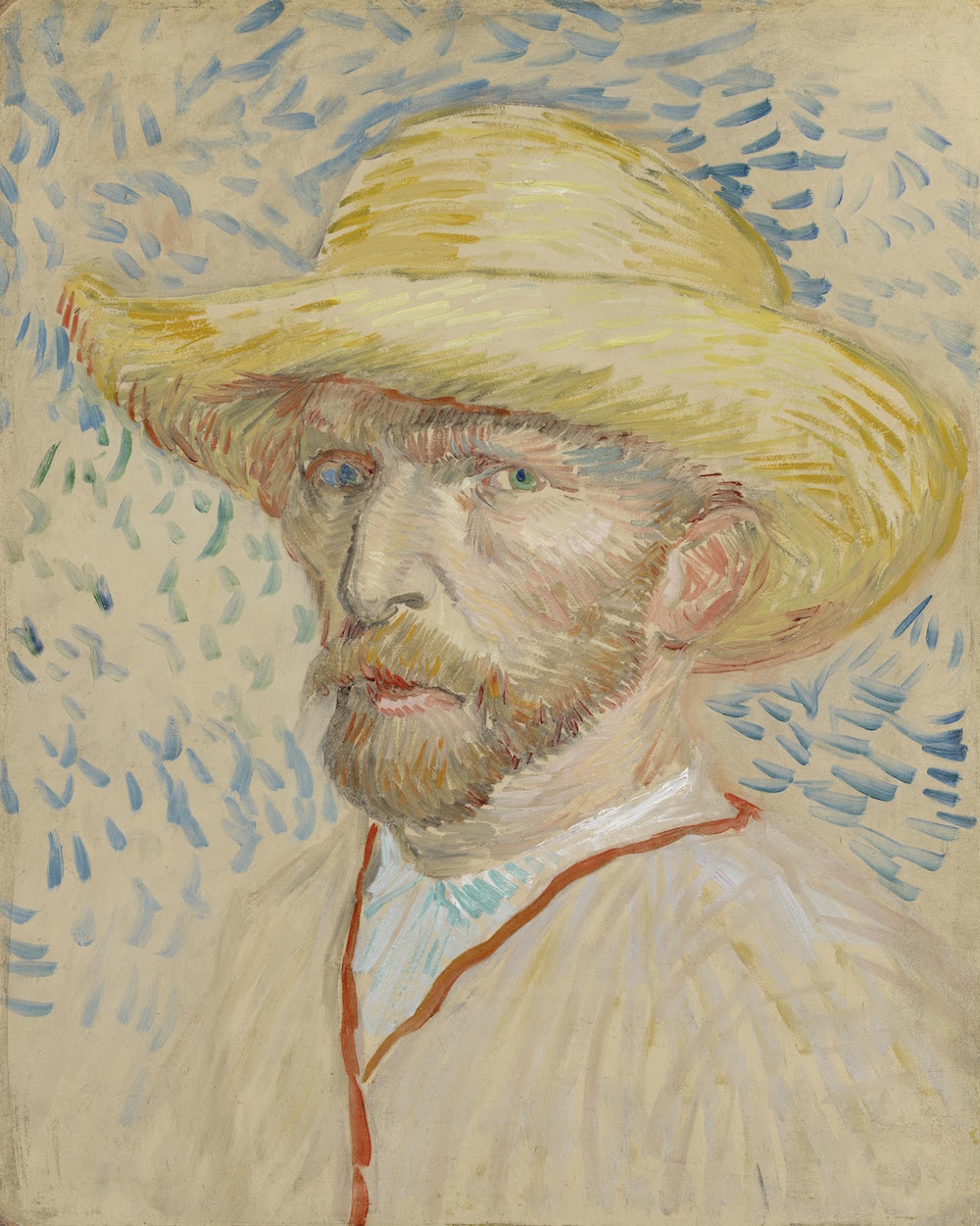
13. Self-Por­trait

h/t Kim L.

If you would like to sign up for Open Culture’s free email newslet­ter, please find it here. It’s a great way to see our new posts, all bun­dled in one email, each day.

If you would like to sup­port the mis­sion of Open Cul­ture, con­sid­er mak­ing a dona­tion to our site. It’s hard to rely 100% on ads, and your con­tri­bu­tions will help us con­tin­ue pro­vid­ing the best free cul­tur­al and edu­ca­tion­al mate­ri­als to learn­ers every­where. You can con­tribute through Pay­Pal, Patre­on, and Ven­mo (@openculture). Thanks!

Relat­ed Con­tent

Watch as Van Gogh’s Famous Self-Por­trait Morphs Into a Pho­to­graph

Van Gogh’s 1888 Paint­ing, “The Night Cafe,” Ani­mat­ed with Ocu­lus Vir­tu­al Real­i­ty Soft­ware

The Unex­pect­ed Math Behind Van Gogh’s “Star­ry Night”

by | Permalink | Make a Comment ( 3 ) |

Take a Multimedia Tour of the Buttock Song in Hieronymus Bosch’s Painting The Garden of Earthly Delights

buttock song2

“Not a bum note in sight!” goes the head­line, in all the Dai­ly Mail’s trade­mark sub­tle­ty. Mark Prig­g’s straight-to-the-point arti­cle tells us of “a musi­cal score dis­creet­ly writ­ten on the butt of a fig­ure in Gar­den Of Earth­ly Delights, the famous paint­ing by Hierony­mus Bosch,” which, thanks to the labor of love of Okla­homa Chris­t­ian Uni­ver­si­ty stu­dent Amelia Ham­rick, “has become an online hit.” The title of her ren­di­tion: “The 600-Year-Old Butt Song from Hell.”

Going a bit upmar­ket to Sean Michaels in the Guardian, we find the details that, “post­ing on her Tum­blr, a self-described ‘huge nerd’ called Amelia explained that she and a friend had been exam­in­ing a copy of Bosch’s famous trip­tych, which was paint­ed around the year 1500. “[We] dis­cov­ered, much to our amuse­ment,” she wrote, “[a] 600-years-old butt song from Hell.” You can read about it on her viral post, which describes her project of tran­scrib­ing Bosch’s pos­te­ri­or-writ­ten score “into mod­ern nota­tion, assum­ing the sec­ond line of the staff is C, as is com­mon for chants of this era.”

You can actu­al­ly hear a ren­di­tion of this hero­ical­ly recov­ered com­po­si­tion by click­ing on the video above. Some fine soul — pre­sum­ably a fel­low named Jim Spalink — took Ham­rick­’s nota­tion and turned it into music. When you’re done, you can then give the But­tock song a close visu­al inves­ti­ga­tion by div­ing into the vir­tu­al tour of The Gar­den of Earth­ly Delights, fea­tured here ear­li­er this month. Look for the 13th stop on the guid­ed tour, and you can see the musi­cal nota­tion in incred­i­bly fine detail–finer detail than you could have ever hoped or imag­ined.

Relat­ed Con­tent:

Take a Vir­tu­al Tour of Hierony­mus Bosch’s Bewil­der­ing Mas­ter­piece The Gar­den of Earth­ly Delights

What Ancient Greek Music Sound­ed Like: Hear a Recon­struc­tion That is ‘100% Accu­rate’

Lis­ten to the Old­est Song in the World: A Sumer­ian Hymn Writ­ten 3,400 Years Ago

Based in Seoul, Col­in Mar­shall writes and broad­casts on cities, lan­guage, and style. He’s at work on a book about Los Ange­les, A Los Ange­les Primer, the video series The City in Cin­e­ma, the crowd­fund­ed jour­nal­ism project Where Is the City of the Future?, and the Los Ange­les Review of Books’ Korea Blog. Fol­low him on Twit­ter at @colinmarshall or on Face­book.

Wes Anderson Movie Sets Recreated in Cute, Miniature Dioramas

Wes Anderson’s per­fec­tion­ist films often look like doll­hous­es enlarged to fit in human actors, but Barcelona-based illus­tra­tor Mar Cerdà has one-upped the direc­tor and cre­at­ed her own minia­ture dio­ra­mas repli­cat­ing sets from sev­er­al of his films.

This is metic­u­lous work done in water­col­or, then pre­cise­ly cut and com­bined into scenes both two- and three-dimen­sion­al. For any­one who has tried to cut some­thing very small and fid­dly with an x‑acto knife, you’ll appre­ci­ate her skill. (The artist in me is com­plete jel­ly, as they say.) So far she has recre­at­ed the concierge desk from The Grand Budapest Hotel, the berth from The Dar­jeel­ing Lim­it­ed, and the bath­room from The Roy­al Tenen­baums, com­plete with Mar­got and her mom Ethe­line. (If you look deep­er, you will also find this mini Mar­got box.)

Her love of Ander­son is no sur­prise if you look at the oth­er work in her port­fo­lio. Her book Famil­iari is a series of fig­ures that can be flipped to make “80,000 dif­fer­ent fam­i­lies,” all of which give off the Tenen­baum group shot vibe. And her lov­ing­ly detailed recre­ation of an entry in a Menor­ca-locat­ed house shares a love of cute and col­or­ful with the director’s art direc­tion.

Dio­ra­mas aside, by the way, her water­col­or tech­nique as well as her fig­u­ra­tive work is on point.

Cur­rent­ly, Cerdà is work­ing on a Star Wars-themed dio­ra­ma because, hey why not? Most every­body in the world loves that uni­verse. And she also just fin­ished a recre­ation of a scene from Zoolan­der. Fol­low her on Insta­gram, because there’s sure to be more to come.

via AV Club

Relat­ed Con­tent:

The Per­fect Sym­me­try of Wes Anderson’s Movies

Books in the Films of Wes Ander­son: A Super­cut for Bib­lio­philes

What’s the Big Deal About Wes Anderson’s The Grand Budapest Hotel? Matt Zoller Seitz’s Video Essay Explains

Ted Mills is a free­lance writer on the arts who cur­rent­ly hosts the FunkZone Pod­cast. You can also fol­low him on Twit­ter at @tedmills, read his oth­er arts writ­ing at tedmills.com and/or watch his films here.

Download 2,000 Magnificent Turn-of-the-Century Art Posters, Courtesy of the New York Public Library

nypl art poster

A scroll through any col­lec­tion of con­tem­po­rary graph­ic design port­fo­lios makes for a dizzy­ing tour of the seem­ing­ly unlim­it­ed range of col­ors, tex­tures, fonts, etc. avail­able to the mod­ern com­mer­cial artist. From the most col­or­ful pop art to the sub­tlest fine art, it seems that any and every vision can be real­ized on the page or screen thanks to dig­i­tal tech­nol­o­gy. Turn the dial back over a hun­dred years, and the posters, mag­a­zine cov­ers, and adver­tise­ments can seem prim­i­tive by ini­tial com­par­i­son, some­what washed out and ane­mic, and cer­tain­ly noth­ing like the can­dy-col­ored visu­al feast that meets our eyes on lap­top and smart­phone screens these days.

Plansman

But look clos­er at the design of a cen­tu­ry past, and you’ll find, I think, just as much vari­ety, skill, and imagination—if not near­ly so much col­or and slickness—as is on dis­play today. And though soft­ware enables design­ers to cre­ate images and sur­faces of which their pre­de­ces­sors could only dream, those hand-illus­trat­ed graph­ics of the past hold a strik­ing­ly sim­ple allure that still com­mands our attention—drawing from art nou­veau, impres­sion­ism, pre-Raphaelite, and oth­er fine art forms and incor­po­rat­ing mod­ernist lines and con­trasts.

nypl art posters

Any graph­ic design­er work­ing today can learn from the adver­tis­ing posters you see here, and—thanks to the New York Pub­lic Library’s Turn of the Cen­tu­ry Posters col­lec­tion—can view and down­load hun­dreds more in high res­o­lu­tion, over 2000 more.

The Female Rebellion

“The advent of the art poster in Amer­i­ca,” writes NYPL, “is trace­able to the pub­li­ca­tion of Edward Pen­field­’s poster adver­tis­ing the March 1893 issue of Harper’s. [See a col­lec­tion of his Harper’s posters here.] Unlike ear­li­er adver­tis­ing posters, Pen­field­’s work pre­sent­ed an implied graph­ic nar­ra­tive to which text was sec­ondary. In this way, and sub­se­quent­ly, in the hands of major artists such as Pen­field, Will Bradley and Ethel Reed, the poster moved from the realm of com­mer­cial art to an ele­vat­ed, artis­tic posi­tion.” These posters quick­ly became col­lec­tor’s items, and “became more desir­able than the pub­li­ca­tion they were adver­tis­ing.”

Ancestors

As such, the turn-of-the-cen­tu­ry art poster pushed the pub­lish­ing indus­try toward graph­i­cal­ly illus­trat­ed-mag­a­zine cov­ers and book jack­ets. The increas­ing­ly styl­ish, beau­ti­ful­ly-exe­cut­ed posters on dis­play in the NYPL archive show us not only the devel­op­ment of mod­ern com­mer­cial design as adver­tis­ing, but also its devel­op­ment as an art form. Though we may have need­ed Andy Warhol and his con­tem­po­raries to remind us that com­mer­cial art can just as well be fine art, a look through this stun­ning gallery of posters shows us that pop­u­lar graph­ics and fine art often trad­ed places long before the pop art rev­o­lu­tion.

The Century

Relat­ed Con­tent:

100,000+ Won­der­ful Pieces of The­ater Ephemera Dig­i­tized by The New York Pub­lic Library

Food­ie Alert: New York Pub­lic Library Presents an Archive of 17,000 Restau­rant Menus (1851–2008)

The New York Pub­lic Library Lets You Down­load 180,000 Images in High Res­o­lu­tion: His­toric Pho­tographs, Maps, Let­ters & More

Josh Jones is a writer and musi­cian based in Durham, NC. Fol­low him at @jdmagness

Museum of Modern Art (MoMA) Launches Free Course on Looking at Photographs as Art

Not con­tent with ban­ning self­ie sticks, the Muse­um of Mod­ern Art (MoMA) is bring­ing visu­al lit­er­a­cy to the mass­es via its first for­ay into the world of MOOCs (aka “mas­sive open online cours­es”).

Cura­tor Sarah Meis­ter will be draw­ing on MoMA’s expan­sive pho­tog­ra­phy col­lec­tion for the free 6‑session, self-paced See­ing Through Pho­tographs class on Cours­era.

You won’t learn how to make duck lips in a mir­ror, but by the course’s end, you should be able to cast a crit­i­cal eye, with a new appre­ci­a­tion for the “diverse ideas, approach­es, and tech­nolo­gies” that inform a pho­tograph’s mak­ing.

The first week’s assign­ments include a video inter­view with Mar­vin Heifer­man, author of Pho­tog­ra­phy Changes Every­thing, below. Yes, there will be a quiz.

Expect assigned read­ings from John Szarkowski’s Intro­duc­tion to The Photographer’s Eye, and MoMA’s Chief Cura­tor of Pho­tog­ra­phy, Quentin Bajac.

There’s a lot of ground to cov­er, obvi­ous­ly. Meis­ter has lined up quite a hit parade: Ansel Adams, NASA’s moon pho­tog­ra­phy, Dorothea Lange’s “Migrant Moth­er,” Susan Meise­las’ “Car­ni­val Strip­pers” project, Cindy Sherman’s “Unti­tled Film Stills,” and Nicholas Nixon’s 40-year doc­u­men­ta­tion of the Brown sis­ters.

Prove your knowl­edge at the end of the six weeks with a final 30-minute project in which you’ll select an image that would be a good addi­tion to one of the course’s themes, below:

See­ing Through Pho­tographs

One Sub­ject, Many Per­spec­tives

Doc­u­men­tary Pho­tog­ra­phy

Pic­tures of Peo­ple

Con­struct­ing Nar­ra­tives and Chal­leng­ing His­to­ries

Ocean of Images: Pho­tog­ra­phy and Con­tem­po­rary Cul­ture

Enroll in this fas­ci­nat­ing free course here.

via Petapix­el

Relat­ed Con­tent:

Take a Free Online Course on Mak­ing Ani­ma­tions from Pixar & Khan Acad­e­my

Take a Free Online Course on Mak­ing Com­ic Books, Com­pli­ments of the Cal­i­for­nia Col­lege of the Arts

MOOCs from Great Uni­ver­si­ties (Many With Cer­tifi­cates)

Ayun Hal­l­i­day is an author, illus­tra­tor, and Chief Pri­ma­tol­o­gist of the East Vil­lage Inky zine. Fol­low her @AyunHalliday

« Go BackMore in this category... »
Quantcast