45,000 Works of Art from Stanford University’s Cantor Arts Center Now Freely Viewable Online

Cantor Arts

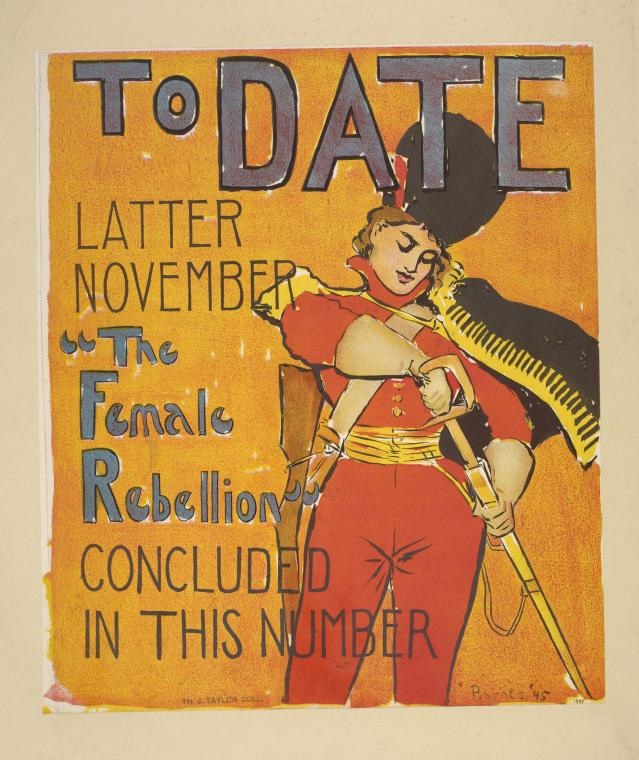
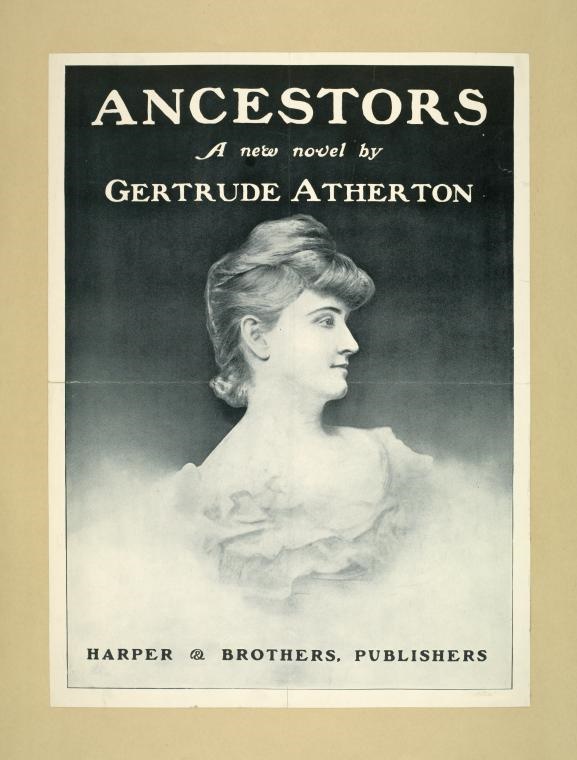
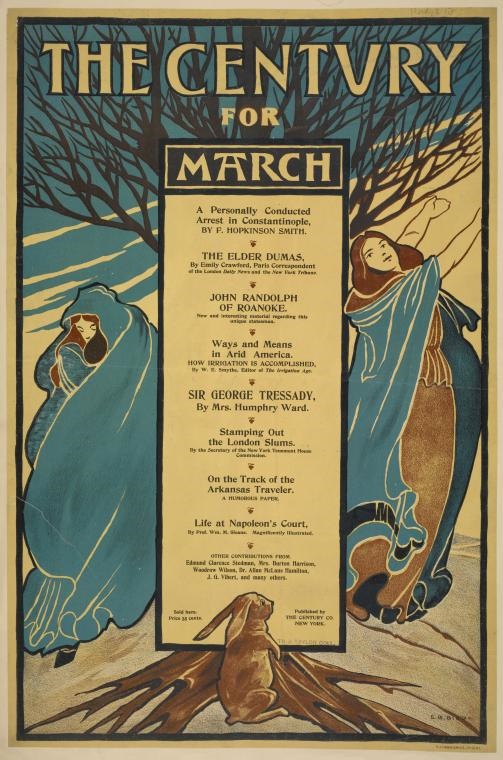
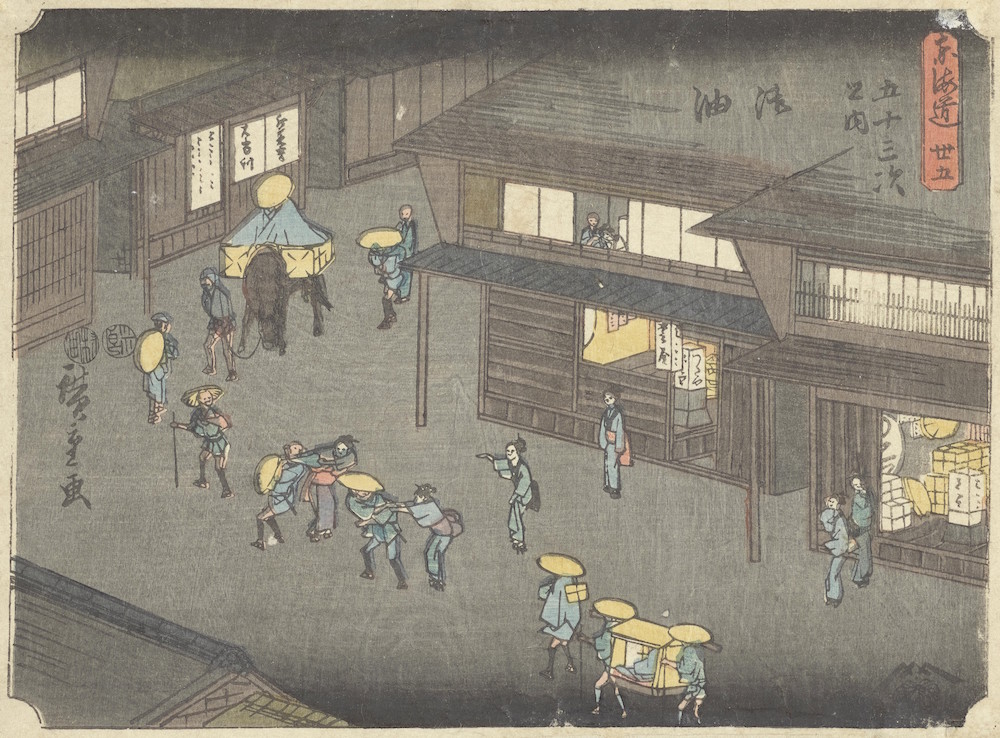
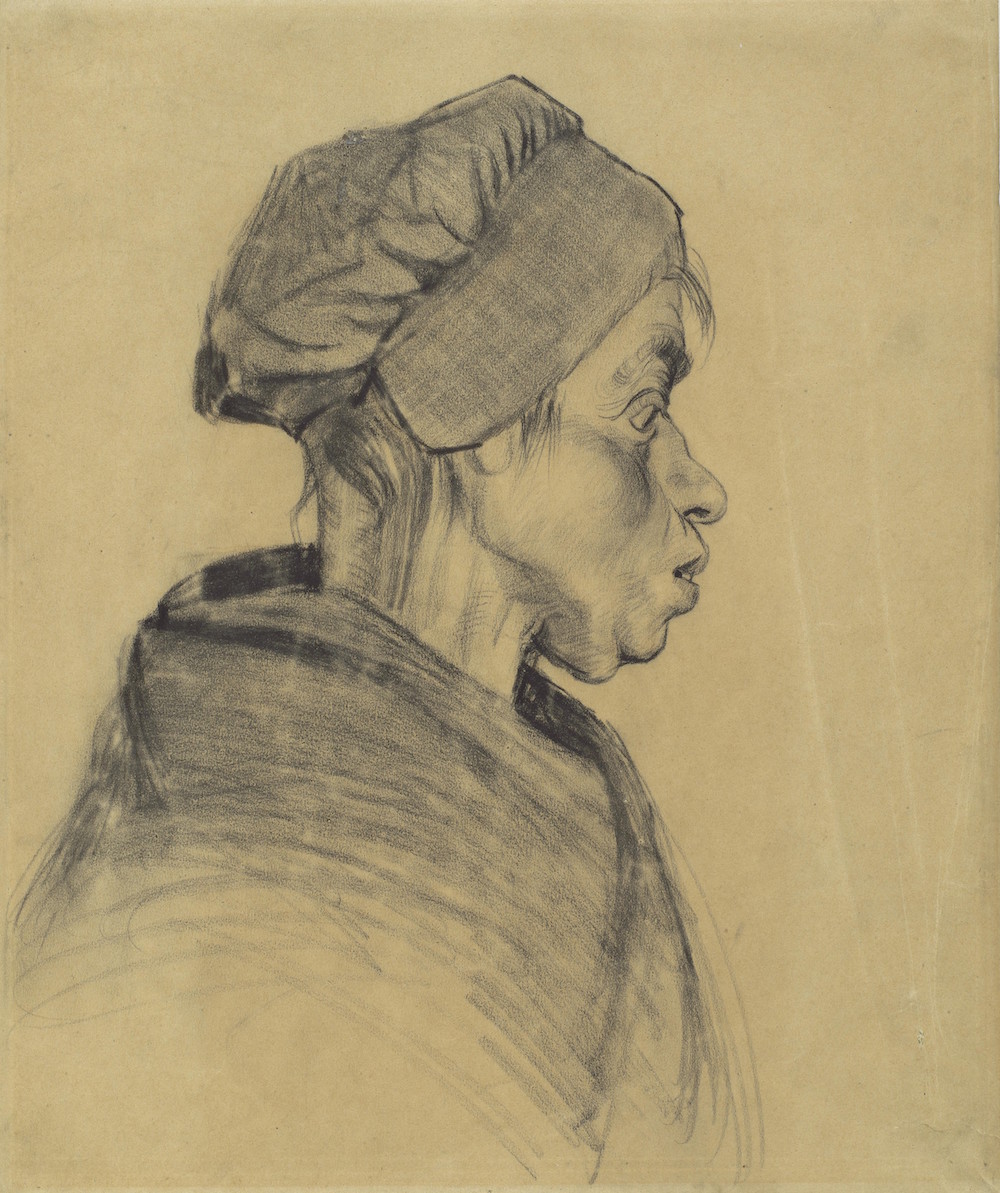
Just last month, Stan­ford Uni­ver­si­ty’s Iris and B. Ger­ald Can­tor Cen­ter for Visu­al Arts made its col­lec­tion acces­si­ble online, dig­i­tiz­ing and upload­ing over 45,000 of its works of art in forms freely view­able by all. These include, if you nav­i­gate through the col­lec­tions high­light­ed on the browse page, works of Amer­i­can and Euro­pean art; African, Native Amer­i­can, and Ocean­ic art; Asian art; mod­ern and con­tem­po­rary art; prints, draw­ings, and pho­tographs; and Stan­ford fam­i­ly col­lec­tions as well as works cur­rent­ly on dis­play.

But this hard­ly hap­pened at a stroke. The short video above gives a look behind the scenes — or rather, muse­um walls, or per­haps dig­i­tal muse­um walls — to reveal some of the effort that went into the six-year project that has cul­mi­nat­ed in the open­ing of the Can­tor Arts Cen­ter’s online col­lec­tions.

The endeav­or required no small amount of phys­i­cal work, not just to re-pho­to­graph every­thing in their col­lec­tions (only five per­cent of which goes on dis­play at any one time), but to per­form a whole new inven­to­ry, the first com­plete one the muse­um had done since 1916. (As a recent move remind­ed me, there’s noth­ing like hav­ing to move all your stuff from one place to anoth­er to give you the clear­est pos­si­ble sense of exact­ly what you have.)

Cantor Arts 2

Here we’ve post­ed a few paint­ings from the Can­tor: James McNeill Whistler’s Hurling­ham (well, an etch­ing, if you want to get tech­ni­cal), Théodore Caru­elle d’Aligny’s View of the Bay of Naples, Nakabayashi Chikkei’s Autumn Land­scape and Edward Hop­per’s New York Cor­ner. (You can also find a whole dif­fer­ent set of scenes ren­dered in pen and ink at the Can­tor’s ded­i­cat­ed dig­i­tal col­lec­tion of the sketch­books of San Fran­cis­co Bay Area abstract expres­sion­ist painter Richard Diebenko­rn.)

edward hopper

But to get a sense of the full scope of the geo­graph­ic, his­tor­i­cal, aes­thet­ic, and for­mal vari­ety of the art the Can­tor has made view­able any­where and any time, you’ll want to fol­low the instruc­tions pro­vid­ed by one of our read­ers, Robin L: “Go to this search gate­wayIf you enter in an artist (I tried Whistler), you will get a list of all of the col­lec­tions’ images with small images and some basic infor­ma­tion. Then click on the spe­cif­ic piece that you want. And that one will open up with a small-medi­um image and some descrip­tion of the piece. If you click on the image again, it will enlarge.” 

Cantor Arts 3

via Stan­ford News

Relat­ed Con­tent:

Whit­ney Muse­um Puts Online 21,000 Works of Amer­i­can Art, By 3,000 Artists

The Met­ro­pol­i­tan Muse­um of Art Puts 400,000 High-Res Images Online & Makes Them Free to Use

LA Coun­ty Muse­um Makes 20,000 Artis­tic Images Avail­able for Free Down­load

The Rijksmu­se­um Puts 125,000 Dutch Mas­ter­pieces Online, and Lets You Remix Its Art

The Nation­al Gallery Makes 25,000 Images of Art­work Freely Avail­able Online

The Get­ty Puts 4600 Art Images Into the Pub­lic Domain (and There’s More to Come)

40,000 Art­works from 250 Muse­ums, Now View­able for Free at the Redesigned Google Art Project

Based in Seoul, Col­in Mar­shall writes and broad­casts on cities and cul­ture. He’s at work on a book about Los Ange­les, A Los Ange­les Primer, the video series The City in Cin­e­maand the crowd­fund­ed jour­nal­ism project Where Is the City of the Future? Fol­low him on Twit­ter at @colinmarshall or on Face­book.

The Dresser: The Contraption That Makes Getting Dressed an Adventure

Joseph Her­sch­er — kinet­ic artist extra­or­di­naire and cre­ator of the great “Page Turn­er” Rube Gold­berg machine — returns with a new con­trap­tion: “The Dress­er”.

Orig­i­nal­ly, “The Dress­er” was a live per­for­mance piece that Her­sch­er per­formed in Char­lotte, NC. He spent a year build­ing the con­trap­tion, then 2 months test­ing it, before stag­ing it for audi­ences. (Watch a short doc­u­men­tary on the live per­for­mance here.) Now, thank­ful­ly, he brings the quirky device to the web, for the rest of us to see. Some­where Rube Gold­berg is smil­ing.

Fol­low Open Cul­ture on Face­book and Twit­ter and share intel­li­gent media with your friends. Or bet­ter yet, sign up for our dai­ly email and get a dai­ly dose of Open Cul­ture in your inbox. And if you want to make sure that our posts def­i­nite­ly appear in your Face­book news­feed, just fol­low these sim­ple steps.

Relat­ed Con­tent:

The Page Turn­er: A Fab­u­lous Rube Gold­berg Machine for Read­ers

The Falling Water: A Rube Gold­berg Machine That Makes a Fine Cock­tail

Stu­dents Tells the Passover Sto­ry with a Rube Gold­berg Machine

Lynda Barry’s Illustrated Syllabus & Homework Assignments from Her New UW-Madison Course, “Making Comics”

barrysyll1

barysyll2

Car­toon­ist turned edu­ca­tor Lyn­da Bar­ry is again per­mit­ting the world at large to freely audit one of her fas­ci­nat­ing Uni­ver­si­ty of Wis­con­sin-Madi­son class­es via her Tum­blr. (To get to the start of the class, click here and then scroll down the page until you reach the syl­labus, then start work­ing your way back­wards.)

The top­ic this fall is “Graph­ic Vices, Graph­ic Virtues: Mak­ing Comics,” a sub­ject with which Bar­ry is inti­mate­ly acquaint­ed. In the professor’s own words, this class is “a(n aca­d­e­m­i­cal­ly rig­or­ous) blast!”

As in pre­vi­ous class­es, the syl­labus, above, spells out a high­ly spe­cial­ized set of required sup­plies, includ­ing a num­ber of items rarely called for at the col­lege lev­el.

barrysyll4


It’s become a time hon­ored tra­di­tion for Barry’s stu­dents to adopt new names by which to refer to each oth­er in-class, some­thing they’ll enjoy hear­ing spo­ken aloud. For “Mak­ing Comics,” Bar­ry is fly­ing under the han­dle Pro­fes­sor SETI (as in “search for extrater­res­tri­al intel­li­gence”), telling the class that “images are the ETI in SETI.”

The stu­dents have respond­ed with the fol­low­ing han­dles: Chef Boyardee, Gin­ger, Lois Lane, Rosie the Riv­et­er, Regi­na Pha­lange, Ara­bel­la, Snoopy, Skeeter, Tig­ger, Arya Stark, Nala, Nos­tal­gia, Aki­ra, Lapus Lazuli, The Buffalo,Mr. Novem­ber, The Short Giraffe, Nic­ki Minaj, Neko, Vin­cent Brooks, Reg­u­lar Sized Rudy, and Zef.

(Sounds like a rough and ready crew. What name would you choose, and why?)

LBarry 4

As usu­al, Bar­ry draws inspi­ra­tion from the dizzy­ing boun­ty of images avail­able on the net, bom­bard­ing her pupils with find­ings such as the lobed teeth of the crab-eater seal, above.

Sci­ence and music remain pet sub­jects–Afro­fu­tur­ist band­leader Sun Ra serves as class ora­cle this go round.

LBarry 5

LBarry 6

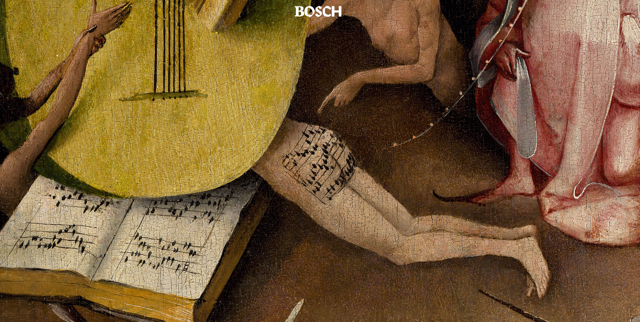
Pro­fes­sor SETI keeps the “graph­ic vice” of the class’ offi­cial title front and cen­ter with assign­ments per­tain­ing to the 7 dead­ly sins, ask­ing stu­dents to exam­ine mod­ern equiv­a­lents of the hor­rors depict­ed by Heron­imus Bosch above and 16th-cen­tu­ry engraver Pieter van der Hey­den, below.

LBarry 7

What to do with all of these images? Draw them, of course! As Bar­ry tells her stu­dents:

Draw­ing is a lan­guage. It’s hard to under­stand what that real­ly means until you’ve ‘spo­ken’ and ‘lis­tened’ to it enough in a reli­able reg­u­lar way like the reli­able reg­u­lar way we will have togeth­er this semes­ter.

That’s an impor­tant def­i­n­i­tion for those lack­ing con­fi­dence in their draw­ing abil­i­ties to keep in mind. Bar­ry may revere the inky blacks of comics leg­end Jaime Her­nan­dez, but she’s also a devo­tee of the wild, unbri­dled line that may be a beginner’s truest expres­sion. (Stick fig­ures, how­ev­er, “don’t cut it.”) To her way of think­ing, every­one is capa­ble of com­mu­ni­cat­ing flu­ent­ly in visu­al lan­guage. The cur­rent crop of stu­dent work reveals a range of train­ing and nat­ur­al tal­ent, but all are wor­thy when viewed through Barry’s lens.

The teacher’s phi­los­o­phy is the bind­ing ele­ment here, but don’t fret if you are unable to take the class in per­son:

We rarely speak direct­ly about the work we do in our class though we look at it togeth­er. We stare at it and some­times it makes us laugh or we silent­ly point out some part of it to the class­mate beside us.  To be able to speak this unspo­ken lan­guage we need to prac­tice see­ing (hear­ing) the way it talks.

LBarry 9

That ear­li­er-allud­ed-to rig­or is no joke. Dai­ly diary comics, 3 minute self por­traits on index cards, pages fold­ed to yield 16 frames in need of fill­ing, and found images copied while lis­ten­ing to pre­scribed music, lec­tures, and read­ings are a con­stant, non-nego­tiable expec­ta­tion of all par­tic­i­pants. Her method­ol­o­gy may sound goose‑y but it’s far from loose‑y.

In oth­er words, if you want to play along, pre­pare to set aside a large chunk of time to com­plete her week­ly assign­ments with the vig­or demand­ed of non-vir­tu­al stu­dents.

LBarry 10

Those who aren’t able to com­mit to going the dis­tance at this time can recon­struct the class lat­er.  Bar­ry leaves both the assign­ments and exam­ples of stu­dent work on her Tum­blr for per­pe­tu­ity. (You can see an exam­ple here.) For now, try com­plet­ing the 20 minute exer­cise using the assigned image above, or by choos­ing from one of her “extra cred­it” images, below:

Set timer for three min­utes and begin this draw­ing using a yel­low col­or pen­cil. Try to draw as much of the draw­ing as you can in three min­utes. You can draw fast, and in a messy way, The impor­tant thing is to get as much cov­ered as you can in three min­utes. You can col­or things in if you like. Look for the dark­est areas of the pho­to and col­or those in.

Set a timer for anoth­er three min­utes and using your non-dom­i­nant hand, draw with orange or col­or pen­cil to draw the entire draw­ing again, draw­ing right on top of the first draw­ing lay­er. The lines don’t have to match or be right on top of each oth­er, you can change your mind as you add this lay­er. You can move a bit to the right rather than try to draw direct­ly onto the first set of lines.

Set a timer for anoth­er 3 min­utes and use a red pen­cil and draw it again, using you dom­i­nant hand, adding anoth­er lay­er to the draw­ing. Again, you don’t have to fol­low your orig­i­nal lines. Just draw on top of them.

Set a timer for anoth­er 3 min­utes and use a dark green pen­cil to draw the entire draw­ing one more time on top of all the oth­ers. 

Set a timer for 8 min­utes and use a dark blue pen­cil to draw it one more time.

Spend the last 8 min­utes ink­ing the image in with your uni­ball pen. Remem­ber that sol­id black is the very last thing you’d do giv­en your time lim­it. You want to make sure to draw all the parts of the pic­ture first.

LBarry 11

LBarry 12

LBarry 14

LBarry 15

LBarry 16

LBarry 17

Relat­ed Con­tent:

Car­toon­ist Lyn­da Bar­ry Shows You How to Draw Bat­man in Her UW-Madi­son Course, “Mak­ing Comics”

Lyn­da Barry’s Won­der­ful­ly Illus­trat­ed Syl­labus & Home­work Assign­ments from Her UW-Madi­son Class, “The Unthink­able Mind”

Watch Lyn­da Barry’s Grad­u­a­tion Speech; Give a Shout Out to the Teach­ers Who Changed Your Life

1,700 Free Online Cours­es from Top Uni­ver­si­ties

Ayun Hal­l­i­day is an author, illus­tra­tor, and Chief Pri­ma­tol­o­gist of the East Vil­lage Inky zine. Fol­low her @AyunHalliday

Picasso Makes Wonderful Abstract Art

Pablo Picas­so, as you may know, pro­duced a fair few mem­o­rable works in his long life­time. He also came up with a num­ber of quotable quotes. “Every act of cre­ation is first an act of destruc­tion” has par­tic­u­lar­ly stuck with me, but one does won­der what an artist who thinks this way actu­al­ly does when he cre­ates — or, rather, when he first destroys, then cre­ates. Luck­i­ly for us, we can watch Picas­so in action, in vin­tage footage from sev­er­al dif­fer­ent films–first, at the top of the post, in a clip from 1950’s Vis­ite à Picas­so by Bel­gian artist and film­mak­er Paul Hae­saerts (which you can watch online: part onepart two).

In it, Picas­so paints on glass in front of the cam­era, thus enabling us to see the painter at work from, in some sense, the paint­ing’s per­spec­tive. Just above, you can watch anoth­er, sim­i­lar­ly filmed clip from Vis­ite à Picas­so.

Both of them show how Picas­so could, with­out much in the way of appar­ent advance plan­ning or thought, sim­ply begin cre­at­ing art, lit­er­al­ly at a stroke — on which would fol­low anoth­er stroke, and anoth­er, and anoth­er. “Action is the foun­da­tion­al key to all suc­cess,” he once said, words even more wide­ly applic­a­ble than the obser­va­tion about cre­ation as destruc­tion, and here we can see his actions becom­ing art before our eyes.

It also hap­pens in the clip above, though this time cap­tured from a more stan­dard over-the-shoul­der per­spec­tive. “The pur­pose of art is wash­ing the dust of dai­ly life off our souls,” Picas­so also said, and one sens­es some­thing of that ablu­tion­ary rit­u­al (and not just because of how lit­tle cloth­ing the man has cho­sen to wear) in the footage below, where­in he lays down lines on a can­vas the size of an entire wall. It comes from Hen­ri-Georges Clouzot’s 1956 doc­u­men­tary The Mys­tery of Picas­so, which offers a wealth of close looks at Picas­so’s process.

You can watch the film online here, or see a few Picas­so paint­ings come togeth­er in time-lapse in the trail­er above. “The paint­ings cre­at­ed by Picas­so in this film can­not be seen any­where else,” the crawl at the end of the trail­er informs us. “They were destroyed upon com­ple­tion of the film.” So it seems that at least some acts of cre­ation, for Picas­so him­self, not only began with an act of destruc­tion, but end­ed with one too.

Relat­ed Con­tent:

Vin­tage Footage of Picas­so and Jack­son Pol­lock Paint­ing … Through Glass

Watch Icon­ic Artists at Work: Rare Videos of Picas­so, Matisse, Kandin­sky, Renoir, Mon­et, Pol­lock & More

Guer­ni­ca: Alain Resnais’ Haunt­ing Film on Picasso’s Paint­ing & the Crimes of the Span­ish Civ­il War

The Post­cards That Picas­so Illus­trat­ed and Sent to Jean Cocteau, Apol­li­naire & Gertrude Stein

Behold Pablo Picasso’s Illus­tra­tions of Balzac’s Short Sto­ry “The Hid­den Mas­ter­piece” (1931)

Pablo Picasso’s Ten­der Illus­tra­tions For Aristo­phanes’ Lysis­tra­ta (1934)

Based in Seoul, Col­in Mar­shall writes and broad­casts on cities and cul­ture. He’s at work on a book about Los Ange­les, A Los Ange­les Primer, the video series The City in Cin­e­maand the crowd­fund­ed jour­nal­ism project Where Is the City of the Future? Fol­low him on Twit­ter at @colinmarshall or on Face­book.

Artist Turns a Crop Field Into a Van Gogh Painting, Seen Only From Airplanes

For­mal­ly Trained as an avant-garde, abstract expres­sion­ist painter, Stan Herd went on to become some­thing a lit­tle dif­fer­ent — an earth­works artist who takes fields where crops are grown and turns them into sprawl­ing can­vas­es on which he makes art of his own. It has been said about him: “Herd is an unusu­al artist. His medi­um is the earth itself; his palette con­sists of soil, wheat, sun­flow­ers, and corn; his brush is a trac­tor; and his images can be seen only from an air­plane.”

van gogh painting in a field

Image by The Min­neapo­lis Insti­tute of Art

Many of his ear­ly cre­ations can be revis­it­ed in his 1994 book Crop Art and Oth­er Earth­works. To see his lat­est work, just click play on the video above. Com­mis­sioned by the Min­neapo­lis Insti­tute of Art, this earth­work fea­tures a ren­der­ing of an “Olive Tree” paint­ing that Van Gogh com­plet­ed as part of a larg­er series of Olive Tree paint­ings cre­at­ed while liv­ing in an asy­lum in Saint-Rémy in 1889.

Vincent_van_Gogh_Olive_Trees_lowe

Mr. Herd start­ed work on the project last spring, plant­i­ng dif­fer­ent crops in a field owned by Thom­son Reuters. By fall, pas­sen­gers fly­ing into Min­neapo­lis could catch a view of Herd’s Van Gogh–like the one you see above.

via This is Colos­sal

Relat­ed Con­tent:

Van Gogh’s 1888 Paint­ing, “The Night Cafe,” Ani­mat­ed with Ocu­lus Vir­tu­al Real­i­ty Soft­ware

The Unex­pect­ed Math Behind Van Gogh’s “Star­ry Night”

Down­load 35,000 Works of Art from the Nation­al Gallery, Includ­ing Mas­ter­pieces by Van Gogh, Gau­guin, Rem­brandt & More

by | Permalink | Make a Comment ( 2 ) |

Meet Congo the Chimp, London’s Sensational 1950s Abstract Painter

A few years ago, I watched and enjoyed My Kid Could Paint That, a doc­u­men­tary about Mar­la Olm­stead, a four-year-old abstract painter who became a brief art-world sen­sa­tion, her can­vas­es (which tow­ered over the tiny artist) at one point sell­ing for thou­sands of dol­lars apiece. Olm­stead raised the bar high indeed for all sub­se­quent preschool-aged art celebri­ties, but the world of unlike­ly painters in gen­er­al has a fuller, stranger his­to­ry. Wit­ness, for instance, Con­go the Chimp, the Lon­don Zoo’s artis­tic sen­sa­tion of the 1950s, a not­ed ani­mal artist who sold work to such not­ed non-ani­mal artists as Picas­so, Miró, and Dalí, the last of whom made a com­par­i­son with one of the best-known abstract painters of the day: “The hand of the chim­panzee is qua­si­hu­man; the hand of Jack­son Pol­lock is total­ly ani­mal!”

Congo

Con­go, who began his art career the moment he hap­pened to pick up a pen­cil, went on, writes the Tele­graph’s Nigel Reynolds, to become “a tele­vi­sion celebri­ty in the late 1950s as the star of Zootime, an ani­mal pro­gramme pre­sent­ed from the Lon­don Zoo by Desmond Mor­ris, the zool­o­gist and anthro­pol­o­gist. He became even more of a cause célèbre when the Insti­tute of Con­tem­po­rary Arts mount­ed a large exhi­bi­tion of his work in 1957.

Crit­ics had a field day and debate about the mean­ing of art raged furi­ous­ly.” You can see Mor­ris, a sur­re­al­ist painter him­self, in addi­tion to his zoo­log­i­cal, anthro­po­log­i­cal, and tele­vi­su­al work, inter­act­ing with Con­go in the 1950s and reflect­ing on the place of the chim­panzee artist in his own career in the clip at the top of the post. The news­reel below cov­ers an exhi­bi­tion called The Young Idea, which fea­tured paint­ings not just from Con­go but from such Mar­la Olm­stead pre­de­ces­sors as three-year-old Tim­o­thy Vaughn and eigh­teen-month-old Gra­ham Phillips. One of Con­go’s paint­ings appears above.

And so to the obvi­ous ques­tion: But Is It Art? And assum­ing it is, writes John Valen­tine in The Philoso­pher, “what then fol­lows from such a clas­si­fi­ca­tion? What sort of dif­fer­ence does it or should it make in the way we approach and appre­ci­ate chim­panzee paint­ings? If they are art, what sort of crit­i­cal or inter­pre­tive dis­course about them should we engage in? Do we sim­ply appre­ci­ate the lines, colours, and forms of Con­go’s paint­ings and stop at that? Does it make any dif­fer­ence that the paint­ings were done by a mem­ber of a dif­fer­ent species? Should species dif­fer­ences make any dif­fer­ence in artis­tic val­ue?” It may not, at least com­mer­cial­ly speak­ing: Con­go may have had his moment six decades ago, but don’t think that means his work will come cheap; back in 2005, some of his paint­ings went up on the auc­tion block and fetched more than $25,620.

Based in Seoul, Col­in Mar­shall writes and broad­casts on cities and cul­ture. He’s at work on a book about Los Ange­les, A Los Ange­les Primer, the video series The City in Cin­e­maand the crowd­fund­ed jour­nal­ism project Where Is the City of the Future? Fol­low him on Twit­ter at @colinmarshall or on Face­book.

Masterpieces of Western Art with All Gluten Products Removed: See Works by Dalí, Cézanne, Van Gogh & Others

Gluten Free Museum

left: Johannes Ver­meer, The Milk­maid. right: Arthur Coulet, d’après Johannes Ver­meer

It has been sug­gest­ed plau­si­bly that Ver­meer’s kitchen maid is mak­ing bread por­ridge, which puts stale bread—there is an unusu­al amount of bread on the table—to good use by com­bin­ing it with milk and a few oth­er ingre­di­ents to make a fill­ing mash or meal. 

Wal­ter Liedtke, Depart­ment of Euro­pean Paint­ings,  The Met­ro­pol­i­tan Muse­um of Art

It’s a mat­ter for con­jec­ture. Per­haps Ver­meer want­ed to title his paint­ing The Bread Por­ridge Maid, but caved to mar­ket research sug­gest­ing that Milk­maid would bet­ter appeal to what Liedtke calls “male view­er’s amorous mus­ings.”

Recent­ly, graph­ic artist Arthur Coulet made bread a focal point in Vermeer’s Milk­maid and oth­er icon­ic works, iron­i­cal­ly by Pho­to­shop­ping it out.

His online Gluten Free Muse­um is a nod to détourne­ment, manip­u­la­tions of exist­ing works born of Let­ter­ist Inter­na­tion­al and the Sit­u­a­tion­ists. Gone are the crusty loaves, fields gold­en with wheat, and any­thing con­tain­ing grains that could cause dis­com­fort to those afflict­ed by gluten intol­er­ance or celi­ac dis­ease.

Gluten Free Museum 2

Even the pitch­fork in Grant Wood’s Amer­i­can Goth­ic gets the dig­i­tal heave ho…with noth­ing to har­vest, what’s the point?

Gluten Free Museum 3

Pieter Bruegel’s the Har­vesters gets the most rad­i­cal redo.

Gluten Free Museum 4

Cezanne’s Still Life with Bread and Eggs is now just Eggs…

Gluten Free Museum 5

…and Sal­vador Dali’s Eucharis­tic Still Life has been reduced to mere fish­es.

Gluten Free Museum 6

By con­trast, the pic­nick­ers in Édouard Manet’s Le Déje­uner Sur L’Herbe prob­a­bly don’t even notice the omis­sion.

See more, includ­ing work by Jean-François Mil­let, Vin­cent van Gogh, Car­avag­gio, Giuseppe Arcim­bol­do, and Jeff Koons in Coulet’s Gluten Free Muse­um.

A quick image search using the phrase “bread paint­ing” sug­gests that much work remains to be done.

via So Bad So Good

Relat­ed Con­tent:

Philoso­pher Por­traits: Famous Philoso­phers Paint­ed in the Style of Influ­en­tial Artists

What Hap­pens When a Cheap Ikea Print Gets Pre­sent­ed as Fine Art in a Muse­um

Sal­vador Dalí’s Melt­ing Clocks Paint­ed on a Lat­te

Ayun Hal­l­i­day is an author, illus­tra­tor, and Chief Pri­ma­tol­o­gist of the East Vil­lage Inky zine. Her play, Fawn­book, is play­ing in New York City through Novem­ber 20. Fol­low her @AyunHalliday

Edvard Munch’s The Scream Animated to the Psychedelic Sounds of Pink Floyd: The Winter Version

Back in the spring, we fea­tured Roman­ian ani­ma­tor Sebas­t­ian Cosor’s ani­ma­tion of Edvard Munch’s The Scream set to Pink Floy­d’s “The Great Gig in the Sky.” But the win­ter­time has almost come, which neces­si­tates not just a change in the clothes we wear, but a change in the ani­ma­tions of The Scream we watch. For­tu­nate­ly, Cosor has already put togeth­er a sea­son­al­ly appro­pri­ate ver­sion of his ear­li­er video, which you can see above.

The set­ting of Munch’s orig­i­nal Scream paint­ing can, with its depop­u­lat­ed land­scape under a hot orange sky, look pret­ty hell­ish, even before you notice the ago­nized fel­low writhing in the mid­dle of it. Would­n’t it feel alto­geth­er more pleas­ant under a snow­fall? And the scream­er him­self — sure­ly he’d give off a jol­lier vibe if he wore a San­ta hat? Cosor has answered these ques­tions and oth­ers in this humor­ous two-minute CGI film, which once again unites 1970s psy­che­del­ic rock with late-19th/ear­ly-2oth-cen­tu­ry Nor­we­gian paint­ing.

Some may con­sid­er this a kind of des­e­cra­tion of an impor­tant work of art (whether they mean the Nor­we­gian paint­ing or the psy­che­del­ic rock), but even those who don’t might har­bor one seri­ous objec­tion: isn’t the mid­dle of Novem­ber a bit ear­ly to haul out the Christ­mas stuff? Fair enough, as the hol­i­day dec­o­ra­tions in stores and pub­lic places do seem to appear a lit­tle ear­li­er each year. But if we can’t make an excep­tion for the case of a fes­tive pro­duc­tion as strange as this, for what can we make an excep­tion?

Relat­ed Con­tent:

Edvard Munch’s Famous Paint­ing The Scream Ani­mat­ed to the Sound of Pink Floyd’s Pri­mal Music

30,000 Works of Art by Edvard Munch & Oth­er Artists Put Online by Norway’s Nation­al Muse­um of Art

Col­in Mar­shall writes else­where on cities, lan­guage, Asia, and men’s style. He’s at work on a book about Los Ange­les, A Los Ange­les Primer, the video series The City in Cin­e­maand the crowd­fund­ed jour­nal­ism project Where Is the City of the Future? Fol­low him on Twit­ter at @colinmarshall or on Face­book.

« Go BackMore in this category... »
Quantcast