Bauhaus, Modernism & Other Design Movements Explained by New Animated Video Series

UK’s Open Uni­ver­si­ty has devel­oped a fun way to mar­ket their design cours­es: a series of six short ani­ma­tions called “Design in a Nut­shell” that briefly sur­vey impor­tant move­ments in the arts and architecture—from the late-nine­teenth cen­tu­ry Goth­ic Revival to late-twen­ti­eth cen­tu­ry Post­mo­d­er­mism. While the for­mer looked far into the past, seek­ing to pre­serve tra­di­tion, the lat­ter looked every­where, glee­ful­ly dis­man­tling, recy­cling, and recom­bin­ing frag­ment­ed and irrecov­er­able his­to­ries.

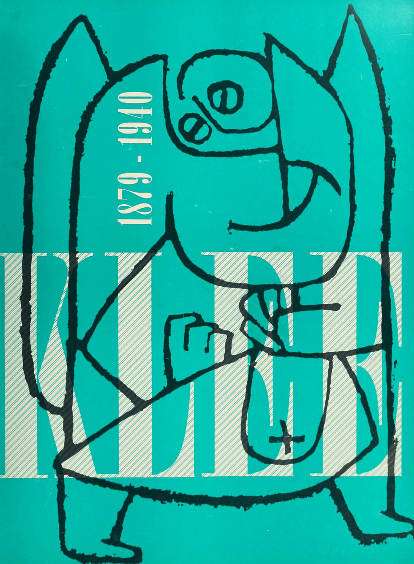
Between the two extremes, three inter-relat­ed post-WWI move­ments sought to make peace with the indus­tri­al present and design for a har­mo­nious future. The first one fea­tured, the Bauhaus move­ment (above)—founded in Weimar, Ger­many by Wal­ter Gropius in 1919—integrated the fine arts and indus­tri­al design into one school. Famous teach­ers includ­ed artists Paul Klee and Wass­i­ly Kandin­sky. Bauhaus designs per­me­ate the larg­er move­ment known as Mod­ernism.

The ani­ma­tion above gives us the briefest gist of Mod­ernism, a sweep­ing umbrel­la term for a host of rad­i­cal ‑isms in the arts, lit­er­a­ture, design, and architecture—impressionism, cubism, fau­vism, futur­ism, bru­tal­ism, sur­re­al­ism…. Euro­pean and Amer­i­can artists turned their back on the old-world past after the mass slaugh­ter of World War One. Not all Mod­ernists found solace in the break­down of the old order. Writ­ers like T.S. Eliot found much rea­son to despair. But design­ers like Eero Saari­nen and the hus­band and wife team Charles and Ray Eames embraced indus­tri­al tech­niques and mass pro­duc­tion to cre­ate for­ward-look­ing, min­i­mal­ist fur­ni­ture and build­ings that still define the way we live now.

The episode above, “Amer­i­can Indus­tri­al Design,” describes how indus­tri­al design­ers made inno­v­a­tive use of new mate­ri­als and pro­duc­tion meth­ods to cre­ate sleek, stream­lined prod­ucts that rein­vig­o­rat­ed the Amer­i­can mar­ket in the midst of the Great Depres­sion. Design­ers like Nor­man Bel Ged­des cre­at­ed a futur­is­tic land­scape that inspired faith in tech­no­log­i­cal progress, even as much of the coun­try still lived on strug­gling farms.

Bel Ged­des’ most notable achieve­ment was his design of the “Futu­ra­ma” ride (which gave the ani­mat­ed show its name) at the 1939–40 World’s Fair. Part of the Gen­er­al Motors exhib­it, “Futu­ra­ma” whisked rid­ers past detailed minia­tures of “the world of tomor­row.” The opti­mism of some Mod­ernist design­ers would be shat­tered by the tech­no­log­i­cal hor­rors of World War Two. But for a few brief decades, the future looked entire­ly man­age­able with the right designs, tech­niques, mate­ri­als, and savvy mar­ket­ing.

You can find all six videos appear­ing in the Design in a Nut­shell series on YouTube.

Relat­ed Con­tent:

The ABC of Archi­tects: An Ani­mat­ed Flip­book of Famous Archi­tects and Their Best-Known Build­ings

Charles & Ray Eames’ Icon­ic Film Pow­ers of Ten (1977) and the Less­er-Known Pro­to­type from 1968

Wass­i­ly Kandin­sky Caught in the Act of Cre­ation, 1926

Josh Jones is a writer and musi­cian based in Wash­ing­ton, DC. Fol­low him at @jdmagness

Watch Idem Paris, David Lynch’s Short Film on the Art of Making Lithographs

Locat­ed in the Mont­par­nasse sec­tion of Paris, the Idem stu­dio was orig­i­nal­ly built by the print­er Emile Dufrenoy in 1880, as a space to house his lith­o­graph­ic press­es. Mov­ing into the next cen­tu­ry, var­i­ous own­ers pre­served the art of lith­o­g­ra­phy, pro­duc­ing lith­o­graphs by the likes of Matisse, Picas­so, Miro, Braque, Cha­gall, LĂ©ger, Cocteau, and oth­ers. Today, the tra­di­tion con­tin­ues. And, amaz­ing­ly, the ate­lier still uses 19th cen­tu­ry flatbed machines, pow­ered by a gas steam boil­er, to keep the tra­di­tion of lith­o­g­ra­phy alive. While on a recent trip to Paris, the sur­re­al­ist film­mak­er David Lynch paid a vis­it to Idem and fell in love with what he saw, so much so that he pro­duced a short doc­u­men­tary high­light­ing Idem’s artis­tic process. As a pref­ace to the film, Lynch wrote on the Idem web site:

Hervé Chandès from the Fon­da­tion Carti­er brought me over to Idem and intro­duced me to Patrice For­est. I see this incred­i­ble place, and I get the oppor­tu­ni­ty to work there. And this was like a dream! It just opened up this brand-new world of the lith­o­g­ra­phy and the mag­ic of lith­o­g­ra­phy, the mag­ic of the stones. And it was a great, great thing! This thing of lith­o­g­ra­phy, this chan­nel of lith­o­g­ra­phy opened up and a bunch of ideas came flow­ing out and it led to about a hun­dred lith­o­graphs. I will say that Idem print­ing stu­dio has a unique, very spe­cial mood, and it is so con­ducive to cre­at­ing. Patrice has the great­est atti­tude for all the artists and he cre­ates this space of free­dom and this joy of cre­at­ing. It’s so beau­ti­ful! And I think the place is very important—in oth­er wors, the same stone could be moved to anoth­er place, and I think that the work that comes out would be dif­fer­ent. It’s a com­bi­na­tion of the stone, the place, the peo­ple, this mood, and out comes these cer­tain ideas.

You can find the short film, Idem Paris, list­ed in our col­lec­tion of 525 Free Movies Online. You can also find a primer explain­ing the basics of lith­o­g­ra­phy here.

via Bib­liok­lept

Relat­ed Con­tent: 

Free: The Guggen­heim Puts 65 Mod­ern Art Books Online

Wass­i­ly Kandin­sky Caught in the Act of Cre­ation, 1926

How the CIA Secret­ly Fund­ed Abstract Expres­sion­ism Dur­ing the Cold War

Punk Meets High Fashion in Metropolitan Museum of Art Exhibition PUNK: Chaos to Couture

What­ev­er else British punk rock gave pop cul­ture, it was always a rev­o­lu­tion in fash­ion, engi­neered by Sex Pis­tols sven­gali Mal­colm McLaren and his part­ner, design­er Vivi­enne West­wood. The two pio­neered punk’s S&M‑inspired look from their Chelsea bou­tique, SEX, a one­time record shop that mor­phed into the epi­cen­ter of Lon­don street fash­ion. McLaren passed away in 2010, but his for­mer part­ner West­wood is still designing—only now her work is haute cou­ture nos­tal­gia, its shock­ing sneer at uptight British cul­ture a muse­um piece. Her lat­est col­lec­tion, Chaos, revis­its many of the icon­ic designs of the mid-sev­en­ties made famous by the Sex Pis­tols, such as the “tits square” and “cow­boy square” t‑shirts and the ubiq­ui­tous safe­ty pin.

The name of Westwood’s retro lat­est work is reflect­ed in a cur­rent exhi­bi­tion at the Met­ro­pol­i­tan Muse­um of Art called PUNK: Chaos to Cou­ture, which began May 9th and runs until August 14th. In the video above, cura­tor Andrew Bolton dis­cuss­es the exhibition’s stag­ing of low and high cul­ture crossover. In the press mate­ri­als, Bolton is frank about the con­tra­dic­to­ry aims of punk and high fash­ion:

Since its ori­gins, punk has had an incen­di­ary influ­ence on fash­ion… Although punk’s democ­ra­cy stands in oppo­si­tion to fashion’s autoc­ra­cy, design­ers con­tin­ue to appro­pri­ate punk’s aes­thet­ic vocab­u­lary to cap­ture its youth­ful rebel­lious­ness and aggres­sive force­ful­ness.

This is not the first time Bolton has appro­pri­at­ed punk fash­ion for high art or worked with Vivi­enne West­wood. In 2006, Bolton curat­ed a Met exhib­it called Anglo­Ma­nia (cat­a­log here), which drew its name and inspi­ra­tion from anoth­er of Westwood’s col­lec­tions.

Relat­ed Con­tent:

Sex Pis­tols Front­man John­ny Rot­ten Weighs In On Lady Gaga, Paul McCart­ney, Madon­na & Katy Per­ry

Mal­colm McLaren: The Quest for Authen­tic Cre­ativ­i­ty

The His­to­ry of Punk Rock

Josh Jones is a writer and musi­cian based in Wash­ing­ton, DC. Fol­low him at @jdmagness

Take a 3D Virtual Tour of the Sistine Chapel, St. Peter’s Basilica and Other Art-Adorned Vatican Spaces

For­get the air­ports, the tick­et lines, and the crowds. Now you can step right into the Vat­i­can’s most sacred spaces and inspect the won­ders of Renais­sance art and archi­tec­ture with just a click of a mouse. The Vat­i­can has post­ed a series of vir­tu­al tours cre­at­ed by stu­dents and fac­ul­ty in the com­mu­ni­ca­tion and com­put­ing sci­ence depart­ments at Penn­syl­va­ni­a’s Vil­lano­va Uni­ver­si­ty. The four Papal Basil­i­cas are includ­ed, along with the small­er Sis­tine and Pauline chapels. Here are six links to six amaz­ing vir­tu­al tours:

Basil­i­ca of St. Peter: Designed by Michelan­ge­lo and oth­ers, St. Peter’s is the focal point of the Vat­i­can, and per­haps the most famous exam­ple of Renais­sance archi­tec­ture. You can scroll up and down to inspect the walls and ceilings–including the famous dome–and zoom in for a close look at Michelan­gelo’s mas­ter­piece the PietĂ  or Bernini’s ornate canopy, or bal­dachin, over the Papal Altar.

The Sis­tine Chapel: The most famous build­ing in the Vat­i­can, after St. Peter’s, is the Sis­tine Chapel, a part of the Pope’s offi­cial res­i­dence, the Apos­tolic Palace. Fres­coes by Raphael, Berni­ni, Bot­ti­cel­li and oth­ers adorn the walls–and on the ceil­ing, one of the great mas­ter­pieces in the his­to­ry of art: Michelan­gelo’s ear­ly 16th cen­tu­ry depic­tion of scenes from the Book of Gen­e­sis, cov­er­ing some 12,000 square feet. On a walk­ing tour you would bare­ly have enough time to rec­og­nize some of the major scenes. With this vir­tu­al tour you can spend all the time you want scan­ning around and zoom­ing in to study the details.

Arch­basil­i­ca of St. John Lat­er­an: The Pope’s offi­cial eccle­si­as­ti­cal seat, St. John Lat­er­an is the old­est Papal Basil­i­ca. But many of its most famous fea­tures are rel­a­tive­ly recent.  The basil­i­ca is per­haps best known for its neo­clas­si­cal façade by Alessan­dro Galilei, com­plet­ed in 1735.

Basil­i­ca of Paul Out­side-the-Walls: Built out­side the old city walls, this basil­i­ca con­tains the tomb of St. Paul. You can see the tomb and oth­er fea­tures of the grace­ful church (which was rebuilt in the 19th cen­tu­ry after a dev­as­tat­ing fire) on the tour.

Basil­i­ca of St. Mary Major: This basil­i­ca is actu­al­ly locat­ed out­side the Vat­i­can City com­pound, in Rome, but has extrater­ri­to­r­i­al sta­tus sim­i­lar to that of a for­eign embassy. Built in the fifth cen­tu­ry, with some lat­er addi­tions, the basil­i­ca is a beau­ti­ful exam­ple of clas­si­cal Roman archi­tec­ture.

The Pauline Chapel: Anoth­er chapel in the Apos­tolic Palace, the Pauline Chapel is sep­a­rat­ed from the Sis­tine Chapel by the Sala Regia, or “Regal Room.” Although less well-known than the Sis­tine Chapel, the Pauline Chapel hous­es two great fres­coes by Michelan­ge­lo: “The Con­ver­sion of Saul” and “The Cru­ci­fix­ion of St. Peter.”

If you would like to sign up for Open Culture’s free email newslet­ter, please find it here. It’s a great way to see our new posts, all bun­dled in one email, each day.

If you would like to sup­port the mis­sion of Open Cul­ture, con­sid­er mak­ing a dona­tion to our site. It’s hard to rely 100% on ads, and your con­tri­bu­tions will help us con­tin­ue pro­vid­ing the best free cul­tur­al and edu­ca­tion­al mate­ri­als to learn­ers every­where. You can con­tribute through Pay­Pal, Patre­on, and Ven­mo (@openculture). Thanks!

Watch Another Green World, a Hypnotic Portrait of Brian Eno (2010)

In Sep­tem­ber 1975, Bri­an Eno released his album Anoth­er Green World. The fol­low­ing month, the BBC’s acclaimed doc­u­men­tary series Are­na first aired, using Anoth­er Green World’s title track as its theme music. 35 years lat­er, the show final­ly got around to doc­u­ment­ing Eno him­self. This 2010 episode, also called Anoth­er Green World, cap­tures the “intel­lec­tu­al guru of the rock world” (as a Desert Island Discs DJ calls him) at work in his stu­dio, in con­ver­sa­tion with a vari­ety of interlocutors—including jour­nal­ist Mal­colm Glad­well, record pro­duc­er Steve Lil­ly­white, and evo­lu­tion­ary biol­o­gist Richard Dawkins—and cycling around the green hills that roll around his neigh­bor­hood. Bono from U2, sev­er­al of whose records Eno pro­duced, calls the man “a mind-expand­ing drug,” and lis­ten­ing to Eno expound here upon his var­i­ous ideas about and expe­ri­ences with art, music, tech­nol­o­gy, jour­nal­ing, and his native Eng­land, I’d have to agree.

The faint­ly hyp­not­ic tone and pace of the episode — a sen­si­bil­i­ty not far removed from Eno’s famous “ambi­ent” records like Dis­creet Music and Music for Air­ports â€” might also have some­thing to do with that. We learn about Eno’s school days, his love of singing, his descent from a long line of “post­men with pas­sion,” his get­ting more girls than Bryan Fer­ry in their days with Roxy Music, his pref­er­ence for incon­sis­tent instru­ments, his his­to­ry with Catholi­cism, his enthu­si­asm for Stafford Beer’s man­age­ment book Brain of the Firm, his work with audio­vi­su­al instal­la­tions, and his ever-present inter­est in how com­plex­i­ty aris­es from sim­plic­i­ty. But we also feel like we’ve seen some­thing not just about Eno, but Eno-like, where form meets func­tion as close­ly as in all of Are­na’s most mem­o­rable episodes and all of Eno’s most mem­o­rable projects. Or maybe I just like the sound of the rain out­side dur­ing the stu­dio seg­ments — a sound which had a lot to do with Eno’s devel­op­ment of ambi­ent music in the first place.

Relat­ed Con­tent:

The Genius of Bri­an Eno On Dis­play in 80 Minute Q&A: Talks Art, iPad Apps, ABBA, & More

Bri­an Eno Once Com­posed Music for Win­dows 95; Now He Lets You Cre­ate Music with an iPad App

Bri­an Eno on Cre­at­ing Music and Art As Imag­i­nary Land­scapes (1989)

Col­in Mar­shall hosts and pro­duces Note­book on Cities and Cul­ture and writes essays on lit­er­a­ture, film, cities, Asia, and aes­thet­ics. He’s at work on a book about Los Ange­lesA Los Ange­les PrimerFol­low him on Twit­ter at @colinmarshall.

Modern Artists Show How the Ancient Greeks & Romans Made Coins, Vases & Artisanal Glass

Some­times the old ways work best. That assump­tion, or at least the assump­tion that the most cen­turies-test­ed tech­niques can still pro­duce inter­est­ing results, under­pins many of the Art Insti­tute of Chicago’s Launch­pad videos. The series, designed to give vis­i­tors con­text for the arti­facts they see there, reveals the process behind the prod­uct, and some new prod­ucts may come out of some very old process­es indeed. In the case of the video at the top, we see the cre­ation of an ancient Greek vase — or, rather, a new vase, cre­at­ed as the ancient Greeks did — from the clay purifi­ca­tion to the knead­ing to the shap­ing to the illus­tra­tion to the fir­ing.

Just above, you can watch the ancient “free-blown tech­nique” of glass­mak­ing in action. Invent­ed around 40 B.C., glass-blow­ing gave the glass­mak­ers of the day a faster, cheap­er, more con­trol­lable way to work, which enabled them to pro­duce for a larg­er mar­ket than ever before. If you’d like to learn more about the method it dis­placed, the Art Insti­tute also has a video demon­strat­ing the old­er “core-formed” glass­mak­ing tech­nique. Pot­tery and glass­ware have an appeal­ing prac­ti­cal­i­ty, and first-rate arti­sans of those forms could no doubt make a good deal of mon­ey, but how did the mon­ey itself come into being? The Launch­pad video on coin pro­duc­tion in Ancient Greece, below, sheds light on mint­ing in antiq­ui­ty. Seri­ous artis­ti­cal­ly inclined numis­ma­tists will, of course, want to fol­low it up with its com­pan­ion piece on coin pro­duc­tion in the Roman world.

via Metafil­ter

Relat­ed Con­tent:

How a Bal­ti­more Hair­dress­er Became a World-Renowned “Hair Archae­ol­o­gist” of Ancient Rome

Rome Reborn – An Amaz­ing Dig­i­tal Mod­el of Ancient Rome

Learn­ing Ancient His­to­ry for Free

Col­in Mar­shall hosts and pro­duces Note­book on Cities and Cul­ture and writes essays on lit­er­a­ture, film, cities, Asia, and aes­thet­ics. He’s at work on a book about Los Ange­les, A Los Ange­les Primer. Fol­low him on Twit­ter at @colinmarshall.
Dream, A Short Documentary on the Art and Culture of Burning Man

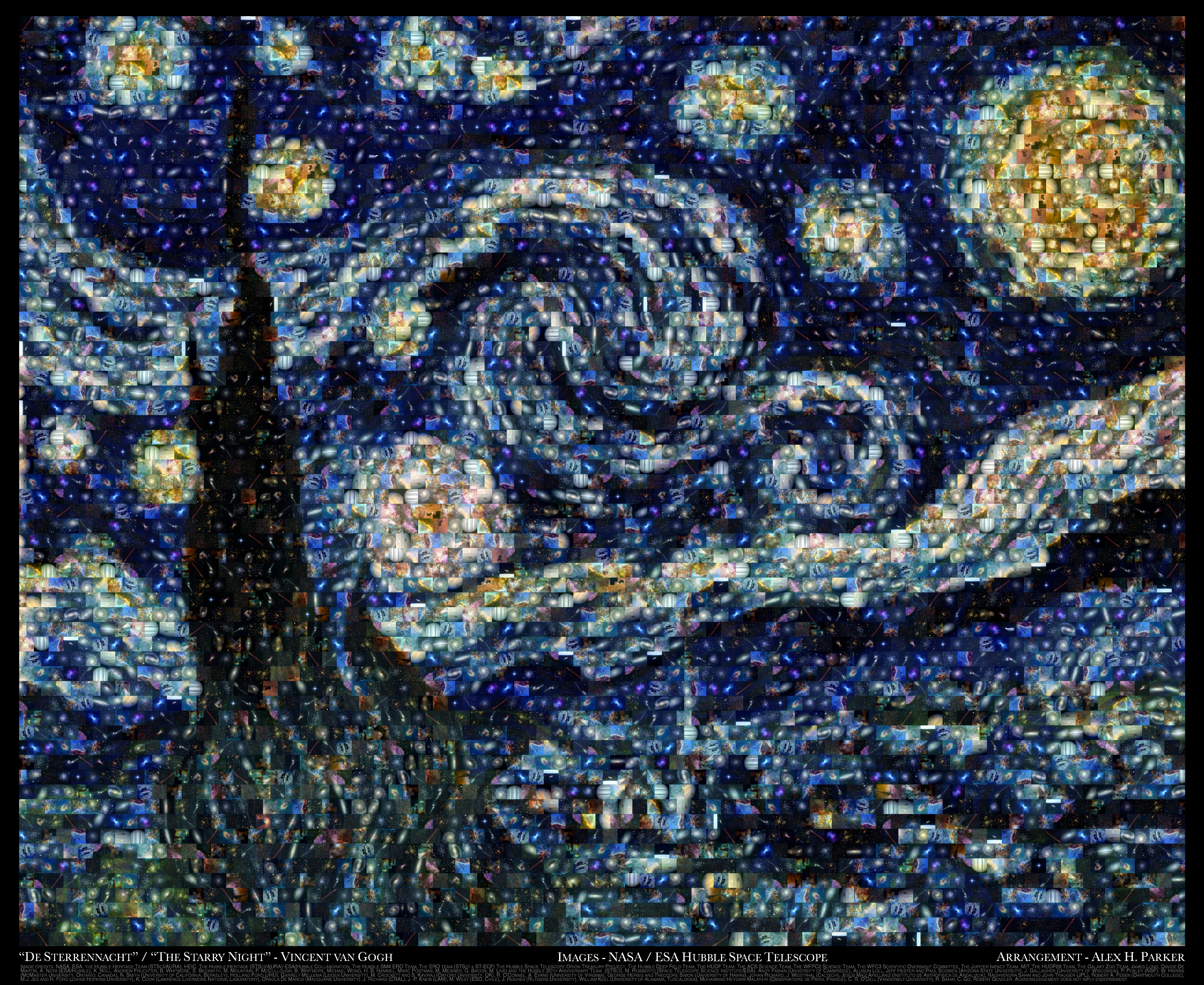
Every year, right before Labor Day, 50,000 peo­ple trav­el to Black Rock City, Neva­da to take part in Burn­ing Man â€” an exper­i­men­tal com­mu­ni­ty ded­i­cat­ed to rad­i­cal self reliance, rad­i­cal self-expres­sion and art. As Burn­ing Man’s own web site will tell you, “Try­ing to explain what Burn­ing Man is to some­one who has nev­er been to the event is a bit like try­ing to explain what a par­tic­u­lar col­or looks like to some­one who is blind.” Nonethe­less, the Burn­ing Man orga­niz­ers offer a short, intro­duc­to­ry essay and a First-Timer’s Guide to get you start­ed, plus some pho­to gal­leries to help fill out the pic­ture. And then above, we have a new­ly-made short film that offers a glimpse into the art and cul­ture of the Burn­ing Man expe­ri­ence. It high­lights some won­drous artis­tic cre­ations and the artists, design­ers, builders and sundry minds behind them. The doc­u­men­tary, Dream: Art & Cul­ture of Burn­ing Man, pre­miered at the Sono­ma Inter­na­tion­al Film Fes­ti­val.

If you would like to sign up for Open Culture’s free email newslet­ter, please find it here. It’s a great way to see our new posts, all bun­dled in one email, each day.

If you would like to sup­port the mis­sion of Open Cul­ture, con­sid­er mak­ing a dona­tion to our site. It’s hard to rely 100% on ads, and your con­tri­bu­tions will help us con­tin­ue pro­vid­ing the best free cul­tur­al and edu­ca­tion­al mate­ri­als to learn­ers every­where. You can con­tribute through Pay­Pal, Patre­on, and Ven­mo (@openculture). Thanks!

by | Permalink | Make a Comment ( 1 ) |

Watch Picasso Create Entire Paintings in Magnificent Time-Lapse Film (1956)

How did Pablo Picas­so do it? Art his­to­ri­ans have spent much time and many words answer­ing that ques­tion, but in the video above, you can watch the painter in the act of cre­ation — or, rather, you can watch a series of his paint­ings as they come into being, evolv­ing from spare but evoca­tive col­lec­tions of mark­er strokes into com­plete images, alive with col­or. We see Picas­so’s visu­al ideas emerge, and then we see him refine and revise them, some­times toward a sur­pris­ing result. All of this hap­pens in under two min­utes, since film­mak­er Hen­ri-Georges Clouzot shot the artist work­ing with time-lapse pho­tog­ra­phy, com­press­ing each cre­ative process into mere sec­onds.

This par­tic­u­lar sequence became the trail­er of Clouzot’s 1956 doc­u­men­tary The Mys­tery of Picas­so. The paint­ings in it, we read at the end, “can­not be seen any­where else. They were destroyed upon com­ple­tion of the film.” Though word on the street has it that one or two of them may actu­al­ly sur­vive some­where today, the idea of Picas­so paint­ings exist­ing only on film does cap­ture the imag­i­na­tion, and it moved the French gov­ern­ment to offi­cial­ly declare The Mys­tery of Picas­so a nation­al trea­sure. Picas­so had, of course, paint­ed on film before, as you might recall from see­ing us fea­ture Paul Hae­saerts’ 1950 Vis­ite Ă  Picas­so.

If you would like to sign up for Open Culture’s free email newslet­ter, please find it here. It’s a great way to see our new posts, all bun­dled in one email, each day.

If you would like to sup­port the mis­sion of Open Cul­ture, con­sid­er mak­ing a dona­tion to our site. It’s hard to rely 100% on ads, and your con­tri­bu­tions will help us con­tin­ue pro­vid­ing the best free cul­tur­al and edu­ca­tion­al mate­ri­als to learn­ers every­where. You can con­tribute through Pay­Pal, Patre­on, and Ven­mo (@openculture). Thanks!

Relat­ed Con­tent:

Watch Icon­ic Artists at Work: Rare Videos of Picas­so, Matisse, Kandin­sky, Renoir, Mon­et, Pol­lock & More

Picas­so Paint­ing on Glass

Col­in Mar­shall hosts and pro­duces Note­book on Cities and Cul­ture and writes essays on lit­er­a­ture, film, cities, Asia, and aes­thet­ics. He’s at work on a book about Los Ange­les, A Los Ange­les Primer. Fol­low him on Twit­ter at @colinmarshall.

« Go BackMore in this category... »
Quantcast