The Amazing Adventures of Kavalier and Clay: Animation Concepts

Michael Chabon pub­lished The Amaz­ing Adven­tures of Kava­lier & Clay in 2000, and the next year it won the Pulitzer Prize for Fic­tion. The film ver­sion of the nov­el has been locked in “devel­op­ment hell” for a good decade now. (The pro­duc­er Scott Rudin has a rep­u­ta­tion for option­ing high-pro­file nov­els and sit­ting on them for a long time; he also holds the film rights to Jonathan Franzen’s The Cor­rec­tions.) Any­way, some­where in the devel­op­ment process, the direc­tor Jamie Caliri was asked to explore ani­ma­tion con­cepts, and here’s what he came up with: a fun inter­twin­ing of live action and ani­ma­tion.

If you would like to sup­port the mis­sion of Open Cul­ture, con­sid­er mak­ing a dona­tion to our site. It’s hard to rely 100% on ads, and your con­tri­bu­tions will help us con­tin­ue pro­vid­ing the best free cul­tur­al and edu­ca­tion­al mate­ri­als to learn­ers every­where. You can con­tribute through Pay­Pal, Patre­on, and Ven­mo (@openculture). Thanks!

by | Permalink | Make a Comment ( 1 ) |

The Ice Book, a Beautiful Pop-Up Book

The Ice Book, seen above, is a paper the­atre brought to life with light. Watch as sheets of paper are illu­mi­nat­ed in a daz­zling ani­ma­tion dis­play. Accord­ing to the artists, Davy and Kristin McGuire, The Ice Book tells the sto­ry of a mys­te­ri­ous princess who lures a boy into her mag­i­cal world to warm her heart of ice. It was shot with the Canon 5D Mark II, with the actors super­im­posed onto the mon­tages using a makeshift green screen, and pro­jec­tions cre­at­ed in Adobe After Effects. A sim­ple yet remark­able achieve­ment. You can learn more about the project here. Don’t miss the page describ­ing the behind the scenes work, or this oth­er pri­mo video that savors books in stop motion film.

Eugene Buchko is a blog­ger and pho­tog­ra­ph­er liv­ing in Atlanta, GA. He main­tains a pho­to­blog, Eru­dite Expres­sions, and writes about what he reads on his read­ing blog.

A Rare Look Inside Pixar Studios

Since 1995, Pixar has released a steady stream of award-win­ning ani­mat­ed films. First came Toy Sto­ry, then Find­ing Nemo, Mon­sters, Inc., The Incred­i­bles, and most recent­ly Toy Sto­ry 3. (You can revis­it Pixar’s clas­sics in this won­der­ful lit­tle trib­ute video.) Get­ting inside Pixar Stu­dios has nev­er been easy. But last week The New York Times pulled it off, pro­duc­ing a six minute video that takes you through the stu­dios designed by Steve Jobs him­self, and inside Pixar’s patent­ed ani­ma­tion process – a process that com­bines more tra­di­tion­al and cut­ting-edge ele­ments.

Note: This video tour also appears on Vimeo and YouTube.

H/T @matthiasrascher

by | Permalink | Make a Comment ( 1 ) |

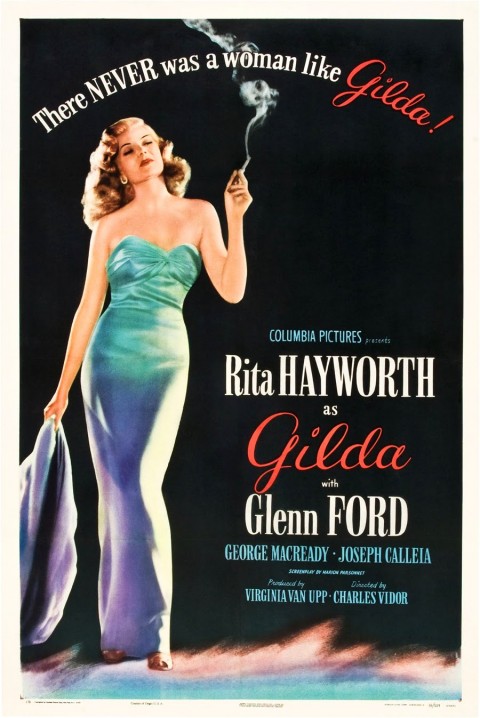
100 Greatest Posters of Film Noir

Dur­ing the 1940s and 50s, Hol­ly­wood entered a “noir” peri­od, pro­duc­ing riv­et­ing films based on hard-boiled fic­tion. These films were set in dark loca­tions and shot in a black & white aes­thet­ic that fit like a glove. Hard­ened men wore fedo­ras and for­ev­er smoked cig­a­rettes. Women played the femme fatale role bril­liant­ly. Love was the surest way to death. All of these ele­ments fig­ured into what Roger Ebert calls “the most Amer­i­can film genre” in his short Guide to Film Noir. (Also find 23 noir films right here.)

Accom­pa­ny­ing noir films were visu­al­ly engag­ing movie posters, and Where Dan­ger Lives (a noir blog) now gives you the “100 Great­est Posters of Film Noir.” They’ve been work­ing through this “best of” list for the past three months, and they con­clude this week with the Top 10 …  the best of the best.

Relat­ed Con­tent:

25 Free John Wayne Films

Tall Painting

If I have this right, you’re look­ing at the drip­ping, flow­ing art of Holton Row­er, a New York-based artist, who also hap­pens to be the grand­son of Alexan­der Calder. The film itself was direct­ed and edit­ed by Dave Kauf­man. Enough said, I will let you sit back and watch grav­i­ty, paint and Holton do their thing…

Relat­ed Con­tent:

Cirque Calder

by | Permalink | Make a Comment ( 2 ) |

Star Wars is a Remix


Kir­by Fer­gu­son is back. Last Sep­tem­ber, the writer/director released the first of a four-part film series – Every­thing is a Remix – that teas­es apart the long his­to­ry of artis­tic “remix­ing.” This first short film con­cen­trat­ed on the artis­tic bor­row­ings of musi­cians and writ­ers, with Led Zep­pelin and the Beat writ­ers get­ting the major focus. Now, with his sec­ond film, the atten­tion turns to film, and par­tic­u­lar­ly to the homages and bor­row­ings of George Lucas’ Star Wars. Aki­ra Kuro­sawa films, Spaghet­ti west­erns and John Wayne west­erns, clas­sic wartime movies, Leni Riefen­stahl pro­pa­gan­da films, Fritz Lang’s Metrop­o­lis – they’re all remixed into the epic space dra­ma. The film wraps up with Fer­gu­son look­ing at Quentin Taran­ti­no and his own remix­ing ten­den­cies. And that sets the stage for parts 3 and 4 – a project that you can help finance in your own mod­est way. I’m sure Kir­by will appre­ci­ate your gen­eros­i­ty…

by | Permalink | Make a Comment ( 2 ) |

Cave of Forgotten Dreams

The first Wern­er Her­zog 3D film will hit the cin­e­ma screens this spring, and the new trail­er paves the way for it. The 89 minute doc­u­men­tary, Cave of For­got­ten Dreams, brings Her­zog down into the Chau­vet-Pont-d’Arc Cave dis­cov­ered in 1994. Locat­ed in South­ern France, this cave, nor­mal­ly kept off lim­its to the pub­lic, hous­es the old­est cave paint­ings ever dis­cov­ered. We’re talk­ing paint­ings dat­ing back over 30,000 years and all still pre­served in pris­tine con­di­tion. Just as Las­caux left Picas­so in awe, the Chau­vet cave paint­ings inspired Her­zog to use 3D tech­nol­o­gy to cap­ture the char­coal fig­ures, the ear­li­est expres­sion of our artis­tic yearn­ings.

Don’t miss our ear­li­er post, An Evening with Wern­er Her­zog.

by | Permalink | Make a Comment ( 2 ) |

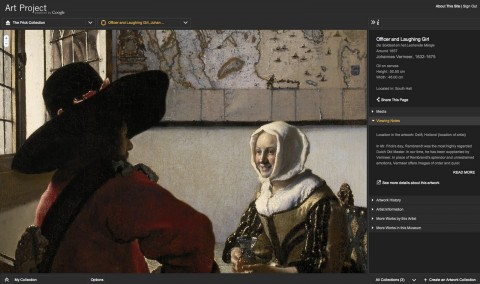
Google “Art Project” Brings Great Paintings & Museums to You

More good­ness out of Google­plex. Today, Google is rolling out a new tool called “Art Project,” which gives you access to more than 1,000 works of art appear­ing in 17 great muse­ums across the world. Using Google’s Street View tech­nol­o­gy, you can now tour col­lec­tions at the MoMA and Met in New York City, the Uffizi Gallery in Flo­rence, the Her­mitage in St. Peters­burg, the Van Gogh Muse­um and Rijksmu­se­um in Ams­ter­dam, the Nation­al Gallery in Lon­don â€“ just to name a few muse­ums now vir­tu­al­ly open to you. And you can vis­it count­less paint­ings, some ren­dered in super high res­o­lu­tion. (We’re talk­ing 7 bil­lion pix­els!) Take for exam­ple, Ver­meer’s Offi­cer and Laugh­ing Girl (see above) or Van Gogh’s The Bed­room. When you view Van Gogh’s paint­ing, make sure you zoom in and look at the brush­work.

Although you won’t have access to the entire­ty of every muse­um (actu­al­ly the selec­tions are rather lim­it­ed in many cas­es), Google’s Art Project does put 385 rooms on dis­play. Not a bad start.  You can read more about the new ini­tia­tive on Google’s blog here. H/T to @eugenphoto

by | Permalink | Make a Comment ( 6 ) |

« Go BackMore in this category... »
Quantcast