Smarthistory: Help Kickstart 100 New Art History Videos

Last week, Smarthis­to­ry, the mak­ers of out­stand­ing free art his­to­ry videos, launched a nov­el fundrais­ing cam­paign using Kick­starter, a fundrais­ing plat­form for the arts world. The goal? To raise $10,000 to fund 100 new art his­to­ry videos (like these), which will col­lec­tive­ly cre­ate a free alter­na­tive to the tra­di­tion­al and very expen­sive art his­to­ry text­book. Below, the founders of Smarthis­to­ry (Beth Har­ris, Juliana Kreinik and Steven Zuck­er) tell you more about the cam­paign. If you per­son­al­ly ben­e­fit from open edu­ca­tion­al resources, or sup­port the idea of democ­ra­tiz­ing knowl­edge, we’d strong­ly encour­age you to make a con­tri­bu­tion to the Smarthis­to­ry cam­paign, which can be as small as $10. Take it away Beth and Steven…

A WEEK AGO, we launched a Kick­starter cam­paign to raise $10,000 to help us cre­ate 100 more videos for Smarthistory.org, the Web­by-award win­ning art his­to­ry open edu­ca­tion­al resource (OER). It was a great week thanks to our amaz­ing com­mu­ni­ty of sup­port­ers, and although we’ve raised near­ly 50% of our goal, we need to keep this momen­tum going and would be extreme­ly grate­ful for your sup­port. These addi­tion­al videos will make Smarthis­to­ry a tru­ly viable, free alter­na­tive to the tra­di­tion­al and very expen­sive art his­to­ry text­book. If you haven’t watched the video, or looked at our page on Kick­starter, take a moment to do that—it explains every­thing.

The OER com­mu­ni­ty has has turned its focus to the ques­tion of sus­tain­abil­i­ty, how often cost­ly projects, can be sus­tained for the long term. Smarthistory.org was designed to be sus­tain­able and to have min­i­mal ongo­ing costs from the out­set; our back-end uses MODx, an open-source con­tent man­age­ment sys­tem, and all of our con­tent comes from vol­un­tar­i­ly con­tri­bu­tions. Last week, Philipp Schmidt, of Peer to Peer Uni­ver­si­ty, wrote a blog post about the pos­si­bil­i­ties of using Kick­starter to help sup­port the OER and OCW (open course­ware) com­mu­ni­ties. It will be inter­est­ing to see if Kick­starter is a viable means of sup­port for open edu­ca­tion ini­tia­tives like Smarthis­to­ry.

From incep­tion, we have sought to be a syn­thet­ic resource that push­es beyond insti­tu­tion­al boundaries—in terms of the col­lec­tions we draw from, our aca­d­e­m­ic con­trib­u­tors, and the stu­dents we serve. It’s worth not­ing that, in addi­tion to being a means to raise funds, Kick­starter is also a mea­sure of our project’s val­ue for oth­ers. For us there is an impor­tant para­dox, how­ev­er, since the bulk of the peo­ple we serve—college students—are per­haps the least like­ly to sup­port us with dona­tions, and are less like­ly to have the finan­cial means to do so. So far, the bulk of our dona­tions have come from fac­ul­ty, infor­mal users, the OER and education/technology com­mu­ni­ty, and our sup­port­ers.

In 2010, Smarthistory.org was vis­it­ed more than half a mil­lion times by vis­i­tors from more than 150 coun­tries. Near­ly one hun­dred uni­ver­si­ties, libraries and muse­ums now rec­om­mend Smarthis­to­ry and instruc­tors are increas­ing­ly adopt­ing it in place of the expen­sive text­book. The ques­tion is, can we trans­form this user base into a donor base. Please help us turn this goal into a real­i­ty (con­tribute here) and spread the word about Kick­starter. Maybe crowd­sourced fund­ing can offer a real alter­na­tive for open ini­tia­tives.

The Sandy River Flood

On Jan­u­ary 16th, the Sandy River flood­ed, spilling over its banks in Ore­gon, and Tyler Malay and Alexan­dra Erick­son cap­tured it all. Nature’s tor­rent ren­dered beau­ti­ful with a Canon 60d and Canon 7d…

by | Permalink | Make a Comment ( 2 ) |

The Photography of The Sartorialist & Musings on the Creative Life

In the lat­est video appear­ing in Intel’s Visu­al Life series, we get a look inside the cre­ative approach of Scott Schu­man, the edi­tor of the very pop­u­lar fash­ion pho­tog­ra­phy blog The Sar­to­ri­al­ist. On the sur­face, this is all about how an influ­en­tial fash­ion pho­tog­ra­ph­er goes about his craft. But the mes­sage – it’s more about doing and refin­ing your per­son­al approach, than for­mal school­ing – eas­i­ly extends to most any oth­er artis­tic endeav­or. Along sim­i­lar lines, if you’re look­ing for insight into the cre­ative process, you will want to revis­it come­di­an John Cleese talk­ing about The Ori­gins of Cre­ativ­i­ty itself…

by | Permalink | Make a Comment ( 2 ) |

Beyond the Still: The Largest Online Collaborative Film Contest

A year ago, Canon launched a con­test called “The Sto­ry Beyond the Still,” which encour­aged pho­tog­ra­phers to become film­mak­ers, and help view­ers see “beyond the still” image. Fast for­ward twelve months and we have the final result: A col­lab­o­ra­tive film, now being pre­miered at the Sun­dance Film Fes­ti­val, that stitch­es togeth­er “chap­ters” (or film sequences) cre­at­ed by six con­test-win­ning artists, all under the direc­tion of Vin­cent Laforet. Each chap­ter ends with a still image that cre­ates the jump­ing-off point for the next chap­ter, giv­ing one artist the chance to pick up where a pre­vi­ous artist left off. The com­plete col­lab­o­ra­tive film (above) runs 37 min­utes. You can find more con­test-win­ning video on Vimeo right here.

via @webacion

Watch Alexander Calder Perform His “Circus,” a Toy Theatre Piece Filled With Amazing Kinetic Wire Sculptures

Alexan­der “Sandy” Calder (1898 – 1976) was one of Amer­i­ca’s fore­most mod­ern artists, inter­na­tion­al­ly rec­og­nized for his inven­tion of the mobile and his large-scale sculp­tures. At the age of eight, he start­ed work­ing with wire to make kinet­ic sculp­ture (one of his first was a small duck that would rock when pushed, done at the age of 11). Although he became an engi­neer and worked a vari­ety of jobs, he even­tu­al­ly enrolled in The Art Stu­dents League of New York. While there, he worked for the Nation­al Police Gazette, cov­er­ing, among oth­er things, the Rin­gling Broth­ers and Bar­num & Bai­ley Cir­cus­es.

Calder had a life­long fas­ci­na­tion with the cir­cus and, upon mov­ing to Paris in 1926, he cre­at­ed the Cirque Calder, a col­lec­tion of wire sculp­tures with com­plex mech­a­nisms allow­ing them to move and do var­i­ous tricks.  His first show­ing of his cir­cus was to fam­i­ly and friends, but his pop­u­lar­i­ty grew and he was soon giv­ing shows last­ing two hours in Paris and New York.  It was then that his artis­tic recog­ni­tion spread, and he enjoyed a pro­lif­ic career until his death in 1976. The video above comes to us via The Whit­ney Muse­um in NYC, which pre­sent­ed an exhi­bi­tion called “Alexan­der Calder: The Paris Years, 1926–1933” in 2008-09. And we also rec­om­mend watch­ing the 1961 short film, Le Cirque de Calder, where he talks about his toy-like cre­ations.

This is the first of hope­ful­ly many guest posts by Adri­enne Rum­sey.

If you would like to sup­port the mis­sion of Open Cul­ture, con­sid­er mak­ing a dona­tion to our site. It’s hard to rely 100% on ads, and your con­tri­bu­tions will help us con­tin­ue pro­vid­ing the best free cul­tur­al and edu­ca­tion­al mate­ri­als to learn­ers every­where. You can con­tribute through Pay­Pal, Patre­on, and Ven­mo (@openculture). Thanks!

The Poetry of Photographer Milton Rogovin

Before the week comes to an offi­cial close, we want­ed to remem­ber and cel­e­brate the life of Mil­ton Rogovin, a social doc­u­men­tary pho­tog­ra­ph­er who, in the tra­di­tion of Walk­er Evans, used his cam­era to cham­pi­on the under­priv­i­leged — the work­ing poor and the under­class­es liv­ing in the Unit­ed States and beyond. He died this past week at the old age of 101. The New York Times revis­its his work in this obit­u­ary, and the short video above gives you a glimpse of the man and his body of work.

Alcohol in its Microscopic Splendor

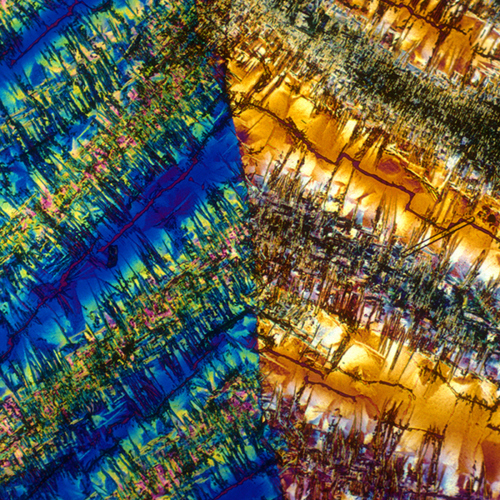
Who knew that alco­hol could take on such beau­ty? What looks like abstract art above is actu­al­ly your every­day Cos­mopoli­tan. And, with­in this larg­er col­lec­tion, you will dis­cov­er the micro­scop­ic beau­ty of The Bloody Mary, Dry Mar­ti­ni, Pina Cola­da, Sake, Tequi­la, Vod­ka Ton­ic, Whiskey, and White Russ­ian. For more micro pho­tog­ra­phy, check out the win­ner of the 2010 Nikon Inter­na­tion­al Small World Pho­tomi­crog­ra­phy Com­pe­ti­tion, and our post ear­li­er this week, The First Snowflake Pho­tos (1885).

Want more Open Cul­ture? Fol­low us on Face­book and Twit­ter!

The First Snowflake Photos (1885)

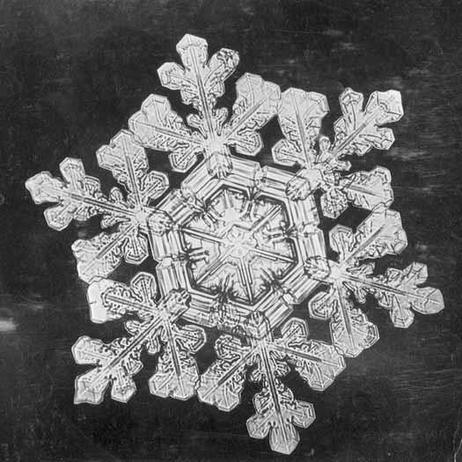
Back on a Ver­mont farm in 1885, Wil­son A. Bent­ley attached a micro­scope to a bel­lows cam­era and became the first per­son to pho­to­graph an indi­vid­ual snowflake. Two decades lat­er, he sent 500 prints of his snowflakes to the Smith­son­ian, where they still remain. (View some here.) And then, yet anoth­er two decades lat­er, he pub­lished a book packed with 2,400 snowflake images. NPR’s web site has more of Bent­ley’s work on dis­play. And, of course, you can find an entire trib­ute site ded­i­cat­ed to his win­tery work…

by | Permalink | Make a Comment ( 2 ) |

« Go BackMore in this category... »
Quantcast