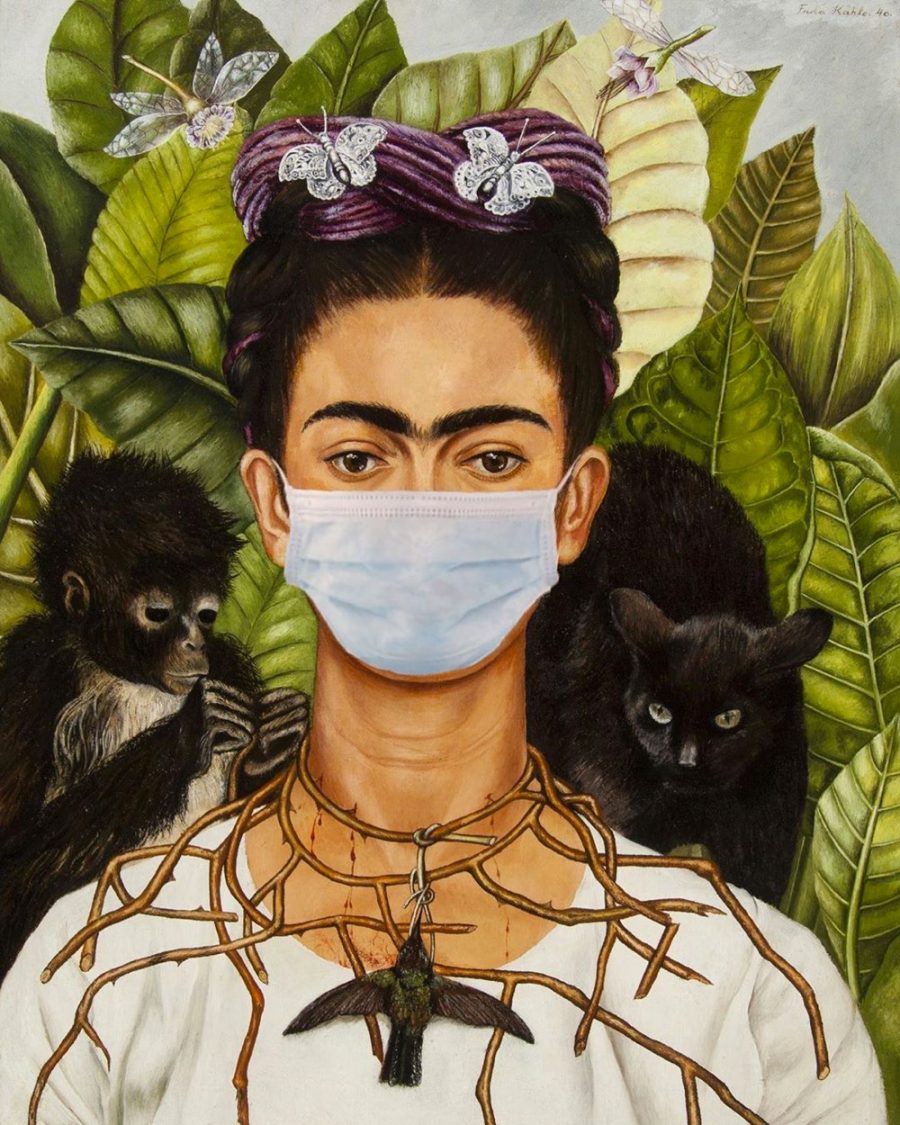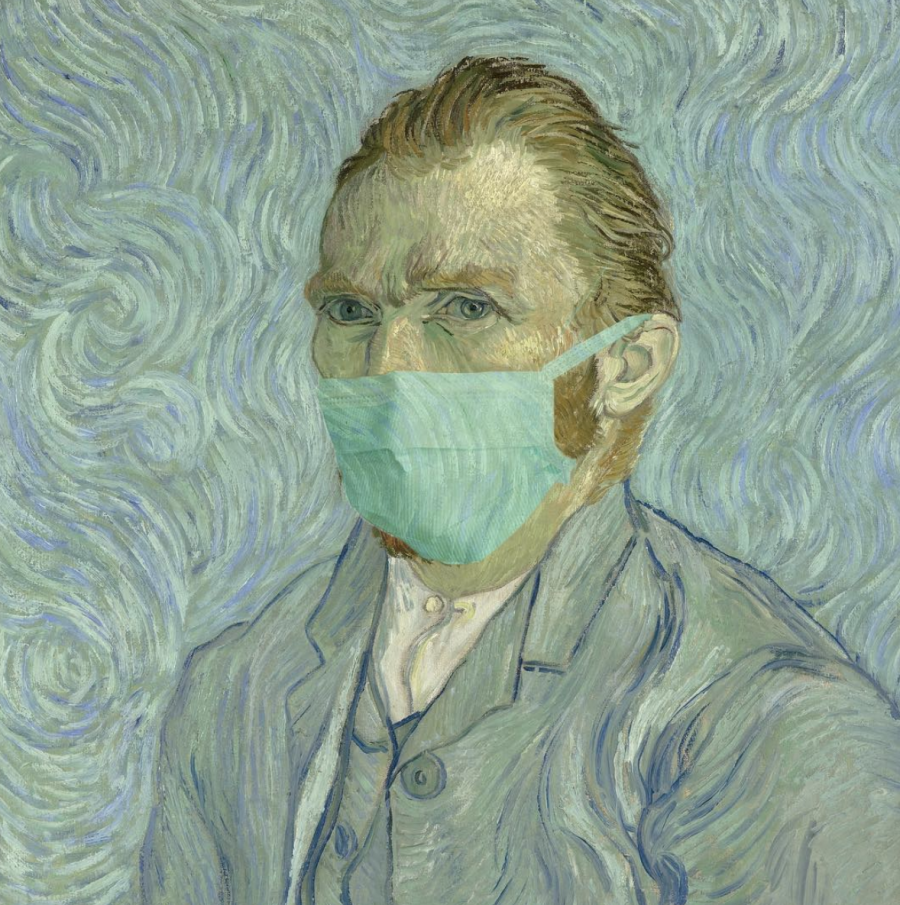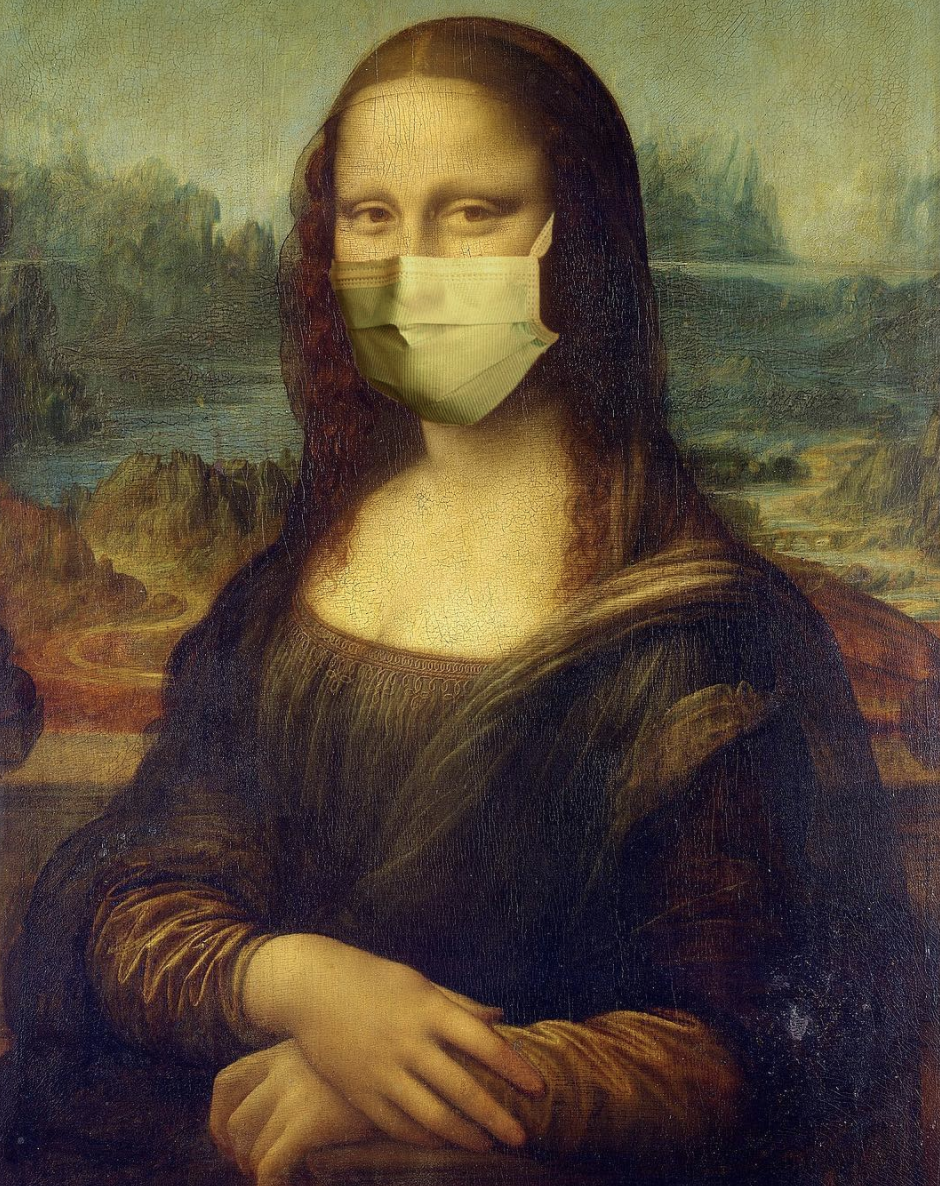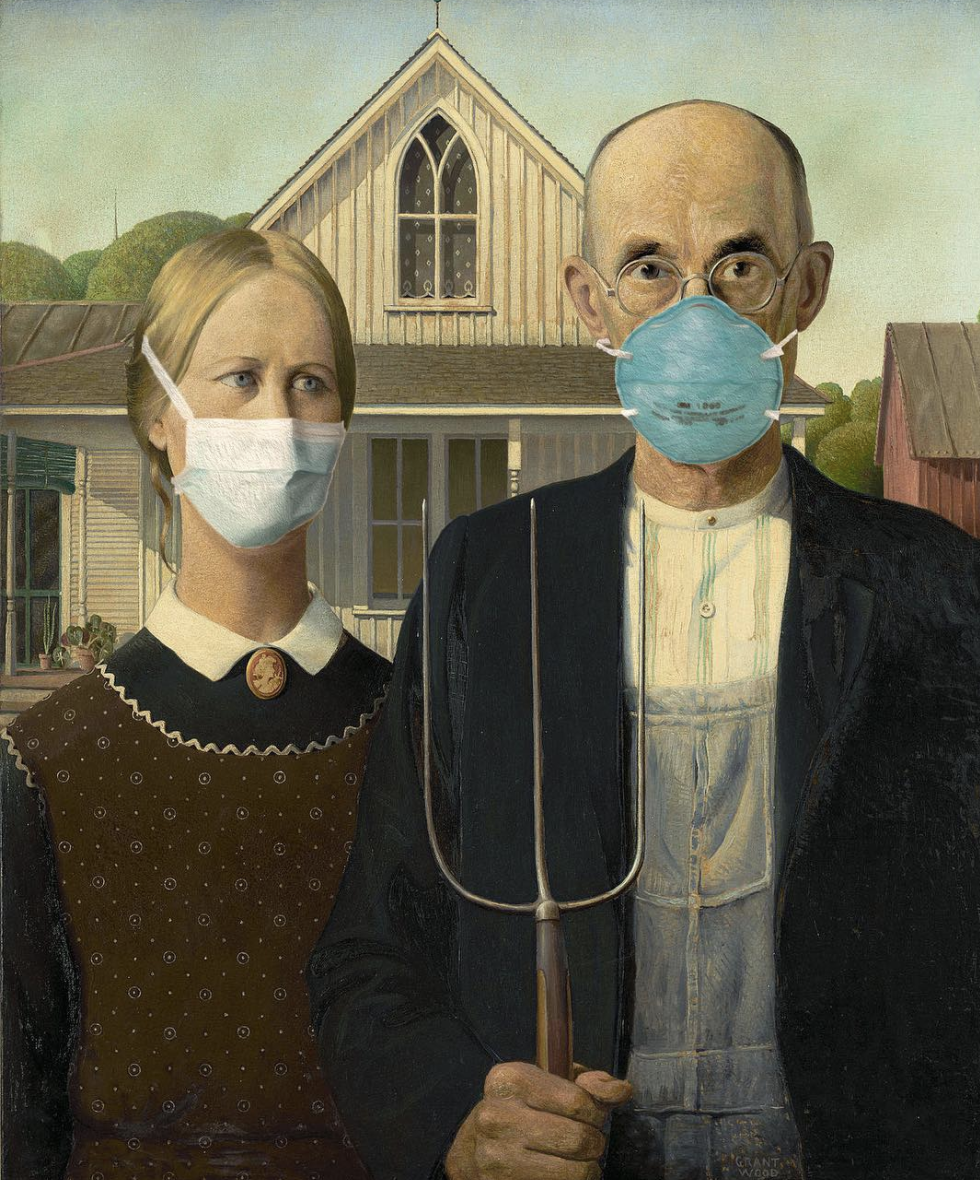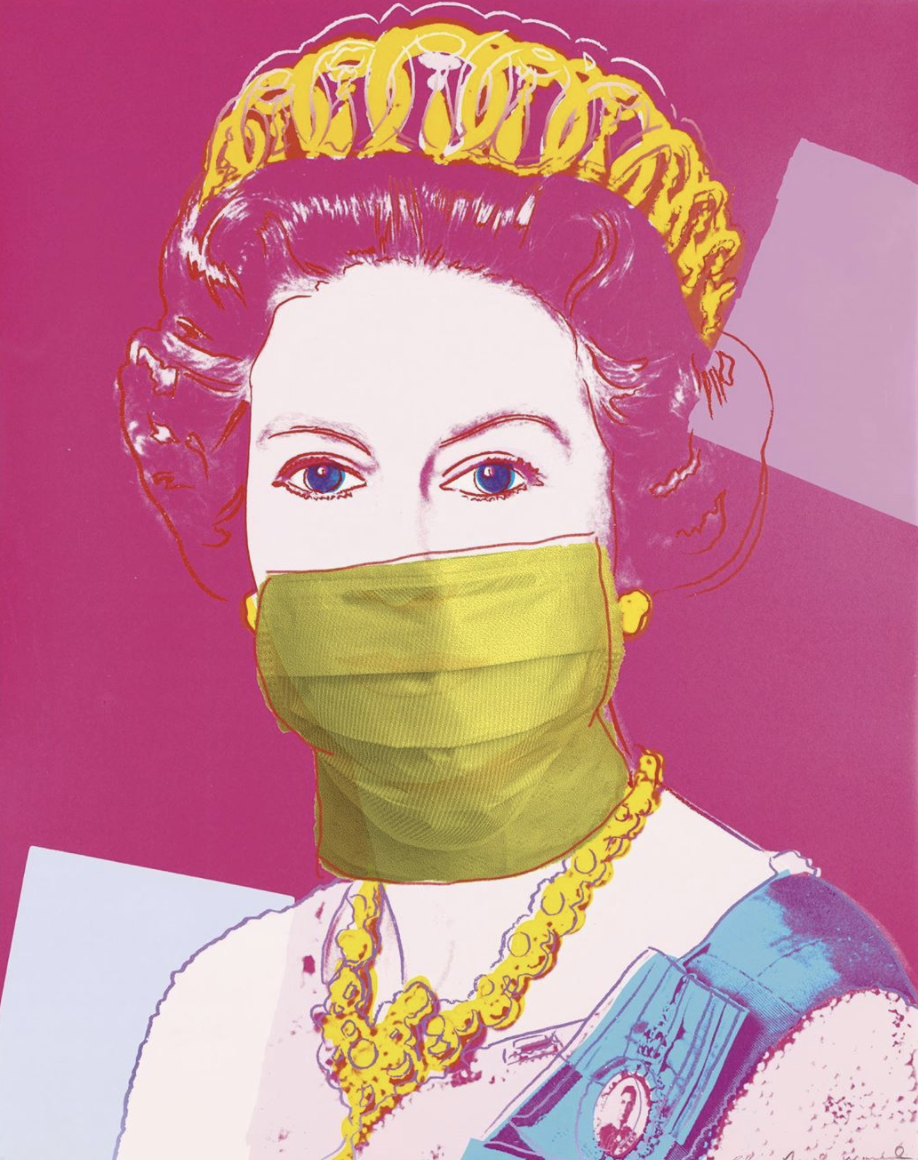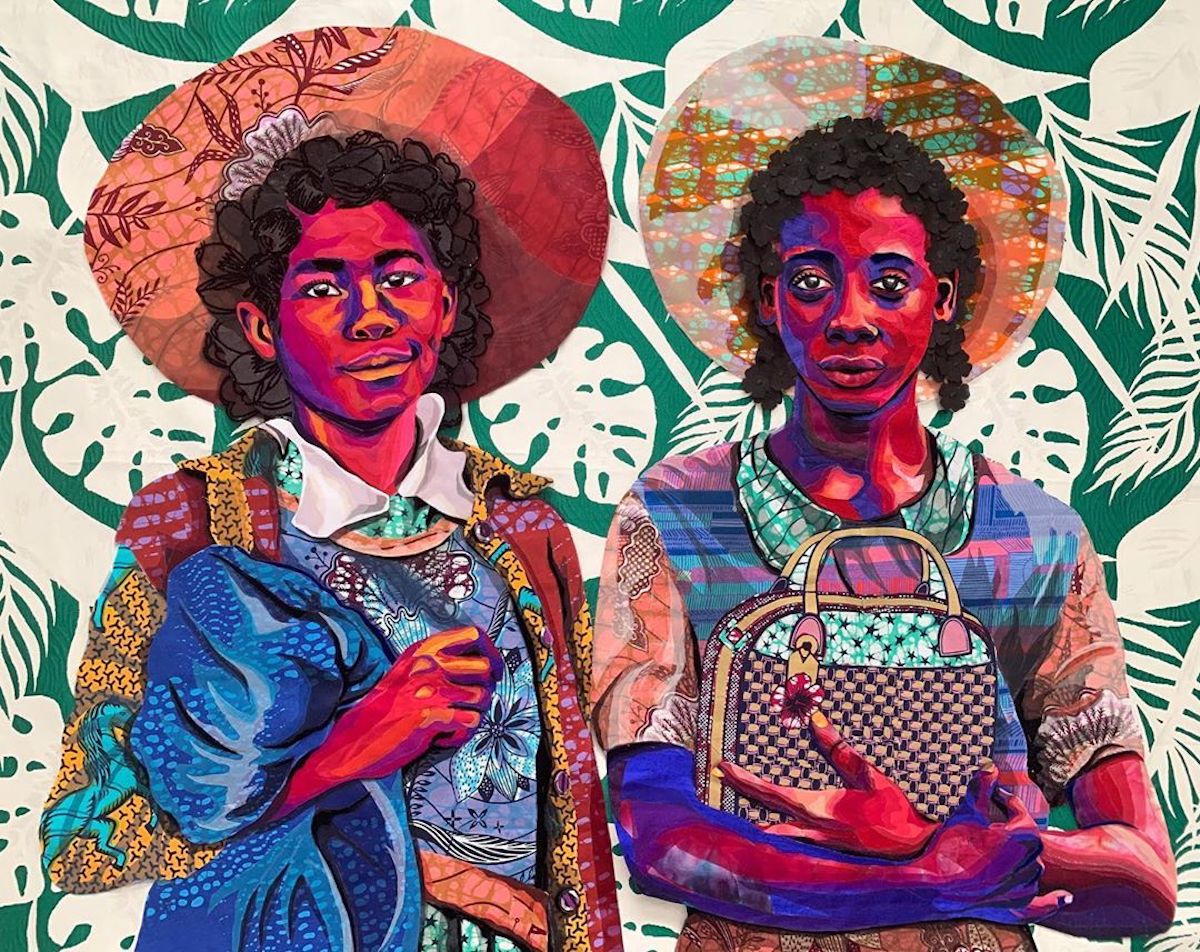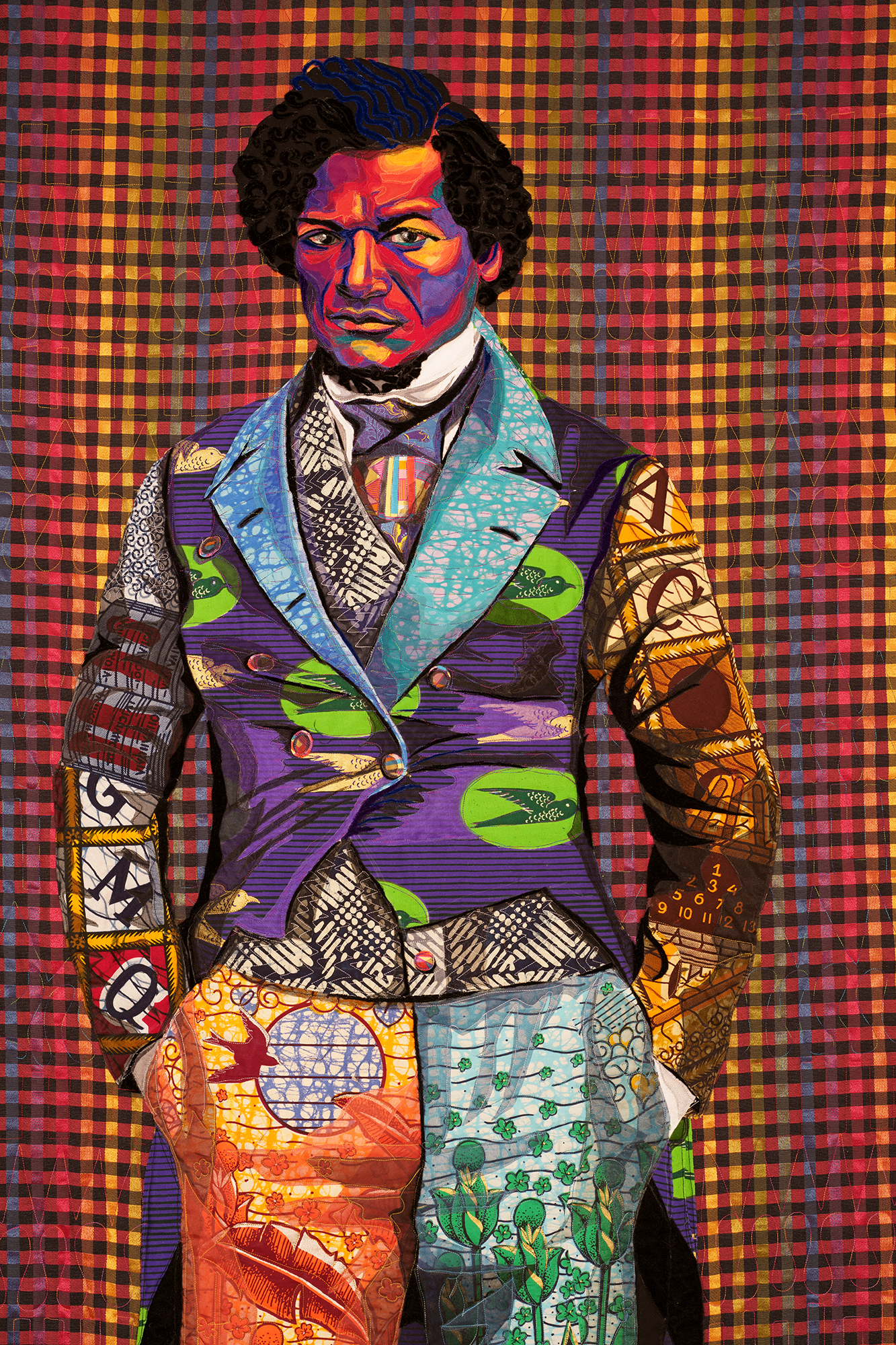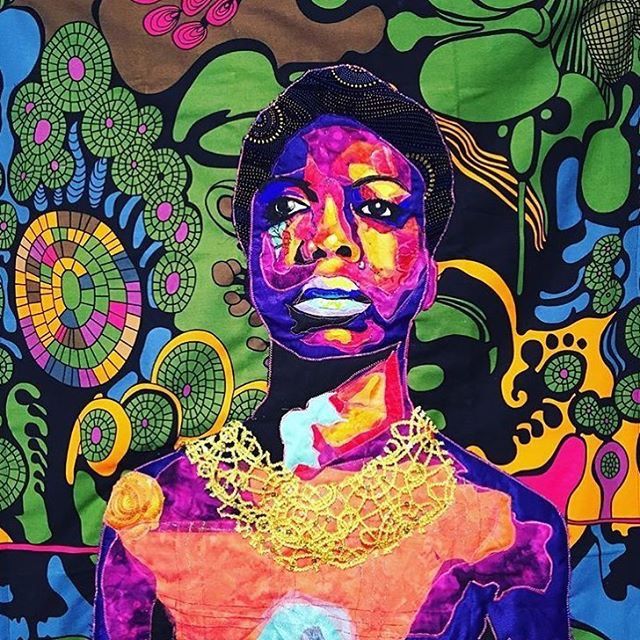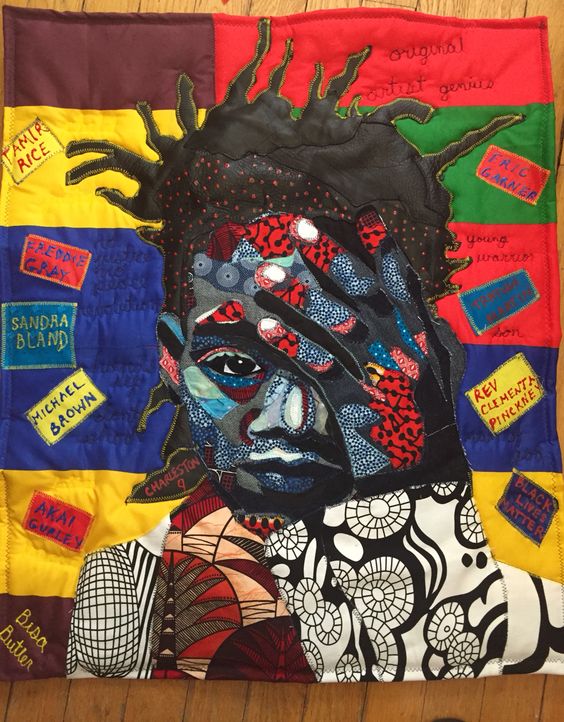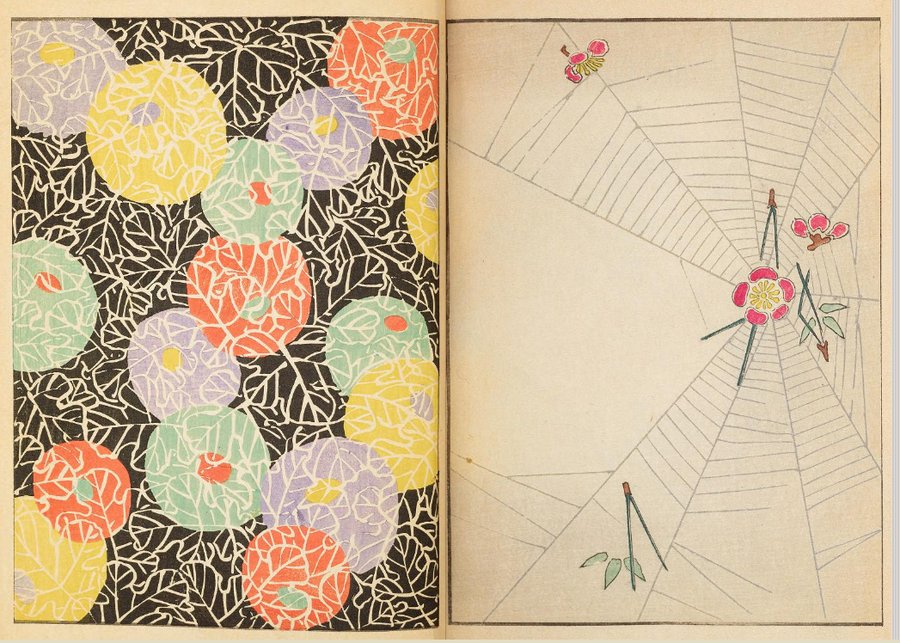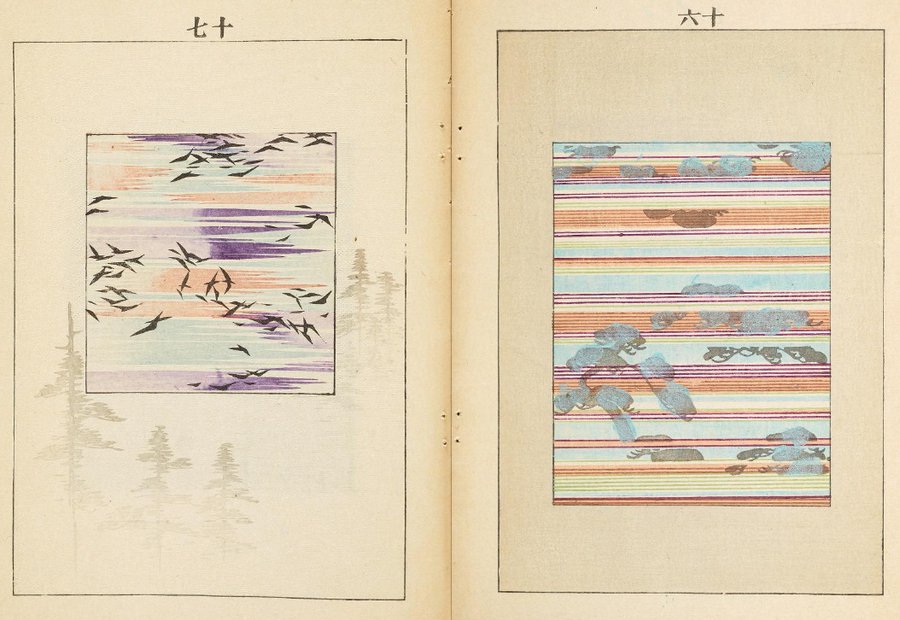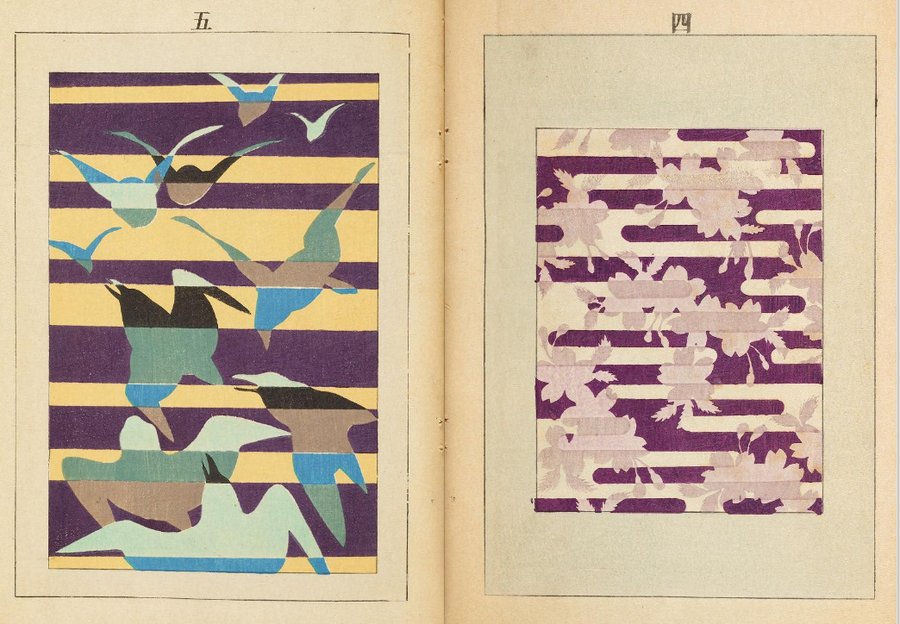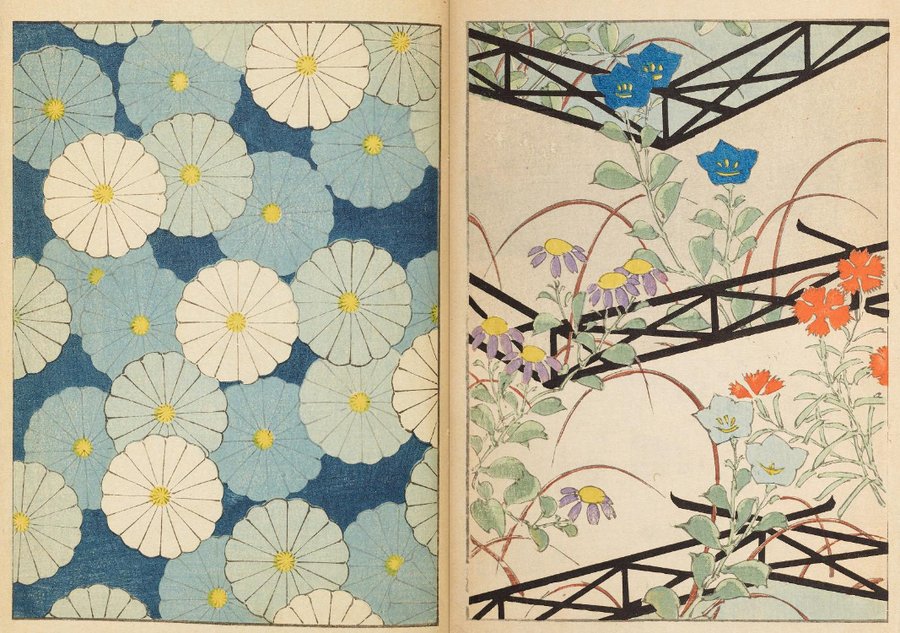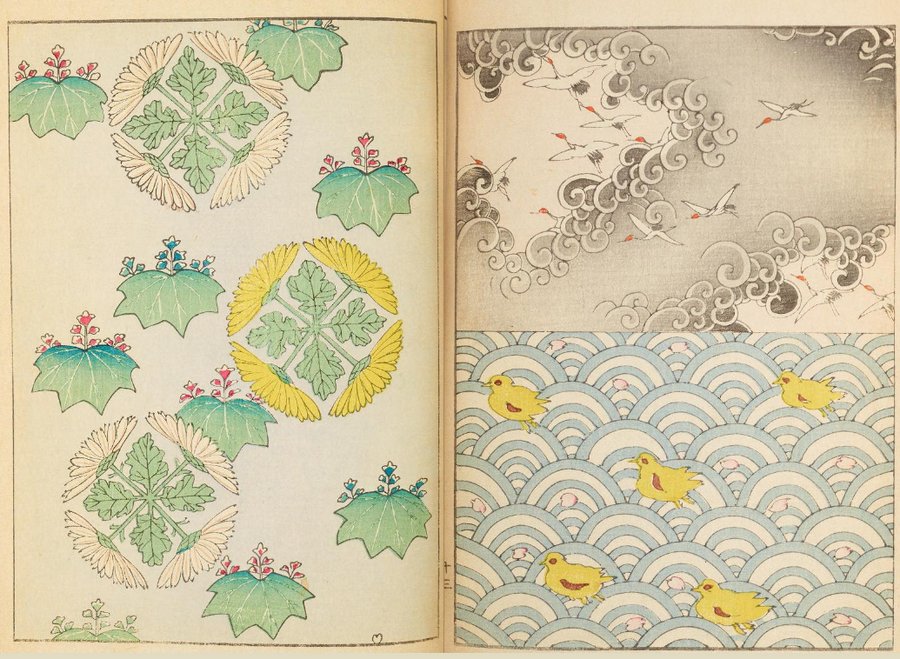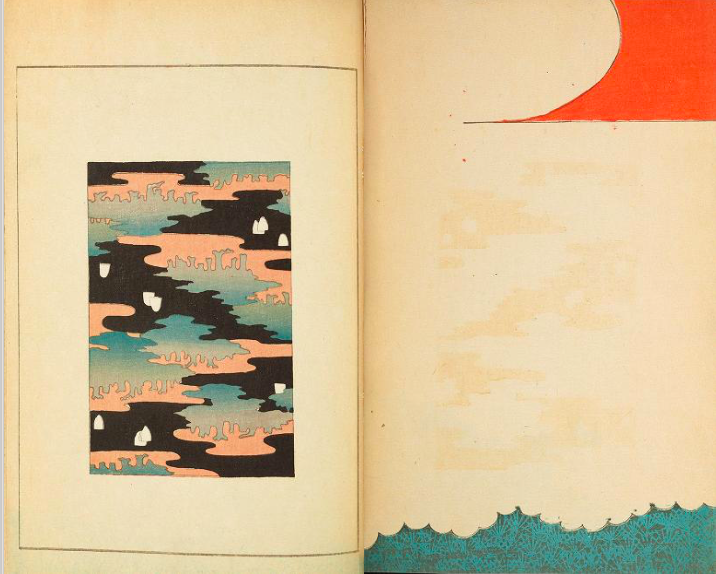
Limitations stimulate creativity. While that phrasing is credited to business-management scholar Henry Mintzberg, the idea itself has a long history. We know we work more fruitfully when we work within boundaries, and we’ve known ever since our capabilities were limited in ways barely imaginable today. With the ongoing coronavirus pandemic having temporarily redrawn the boundaries of our lives, many of us have already begun to rediscover our own creativity. Some have even done it on Zoom, the teleconferencing software used by businesses and institutions to keep their meetings and classes going even in a time of social distancing.
Instead of their bedrooms or offices, students and office workers have started appearing in settings like a 1970s disco, the Taj Mahal, and the starship Enterprise. The technology making this possible is the “virtual background,” explained in the official Zoom instructional video down below.
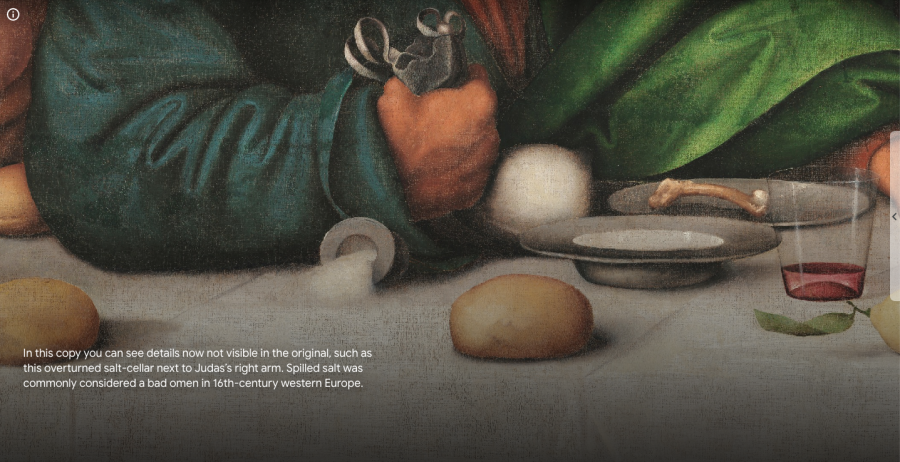
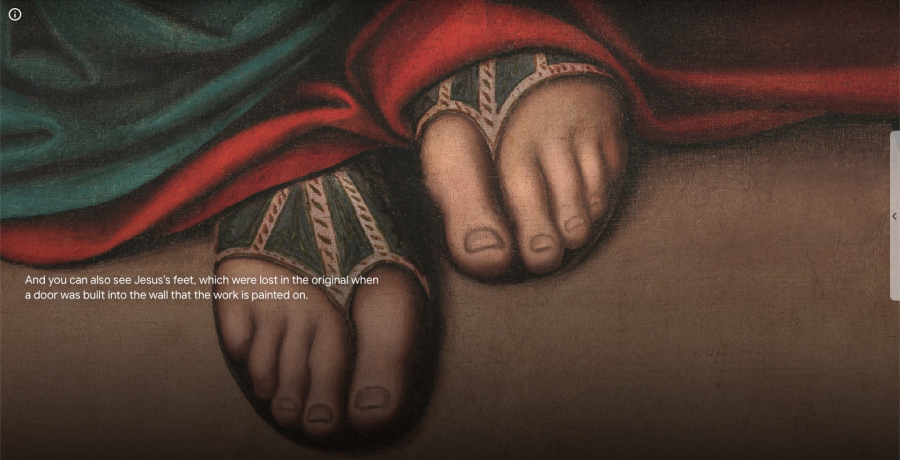
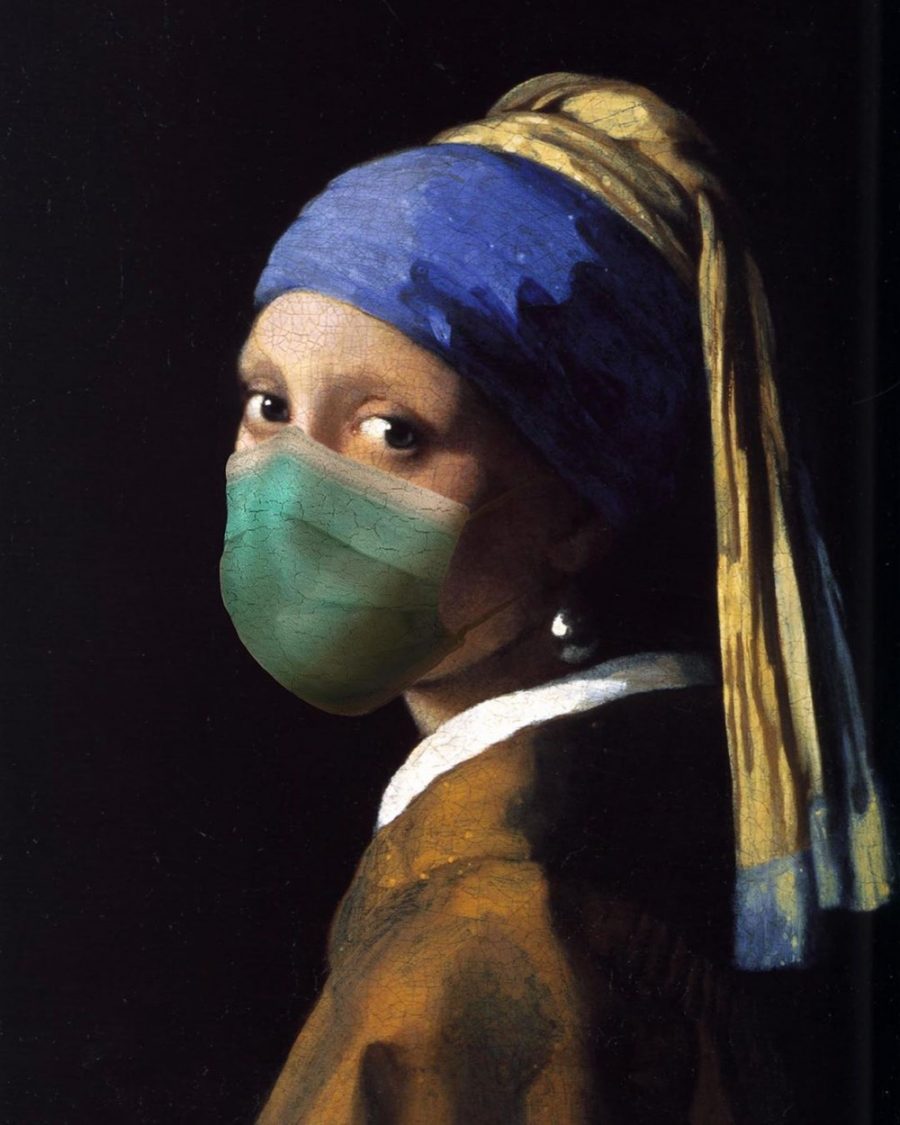
Word of the virtual background’s possibilities has spread through institutions everywhere. It certainly has at the Getty, whose digital editor Caitlin Shamberg notes that “the Getty’s Open Content program includes over 100,000 images that are free and downloadable. This means they’re also fair game to use as your own custom background.”
That last work, pictured above, has a certain metaphorical resonance with the situation the world now finds itself in, hoping though we are that the storm of COVID-19 is now passing rather than still coming. But while we’re sheltering from it — and continuing to carry on business as usual as best we can — we might as well get take every opportunity to get artistic. Find many more artistic images to download here.
Based in Seoul, Colin Marshall writes and broadcasts on cities, language, and culture. His projects include the book The Stateless City: a Walk through 21st-Century Los Angeles and the video series The City in Cinema. Follow him on Twitter at @colinmarshall, on Facebook, or on Instagram.
I never painted dreams. I painted my own reality. —Frida Kahlo
You may be forgiven for assuming you already know everything there is to know about Frida Kahlo.
The subject of a high profile bio-pic, a bilingual opera, and numerous books for children and adults, her image is nearly as ubiquitous as Marilyn Monroe’s, though Frida exercised a great deal of control over hers by painting dozens of unsmiling self-portraits in which her unplucked unibrow and her traditional Tehuana garb feature prominently.
(Whether she would appreciate having her image splashed across shower curtains, light switch covers, yoga mats, and t‑shirts is another matter, and one even a force as formidable as she would be hard pressed to control from beyond the grave. Her immediately recognizable countenance powers every souvenir stall in Mexico City’s Coyoacán neighborhood, where Casa Azul, the home in which she both was born and died, attracts some 25,000 visitors monthly.)
A recent episode of PBS’ digital series The Art Assignment, above, examines the duality at Frida’s core by using her double self-portrait,The Two Fridas(Las Dos Fridas), as a jumping off place.
Kahlo herself explained that the traditionally dressed figure on the right is the one her just-divorced ex-husband, muralist Diego Rivera had loved, while the unloved one on the left fails to keep the untethered vein uniting them from soiling her Victorian wedding gown. (The vein, originates on the right, rising from a small childhood portrait of Rivera, that was among Kahlo’s personal effects when she died.)
It’s an expression of loneliness and yet, the twin-like figures are depicted tenderly clasping each other’s hands:
Bereft but comforted
Fractured but intact
Lonely but not isolated
Broken but beautiful
Humiliated but proud
Kahlo’s boundaries, it suggests, are highly permeable, in life, as in art, drawing from such influences as Bronzino, El Greco, Modigliani, Surrealism, and Catholic iconography in both European religious painting and Mexican folk art.
Since the 1980s, Itsuo Kobayashi has drawn a picture of every single meal he eats. However notable we find this practice now, it would surely have struck us as downright eccentric back then. Kobayashi began drawing his food before the arrival of inexpensive digital cameras and cellphones, and well before the smartphone combined the two into the single package we now keep close at hand. We all know people who take camera-phone pictures of their meals, some of them with the regularity and solemnity of prayer, but how many of them could produce lifelike renderings of the food placed before them with only pen and paper?
“The Japanese outsider artist and professional cook, born in 1962, first began keeping food diaries as a teenager,” Artnet’s Sarah Cascone writes of Kobayashi. “In his 20s, he began adding illustrations of the dishes he made at work, and those he ate while dining out.” When, at the age of 46, a “debilitating neurological disorder made it difficult for him to walk, leaving him largely confined to his home,” Kobayashi began to focus on his food diaries even more intensely.
His subjects are now mostly “food deliveries — sometimes from restaurants, sometimes from his mother. And though his day-to-day existence rarely varies, he’s been pushing his practice in a new direction, creating a new series of pop-up paintings.”
After 32 years of making increasingly detailed and realistic overhead drawings of his every meal — including such information as names, prices, flavor notes, and faithfully replicated restaurant logos — Kobayashi’s work has caught the attention of the American art world. The Fukuyama-based gallery Kushino Terrace “gave Kobayashi his US debut in January, at New York’s Outsider Art Fair,” Cascone writes. “His works sell for between $500 and $3,000.” That makes for quite a step up in prestige from his old job cooking at a soba restaurant, though his copious experience with that dish shows whenever it appears in his diary.
But then, after decade upon decade of daily practice, everything Kobayashi draws looks good enough to eat, from bowls of ramen to plates of curry to bento boxes filled with all manner of delights from land and sea. Though hardly fancy, especially by the advanced standards of Japanese food culture, these are the kind of meals you want to savor, the ones to which you feel you should pay appreciative attention rather than just scarfing down. Or at least they look that way under Kobayashi’s gaze, which even the most ardent 21st-century food-photographing hobbyist must envy. Many of us wish to eat more consciously, and the work of this cook-turned-artist shows us how: put down the phone, and pick up the sketchbook.
Based in Seoul, Colin Marshall writes and broadcasts on cities, language, and culture. His projects include the book The Stateless City: a Walk through 21st-Century Los Angeles and the video series The City in Cinema. Follow him on Twitter at @colinmarshall or on Facebook.
When I became the Kennedy Center Education Artist-in-Residence, I didn’t realize the most impactful word in that title would be “Residence.” —illustrator Mo Willems
Even as schools regroup and online instruction gathers steam, the scramble continues to keep cooped-up kids engaged and happy.
These COVID-19-prompted online drawing lessons and activities might not hold much appeal for the single-minded sports nut or the junior Feynman who scoffs at the transformative properties of art, but for the art‑y kid, or fans of certain children’s illustrators, these are an excellent diversion.
Once the design is complete, he rolls the dice to advance both his piece and that of his home viewer. A 5 lands him on the crowd-pleasing directive “fart.” Clearly the online instructor enjoys certain liberties the classroom teacher would be ill-advised to attempt.
Check out the full playlist on the Kennedy Center’s YouTube channel and download activity pages for each episode here.
#MoLunchDoodles
If the daily LUNCHDOODLES leaves ‘em wanting more, there’s just enough time for a quick pee and snack break before Lunch Lady’sJarrett J. Krosoczka takes over with Draw Everyday with JJK, a basic illustration lesson every weekday at 2pm EST. These are a bit more nitty gritty, as JJK, the kid who loved to draw and grew up to be an artist, shares practical tips on penciling, inking, and drawing faces. Pro tip: resistant Star Wars fans will likely be hooked by the first episode’s Yoda, a character Krosoczka is well versed in as the author and illustrator of the Star Wars Jedi Academy series.
DRAW A MAP: When we think of treasure maps, we think of sea monsters, islands with palm trees, pirate ships, anthropomorphic clouds blowing gales upon white-capped seas. YOUR map can be of anywhere: an enchanted wood, a dystopian suburb, your backyard, your apartment that has never felt so small, all of the above, none of the above. Or your map can be a traditional treasure map leading to a pirate’s hoard. It’s totally up to you. Three things that you MUST include are: a compass rose (very important—look this up if you don’t know what it is), the name of the place you are mapping, and a red X.
DRAW THE TREASURE: The first part of this assignment is to draw a map with a red X to mark the location of hidden treasure. The second part of this assignment is to draw the treasure. I don’t know what the treasure is. Only you know what the treasure is. Draw it on a separate piece of paper from the map.
BONUS POINTS: If you’re going to post this on instagram, I recommend formatting it with two images. Post the map first, then the treasure which the viewer will swipe to see. This will create what we in the kids book world call AN IMPACTFUL PAGE TURN. That’s the thing that happens when you’re reading a picture book and you turn the page to discover something funny or surprising. It’s kind of hard to explain, but you know a good page turn when you’ve experienced one.
#QuarantineArtClub
Wendy McNaughton, who specializes in drawn journalism, also likes the Instagram platform, hosting a live Draw Together session every school day, from 10–10.30 am PST. Her approach is a bit more freeform, with impromptu dance parties, special guests, and field trips to the backyard.
Her How to Watch Draw Together highlight is a hilarious crash course in Instagram Live, scrawled in magic marker by someone who’s possibly only now just getting a grip on the platform. Don’t see it? Maybe it’s the weekend, or “maybe ask a millennial for help?”
And bless E.B. Goodale, an illustrator, first time author and mother of a young son, who having counteracted the heartbreak of a cancelled book tour with a hastily launched week of daily Instagram Live Toddler Drawing Club meetings, made the decision to scale back to just Tuesdays and Thursdays:
It was fun doing it everyday but turned out to be a bit too much to handle given our family’s new schedule. We’re all figuring it out, right? I hope you will continue to join me in our unchartered territory next week as we draw to stay sane. Tune in live to make requests or watch it later and follow along at home.
(Her How to Draw a Cat tutorial, above, was likely intended for in-person bookstore events relating to her just published Under the Lilacs…)
#drawingwithtoddlers
Our personal favorite is Stickies Art School, whose online children’s classes are led not by multi-disciplinary artist Nina Katchadourian, whose Facebook page serves as the online institution’s home, but rather her senior tuxedo cat, Stickies.
Stickies, who comes to the gig with an impressive command of English, honed no doubt by frequent appearances on Katchadourian’s Instagram page, affects a diffident air to dole out assignments, the latest of which is above.
He allows his students ample time to complete their tasks—thus far all portraits of himself. The next one, to render Stickies in a costume of the artist’s choice, is due Wednesday by 9am, Berlin time.
There have been so many conversations at NYU Gallatin where I’m on the faculty about online teaching, how to do it, how to think of a studio course in this new form, etc, and I think perhaps that crossed over with the desire to cheer up some people with kids, many of whom are already Stickies fans, or so I have been told.
His child proteges are no doubt unaware that Stickies looked ready to leave the planet several weeks ago, a fact whose import will resonate with many pet owners in these dark days:
Maybe a third element was just being so glad he is still around, that having him actively “out there” feels good and life-affirming at the moment.
Stickies Art School is marvelous fun for adults to audit from afar, via Katchadourian’s public Facebook posts. If you are a parent whose child would like to participate, send her a friend request and mention that you’re doing so on behalf of your child artist.
Searching on the hashtag #artteachersofinstagram will yield many more resources.
Ayun Halliday is an author, illustrator, theater maker and Chief Primatologist of the East Village Inky zine. Given the cancellation of everything, she’s taken to Instagram to document her social distance strolls through New York City’s Central Park, using the hashtag #queenoftheapeswalk Follow her @AyunHalliday.
Since the first stirrings of the internet, artists and curators have puzzled over what the fluidity of online space would do to the experience of viewing works of art. At a conference on the subject in 2001, Susan Hazan of the Israel Museum wondered whether there is “space for enchantment in a technological world?” She referred to Walter Benjamin’s ruminations on the “potentially liberating phenomenon” of technologically reproduced art, yet also noted that “what was forfeited in this process were the ‘aura’ and the authority of the object containing within it the values of cultural heritage and tradition.” Evaluating a number of online galleries of the time, Hazan found that “the speed with which we are able to access remote museums and pull them up side by side on the screen is alarmingly immediate.” Perhaps the “accelerated mobility” of the internet, she worried, “causes objects to become disposable and to decline in significance.”
Fifteen years after her essay, the number of museums that have made their collections available online whole, or in part, has grown exponentially and shows no signs of slowing. We may not need to fear losing museums and libraries—important spaces that Michel Foucault called “heterotopias,” where linear, mundane time is interrupted. These spaces will likely always exist.
Yet increasingly we need never visit them in person to view most of their contents. Students and academics can conduct nearly all of their research through the internet, never having to travel to the Bodleian, the Beinecke, or the British Library. And lovers of art must no longer shell out for plane tickets and hotels to see the precious contents of the Getty, the Guggenheim, or the Rijksmuseum. And who would dare do that during our current pandemic?
For all that may be lost, online galleries have long been “making works of art widely available, introducing new forms of perception in film and photography and allowing art to move from private to public, from the elite to the masses.”
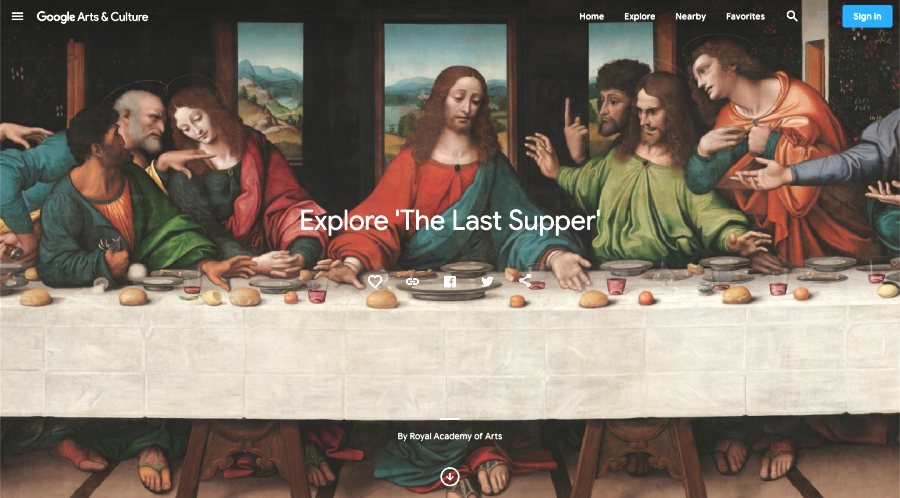
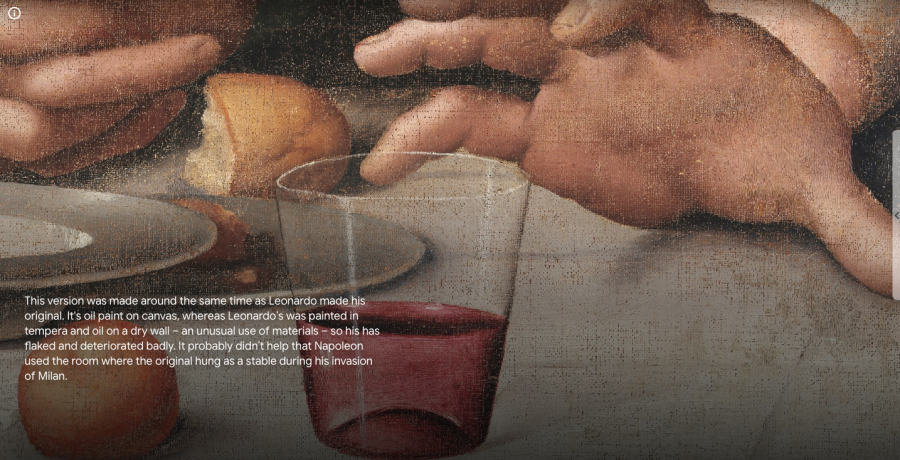
Even more so than when Hazan wrote those words, the online world offers possibilities for “the emergence of new cultural phenomena, the virtual aura.” Over the years we have featured dozens of databases, archives, and online galleries through which you might virtually experience art the world over, an experience once solely reserved for only the very wealthy. And as artists and curators adapt to a digital environment, they find new ways to make virtual galleries enchanting. The vast collections in the virtual galleries listed below await your visit, with 2,000,000+ paintings, sculptures, photographs, books, and more. See the Rosetta Stone at the British Museum (top), courtesy of the Google Cultural Institute. See Van Gogh’s many self-portraits and vivid, swirling landscapes at The Van Gogh Museum. Visit the Asian art collection at the Smithsonian’s Freer and Sackler Galleries. Or see Vassily Kandinsky’s dazzling abstract compositions at the Guggenheim.
And below the list of galleries, find links to online collections of several hundred art books to read online or download. Continue to watch this space: We’ll add to both of these lists as more and more collections come online.
Back in 2014, this image won a contest on a subreddit devoted to Blender, “the amazing open-source software program for 3D modeling, animation, rendering and more.” (You can download the free software here.) The image riffs, of course, on Edward Hopper’s classic 1942 painting, “Nighthawks,” taking its theme of loneliness to new extremes–extremes that we’re just starting to get accustomed to now.
Find lots of background information on the original “Nighthawks” painting in the Relateds below.
If you would like to sign up for Open Culture’s free email newsletter, please find it here. It’s a great way to see our new posts, all bundled in one email, each day.
If you would like to support the mission of Open Culture, consider making a donation to our site. It’s hard to rely 100% on ads, and your contributions will help us continue providing the best free cultural and educational materials to learners everywhere. You can contribute through PayPal, Patreon, and Venmo (@openculture). Thanks!
Who’s your favorite abstract artist? Some of us, if we like early abstraction, might name a painter like Wassily Kandinsky, some a composer like Arnold Schoenberg, some a poet like Guillaume Apollinaire, and some, even, a photographer like Alfred Stieglitz. When we answer a question like this, we tend to consider each artist, and each artist’s body of work, in isolation. But when we talk about artistic movements, especially one overarching and influential as abstraction, all names, all paintings, all compositions, all poems, all photographs — all works of any kind — are interconnected. Just as abstract artists managed to make visible, audible, and legible concepts and feelings never before realized in art, the Museum of Modern Art’s interactive social-network map of abstract art puts all those connections on display for us to see.
“Abstraction may be modernism’s greatest innovation,” says the web site of Inventing Abstraction 1910–1925, the MoMA exhibit for which the map (downloadable as a PDF poster here) was originally designed. “Today it is so central to our conception of artmaking that the time when an abstract artwork was unimaginable has become hard to imagine.”
But when abstract art emerged, it seemed to do so quite suddenly: beginning in 1911, Kandinsky and other artists, including Fernand Léger, Robert Delaunay, František Kupka, and Francis Picabia, “exhibited works that marked the beginning of something radically new: they dispensed with recognizable subject matter.” You can view the Inventing Abstraction diagram with Léger at the center, which reveals his connections to such figures as Man Ray, Marcel Duchamp, and Pablo Picasso. Reconfigured with Delaunay at the center, links emerge to the likes of Blaise Cendrars, Edgard Varèse, and Paul Klee.
But no abstract artist seems to have been as well-connected as Kandinsky, who “became a central force in the development and promotion of abstraction through his intrepid efforts as a painter, theorist, publisher, exhibition organizer, teacher, and as a generous host to the dozens of artists and writers who trekked, often from great distances, to meet him.” So says the bio alongside Kandinsky’s page on the diagram, which depicts him as the node connecting figures, influential in their own right, like Josef Albers, László Moholy-Nagy, and Hans Richter. Kandinsky’s “message about abstraction’s potential transcended distinctions between mediums, and his impact was felt from New York to Moscow.” But only a community of artists spanning at least that range of the globe, each in his or her own way looking to create a new world, could bring abstract art into being. More than a century later, we can safely call it here to stay.
Based in Seoul, Colin Marshall writes and broadcasts on cities, language, and culture. His projects include the book The Stateless City: a Walk through 21st-Century Los Angeles and the video series The City in Cinema. Follow him on Twitter at @colinmarshall or on Facebook.
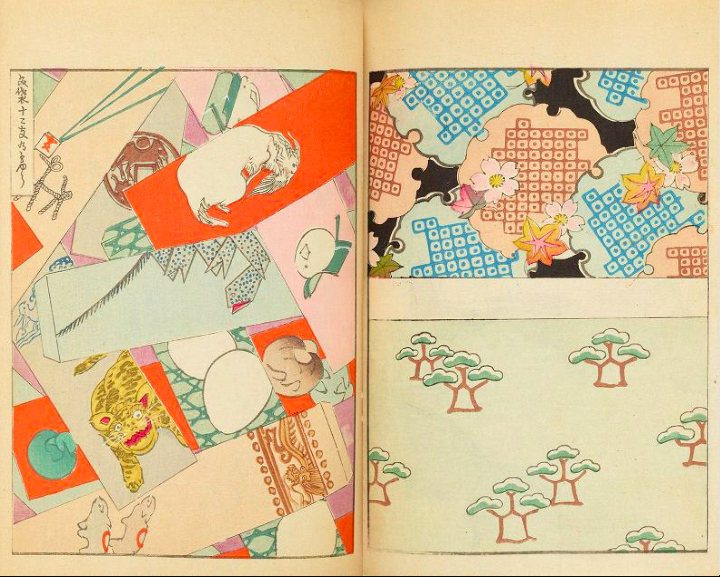
But we can take heart that one store of common wealth has majorly expanded recently, and will continue to grow each year since January 1, 2019—Public Domain Day—when hundreds of thousands of works from 1923 became freely available, the first time that happened in 21 years. This year saw the release of thousands more works into the public domain from 1924, and so it will continue ad infinitum.
And now—as if that weren’t enough to keep us busy learning about, sharing, adapting, and repurposing the past into the future—the Smithsonian has released 2.8 million images into the public domain, making them searchable, shareable, and downloadable through the museum’s Open Access platform.
This huge release of “high resolution two- and three-dimensional images from across its collections,” notes Smithsonian Magazine, “is just the beginning. Throughout the rest of 2020, the Smithsonian will be rolling out another 200,000 or so images, with more to come as the Institution continues to digitize its collection of 155 million items and counting.”
There are those who would say that these images always belonged to the public as the holdings of a publicly-funded institution sometimes called “the nation’s attic.” It’s a fair point, but shouldn’t take away from the excitement of the news. “Smithsonian” as a conveniently singular moniker actually names “19 museums, nine research centers, libraries, archives, and the National Zoo,” an enormous collection of art and historic artifacts.
That’s quite a lot to sift through, but if you don’t know what you’re looking for, the site’s highlights will direct you to one fascinating image after another, from Mohammad Ali’s 1973 headgear to the historic Elizabethan portrait of Pocahontas, to the collection box of the Rhode Island Anti-Slavery Society owned by William Lloyd Garrison’s family, to Walt Whitman in 1891, as photographed by the painter Thomas Eakins, to just about anything else you might imagine.
Enter the Smithsonian’s Open Access archive here and browse and search its millions of newly-public domain images, a massive collection that may help expand the definition of common knowledge.
We're hoping to rely on loyal readers, rather than erratic ads. Please click the Donate button and support Open Culture. You can use Paypal, Venmo, Patreon, even Crypto! We thank you!
Open Culture scours the web for the best educational media. We find the free courses and audio books you need, the language lessons & educational videos you want, and plenty of enlightenment in between.