Why You Should Read The Master and Margarita: An Animated Introduction to Bulgakov’s Rollicking Soviet Satire

Which are the essen­tial Russ­ian nov­els? Quite a few unde­ni­able con­tenders come to mind right away: Fathers and SonsCrime and Pun­ish­mentWar and PeaceAnna Karen­i­naThe Broth­ers Kara­ma­zovDr. Zhiva­goOne Day in the Life of Ivan Deniso­vich. But among seri­ous enthu­si­asts of Russ­ian lit­er­a­ture, nov­els don’t come much less deni­able than The Mas­ter and Mar­gari­ta, Mikhail Bul­gakov’s tale of the Dev­il’s vis­it to Sovi­et Moscow in the 1930s. This “sur­re­al blend of polit­i­cal satire, his­tor­i­cal fic­tion, and occult mys­ti­cism,” as Alex Gendler describes it in the ani­mat­ed TED-Ed video above, “has earned a lega­cy as one of the 20th century’s great­est nov­els — and one of its strangest.”

The Mas­ter and Mar­gari­ta con­sists of two par­al­lel nar­ra­tives. In the first, “a meet­ing between two mem­bers of Moscow’s lit­er­ary elite is inter­rupt­ed by a strange gen­tle­man named Woland, who presents him­self as a for­eign schol­ar invit­ed to give a pre­sen­ta­tion on black mag­ic.” Then, “as the stranger engages the two com­pan­ions in a philo­soph­i­cal debate and makes omi­nous pre­dic­tions about their fates, the read­er is sud­den­ly trans­port­ed to first-cen­tu­ry Jerusalem,” where “a tor­ment­ed Pon­tius Pilate reluc­tant­ly sen­tences Jesus of Nazareth to death.”

The nov­el oscil­lates between the sto­ry of the his­tor­i­cal Jesus — though not quite the one the Bible tells — and that of Woland and his entourage, which includes an enor­mous cat named Behe­moth with a taste for chess, vod­ka, wise­cracks, and firearms. Dark humor flows lib­er­al­ly from their antics, as well as from Bul­gakov’s depic­tion of “the USSR at the height of the Stal­in­ist peri­od. There, artists and authors worked under strict cen­sor­ship, sub­ject to impris­on­ment, exile, or exe­cu­tion if they were seen as under­min­ing state ide­ol­o­gy.”

The dev­il­ish Woland plays this over­bear­ing bureau­crat­ic life like a fid­dle, and “as heads are sep­a­rat­ed from bod­ies and mon­ey rains from the sky, the cit­i­zens of Moscow react with pet­ty-self inter­est, illus­trat­ing how Sovi­et soci­ety bred greed and cyn­i­cism despite its ideals.” Such con­tent would nat­u­ral­ly ren­der a book unpub­lish­able at the time, and though Bul­gakov’s ear­li­er satire The Heart of a Dog (in which a sur­geon trans­plants human organs into a dog and then insists he behave as a human) cir­cu­lat­ed in samiz­dat form, he could­n’t even com­plete The Mas­ter and Mar­gari­ta before his death in 1940.

“Bulgakov’s expe­ri­ences with cen­sor­ship and artis­tic frus­tra­tion lend an auto­bi­o­graph­i­cal air to the sec­ond part of the nov­el, when we are final­ly intro­duced to its name­sake,” says Gendler. “The Mas­ter is a name­less author who’s worked for years on a nov­el but burned the man­u­script after it was reject­ed by pub­lish­ers — just as Bul­gakov had done with his own work. Yet the true pro­tag­o­nist is the Master’s mis­tress Mar­gari­ta,” whose “devo­tion to her lover’s aban­doned dream bears a strange con­nec­tion to the dia­bol­i­cal company’s escapades — and car­ries the sto­ry to its sur­re­al cli­max.”

In the event, a cen­sored ver­sion of The Mas­ter and Mar­gari­ta was first pub­lished in the 1960s, and an as-com­plete-as-pos­si­ble ver­sion even­tu­al­ly appeared in 1973. Against the odds, the man­u­script that Bul­gakov left behind sur­vived him to become a mas­ter­piece that has inspired not just oth­er Russ­ian writ­ers, but cre­ators like the Rolling StonesPat­ti Smith, and (in a per­haps less than safe-for-work man­ner) H.R. Giger as well. Per­haps the author him­self had some pre­mo­ni­tion of the book’s poten­tial: man­u­scripts, as he famous­ly has Woland say to the Mas­ter, don’t burn.

Look­ing for free, pro­fes­sion­al­ly-read audio books from Audible.com? (This could include The Mas­ter and Mar­gari­ta.) Here’s a great, no-strings-attached deal. If you start a 30 day free tri­al with Audible.com, you can down­load two free audio books of your choice. Get more details on the offer here.

Relat­ed Con­tent:

Mikhail Bulgakov’s The Mas­ter and Mar­gari­ta, Ani­mat­ed in Two Min­utes

Pat­ti Smith’s Musi­cal Trib­utes to the Russ­ian Greats: Tarkovsky, Gogol & Bul­gakov

Why You Should Read Crime and Pun­ish­ment: An Ani­mat­ed Intro­duc­tion to Dostoevsky’s Moral Thriller

Why Should We Read Ray Bradbury’s Fahren­heit 451? A New TED-Ed Ani­ma­tion Explains

Why You Should Read One Hun­dred Years of Soli­tude: An Ani­mat­ed Video Makes the Case

Watch the Sur­re­al­ist Glass Har­mon­i­ca, the Only Ani­mat­ed Film Ever Banned by Sovi­et Cen­sors (1968)

Based in Seoul, Col­in Mar­shall writes and broad­casts on cities, lan­guage, and cul­ture. His projects include the book The State­less City: a Walk through 21st-Cen­tu­ry Los Ange­les and the video series The City in Cin­e­ma. Fol­low him on Twit­ter at @colinmarshall, on Face­book, or on Insta­gram.

Bill Gates Recommends Five Books to Read This Summer

It’s becom­ing an annu­al rit­u­al. Every sum­mer Bill Gates offers us a read­ing list–5‑books to take on vaca­tion. As you’ll see, his list assumes that even if you’re phys­i­cal­ly on vaca­tion, your mind isn’t. The curi­ous mind takes no breaks. Bill writes:

Upheaval, by Jared Dia­mond. I’m a big fan of every­thing Jared has writ­ten, and his lat­est is no excep­tion. The book explores how soci­eties react dur­ing moments of cri­sis. He uses a series of fas­ci­nat­ing case stud­ies to show how nations man­aged exis­ten­tial chal­lenges like civ­il war, for­eign threats, and gen­er­al malaise. It sounds a bit depress­ing, but I fin­ished the book even more opti­mistic about our abil­i­ty to solve prob­lems than I start­ed. More here.

Nine Pints, by Rose George. If you get grossed out by blood, this one prob­a­bly isn’t for you. But if you’re like me and find it fas­ci­nat­ing, you’ll enjoy this book by a British jour­nal­ist with an espe­cial­ly per­son­al con­nec­tion to the sub­ject. I’m a big fan of books that go deep on one spe­cif­ic top­ic, so Nine Pints (the title refers to the vol­ume of blood in the aver­age adult) was right up my alley. It’s filled with super-inter­est­ing facts that will leave you with a new appre­ci­a­tion for blood. More here.

A Gen­tle­man in Moscow, by Amor Towles. It seems like every­one I know has read this book. I final­ly joined the club after my broth­er-in-law sent me a copy, and I’m glad I did. Towles’s nov­el about a count sen­tenced to life under house arrest in a Moscow hotel is fun, clever, and sur­pris­ing­ly upbeat. Even if you don’t enjoy read­ing about Rus­sia as much as I do (I’ve read every book by Dos­toyevsky), A Gen­tle­man in Moscow is an amaz­ing sto­ry that any­one can enjoy. More here.

Pres­i­dents of War, by Michael Beschloss. My inter­est in all aspects of the Viet­nam War is the main rea­son I decid­ed to pick up this book. By the time I fin­ished it, I learned a lot not only about Viet­nam but about the eight oth­er major con­flicts the U.S. entered between the turn of the 19th cen­tu­ry and the 1970s. Beschloss’s broad scope lets you draw impor­tant cross-cut­ting lessons about pres­i­den­tial lead­er­ship. More here.

The Future of Cap­i­tal­ism, by Paul Col­lier. Collier’s lat­est book is a thought-pro­vok­ing look at a top­ic that’s top of mind for a lot of peo­ple right now. Although I don’t agree with him about everything—I think his analy­sis of the prob­lem is bet­ter than his pro­posed solutions—his back­ground as a devel­op­ment econ­o­mist gives him a smart per­spec­tive on where cap­i­tal­ism is head­ed.

If you would like to sign up for Open Culture’s free email newslet­ter, please find it here. It’s a great way to see our new posts, all bun­dled in one email, each day.

If you would like to sup­port the mis­sion of Open Cul­ture, con­sid­er mak­ing a dona­tion to our site. It’s hard to rely 100% on ads, and your con­tri­bu­tions will help us con­tin­ue pro­vid­ing the best free cul­tur­al and edu­ca­tion­al mate­ri­als to learn­ers every­where. You can con­tribute through Pay­Pal, Patre­on, and Ven­mo (@openculture). Thanks!

Relat­ed Con­tent:

Bill Gates Names 5 Books You Should Read This Sum­mer (2018)

Bill Gates Rec­om­mends Five Books for Sum­mer 2017

5 Books Bill Gates Wants You to Read This Sum­mer (2016)

The Lives of John Coltrane & Billie Holiday Are Now Told in Two Graphic Novels

How do you tell the sto­ries of larg­er-than-life cul­tur­al figures—of peo­ple whose his­to­ries inter­sect with piv­otal moments in Amer­i­can his­to­ry, whose careers set new stan­dards for excellence—without over­sim­pli­fy­ing and risk­ing car­i­ca­ture? With com­ic art, of course. Graph­ic nov­els have long proven them­selves wor­thy vehi­cles for biog­ra­phy. Some­thing about the bold strokes of the illus­tra­tions, the dia­logue in word bub­ble form, and the pan­el style of sto­ry­telling makes for a par­tic­u­lar­ly vivid encounter with his­to­ry.

Artist Pao­lo Parisi has cap­i­tal­ized on this kismet of form and con­tent in three bio­graph­i­cal graph­ic nov­els now, one of which—the sto­ry of Jean-Michel Basquiat’s rise to fame and for­tune—we high­light­ed just a cou­ple days ago.

Parisi’s ear­li­er efforts took on no less icon­ic fig­ures than John Coltrane and Bil­lie Hol­i­day in Coltrane and Blues for Lady Day: The Sto­ry of Bil­lie Hol­i­day. The Ital­ian artist has demon­strat­ed a pas­sion for Amer­i­can music, espe­cial­ly jazz, in his career as an illus­tra­tor. As a writer, he also dis­plays a tal­ent for restraint, large­ly let­ting the images tell the sto­ry.

As in Basquiat, these images are both drawn from famous pho­tographs and from imag­i­na­tive recon­struc­tions of what it might have been like, sit­ting in on record­ing ses­sions, in the clubs, and in the heat­ed con­ver­sa­tions. Parisi may inevitably view his sub­jects through an out­sider’s lens—he may roman­ti­cize them at times and may elide impor­tant, but hard to visu­al­ize, details, as is the nature of the form.

But he excels at mak­ing these two musi­cal giants approach­able, telling their sto­ries in broad strokes so that those who haven’t read the dense, heav­i­ly-foot­not­ed tomes about them can devel­op appre­ci­a­tion and empa­thy for their art and too-short lives. It is a sad irony that those who burn bright and die young leave behind the most com­pelling mate­r­i­al for those who tell their sto­ries.

Parisi seems drawn to such trag­ic fig­ures, or per­haps the form itself requires high-con­trast highs and lows. “How could a graph­ic treat­ment pro­vide any­thing oth­er than the sketchi­est of details?” asks Coltrane review­er William Rycroft Tring. “Per­haps by choos­ing the right sub­ject.” In Coltrane and Hol­i­day, Parisi has two sub­jects whose lives were inher­ent­ly dra­mat­ic, full of major tri­umphs and tragedies.

Above all is the music. Graph­ic nov­els may not be sub­sti­tutes for a “prop­er biog­ra­phy,” as Tring writes, but they are excel­lent sup­ple­ments for get­ting to know the artists as you lis­ten to Lady Sings the Blues or A Love Supreme, whether for the first time or the mil­lionth.

You can pick up copies of Coltrane and Blues for Lady Day: The Sto­ry of Bil­lie Hol­i­day online.

Relat­ed Con­tent:

The Sto­ry of Jean-Michel Basquiat’s Rise in the 1980s Art World Gets Told in a New Graph­ic Nov­el

An Ani­mat­ed John Coltrane Explains His True Rea­son for Being: “I Want to Be a Force for Real Good”

How “America’s First Drug Czar” Waged War Against Bil­lie Hol­i­day and Oth­er Jazz Leg­ends

Josh Jones is a writer and musi­cian based in Durham, NC. Fol­low him at @jdmagness

The Story of Jean-Michel Basquiat’s Rise in the 1980s Art World Gets Told in a New Graphic Novel

Jean-Michel Basquiat was keen­ly sen­si­tive to the way the art mar­ket thought about him. He was com­pared to “a preach­er pos­sessed by the spir­it,” his art, wrote crit­ics, indica­tive of his “inner child.” This talk, writes Art­net’s Bruce Gop­nik, “could eas­i­ly veer into ideas of the Noble Sav­age.” The artist thought so; he was dis­gust­ed by his por­tray­al as “a wild man run­ning around,” he said. He want­ed no part of the prim­i­tivist image forced upon him. Yet “to this day, he’s almost always billed as being more in touch with his emo­tions and the pas­sions of urban life than with the order­ly rea­son­ing of post-Enlight­en­ment cul­ture.”

This itself is a false dichotomy—between expres­sion­ist and con­cep­tu­al art, “urban” pas­sions and reason—but if any­one gets caught in-between, it’s Basquiat. Gop­nick leans, maybe too heav­i­ly, on the con­cep­tu­al side of things, push­ing com­par­isons between Jen­ny Holz­er and Hans Haacke, down­play­ing Basquiat’s roots as a street artist and his con­nec­tions to hip hop and new wave. Basquiat had his ear to the street—also an arti­fact of post-Enlight­en­ment culture—and was hard­ly com­fort­able with the order­ly rea­son­ing of the mas­sive­ly prof­itable art mar­ket.

What­ev­er any­one wants to call his work, it makes no sense to sep­a­rate it from its con­text: Basquiat’s Brook­lyn home and Low­er East Side stomp­ing grounds, the down­town scene in which he came of age, his com­pli­cat­ed rela­tion­ships with Kei­th Har­ing, Andy Warhol, and Julian Schn­abel, three of many fig­ures who, along with Basquiat, cre­at­ed the huge 1980s art mar­ket and art gallery cul­ture. A new graph­ic nov­el by Ital­ian illus­tra­tor Pao­lo Parisi promis­es a new take on the now-well-worn biog­ra­phy of Basquiat. It’s a sto­ry writ­ten and drawn by a fel­low con­cep­tu­al artist, albeit one whose work more fits the image.

With eye-pop­ping pri­ma­ry and sec­ondary tones—the com­ic book col­ors favored by Basquiat and his contemporaries—Parisi takes some license, imag­in­ing con­ver­sa­tions that may or may not have occurred. “Basquiat comes off as a bit more naïve and far less con­flict­ed than we now know him to be,” writes Eileen Kin­sel­la at Art­net. The chap­ter excerpt­ed there, “New Art/New Mon­ey,” (see a few pages above and below), has mul­ti­ple per­spec­tives. In a recon­struct­ed din­ner scene between art deal­ers Mary Boone and Lar­ry Gagosian, Basquiat doesn’t even appear.

But the nar­ra­tive also draws direct­ly from Basquiat’s own words. One page is a fac­sim­i­le of a hand­writ­ten note the artist made in April 1984. “I have mon­ey every­where, every­where. I’m paid exor­bi­tant sums for a sin­gle piece,” he writes, not to boast but to mar­vel at the incred­i­ble amount of infla­tion he sees all around him:

A pic­ture I sold to Deb­bie Har­ry for $200 only a cou­ple of years ago is now worth $20,000. That’s the art mar­ket today. Work­ing with gallery own­ers is exhaust­ing.

                                                They always want

                                                            More

                                                            More

                                                            More

Lat­er Parisi adapts the artist’s thoughts in a crit­i­cal mono­logue: The gal­lerists “have this way of doing things I’ve nev­er seen before. They focus a lot on the artist’s image, buy in bulk, decide who to pro­mote and how. They often buy and sell among them­selves, between gal­leries. They nev­er respect agree­ments. I don’t think I’ll be able to trust them.” Basquiat’s frus­tra­tion at “some­thing rot­ten in this scene” made him con­sid­er giv­ing up paint­ing for good. He didn’t get the chance, though Parisi has him tell a girl­friend “Picas­so died at nine­ty… I’m cer­tain­ly not going before then.”

Parisi, who has also writ­ten and illus­trat­ed graph­ic biogra­phies of Bil­lie Hol­i­day and John Coltrane, has an ear for Amer­i­can speech pat­terns and class and race dynam­ics, draw­ing out with more or less sub­tle­ty the asso­ci­a­tions between the art world’s fas­ci­na­tion with “prim­i­tivist” art and the con­tin­u­ing res­o­nances of slav­ery and colo­nial­ism in its hyper-cap­i­tal­ist econ­o­my. Was Basquiat a child­like char­ac­ter who only slow­ly real­ized the greedy machi­na­tions of the deal­ers?

In the 2010 doc­u­men­tary The Radi­ant Child, his for­mer graf­fi­ti part­ner Al Diaz explains his moti­va­tions from the very begin­ning. “We want­ed to do some kind of con­cep­tu­al art project.” Basquiat aimed direct­ly at the art world, writ­ing mes­sages on walls like “4 THE SO-CALLED AVANT-GARDE.” Once in its com­pa­ny, how­ev­er, he found, like many oth­er fierce­ly inde­pen­dent artists who make it big, it wasn’t worth the mon­ey. Read the ful­ly excerpt­ed chap­ter at Art­net and pur­chase Parisi’s graph­ic nov­el Basquiat online.

via Art­net

Relat­ed Con­tent:

The Sto­ry of How David Jones Became David Bowie Gets Told in a New Graph­ic Nov­el

Take a Close Look at Basquiat’s Rev­o­lu­tion­ary Art in a New 500-Page, 14-Pound, Large For­mat Book by TASCHEN

An Ani­mat­ed Intro­duc­tion to the Chaot­ic Bril­liance of Jean-Michel Basquiat: From Home­less Graf­fi­ti Artist to Inter­na­tion­al­ly Renowned Painter

Sal­vador Dalí & the Marx Broth­ers’ 1930s Film Script Gets Released as a Graph­ic Nov­el

How Art Spiegel­man Designs Com­ic Books: A Break­down of His Mas­ter­piece, Maus

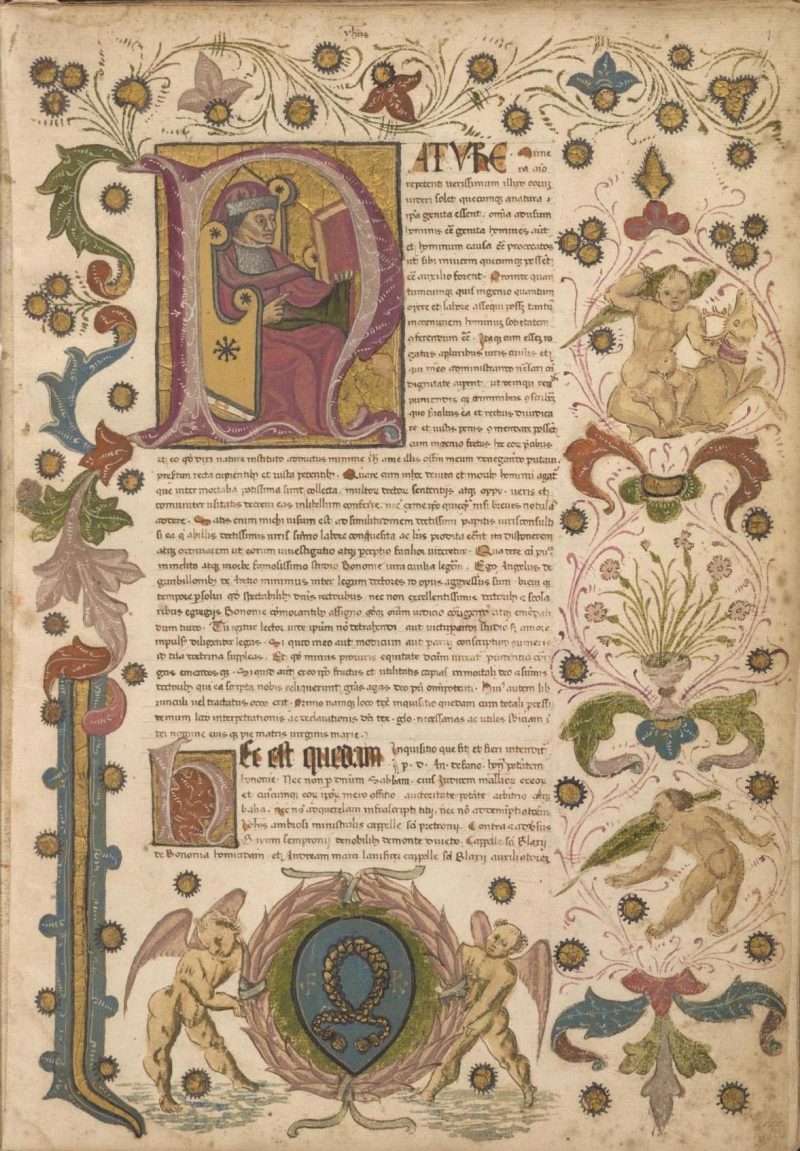
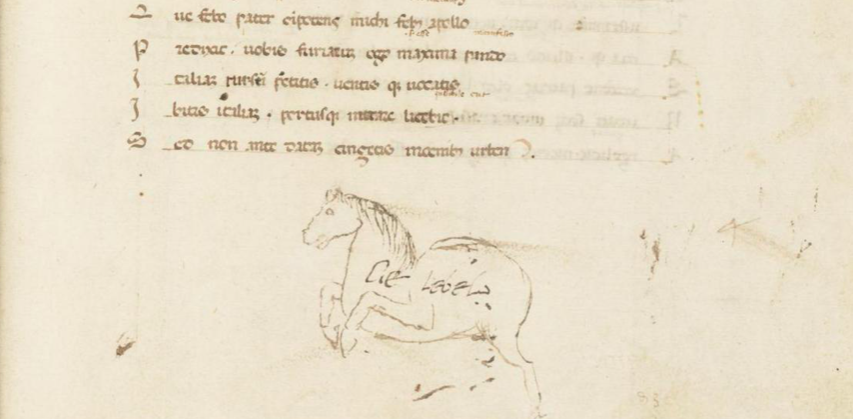
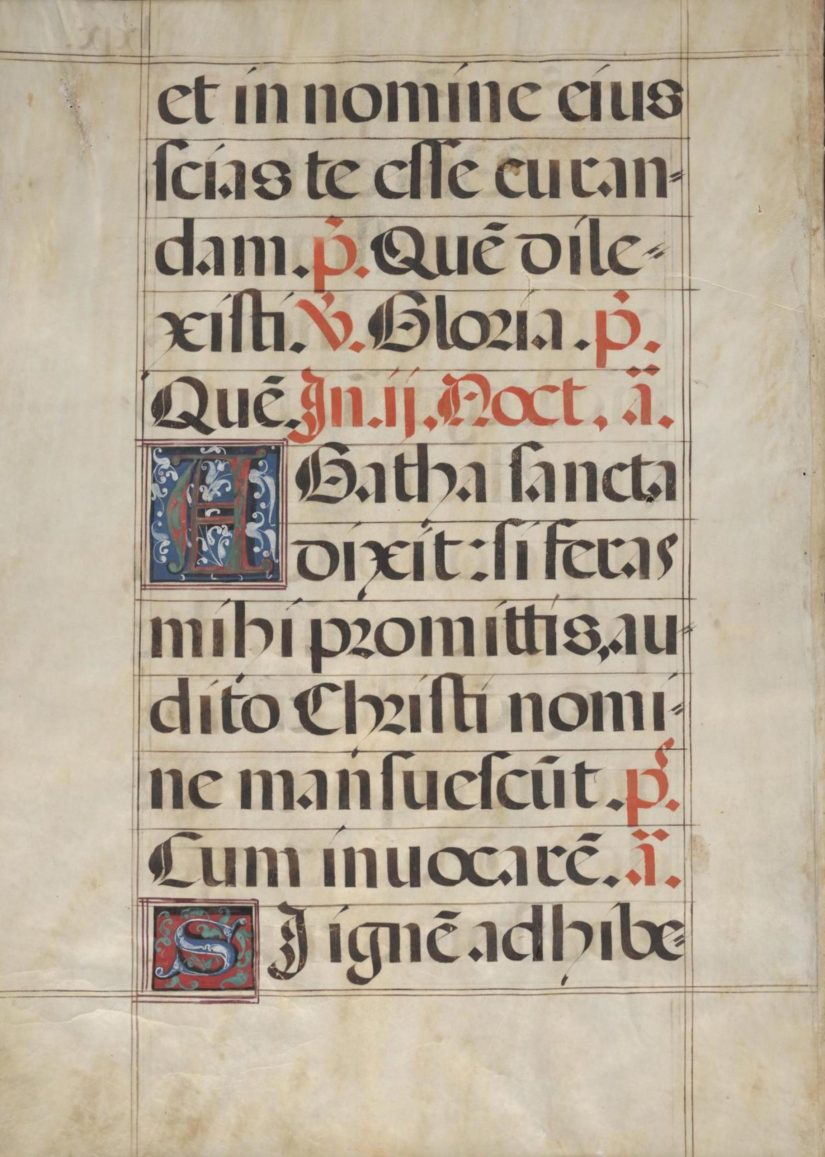
The Writing System of the Cryptic Voynich Manuscript Explained: British Researcher May Have Finally Cracked the Code

Human­i­ty will remem­ber the name of James Joyce for gen­er­a­tions to come, not least because, as he once wrote about his best-known nov­el Ulysses, “I’ve put in so many enig­mas and puz­zles that it will keep the pro­fes­sors busy for cen­turies argu­ing over what I meant, and that’s the only way of insur­ing one’s immor­tal­i­ty.” If Joyce was right, then the author of the mys­te­ri­ous Voyn­ich man­u­script (about which you can see an ani­mat­ed intro­duc­tion here) has set a kind of stan­dard for immor­tal­i­ty. Filled with odd, not espe­cial­ly explana­to­ry illus­tra­tions and writ­ten in a script not seen any­where else, the ear­ly 15th-cen­tu­ry text has per­plexed schol­ars for at least 400 or so years of its exis­tence.

But recent years have seen a few claims of hav­ing cracked the Voyn­ich man­u­scrip­t’s code: one effort made use of arti­fi­cial intel­li­gence, anoth­er con­cludes that the text was writ­ten in pho­net­ic Old Turk­ish, and the lat­est declares the Voyn­ich man­u­script to have been com­posed in “the only known exam­ple of pro­to-Romance lan­guage.” Uni­ver­si­ty of Bris­tol Research Asso­ciate Ger­ard Cheshire, the man behind this new decod­ing, describes that lan­guage as “ances­tral to today’s Romance lan­guages includ­ing Por­tuguese, Span­ish, French, Ital­ian, Roman­ian, Cata­lan and Gali­cian. The lan­guage used was ubiq­ui­tous in the Mediter­ranean dur­ing the Medieval peri­od, but it was sel­dom writ­ten in offi­cial or impor­tant doc­u­ments because Latin was the lan­guage of roy­al­ty, church and gov­ern­ment.”

And what, pray tell, is the Voyn­ich man­u­script actu­al­ly about? Cheshire has revealed lit­tle about its con­tent thus far, though he has described the text as “com­piled by Domini­can nuns as a source of ref­er­ence for Maria of Castile, Queen of Aragon.” Though he has claimed to deter­mine the nature of its unusu­al lan­guage — one with­out punc­tu­a­tion but with “diph­thong, triph­thongs, quad­riph­thongs and even quin­tiph­thongs for the abbre­vi­a­tion of pho­net­ic com­po­nents” — deci­pher­ing its more than 200 pages of con­tent stands as anoth­er task alto­geth­er. In the mean­time, you can read his paper “The Lan­guage and Writ­ing Sys­tem of MS408 (Voyn­ich) Explained,” orig­i­nal­ly pub­lished in the jour­nal Romance Stud­ies.

Although Cheshire’s dis­cov­ery has pro­duced head­lines like the Express’ “Voyn­ich Man­u­script SOLVED: World’s Most Mys­te­ri­ous Book Deci­phered After 600 Years,” oth­ers include Ars Techh­ni­ca’s “No, Some­one Has­n’t Cracked the Code of the Mys­te­ri­ous Voyn­ich Man­u­script.” That arti­cle quotes Lisa Fagin Davis, exec­u­tive direc­tor of the Medieval Acad­e­my of Amer­i­ca (and vocal Voyn­ich-trans­la­tion skep­tic), crit­i­ciz­ing the foun­da­tion of Cheshire’s claim: “He starts with a the­o­ry about what a par­tic­u­lar series of glyphs might mean, usu­al­ly because of the word’s prox­im­i­ty to an image that he believes he can inter­pret. He then inves­ti­gates any num­ber of medieval Romance-lan­guage dic­tio­nar­ies until he finds a word that seems to suit his the­o­ry. Then he argues that because he has found a Romance-lan­guage word that fits his hypoth­e­sis, his hypoth­e­sis must be right.”

Fagin Davis adds that Cheshire’s “ ‘trans­la­tions’ from what is essen­tial­ly gib­ber­ish, an amal­gam of mul­ti­ple lan­guages, are them­selves aspi­ra­tional rather than being actu­al trans­la­tions,” and that “the fun­da­men­tal under­ly­ing argu­ment — that there is such a thing as one ‘pro­to-Romance lan­guage’ — is com­plete­ly unsub­stan­ti­at­ed and at odds with pale­olin­guis­tics.” Fagin Davis’ crit­i­cism does­n’t even stop there, and if she’s right, Cheshire’s approach will be unlike­ly to pro­duce a coher­ent trans­la­tion of the entire text. And so, at least for the moment, the Voyn­ich man­u­scrip­t’s life as a mys­tery con­tin­ues, keep­ing busy not just pro­fes­sors but enthu­si­asts, tech­nol­o­gists, Research Asso­ciates, and many oth­ers besides.

Relat­ed Con­tent:

Has the Voyn­ich Man­u­script Final­ly Been Decod­ed?: Researchers Claim That the Mys­te­ri­ous Text Was Writ­ten in Pho­net­ic Old Turk­ish

An Ani­mat­ed Intro­duc­tion to “the World’s Most Mys­te­ri­ous Book,” the 15th-Cen­tu­ry Voyn­ich Man­u­script

Behold the Mys­te­ri­ous Voyn­ich Man­u­script: The 15th-Cen­tu­ry Text That Lin­guists & Code-Break­ers Can’t Under­stand

Arti­fi­cial Intel­li­gence May Have Cracked the Code of the Voyn­ich Man­u­script: Has Mod­ern Tech­nol­o­gy Final­ly Solved a Medieval Mys­tery?

An Intro­duc­tion to the Codex Seraphini­anus, the Strangest Book Ever Pub­lished

Based in Seoul, Col­in Mar­shall writes and broad­casts on cities, lan­guage, and cul­ture. His projects include the book The State­less City: a Walk through 21st-Cen­tu­ry Los Ange­les and the video series The City in Cin­e­ma. Fol­low him on Twit­ter at @colinmarshall, on Face­book, or on Insta­gram.

Oliver Sacks’ Recommended Reading List of 46 Books: From Plants and Neuroscience, to Poetry and the Prose of Nabokov

Image by Lui­gi Novi. Licensed under CC BY 3.0 via Wiki­me­dia Com­mons

We remem­ber Oliv­er Sacks as a neu­rol­o­gist, but we remem­ber him not least because he wrote quite a few books as well. If you read those books, you’ll get a sense of Sacks’ wide range of inter­ests — inven­tion, per­cep­tion and mis­per­cep­tion, hal­lu­ci­na­tion, and more — few of which lack a con­nec­tion to the human mind. His pas­sion for ferns, the core sub­ject of a trav­el­ogue he wrote in Oax­a­ca as well as an unex­pect­ed­ly fre­quent object of ref­er­ence in his oth­er writ­ings and talks, may seem an out­lier. But for Sacks, ferns offered one more win­dow into the king­dom of nature that pro­duced human­i­ty, and which through­out his life he tried to under­stand by observ­ing from as many dif­fer­ent angles as pos­si­ble.

No small amount of evi­dence of that pur­suit appears in Sacks’ list of 46 book rec­om­men­da­tions com­mis­sioned for The Strand’s “Author’s Book­shelf” series. (See the full list below.) A fair few of its selec­tions, includ­ing William James’ The Prin­ci­ples of Psy­chol­o­gyA.R. Luri­a’s The Mind of a Mnemonistand Anto­nio Dama­sio’s The Feel­ing of What Hap­pens, seem like nat­ur­al favorites for a writer so end­less­ly fas­ci­nat­ed by human cog­ni­tion and con­scious­ness.

Trac­ing the devel­op­ment of the human brain and mind would, of course, lead to an inter­est in biol­o­gy and evo­lu­tion, here result­ing in such picks as Edward O. Wilson’s Nat­u­ral­ist, Carl Zim­mer’s Evo­lu­tion: The Tri­umph of an Ideaand the jour­nals Charles Dar­win kept aboard the Bea­gle.

But Sacks was­n’t just an observ­er of the brain: some of his most inter­est­ing writ­ings come out of the times he used him­self as a kind of research sub­ject — as when he found out what he could learn on amphet­a­mines and LSD. A sim­i­lar line of inquiry no doubt showed him the val­ue of Aldous Hux­ley’s The Doors of Per­cep­tion and Heav­en and Hell, and in less altered states the likes of Sig­mund Freud’s The Inter­pre­ta­tion of Dreams. But whichev­er paths took Sacks toward his knowl­edge, he ulti­mate­ly had to get that knowl­edge down on paper him­self, and the prose of Vladimir Nabokov, the poet­ry of W.H. Auden and the phi­los­o­phy of David Hume sure­ly did their part to inspire his inci­sive and evoca­tive style. We would all, what­ev­er our inter­ests, like to write like Oliv­er Sacks: if these books shaped him as a writer and thinker, who are we to demur from, say, A Nat­ur­al His­to­ry of Ferns?

  • A Nat­ur­al His­to­ry of Ferns by Rob­bin C. Moran
  • A Rum Affair: A True Sto­ry of Botan­i­cal Fraud by Karl Sab­bagh
  • A Trea­tise of Human Nature by David Hume
  • A Vision­ary Mad­ness: The Case of James Tilly Matthews and the Influ­enc­ing Machine by Mike Jay
  • Actu­al Minds, Pos­si­ble Worlds by Jerome Bruner
  • Being Mor­tal: Med­i­cine and What Mat­ters in the End by Atul Gawande
  • Can­nery Row (Stein­beck Cen­ten­ni­al Edi­tion (1902–2002)) by John Stein­beck
  • Chal­lenger & Com­pa­ny: the Com­plete Adven­tures of Pro­fes­sor Chal­lenger and His Intre­pid Team-The Lost World, The Poi­son Belt, The Land of Mists, The Dis­in­te­gra­tion Machine and When the World Screamed by Arthur Conan Doyle
  • Col­lect­ed Poems by W.H. Auden
  • Curi­ous Behav­ior: Yawn­ing, Laugh­ing, Hic­cup­ping, and Beyond by Robert R. Provine
  • Dar­win and the Bar­na­cle: The Sto­ry of One Tiny Crea­ture and His­to­ry’s Most Spec­tac­u­lar Sci­en­tif­ic Break­through by Rebec­ca Stott
  • Dis­turb­ing the Uni­verse by Free­man Dyson
  • Earth Abides by George R. Stew­art
  • Evo­lu­tion: The Tri­umph of an Idea by Carl Zim­mer
  • Eye of the Behold­er: Johannes Ver­meer, Antoni van Leeuwen­hoek, and the Rein­ven­tion of See­ing by Lau­ra J. Sny­der
  • God’s Hotel: A Doc­tor, a Hos­pi­tal, and a Pil­grim­age to the Heart of Med­i­cine by Vic­to­ria Sweet
  • Igno­rance: How It Dri­ves Sci­ence by Stu­art Firestein
  • Imag­in­ing Robert: My Broth­er, Mad­ness, and Sur­vival by Jay Neuge­boren
  • In Search of Mem­o­ry: The Emer­gence of a New Sci­ence of Mind by Eric R. Kan­del
  • Inward Bound: Of Mat­ter and Forces in the Phys­i­cal World by Abra­ham Pais
  • Lise Meit­ner: A Life in Physics by Ruth Lewin Sime
  • Lost in Amer­i­ca: A Jour­ney with My Father by Sher­win B. Nuland
  • Music, Lan­guage, and the Brain by Anirud­dh D. Patel
  • Nat­u­ral­ist by Edward O. Wil­son
  • Phan­toms in the Brain: Prob­ing the Mys­ter­ies of the Human Mind by V.S. Ramachan­dran
  • Plu­to­ni­um: A His­to­ry of the World’s Most Dan­ger­ous Ele­ment by Jere­my Bern­stein
  • Same and Not the Same by Roald Hoff­mann
  • Select­ed Poems by Thom Gunn
  • Silent Thun­der: In the Pres­ence of Ele­phants by Katy Payne
  • Speak, Mem­o­ry: An Auto­bi­og­ra­phy Revis­it­ed by Vladimir Nabokov
  • Swim­ming to Antarc­ti­ca: Tales of a Long-Dis­tance Swim­mer by Lynne Cox
  • The Age of Won­der: How the Roman­tic Gen­er­a­tion Dis­cov­ered the Beau­ty and Ter­ror of Sci­ence by Richard Holmes
  • The Anatomist: A True Sto­ry of Gray’s Anato­my by Bill Hayes
  • The Doors of Per­cep­tion and Heav­en and Hell by Aldous Hux­ley
  • The Ele­phan­ta Suite by Paul Ther­oux
  • The Feel­ing of What Hap­pens: Body and Emo­tion in the Mak­ing of Con­scious­ness by Anto­nio Dama­sio
  • The Inter­pre­ta­tion of Dreams by Sig­mund Freud
  • The Lunar Men: Five Friends Whose Curios­i­ty Changed the World by Jen­ny Uglow
  • The Mind of a Mnemonist: A Lit­tle Book about a Vast Mem­o­ry by A. R. Luria
  • The Prin­ci­ples of Psy­chol­o­gy (Vol­ume Two) by William James
  • The World With­out Us by Alan Weis­man
  • Think­ing in Pic­tures: And Oth­er Reports from My Life with Autism by Tem­ple Grandin
  • Time, Love, Mem­o­ry: A Great Biol­o­gist and His Quest for the Ori­gins of Behavior by Jonathan Wein­er
  • Voy­age of the Bea­gle: Charles Dar­win’s Jour­nals of Research­es by Charles Dar­win
  • What a Plant Knows: A Field Guide to the Sens­es by Daniel Chamovitz
  • What Mad Pur­suit: A Per­son­al View of Sci­en­tif­ic Dis­cov­ery by Fran­cis Crick
  • Won­der­ful Life: The Burgess Shale and the Nature of His­to­ry by Stephen Jay Gould

To pur­chase books on this list, vis­it The Strand’s web­site.

Relat­ed Con­tent:

This is What Oliv­er Sacks Learned on LSD and Amphet­a­mines

Oliv­er Sacks Con­tem­plates Mor­tal­i­ty (and His Ter­mi­nal Can­cer Diag­no­sis) in a Thought­ful, Poignant Let­ter

A First Look at The Ani­mat­ed Mind of Oliv­er Sacks, a Fea­ture-Length Jour­ney Into the Mind of the Famed Neu­rol­o­gist

Oliv­er Sacks Explains the Biol­o­gy of Hal­lu­ci­na­tions: “We See with the Eyes, But with the Brain as Well”

Oliv­er Sacks’ Final Inter­view: A First Look

29 Lists of Rec­om­mend­ed Books Cre­at­ed by Well-Known Authors, Artists & Thinkers: Jorge Luis Borges, Pat­ti Smith, Neil DeGrasse Tyson, David Bowie & More

Based in Seoul, Col­in Mar­shall writes and broad­casts on cities, lan­guage, and cul­ture. His projects include the book The State­less City: a Walk through 21st-Cen­tu­ry Los Ange­les and the video series The City in Cin­e­ma. Fol­low him on Twit­ter at @colinmarshall, on Face­book, or on Insta­gram.

The Artistry of the Mentally Ill: The 1922 Book That Published the Fascinating Work of Schizophrenic Patients, and Influenced Paul Klee, Wassily Kandinsky & Other Avant Garde Artists

It’s an endur­ing irony of art his­to­ry: artists whose work has come to define high cul­ture are often char­ac­ter­ized by var­i­ous men­tal health issues. But the art­work of ordi­nary, anony­mous peo­ple who strug­gle with those same issues is regard­ed as ther­a­py, maybe, or a diver­sion, or a mean­ing­less form of busy work. Though the art world has cre­at­ed a mar­ket for “out­sider art,” it can seem like such work and its cre­ators get viewed through an ethno­graph­ic lens rather than human­iz­ing por­traits of the artist.

As Michel Fou­cault demon­strat­ed in Mad­ness and Civ­i­liza­tion, insti­tu­tions sprung over the course of mod­ern Euro­pean his­to­ry to quar­an­tine cer­tain class­es of peo­ple from the rest of soci­ety, even if it is trou­bling­ly clear to many of us that the dis­tinc­tions can­not hold—hence, per­haps, the mor­bid fas­ci­na­tion with the mad­ness of famous pro­fes­sion­al artists. In 1922, Ger­man psy­chi­a­trist Hans Prinzhorn chal­lenged this reign­ing ortho­doxy with the pub­li­ca­tion of Artistry of the Men­tal­ly Ill.

The book, writes the Pub­lic Domain Review, “reflect­ed a break­down of high culture’s claim to ‘civ­i­liza­tion,’ expos­ing the mis­ery and tur­moil at the heart of mod­ern life.… Against the grain, the book grant­ed voice to the pre­vi­ous­ly mar­gin­alised: those incar­cer­at­ed, those deemed insane, those suf­fer­ing under pover­ty, those untrained, those in the wrong type of insti­tu­tion.”

It grant­ed those artists an audi­ence, more to the point, of appre­cia­tive fel­low artists like Paul Klee, Max Ernst, and Jean Debuf­fet (who would coin the term Art Brut in response). As should be abun­dant­ly clear from the small sam­pling of images here from the book, mod­ernists took much from the images they saw in Prinzhorn’s book, most of it the unat­trib­uted and anony­mous work of schiz­o­phrenic artists, some of whom them­selves draw from ear­li­er mod­ernist trends.

When the Nazis held their “Degen­er­ate Art” exhi­bi­tions in 1937, a por­tion of Prinzhorn’s col­lec­tion of “over 5000 paint­ings, draw­ings, and carv­ings” was includ­ed next to the avant-garde artists it influ­enced. Art his­to­ri­an Stephanie Bar­ron argues that “one quar­ter of the illus­tra­tion pages in the [Degen­er­ate Art Exhibiton’s] guide fea­tured repro­duc­tions of the work of these psy­chi­atric patients.” Mod­ernists iden­ti­fied, in com­pli­cat­ed ways, with those exclud­ed from civ­i­liza­tion, and they were sub­ject­ed to the same treatment—“the insane and the avant-garde were here equat­ed, both equal­ly pathol­o­gized.”

Prinzhorn’s book reced­ed into obscu­ri­ty, along with the artists it care­ful­ly col­lect­ed and pub­lished. It deserves to be far bet­ter known, both for its own sake and for its sig­nif­i­cant influ­ence on the ear­ly 20th cen­tu­ry avant-garde, and hence all sub­se­quent avant-garde art. The book takes the work it presents seriously—not as child­like attempts or ther­a­peu­tic inter­ven­tions, but as expres­sions of six basic dri­ves “that give rise to image mak­ing,” as the Pub­lic Domain Review sum­ma­rizes.

Those uni­ver­sal dri­ves include “an expres­sive urge, the urge to play, an orna­men­tal urge, an order­ing ten­den­cy, a ten­den­cy to imi­tate, and the need for sym­bols. For Prinzhorn, image mak­ing is dri­ven by our intense desire to leave traces.” Art, wrote Prinzhorn, rep­re­sents “an urge in man not to be absorbed pas­sive­ly into his envi­ron­ment, but to impress on it traces of his exis­tence beyond those of pur­pose­ful activ­i­ty.”

The the­o­ries of artists like Kandin­sky and Debuf­fet expressed some sim­i­lar ideas. The for­mer ascend­ed to the realm of spir­it and sym­bol, and the lat­ter acer­bical­ly cas­ti­gat­ed the emp­ty, out-of-touch ven­er­a­tion of high cul­ture. Who knows what the artists here had in mind when cre­at­ing their work? In Prinzhorn’s analy­sis, the­o­ret­i­cal con­cerns may be large­ly irrel­e­vant. The cre­ation of art, by any­one, is a uni­ver­sal human dri­ve that requires no spe­cial train­ing, no social sanc­tion, no web of bro­kers, cura­tors, and col­lec­tors. Maybe this is a threat­en­ing mes­sage to peo­ple who police the bound­aries of cul­ture.

The mid­dle class­es of his day, wrote Debuf­fet, were “con­vinced that [their] fash­ion­able knowl­edge legit­imizes the preser­va­tion of their caste. They work at per­suad­ing the low­er class­es of this, at con­vinc­ing some of them of the neces­si­ty to safe­guard art, that is to say arm­chairs, that is to say the bour­geois who know with which silk it is prop­er to uphol­ster these arm­chairs.” Reduc­ing art to a sta­tus sym­bol turns it into so much fur­ni­ture, he argued; a “recourse to antique styles takes the place of good taste.” In the “raw art” of the men­tal­ly ill, Debuf­fet and oth­er mod­ernists saw a renew­al of a pri­mal human dri­ve, the cre­ative act.

Prinzhorn’s neglect­ed book is out of print, though you can pur­chase an expen­sive 1972 edi­tion on Ama­zon, and even an expen­sive Kin­dle ver­sion. See much more of this incred­i­ble art­work at the Pub­lic Domain Review and read brief pro­files from the ten schiz­o­phrenic artists Prinzhorn iden­ti­fied in a lat­er sec­tion of the book. Artists like Karl Bren­del, an amputee for­mer brick­lay­er from Turingian, who carved haunt­ing wood sculp­tures and began his art career sculpt­ing with chewed bread, and August Neter, to whom 10,000 fig­ures once appeared in a sin­gle vision that lat­er became the sub­ject of enig­mat­ic pen­cil draw­ings like World Axis and Rab­bit, below.

via Pub­lic Domain Review

Relat­ed Con­tent:

Artist Draws Nine Por­traits on LSD Dur­ing 1950s Research Exper­i­ment

Sun Ra Plays a Music Ther­a­py Gig at a Men­tal Hos­pi­tal; Inspires Patient to Talk for the First Time in Years

A Uni­fied The­o­ry of Men­tal Ill­ness: How Every­thing from Addic­tion to Depres­sion Can Be Explained by the Con­cept of “Cap­ture”

Josh Jones is a writer and musi­cian based in Durham, NC. Fol­low him at @jdmagness

How to Memorize an Entire Chapter from “Moby Dick”: The Art and Science of Remembering Everything

Some­times, when I can’t sleep, I men­tal­ly revis­it the var­i­ous homes of my child­hood, wan­der­ing from room to room, turn­ing on lights and peer­ing in clos­ets until I conk out.

Turns out these imag­i­nary tours are also handy mnemon­ic tools, as Vox’s Dean Peter­son explains above.

Hey, that’s good news… isn’t the sub­con­scious rumored to do some heavy lift­ing in terms of pro­cess­ing infor­ma­tion?

Peter­son con­quered a self-described bad mem­o­ry, at least tem­porar­i­ly, by traips­ing around his apart­ment, deposit­ing vivid sen­tence-by-sen­tence clues that would even­tu­al­ly help him recite by heart one of his favorite chap­ters in Moby Dick.

In truth, he was plant­i­ng these clues in his hip­pocam­pus, the rel­a­tive­ly small struc­ture in the brain that’s a crit­i­cal play­er when it comes to mem­o­ry, includ­ing the spa­tial mem­o­ries that allow us to nav­i­gate famil­iar loca­tions with­out seem­ing to give the mat­ter any thought.

What made it stick was pair­ing his every­day coor­di­nates to extra­or­di­nary visu­als.

Chap­ter 37, for those keep­ing track at home, is a mono­logue for Cap­tain Ahab in which he describes him­self as not just mad but “mad­ness mad­dened.” Here’s the first sen­tence:

I leave a white and tur­bid wake; pale waters, paler cheeks, where’er I sail.

Not the eas­i­est text for 21st-cen­tu­ry heads to wrap around, though with a lit­tle effort, most of us get the gist.

Let’s not get hung up on lit­er­ary inter­pre­ta­tion here, though, folks. Hav­ing set­tled on his front stoop as the first stop of his mem­o­ry palace Peter­son refrained from pic­tur­ing frothy spume lap­ping at the low­er­most step. Instead he plunked down a funer­al wreath and direc­tor John Waters, pale of suit and cheek, weep­ing. Get it? White? Wake? Pale cheeks?

After which Peter­son moved on to the next sen­tence.

There are 38 in all, and after sev­er­al days of prac­tice in which he men­tal­ly walked the image-strewn course of his apart­ment-cum-Mem­o­ry Palace, Peter­son was able to regale his cowork­ers with an off-book recita­tion.

The time fac­tor will def­i­nite­ly be a let down for those hop­ing for a low com­mit­ment par­ty trick.

Peter­son spent three-to-four hours a day pac­ing his spa­tial mem­o­ry, admir­ing the odd­i­ties he him­self had placed there.

The incred­u­lous com­ments from those ques­tion­ing the effi­cien­cy of giv­ing up half a day to mem­o­rize a page and a half are bal­anced by tes­ti­mo­ni­als from those who’ve met with suc­cess, using the Mem­o­ry Palace method to retain vast amounts of data pri­or to an exam.

That may, ulti­mate­ly, be a bet­ter use of the Mem­o­ry Palace. Peter­son gets an A for spit­ting out the lines as writ­ten, but his expres­sion is that of an actor audi­tion­ing with mate­r­i­al he has not yet mas­tered. (No shade on Peterson’s act­ing tal­ent or lack thereof—even great actors get this face when their lines are shaky. One friend doesn’t con­sid­er her­self off book until she can get all the way through her mono­logue whilst hop­ping on one foot.)

For more infor­ma­tion on build­ing a Mem­o­ry Palace, refer, as Peter­son did, to author Joshua Foer’s Moon­walk­ing With Ein­stein: The Art and Sci­ence of Remem­ber­ing Every­thing, or to his appear­ance on Adam Grant’s TED Work/Life pod­cast. Stream it here:

If you would like to go whale to whale with Peter­son, below is the text that he installed in his Mem­o­ry Palace, com­pli­ments of Her­man Melville:

I leave a white and tur­bid wake; pale waters, paler cheeks, where’er I sail. The envi­ous bil­lows side­long swell to whelm my track; let them; but first I pass.

Yon­der, by ever-brim­ming goblet’s rim, the warm waves blush like wine. The gold brow plumbs the blue. The div­er sun- slow dived from noon- goes down; my soul mounts up! she wea­ries with her end­less hill. Is, then, the crown too heavy that I wear? this Iron Crown of Lom­bardy. Yet is it bright with many a gem; I the wear­er, see not its far flash­ings; but dark­ly feel that I wear that, that daz­zling­ly con­founds. ‘Tis iron- that I know- not gold. ‘Tis split, too- that I feel; the jagged edge galls me so, my brain seems to beat against the sol­id met­al; aye, steel skull, mine; the sort that needs no hel­met in the most brain-bat­ter­ing fight!

Dry heat upon my brow? Oh! time was, when as the sun­rise nobly spurred me, so the sun­set soothed. No more. This love­ly light, it lights not me; all love­li­ness is anguish to me, since I can ne’er enjoy. Gift­ed with the high per­cep­tion, I lack the low, enjoy­ing pow­er; damned, most sub­tly and most malig­nant­ly! damned in the midst of Par­adise! Good night-good night! (wav­ing his hand, he moves from the win­dow.)

‘Twas not so hard a task. I thought to find one stub­born, at the least; but my one cogged cir­cle fits into all their var­i­ous wheels, and they revolve. Or, if you will, like so many ant-hills of pow­der, they all stand before me; and I their match. Oh, hard! that to fire oth­ers, the match itself must needs be wast­ing! What I’ve dared, I’ve willed; and what I’ve willed, I’ll do! They think me mad- Star­buck does; but I’m demo­ni­ac, I am mad­ness mad­dened! That wild mad­ness that’s only calm to com­pre­hend itself! The prophe­cy was that I should be dis­mem­bered; and- Aye! I lost this leg. I now proph­esy that I will dis­mem­ber my dis­mem­ber­er. Now, then, be the prophet and the ful­filler one. That’s more than ye, ye great gods, ever were. I laugh and hoot at ye, ye crick­et-play­ers, ye pugilists, ye deaf Burkes and blind­ed Bendi­goes! I will not say as school­boys do to bul­lies- Take some one of your own size; don’t pom­mel me! No, ye’ve knocked me down, and I am up again; but ye have run and hid­den. Come forth from behind your cot­ton bags! I have no long gun to reach ye. Come, Ahab’s com­pli­ments to ye; come and see if ye can swerve me. Swerve me? ye can­not swerve me, else ye swerve your­selves! man has ye there. Swerve me? The path to my fixed pur­pose is laid with iron rails, where­on my soul is grooved to run. Over unsound­ed gorges, through the rifled hearts of moun­tains, under tor­rents’ beds, unerr­ing­ly I rush! Naught’s an obsta­cle, naught’s an angle to the iron way!

Relat­ed Con­tent:

Hear Moby Dick Read in Its Entire­ty by Til­da Swin­ton, Stephen Fry, John Waters & Oth­ers

Play Mark Twain’s “Mem­o­ry-Builder,” His Game for Remem­ber­ing His­tor­i­cal Facts & Dates

How to Prac­tice Effec­tive­ly: Lessons from Neu­ro­science Can Help Us Mas­ter Skills in Music, Sports & Beyond

The Neu­ro­science & Psy­chol­o­gy of Pro­cras­ti­na­tion, and How to Over­come It

Ayun Hal­l­i­day is an author, illus­tra­tor, the­ater mak­er and Chief Pri­ma­tol­o­gist of the East Vil­lage Inky zine.  Join her in New York City May 13 for the next install­ment of her book-based vari­ety show, Necro­mancers of the Pub­lic Domain. Fol­low her @AyunHalliday.

« Go BackMore in this category... »
Quantcast